
Tabelog 100 #99
Our verdict
Kirakutei focuses on yakiniku in Minato City, with salt kalbi, an assortment of red meat, and a sake program; Tabelog names it No. 99 with 3.7 points in 2025.

Pearl is the En Primeur Club membership app, where members save venues, book tables and use the concierge.
Minamiazabu and the Architecture of Quiet Dining
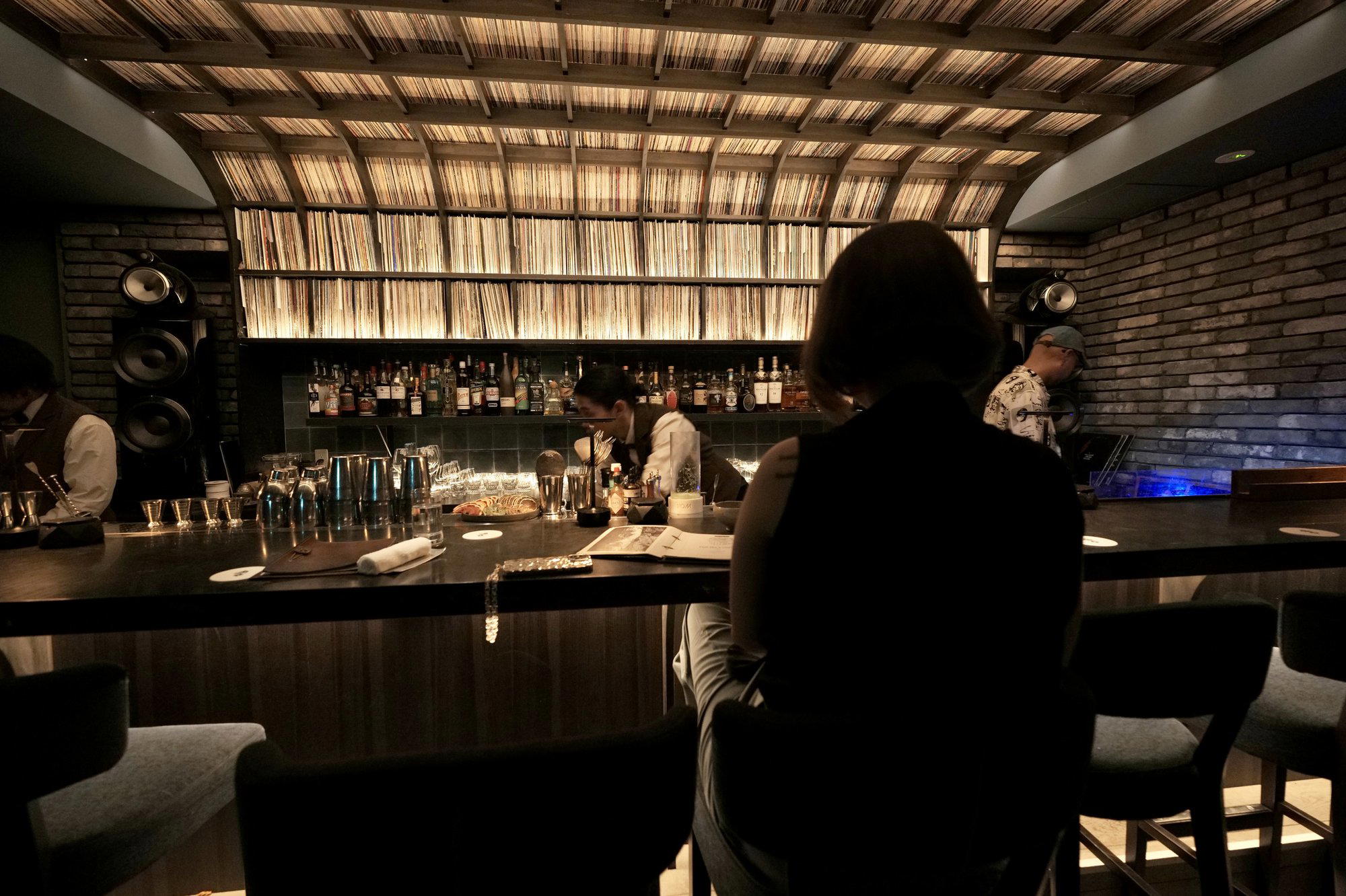
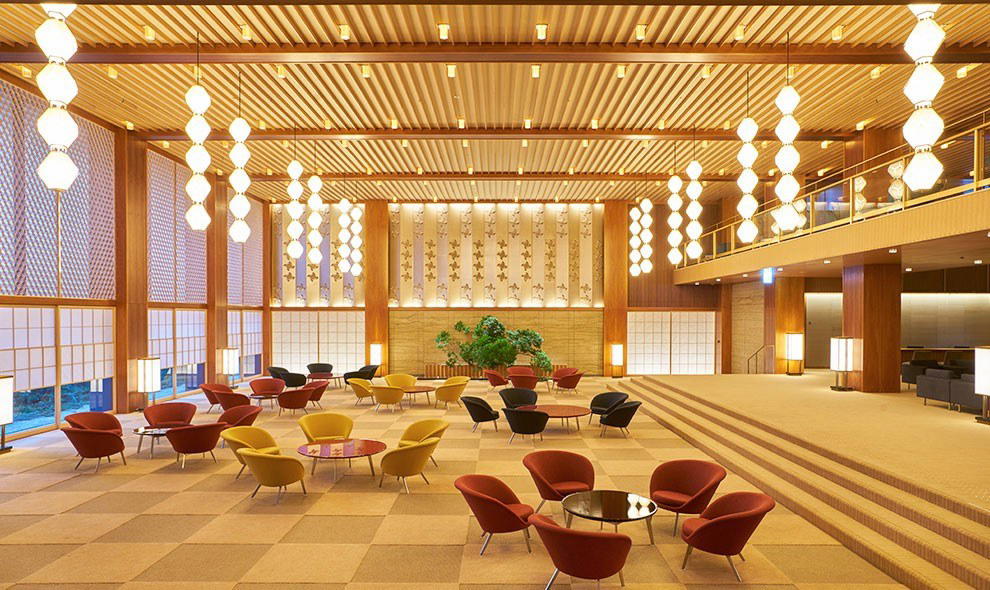
Minamiazabu sits at an unusual register in Tokyo's dining geography. The neighbourhood carries the composed, residential quality of a district that has never needed to announce itself. Streets here run quieter than Roppongi to the north or Hiroo to the east, and the dining rooms that occupy its low-rise buildings tend to reflect that temperament: small in scale, deliberate in atmosphere, and oriented toward repeat visitors rather than first-night tourists. Kirakutei occupies a basement level on a block in the 4-chome section of Minamiazabu, a detail that already signals something about the experience before you reach the door. Basement dining rooms in Tokyo, particularly in residential districts rather than commercial towers, carry a specific spatial logic. You descend out of the street-level city and into a contained environment where the architecture does most of the work of separating the meal from everything else.
The Physical Container as Editorial Statement
In Tokyo, the design of a dining room is rarely incidental. The city's premium restaurant culture has long understood that the spatial container shapes expectations before food arrives. This is especially true in the kaiseki and Japanese fine-dining traditions, where the relationship between room, light, tableware, and seasonal ingredient is understood as a single compositional act. A basement room in Minamiazabu enforces particular conditions: controlled light, an absence of street noise, and an intimacy that larger street-level rooms cannot replicate. These are not accidental qualities. They are the conditions under which a certain kind of Japanese dining attention becomes possible.
For context, Tokyo's most concentrated tier of fine Japanese dining, from the omakase counters of Ginza to the kaiseki rooms of Kojimachi, has consistently used architectural restraint as a trust signal. The absence of visual noise, the low ceiling, the warm indirect light: these are choices that communicate seriousness of purpose. Kirakutei's address in a low-profile Minamiazabu building places it in that tradition of deliberate understatement, where location and format work together to filter the audience before the menu does.
Placing Kirakutei in the Minato Dining Scene
Minato Ward contains some of Tokyo's most tightly argued dining rooms. RyuGin operates its celebrated kaiseki program in the ward, anchoring a tier of serious Japanese tasting experiences that price and book accordingly. L'Effervescence, one of Tokyo's more considered French rooms, also occupies this district, as does Crony, which works at the intersection of French technique and Japanese ingredient sourcing. Across Minato's quieter residential pockets, the pattern holds: smaller rooms, longer tasting formats, and audiences that have done the research in advance. Kirakutei's Minamiazabu address places it within this broader ward character without positioning it directly against Roppongi's more visible dining cluster.
The comparison point here matters. Tokyo's premium dining market has bifurcated clearly over the past decade. On one side sit the Michelin-decorated rooms with international recognition and booking queues measured in months, counters like Harutaka in Ginza, or the French programs at Sézanne, which competes in a fully international bracket. On the other side sits a substantial cohort of smaller, neighbourhood-anchored rooms that function within a largely domestic referral network: known to the right people, invisible to most, and consistently full. Minamiazabu's dining culture tilts toward the second cohort.
Japanese Fine Dining as a Format Tradition
Any room operating at the premium register in this neighbourhood is likely working within, or in dialogue with, Japan's tasting-format traditions. Japanese fine dining has spent decades developing a set of spatial and sequencing conventions, the counter, the private room, the multi-course progression tied to seasonal produce, that are now as influential globally as French brigade-kitchen formalism. Rooms like HAJIME in Osaka and Gion Sasaki in Kyoto demonstrate how that tradition operates across different cities and culinary registers, with the kaiseki framework providing structure even when chefs work at the edges of it.
Within Tokyo specifically, the neighbourhood dining room sits at the end of a long evolutionary chain. The city's restaurant culture rewards consistency and specificity over novelty; the rooms that survive across decades tend to be those with a clear spatial identity and a stable audience. A basement room in Minamiazabu, away from the visibility of Ginza or the foot traffic of Shinjuku, is almost by definition a room built for that kind of long-term relationship with its guests.
Japan's Broader Restaurant Network
Kirakutei's position in Minamiazabu also speaks to something broader about Japanese dining culture: the country's premium restaurant scene is not concentrated solely in Tokyo. Akordu in Nara and Goh in Fukuoka represent how serious culinary programs operate in regional cities with strong local ingredient access and different pacing expectations. Even within Tokyo itself, serious dining rooms outside the traditional Ginza-Roppongi axis, like those found in Minamiazabu, operate with the logic of regional specificity: neighbourhood as context, proximity to residential audiences as an asset.
For travellers already in Japan and considering their dining itinerary, the regional network is worth noting. 一本杉 川島 in Nanao, 湖邸庵 in Takashima, and 庄羽屋 in Nishikawa Machi each represent the depth of Japan's non-metropolitan dining culture, where seasonal sourcing and spatial intimacy often operate at a level unavailable in the capital's larger, more commercial venues. Tokyo's neighbourhood rooms like Kirakutei occupy the middle position: metropolitan address, neighbourhood scale.
Reading the Room Against International Reference Points
Tokyo's basement dining rooms in residential neighbourhoods occupy a format category that has equivalents elsewhere but rarely achieves the same density. In New York, rooms like Le Bernardin and Atomix operate at a visible, formally declared level of premium dining, their address in Midtown or the Flatiron district is itself a marketing signal. A Minamiazabu basement room makes the opposite declaration: the address obscures, the room rewards those who found it deliberately. That is a specific hospitality philosophy, and it shapes the dining relationship from the first moment a guest descends the stairs.
For a broader map of where Kirakutei sits within Tokyo's full dining programme, see our full Tokyo restaurants guide, which covers the city's key districts and format tiers in detail.
Frequently asked questions
Where exactly is Kirakutei?
Kirakutei is located at Japan, 〒106-0047 Tokyo, Minato City, Minamiazabu, 4 Chome−11−26 南麻布ビル 地下1階~1階, Tokyo.
Is Kirakutei in Minamiazabu suitable for a private or intimate dinner in Tokyo?
The venue's basement-level room in a residential Minamiazabu building in Minato City fits the physical profile of a space built for contained, low-distraction dining rather than high-traffic service. Tokyo's premium dining culture has a well-established tradition of this format, small rooms in quiet neighbourhoods, removed from the visibility of central entertainment districts, which makes it a plausible setting for occasions requiring privacy and focus.
What dish is Kirakutei famous for?
Rooms operating at this level in Minamiazabu typically anchor their menus in seasonal Japanese tasting formats, where the progression of courses carries more weight than any single plate. Until further detail is confirmed, specific dish claims would be speculative.
Do they take walk-ins at Kirakutei?
Walk-in availability is not confirmed. The address, a basement-level room in a residential Minamiazabu building, points toward the kind of venue where seats are allocated well in advance.
What's the standout thing about Kirakutei?
The address does much of the positioning: 4-chome Minamiazabu, at basement level in a residential Minato City building, places Kirakutei within Tokyo's tradition of dining rooms that are deliberately hard to find and built for guests who already know where they're going. That spatial logic, away from high-visibility streets, below ground, is itself an editorial statement about the intended register of the experience.
What if I have allergies at Kirakutei?
For allergy-critical enquiries at this kind of Tokyo venue, the most reliable route is through a hotel concierge with existing restaurant relationships, or a specialist Tokyo dining reservation service that can communicate directly in Japanese before your booking is confirmed.
Should I splurge on Kirakutei?
For context, premium tasting-format rooms in Minato Ward, a ward that includes RyuGin's kaiseki program, typically run from ¥20,000 to ¥50,000 or more per person. If Kirakutei operates at a comparable register, it sits in a tier where the spend is material but not unusual for serious Tokyo dining.
Comparable Spots, Quickly
Comparable venues nearby, for context on price, style, and recognition.
| Venue | Cuisine | Price | Awards | Notes |
|---|---|---|---|---|
| KirakuteiThis venue (the venue you are viewing) | Yakiniku | $30–50 | Tabelog 100 #99 | Not listed |
| Nawa Noren | Stand-up Horumon & Grilled Tripe Bar | $30–50 | Tabelog 100 #19 | Shibuya |
| Gyoza Mania Shinagawa hon ten | Gyoza-focused Japanese Izakaya | $30–50 | Tabelog 100 #50 | Minato |
| Kitsune An | Traditional Udon Noodle Bar | $10–20 | Tabelog 100 #4 | Chūō |
| 虎白 | Modern Japanese Kaiseki | $300–500 | 2 Michelin Stars · La Liste Top Restaurants | Shinjuku |
| HINATA-YA | Japanese curry café | $10–20 | Tabelog 100 #42 | Chiyoda |
Recognition history
Dated appearances from independent guides and award organizations, with the underlying list record or original source where available.
Tabelog 100 #99 · No. 99
Tabelog · Tabelog 100 - Yakiniku - TOKYO - 2025
Continue exploring
More in Tokyo
Restaurants in Tokyo
All restaurants in Tokyo →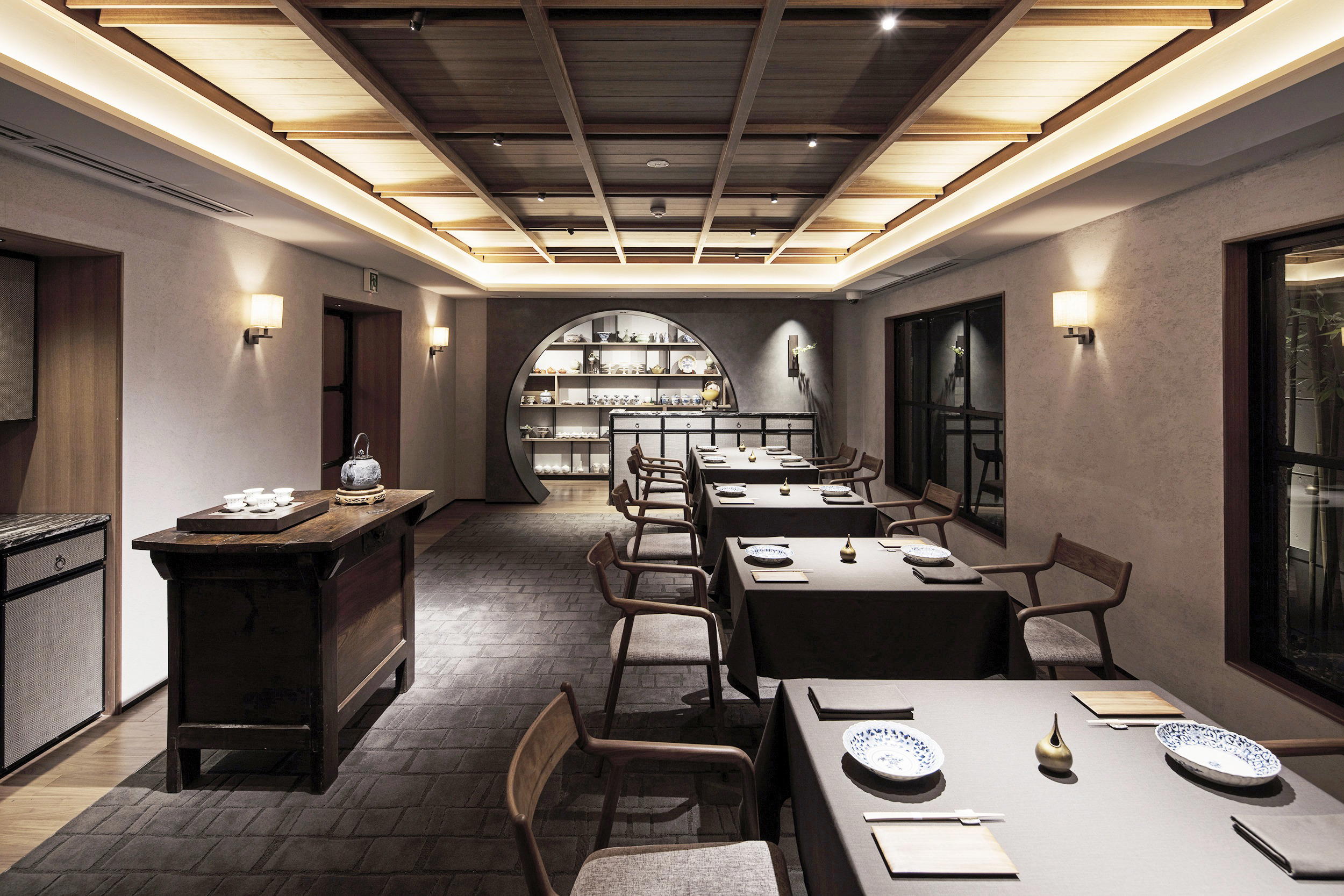



Bars in Tokyo
All bars in Tokyo →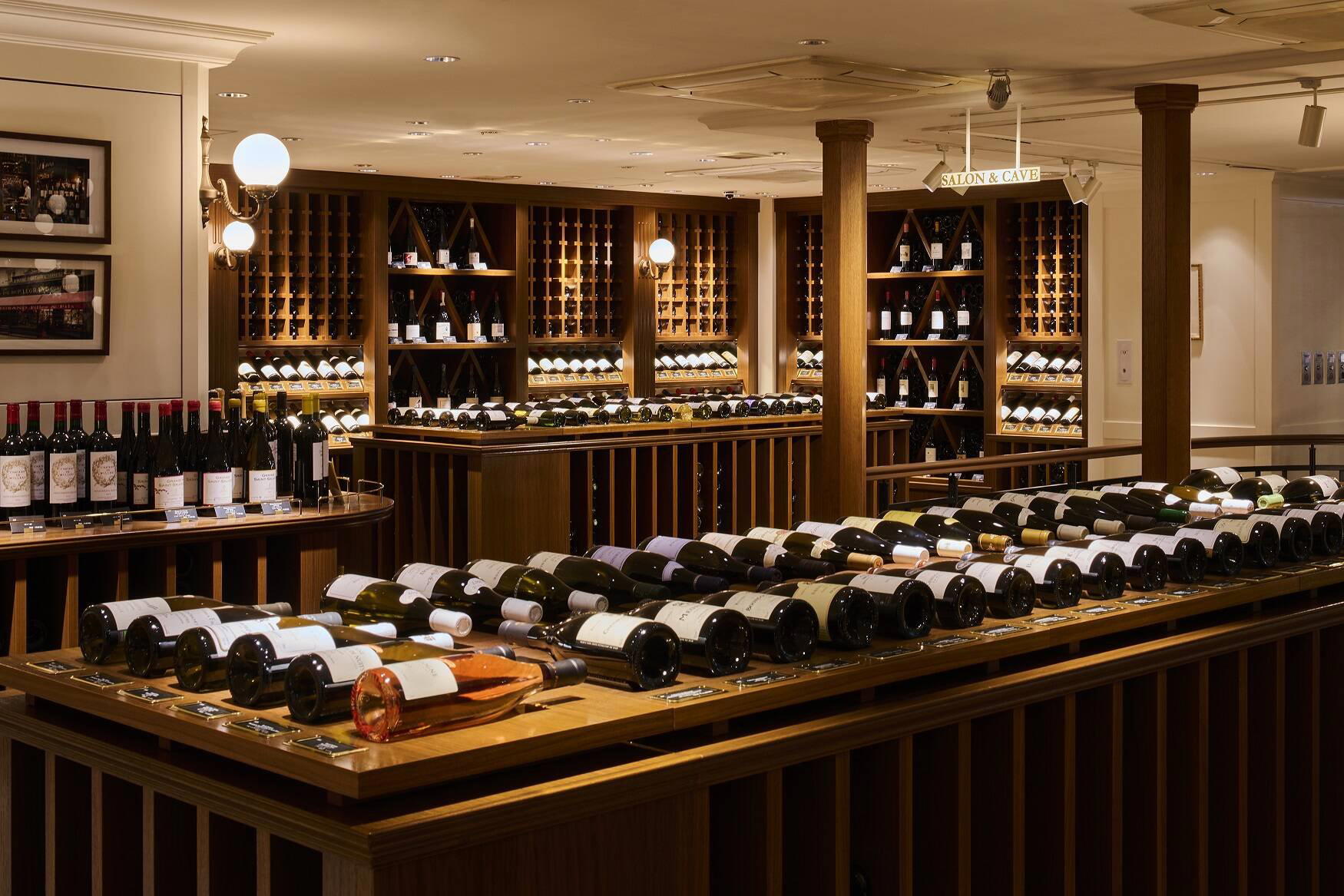




Details
- Cozy
- Intimate
- Date Night
- Family
- Casual Hangout
- Sake Program
- A La Carte
Current opening hours
- Monday
- 5–11:30 PM
- Tuesday
- Closed
- Wednesday
- 5–11:30 PM
- Thursday
- 5–11:30 PM
- Friday
- 5–11:30 PM
- Saturday
- 5–11:30 PM
- Sunday
- 5–11:30 PM
Hours can change for holidays and private events. Hours as of .
Cozy and intimate atmosphere well-suited for family dinners or romantic dates.