Situated in a basement space in Daikanyama's Hachiyamacho district, リストランテ ヤギ is a Tokyo Italian address operating within one of the city's most considered residential dining corridors. The venue sits in the broader tradition of Tokyo's European fine dining tier, where sourcing discipline and kitchen restraint tend to matter more than spectacle. Daikanyama's walkable scale and low-signage culture make advance research essential before visiting.
Pearl is the En Primeur Club membership app — saves, bookings, and concierge access live there. Same editors, same standards.
- Address
- Japan, 〒150-0035 Tokyo, Shibuya, Hachiyamacho, 15−2 プラザ1000代官山 B1F
- Phone
- +81368090434
- Website
- ristorante-yagi.com

Daikanyama and the Italian Fine Dining Tier It Sustains
リストランテ ヤギ is a Tokyo restaurant serving Modern Italian Fine Dining in Shibuya, with a price tier of about US$150 per person. Over three decades, a generation of Japanese chefs trained in Italy, returned home, and built kitchens that now operate on ingredient logic as rigorous as anything in Milan or Bologna. The result is a tier of mid-to-upper Italian dining spread across the city's residential neighbourhoods, where sourcing decisions, not theatrical presentation, tend to be the differentiating variable. Daikanyama, the low-rise, boutique-heavy district straddling Shibuya and Nakameguro, has become a reliable address for this kind of cooking. Its compact, walkable character and relatively low commercial density have attracted restaurants that rely on repeat neighbourhood custom rather than tourist volume, which shapes what ends up on the plate.
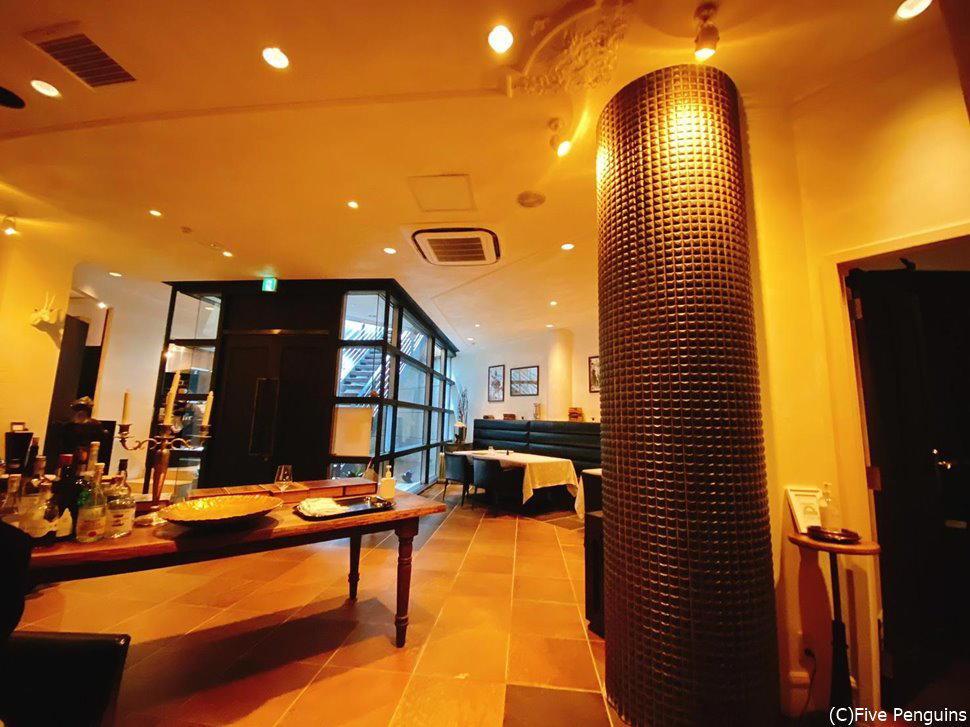
リストランテ ヤギ occupies a basement floor in Plaza 1000 Daikanyama, at 15-2 Hachiyamacho in Shibuya-ku. Basement dining in Tokyo carries none of the stigma it might elsewhere. The format tends to produce enclosed, acoustically intimate rooms where the kitchen and its output take precedence over views or street theatre. For a certain style of Italian, that containment is appropriate.
Sourcing as the Central Argument
Italian cuisine in Japan sits at an interesting intersection. Italian cooking's foundational logic is product-first: the tomato, the olive oil, the aged cheese are not incidental to technique, they are the technique. Japanese kitchen culture carries an equivalent principle in its treatment of seasonal produce and regional suppliers. When these two product-first traditions meet in a serious Tokyo kitchen, the result is often cooking that outperforms its European reference points on raw material quality, even when it defers to classical Italian structure.
This is the competitive context in which a Daikanyama Italian address like リストランテ ヤギ operates. Tokyo's broader supply infrastructure for European-style kitchens is now deeply developed: Hokkaido dairy and pork, Kyushu vegetables, domestic truffles from emerging growing regions, and Japanese interpretations of cured product have all reached a standard that allows serious Italian kitchens here to argue for their menus on local sourcing terms, not just as approximations of imported originals. Compare this with Tokyo's French kitchens: venues like L'Effervescence and Sézanne have built significant reputations partly on the argument that Japanese seasonal produce, channelled through French technique, produces a distinct and coherent cuisine. Italian kitchens in Tokyo are making a parallel case.
For the innovative cross-cultural approach that Tokyo's European dining scene has increasingly embraced, Crony offers a French-leaning variation on the same logic, while Harutaka demonstrates how Japanese sourcing discipline can anchor a very different format entirely. The pattern across all of these is consistent: what the kitchen sources, and from where, is the argument the restaurant is making.
Where Daikanyama Sits in the Tokyo Dining Map
Understanding リストランテ ヤギ's position requires some spatial context. Daikanyama is not a dining district in the way Ginza or Roppongi are, where restaurant density and foot traffic are self-reinforcing. It functions more like a village within the city, defined by architecture, independent retail, and a resident demographic that supports lower-volume, longer-tenure businesses. Restaurants here do not rely on walk-in trade in the way a Shinjuku or Shibuya address might. The booking culture tends to be more deliberate, and the clientele skews toward the neighbourhood's design-aware professional class.
This matters for Italian dining specifically because the cuisine's mid-range tier in Tokyo often occupies precisely this kind of neighbourhood position: not the high-profile Michelin circuit anchored in Ginza and Minami-Aoyama, but a stratum of personally operated, ingredient-focused rooms where the cooking can be serious without the pricing architecture of the top-end omakase tier. For reference, RyuGin represents the Michelin-anchored formal Japanese end of that spectrum; the neighbourhood Italian operates at a different register, often more accessible in both price and formality, but no less considered in its sourcing decisions.
Japan's broader regional restaurant culture reinforces this pattern. Outside Tokyo, kitchens like HAJIME in Osaka, Gion Sasaki in Kyoto, and akordu in Nara each demonstrate how Japan's regional produce networks can sustain serious European or European-inflected cooking at addresses far from the capital's Michelin infrastructure. Goh in Fukuoka makes a similar argument from the southwest. The common thread is local supply discipline applied to a non-Japanese culinary framework.
For those building a wider picture of Japan's regional dining depth, addresses like 一本木 佐川制 in Nanao, 奥仲山乃 in Sapporo, 湖畔荘 in Takashima, and 庄羽屋 in Nishikawa Machi illustrate the geographic spread of that sourcing culture. Further afield, Birdland in Sakai and Bistro Ange in Toyohashi each reflect regional European-influenced dining operating outside the major city circuits. For a transatlantic reference point, the sourcing discipline that drives Tokyo's European kitchens finds international parallels in how Le Bernardin in New York City anchors its menu in product quality, and how Atomix in New York City applies Korean sourcing logic to a tasting format. The methodology differs but the underlying argument is the same: the ingredient is the editorial statement.
Planning Your Visit
The address is reachable on foot from Daikanyama Station on the Tokyu Toyoko Line. The basement location within Plaza 1000 Daikanyama means the entrance is not prominently signposted at street level, so arriving with the address confirmed in advance is advisable. Reservations are essential. Dress: smart casual. Budget: around US$150 per person.
Where the Accolades Land
Comparable venues nearby, for context on price, style, and recognition.
| Venue | Cuisine | Price | Awards | Notes |
|---|---|---|---|---|
| リストランテ ヤギThis venue — the venue you are viewing | Modern Italian Fine Dining | $$$$ | , | |
| フィオッキ | Northern Italian Piedmontese | $$$$ | , | Setagaya |
| ビオディナミコ | Modern Italian Ristorante | $$$ | , | Shibuya |
| K+ | Modern Italian Fine Dining | $$$ | , | Minato |
| Kasai | Modern Italian | $$$ | , | Meguro |
| Oyamadai Yamada | Wood-fired Pizza Kappo Counter | $$$$ | , | Setagaya |
At a Glance
- Quiet
- Elegant
- Intimate
- Hidden Gem
- Sophisticated
- Date Night
- Special Occasion
- Business Dinner
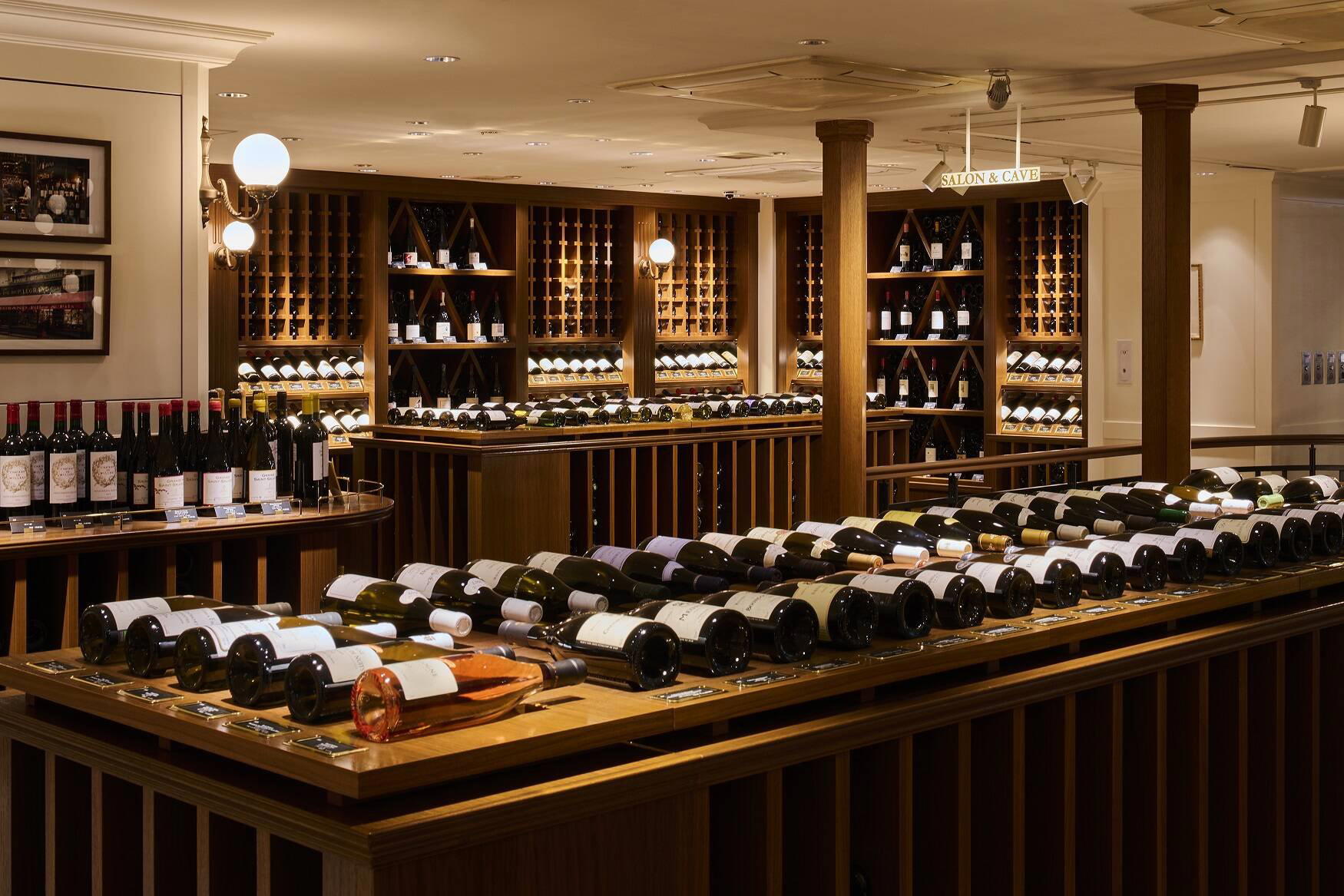
- Extensive Wine List
- Local Sourcing
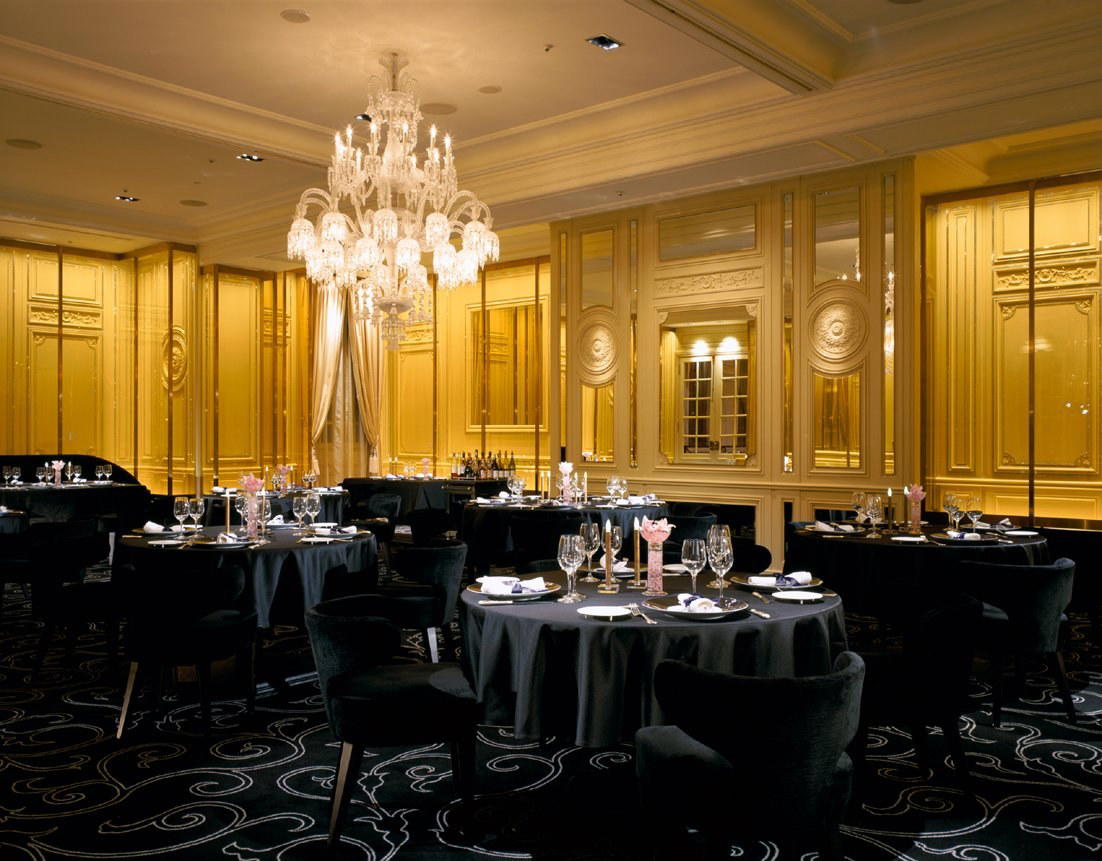
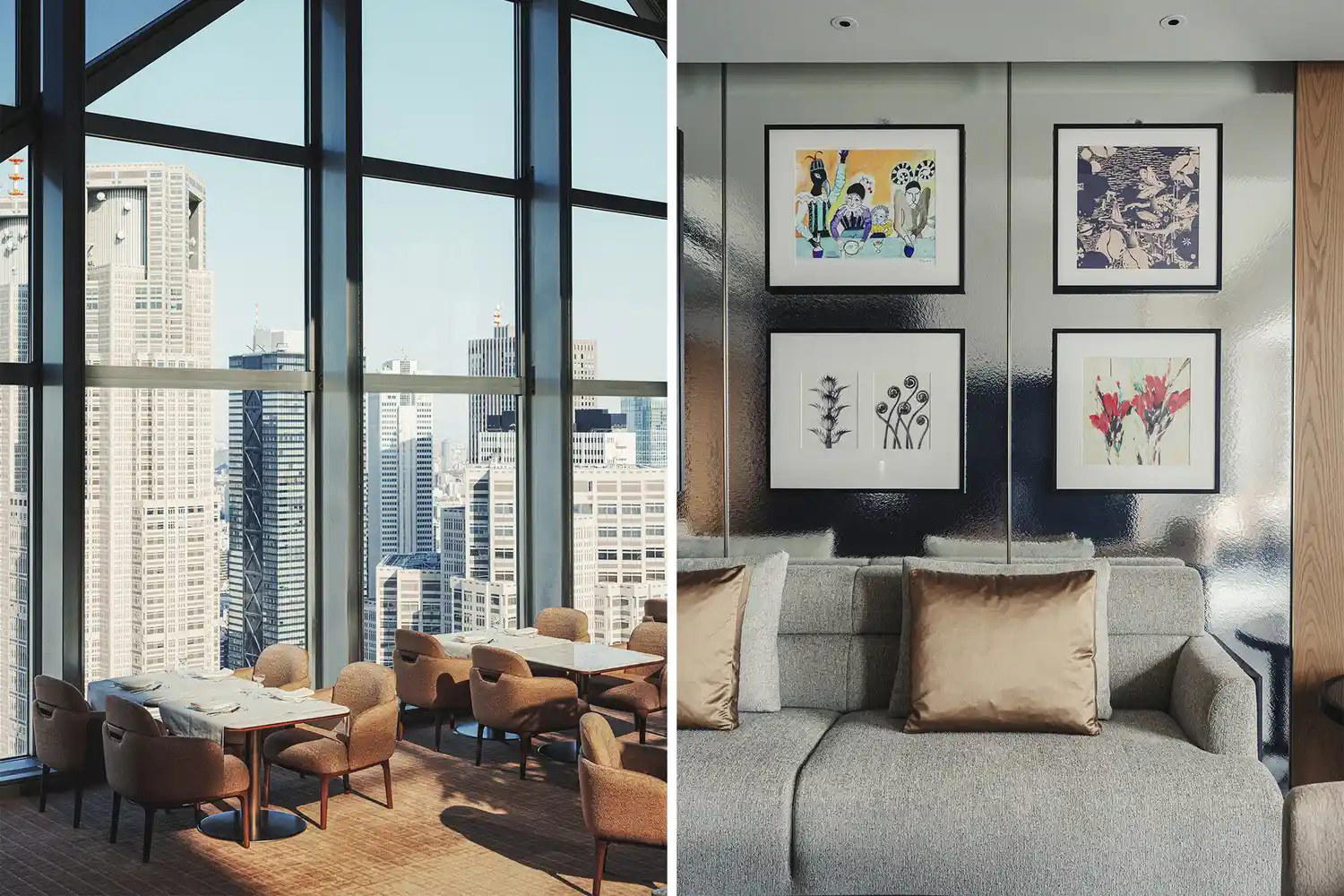
White walls and brown tones create a serene, tension-filled space evoking anticipation for the cuisine in a hidden basement hideaway.