
Kasai puts Tokyo Italian dining into a small-room Yakumo register: restrained, wine-aware, and closer to a neighbourhood counter than a grand dining room. Its Tabelog Italian TOKYO 100 selections in 2023 and 2025 place it among the city’s serious Italian addresses, while the Meguro setting keeps the experience away from the usual central-Tokyo restaurant circuit.
Pearl is the En Primeur Club membership app — saves, bookings, and concierge access live there. Same editors, same standards.
- Address
- Japan, 〒152-0023 Tokyo, Meguro City, Yakumo, 3 Chome−6−22 小倉八雲マンション 105
- Phone
- +81 3-6421-3517
- Website
- instagram.com
 Saves & bookings on Pearl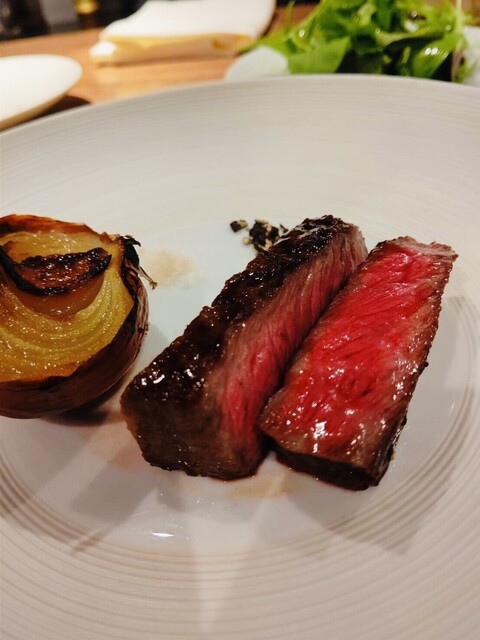
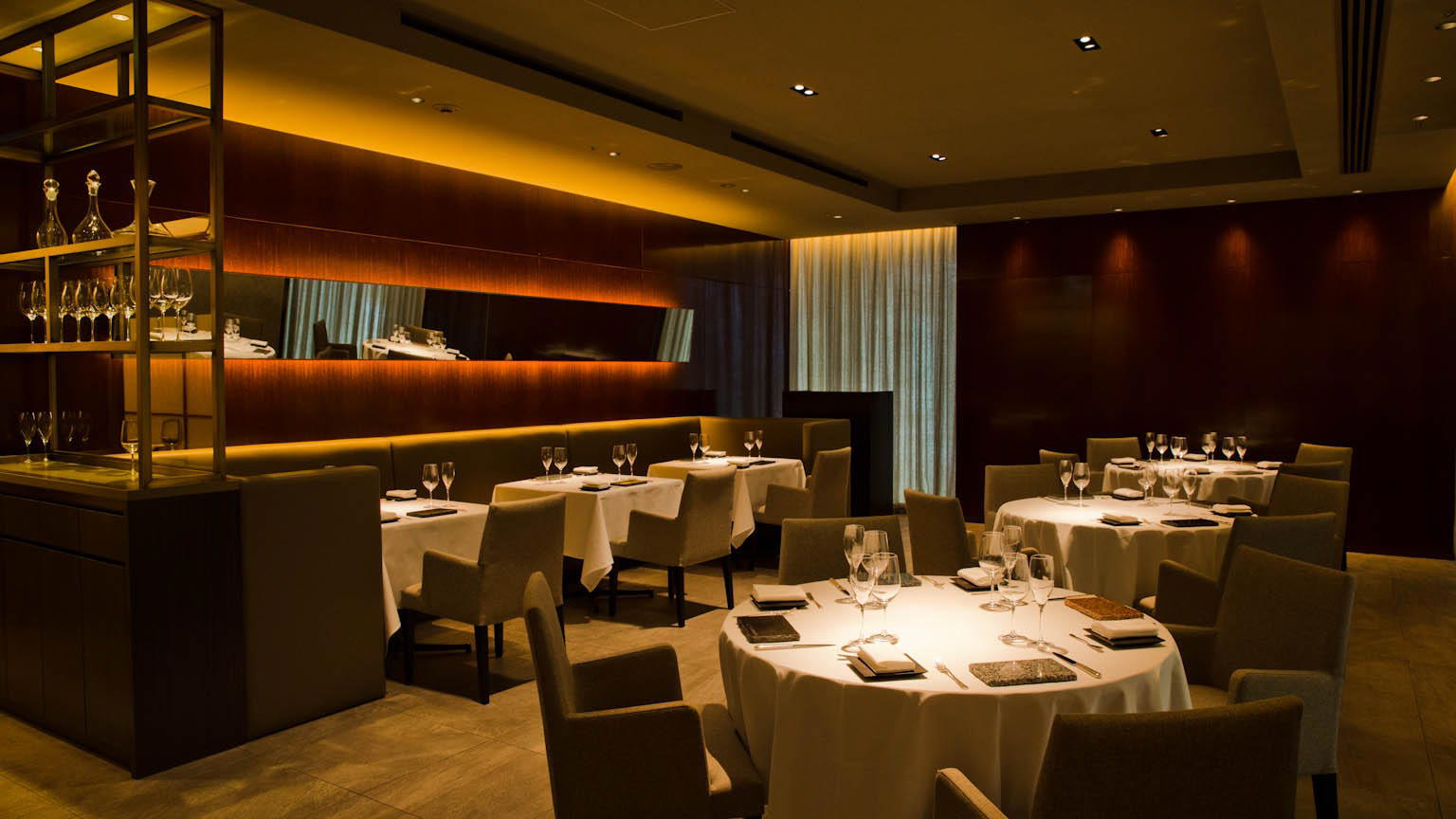
Yakumo changes the tempo before dinner begins. The streets around Toritsu Daigaku and Jiyugaoka soften into residential Tokyo: low apartment blocks, small shopfronts, and a quieter rhythm than Ginza, Roppongi, or Ebisu. That matters for Italian cooking in the city. Tokyo’s Italian scene has long split between polished destination rooms and intimate counters where Japanese produce, pasta craft, and wine service do the heavy lifting. Kasai belongs to the latter camp, a nine-seat Italian restaurant in Meguro where scale is part of the argument.
The useful way to read this address is not as imported Italy, but as Tokyo Italian in its local form. The category has matured beyond red-sauce nostalgia and luxury hotel formality; at this level, the cooking tends to borrow Italian structure while depending on Japanese seasonality, portion discipline, and a wine-led pace. The Tabelog Italian TOKYO 100 selections in 2023 and 2025 give Kasai a clear trust marker inside that field, not as a mass-market recommendation but as recognition within a crowded city category.
Tokyo Italian in a nine-seat Yakumo room
Small restaurants in Tokyo often make a stronger case than large ones because the format forces decisions. A nine-seat room cannot hide behind breadth. It has to be precise about pacing, wine, and the relationship between counter and kitchen. In Italian dining, that usually means fewer theatrical gestures and more attention to how a course sequence works with acidity, texture, and temperature, though specific dishes should be judged from the current menu rather than assumed in advance.
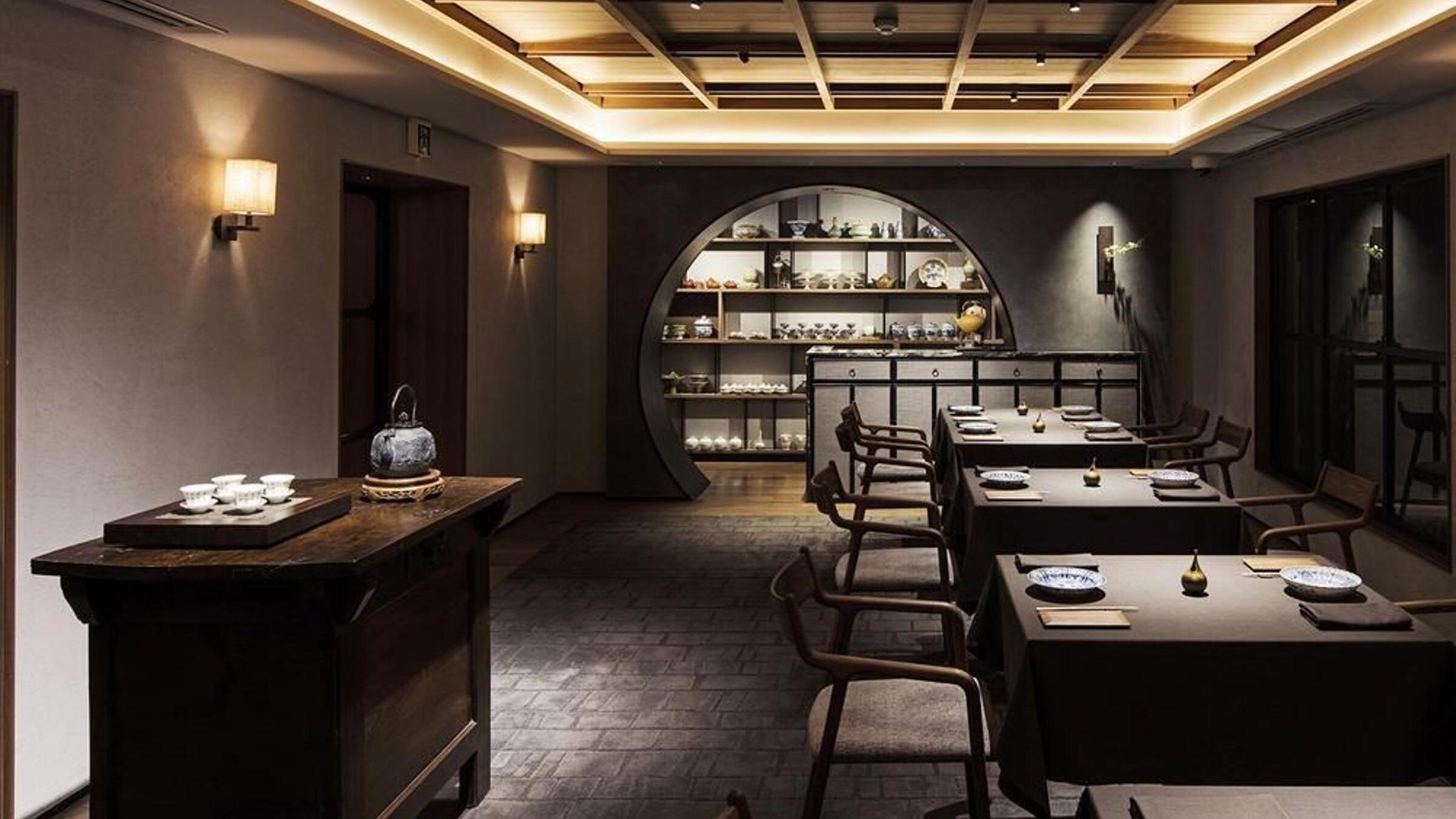
Kasai’s positioning is sharpened by neighbourhood context. Yakumo Saryo, also in Tokyo, represents a different local grammar through kaiseki, where season and service ritual define the meal. Nearby patisserie names such as Patisserie Tadashi Yanagi Yakumo ten, Addict au Sucre, and Mon St. Clair point to the area’s quieter appetite for specialist food addresses rather than nightlife density. Against that backdrop, an Italian counter here reads less like a foreign transplant and more like another precision craft format within a residential dining pocket.
The global-technique, local-ingredient equation is central to why Tokyo Italian remains compelling. Italian cooking supplies the framework: pasta, wine, olive oil, slow reductions, cured and grilled elements, and a culture of courses that can move from restraint to richness. Tokyo supplies the counter-dining discipline, the produce calendar, and a customer base trained to notice small changes. When the balance works, the result is not fusion for novelty’s sake. It is Italian logic under Japanese pressure.
Recognition places it in the serious Italian set
Tabelog’s Hyakumeiten lists are useful because they reward category depth rather than international fame. A place selected for Italian TOKYO 100 is being measured against Tokyo’s own Italian restaurants, not against a generic travel checklist. Kasai’s 2025 selection, following a 2023 selection, puts it in a citywide conversation where wine focus, consistency, and format discipline matter. The listed score of 3.85 also signals local credibility in a review culture where high restaurant scores are difficult to accumulate.
That recognition should shape expectations. This is not the choice for a sprawling group dinner or a loud room built around spectacle. The format points toward concentration: a small number of seats, counter-style intimacy, and a wine-conscious meal. In Tokyo, that profile often competes less with grand Italian dining rooms than with sushi counters, kappo rooms, and modern Japanese restaurants at similar levels of seriousness. The common thread is not cuisine; it is the controlled scale of the evening.
Wine is part of the venue’s identity rather than an afterthought. That distinction matters in Tokyo Italian, where the beverage program often separates casual pasta rooms from destination counters. The city has plenty of informal Italian cooking, but the recognized tier tends to ask a different question: can the wine program carry the meal without turning it into a cellar performance? Kasai’s listing specifically notes wine focus, which places it closer to that adult, course-driven style than to everyday trattoria dining.
Who should choose this side of Tokyo
The address makes the strongest case for diners who want Tokyo’s quieter precision rather than its central-district theatre. Meguro’s Yakumo area does not compete on neon, late-night foot traffic, or hotel-lobby glamour. It rewards planning and intention. For travellers building a Tokyo food itinerary, that contrast can be useful: a small Italian dinner in a residential quarter can sit neatly against more Japanese-coded meals elsewhere, from yakitori at 124. KAGURAZAKA (Yakitori) to seafood and charcoal cooking at . 鮪と炭火焼き うお炭 秋葉原店.
It is also a reminder that Tokyo’s restaurant map should not be read only through famous districts. The same trip can include highly specific casual addresses such as 3 Chome no Curry Ya San, visual café culture at 2D Cafe, or Shinjuku dining at 12/10 Shinjuku ten. Kasai’s role is different: smaller, quieter, and more dependent on the guest wanting a focused Italian meal rather than a district-hopping evening.
For broader planning, use Our full Tokyo restaurants guide alongside Our full Tokyo hotels guide, Our full Tokyo bars guide, Our full Tokyo wineries guide, and Our full Tokyo experiences guide. Travellers extending the food thread beyond Tokyo can compare regional formats through -Grilled beef Sukiyaki- KAMAKURA TANUKIAN 鎌倉 たぬき庵 in Kamakura.cafe in Osaka.know in Kumamoto, (Shoku) Vietnam in Kawasaki, [Curry Senmon Ten] Maruyama Kyoju. in Sapporo, and [ki:] in Kyoto. For Japanese drinking and casual food culture abroad, Jōdo Saké Bar in Los Angeles and Onigiri Time in Pasadena offer useful counterpoints.
The Minimal Set
Comparable venues to place this listing in its category.
| Venue | Cuisine | Price | Notes |
|---|---|---|---|
| KasaiThis venue — the venue you are viewing | Meguro, Modern Italian | $$$ | Not listed |
| オステリア スプレンディド | Not listed | $$$ | Minato, Authentic Northern Italian Trattoria |
| Alporto | Minato, Italian Kaiseki | $$$ | Not listed |
| TORNAVENTO | Not listed | $$$ | Minato, Piedmontese Italian with wine-focused chef’s courses |
| ラストリカート | Shinjuku, Authentic Italian Osteria | $$$ | Not listed |
| Partenope (パルテノペ) | Ebisu, Authentic Neapolitan Pizza | $$$ | Not listed |
Recognition history
Dated appearances from independent guides and award organizations, with the underlying list record or original source where available.
Tabelog 100 #88 · No. 88
Tabelog · Tabelog 100 - Italian - TOKYO - 2025












At a Glance
- Cozy
- Intimate
- Sophisticated
- Date Night
- Special Occasion
- Business Dinner
- Group Dining
- Standalone
- Beer Program
Current opening hours
- Monday
- 5–11 PM
- Tuesday
- 5–11 PM
- Wednesday
- Closed
- Thursday
- 5–11 PM
- Friday
- 5–11 PM
- Saturday
- 3–9 PM
- Sunday
- 3–9 PM
Hours can change for holidays and private events. Last verified .
A small, casual-to-refined space with an intimate, quiet-to-conversational feel and a strong focus on ingredient-driven dining.