

Tabelog 100 #49
Our verdict
K+ occupies a quiet corner of Nishiazabu, one of Tokyo's most concentrated blocks for serious dining. Specific format and cuisine details remain sparse, but the location signals intent.

Pearl is the En Primeur Club membership app, where members save venues, book tables and use the concierge.
The menu
What to order
- Spaghetti carbonara with summer truffle
- Snow crab croquette with caviar
Nishiazabu and the Dining Density That Defines It
Tokyo's premium dining scene does not distribute evenly across the city. Certain neighbourhoods accumulate serious kitchens at a density that reflects real estate economics, clientele concentration, and the gravitational pull one well-regarded address exerts on the next. Nishiazabu, in Minato Ward, is one of those neighbourhoods. The 4-chome block where K+ is located sits within walking distance of restaurants that collectively hold multiple Michelin stars, a fact that tells you something about the competitive context before you ever look at a menu. In Tokyo, postcodes carry information.
The Nishiazabu corridor runs roughly between Roppongi and Hiroo, two areas with distinct characters that the neighbourhood mediates between. Roppongi brings volume and international footfall; Hiroo brings residential wealth and long-term local patronage. Nishiazabu draws from both without fully belonging to either, which is partly why it attracts the kind of restaurant that wants a serious audience without the tourist-circuit noise. K+, at 4 Chome-5-8, sits in that context.
Understanding what K+ is requires placing it against the category of restaurants that this specific block has produced. Tokyo's ¥¥¥¥-tier restaurants, the omakase counters, the kaiseki rooms, the French kitchens operating at full technical extension, tend to cluster in a handful of postcodes, and Nishiazabu is consistently among them. L'Effervescence, which holds three Michelin stars and operates a French kitchen grounded in Japanese seasonal logic, represents one mode of what this neighbourhood produces. RyuGin, the kaiseki address where classical Japanese technique is pushed into contemporary form, represents another. These are not casual neighbours.
The presence of multiple Michelin-decorated kitchens within the same few blocks creates a self-reinforcing standard. Suppliers, service staff, and the clientele that books months ahead all circulate within this small geography. A restaurant opening here is, by its address alone, entering a conversation about what premium dining in Tokyo looks like. Crony, the two-star French-innovative kitchen, and Harutaka, the three-star sushi counter in nearby Ginza that draws comparison with the broader Minato dining belt, both illustrate how densely this part of Tokyo competes at the top tier.
The Neighbourhood as Experience Frame
Part of what a Nishiazabu address delivers is the walk to the restaurant. The area retains a low-rise residential texture that much of central Tokyo has surrendered to redevelopment. Streets narrow. Signage becomes less aggressive. The sensory shift from Roppongi's six-lane volume to Nishiazabu's side-street quiet is pronounced enough that arriving at a restaurant here feels like an intentional transition, not just a commute. That transition is part of what premium dining in Tokyo has historically understood: the approach matters.
Japanese restaurant culture, particularly at the counter and kaiseki end, has always treated the pre-meal movement as preparation. The taxi drop, the short walk, the moment before the door, these are understood as part of the pacing. Nishiazabu's residential grain supports that pacing in a way that higher-traffic addresses do not. For international visitors already calibrating their Tokyo itinerary, the neighbourhood sits conveniently between the major hotel concentrations of Roppongi and the residential comfort of Hiroo, both accessible without long commutes. The nearest metro access runs through Hiroo Station on the Hibiya Line, with Roppongi Station (Hibiya and Oedo lines) offering additional routing options.
Tokyo's Broader Fine Dining Geography
K+ at Nishiazabu is one data point in a dining geography that extends across the metropolitan area. Sézanne, Daniel Calvert's French kitchen in the Four Seasons at Marunouchi, operates a different mode of premium dining anchored to a hotel address with international reach. Harutaka in Ginza represents the omakase counter at its most reduced and demanding. These different addresses signal different things about format and clientele.
Outside Tokyo, the calibration continues. HAJIME in Osaka and Gion Sasaki in Kyoto anchor what Japan's secondary cities offer at the serious end. akordu in Nara and Goh in Fukuoka extend that map further. For visitors building a multi-city Japan itinerary, understanding how Tokyo's neighbourhood-level positioning compares to these other cities is part of the planning work. The full Tokyo restaurants guide maps the city's dining tiers in more detail, alongside the Tokyo hotels guide, bars guide, and experiences guide for complete trip planning. The Tokyo wineries guide covers the natural wine and sake programming that has grown alongside the city's food scene.
Beyond Japan, the comparison extends internationally. Le Bernardin in New York City and Atomix, the Korean tasting menu that has become a reference point for how non-European cuisines operate at the top of the American fine dining market, both illustrate what their respective city addresses communicate before a dish is served. Nishiazabu does the same work for K+. And restaurants like 1000 in Yokohama and 6 in Okinawa demonstrate how Japan's dining ambition spreads well beyond the capital's famous postcodes.
What's the signature at K+?
No signature dish data is confirmed in EP Club's record for K+. The restaurant's address on the Nishiazabu dining block, where kitchens like Crony and Harutaka have built reputations on precise, format-driven menus, suggests a similar degree of intention. Current reviews from named publications or direct venue communication would be the reliable source for dish-level detail.
Is K+ good for vegetarians?
EP Club does not hold dietary accommodation data for K+. Many Tokyo fine dining kitchens at this address tier are able to accommodate requests given advance notice, but confirmation varies by format and season.
Is K+ worth it?
The honest answer depends on what EP Club cannot yet confirm: cuisine format, price, and the current kitchen's output. That context sets the expectation level correctly. Once cuisine type and current pricing are verified, the value calculation becomes direct against Tokyo's established tiers, which the full Tokyo restaurants guide maps in detail.
How does K+ fit into Tokyo's Nishiazabu dining scene compared to nearby restaurants?
Nishiazabu functions as one of Tokyo's most concentrated fine dining corridors, where a short walk connects several kitchens operating at the highest level of Japanese and European cuisine. K+'s address at 4 Chome-5-8 places it within that block, meaning it draws from the same supplier networks, similar clientele, and the same high baseline expectation that defines the area. For visitors building a multi-night Tokyo dining itinerary, Nishiazabu rewards the effort of planning two or more meals in the same neighbourhood across different formats, the L'Effervescence and RyuGin entries in the EP Club Tokyo guide provide the clearest comparative anchors for the area.
Price and Positioning
Comparable venues nearby, for context on price, style, and recognition.
| Venue | Cuisine | Price | Awards | Notes |
|---|---|---|---|---|
| K+This venue (the venue you are viewing) | Modern Italian Fine Dining | $100–150 | Tabelog 100 #49 | Not listed |
| Trattoria Mari e Monti | Authentic Italian Trattoria | Not listed | Not listed | Minato, Authentic Italian Trattoria |
| 銀座 カシータ | Innovative Italian with Seafood Focus | $100–150 | Not listed | Chūō, Innovative Italian with Seafood Focus |
| Ostü | Authentic Piedmontese Italian | $50–100 | Not listed | Shibuya, Authentic Piedmontese Italian |
| aniko | Marche-style Italian (Michelin Bib Gourmand) | $50–100 | Tabelog 100 #82 | Minato, Marche-style Italian (Michelin Bib Gourmand) |
| リナシメント | Modern Italian Fine Dining | $50–100 | Tabelog 100 #92 | Meguro, Modern Italian Fine Dining |
Recognition history
Dated appearances from independent guides and award organizations, with the underlying list record or original source where available.
Opinionated About Dining Top Restaurants in Japan Recommended
Opinionated About Dining
Tabelog 100 #49 · No. 49
Tabelog · Tabelog 100 - Italian - TOKYO - 2025
Continue exploring
More in Tokyo
Restaurants in Tokyo
All restaurants in Tokyo →







Details
- Cozy
- Modern
- Intimate
- Sophisticated
- Date Night
- Celebration
- Special Occasion
- Late Night
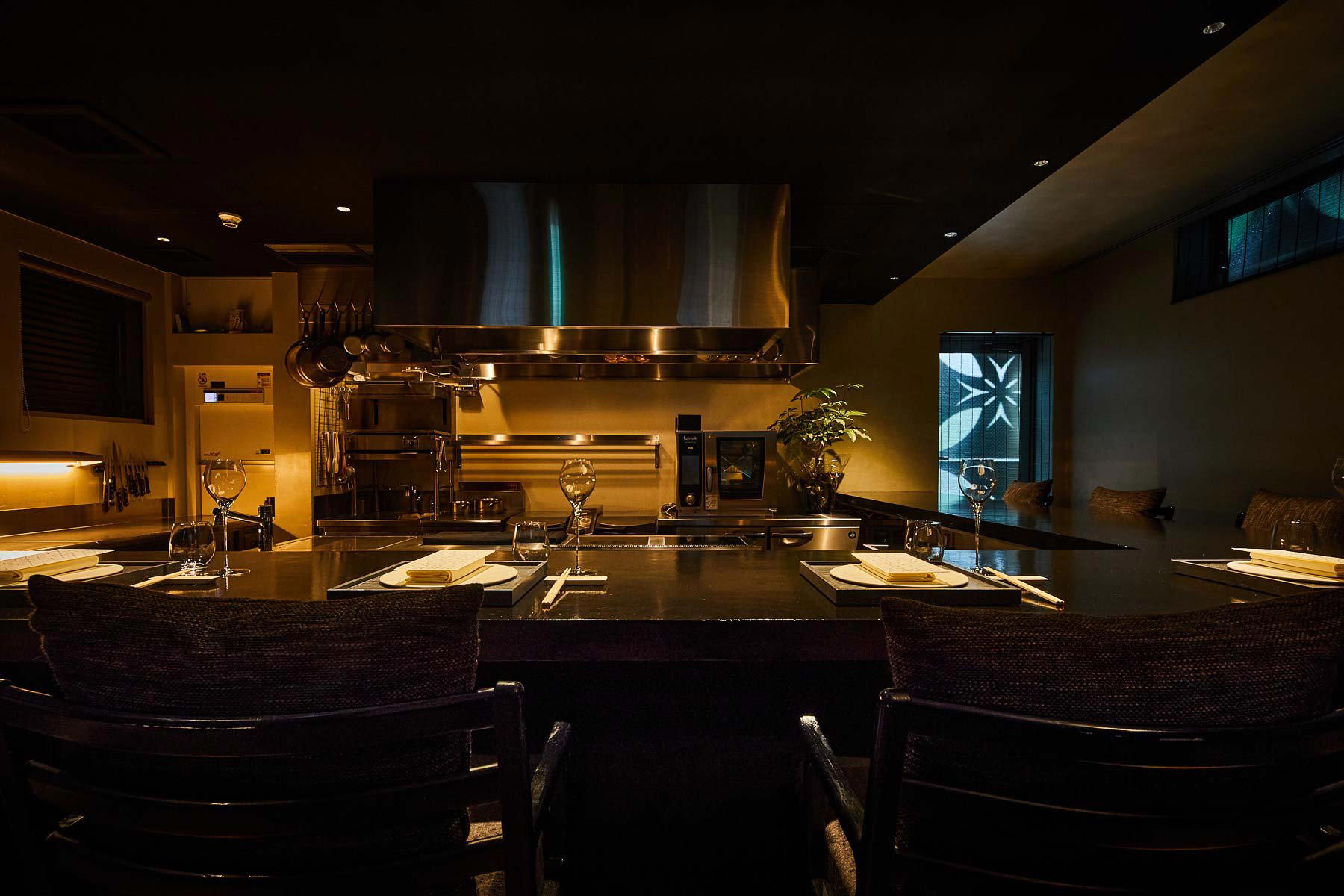
- Open Kitchen
- Sake Program
- A La Carte
- Set Menu
Current opening hours
- Monday
- 6 PM–1 AM
- Tuesday
- 6 PM–1 AM
- Wednesday
- 6 PM–1 AM
- Thursday
- 6 PM–1 AM
- Friday
- 6 PM–1 AM
- Saturday
- 6 PM–1 AM
- Sunday
- Closed
Hours can change for holidays and private events. Hours as of .
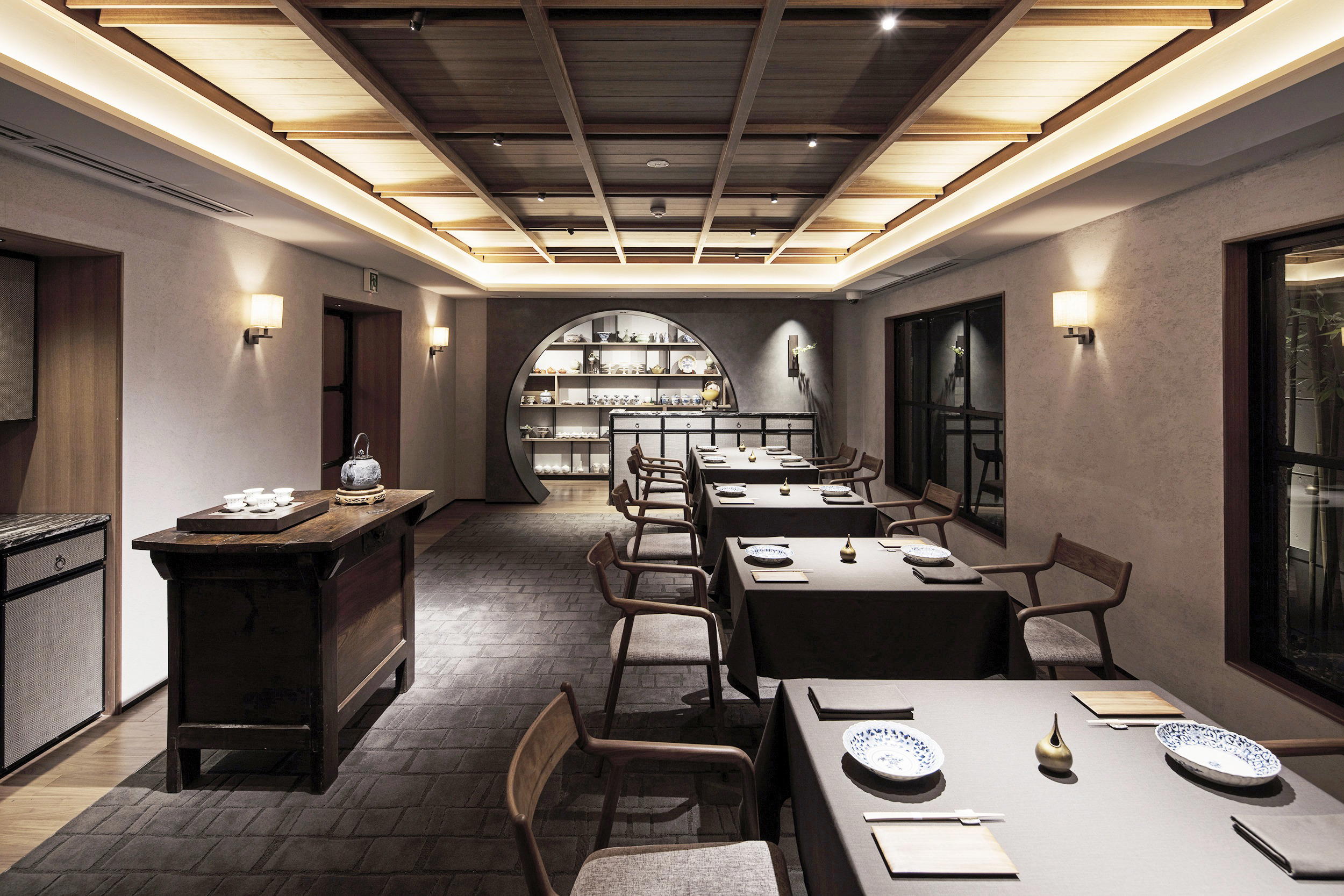
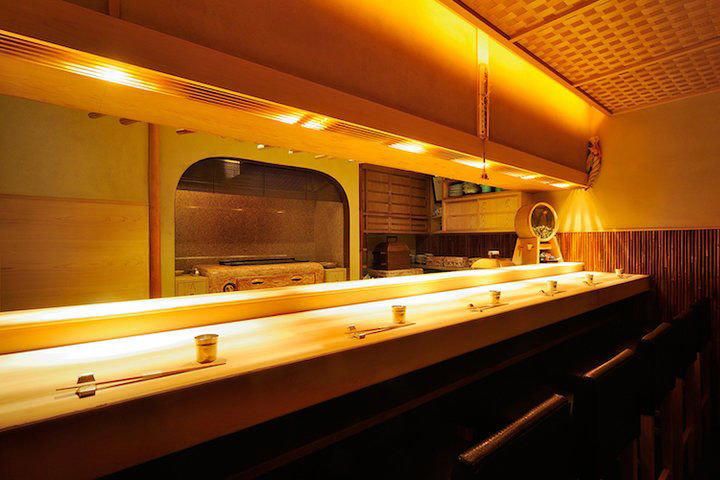
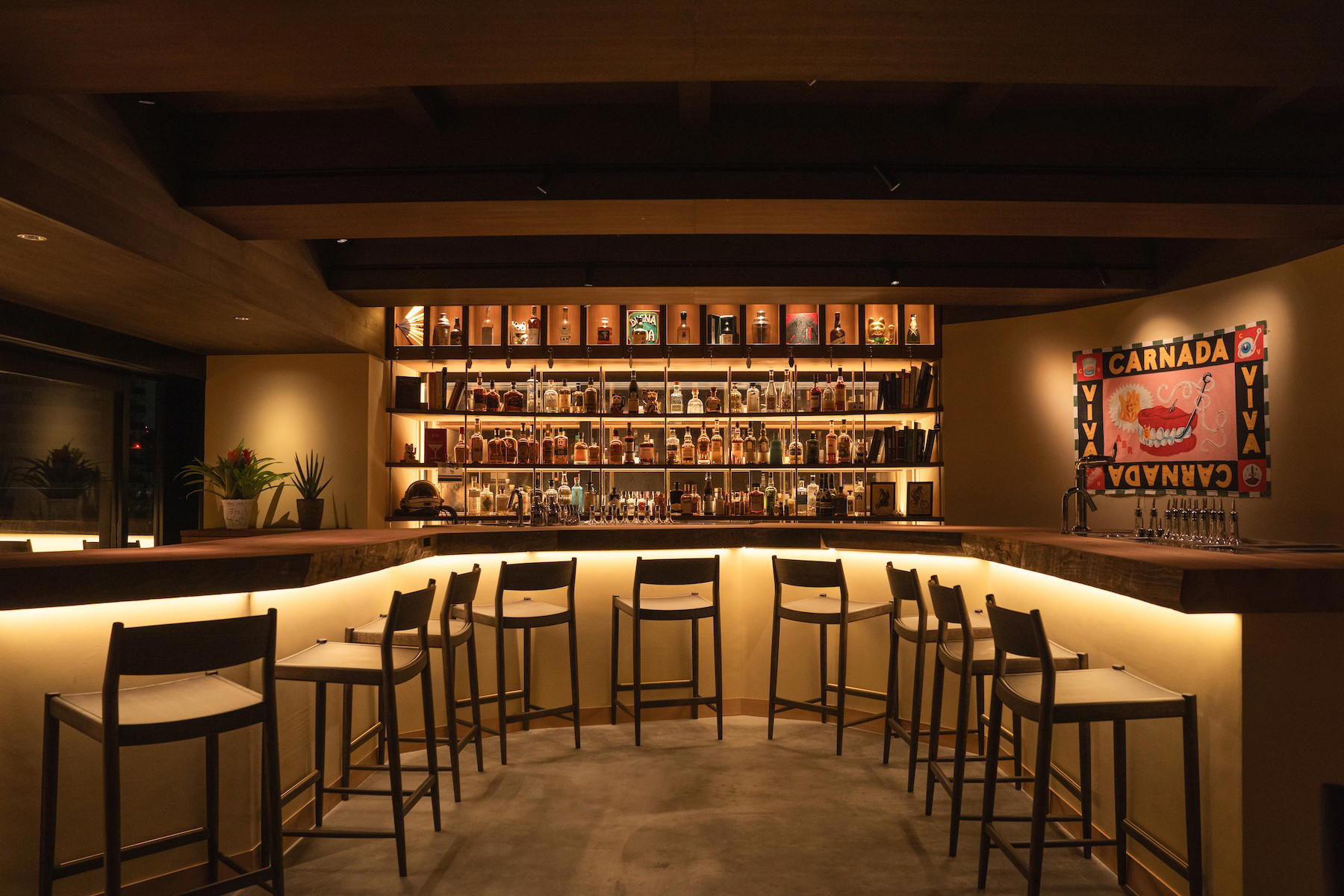
Cosy and relaxing with quiet jazz music, calm modern atmosphere, open kitchen counter, and intimate street-level setting in a leafy neighborhood.