ビオディナミコ occupies the third floor of a Jinnan building in Shibuya, one of Tokyo's most densely layered dining districts. The name signals a biodynamic orientation, placing it within a small but growing cohort of Tokyo restaurants that treat agricultural philosophy as seriously as technique. For visitors working through the city's wine-forward dining scene, it represents a distinct entry point.
 Discover on Pearl
Pearl is the En Primeur Club membership app — saves, bookings, and concierge access live there. Same editors, same standards.
- Address
- Japan, 〒150-0041 Tokyo, Shibuya, Jinnan, 1 Chome−19−14 ユニマットクリスタルポイント 3階 ビル
- Phone
- +81334626277
- Website
- bio-dinamico.com
Jinnan, Shibuya, and the Logic of Where a Restaurant Lives
Shibuya's Jinnan district sits at an interesting remove from the neighbourhood's commercial noise. A short walk from the crossing and its surrounding retail towers, Jinnan has become a quieter address for independent restaurants, small creative studios, and the kind of venues that require you to know roughly what you're looking for. The third-floor position of ビオディナミコ inside the Unimat Crystal Point building is characteristic of this part of Tokyo: restaurants here occupy upper floors of mid-scale commercial blocks, which keeps rents lower than street-level Omotesando or Ginza and tends to attract operators whose investment goes into the product rather than the shopfront.
Jinnan's dining character has shifted over the past decade toward a more specialist audience. Where Shibuya's broader restaurant density skews toward category leaders and high-volume operators, Jinnan rewards the visitor who is prepared to climb a staircase and trust a recommendation. It is, in that sense, a neighbourhood where the building-directory phase of finding your table is part of the experience.
A Biodynamic Name in a City That Rewards Specificity
The name ビオディナミコ is a direct reference to biodynamic practice, the agricultural philosophy that treats a farm or vineyard as a self-sustaining organism governed by natural rhythms. In the European fine-dining and natural wine world, biodynamic credentials have moved from niche curiosity to a recognised quality signal, with producers in Burgundy, Alsace, and the Rhône carrying Demeter certification as a standard-bearer for low-intervention viticulture. Tokyo's engagement with that tradition has deepened considerably since the mid-2010s, when a wave of sommeliers and chef-owners returned from stages in France and Italy with a serious interest in natural and biodynamic wines.
A restaurant that foregrounds this orientation in its name is making a positioning statement. In Tokyo's dining scene, which already carries significant weight in global fine-dining rankings, the biodynamic or natural-wine angle sits within a competitive sub-tier that operates somewhat differently from the major kaiseki and French tasting-menu houses. Compare this to the broader range of Tokyo's leading French rooms: L'Effervescence and Sézanne both hold significant Michelin recognition and operate at the ¥¥¥¥ tier with conventional luxury-service codes. Crony, with its innovative French profile, positions closer to the progressive end of that spectrum. A biodynamic-focused venue occupies a different register still, one where the wine list's agricultural provenance often carries as much editorial weight as the menu itself.
Tokyo's Wine-Forward Dining Tier
Japan's relationship with European wine has been one of the longer cultural acquisitions in its modern culinary history. Serious importers established relationships with Burgundy houses decades ago, and Tokyo's leading auction and retail markets for classified Bordeaux and Burgundy are consistently among the most active in Asia. The biodynamic sub-category arrived later, carried by a generation of Japanese wine professionals who trained in Europe during the growth years of the natural wine movement in the early 2000s.
By the time that cohort returned to Tokyo, there was a receptive audience: Japanese diners who had already developed sophisticated palates for classical European wine were, in many cases, open to producers working with lower intervention. The venues that built their identities around this orientation tend to be smaller, often counter or intimate-room formats, and they tend to draw a clientele that is as interested in where the wine was farmed as in who made it. This is a meaningfully different customer from the one who books at Harutaka for omakase sushi or at RyuGin for Michelin-recognised kaiseki.
Across Japan, the specialist dining tier extends well beyond Tokyo. HAJIME in Osaka and Gion Sasaki in Kyoto each represent the kind of regionally anchored seriousness that Tokyo's more internationally oriented venues are measured against. Further afield, akordu in Nara and Goh in Fukuoka indicate how Japan's secondary cities have developed their own high-commitment dining cultures, each with distinct relationships to local produce and wine. For visitors building a Japan itinerary around food and drink, Tokyo remains the entry point, but the provincial rooms have closed the gap considerably.
The Jinnan Third Floor as a Dining Decision
Choosing a restaurant by address reveals something about what a diner values. The venues that Tokyo's serious food visitors seek out are increasingly not those with the most visible street presence. A third-floor address in Jinnan, a district that requires some orientation, suggests that ビオディナミコ operates on the assumption that its guests arrive with a prior interest rather than a passing impulse. That is a common model among Tokyo's wine-bar and natural-wine dining rooms, which tend to build regulars rather than tourist volume.
The Shibuya ward context adds another layer. Shibuya is not Ginza, where the density of Michelin-starred rooms per city block is arguably the highest in the world, and it is not Roppongi, with its concentration of high-profile hotel dining. It sits between those poles as a district with genuine dining ambition but without the premium-address premium. For operators who want to put resources into the product, that positioning makes sense. For diners, it means slightly different logistics: fewer valet options, more walking through a younger, more commercial streetscape to reach the room.
Planning Your Visit
Those extending their Japan trip will find comparable depth of commitment at venues including 一本木 七郎 in Nanao, 夕月 in Sapporo, 湖畔荘 in Takashima, 遠羽屋 in Nishikawa Machi, Birdland in Sakai, and Bistro Ange in Toyohashi.
Credentials Lens
Comparable venues nearby, for context on price, style, and recognition.
| Venue | Cuisine | Price | Awards | Notes |
|---|---|---|---|---|
| ビオディナミコThis venue — the venue you are viewing | Modern Italian Ristorante | $$$ | , | |
| Ostü | Authentic Piedmontese Italian | $$$ | , | Shibuya |
| Ristorantino Rubero | Modern Italian in a Meguro vintage house | $$$ | , | Shinagawa |
| Yoshokudo Budo Kagurazaka Kagurazaka | Italian-influenced Yoshoku & Wine Bar in a Traditional House | $$$ | , | Shinjuku |
| Sapposentu di Aki | Authentic Sardinian Italian | $$$ | , | Chūō |
| Casita | Modern Italian with Japanese Influences | $$$ | , | Minato |










At a Glance
- Elegant
- Sophisticated
- Cozy
- Date Night
- Group Dining
- Celebration
- Private Dining
- Natural Wine
- Organic
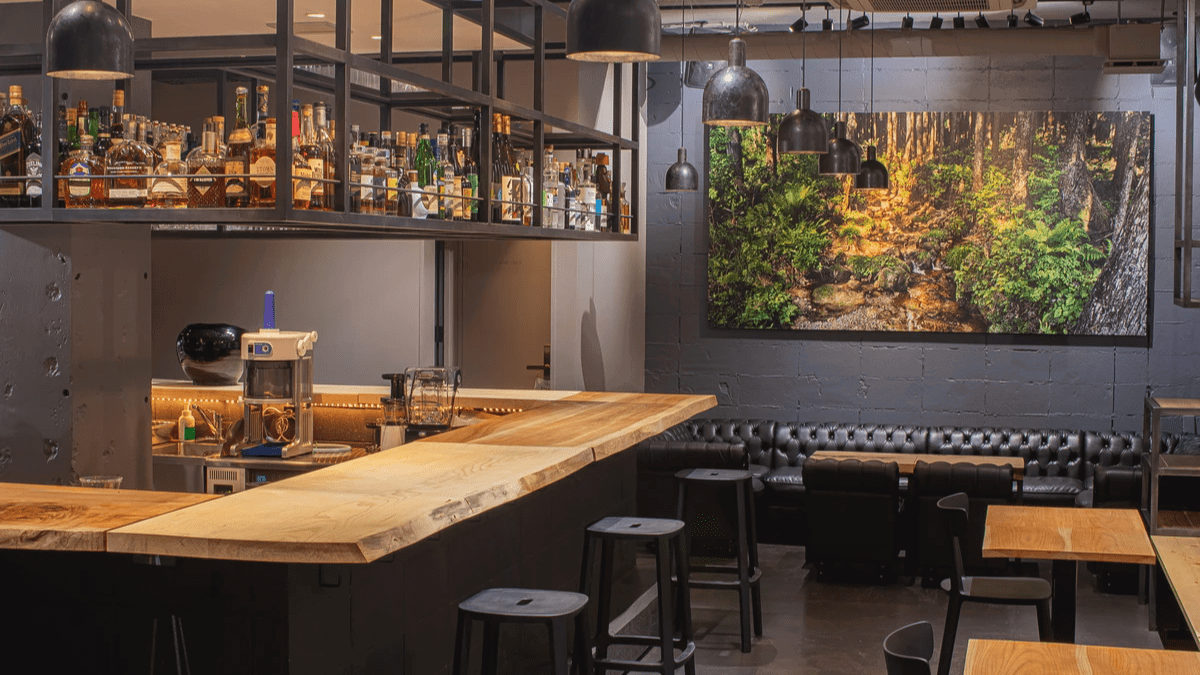
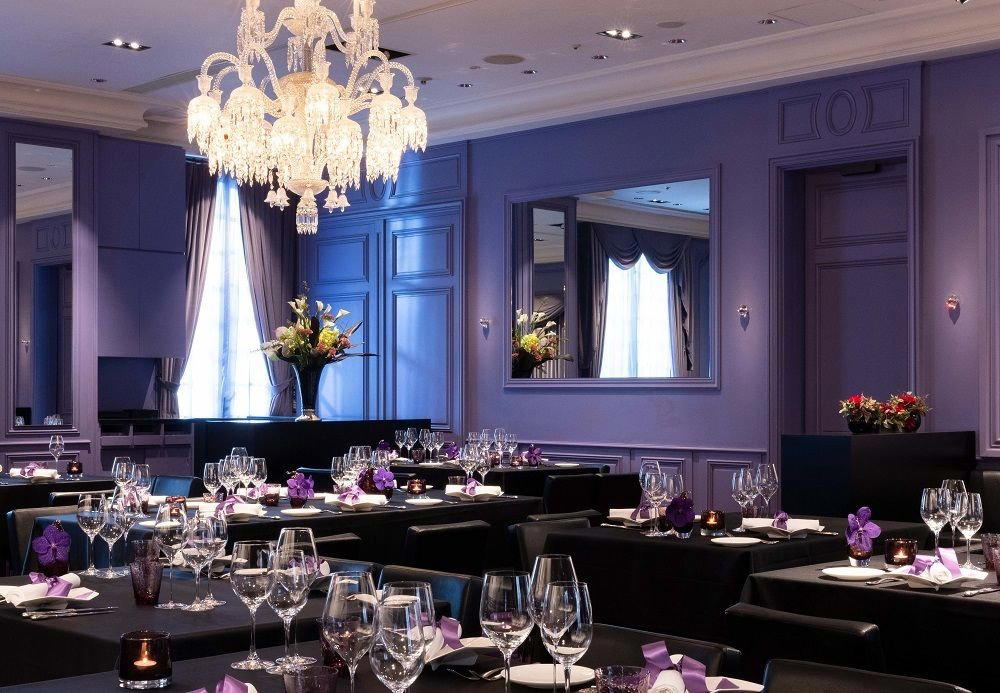
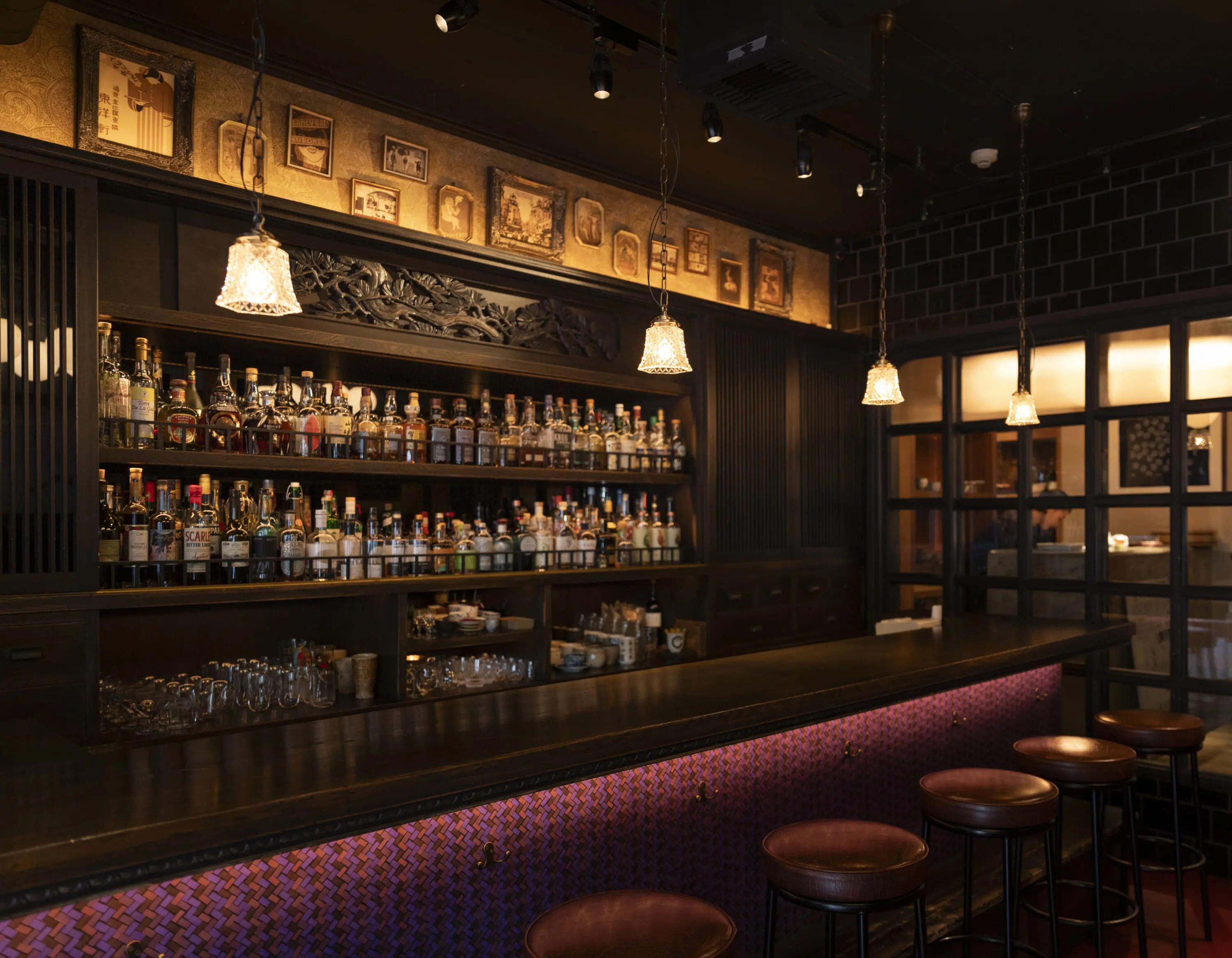
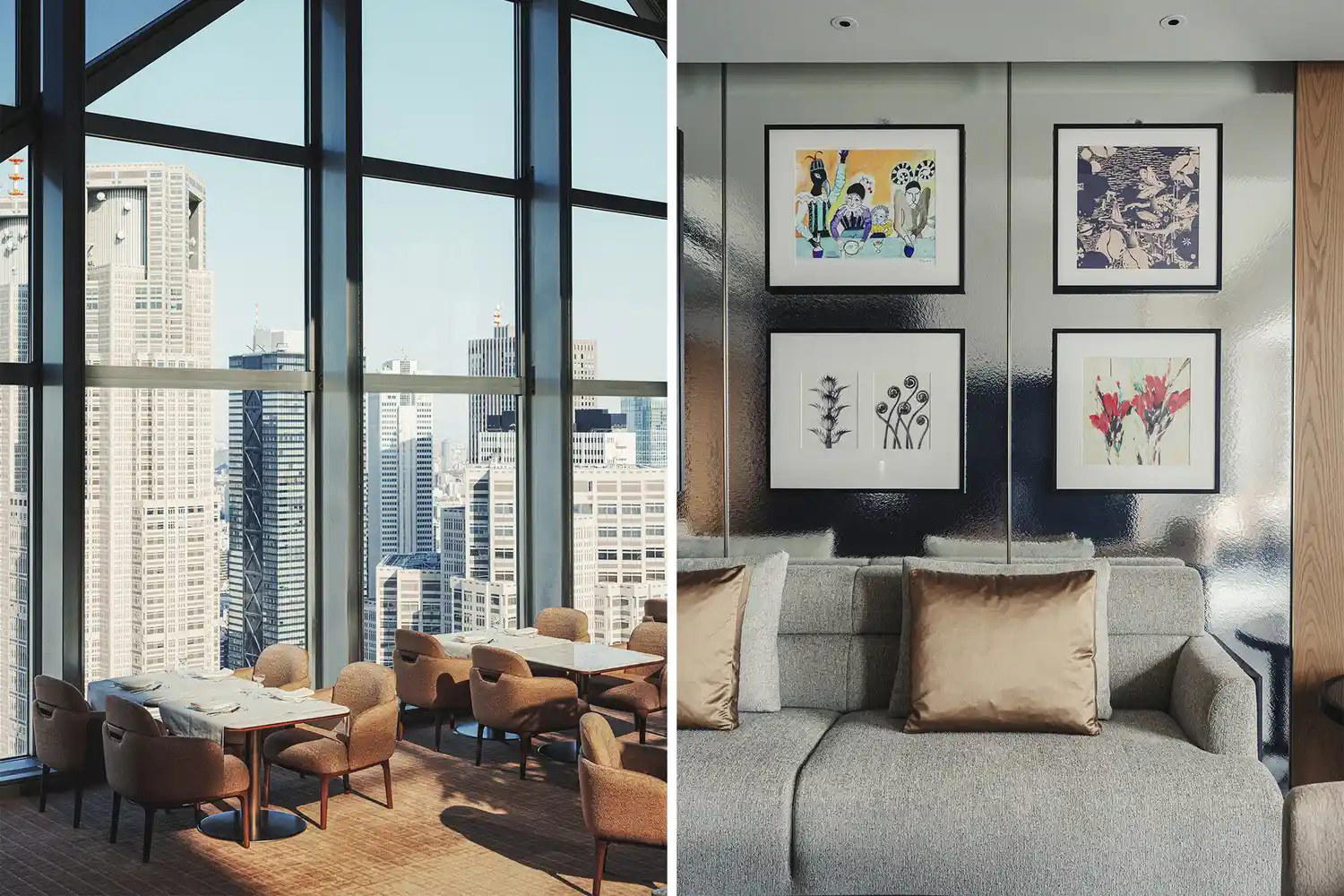
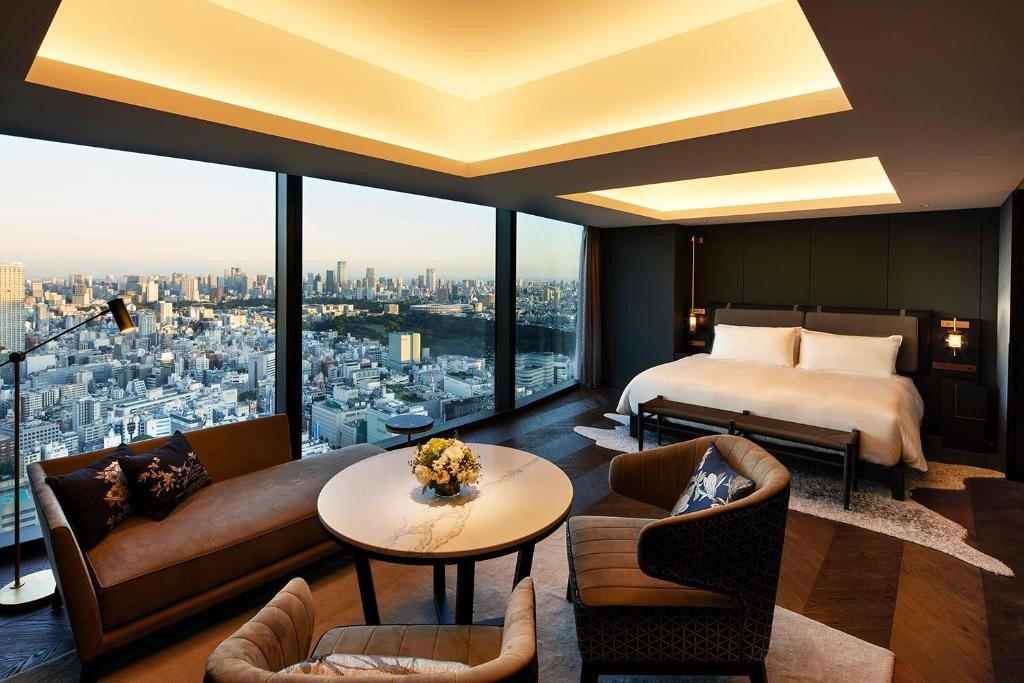
Relaxing spacious interior blending casual and elegant with natural chic design.