Located in Kamigyo Ward, Kyoto, 竹仙坊太閤茶苑 sits within a neighbourhood defined by centuries of temple proximity and merchant-district quietude. Relative to the high-profile kaiseki counters of Gion and Higashiyama, this address occupies a less trafficked quarter of the city, where the physical setting carries as much weight as what arrives at the table.
 Discover on Pearl
Pearl is the En Primeur Club membership app — saves, bookings, and concierge access live there. Same editors, same standards.
- Address
- 242-12 Yoancho, Kamigyo Ward, Kyoto, 602-8022, Japan
- Phone
- +81752562665
- Website
- lit.link
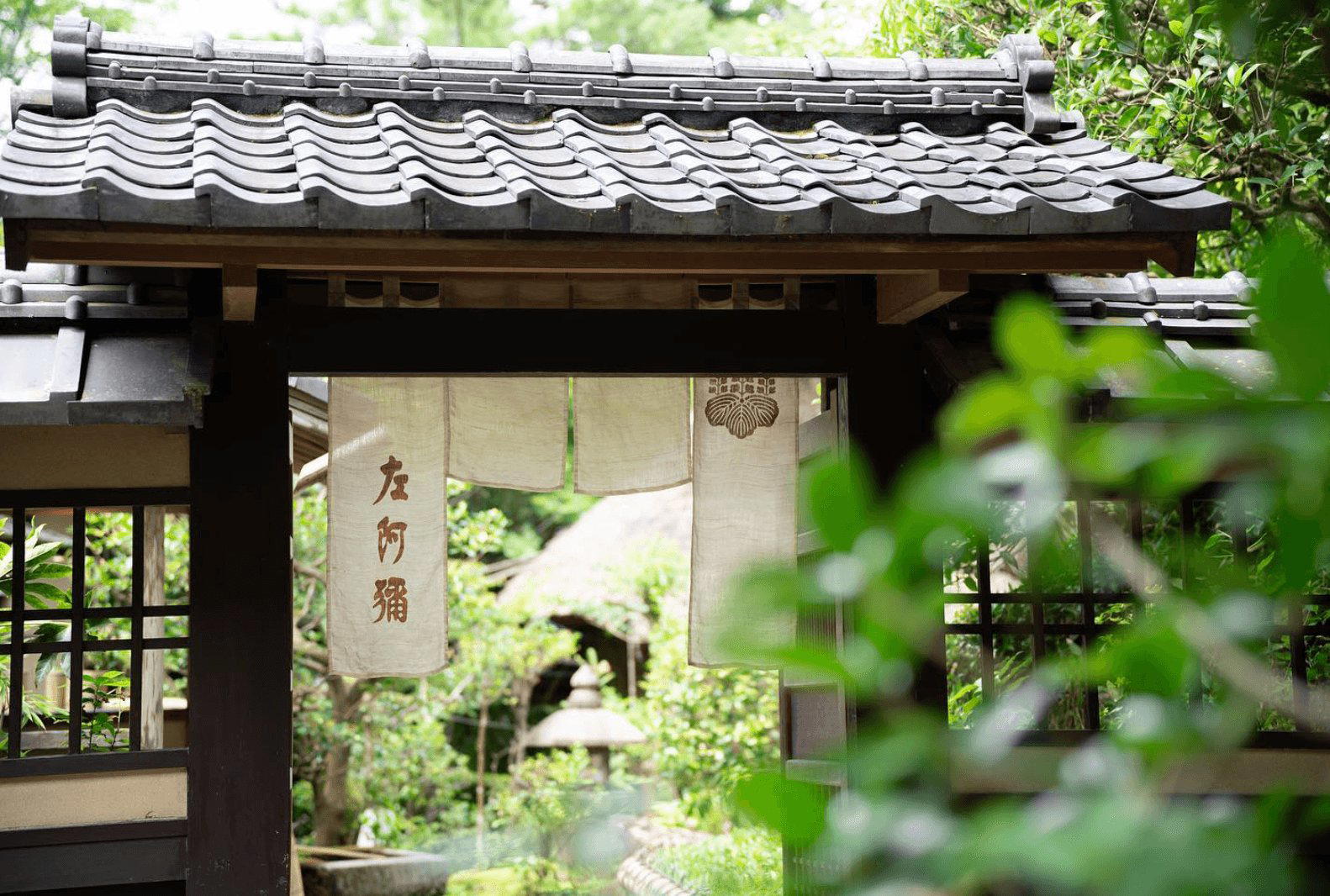
Kamigyo Ward and the Architecture of Quietude
Kyoto's dining geography is not uniform. The city's most-discussed restaurants cluster in Gion, Higashiyama, and around the Kamo River corridor, where foot traffic, temple proximity, and decades of foreign-press attention have concentrated the kaiseki mainstream. Kamigyo Ward operates on a different register. Historically the domain of imperial court households and Nishijin textile merchants, its streets carry a residential density and a physical restraint that sets the neighbourhood apart from the tourist-facing south. An address like 242-12 Yoancho, where 竹仙坊太閤茶苑 sits, belongs to that quieter northern quarter, a part of Kyoto where the built environment itself signals a departure from spectacle. 竹仙坊太閤茶苑 is a Kyoto restaurant serving traditional kaiseki omakase.
The EA-GN-13 editorial lens that matters most here is spatial: what does the container tell you before anything is served? In a city where Gion Sasaki and Hyotei have made their garden settings and machiya architecture part of the broader dining argument, the physical framing of any Kyoto establishment carries editorial weight. Kamigyo's low-rise residential fabric, older townhouse lots, narrow approach lanes, a general absence of street-level commercial noise, creates a particular kind of arrival experience: one that decelerates rather than excites.
The Physical Container in Context
Within Kyoto's premium dining tier, the relationship between interior architecture and cuisine type is rarely accidental. The tatami-and-tokonoma grammar of classic kaiseki rooms, the polished cypress counter of the sushi-ya, the enclosed garden corridor of the machiya restaurant: each spatial vocabulary signals a culinary register before a menu is presented. Venues in the ¥¥¥¥ bracket, such as Kikunoi Honten and Mizai, have long understood that the room itself is part of the service proposition, that how guests move through a space, where natural light enters, and how acoustics are managed all shape the experience before the first course arrives.
The suffix 茶苑 (chaen, or tea garden) in 竹仙坊太閤茶苑's name points toward a specific spatial tradition within Japanese hospitality culture: the chaniwa, or tea garden, as a transitional zone between the public world and the inner experience of the tea ceremony. That tradition frames expectations. Tea-garden heritage in Kyoto is not decorative vocabulary, it references a design philosophy in which every element of approach (stepping stones, water basins, plantings, gate proportions) is calibrated to shift the visitor's mental state. That is a different spatial ambition than a modern tasting-room counter, and it places 竹仙坊太閤茶苑 in a lineage-conscious tier of Kyoto establishments.
The Kamigyo comparable set
Positioning any Kyoto restaurant requires an honest mapping of its competitive neighbourhood. The southern concentration of Michelin-tracked establishments, including Isshisoden Nakamura near the Nishiki corridor, means that a Kamigyo address operates with less institutional peer pressure and, potentially, more physical space to establish its own spatial logic. Northern Kyoto venues do not compete on the same reservation-demand cycles as Gion, which can make access more practicable for visitors who plan ahead without the three-to-six month lead times that top-tier Gion counters require.
Across the Kansai region more broadly, the range of serious dining formats is considerable. HAJIME in Osaka represents the contemporary haute end; akordu in Nara shows how European-inflected cooking can find a foothold in a heritage city with its own strong culinary identity. Within that regional picture, Kyoto's northern wards offer a quieter entry point into the city's hospitality culture, less photogenic in the Instagram-saturation sense, but more coherent as an expression of how Kyoto actually functions as a living city rather than a curated visitor attraction.
Planning Your Visit
Visitors should approach planning with the same diligence applied to any Kyoto reservation: contact through the address directly or via a hotel concierge with Kyoto specialist knowledge. Kamigyo Ward is accessible from central Kyoto by city bus, with the Nishijin textile district nearby providing additional context for a half-day itinerary that extends beyond the table.
For confirmed, data-verified alternatives at the top of Kyoto's formal dining tier, our full Kyoto restaurants guide maps the kaiseki circuit in detail, from the Gion quarter's most-discussed counters to venues in outlying wards that reward the effort of an unfamiliar address. Travellers building a multi-city Japan itinerary might also cross-reference Harutaka in Tokyo and Goh in Fukuoka, two establishments that, like any serious Kyoto address, treat the physical room as an integral part of their proposition, not a backdrop.
For those extending exploration further into Japan's regional dining scene, the country's depth extends well beyond the Kansai corridor. Abon in Ashiya, affetto akita in Akita, Aji Arai in Oita, Ajidocoro in Yubari District, Akakichi in Imabari, and aki nagao in Sapporo collectively illustrate how far serious cooking extends beyond the country's major urban nodes. For international comparison points, Le Bernardin in New York City and Lazy Bear in San Francisco share the same instinct, that spatial design and service architecture are inseparable from what the kitchen produces.
A Lean Comparison
Comparable venues nearby, for context on price, style, and recognition.
| Venue | Cuisine | Price | Notes |
|---|---|---|---|
| 竹邑庵太郎敦盛This venue — the venue you are viewing | Kamigyō, Traditional Kaiseki Omakase | $$$ | |
| 今 | $$$ | Nakagyo-ku, Traditional Japanese Seasonal Cuisine | |
| Matsumoto | Nakagyō, Japanese Soba and Sake Bar | $$$ | |
| 食堂みやざき | $$$ | Kawaramachi, Kiyamachi, Ponto-cho, Traditional Japanese Omakase | |
| Uzura Ya Kyoto ・ shijo | $$$ | Higashiyama, Traditional Yakitori Counter | |
| 和食晴ル | $$$ | Shinkyō-chō, Shimogyō-ku, Kyoto Kappo Izakaya |
Continue exploring
More in Kyoto
Restaurants in Kyoto
Browse all →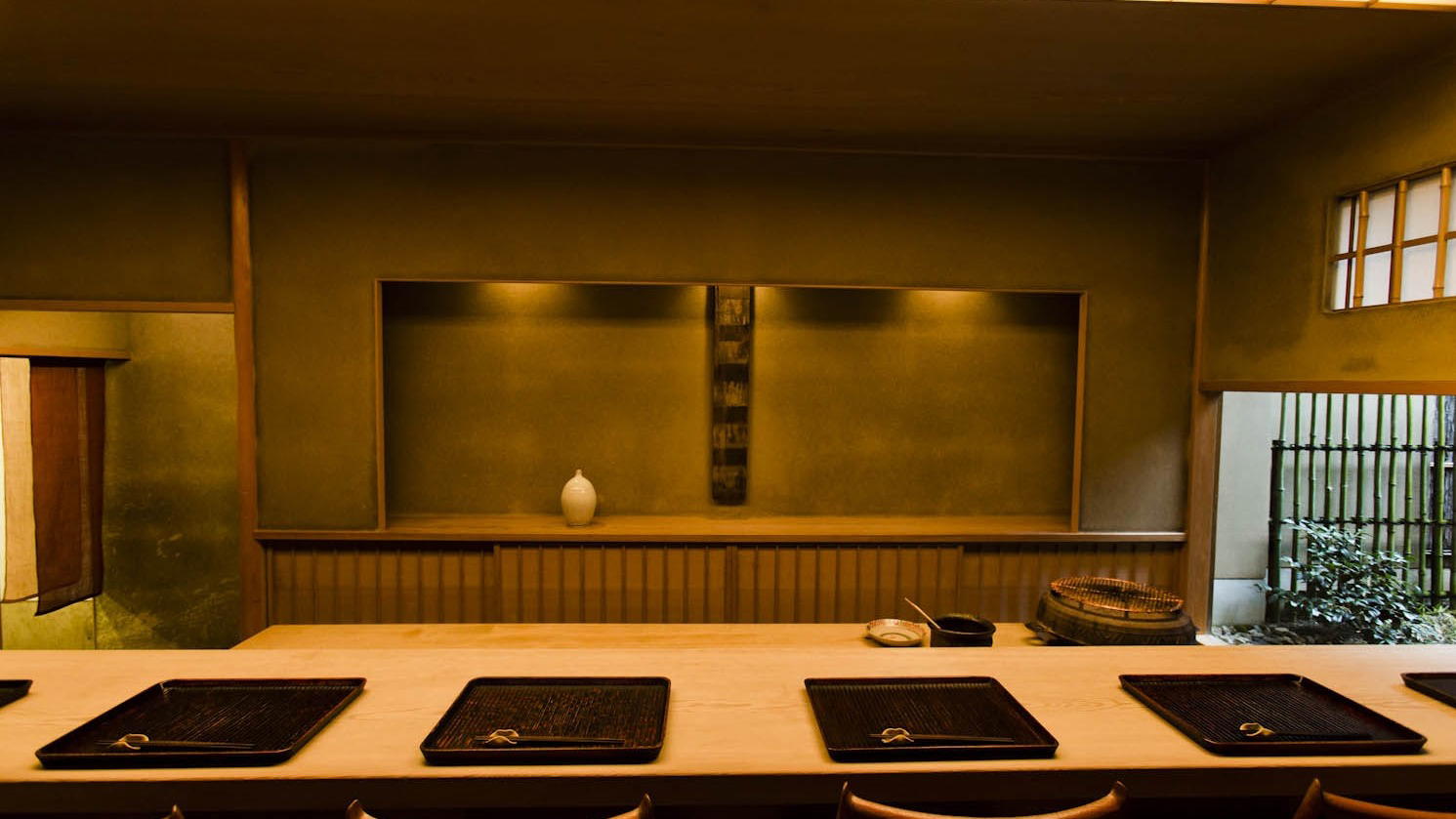
Bars in Kyoto
Browse all →
Hotels in Kyoto
Browse all →
Wineries in Kyoto
Browse all →
At a Glance
- Elegant
- Classic
- Intimate
- Sophisticated
- Date Night
- Special Occasion
- Celebration
- Chefs Counter
- Garden
- Open Kitchen
- Historic Building
- Sake Program
- Sommelier Led
- Local Sourcing
- Garden
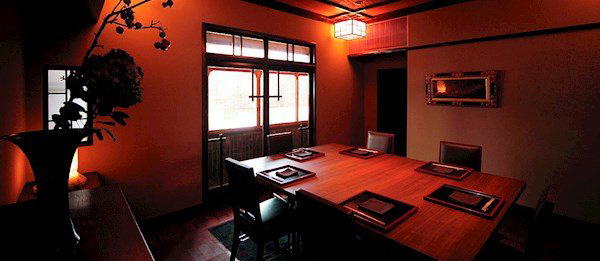
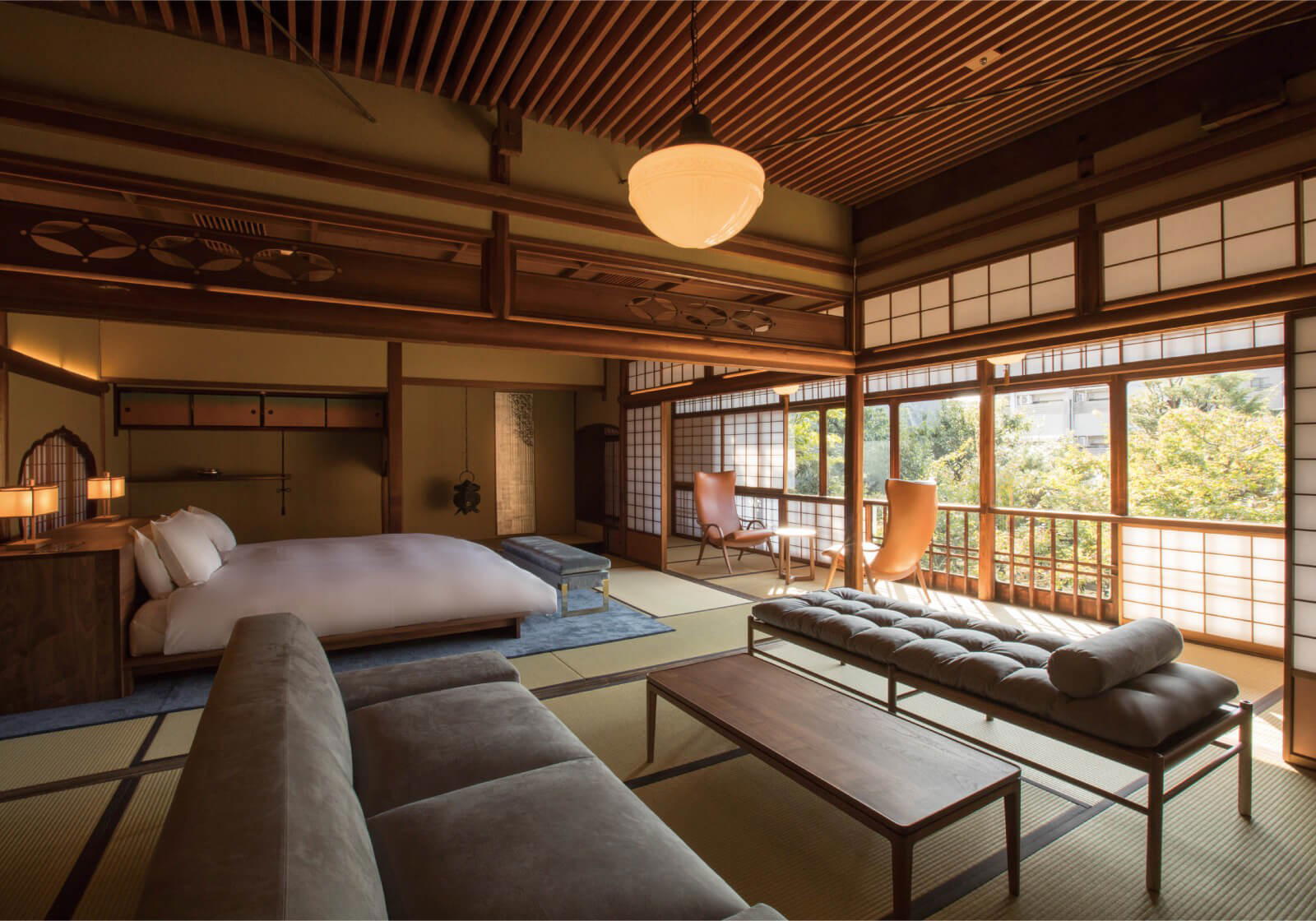
Warm, refined lighting with traditional wooden interiors and natural light filtering through shoji screens; intimate and meditative atmosphere.