
A 10-seat counter near Gion-Shijo, Uzura Ya Kyoto ・ shijo belongs to Kyoto’s compact, serious chicken-cuisine circuit rather than the city’s temple-view dining economy. The draw is format: counter seating, yakitori and chicken dishes, a drinks program spanning sake, shochu, wine and cocktails, and 2025 selection in Tabelog’s Chicken Cuisine 100.
Pearl is the En Primeur Club membership app — saves, bookings, and concierge access live there. Same editors, same standards.
- Address
- Japan, 〒605-0079 Kyoto, Higashiyama Ward, Tokiwacho, 二丁目177-1
- Phone
- +81 75-533-1155
- Website
- m.facebook.com
 Saves & bookings on Pearl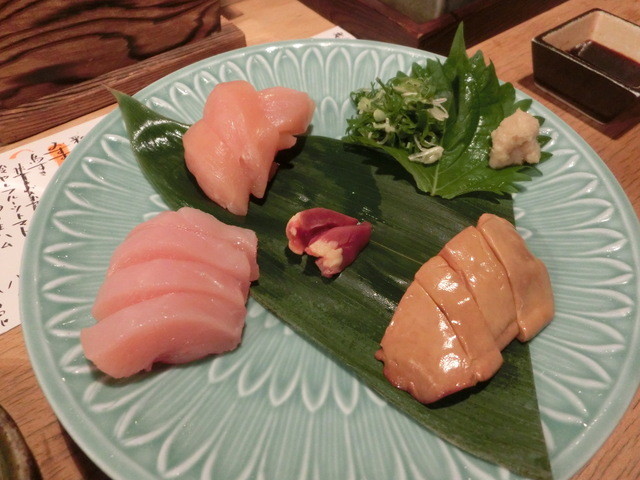
Approaching the east side of Shijo in Higashiyama, Kyoto shifts from postcard theatre to tighter evening rituals: small counters, short menus, regulars who know the pace, and restaurants where the room is measured in seats rather than square metres. That is the useful frame for Uzura Ya Kyoto ・ shijo. It is not trying to be a grand Kyoto meal with garden views and ceremonial pacing. It belongs to a more local after-dark category, where chicken cookery, smoke, sake and counter rhythm do the work.
Kyoto’s chicken restaurants sit in a different lane from kaiseki and sushi. The serious versions are judged less by luxury markers than by control: how a kitchen handles different cuts, how service keeps the counter moving, how the drinks list supports grilled food without turning the night into a bar. Selection for Tabelog’s 2025 Chicken Cuisine 100 places this address inside that national conversation, and the Tabelog score of 3.65 gives a further signal that Japanese diners have treated it as more than a convenient Gion-Shijo stop.
A 10-seat counter in Kyoto's chicken-cuisine lane
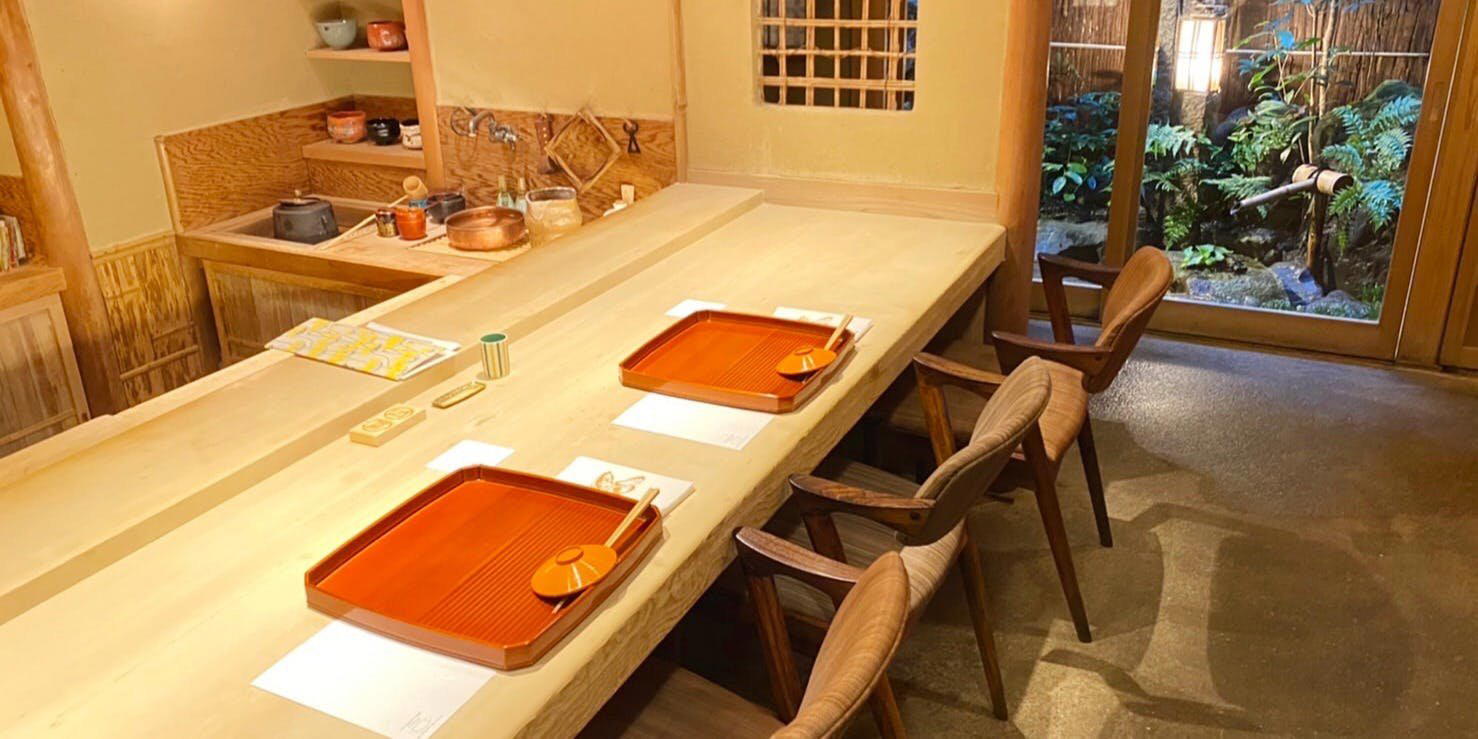
The room’s scale matters. Ten counter seats create a narrow social contract: diners are close to the work, regulars are easy to spot, and the evening depends on timing rather than decoration. In this style of Kyoto dining, the counter is not a design flourish. It is the operating system. It suits diners who want to watch a kitchen move through chicken dishes and yakitori without the formal distance of a private room.
The category also explains the returning clientele. Chicken cookery rewards repeat visits because the pleasure is cumulative: different parts, different textures, different levels of seasoning, and a sequence that can feel modest on paper but precise in execution. The regulars’ perspective is less about chasing a named dish and more about trusting the format. When a restaurant has only a small number of seats, familiarity becomes part of the experience, not through theatrical recognition but through a shared understanding of pace.
At this price tier, the comparison set in Kyoto is broad but not interchangeable. Kanesho works in the unagi lane, where the meal centres on freshwater eel and rice. Kobe Beef Steak Mouriya Gion sits in the beef-and-teppan conversation. BAR KUGEL, with a higher listed spend, belongs to the city’s serious drinking circuit. CACAO MARKET by MarieBelle serves a lighter confectionery economy around Gion. Uzura Ya Kyoto ・ shijo is narrower and more dinner-focused: chicken dishes, yakitori, counter seating, and drinks chosen to sit with grilled food.
Why the regulars' format works
Kyoto can be unforgiving to restaurants that confuse smallness with intimacy. A compact room only works when the format has discipline. Here, the evidence points to a restaurant built around counter service rather than private dining: private rooms and private use are unavailable, smoking is not permitted, and the drinks list covers sake, shochu, wine and cocktails. That mix says something about contemporary yakitori culture in Japan. It no longer belongs only to beer-first, post-work dining; stronger chicken counters increasingly court wine drinkers and sake drinkers at the same table.
The price band also keeps the restaurant in a useful middle position. It is above casual skewers and below the city’s ceremonial splurge categories, which makes it attractive for travellers who want a Kyoto dinner with local gravity but not a full formal production. That position is where repeat custom often forms: a place serious enough for a planned evening, relaxed enough for friends or a date, and compact enough that the room develops its own tempo.
There is no chef biography to lean on here, and that is not a weakness editorially. In this category, the better reading comes from the format and recognition rather than personality. Tabelog’s Chicken Cuisine 100 selection in 2025 is the clearest external marker; the 10-seat counter and focused chicken/yakitori classification explain why the restaurant belongs in Kyoto’s specialist dining map rather than its general tourist circuit.
How to place it in a Kyoto night
For a Kyoto itinerary, this is a focused dinner choice, not an all-purpose recommendation for mixed groups. The location near Gion-Shijo makes it easy to pair with the city’s evening districts, but the room size argues for planning rather than drifting in. Reservations are available via Pocket Concierge, including a waiting-list route, which fits the pattern for small counters where empty seats are scarce by design.
The practical profile is equally specific. Dinner runs on an evening schedule, Wednesday is the regular closing day, credit cards are accepted, and there is no parking. Electronic money and QR payments are not accepted, so diners who rely on phone-based payment in Japan should plan accordingly. The absence of private rooms also matters: this is better for two diners or a small, food-focused party than for a flexible family meal or a large celebration.
Read against Kyoto’s broader dining map, the restaurant is useful because it fills a precise slot. It gives visitors a counter-based chicken dinner in Higashiyama without asking them to commit to the price or duration of formal haute cuisine. It also gives repeat Kyoto travellers a way to step away from the city’s temple-adjacent dining clichés and into a more regulars-led rhythm, where the evening is shaped by seats, grill, drinks and timing.
For broader planning, compare this address with other Kyoto listings such as 3TOKU6MI Shijo karasuma ten, 551蓬莱, [ki:], Abbesses and Aburi Mochi Honke Nemoto Kazariya. EP Club’s city coverage also includes Our full Kyoto restaurants guide, Our full Kyoto hotels guide, Our full Kyoto bars guide, Our full Kyoto wineries guide and Our full Kyoto experiences guide. For a wider Japan and Japanese-dining reference set, see -Grilled beef Sukiyaki- KAMAKURA TANUKIAN 鎌倉 たぬき庵 in Kamakura. 鮪と炭火焼き うお炭 秋葉原店 in Tokyo.cafe in Osaka.know in Kumamoto, (Shoku) Vietnam in Kawasaki, [Curry Senmon Ten] Maruyama Kyoju. in Sapporo, Jōdo Saké Bar in Los Angeles and Onigiri Time in Pasadena.
Accolades, Compared
Comparable venues at the same tier for side-by-side context.
| Venue | Cuisine | Price | Notes |
|---|---|---|---|
| Uzura Ya Kyoto ・ shijo | Traditional Yakitori Counter | $$$ | Higashiyama |
| 前田 | Traditional Kyoto Saba Sushi | $$$ | Higashiyama |
| 竹邑庵太郎敦盛 | Traditional Kaiseki Omakase | $$$ | Kamigyō |
| GYUKATSU Kyoto Katsugyu Teramachi Kyogoku | Gyukatsu (Breaded Beef Cutlet) | $$$ | Nakagyō |
| MERCY Vegan Factory KYOTO STATION | Vegan Japanese | $$$ | Shimogyō |
| Tousuiro Kiyamachi | Traditional Kyoto Tofu Kaiseki | $$$ | Nakagyō |
Recognition history
Dated appearances from independent guides and award organizations, with the underlying list record or original source where available.
Tabelog 100 #81 · No. 81
Tabelog · Tabelog 100 - Chicken cuisine - 2025
Continue exploring
More in Kyoto
Restaurants in Kyoto
Browse all →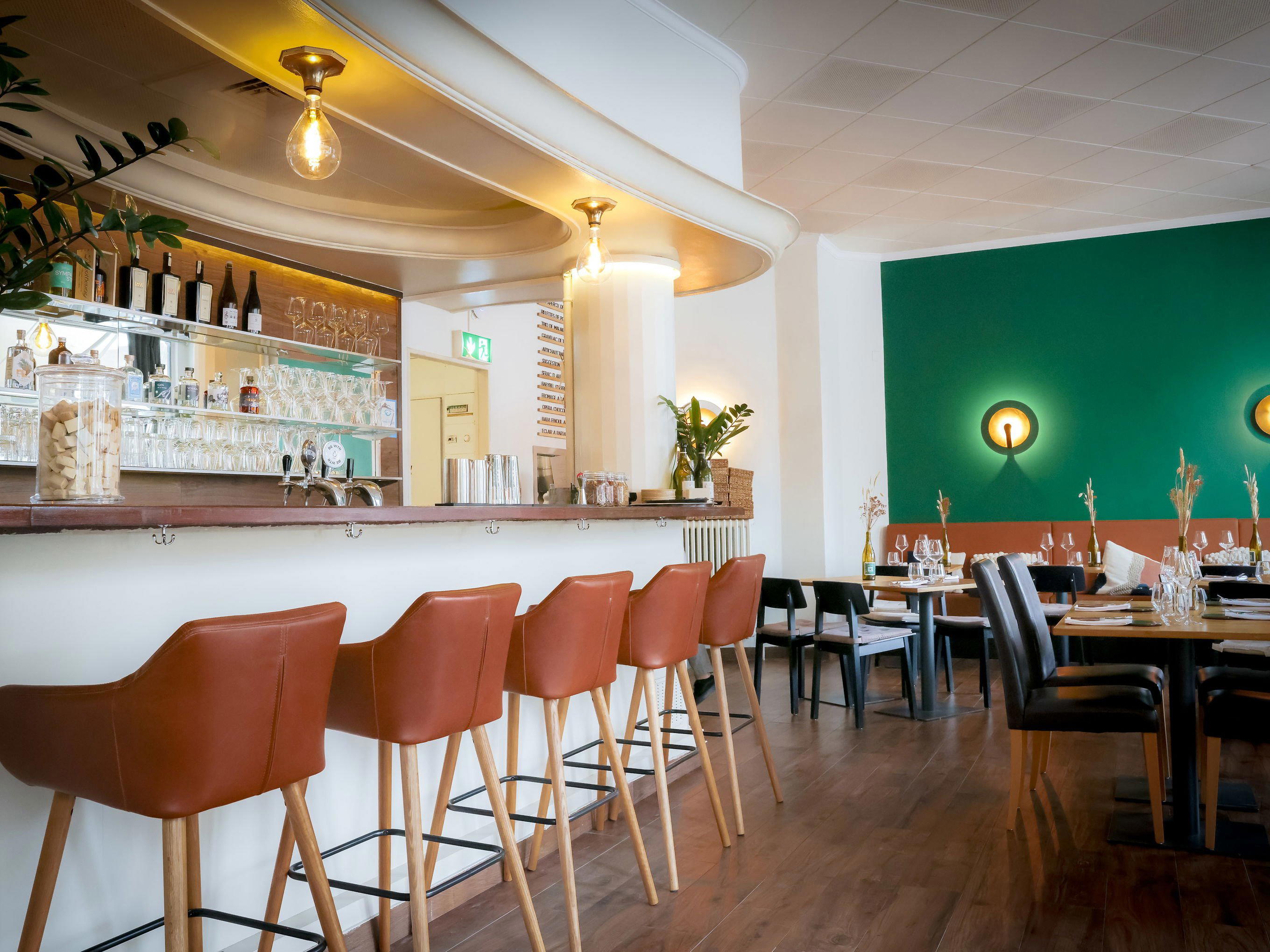
Bars in Kyoto
Browse all →
Hotels in Kyoto
Browse all →
Wineries in Kyoto
Browse all →
At a Glance
- Cozy
- Intimate
- Lively
- Classic
- Date Night
- After Work
- Casual Hangout
- Solo
- Chefs Counter
- Standalone
- Sake Program
- Beer Program
- Street Scene
Current opening hours
- Monday
- 5–11 PM
- Tuesday
- 5–11 PM
- Wednesday
- Closed
- Thursday
- 6–11 PM
- Friday
- 5–11 PM
- Saturday
- 5–11 PM
- Sunday
- 5–11 PM
Hours can change for holidays and private events. Last verified .
A small, counter-only yakitori bar with a relaxed, local feel; guests sit close to the grill watching skewers cooked over charcoal, with a cozy, low-key atmosphere that feels like a neighborhood hideout rather than a tourist restaurant.