食堂みやざき sits in Kyoto's 600-8019 postal district, operating within the city's deep tradition of neighbourhood dining rooms that function as the unglamorous backbone of local food culture. With limited publicly available details, it represents the category of Kyoto eateries that operate largely outside the tourist circuit, serving a regular clientele rather than destination diners. Practical details are best confirmed directly before visiting.
 Discover on Pearl
Pearl is the En Primeur Club membership app — saves, bookings, and concierge access live there. Same editors, same standards.
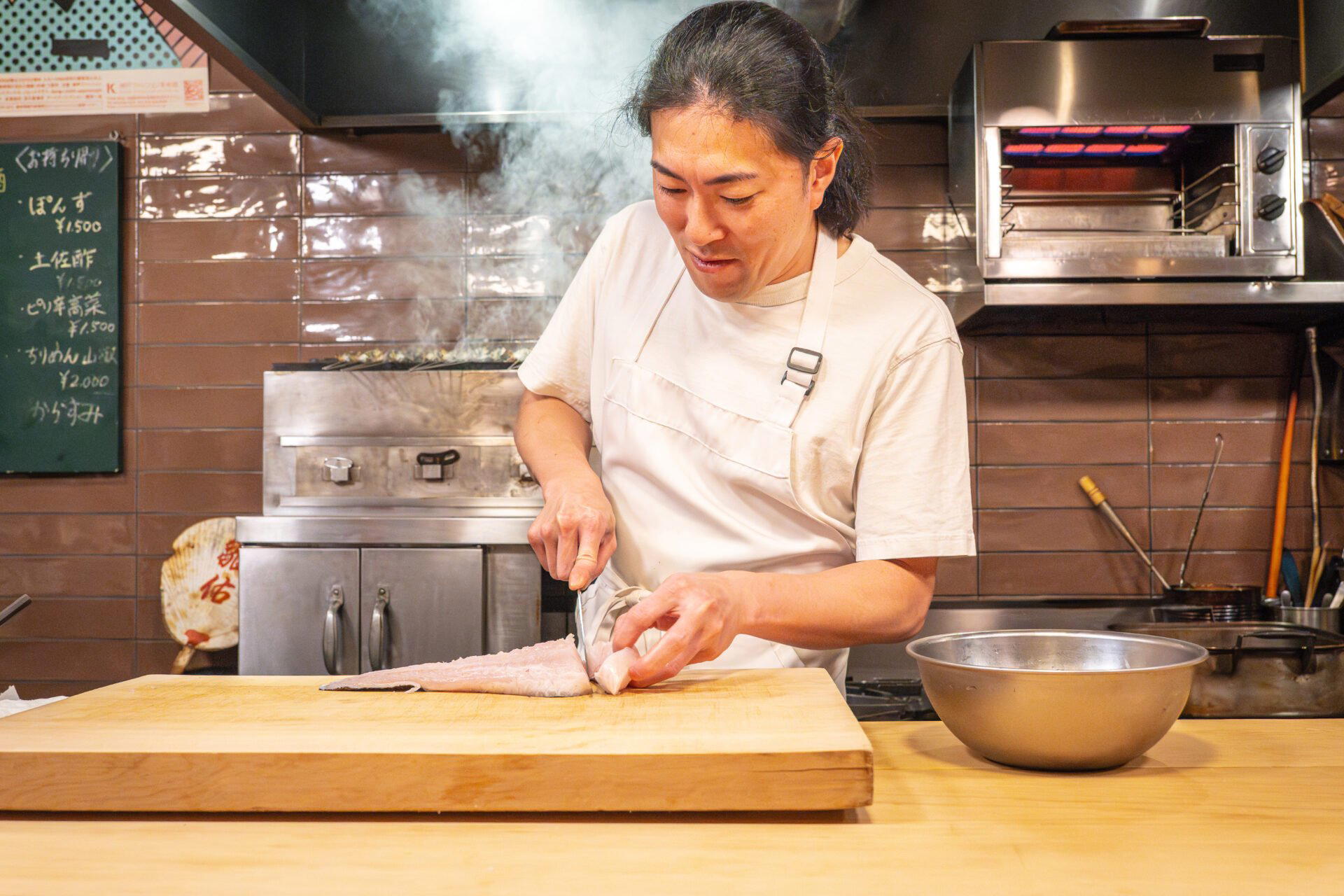
Kyoto's Neighbourhood Dining Rooms and Where 食堂みやざき Fits
Kyoto's restaurant identity is almost exclusively narrated through kaiseki: the multi-course formal tradition that has produced internationally recognised houses like Gion Sasaki, Hyotei, and Kikunoi Honten. That narrative, however accurate for the city's upper tier, describes only a fraction of how Kyoto residents actually eat. The city's residential wards are threaded with shokudo, a word that translates roughly as 'dining room' or 'canteen', that anchor daily life in ways that kaiseki houses cannot. 食堂みやざき, operating in the 600-8019 postal district of central Kyoto, and understanding what a shokudo is tells you considerably more about the experience than any list of dishes could.
What a Shokudo Actually Is
The shokudo format has little in common with the formal kaiseki lineage represented by Mizai or Isshisoden Nakamura. Where kaiseki operates on advance booking, structured courses, and seasonal ingredient theatrics, the shokudo functions on the opposite logic: accessibility, regularity, and a menu built around what Kyoto people eat at lunch on a working Tuesday. Teishoku sets, a main dish, rice, miso soup, and a small side, are the structural unit of most shokudo menus. The kitchen's job is consistency rather than surprise. That distinction is not a hierarchy; it is a different social function entirely.
In cities like Tokyo, the shokudo tradition has partially merged with the broader izakaya and casual dining category. In Kyoto, where neighbourhood identity runs deep and long-term resident loyalty is a meaningful commercial asset, the local dining room retains a more distinct character. The 600-8019 district covers part of Shimogyo Ward, one of Kyoto's more densely residential central zones, which means the likely clientele for a venue like 食堂みやざき skews toward office workers, local households, and the kind of repeat visitor who finds the same seat at the same time each week. That is a different reader than the one planning a precision kaiseki itinerary, and a different experience to plan around.
The Cultural Weight of Everyday Dining in Japan
Japan's food culture is often discussed through its high-end expressions: the omakase counter, the kaiseki room, the ramen shop that earns a Michelin Bib Gourmand. The shokudo sits beneath all of those in the coverage hierarchy, but it is arguably more central to how Japanese food culture actually transmits across generations. The format carries the everyday grammar of Japanese eating: the deference to season even at modest price points, the precision of rice cookery as a point of professional pride, the expectation that soup, grain, and protein appear together as a composed unit rather than as choices from a modular menu.
Visitors arriving in Kyoto via the bullet train from Tokyo, a journey that places world-recognised restaurants like Harutaka at one end of the rail line and Kyoto's kaiseki institutions at the other, sometimes find that the most useful calibration comes from eating in a neighbourhood shokudo rather than from reading another account of tasting menu philosophy. The contrast clarifies what the formal houses are actually doing with their refinements, because you have seen the baseline. Similar logic applies for those arriving from HAJIME in Osaka or passing through akordu in Nara as part of a broader Kansai circuit.
Beyond Kansai, the shokudo's casual daily-dining format has loose equivalents in regional Japanese cities. Goh in Fukuoka operates at a completely different tier, but Fukuoka's neighbourhood dining culture shares the same assumption that lunch should be fast, filling, and repeatable. Regional destinations such as 七本槍 川上鮨 in Nanao, 古往今来 in Sapporo, and 湖畔荘 in Takashima each operate within their own local food culture logic, and in each case the neighbourhood dining room runs parallel to the destination-grade restaurants that attract outside coverage.
What to Eat and What to Expect
Specific dish recommendations are not something this page can provide. What the shokudo format strongly implies is a menu structured around set meals rather than à la carte construction, with rice as the anchor and the daily special, higawari teishoku, as the practical choice for first-time visitors. In Japan's neighbourhood dining rooms, the daily set typically represents the kitchen's freshest ingredient that morning and the most considered preparation on offer at that moment.
Soy-braised proteins, grilled fish, and vegetable-forward dishes appear consistently across Kyoto's shokudo category, often informed by the city's kyo-ryori tradition, a cooking style that emphasises subtlety of seasoning and seasonal alignment even at casual price points. Kyoto's landlocked geography has historically pushed local cooking toward preserved fish, yudofu (simmered tofu), and pickled vegetables, and traces of that restraint often appear even in everyday lunch spots that would never use the word kaiseki to describe themselves.
Can I Walk In?
For shokudo-format venues in Japan, walk-in service is the default mode of operation, advance reservation systems are largely a feature of the formal dining tier, where Gion Sasaki and comparable kaiseki houses often book weeks to months ahead. Arrive during standard Japanese lunch service (roughly 11:30 to 14:00) and treat the visit as exploratory rather than planned. If the venue operates dinner service, the same walk-in logic likely applies, though neighbourhood dining rooms in Japan often close between meal periods and some operate lunch-only schedules.
Planning Your Visit
| Dimension | 食堂みやざき | Kaiseki tier (e.g. Gion Sasaki, Hyotei) | Mid-tier Kyoto dining (e.g. cenci) |
|---|---|---|---|
| Booking requirement | Walk-in expected (unconfirmed) | Advance reservation, often weeks ahead | Reservation recommended |
| Price tier | Unconfirmed; shokudo format suggests budget-to-mid | ¥¥¥¥ | ¥¥¥ |
| Format | Set meals, daily specials likely | Multi-course tasting menu | À la carte or set menu |
| Dress expectation | Casual; neighbourhood setting | Smart casual to formal | Smart casual |
| Ideal time to visit | Standard lunch window; confirm hours locally | Dinner preferred | Lunch or dinner |
For context on how casual Japanese dining compares with high-end expressions at the international level, the contrast between a shokudo lunch in Shimogyo Ward and a dinner at Le Bernardin in New York City or Atomix in New York City illustrates exactly how wide the spectrum of considered eating actually runs. Additional regional Japanese comparisons can be drawn through 羽根屋 in Nishikawa Machi, Birdland in Sakai, and Bistro Ange in Toyohashi, each of which illuminates a different corner of Japan's deep and varied food culture outside the formal dining tier.
Booking and Cost Snapshot
Comparable venues nearby, for context on price, style, and recognition.
| Venue | Cuisine | Price | Awards | Notes |
|---|---|---|---|---|
| 食堂みやざきThis venue — the venue you are viewing | $$$ | , | ||
| 下鴨いち満 | $$$ | , | Shimogamo, Sakyo Ward, Traditional Kyoto Sushi & Temari | |
| 竹邑庵太郎敦盛 | Kamigyō, Traditional Kaiseki Omakase | $$$ | , | |
| MERCY Vegan Factory KYOTO STATION | Shimogyō, Vegan Japanese | $$$ | , | |
| Pass The Baton | Gion, Japanese Shaved Ice Salon de Thé | $$$ | , | |
| Warajiya | $$$ | , | Higashiyama, Traditional Kyoto eel hotpot & porridge (unagi kaiseki-style) |
At a Glance
- Lively
- Cozy
- Intimate
- Special Occasion
- Group Dining
- Open Kitchen
- Chefs Counter
- Sake Program
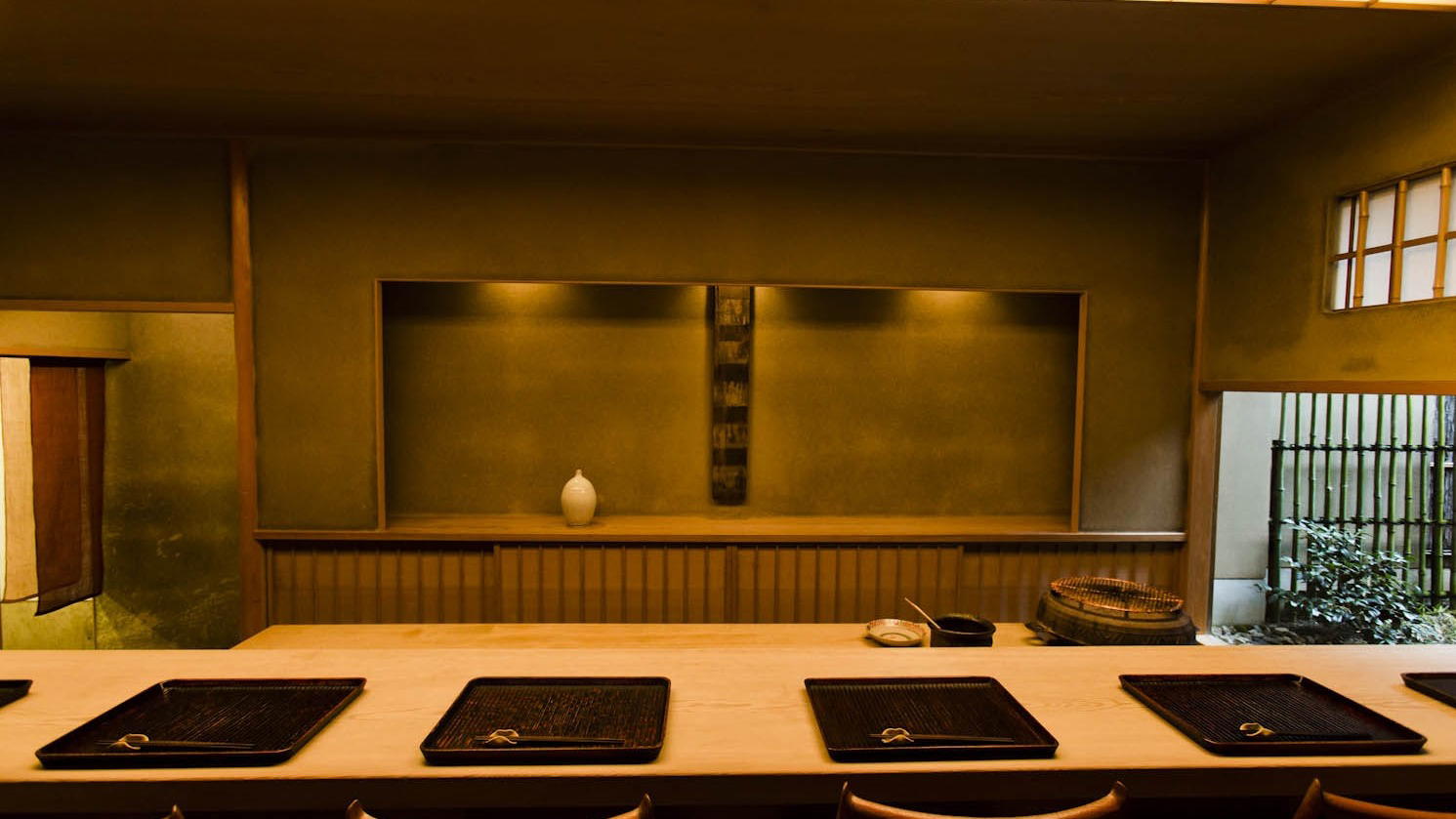
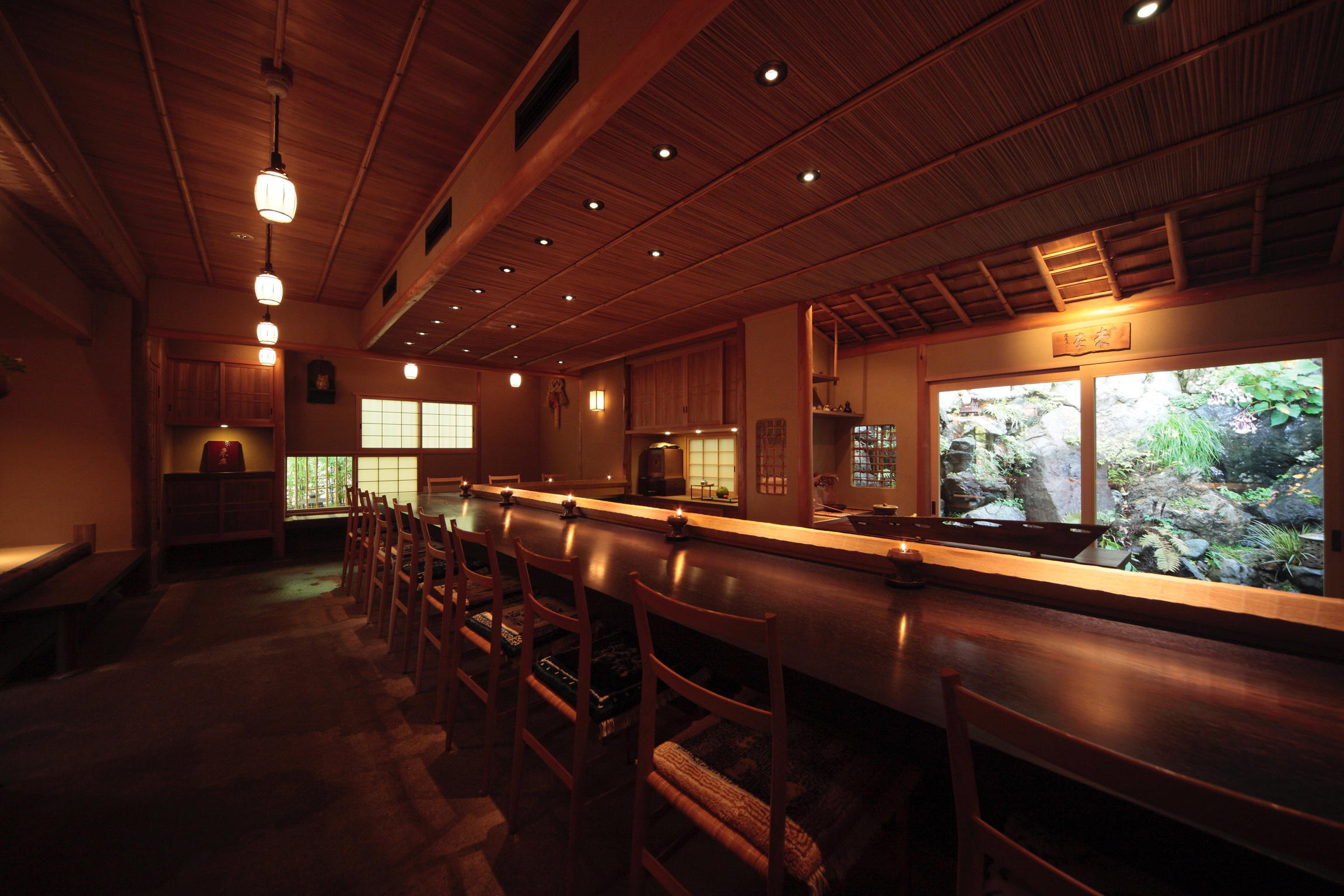
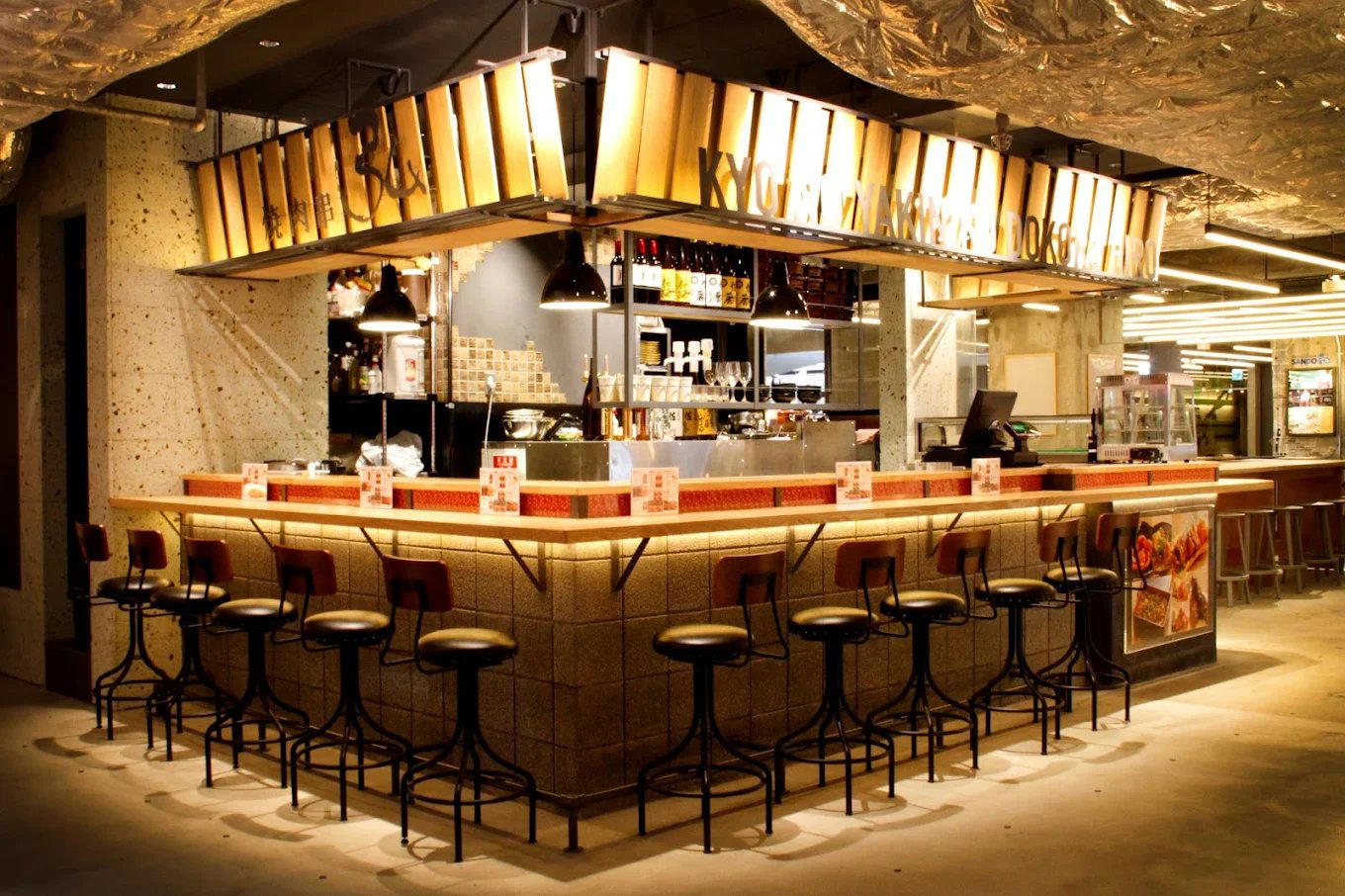
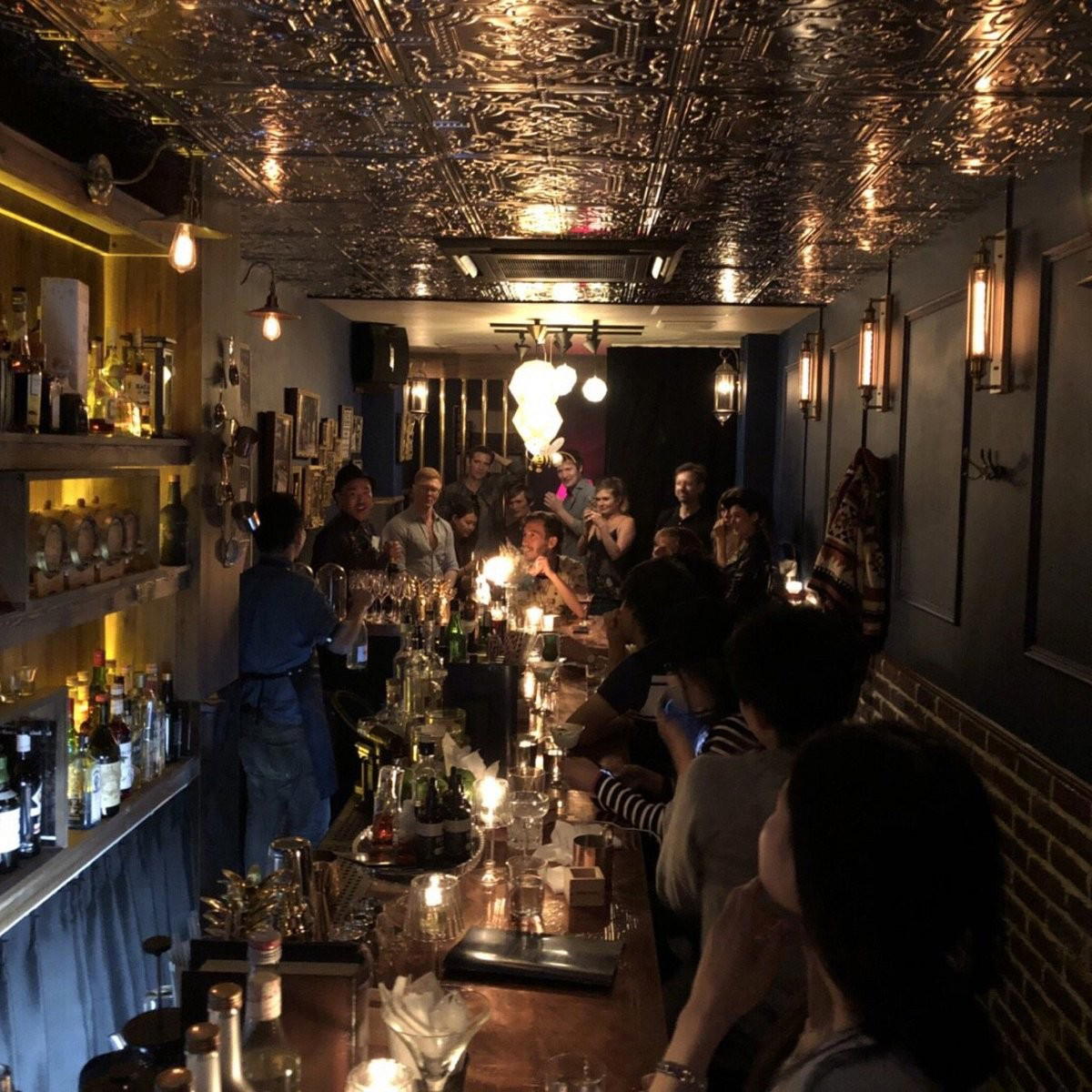
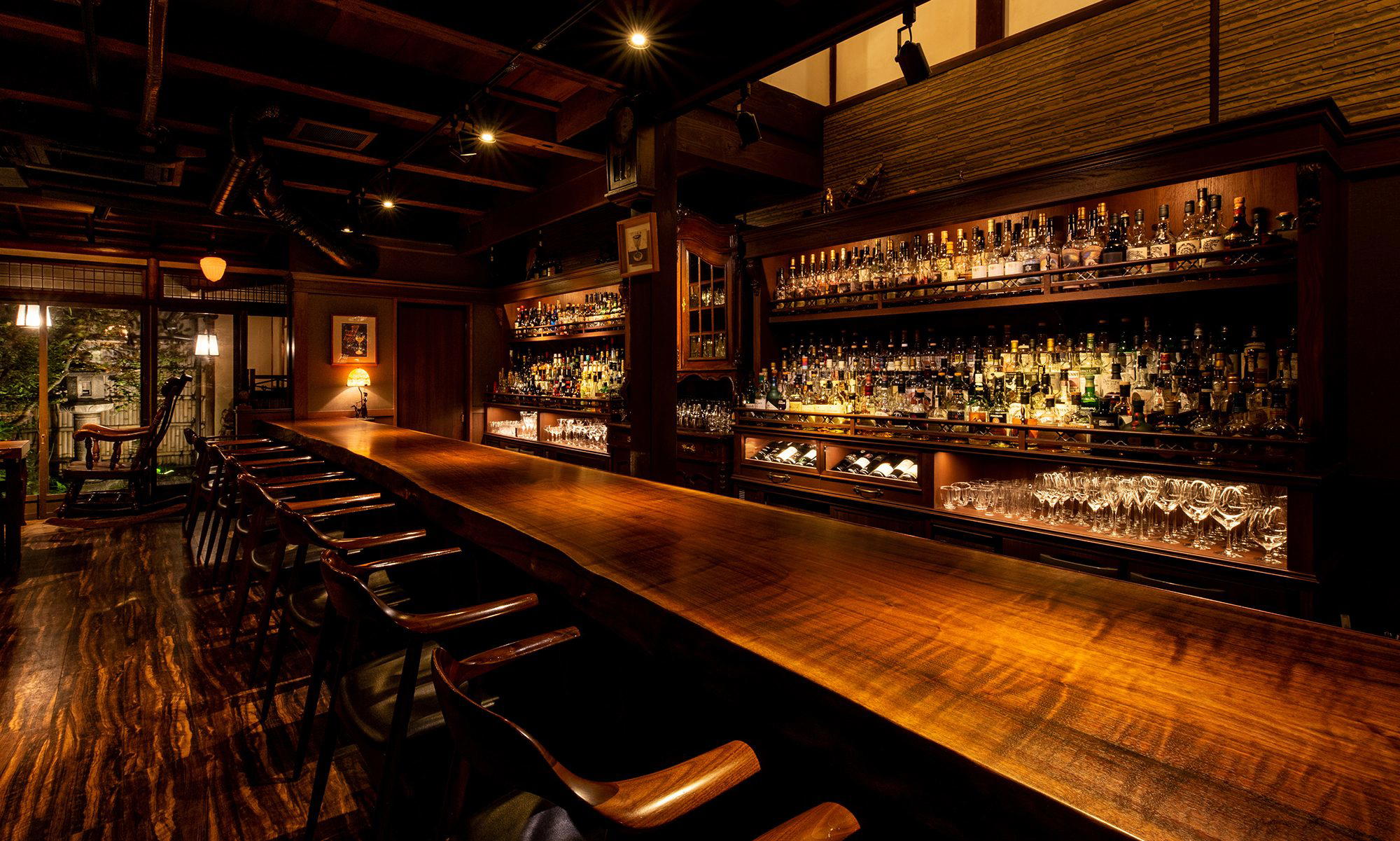
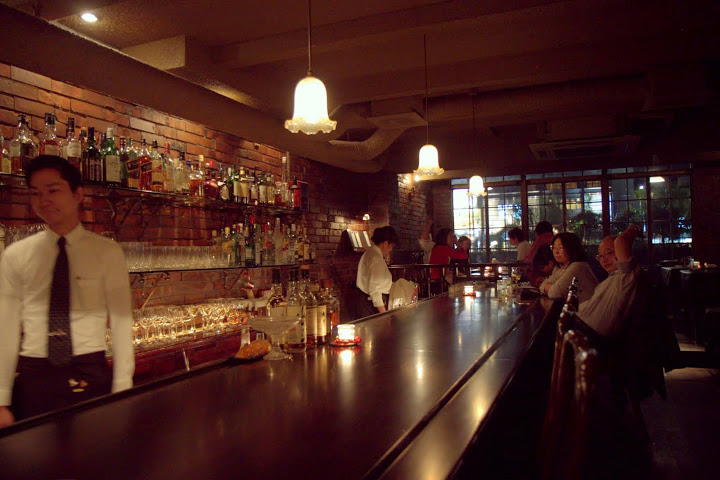
Informal lively atmosphere with humorous banter, counter seating watching the chef cook, and warm engaging conversations among regulars.