イル ジョット occupies a quiet corner of Komazawa, Setagaya, where Italian cooking traditions meet the exacting standards Tokyo diners bring to any formal meal. The address sits outside the central dining corridors of Ginza or Minami-Aoyama, placing it in a neighbourhood tier that rewards deliberate visitors. For those tracking Italian-inflected kitchens across the city, it belongs on the same map as the capital's more documented European houses.
 Discover on Pearl
Pearl is the En Primeur Club membership app — saves, bookings, and concierge access live there. Same editors, same standards.
- Address
- 5 Chome-21-9 Komazawa, Setagaya City, Tokyo 154-0012, Japan
- Phone
- +81368059229
- Website
- japonmaps.org
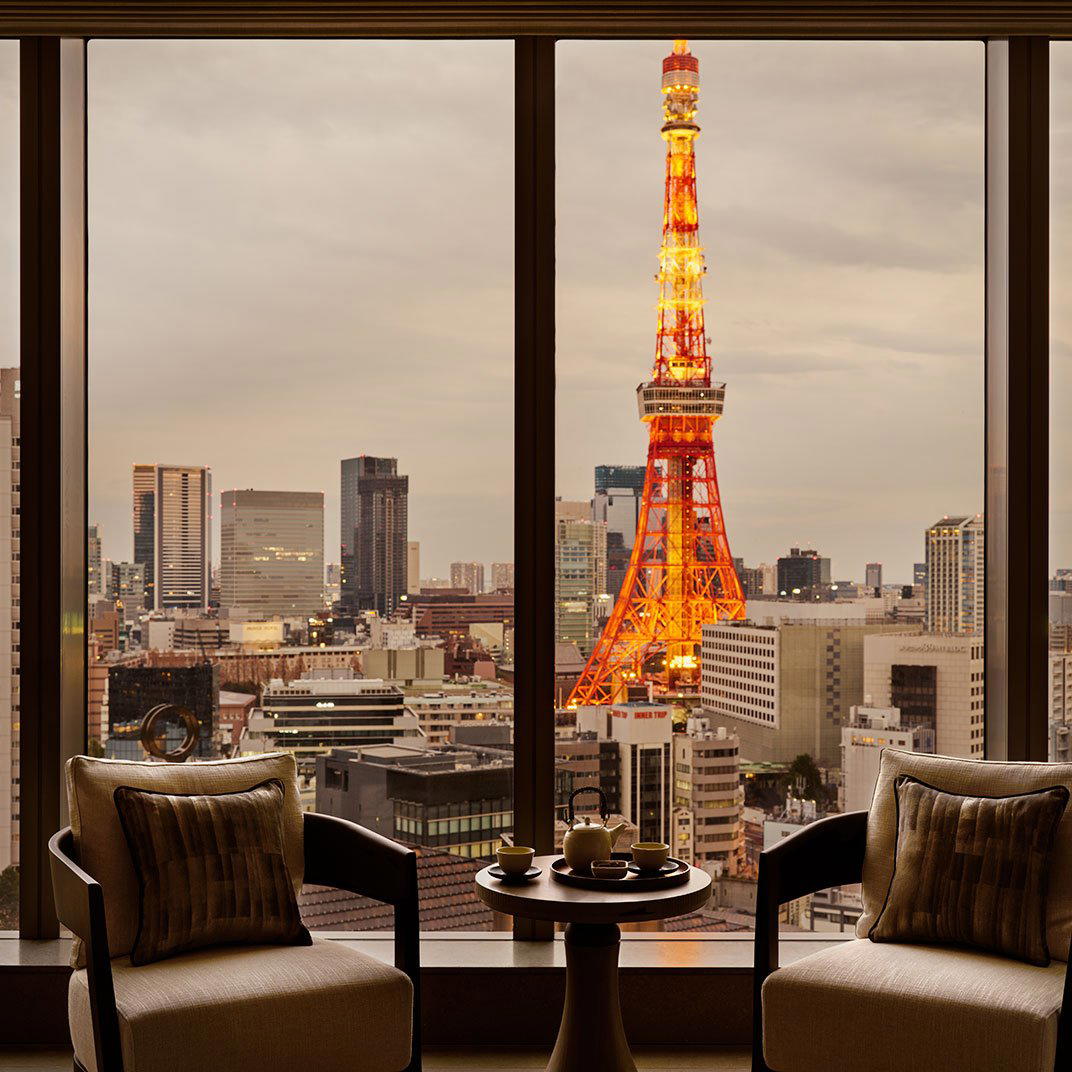
Italian Dining Ritual in a Tokyo Side-Street Setting
Tokyo's relationship with European cooking has never been casual. Since the city's first wave of French and Italian importation in the 1970s and 1980s, local diners have applied the same attentive seriousness to a Milanese risotto or a hand-rolled pasta as they would to a kaiseki progression or an omakase counter. That cultural instinct, the idea that any serious meal demands its own pacing and etiquette, has shaped how Italian restaurants operate here in ways that differ noticeably from Rome or Milan. Courses arrive with intention. Silence is not awkward. The kitchen's rhythm sets the room's rhythm, not the other way around.
イル ジョット (Il Giotto) sits on a residential stretch of Komazawa in Setagaya City, an address that already signals something about its positioning. Komazawa is a residential neighbourhood rather than a dining corridor, so restaurants here tend to serve regulars more than foot traffic. That geography, combined with Tokyo's broader Italian dining culture, shapes what to expect before you even open the door.
The Structure of the Meal
Italian cooking in Tokyo at the serious-neighbourhood level tends to follow a formal progression that would feel at home in a northern Italian ristorante: antipasti, a pasta or risotto course, a secondi, dessert. The pacing is measured, and courses are separated deliberately. Bread arrives early and is replenished without being offered ostentatiously. Water is managed quietly. These are the conventions that govern a room like this, and they matter because they tell you how to sit with the meal.
That approach contrasts with the faster, counter-forward format that has become more common in Tokyo's European casual tier, and with the omakase compression found at counters like Harutaka, where the kitchen controls both content and timing absolutely. At a neighbourhood Italian house, there is more room to slow down or extend a course. The formality is present but it is not rigid.
Across Japan, the regional Italian tradition has found particularly attentive practitioners. HAJIME in Osaka operates in a different register entirely, applying haute-cuisine logic to European structure, while akordu in Nara draws Basque technique into a local-ingredient framework. The range shows how broadly European cooking has been interpreted across the country, with each city developing its own accent. Tokyo's version tends toward technical discipline and quiet service, with less of the theatrical plating that has entered some international European kitchens.
Komazawa and Its Dining Character
Setagaya is Tokyo's most populous ward, and it contains more serious neighbourhood restaurants per square kilometre than most visitors realise. The ward's residential character keeps rents lower than central Minato or Shibuya addresses, which historically allowed kitchens to invest more in product and less in décor or location premium. The pattern holds in other world cities: the most technically serious rooms are rarely in the most expensive postcodes. Paris's arrondissements beyond the 1st and 8th have long supported that argument, and New York parallels exist too, with places like Atomix having found their footing in neighbourhoods that weren't dining destinations when they opened.
Komazawa specifically draws a local professional clientele, people who live nearby and return regularly rather than tourists completing a list. That audience tends to be less interested in spectacle and more interested in consistency. For a kitchen, it is a demanding but loyal base to cook for.
Italian Cooking in Its Tokyo Context
Japan imports European culinary traditions with a fidelity that sometimes exceeds the originating country's own standards. Italian pasta technique, for instance, has been studied and replicated here with an attention to hydration levels, resting times, and flour ratios that mirrors the precision applied to soba or ramen. The same respect for craft that runs through RyuGin's kaiseki sequences or Crony's inventive Franco-Japanese approach informs how Italian kitchens in Tokyo treat their source material.
The wine component at Italian restaurants in this city also tends to be managed with more care than the setting might suggest. Neighbourhood Italian houses in Tokyo regularly carry regional Italian lists built around producers that never appear on casual international restaurant lists. This is partly a function of the importers who have cultivated Japanese accounts over decades, and partly a reflection of how seriously local sommeliers study their subject. Comparable seriousness shows up across Japan's restaurant culture, from Gion Sasaki in Kyoto to Goh in Fukuoka, where beverage programs punch well above what the room's scale would predict.
It is worth placing Setagaya's Italian dining within the full national picture. Beyond the obvious Tokyo-Osaka-Kyoto axis, kitchens in smaller cities and towns have developed distinct characters: 一本木 長谷川制 in Nanao, 古代山乃井 in Sapporo, 湖畔荘 in Takashima, 羽黒屋 in Nishikawa Machi, Birdland in Sakai, and Bistro Ange in Toyohashi all demonstrate that serious cooking in Japan is not concentrated solely in the major metropolitan centres. The same is true of Italian-influenced kitchens across the country, which have spread into residential districts and secondary cities with consistent seriousness. For a comparable European point of reference, Le Bernardin in New York City shows how formal European cooking traditions sustain their conventions across decades and geographies.
Know Before You Go
- Address: 5 Chome-21-9 Komazawa, Setagaya City, Tokyo 154-0012
- Nearest station: Komazawa-daigaku Station (Tokyu Den-en-toshi Line), approximately 5-10 minutes on foot
- Booking: Reservations are essential.
- Pricing: Around $120 per person
- Hours: Mon-Sun 6-10 PM
- Dress: Smart casual is the Tokyo neighbourhood restaurant convention; overt formality is not required but slovenly dress is unusual at this level
Cuisine-First Comparison
Comparable venues nearby, for context on price, style, and recognition.
| Venue | Cuisine | Price | Awards | Notes |
|---|---|---|---|---|
| イル ジョットThis venue — the venue you are viewing | Italian Meat Grill | $$$ | , | |
| unito | Italian Fusion | $$$ | , | Meguro |
| RAMA Shirokane | Seasonal Japanese-Italian Counter Tasting Menu | $$$ | , | Minato |
| Vincero | Regional Italian with Japanese Influences | $$$ | , | Shinjuku |
| Piatti Castellina | Italian Course Dining | $$$ | , | Shinjuku |
| Ristorantino Rubero | Modern Italian in a Meguro vintage house | $$$ | , | Shinagawa |








At a Glance
- Cozy
- Intimate
- Elegant
- Date Night
- Special Occasion
- Open Kitchen
- Byob
- Local Sourcing
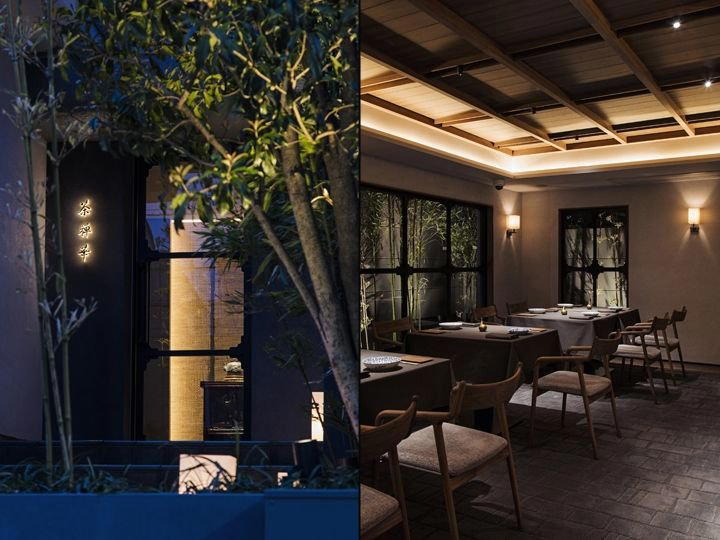
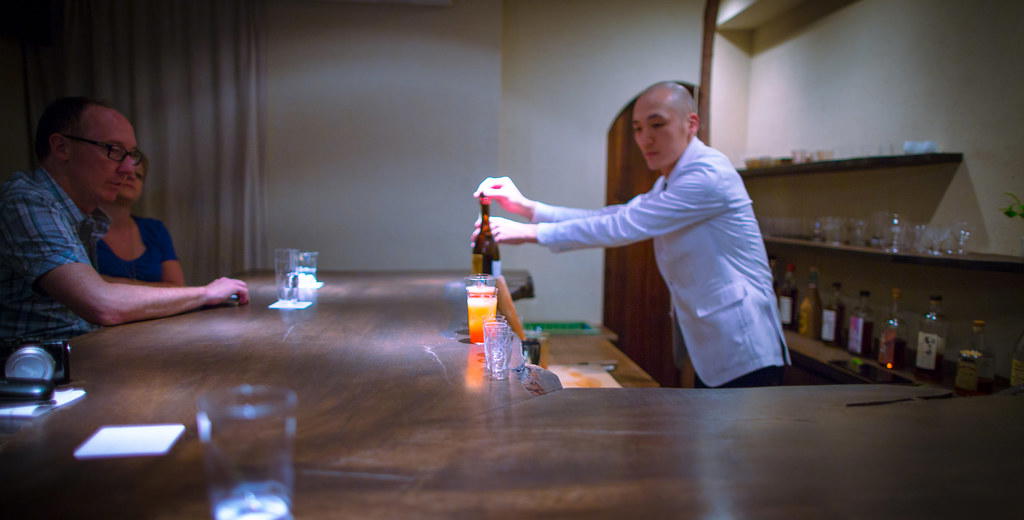
Cozy wood-lined interior with white walls, open kitchen sounds, and home-like couple-run atmosphere.