
Ristorantino Rubero sits in Tokyo’s small-house Italian category, where scale, sourcing, and wine service matter more than spectacle. Its Tabelog Italian TOKYO 100 selection in 2025, 20-seat format, and course structure built around named Japanese meats place it in a careful middle tier between casual Meguro dining and formal destination Italian.
Pearl is the En Primeur Club membership app — saves, bookings, and concierge access live there. Same editors, same standards.
- Address
- 3 Chome-5-18 Kamiosaki, Shinagawa City, Tokyo 141-0021, Japan
- Phone
- +81 3-5421-5518
- Website
- ristorantino.jp
 Saves & bookings on Pearl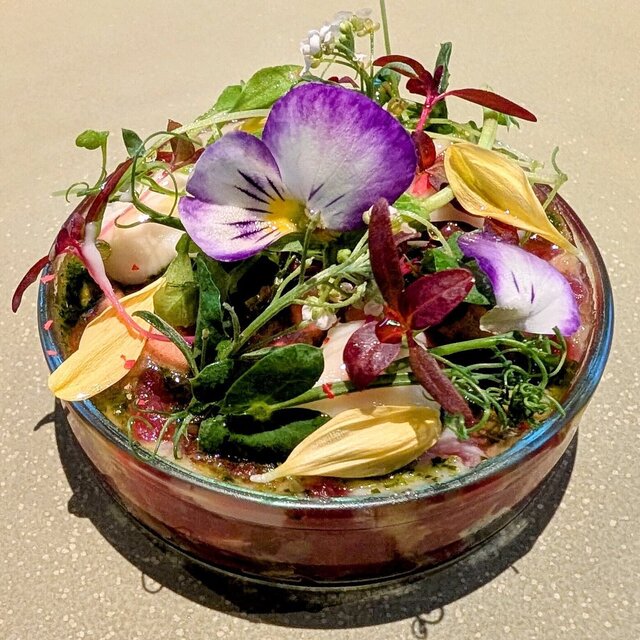
The approach to Meguro’s quieter side changes the register before dinner: station traffic gives way to residential lanes, and Tokyo’s restaurant density feels domestic rather than theatrical. That matters for Italian dining here. Some rooms chase imported grandeur; others translate Italian structure through Japanese scale, seasonality, and procurement. Ristorantino Rubero is the latter: a house-style restaurant with compact capacity, wine service, and courses built around Japanese ingredients rather than luxury markers.
Tokyo has long treated Italian cooking as serious craft, from neighborhood pasta counters to formal ristoranti with long wine lists. The sharper distinction now is sourcing discipline. Menus naming producers, regional meats, and smaller rooms signal different ambition from high-volume trattoria dining. Here, Hokkaido lamb, Kinka pork, Wakasa deer, and Tosa Akaushi appear as course choices. That sourcing language gives the restaurant its editorial interest: Italian grammar, Japanese supply chains, and a room small enough for choices to feel intentional.
Japanese meat sourcing gives the Italian format its point of view
Tokyo’s sustainability story often appears through fish traceability or vegetable seasonality, but meat sourcing is just as revealing. Listing Hokkaido lamb with regional pork, venison, and wagyu-type beef points to a kitchen thinking beyond generic premium cuts. Venison belongs to Japan’s broader conversation about game management and rural supply; inside an Italian course structure, it shifts the meal from imported clichés toward local resource intelligence. A concise course framework can reduce menu sprawl, focus purchasing, and align a small room with seasonal availability.
That places Ristorantino Rubero apart from Meguro’s more casual options. Tonkatsu Meguro Kogane and Konpira Chaya sit in a lower everyday price band, useful for neighborhood range rather than direct substitution. Clos Des Gourmets, with its French orientation, is closer in European mood, while Yakitori Abe and Tori-Shiki show how Tokyo’s counter traditions make ingredient repetition, smoke, and specialization virtues. The comparison is format-for-format, not cuisine-for-cuisine. Tokyo rewards restaurants that narrow their field and execute within it. A 20-seat Italian house with a sommelier available and a Tabelog score of 3.73 belongs in that disciplined category.
The 2025 Tabelog Italian TOKYO 100 selection is the clean trust signal, especially because the restaurant also appeared in the same Italian category in 2023 and 2021. Tabelog rankings should not be read like Michelin stars, but repeated selection indicates sustained local recognition in a crowded category. For travelers, that matters more than vague popularity; Tokyo has enough polished Italian rooms that competence disappears into the noise.
A small-house room suits wine-led, slower Italian dining
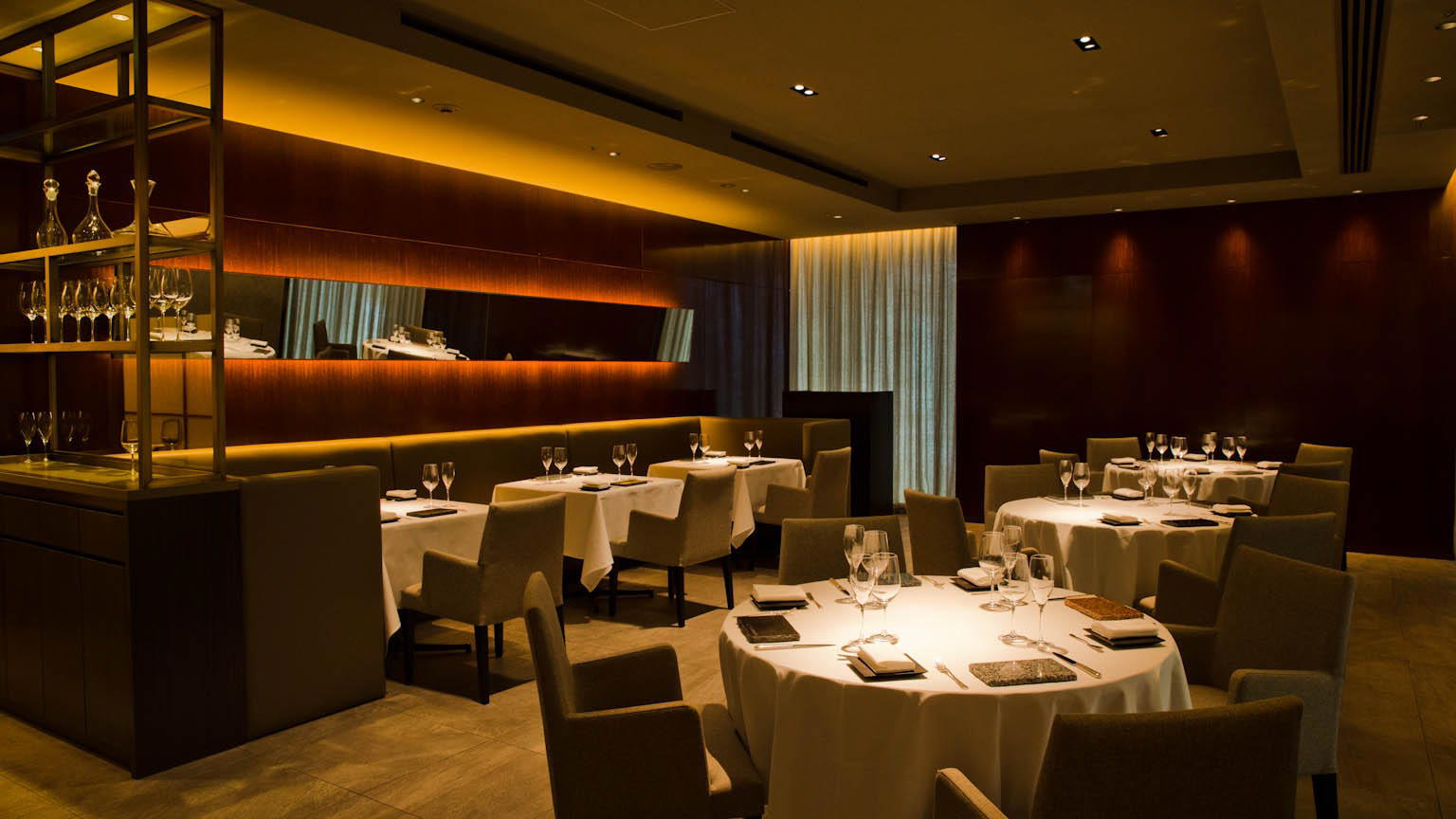
The room’s scale shapes the meal before any plate arrives. Twenty seats put pressure on pacing, wine service, and reservation planning; they also explain why the identity sits closer to a ristorantino than a grand dining room. Wine and cocktails, with a sommelier available, reinforce a meal built for conversation rather than turnover. This is Tokyo Italian for a measured evening: not a loud trattoria or tasting-menu temple, but a controlled house restaurant where the wine program and meat choices carry the weight.
For readers mapping Tokyo by mood, Meguro resists Ginza’s single-note luxury narrative and Roppongi’s nightlife pressure. It has strong rail access, residential texture, and enough serious restaurants for a targeted evening without turning dinner into district-wide performance. Ristorantino Rubero’s location near Meguro Station also suits travelers staying along the Yamanote Line, though the smarter reason to come is category fit: Italian cooking in Tokyo that treats Japanese sourcing as structure, not garnish.
Families are part of the equation in a way many small Tokyo dining rooms avoid. Children are welcomed, kids’ dishes can be prepared, strollers are accepted on the first floor, and private rooms are available for six or eight, with larger reserved arrangements noted for up to 10 people. That makes the restaurant more flexible than its 20-seat count suggests. The caveat is tonal, not logistical: this remains a wine-aware Italian restaurant with dinner pricing in the JPY 8,000 to JPY 9,999 range and lunch in the JPY 4,000 to JPY 4,999 range, so it suits families seeking a composed meal rather than a quick refuel.
Where it fits in a Tokyo dining itinerary
The editorial case is strongest for diners who know Tokyo’s European restaurants are not secondary to its Japanese ones. The city’s Italian scene has its own grammar: domestic produce, exacting service, compact rooms, and reinterpretation of regional Italian formats through Japanese ingredients. The restaurant is not the obvious first meal for visitors chasing sushi, ramen, or tempura. It is the more interesting second- or third-night choice, especially for travelers who want to see how Tokyo absorbs a foreign cuisine and lets sourcing speak.
Its practical profile favors planning. The restaurant closes Mondays, serves dinner Tuesday through Sunday, and runs lunch only on weekends. Weekend lunch is limited to 15 guests, a smaller opportunity than dinner. A 12 percent service charge and 600 yen coperto per person place it closer to European dining conventions than casual Tokyo pricing. Those details define the category. The value lies in a small-format meal with ingredient specificity, not low-cost abundance.
For a wider Tokyo dining map, pair this European-Japanese sourcing story with sharper contrasts elsewhere: charcoal seafood at . 鮪と炭火焼き うお炭 秋葉原店, urban casual culture at 2D Cafe, curry specificity at 3 Chome no Curry Ya San, or skewered specialization at 124. KAGURAZAKA (Yakitori) and 12/10 Shinjuku ten. The broader city context sits in Our full Tokyo restaurants guide, with parallel planning layers in Our full Tokyo hotels guide, Our full Tokyo bars guide, Our full Tokyo wineries guide, and Our full Tokyo experiences guide. Outside Tokyo, the same sourcing question takes different shapes at -Grilled beef Sukiyaki- KAMAKURA TANUKIAN 鎌倉 たぬき庵 in Kamakura.cafe in Osaka.know in Kumamoto, (Shoku) Vietnam in Kawasaki, [Curry Senmon Ten] Maruyama Kyoju. in Sapporo, [ki:] in Kyoto, Jōdo Saké Bar in Los Angeles, and Onigiri Time in Pasadena.
Comparison Snapshot
Comparable venues by cuisine and category.
| Venue | Cuisine | Price | Notes |
|---|---|---|---|
| Ristorantino RuberoThis venue — the venue you are viewing | Modern Italian in a Meguro vintage house | $$$ | Not listed |
| MANSALVA | Seasonal Modern Italian | $$$ | Shibuya |
| Napule | Authentic Neapolitan Pizza & Southern Italian Trattoria | $$$ | Minato |
| Ristorante La ciau | Piedmont-influenced Modern Italian | $$$ | Minato |
| AURELIO | Modern Italian Handmade Pasta & Wine Bar | $$$ | Shibuya |
| K+ | Modern Italian Fine Dining | $$$ | Minato |
Recognition history
Dated appearances from independent guides and award organizations, with the underlying list record or original source where available.
Tabelog 100 #37 · No. 37
Tabelog · Tabelog 100 - Italian - TOKYO - 2025










At a Glance
- Romantic
- Cozy
- Intimate
- Elegant
- Classic
- Date Night
- Special Occasion
- Business Dinner
- Group Dining
- Family
- Celebration
- Historic Building
- Private Dining
- Standalone
- Wine Cellar
- Design Destination
- Extensive Wine List
- Sommelier Led
- Zero Proof
- Local Sourcing
- Farm To Table
Current opening hours
- Monday
- Closed
- Tuesday
- 6–11 PM
- Wednesday
- 6–11 PM
- Thursday
- 6–11 PM
- Friday
- 6–11 PM
- Saturday
- 12–3 PM, 6–11 PM
- Sunday
- 12–3 PM, 6–10:30 PM
Hours can change for holidays and private events. Last verified .
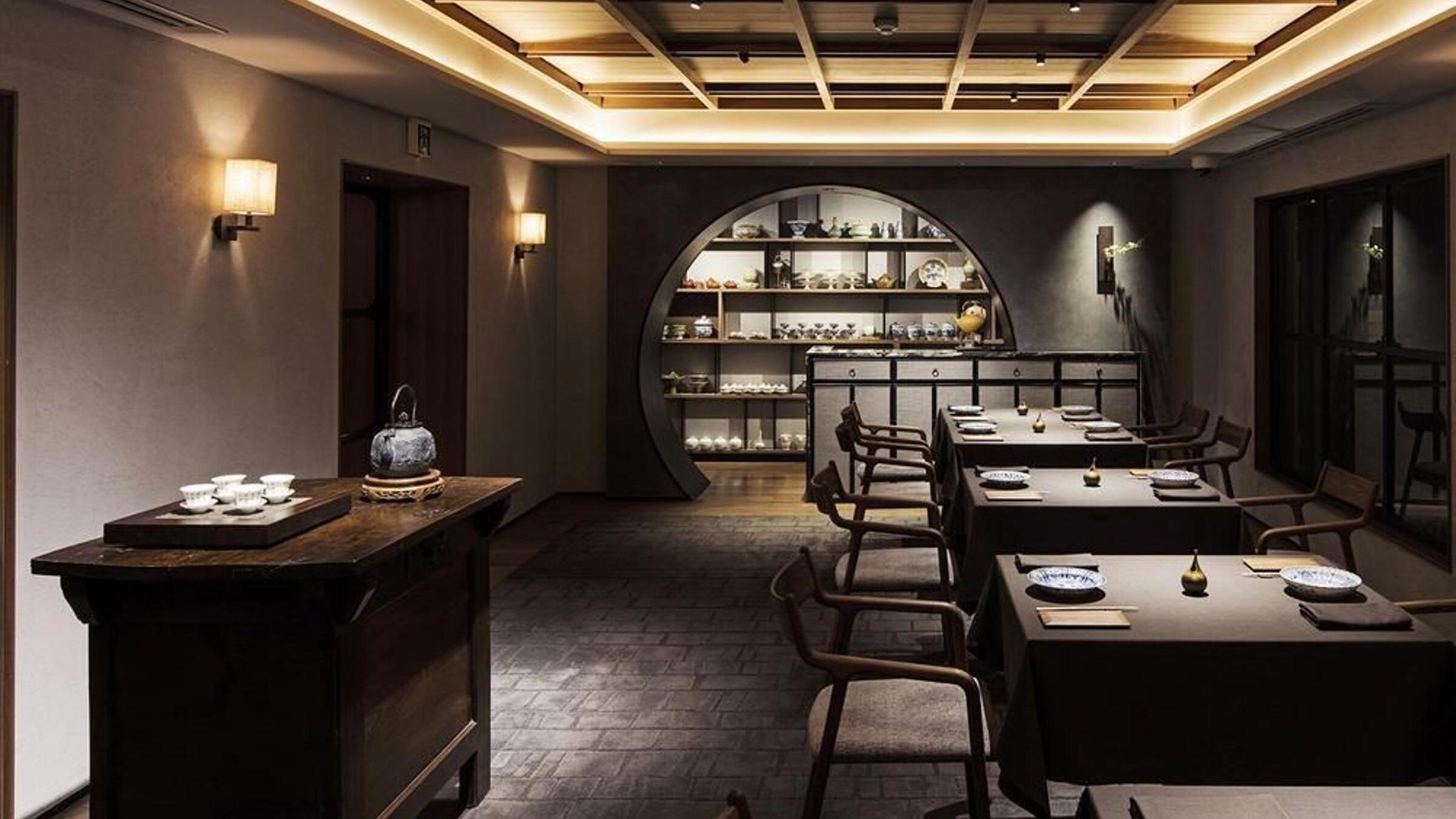
Set in an antique standalone house, the interior contrasts a simple exterior with a warm, elegant and intimate dining room, giving a hidden-gem, date-friendly atmosphere with polished but relaxed service.