
RAMA Shirokane belongs to Tokyo’s newer Italian current: counter-led, fish-focused, and comfortable borrowing Japanese pantry logic without turning dinner into fusion theatre. Its 2025 Tabelog Italian Tokyo 100 selection gives it a clear trust signal, while the Shirokane setting places it away from the city’s louder restaurant districts.
Pearl is the En Primeur Club membership app — saves, bookings, and concierge access live there. Same editors, same standards.
- Address
- 東京都港区白金6-21-12 大石ビル 1F
- Phone
- +815031343399
- Website
- ramatokyo.com
 Saves & bookings on Pearl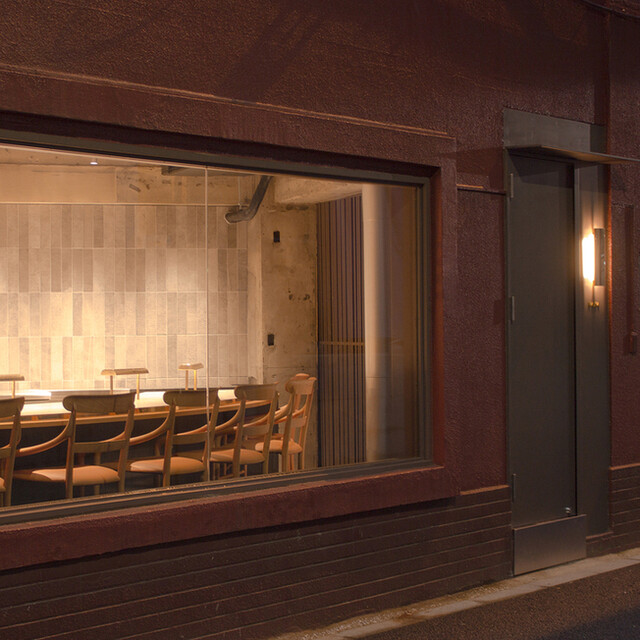
Shirokane has a different tempo from Ginza, Ebisu, or Roppongi. The dining rooms here tend to reveal themselves quietly, behind residential streets and low-rise buildings rather than through spectacle. That suits Tokyo’s current Italian mood: smaller rooms, counter sightlines, fish handled with Japanese precision, and wine lists that no longer need to imitate a Tuscan postcard to make sense.
RAMA Shirokane sits inside that shift. The category label is Italian, bistro, and innovative, but the useful reading is narrower: modern Italian filtered through a Tokyo counter format, with fish given particular emphasis and shochu placed alongside wine rather than treated as an afterthought. Its selection for Tabelog Italian Tokyo 100 in 2025 puts it among the city’s recognized Italian addresses, yet the room’s scale keeps the experience closer to chef’s-table dining than to the grand-restaurant model.
Tokyo Italian has moved from import model to counter culture
For decades, serious Italian dining in Tokyo often meant fidelity: regional pasta grammar, imported ingredients, Italian wine orthodoxy, and dining rooms designed to signal continental polish. The newer generation is less anxious about permission. It uses Japanese fish, seasonal produce, counter service, and local drinking habits without abandoning the Italian frame. This is not a rejection of Italy; it is Tokyo applying its own restaurant intelligence to another cuisine.
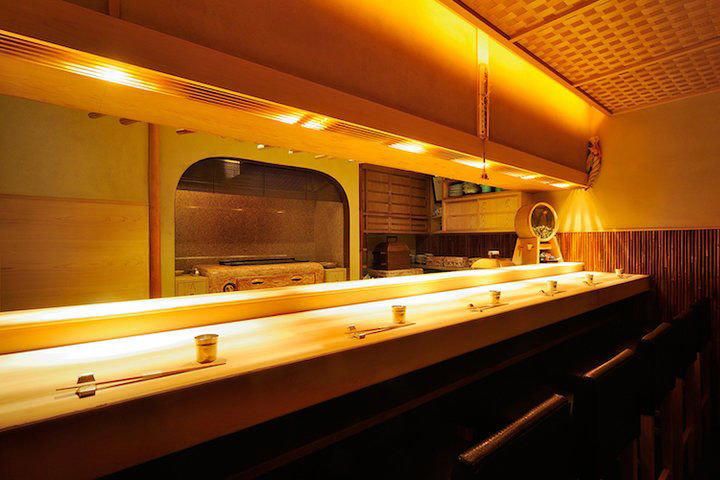
That evolution matters because counter dining changes the role of Italian food. Pasta and fish courses become paced through a room where the kitchen is visible and the service rhythm is compressed. Compared with larger Italian dining rooms, the format gives less room for ceremony and more pressure on timing. It also aligns Italian cooking with a Tokyo habit diners already understand from sushi, tempura, kappo, and yakitori: proximity to the work is part of the value.
RAMA Shirokane’s 2025 Tabelog Italian Tokyo 100 recognition is useful less as a trophy than as a placement marker. It identifies the restaurant within a competitive Tokyo field where Italian food has become unusually deep, from casual trattoria formats to tasting-menu rooms. In nearby price and ambition terms, Mizuki sits higher, Shirogane Baru lower, and Yama occupies a creative bracket; the point is that Shirokane and its neighboring districts now support multiple versions of adult, design-conscious dining rather than a single luxury template.
Fish, wine, and shochu define the current direction
The fish emphasis is the telling detail. Tokyo Italian restaurants with serious local followings often succeed when they stop treating seafood as a Mediterranean quotation and start cooking with the same market awareness that drives Japanese dining. That can mean restraint, sharper seasoning, and a willingness to let texture lead. Here, the public-facing category points directly to fish, while the drinks program names both wine and shochu, a pairing language that reads more Tokyo than textbook Italy.
Shochu alongside wine is not a gimmick in this context. It reflects a broader move across Tokyo dining, where premium meals increasingly make space for Japanese spirits outside izakaya settings. Italian food can handle that if the kitchen leans toward seafood, vegetables, and controlled richness rather than heavy dairy or excess reduction. The interesting part is not novelty; it is whether the drink structure acknowledges how people in Tokyo actually dine.
The room’s counter format also changes expectations around pacing. In a large dining room, Italian service can stretch into conversation and bottle-led leisure. At a small counter, the meal becomes more focused: courses arrive with less theatrical distance, and the kitchen’s choices are harder to ignore. That makes this kind of restaurant more appealing for diners who want a concentrated evening rather than a sprawling one.
Where it fits in a Tokyo itinerary
Shirokane works for travelers who have already done the obvious Tokyo circuits and want a quieter dinner neighborhood with serious cooking. It is close enough to Ebisu and Hiroo to combine with an evening in the southwest of the city, but the tone is less performative than nightlife-heavy districts. The address also makes sense for visitors staying in central-west Tokyo hotels rather than crossing the city for every meal.
For a broader read on the city, use RAMA Shirokane as one data point in Tokyo’s increasingly varied dining map. The contrast with places such as 124. KAGURAZAKA (Yakitori), 12/10 Shinjuku ten, 3 Chome no Curry Ya San, . 鮪と炭火焼き うお炭 秋葉原店, and 2D Cafe shows how broad the city’s restaurant grammar has become: counter cooking, curry specialization, fish-led casual dining, themed cafés, and small-format tasting logic all coexist without needing the same audience.
Planning the rest of a trip around this kind of dinner is where Tokyo rewards precision. Our full Tokyo restaurants guide gives the dining context, while Our full Tokyo hotels guide, Our full Tokyo bars guide, Our full Tokyo wineries guide, and Our full Tokyo experiences guide help place the meal inside a wider stay. For readers comparing Japanese dining beyond the capital, useful counterpoints include -Grilled beef Sukiyaki- KAMAKURA TANUKIAN 鎌倉 たぬき庵 in Kamakura.cafe in Osaka.know in Kumamoto, (Shoku) Vietnam in Kawasaki, [Curry Senmon Ten] Maruyama Kyoju. in Sapporo, and [ki:] in Kyoto. The overseas Japanese-food conversation continues at Jōdo Saké Bar in Los Angeles and Onigiri Time in Pasadena, but Tokyo remains the benchmark for how fluently foreign forms can be absorbed into local dining habits.
The editorial case for the restaurant is not excess; it is clarity of format. A small counter, Italian technique, fish as a central signal, and a drinks language that includes shochu all point to a restaurant shaped by Tokyo’s present tense. For diners choosing between another grand meal and a more compact expression of the city’s Italian evolution, this is the more interesting lane.
Quick Comparison
Comparable venues by category and price.
| Venue | Cuisine | Price | Notes |
|---|---|---|---|
| RAMA ShirokaneThis venue — the venue you are viewing | Seasonal Japanese-Italian Counter Tasting Menu | $$$ | Not listed |
| バンデルオーラ | Sicilian Italian Trattoria | $$$ | Shibuya |
| La Sfoglina | Italian Pasta Restaurant | $$$ | Minato |
| ristorante scintilla | Modern Italian Fine Dining | $$$ | Meguro |
| aniko | Marche-style Italian (Michelin Bib Gourmand) | $$$ | Minato |
| ラストリカート | Authentic Italian Osteria | $$$ | Shinjuku |
Recognition history
Dated appearances from independent guides and award organizations, with the underlying list record or original source where available.
Tabelog 100 #43 · No. 43
Tabelog · Tabelog 100 - Italian - TOKYO - 2025











At a Glance
- Intimate
- Modern
- Cozy
- Sophisticated
- Date Night
- Special Occasion
- Celebration
- Solo
- Business Dinner
- Late Night
- Chefs Counter
- Open Kitchen
- Design Destination
- Standalone
- Extensive Wine List
- Local Sourcing
- Sustainable Seafood
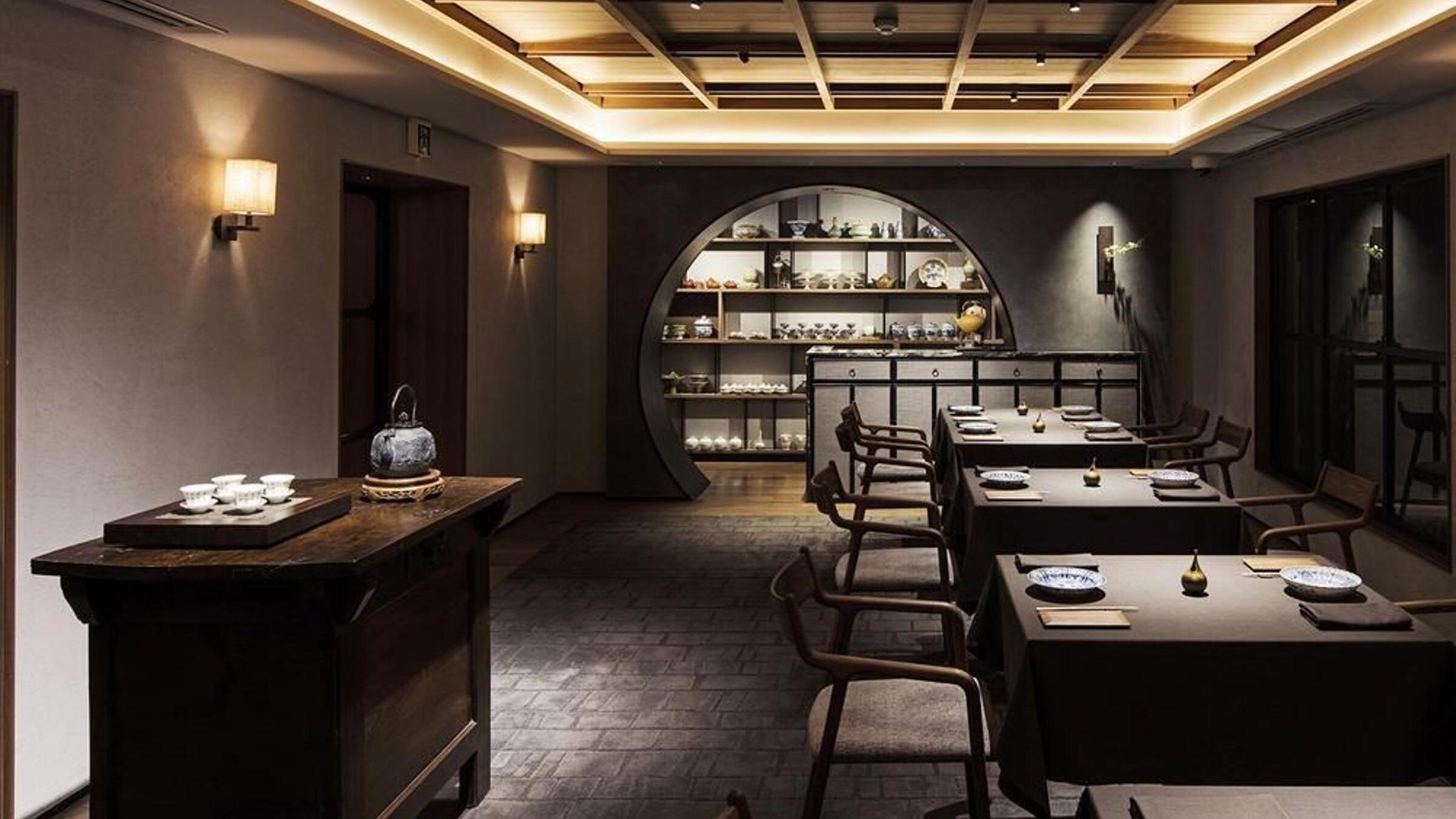
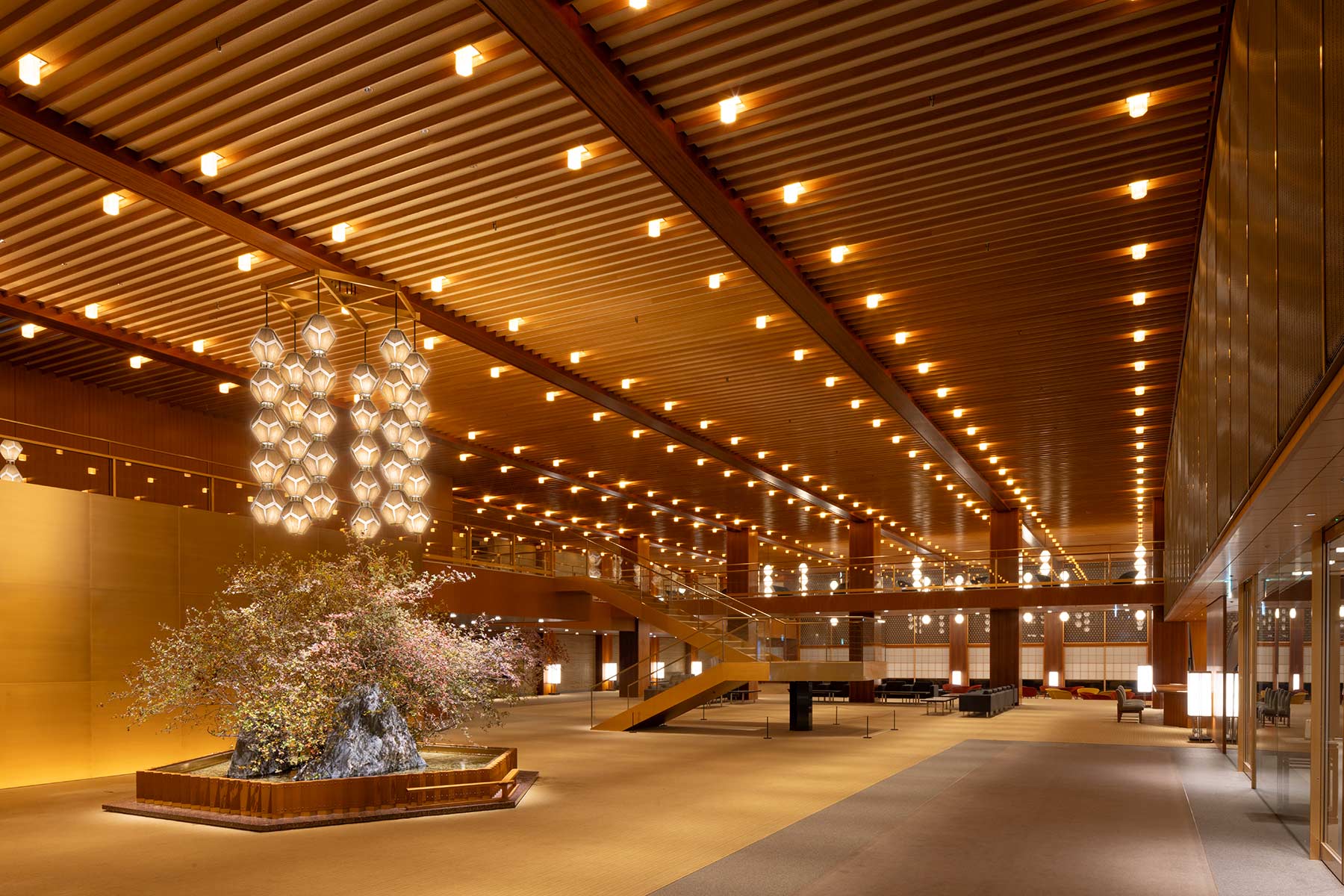
Sleek and warmly lit counter dining with an intimate, quietly sophisticated atmosphere, where guests watch the chef’s presentation up close in a small hidden-space setting.