
Cherry blossom season changes the rhythm around Nakameguro, and unito belongs to the quieter, regular-driven side of Tokyo Italian dining. The room sits in the city’s Italian and innovative category rather than the luxury tasting-menu race, with Tabelog Italian TOKYO 100 selections in 2021, 2023, and 2025 giving it a clear signal among local diners.
Pearl is the En Primeur Club membership app — saves, bookings, and concierge access live there. Same editors, same standards.
- Address
- 東京都目黒区青葉台1-23-3 青葉台東和ビル 2F
- Phone
- +81337154040
- Website
- unito.tokyo
 Saves & bookings on Pearl
Approaching the Meguro River side of Nakameguro, the mood shifts from station traffic to a slower neighbourhood cadence: bridges, low-rise buildings, and second-floor dining rooms Tokyo regulars protect by habit rather than noise. Here, Italian cooking differs from gilded hotel restaurants or trophy counters. It is where return visits matter, wine lists carry weight, and a familiar room can persuade more than spectacle.
unito sits in that register. Its category is Italian and innovative, with a stated South American twist, a pairing that fits Tokyo’s broader non-Japanese dining culture. The city has long treated Italian food less as imported comfort than flexible grammar: pasta, wine, seasonal produce, private rooms, and omakase-adjacent pacing can coexist without turning the meal into theatre. The useful question is not whether the restaurant follows a textbook Italian model, but whether its format gives repeat diners enough variation, polish, and hospitality structure to justify returning through the year.
Nakameguro Italian for diners who return with seasons, not checklists
Tokyo’s serious Italian rooms split into camps. Some chase the grand tasting-menu mood associated with French fine dining; others are neighbourhood anchors, where wine conversation, table spacing, and seasonal adjustments matter as much as headline cuisine. unito leans toward the latter while carrying a public quality marker: selection for Tabelog Italian TOKYO 100 in 2021, 2023, and 2025, plus a Tabelog score of 3.70. In a city where local rating behaviour often separates places with sustained repeat custom from restaurants that photograph well once, that matters.
The regulars’ perspective is the right lens. A 24-seat room does not need mass attention; it needs a core clientele that knows when to choose lunch, when to ask for the dinner course during the day, and when the calendar shifts around spring. Late March to early April brings special cherry blossom operations, meaningful in Nakameguro, where the river becomes one of Tokyo’s seasonal pressure points. During that period, the ordinary rhythm changes, and both lunch and dinner may differ from the usual format. That scheduling intelligence separates a casual booking from a well-timed one.
Compared with a French-leaning room such as CRAFTALE, the point is less formal culinary architecture than the way Tokyo absorbs Italian idioms into a local dining pattern. Compared with Spanish Ryouri Pablo or Bar Portillo de sal y amor, the price tier and recognition place it in a more committed evening category. The appeal is not novelty for its own sake; it is a room structured for business meals, celebrations, and regular dinners without pushing every table into ceremony.
Wine, private-room etiquette, and the unwritten rules of the room
The wine emphasis is central. Tokyo Italian restaurants often live or die by whether the bottle conversation feels integrated rather than bolted on, and unito signals that priority clearly: wine is specifically highlighted, a sommelier is available, and BYO is allowed. That combination suits diners who care about pairings and those who arrive with a bottle chosen for the occasion. In a city dense with chef-counter intimacy, that flexibility gives the meal a more social shape.
The private-room policy also reveals the operating logic. There is one private room for up to eight guests, with a fee applied for two-person use, and children under 12 are accommodated there. That is a practical hospitality compromise rather than a vague family-friendly claim. Tokyo restaurants at this level often balance adult dining-room expectations with multigenerational demand; here, the solution is explicit. It makes the venue workable for families, on terms that preserve the main dining room’s pace.
There is also etiquette. Overly casual clothing is discouraged, especially tank tops for men, jerseys, and flip-flops. The point is not stiffness, but Tokyo’s middle register of serious dining, where the room can be relaxed without becoming careless. Multilingual menus and English-speaking staff support international diners, yet this remains a local restaurant first: a place designed around repeat patterns, not translation as the central experience.
For a wider city map, Our full Tokyo restaurants guide places it beside counter formats, casual specialists, and destination dining rooms. Nearby and citywide contrasts help: . 鮪と炭火焼き うお炭 秋葉原店 points toward seafood and charcoal; 12/10 Shinjuku ten shows another Shinjuku register; 124. KAGURAZAKA (Yakitori) sits in a different craft tradition; 2D Cafe and 3 Chome no Curry Ya San underline how broad Tokyo’s dining vocabulary becomes once the search moves beyond luxury cues.
How to read it against Tokyo's wider dining map
The restaurant’s opening in 2005 gives it another kind of credibility. Tokyo dining trends move quickly, especially in neighbourhoods with heavy foot traffic and seasonal tourism, so two decades of operation suggest a format that has outlasted multiple waves of fashion. The Tabelog 100 selections in non-consecutive recent cycles reinforce that pattern: not a single spike, but recurring recognition within the Italian category.
The case for choosing this room is strongest for diners who want Tokyo Italian with neighbourhood depth rather than a trophy reservation. It is also useful for visitors building a broader itinerary across the city: restaurants for dinner, bars after, hotels by district, and cultural formats by day. For that planning layer, see Our full Tokyo hotels guide, Our full Tokyo bars guide, Our full Tokyo wineries guide, and Our full Tokyo experiences guide. Japan’s broader restaurant map can widen the comparison further, from -Grilled beef Sukiyaki- KAMAKURA TANUKIAN 鎌倉 たぬき庵 in Kamakura and.cafe in Osaka to.know in Kumamoto, (Shoku) Vietnam in Kawasaki, [Curry Senmon Ten] Maruyama Kyoju. in Sapporo, and [ki:] in Kyoto. For a transpacific sake-and-Japan thread, Jōdo Saké Bar in Los Angeles and Onigiri Time in Pasadena show how Japanese dining ideas travel in more casual formats.
Editorial read is simple: unito is for diners who value continuity. Its signals are not celebrity biography or maximal theatre, but recurring category recognition, wine seriousness, small-room scale, seasonal operations, and rules that make the room legible before arrival. In Nakameguro, especially when the river draws crowds, that clarity has its own appeal.
Same-City Peers
Comparable venues for cuisine and category context.
| Venue | Cuisine | Price | Notes |
|---|---|---|---|
| unitoThis venue — the venue you are viewing | Italian Fusion | $$$ | Not listed |
| neo | Italian Standing Bar | $$$ | Shibuya |
| エリオ・ロカンダ・イタリアーナ | Authentic Southern Italian Trattoria | $$$ | Chiyoda |
| Sala Amabile | Italian Fine Dining | $$$ | Chūō |
| Cuore Azzurro | Authentic Regional Italian | $$$ | Meguro |
| Don Bravo | Modern Italian with Japanese Influence | $$$ | Kokuryo |
Recognition history
Dated appearances from independent guides and award organizations, with the underlying list record or original source where available.
Tabelog 100 #89 · No. 89
Tabelog · Tabelog 100 - Italian - TOKYO - 2025













At a Glance
- Romantic
- Quiet
- Modern
- Sophisticated
- Intimate
- Date Night
- Business Dinner
- Celebration
- Special Occasion
- Standalone
- Street Scene
Current opening hours
- Monday
- 12–1 PM, 6–8 PM
- Tuesday
- 12–1 PM, 6–8 PM
- Wednesday
- Closed
- Thursday
- 12–1 PM, 6–8 PM
- Friday
- 12–1 PM, 6–8 PM
- Saturday
- 12–1 PM, 6–8 PM
- Sunday
- 12–1 PM, 6–8 PM
Hours can change for holidays and private events. Last verified .
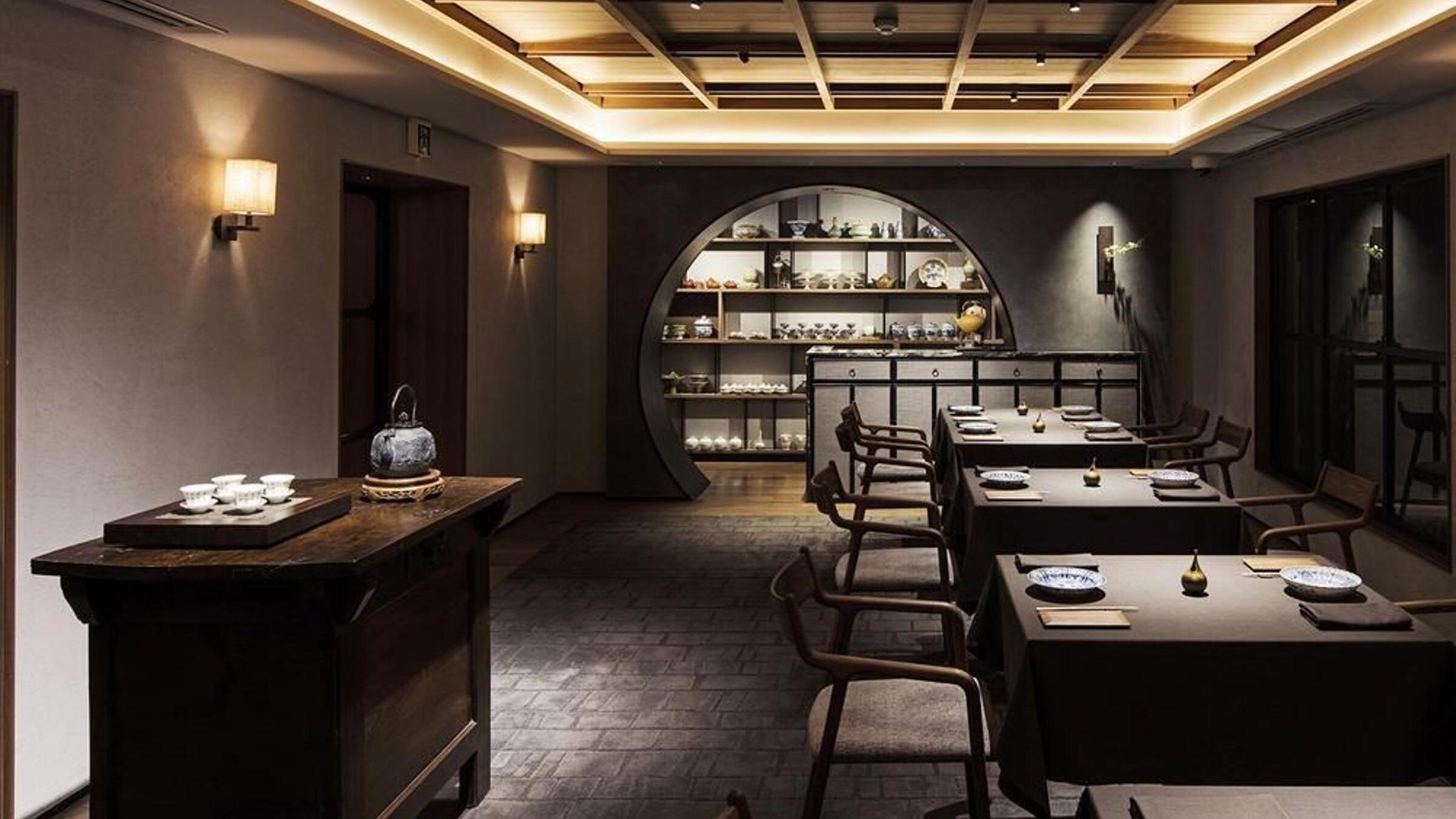
A calm, intimate dining room with a refined, quiet atmosphere suited to a slower, more personal meal.