
Tabelog 100 #27
Our verdict
Trois Fleches occupies a Ginza address at GINZA TAKAMOTO BLD on 8-chome, placing it within one of Tokyo's most concentrated corridors of high-commitment dining. The name, French for 'three arrows', signals a European culinary orientation operating inside a neighbourhood where omakase counters and kaiseki rooms set the competitive standard. For a milestone meal in Tokyo, Ginza 8-chome offers few more considered settings.

Pearl is the En Primeur Club membership app, where members save venues, book tables and use the concierge.
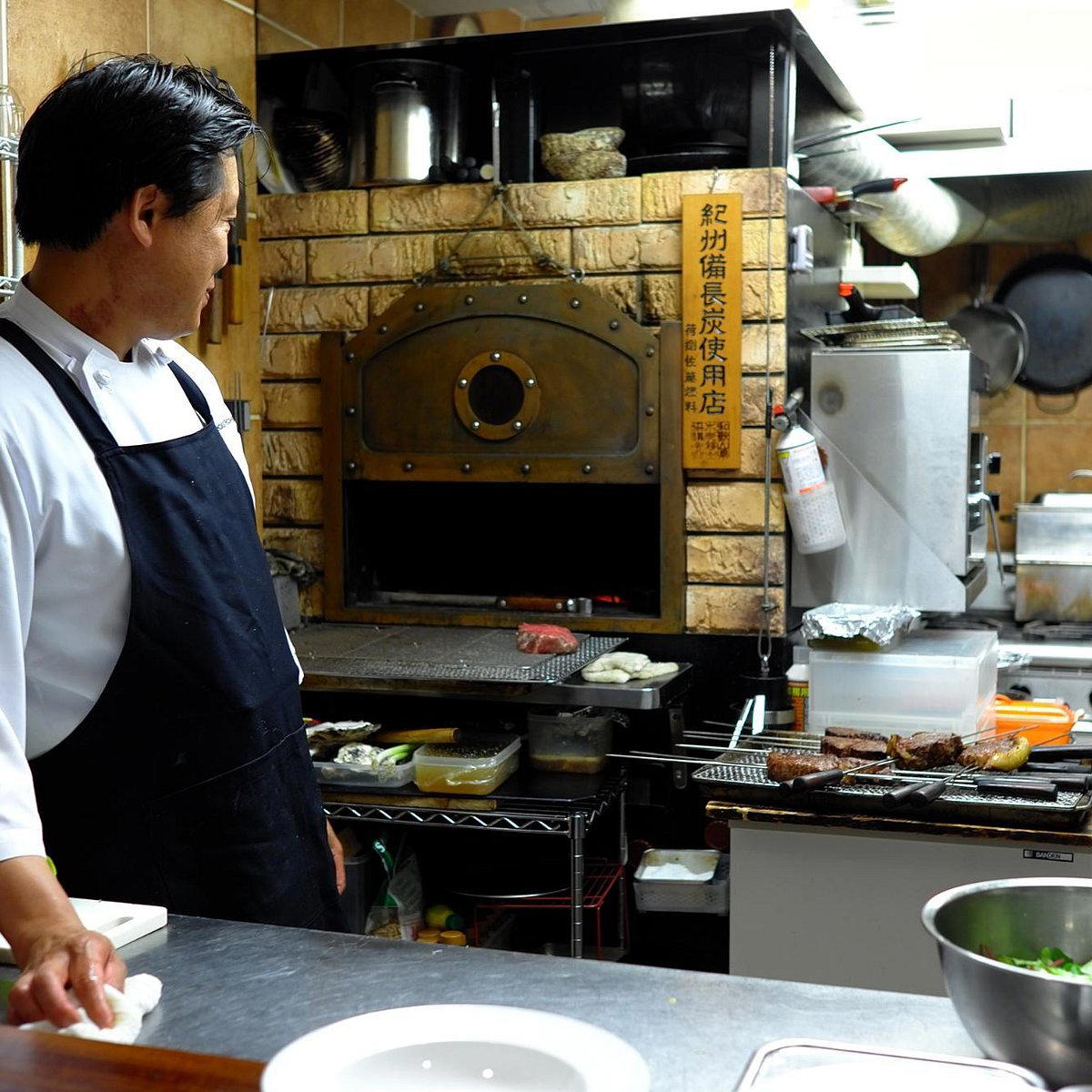
Ginza at Its Most Ceremonial
There is a category of Tokyo restaurant that exists specifically for the occasions that demand more than a good meal. Anniversaries, promotions, the kind of dinner where the setting must match the weight of what is being marked, Ginza has long been the city's default address for this. The neighbourhood's 8-chome block, where Trois Fleches occupies a floor of GINZA TAKAMOTO BLD, concentrates some of the most formally considered dining rooms in Japan within a few hundred metres of each other. Omakase counters such as Harutaka and the kaiseki tradition represented by RyuGin have shaped what Ginza dining means at its upper register: high attention, deliberate pacing, and the sense that the kitchen is working entirely in service of the table.
Trois Fleches, the name translates from French as 'three arrows,' a phrase associated historically with unity and purpose, lands in this neighbourhood carrying a European culinary signal in a district where French influence on Japanese fine dining has a longer lineage than most visitors realise. From the postwar decades when French technique became a prestige reference for Japanese chefs, through to the current generation of Tokyo restaurants that treat the French and Japanese repertoires as genuinely interchangeable, Ginza has been the address where that dialogue plays out most visibly. L'Effervescence and Sézanne represent that tradition at its most decorated, and the competitive pressure they create shapes what any French-oriented address in Ginza must answer to.
The Architecture of a Milestone Meal
What distinguishes occasion dining from simply expensive dining is structure. The leading rooms for celebrations in Tokyo tend to share certain qualities: a format that imposes a rhythm rather than leaving the table to construct its own, a level of attentiveness that reads as care rather than surveillance, and a physical setting that marks the evening as apart from ordinary time. Ginza's upper-tier restaurants have understood this for decades, which is why the neighbourhood draws a disproportionate share of the city's milestone bookings relative to areas like Shinjuku or even Roppongi, where the energy tilts toward spectacle rather than ceremony.
Trois Fleches sits within that ceremonial register. The GINZA TAKAMOTO BLD address places it inside a building that functions as a container for serious dining rather than a mixed retail or entertainment context. In Tokyo's fine dining geography, vertical address matters: a dedicated building or a clearly delineated upper floor signals that the experience is the destination, not an amenity within something larger. That physical grammar aligns with the expectations of guests arriving for a dinner that is meant to be remembered on its own terms.
For travellers building an itinerary around Japan's full range of occasion dining, the comparison set extends well beyond Tokyo. HAJIME in Osaka and Gion Sasaki in Kyoto represent the Kansai region's approach to high-ceremony meals, where seasonal kaiseki rhythm and a different relationship to formality create a distinct experience from anything Tokyo offers. akordu in Nara and Goh in Fukuoka show how occasion dining operates in cities with smaller international profiles but no less technical ambition.
French Orientation in a Japanese Context
The French culinary signal embedded in the name Trois Fleches is worth taking seriously as a positioning statement. In Tokyo's current fine dining scene, European orientation no longer simply means classical French technique applied to imported ingredients. The most interesting addresses in this space, Crony being one example from the innovative end of that spectrum, work across culinary vocabularies with enough fluency that the European or Japanese framing becomes a question of emphasis rather than exclusive identity.
The service grammar, the wine program structure, the pacing logic, these differ enough that guests choosing between a Ginza sushi counter and a Ginza French room are making a fundamentally different decision about how they want the evening to move. For international visitors in particular, the French format can feel more immediately legible, though the leading Tokyo addresses in this category make that accessibility work alongside genuine depth rather than as a substitute for it. Comparable ambition in the French idiom can be found at Le Bernardin in New York City, where the intersection of classical training and ingredient focus produces a similar register of considered formality.
Planning a Dinner at Trois Fleches
Ginza dining at this level requires forward planning regardless of the specific address. The neighbourhood's leading counters and dining rooms book weeks to months in advance, particularly for weekend evenings and for the November-to-March period when Tokyo's corporate and social calendar drives the highest concentration of celebratory bookings. Visiting during the spring shoulder months, late March through May, or the early autumn window in September and October generally gives more booking flexibility without sacrificing the quality of seasonal produce that drives menus at this tier.
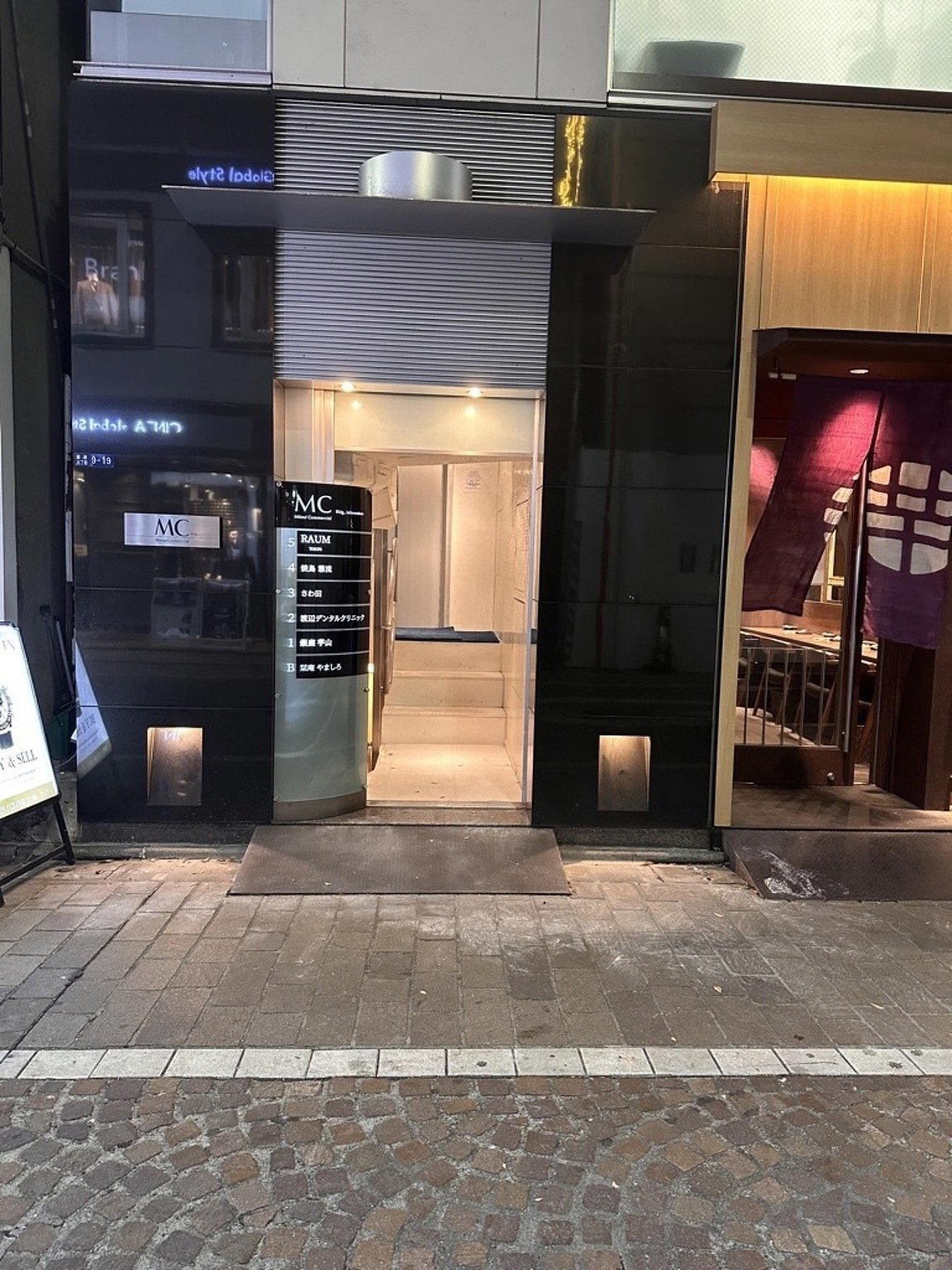
Trois Fleches is located at GINZA TAKAMOTO BLD, 8-2-8 Ginza, Chuo City, Tokyo 104-0061. Ginza Station on the Tokyo Metro Ginza, Hibiya, and Marunouchi lines provides the most direct access, with the 8-chome exits placing the building within a short walk. Given the address density of serious restaurants in this section of Ginza, guests combining a dinner at Trois Fleches with a wider Tokyo itinerary will find our full Tokyo restaurants guide useful for mapping the neighbourhood's full range of options across formats and price points.
For those building a broader Japan itinerary that uses fine dining as a structural element, the country's regional scene rewards attention. 一本杉川嶋 in Nanao, 古代山乃 in Sapporo, 湖隣庄屋 in Takashima, and 庭羽屋 in Nishikawa Machi each represent occasion dining operating at distance from the Tokyo concentration, shaped by local ingredients and regional culinary traditions that have no direct equivalent in the capital. Birdland in Sakai and Bistro Ange in Toyohashi add further range to that picture. For a sense of how Korean-influenced fine dining at the highest level compares to what Tokyo's French-oriented rooms offer, Atomix in New York City provides a useful counterpoint.
Frequently asked questions
What is the atmosphere like at Trois Fleches?
Trois Fleches sits in the Ginza Takamoto Building in Chuo City, one of Tokyo's most formal dining corridors, and the room reflects that address. Expect the ceremonial register that Ginza's top dining rooms have made their signature: unhurried pacing, structured service, and a sense that the occasion itself is being taken seriously. This is not a neighbourhood drop-in.
Where do I go for Trois Fleches?
Trois Fleches is located at Japan, 〒104-0061 Tokyo, Chuo City, 中央区Ginza, 8 Chome−2−8 GINZA TAKAMOTO BLD. Tokyo.
Is Trois Fleches in Ginza suitable for a business dinner in Tokyo?
The Ginza Takamoto Building address in Chuo City places Trois Fleches within the district that Tokyo's business community has long used for high-stakes entertaining. French fine dining rooms in this corridor tend to offer the combination of private atmosphere, structured service, and neutral culinary grammar that corporate occasion dining requires. The French framing of the menu also travels well across international guest profiles.
What do people recommend at Trois Fleches?
In Tokyo's current fine dining scene, French-leaning rooms at this address tier tend to anchor their menus around seasonal progression rather than à la carte flexibility. Confirming the current menu directly with the venue before visiting is advisable.
Do I need a reservation for Trois Fleches?
At Ginza's established fine dining addresses, walk-in availability at dinner is not realistic. The neighbourhood's top rooms book weeks out, and Trois Fleches at the Ginza Takamoto Building operates in that same tier of demand. Securing a table well in advance, particularly for weekend evenings or occasions with a fixed date, is the practical approach.
What has Trois Fleches built its reputation on?
Trois Fleches has positioned itself within Ginza's occasion-dining category, where the benchmark is not novelty but reliability of ceremony and structure. The French signal in its name places it alongside Tokyo's cohort of European-method fine dining rooms that treat the architecture of a meal, sequence, timing, setting, as the primary product. Ginza's Chuo City address reinforces that positioning.
Can Trois Fleches adjust for dietary needs?
Documented dietary accommodation policies for Trois Fleches are not available at this time. French fine dining rooms in Ginza typically require dietary requests to be communicated at the point of reservation rather than on arrival, as courses are prepared in sequence. Contacting the venue directly when booking is the reliable path for any specific requirements.
Credentials Lens
Comparable venues nearby, for context on price, style, and recognition.
| Venue | Cuisine | Price | Awards | Notes |
|---|---|---|---|---|
| Trois FlechesThis venue (the venue you are viewing) | Japanese Steakhouse | $300–500 | Tabelog 100 #27 | Not listed |
| Ginza Inaba | Seasonal Japanese Kaiseki Omakase | $200–300 | Tabelog 100 #2 | Chūō |
| Ginza Furuta | Ishikawa Regional Japanese Kaiseki | $100–150 | Michelin Plate | Chūō |
| Ichiyanagi | Edomae Sushi Omakase | $150–200 | Tabelog 100 #1 | Chūō |
| 鮨処 やまと | Edomae Sushi Omakase | $200–300 | Michelin Plate | Chūō |
| 懐石 辻留 | Traditional Kaiseki Tea Ceremony Cuisine | $200–300 | La Liste Top Restaurants | Minato |
Recognition history
Dated appearances from independent guides and award organizations, with the underlying list record or original source where available.
Tabelog 100 #27 · No. 27
Tabelog · Tabelog 100 - Steak / Teppanyaki - EAST - 2025
Continue exploring
More in Tokyo
Restaurants in Tokyo
All restaurants in Tokyo →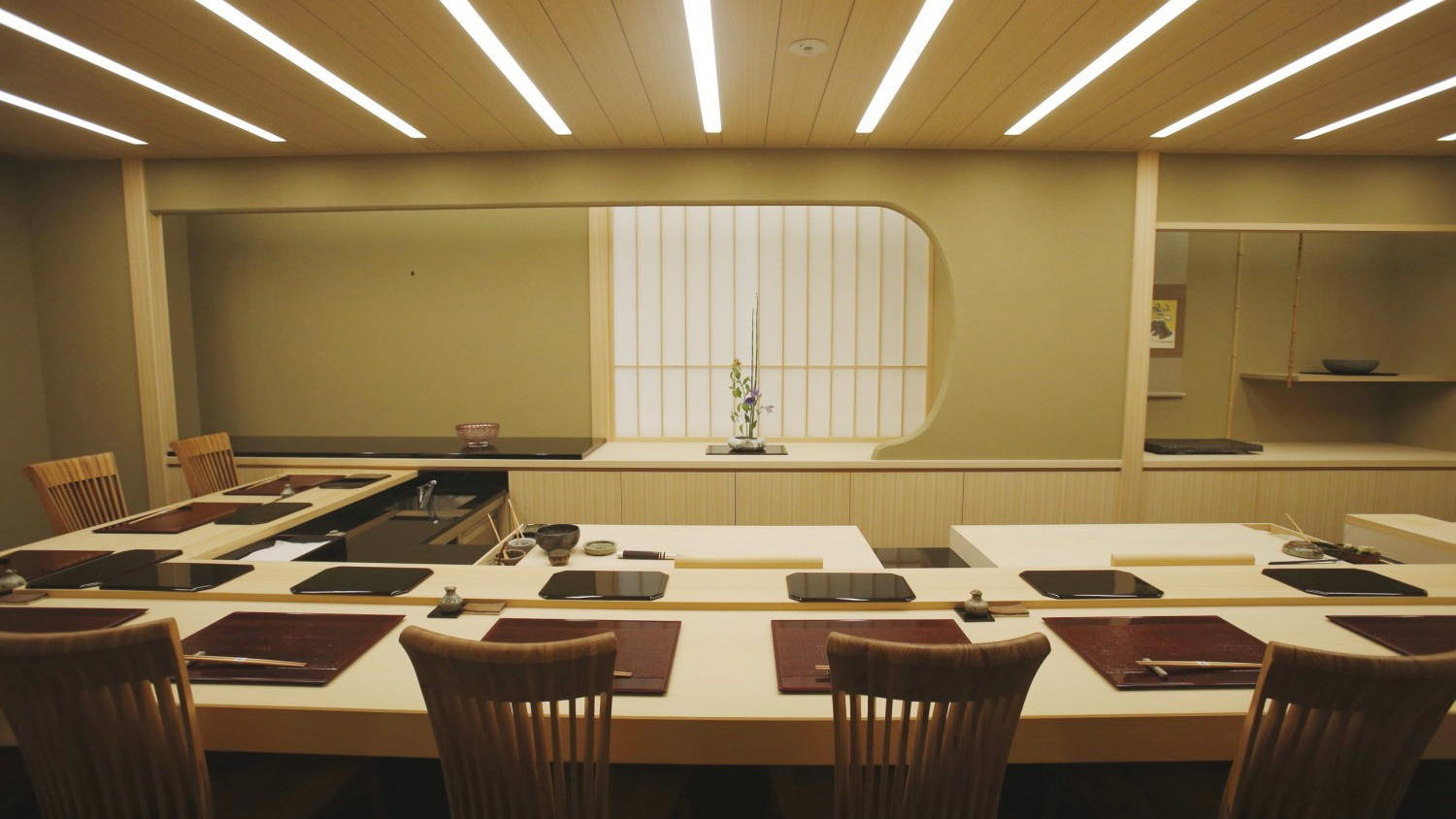



Details
- Elegant
- Sophisticated
- Special Occasion
- Business Dinner
- Open Kitchen
- Extensive Wine List
- A La Carte
Current opening hours
- Monday
- 5–10 PM
- Tuesday
- 5–10 PM
- Wednesday
- 5–10 PM
- Thursday
- 5–10 PM
- Friday
- 5–10 PM
- Saturday
- 5–10 PM
- Sunday
- Closed
Hours can change for holidays and private events. Hours as of .
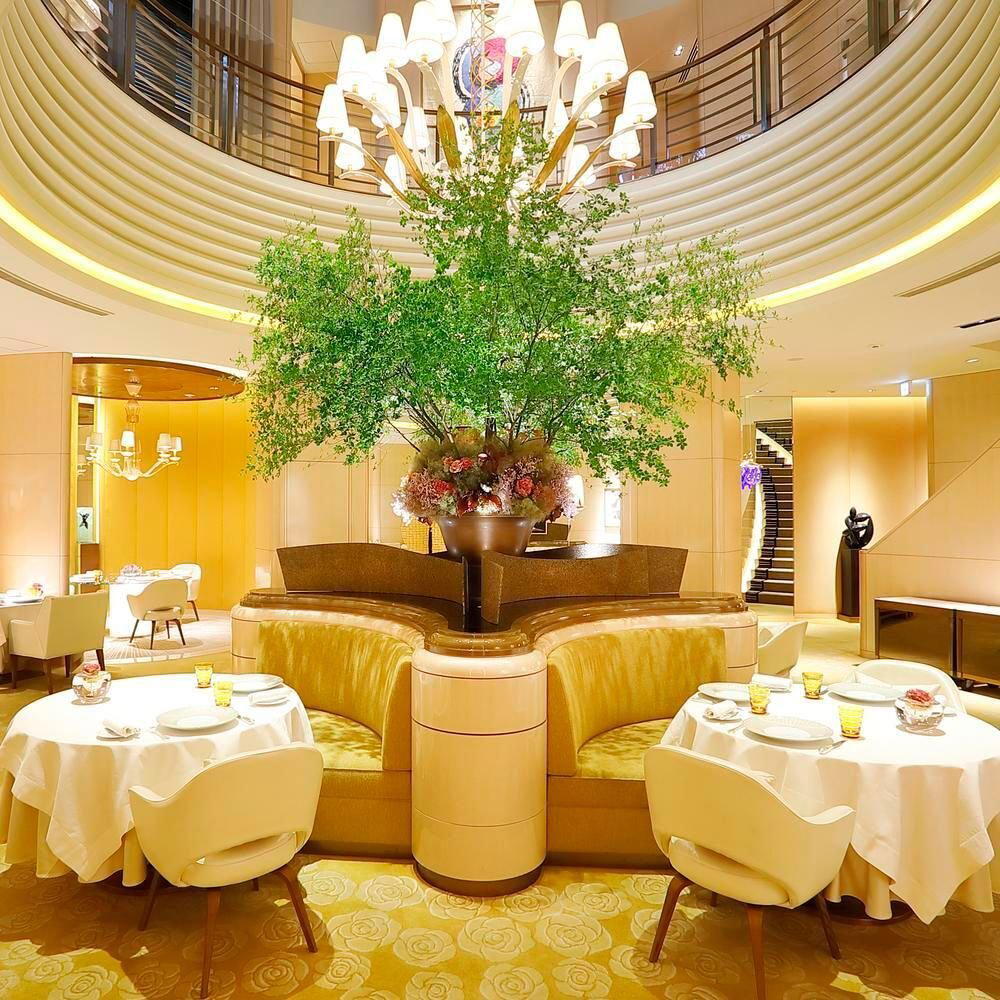
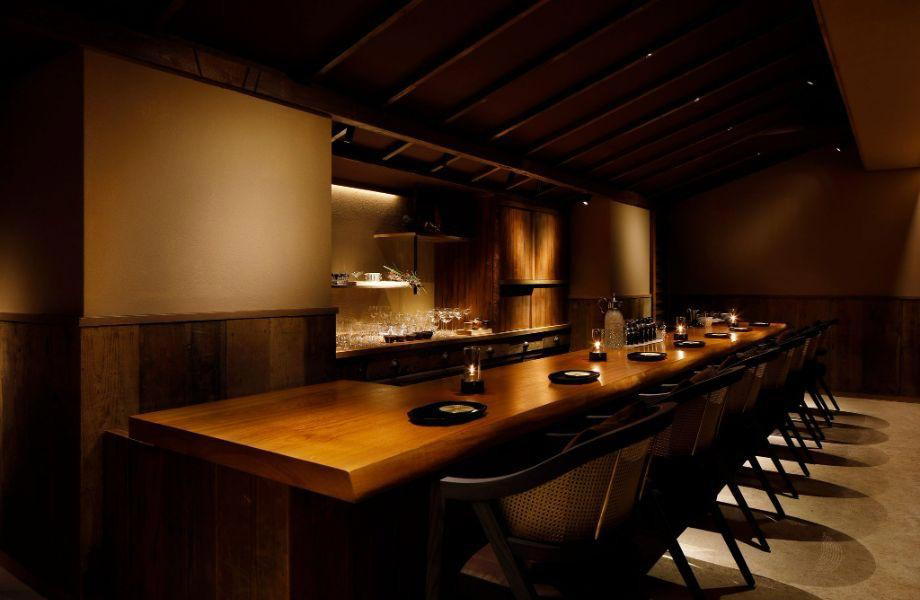
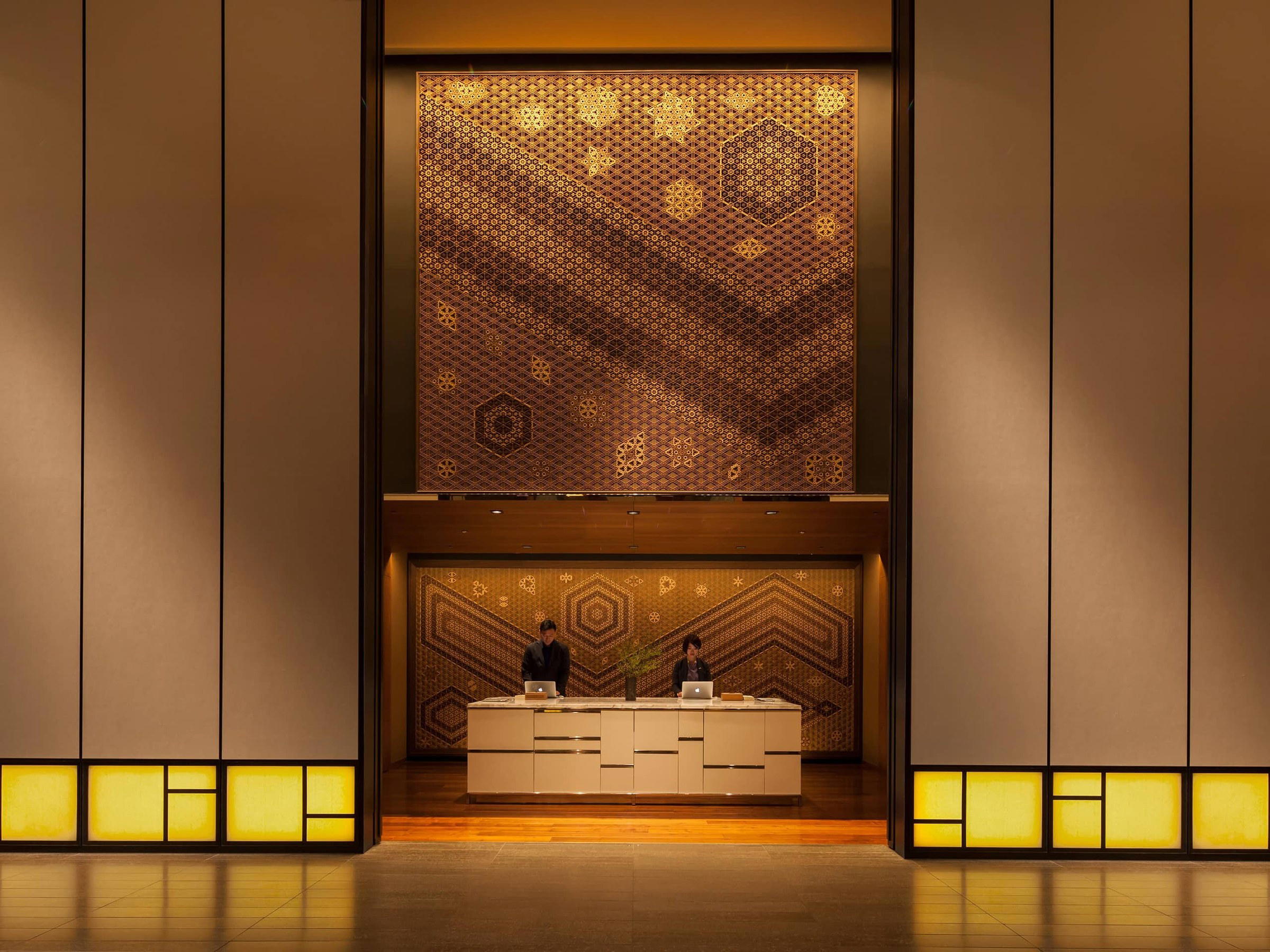
Refined and elegant with French-Japanese fusion, featuring traditional Japanese service in an intimate 18-seat setting.