
Tabelog 100 #29
Our verdict
A Ginza yakiniku address that draws a loyal regulars circuit rather than first-time tourists, Kato Gyuniku-ten sits in the neighbourhood's premium beef tier where provenance and cut selection matter more than spectacle. The room is the kind of place where returning guests know what to ask for before the menu arrives. For Tokyo's serious beef eaters, it occupies a specific and well-defended position in Chuo City's Ginza 6-chome.

Pearl is the En Primeur Club membership app, where members save venues, book tables and use the concierge.
The menu
What to order
- Homemade corned beef
- Yamagata beef steak trio
- Yamagata beef hamburger
What the Regulars Know About Ginza's Beef Counter Culture
Ginza's premium dining floor has stratified considerably over the past decade. The neighbourhood that once sorted itself by price now sorts by format: the long omakase counter, the private kaiseki room, the chef's-table tasting menu, and the specialist beef house where provenance drives the menu rather than occasion. Kato Gyuniku-ten Ginza belongs to that last category, operating in a Chuo City block, Ginza 6-chome, where the density of serious restaurants per square metre rivals almost anywhere in the city. For context on the broader scene, our full Tokyo restaurants guide maps the neighbourhood tiers in detail.
What distinguishes the regulars' circuit at a Ginza yakiniku house from a single visit is the accumulated knowledge of what isn't on the written menu. In Tokyo's beef specialist restaurants, the gap between a first visit and a fifth visit is meaningful: cuts rotate with supply, relationships with specific farms or distributors shift seasonally, and the staff calibrate recommendations to familiarity. At addresses like this one, that unwritten menu is the real product.
The Ginza Beef Tier: Where Kato Gyuniku-ten Sits
Tokyo's yakiniku scene runs from neighbourhood grills charging a few thousand yen per head to destination beef houses where the wagyu provenance, Kagoshima A5, Miyazaki, Omi, is as precisely sourced as the fish at a three-star sushi counter. Ginza's version of the format sits at the upper end of that range, competing for the same dinner hour as the kaiseki rooms at RyuGin and the French tasting menus at L'Effervescence and Sézanne. The guests making that choice in Ginza are often not choosing between cuisines, they are choosing between modes of eating, and the yakiniku format's directness, its smoke and its tableside fire, is precisely the counter-programme to the structured tasting menu.
Kato Gyuniku-ten Ginza, operating from a 1F address in a building on Ginza 6-4-15, positions itself within that premium beef register. The address itself is a signal: Ginza 6-chome is not a location where rents permit casual operations. The restaurants that hold space here are doing so by design, pricing accordingly, and drawing guests who have made a specific choice rather than a convenient one.
The Atmosphere of a Specialist Beef House
In Tokyo's beef specialist format, atmosphere is not decoration, it is function. The smoke management, the grill placement, the sightlines between tables, the pace at which cuts are brought, all of it shapes the quality of what lands on the grill. Regulars at addresses like this one understand intuitively that the leading experience is an interactive one: timing matters, resting time on cuts matters, and the difference between a piece of wagyu served at the correct moment versus two minutes late is not subtle.
The Ginza location of Kato Gyuniku-ten carries the physical attributes of its neighbourhood, a certain formality in the approach, a density of detail in the room that sets it apart from the louder, more casual yakiniku halls found in Shinjuku or Shibuya. This is the version of the format that functions as a business dinner venue as readily as it serves a celebration, which is precisely why it builds a repeat clientele rather than a tourist queue.
What the Loyal Clientele Comes Back For
In any serious specialist restaurant, the regulars' perspective is the most reliable editorial lens. At a Ginza beef house, that perspective clusters around a few consistent points. First, cut selection: wagyu's complexity means that different muscle groups eat very differently, and the ability to guide a guest through the difference between, say, a heavily marbled chuck flap and a leaner outside skirt is a skill that compounds over multiple visits. Second, the grill relationship: staff at this tier know how customers prefer their beef cooked, and that calibration is not possible on visit one. Third, the unwritten availability: premium wagyu supply is not a fixed list, and regulars learn that showing up on the right evening, or calling ahead, if booking is possible, yields access to cuts that don't make the standard menu.
Japan's wider fine dining circuit rewards this kind of patient, relationship-driven approach. Gion Sasaki in Kyoto operates on a similar logic in kaiseki terms, as does HAJIME in Osaka in its own register. The pattern repeats because it works: guests who invest in the relationship get more from the experience, and venues that build that loyalty produce better outcomes than those chasing volume. Further afield in Japan's regional scene, addresses like Goh in Fukuoka and akordu in Nara demonstrate the same dynamic across different formats.
Ginza in a Wider Dining Context
For visitors building a Tokyo itinerary around serious eating, the neighbourhood's concentration of different formats is its primary advantage. Within a short walk of Kato Gyuniku-ten's address, the sushi counter at Harutaka and the inventive French-Japanese work at Crony represent entirely different price points and modes. The city's breadth is leading illustrated by comparison: international visitors who benchmark Tokyo against cities like New York, where Le Bernardin and Atomix define different ends of the serious dining spectrum, typically find that Ginza's density of specialist operators within a single neighbourhood is difficult to replicate elsewhere.
Japan's wider regional restaurant scene also merits attention for anyone planning multiple stops. 一本木 石川製 in Nanao, 古代山乃 in Sapporo, and 湖辺庵 in Takashima each offer a version of the specialist, relationship-driven format in contexts very different from central Tokyo. 庄羽屋 in Nishikawa Machi, Birdland in Sakai, and Bistro Ange in Toyohashi extend the map further into regional territory where the regulars' dynamic is even more pronounced.
Planning a Visit
Kato Gyuniku-ten Ginza sits at Ginza 6-4-15 in Chuo City, Tokyo, postcode 104-0061. Given the address and the neighbourhood tier it occupies, this is a reservation-oriented venue by nature, walk-in availability at Ginza-level beef specialists is characteristically limited, particularly on weekend evenings. Specific hours, current pricing, and the most direct booking route should be confirmed directly with the venue, as this information changes with seasonal demand. For first-time visitors, an early weekday booking is the more reliable entry point; for those building a longer Tokyo restaurant programme, our full Tokyo guide provides broader planning context across neighbourhoods and price tiers.
Frequently asked questions
at Kato Gyuniku-ten Ginza?
In Tokyo's premium yakiniku format, the answer to this question changes with supply. The structural advice is to ask the staff directly what has arrived that week: wagyu at this tier is a live market, and the cuts worth ordering are often those not printed on the standard menu. If the venue offers a set course format, that is generally the most efficient way to read the kitchen's current priorities on a first visit.
What's the signature at Kato Gyuniku-ten Ginza?
Specialist beef houses in Ginza tend to anchor their identity around a specific provenance or cut selection rather than a single showpiece dish. At this address and tier, the signature is more likely to be the quality ceiling on whichever cut is in peak supply at a given time than a static item. Returning guests, rather than first-timers, are typically better placed to identify what the house does at its highest level.
Do they take walk-ins at Kato Gyuniku-ten Ginza?
Walk-in availability at Ginza's specialist beef restaurants is limited by the economics of the neighbourhood and the demand profile of the format. If a table is available, walk-ins are generally possible, but Ginza 6-chome venues at this level are booked weeks ahead on peak nights. A reservation, made as far in advance as the venue allows, is the structurally sound approach, particularly for Friday and Saturday dinner service.
How does Kato Gyuniku-ten Ginza fit into Tokyo's wider wagyu restaurant scene?
Tokyo's wagyu specialist restaurants range from approachable neighbourhood grills to tightly curated Ginza addresses where the sourcing and cut selection operate at the same level of seriousness as the city's leading sushi or kaiseki counters. Kato Gyuniku-ten's location in Ginza 6-chome places it in the upper tier of that range, where guests are typically choosing the format deliberately rather than by proximity. For visitors working through Tokyo's serious dining options across multiple cuisines, it provides a useful counterpoint to the structured tasting-menu format that dominates the neighbourhood's Michelin-recognised restaurants.
Comparison Snapshot
Comparable venues nearby, for context on price, style, and recognition.
| Venue | Cuisine | Price | Awards | Notes |
|---|---|---|---|---|
| Kato Gyuniku-ten GinzaThis venue (the venue you are viewing) | Yamagata Beef Steakhouse | $150–200 | Tabelog 100 #29 | Not listed |
| USHIGORO S. GINZA | Luxury Yakiniku (Japanese BBQ) | $300–500 | Tabelog 100 #40 | Chūō |
| 鮨 くわ野 | Edomae Sushi Omakase | $200–300 | Not listed | Chūō |
| Ginza Yonemura | Edo Ryori Kaiseki | $200–300 | Not listed | Chūō |
| Toku Uchiyama | Traditional Japanese Kaiseki | $200–300 | Tabelog 100 #77 | Chūō |
| Yakiniku Kaiseki Tomoji | Halal Yakiniku Kaiseki | $50–100 | Not listed | Chiyoda |
Recognition history
Dated appearances from independent guides and award organizations, with the underlying list record or original source where available.
Tabelog 100 #29 · No. 29
Tabelog · Tabelog 100 - Steak / Teppanyaki - EAST - 2025
Continue exploring
More in Tokyo
Restaurants in Tokyo
All restaurants in Tokyo →

Bars in Tokyo
All bars in Tokyo →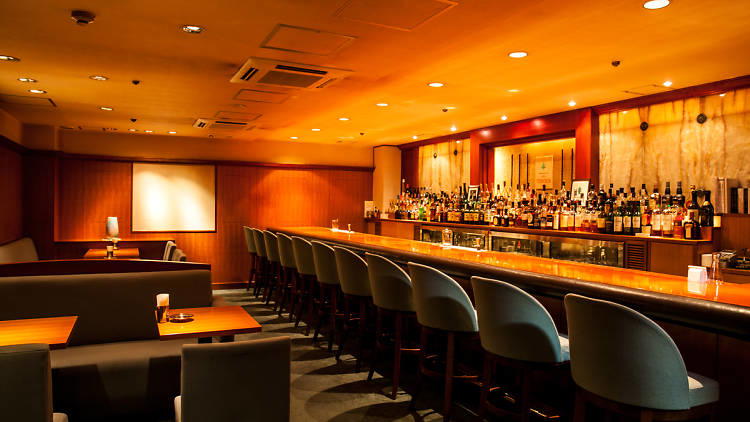
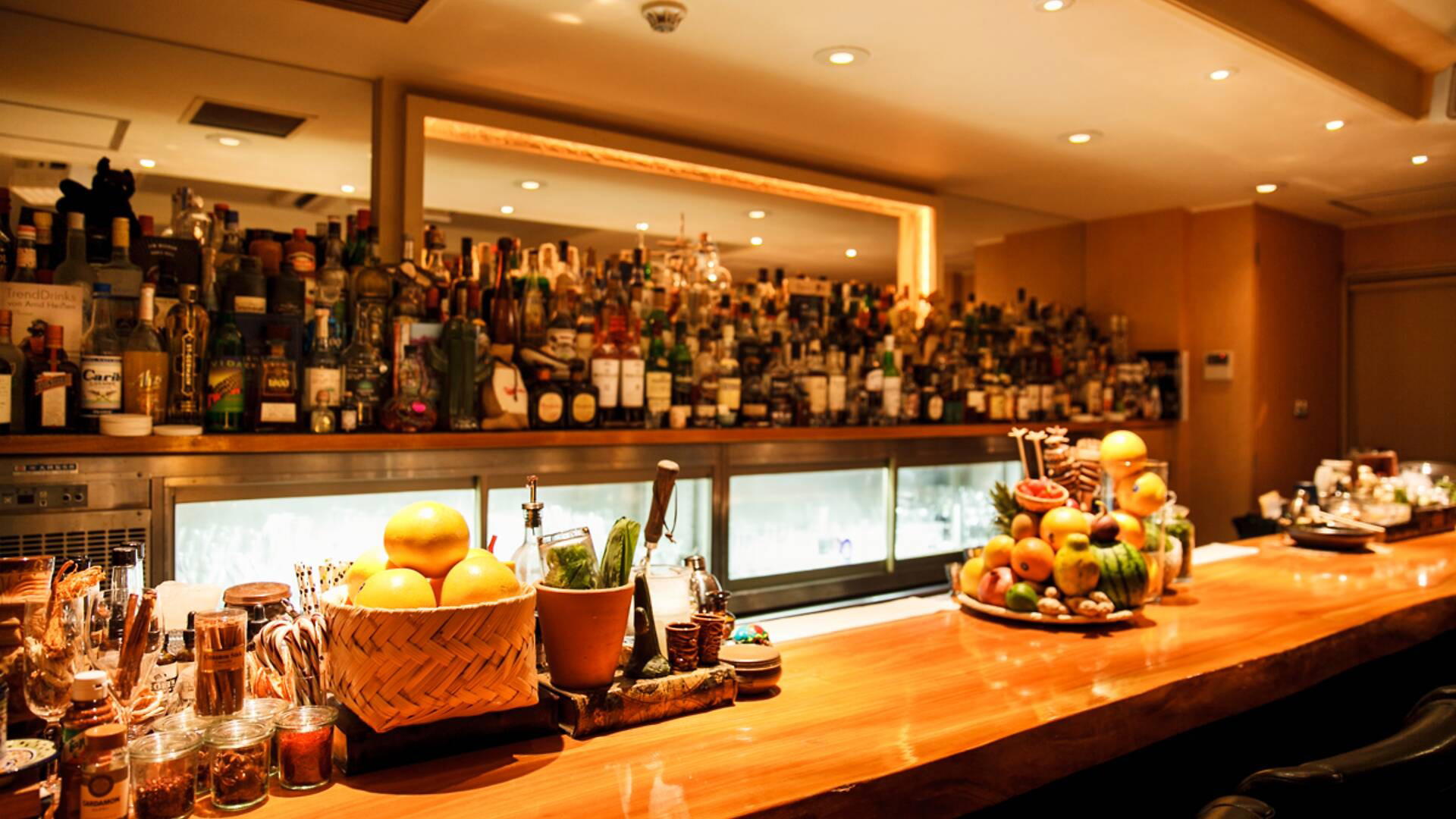
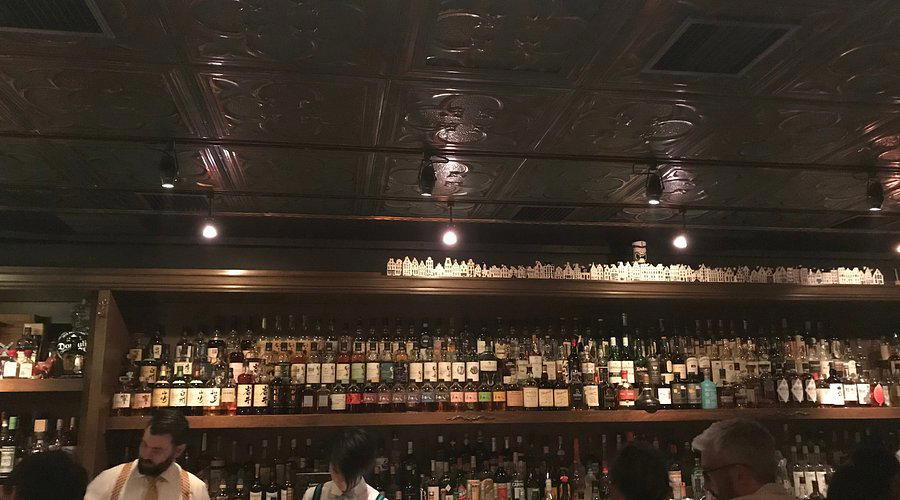
Details
- Intimate
- Elegant
- Sophisticated
- Date Night
- Special Occasion
- Sake Program
- A La Carte
Current opening hours
- Monday
- 5–11 PM
- Tuesday
- 5–11 PM
- Wednesday
- 5–11 PM
- Thursday
- 5–11 PM
- Friday
- 5–11 PM
- Saturday
- 5–11 PM
- Sunday
- Closed
Hours can change for holidays and private events. Hours as of .
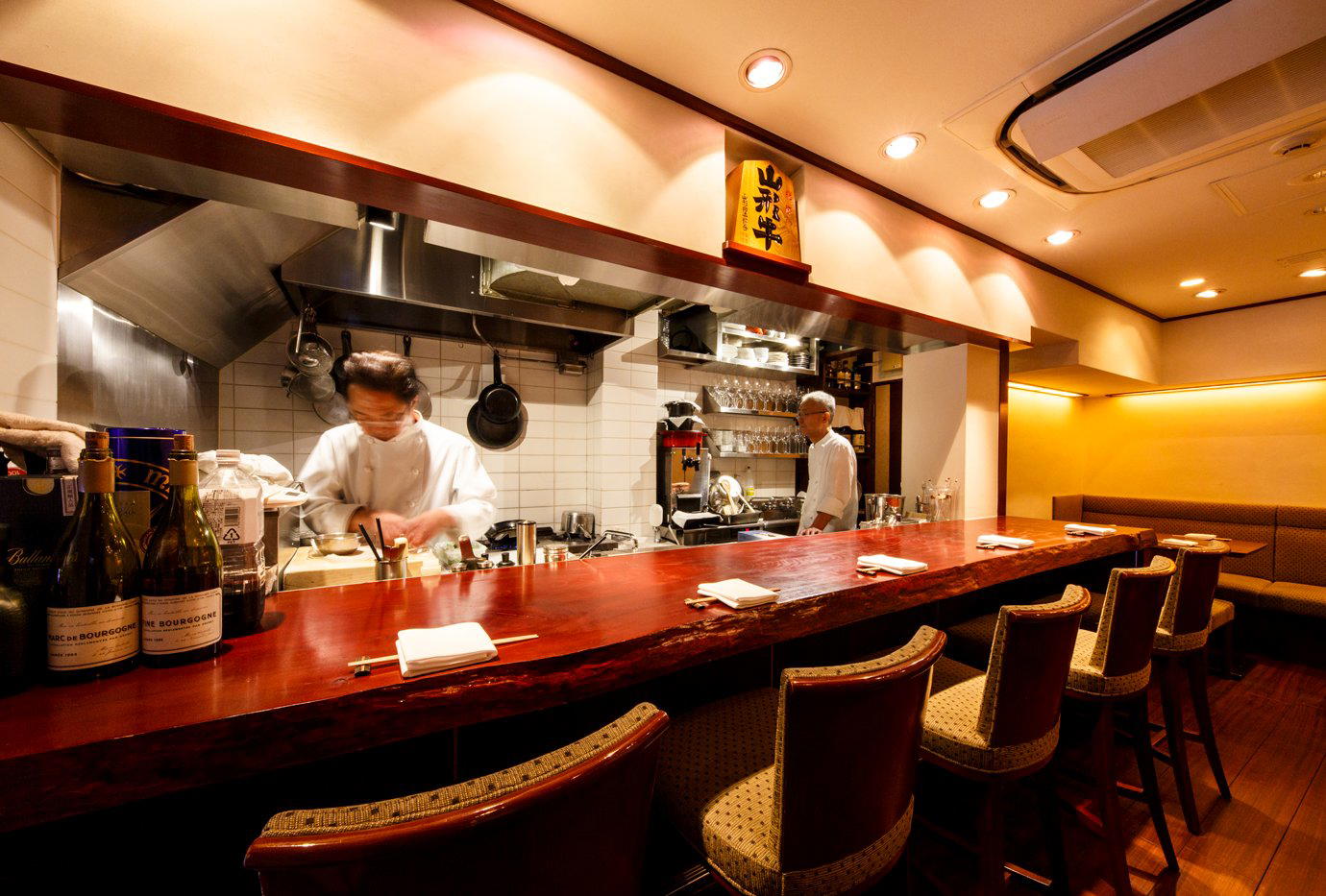
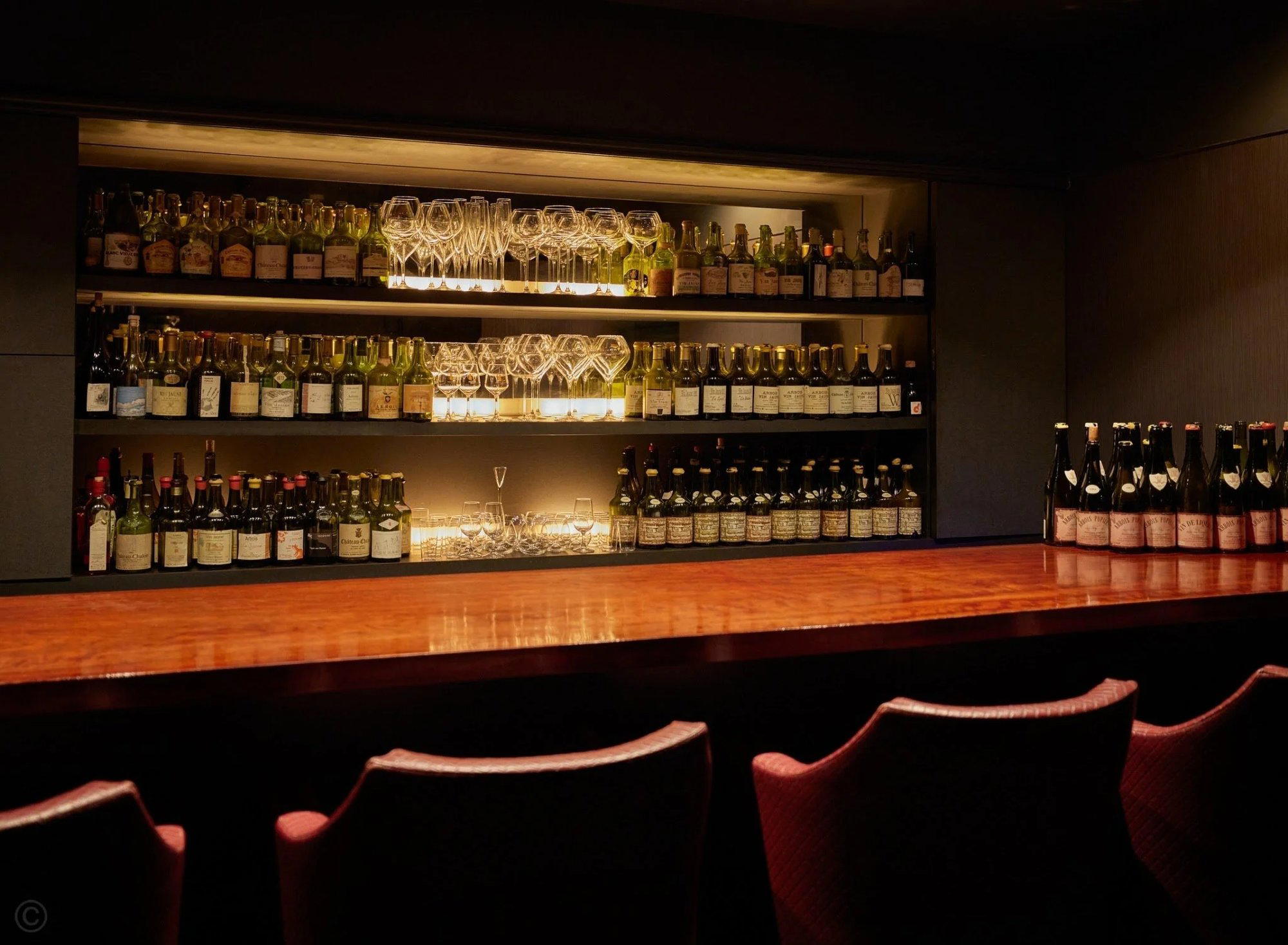
Intimate small counter and table seating with polite, precise service and high-quality Japanese pottery tableware creating an elegant dining environment.