Situated in the basement level of a building in Akasaka's quiet residential pocket, 神楽坂511 occupies territory where Tokyo's izakaya tradition and modern Japanese dining overlap. The address places it within a neighbourhood long associated with culinary seriousness, drawing guests who treat the area's dining circuit as a coherent programme rather than a single destination.
Pearl is the En Primeur Club membership app — saves, bookings, and concierge access live there. Same editors, same standards.
- Address
- Japan, 〒107-0052 Tokyo, Minato City, Akasaka, 4 Chome−3−28 ディアプラザ赤坂 B1F
- Phone
- +81366850511
- Website
- kobebeef511.jp
- Directions
- Get directions
 Saves & bookings on Pearl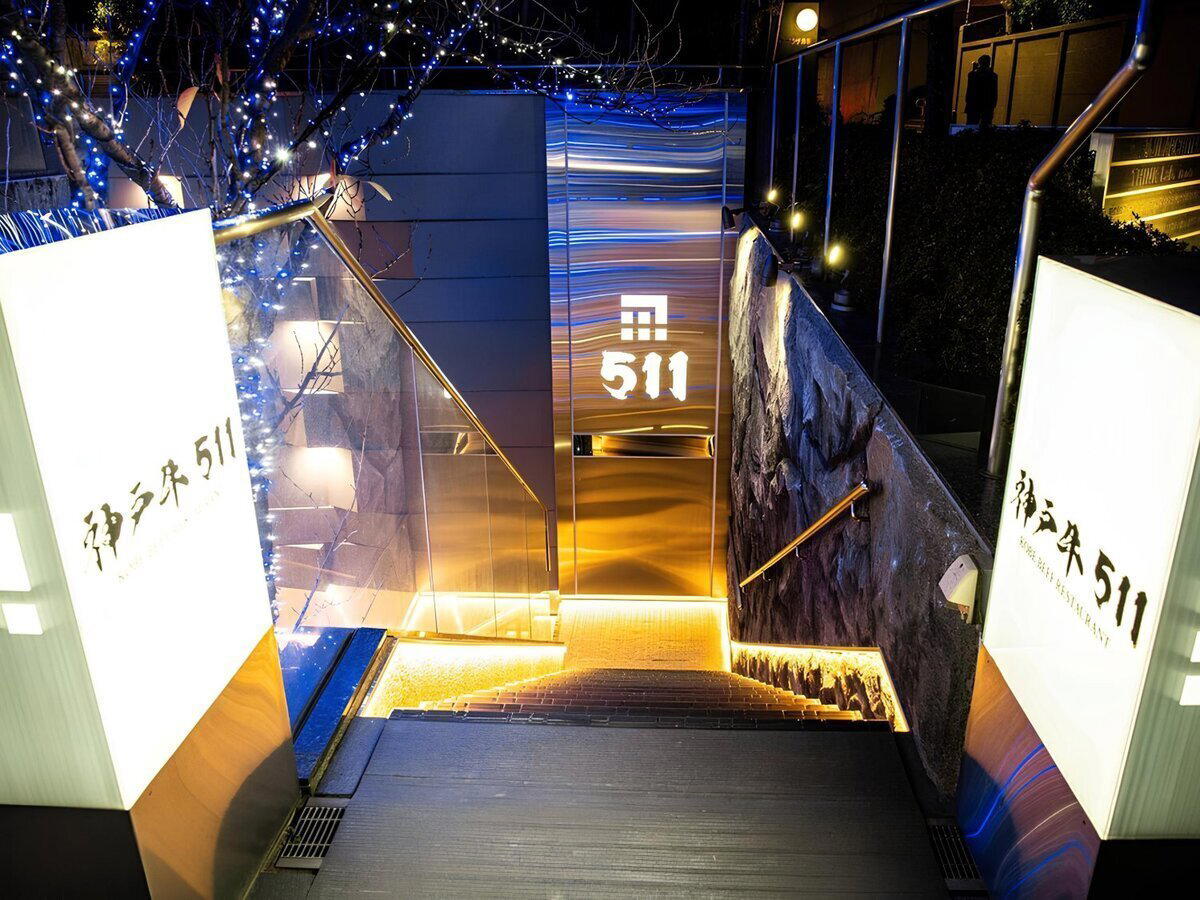
Akasaka's side streets behave differently from the main arteries. The ambient noise drops, the signage becomes sparse, and the buildings shift from glass-fronted commercial towers to structures with basements and narrow stairwells that suggest something considered rather than convenient. It is in this register that 神楽坂511 sits, occupying a B1F address in a neighbourhood where Tokyo's restaurant culture has historically rewarded those willing to walk away from the obvious.
Akasaka and the Tradition of the Considered Basement
Tokyo's basement dining rooms carry a specific weight. Unlike street-level venues that compete for foot traffic, a B1F address in Akasaka signals a deliberate choice on the operator's part: the guests will come because they know to come, not because the window caught their eye. That principle has shaped some of the city's most serious dining over decades, from kaiseki rooms in Minato to sushi counters tucked beneath office buildings. 神楽坂511 operates within that tradition. The address, Akasaka 4-chome, Minato City, places it in a ward that hosts more Michelin-recognised restaurants per square kilometre than almost anywhere in the world, a density that both raises the standard and creates a comparable set the venue must be read against.
For context: within a comparable radius in Minato, a visitor could sit at counters representing Japanese cuisines across every formal register, from the seasonal precision of kaiseki through to the disciplined minimalism of high-end sushi. Each of those formats carries a distinct cultural logic. Kaiseki, as practised in establishments like RyuGin, is organised around the Japanese calendar, ingredient seasons, ceremonial timing, the idea that a meal is a document of a particular month. Sushi at the level of Harutaka is about the relationship between rice temperature, fish conditioning, and the precise window in which a piece should be consumed. These are not aesthetic preferences but codified disciplines, and they give Tokyo dining its cumulative seriousness.
The Cultural Position of 神楽坂511
The name itself places the venue in specific local geography. Kagurazaka (神楽坂) is not Akasaka, they are neighbouring districts with distinct personalities, but names in Tokyo dining often carry associative weight beyond the literal address. For a venue to invoke that geography from an Akasaka address is a positioning signal worth noting.
Tokyo's premium dining tier has bifurcated across the past decade. On one side: the internationally legible formats, tasting menus priced for expense-account visitors, programmes that translate readily into global award systems. On the other: venues that speak primarily to a domestic audience with high culinary literacy, where the format may be less codified but the ingredient sourcing and technical standard are no lower. L'Effervescence and Sézanne represent the internationally facing end of Tokyo's high-end French scene; Crony sits closer to the domestic-literate tier. 神楽坂511 shares a neighbourhood with all of them in the broadest sense, but its B1F positioning suggests it is operating toward the latter mode.
Reading the Address as Editorial Evidence
In Tokyo, the physical address of a restaurant is not neutral information. The ward, the floor, the proximity to a metro exit, the building type, these carry meaning for the city's dining community in ways that are not always legible to first-time visitors. A B1F venue in Akasaka 4-chome is not hiding. It is making a statement about its audience: guests who have done the work of finding it, who have a reason to be there beyond impulse. This is the same logic that governs the allocation-only sushi counters, the unmarked kaiseki rooms, and the chef's-table formats that have defined Tokyo's upper dining register for a generation.
The broader Japanese culinary network rewards this kind of positioning. Outside Tokyo, the same logic applies: HAJIME in Osaka operates in a register where the address functions as a filter, as does Gion Sasaki in Kyoto, where the Gion address itself is a credential. Even in smaller cities, Goh in Fukuoka and akordu in Nara demonstrate that Japan's serious dining culture extends well beyond the capital, each operating within a locally specific set of culinary references that the address signals before a single dish arrives. Further afield, Abon in Ashiya, affetto akita in Akita, Aji Arai in Oita, Ajidocoro in the Yubari District, Akakichi in Imabari, and aki nagao in Sapporo each extend the same national pattern: seriousness distributed across geography, with the address functioning as the first layer of editorial communication.
Internationally, the basement-or-side-street positioning echoes in venues like Le Bernardin in New York City and Lazy Bear in San Francisco, where the format and location are designed to signal intention before the menu does.
Planning a Visit
Know Before You Go
- Price range: About US$100 per person
- Hours: Mon to Sat, 5:00 PM to 11:30 PM; Sunday closed
Cuisine and Awards Snapshot
Comparable venues nearby, for context on price, style, and recognition.
| Venue | Cuisine | Price | Notes |
|---|---|---|---|
| 神戸牛511This venue — the venue you are viewing | Kobe Beef Kaiseki | $$$$ | Not listed |
| Kabuto (天然鰻 かぶと) | Traditional Unagi Nose-to-Tail | $$$$ | Ikebukuro |
| Yachiyo | Traditional Japanese Kaiseki | $$$$ | Marunouchi |
| subin | Premium Shabu-Shabu & Sukiyaki | $$$$ | Chūō |
| Nancahome Kyoboshi | Traditional Tempura | $$$$ | Chūō |
| Sushi Satake | Edomae Omakase with Hot Sushi Rice | $$$$ | Chūō |








At a Glance
- Elegant
- Sophisticated
- Intimate
- Date Night
- Special Occasion
- Business Dinner
- Sake Program
Current opening hours
- Monday
- 5–11:30 PM
- Tuesday
- 5–11:30 PM
- Wednesday
- 5–11:30 PM
- Thursday
- 5–11:30 PM
- Friday
- 5–11:30 PM
- Saturday
- 5–11:30 PM
- Sunday
- Closed
Hours can change for holidays and private events. Last verified .
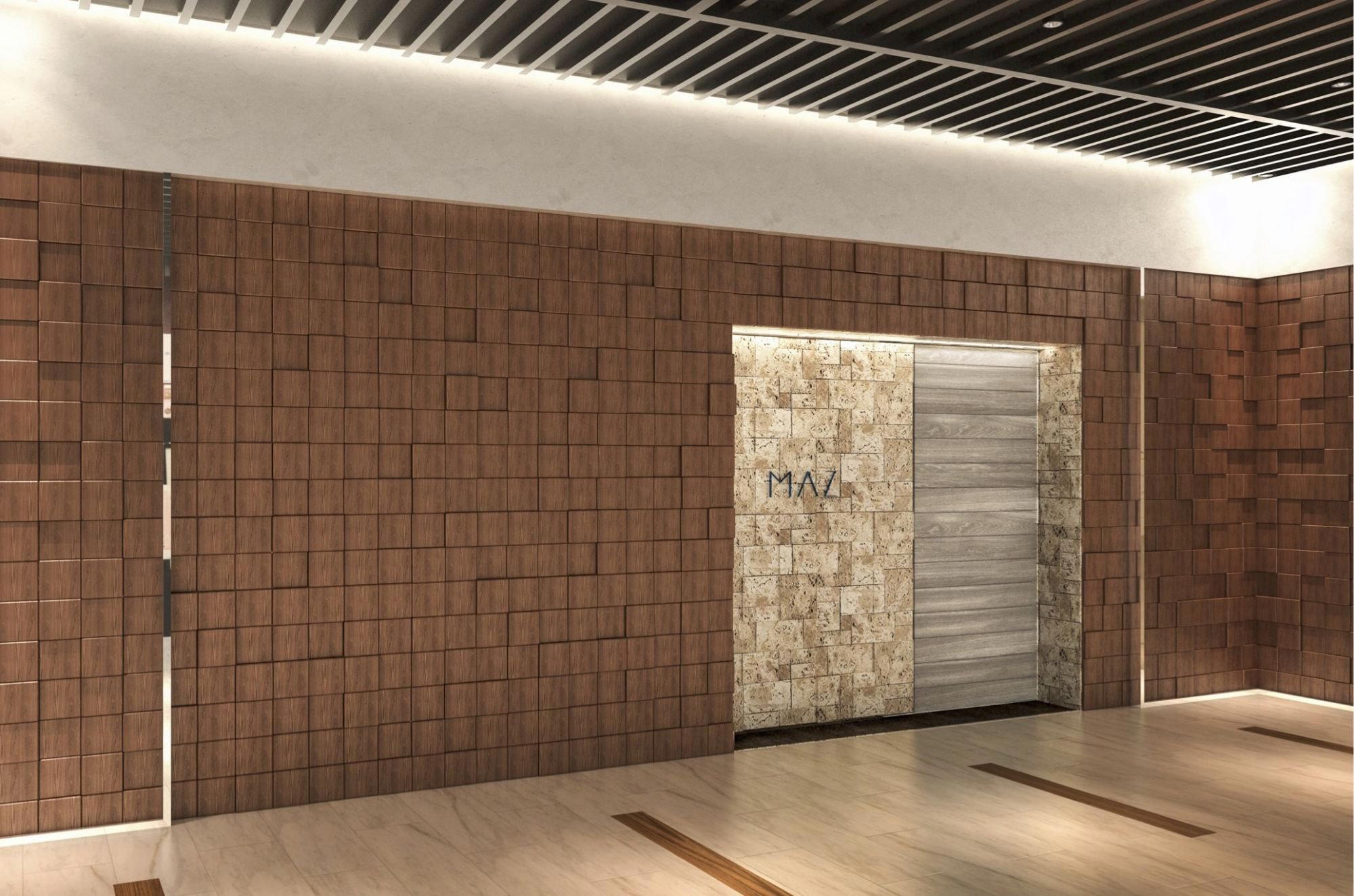
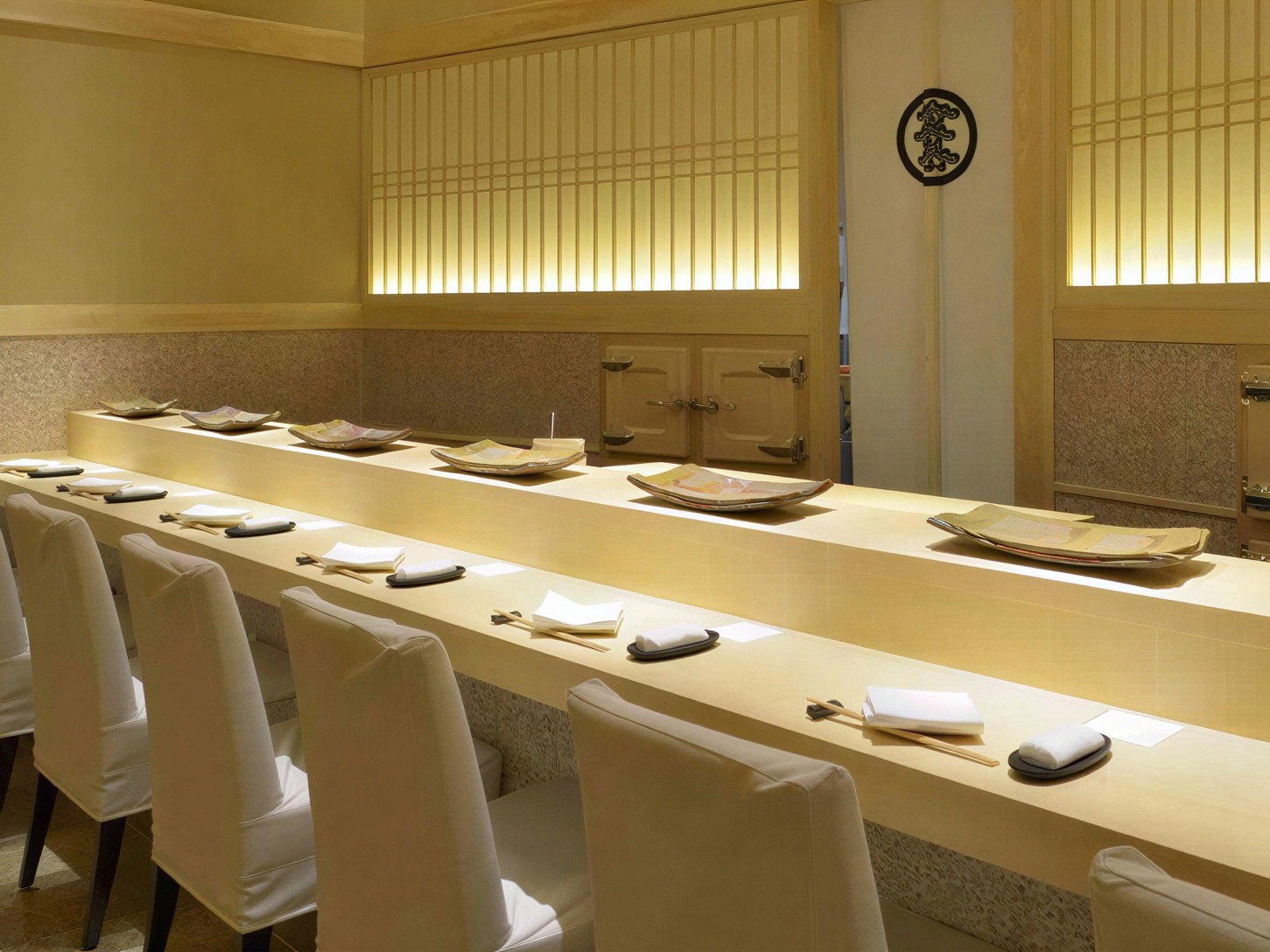
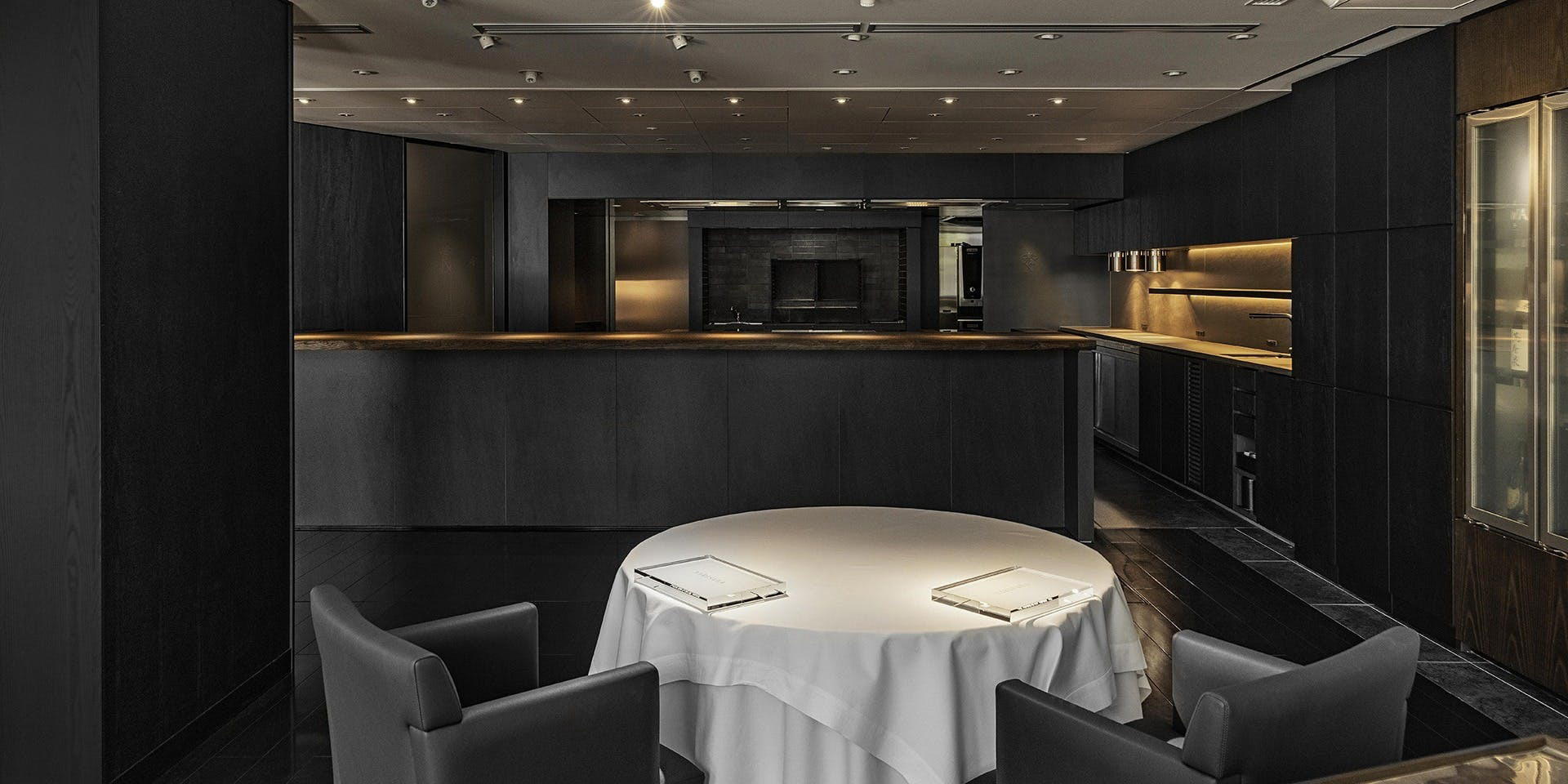
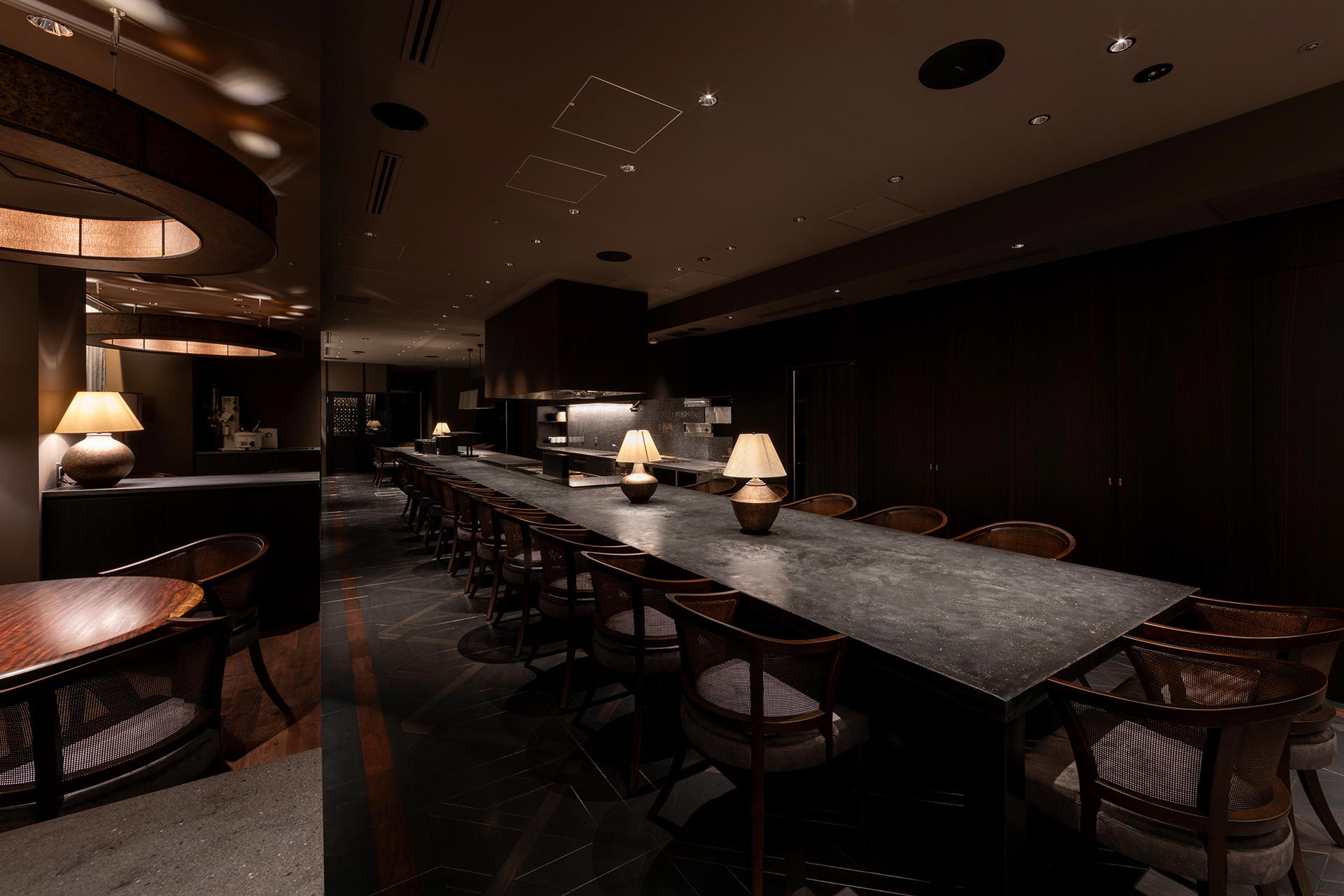
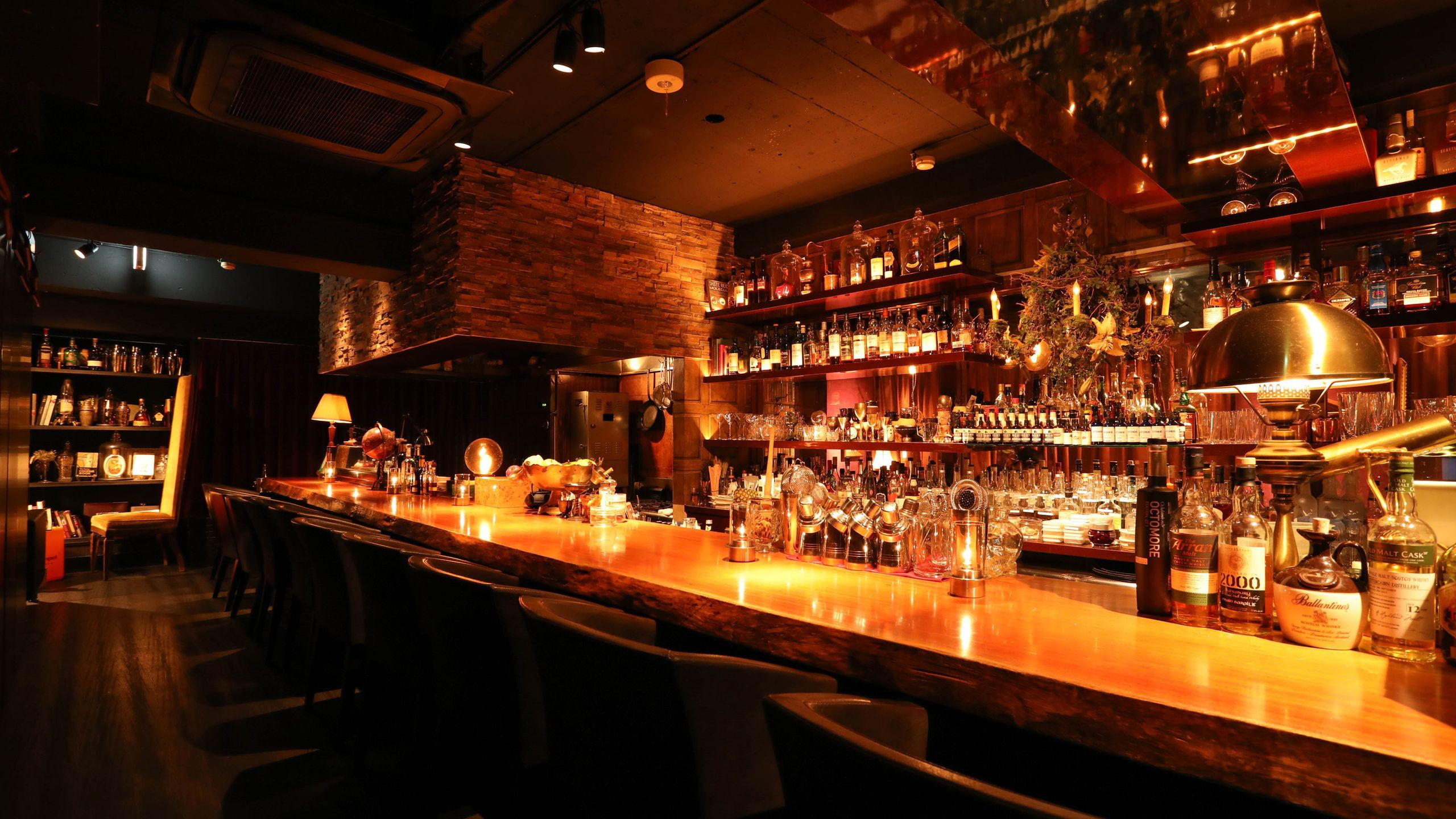
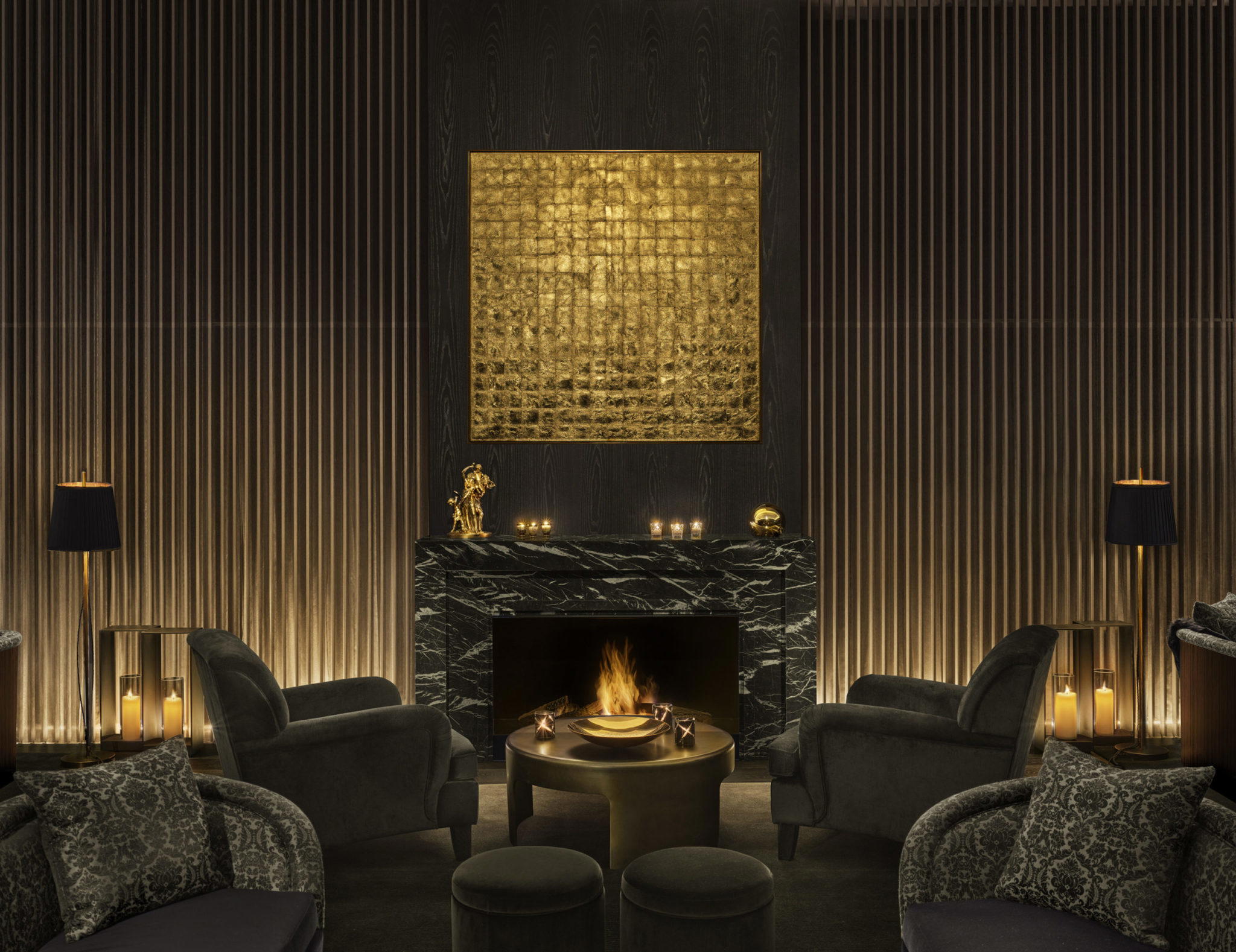
Elegant and intimate Kobe beef specialty setting focused on precise dining experiences.