The CIC Building and the Architecture of Convenience
The CIC Building, Toyama's City Information Centre complex, represents the kind of vertical mixed-use development that defined Japanese urban planning thinking in the 1980s and 1990s. These structures concentrated retail, civic functions, and lodging onto a single footprint, usually adjacent to a key transit node, and the approach was pragmatic rather than architecturally ambitious. What they delivered was density of access: guests at the CIC address in Shintomichō are within walking distance of Toyama's tram network, the main commercial streets, and the city's seafood market corridor along the waterfront.
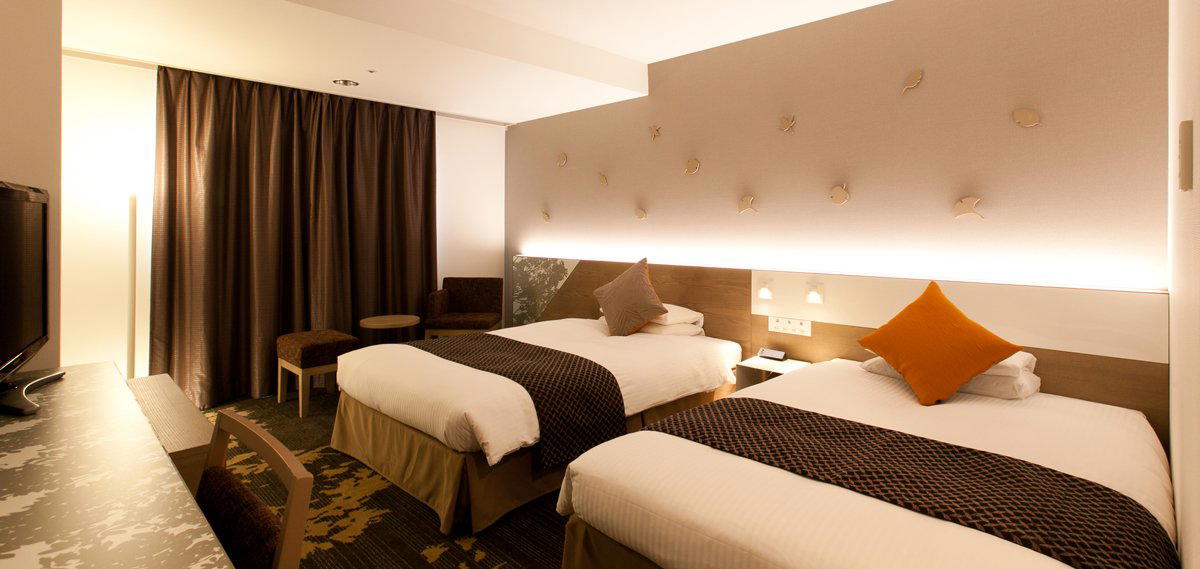
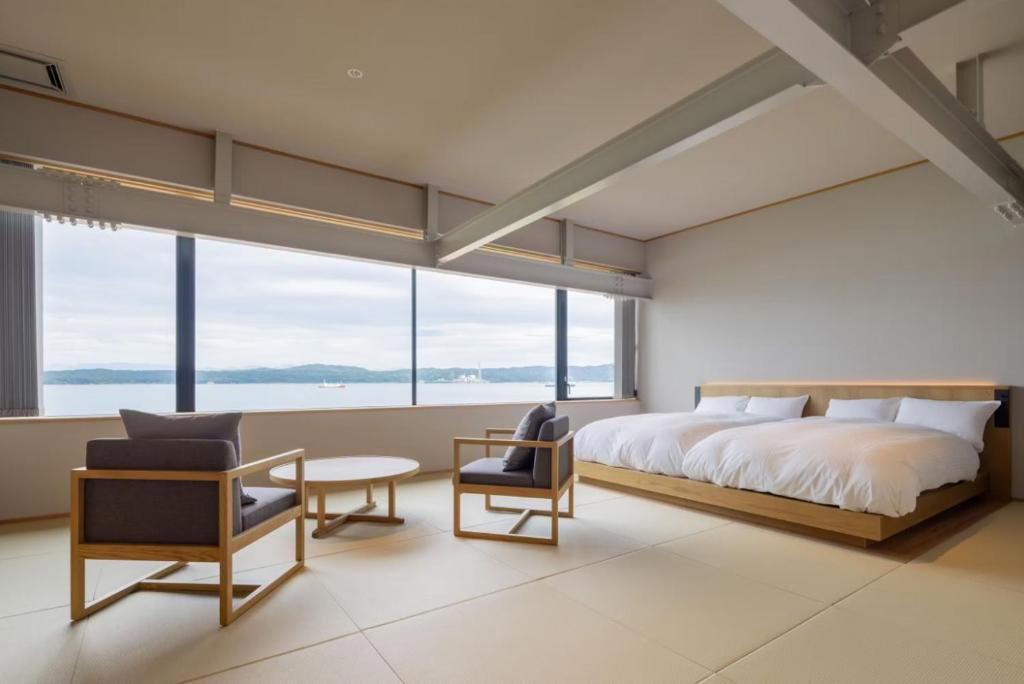
This positions Toyama Excel Hotel Tokyu differently from the ryokan-forward properties that dominate Japan's hospitality conversation. Properties like Nishimuraya Honkan in Kinosaki-chō, Gora Kadan in Hakone, or Asaba in Izu operate on the logic of removal: the building recedes from the city so that landscape and ritual fill the frame. City-centre business hotels operate on the inverse logic. The architecture's job is to disappear into the urban fabric, making access seamless and the surrounding city the actual amenity. At 210 rooms, the Excel Hotel Tokyu carries enough scale to serve both the individual traveller and the conference or group market, which is the functional signature of this property type across Japan.
The Tokyu Hotels group operates across a similar tier in multiple Japanese cities, and the Excel sub-brand sits at the upper-mid range within their portfolio, a notch below their Luxury Collection equivalent properties but above the economy corridor. For travellers familiar with comparable branded city hotels in Tokyo or Kanazawa, the Toyama property occupies a recognisable position: competent, centrally placed, and oriented toward the business and transit traveller rather than the leisure seeker planning an immersive stay. Those in search of the latter are better served by the ryokan model found further afield, including properties like Beniya Kofuyuden in Awara or Bettei Otozure in Nagato, both within the Hokuriku and western Honshu orbit.
Toyama as a Base: What the Location Actually Delivers
The practical case for staying at a centrally located Toyama hotel has strengthened as the city's transport links improved. The Tateyama Kurobe Alpine Route, one of the few high-alpine traverses accessible without technical mountaineering, begins at Tateyama Station, reachable by the Toyama Chihō Railway from Toyama city. The route runs through to Nagano prefecture and operates seasonally, typically from mid-April through mid-November, with snow corridor walls that can exceed fifteen metres in height during the opening weeks. A Shintomichō address puts this access within the city's tram and rail network rather than requiring a car.
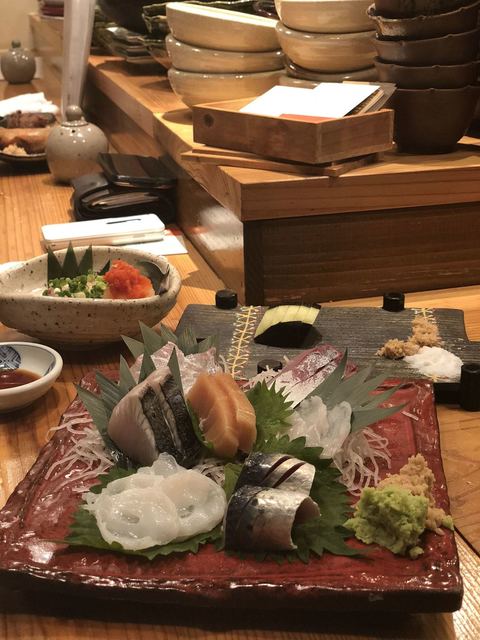
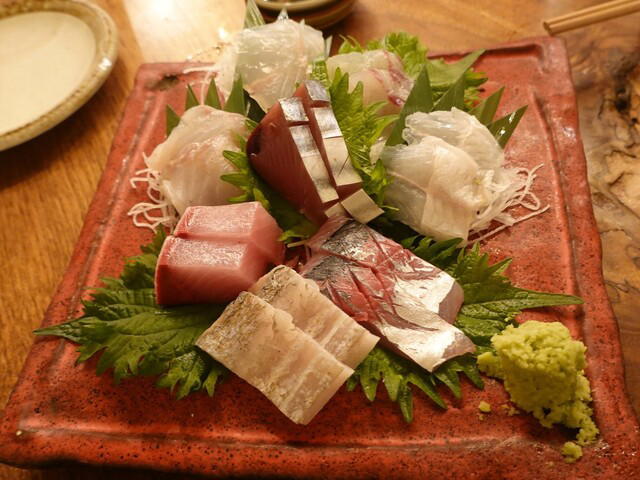
In the other direction, Kanazawa is under thirty minutes by Shinkansen, which places the Kenroku-en garden district and the Higashi Chaya geisha quarter within easy day-trip range. The Hokuriku coast itself, with its white-shrimp fisheries and crab season running from November through March, gives Toyama a culinary specificity that the city's better restaurants have built around. For more on where to eat while based here, our full Toyama restaurants guide covers the key addresses across price tiers.
Where This Property Fits in the Wider Japan Hotel Picture
Japan's hotel market has segmented sharply at the premium end. The flagship urban properties, Bvlgari Hotel Tokyo, HOTEL THE MITSUI KYOTO, compete on design ambition, F&B depth, and location prestige in cities that already carry significant international draw. Remote luxury properties like Amanemu in Mie, ENOWA Yufu, or Fufu Kawaguchiko anchor their value in exclusion and landscape. The Excel Hotel Tokyu model operates in neither of those registers. Its value is urban compression: a reliable 210-room property inside a city-centre complex that makes Toyama's transit network, dining streets, and day-trip corridors immediately accessible without the overhead of a car or a transfer.
For travellers building itineraries that sequence through the Hokuriku region, perhaps starting in Kanazawa, moving through Toyama, and continuing toward Nagano or the Alps, a centrally placed Toyama property is a logical node rather than a destination in itself. That is an honest account of the category. Compare it to the experience logic of Atami Izusan Karaku, Sekitei in Hatsukaichi, or Azumi Setoda, and the difference in proposition is immediate. Those properties ask you to slow down; the CIC Building address asks you to move efficiently.
Planning Your Stay
The Shintomichō address at 1-chōme-2-3 CIC Building is accessible directly from central Toyama, with the city's Portram and Centram tram lines running nearby. Travellers arriving by Shinkansen at Toyama Station are within a short distance of the property. The 210-room inventory means the hotel can absorb both individual bookings and group arrivals without the seasonal pressure that affects smaller-inventory properties in the region. For the Tateyama Kurobe Alpine Route, booking access in the peak snow-corridor season (late April to early May) well in advance is standard practice given the route's popularity with both domestic and international travellers. The crab and white-shrimp season along Toyama Bay runs November through March, which is worth factoring into timing if the local seafood circuit is part of the plan.
Travellers extending to other parts of Japan after Toyama will find useful reference points across the EP Club portfolio: Fufu Nikko, Halekulani Okinawa, Jusandi in Ishigaki, and Bettei Senjuan in Minakami each represent distinct segments of Japan's hospitality range, from refined coastal luxury to mountain ryokan. For those whose itineraries continue internationally, the EP Club also covers comparable urban properties in other markets, including The Fifth Avenue Hotel in New York City, Aman New York, and Aman Venice.