
Ebitei Bekkan sits in Toyama's Yasunoya-cho district, operating within a city whose seafood credentials, built on the cold, deep waters of Toyama Bay, rank among Japan's most serious outside the major urban centres. The restaurant draws on that local tradition, placing it in a comparable set defined by ingredient provenance and the pacing rhythms of Japanese dining at its most deliberate.
Pearl is the En Primeur Club membership app — saves, bookings, and concierge access live there. Same editors, same standards.
- Address
- 2-4-10 Yasunoya-cho, Toyama-shi, Toyama Prefecture, 930-0087
- Phone
- +81 76-432-3181
- Website
- ebitei-bekkan.com
- Directions
- Get directions
 Saves & bookings on Pearl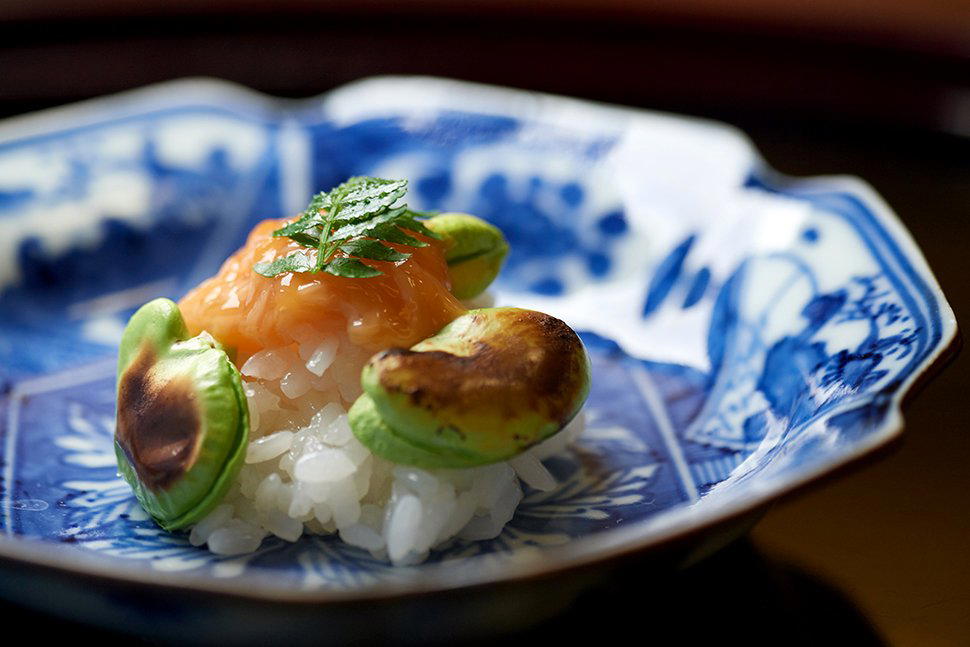
Toyama Bay and the Table: How a Coastal Tradition Shapes the Meal
There is a particular quality to dining in Toyama that separates it from the more trafficked food cities of Japan. The bay delivers ingredients that Tokyo restaurants import at considerable cost: shiro ebi, the translucent white shrimp found almost exclusively in these waters; hotaru ika, the firefly squid that surface in spring; buri, the yellowtail that fattens in cold currents before winter. In a city where the supply chain runs from the port to the kitchen table with minimal interruption, the dining ritual is less about spectacle and more about proximity to the source. Ebitei Bekkan is a kaiseki restaurant in Toyama, at 2-4-10 Yasunoya-cho, Toyama-shi, Toyama Prefecture. It is a reservation-essential, price-tier 4 address.
The Ritual Before the First Course
In Japanese dining culture, the approach to a meal carries as much meaning as the meal itself. A neighbourhood like Yasunoya-cho in Toyama-shi offers a version of this that differs meaningfully from what you encounter in Kyoto's Gion district or Tokyo's Ginza. There is less ceremony of access, no unmarked doors, no whisper networks, and more direct engagement with the food and the setting. The ritual here tends to be one of quiet concentration: the guest arrives, is seated, and the kitchen's logic unfolds at its own pace. It is a regional Japanese meal where the seasons and the catch determine the arc of the evening.
Across Toyama's dining scene, this pacing shows up consistently. At Oryori Fujii, the kaiseki format enforces a strict sequence of small courses that mirrors the progression of the seasons. At L'évo, the innovative tasting format borrows from that same structural logic while reframing it through a contemporary lens. Ebitei Bekkan sits in a different register, one where the customs of the meal are legible to a first-time visitor but reward the guest who already understands the grammar of Japanese hospitality.
Toyama's Seafood Context: What the Bay Means for the Plate
To understand what Ebitei Bekkan offers, it helps to understand what Toyama Bay produces. The bay drops to depths of over 1,000 metres within a short distance of the shore, creating thermal conditions that support a higher-than-average concentration of premium seafood species. Shiro ebi, sometimes called the queen of Toyama Bay, is caught in volume nowhere else in Japan. Hotaru ika season runs roughly from March through May, and during that window Toyama becomes the reference point for a dish that appears across Japanese menus but rarely with the same immediacy. Buri arrives in late autumn and peaks through winter, and Toyama's cold-water buri has a documented reputation among Tokyo buyers who pay a premium for the prefectural designation.
This is the ingredient context within which the restaurant operates. Restaurants in Toyama that draw on the bay's produce occupy a position that is structurally different from their urban counterparts: the supply advantage is local, not imported, and the kitchen's role is as much to honour that specificity as to demonstrate technical range. For comparison, Harutaka in Tokyo and Gion Sasaki in Kyoto operate at the apex of their respective city's seafood and kaiseki traditions, Toyama's leading tables exist in a different tier of visibility but not necessarily of quality, given the raw material advantage.
Where Ebitei Bekkan Sits in Toyama's Dining Order
Toyama's restaurant scene is smaller than its food credentials might suggest. The city does not have the international profile of Kanazawa, its neighbour along the Sea of Japan coast, and it draws fewer overseas visitors than the larger gateway cities. That lower visibility has two effects: it keeps demand more local, and it keeps the dining experience oriented toward the habits and preferences of a Japanese guest rather than adjusted for international expectations. Restaurants here tend to operate on the assumption that the guest understands the format, whether that format is a seafood-led course menu, a more informal izakaya structure, or something in between.
Within that scene, the restaurant at Yasunoya-cho occupies a specific address position in the city's central ward, close enough to Toyama Station's commercial pull to attract both residents and visitors but outside the tourist-facing corridor. That positioning tends to signal a restaurant calibrated for repeat local custom rather than one-off destination dining, which in Japan often correlates with consistency over showmanship.
The wider Toyama dining field includes Daimon and Himawari Shokudo 2, the latter operating in the JPY 20,000 to 29,999 range as a reference point for what mid-to-upper tier spending looks like in the city's Italian-influenced end of the spectrum. For a broader picture of where to eat, drink, and stay in the prefecture,
How Ebitei Bekkan Compares to the National Reference Points
Japan's most scrutinised seafood-led restaurants tend to cluster in Tokyo, Osaka, and Kyoto, where Michelin coverage and international press have created defined hierarchies. HAJIME in Osaka and Goh in Fukuoka represent the innovative end of the spectrum in their respective cities. akordu in Nara demonstrates how a smaller regional city can support a serious table when the ingredient sourcing and format are coherent. 1000 in Yokohama shows a similar dynamic in a city that sits in Tokyo's shadow but has its own distinct dining identity. For international reference, Le Bernardin in New York City and Atomix in New York City illustrate how seafood precision and tasting-format rigour translate at the highest tier outside Japan entirely.
Toyama's regional tables, including the restaurant, are not positioned against those reference points in terms of scale or international recognition. They are positioned against the logic of their own ingredient supply, their local dining culture, and the expectations of a guest who comes to Toyama specifically because the seafood is better here than almost anywhere else in Japan at the price point the city operates within.
Planning a Visit
The restaurant is located at 2-4-10 Yasunoya-cho, Toyama-shi, Toyama Prefecture, 930-0087. Reservations are essential.
Category Peers
Comparable venues nearby, for context on price, style, and recognition.
| Venue | Cuisine | Price | Notes |
|---|---|---|---|
| Ebitei BekkanThis venue — the venue you are viewing | Kaiseki | $$$$ | Not listed |
| Tempura Koizumi Takano | Seasonal Kansai-style Tempura Omakase | $$$$ | Toyama Station area |
| SOTO | High-End Omakase Sushi | $$$$ | Izumicho |
| 鮨し人 | Edomae Sushi Omakase | $$$$ | Nishinakanomachi |
| Hagiwara | Toyama Omakase | $$$ | Ote Mall |
| Gin Sakana no Hanare Gin Chirori | Japanese Izakaya | $$ | Shintomicho |
Recognition history
Dated appearances from independent guides and award organizations, with the underlying list record or original source where available.
The Japan Times Destination Restaurants Destination Restaurants Selection #6
The Japan Times Destination Restaurants
Continue exploring
More in Toyama
Restaurants in Toyama
Browse all →
Hotels in Toyama
Browse all →
Wineries in Toyama
Browse all →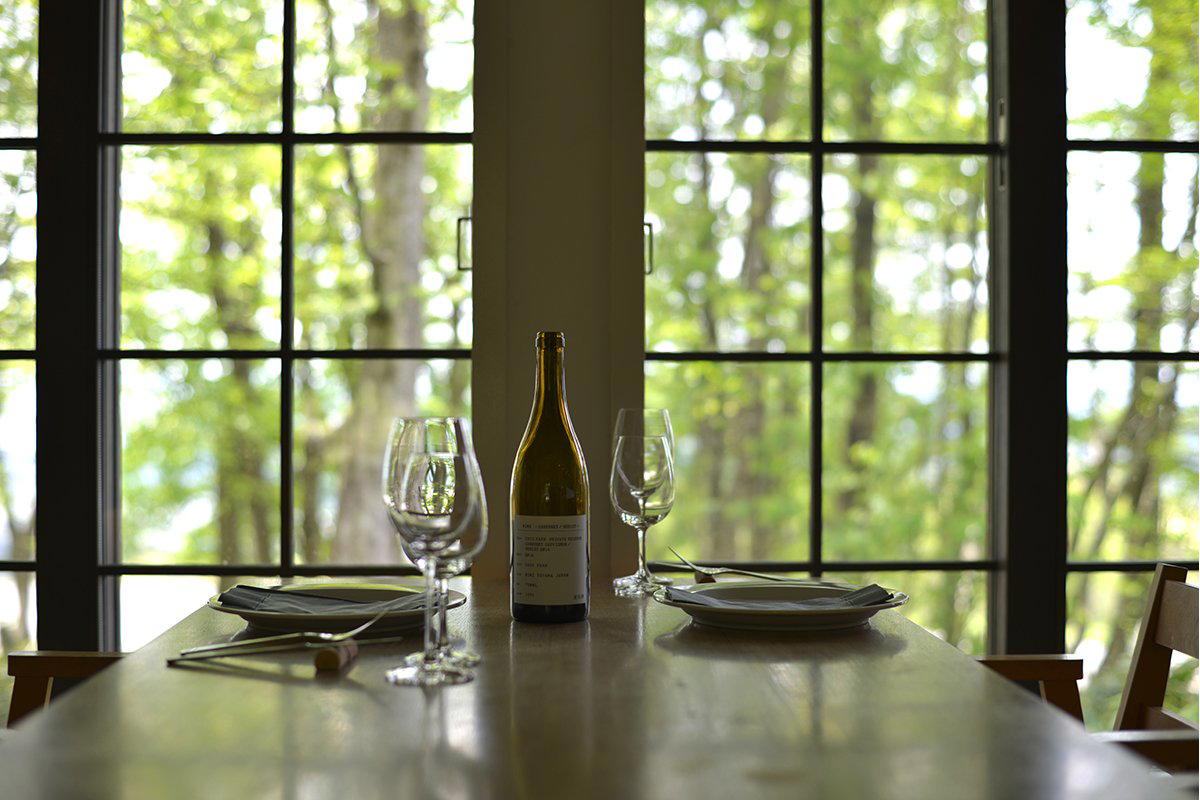
At a Glance
- Elegant
- Sophisticated
- Intimate
- Classic
- Special Occasion
- Business Dinner
- Chefs Counter
- Private Dining
- Sake Program
- Local Sourcing
- Street Scene
- Garden
Modern Japanese atmosphere with vivid wood grains, matte mud walls, and a large picture window overlooking cherry trees that change with the seasons.