
Gin Gyo sits in Toyama’s serious izakaya tier, where seafood and sake matter more than decorative theatrics. Its Tabelog 100 Izakaya WEST selections in 2024 and 2025 place it inside a competitive western Japan category, while the compact counter-and-tatami format keeps the experience closer to a local drinking house than a formal tasting-menu room.
Pearl is the En Primeur Club membership app — saves, bookings, and concierge access live there. Same editors, same standards.
- Address
- 2 Chome-1-3 Shintomicho, Toyama, 930-0002, Japan
- Phone
- +81 76-482-4064
- Website
- m.facebook.com
 Saves & bookings on Pearl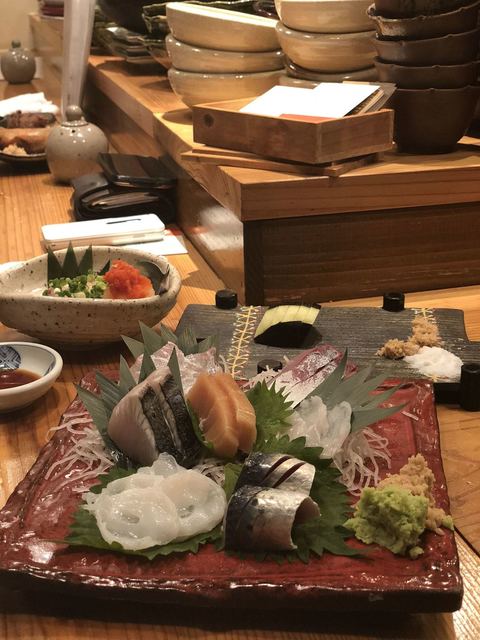
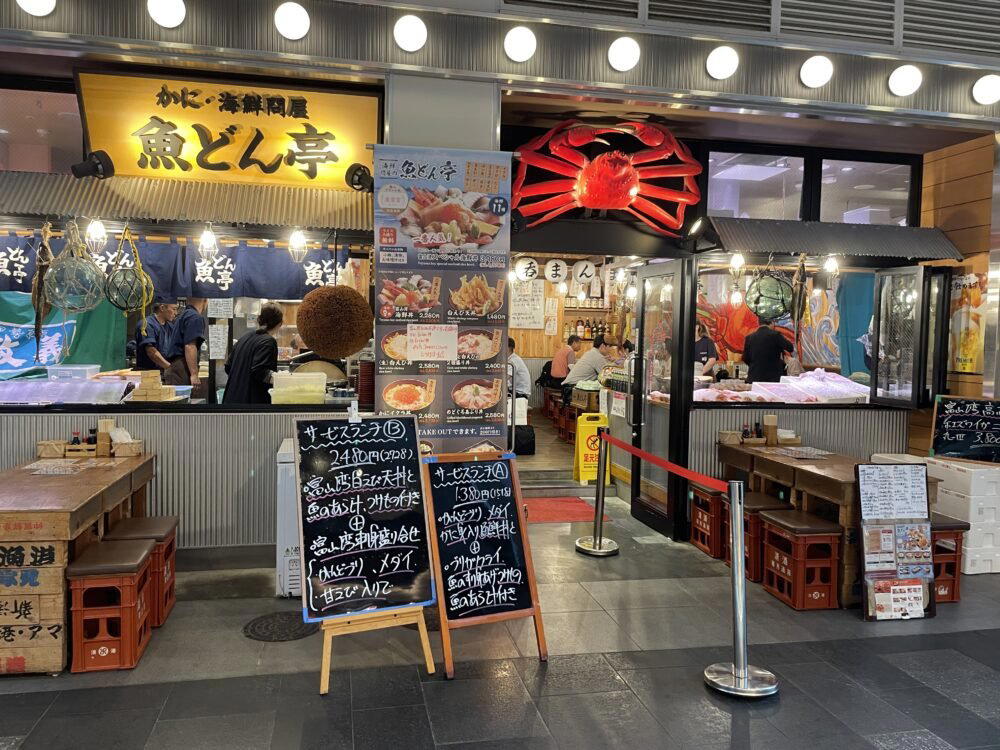
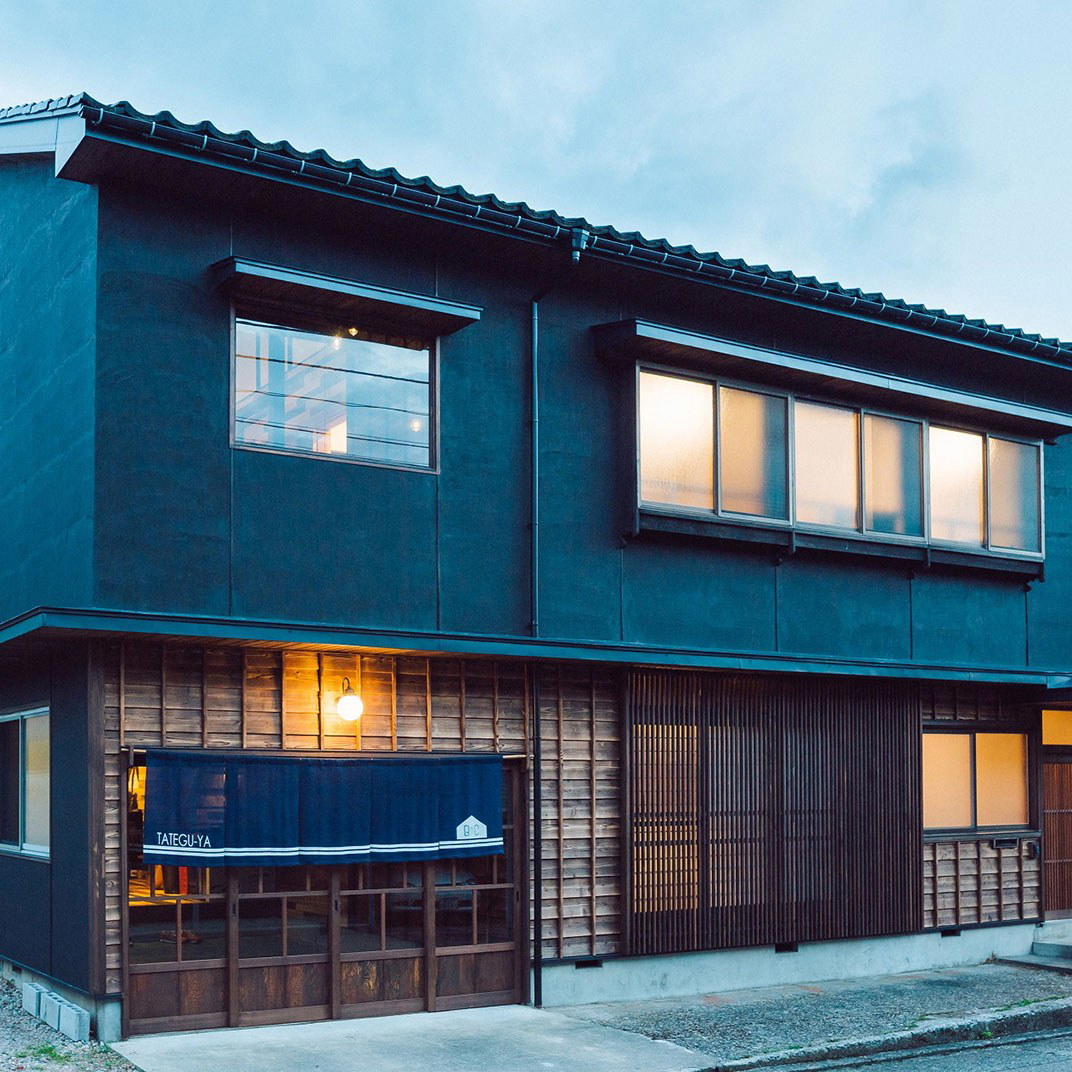
Shintomicho after dark is not a grand dining stage; it is the kind of Toyama address where the meal begins with a low threshold, a small room, and the expectation that fish and sake will carry the evening. That matters in this city. Toyama’s restaurant culture is shaped by the bay, by winter seafood, by mountain water, and by a drinking tradition that treats the izakaya as a serious culinary format rather than a casual fallback. Gin Gyo belongs to that tradition: compact, seafood-led, and built for diners who understand that the counter can say as much about a city as a formal dining room.
In Japanese dining, izakaya is often mistranslated as pub food. The stronger version is closer to a flexible evening table: fish, seasonal small plates, sake, and enough looseness for conversation without losing culinary focus. Toyama gives that format particular weight because the city’s seafood identity is not imported as branding; it is local habit. The nearby coast and the prefecture’s long association with sake make the pairing of fish and nihonshu feel less like a pairing exercise and more like regional grammar.
Seafood izakaya culture, sharpened for Toyama drinkers
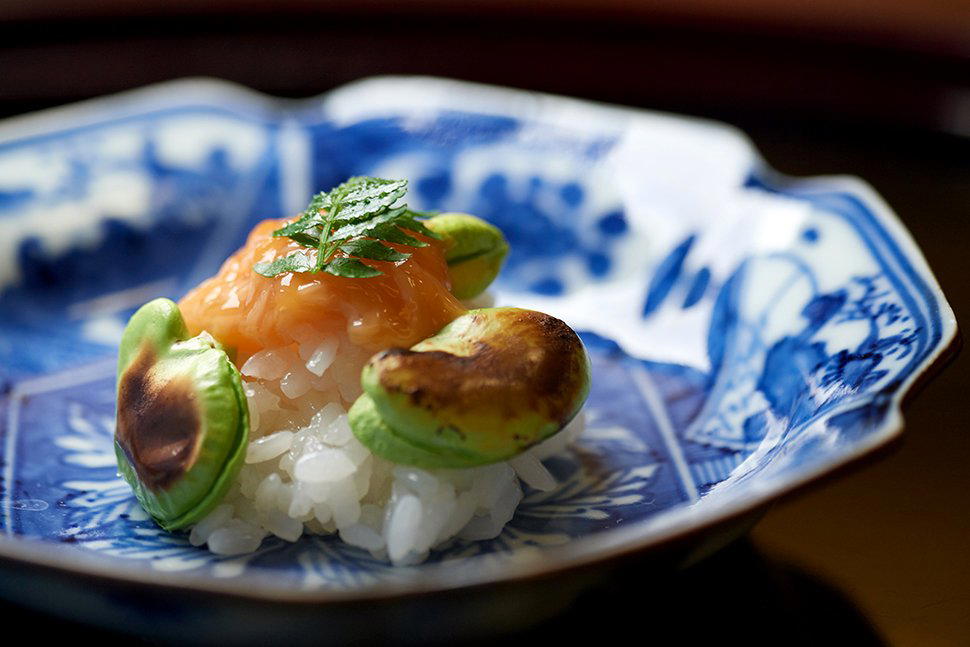
The important signal here is not a chef biography or a fixed menu philosophy. It is category discipline. Gin Gyo is listed as an izakaya and seafood restaurant, with explicit emphasis on fish and sake. That places it in the part of Toyama dining where the evening is judged by sourcing, pacing, and how well the drinks hold the food together. This is not the same decision as choosing a specialist tempura counter, a hotel dining room, or a casual noodle stop; it is a choice for a regional drinking meal with culinary seriousness.
Tabelog’s 2025 Tabelog 100 Izakaya WEST selection gives the room a useful external marker, reinforced by selection in the same izakaya category in 2024. Tabelog scores can be conservative by international standards, so a 3.64 rating in this category reads as a meaningful signal rather than a casual aggregate. Awards of this kind are not a guarantee of personal taste, but they help distinguish a seafood izakaya with regional traction from the many places that simply serve fish near the station.
Within Toyama, that middle-to-upper izakaya space has its own hierarchy. Gin Sakana no Hanare Gin Chirori sits at a lower spend band, while Tempura Koizumi Takano and Himawari Shokudo 2 move into more formal or higher-priced territory by format and budget. Gin Gyo occupies the zone between those poles: more deliberate than a low-key after-work stop, less ceremony-bound than a dedicated counter tasting format. That is often where Toyama is at its strongest, because the city’s ingredients do not need a theatrical frame to make sense.
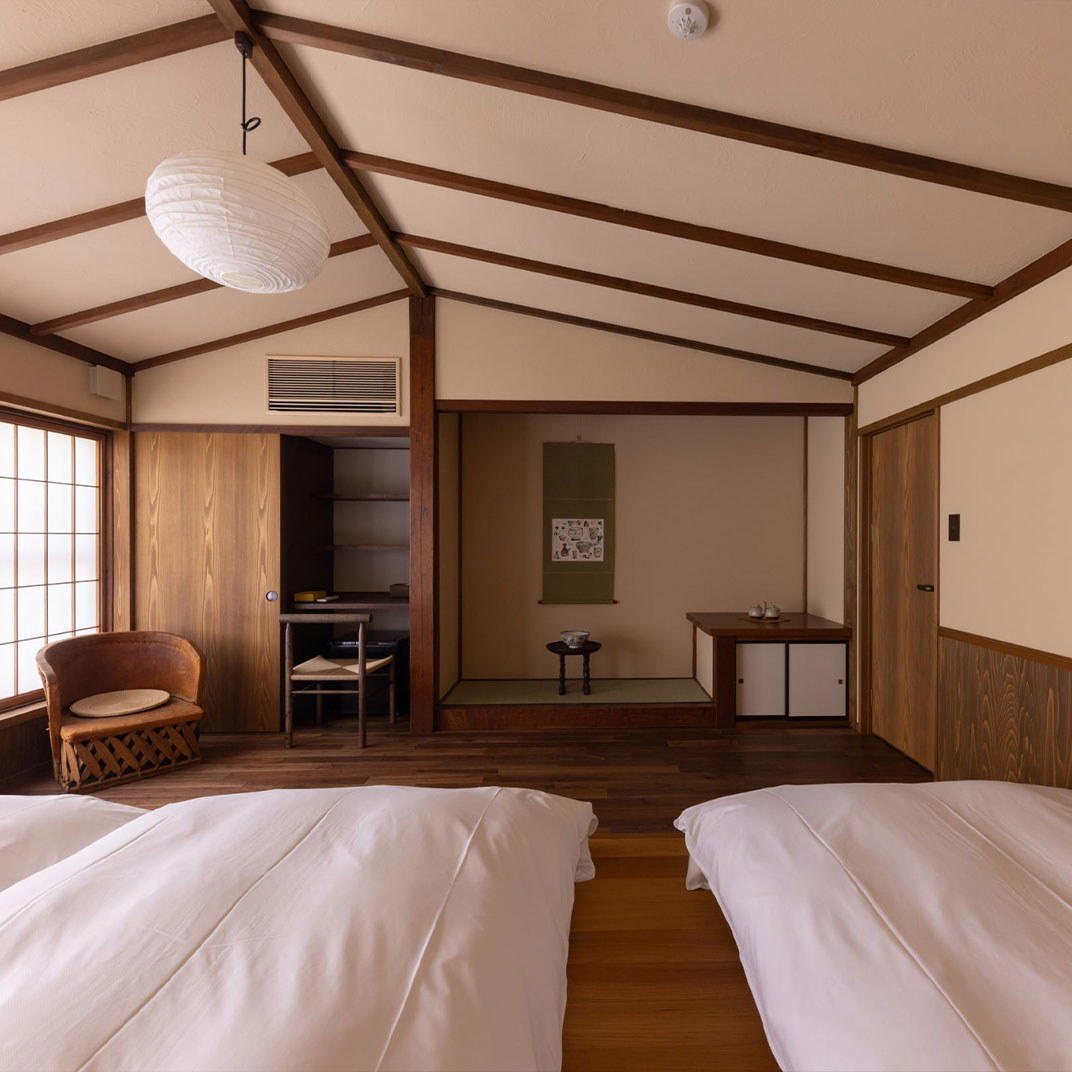
The room’s structure supports that reading. A small seat count, counter seating, tables, and sunken kotatsu seating create several versions of the same night: a closer view of the kitchen, a small-group table, or a more settled drinking posture. Private-room availability for four adds another layer, but the core experience remains intimate rather than banquet-like. Smoking is permitted, which will be part of the calculation for some travellers; in Japan’s izakaya culture, that detail can shape the atmosphere as much as the menu format.
Where it fits in a Toyama dining itinerary
For visitors building a short Toyama food schedule, the city rewards contrast. A seafood izakaya night pairs naturally with a different kind of local institution the next day, whether that means okonomiyaki at Boteyan, a tighter local stop such as Boteyan Tanaka, or a more wine-oriented meal at Cave Yunoki. Daimon and Daruma sit in that broader map of local dining decisions, each useful for understanding how Toyama moves between everyday comfort and more deliberate nights out.
The larger point is that Toyama is not a single-dish city. Its appeal is cumulative: a station-area izakaya, a counter meal, a regional specialist, a sake-led evening, then a quieter hotel bar or cultural stop. For planning beyond one dinner, Our full Toyama restaurants guide gives the dining frame, while Our full Toyama hotels guide, Our full Toyama bars guide, Our full Toyama wineries guide, and Our full Toyama experiences guide help turn a single reservation into a coherent trip.
Compared with Tokyo or Osaka, Toyama’s dining rhythm is less about density and more about specificity. The city does not need the maximal choice of a capital to make a strong case; it needs a few meals that explain why this coast matters. A fish-focused izakaya with sake emphasis does that efficiently. It gives the traveller a practical way into Toyama’s food culture without requiring the formality of a multi-course counter or the abstraction of a hotel restaurant.
Travellers crossing Japan can use Gin Gyo as a regional counterpoint to other specialist formats elsewhere: beef sukiyaki at -Grilled beef Sukiyaki- KAMAKURA TANUKIAN 鎌倉 たぬき庵 in Kamakura, tuna and charcoal cooking at. 鮪と炭火焼き うお炭 秋葉原店 in Tokyo, café culture at.cafe in Osaka, or a more contemporary Kyushu stop such as.know in Kumamoto. Casual regional cooking also stretches in different directions, from (Shoku) Vietnam in Kawasaki to [Curry Senmon Ten] Maruyama Kyoju. in Sapporo. Outside Japan, sake-focused rooms such as Jōdo Saké Bar in Los Angeles and Japanese comfort specialists like Onigiri Time in Pasadena show how fragments of the same drinking-and-eating culture travel, though Toyama’s seafood context remains its own argument.
The editorial read
Gin Gyo is strongest as a decision for travellers who want Toyama on its own terms: fish, sake, a compact room, and the social cadence of an izakaya that has earned recognition in a western Japan category. It is not the obvious choice for children, smoke-sensitive diners, or anyone seeking a quiet luxury-room mood. It is a better fit for adults who want the city’s seafood culture without turning dinner into a formal production.
Cost and Credentials
Nearby venues at a similar price tier for orientation.
| Venue | Cuisine | Price | Awards | Notes |
|---|---|---|---|---|
| Gin GyoThis venue — the venue you are viewing | Shintomicho, Izakaya Seafood | $$ | , | |
| 海老亭別館 | , | , | ||
| Gin Sakana no Hanare Gin Chirori | Shintomicho, Japanese Izakaya | $$ | , | |
| Tempura Koizumi Takano | $$$$ | , | Toyama Station area, Seasonal Kansai-style Tempura Omakase | |
| Patisserie Girafe | $$ | , | Traditional French-style patisserie and chocolate shop | |
| Yamazaki | Japanese | , | , |
Continue exploring
More in Toyama
Restaurants in Toyama
Browse all →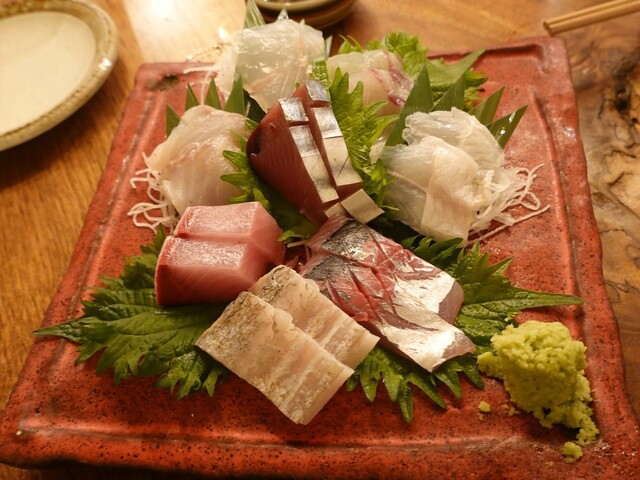
At a Glance
- Cozy
- Classic
- Hidden Gem
- Lively
- Casual Hangout
- After Work
- Group Dining
- Standalone
- Sake Program
- Beer Program
- Local Sourcing
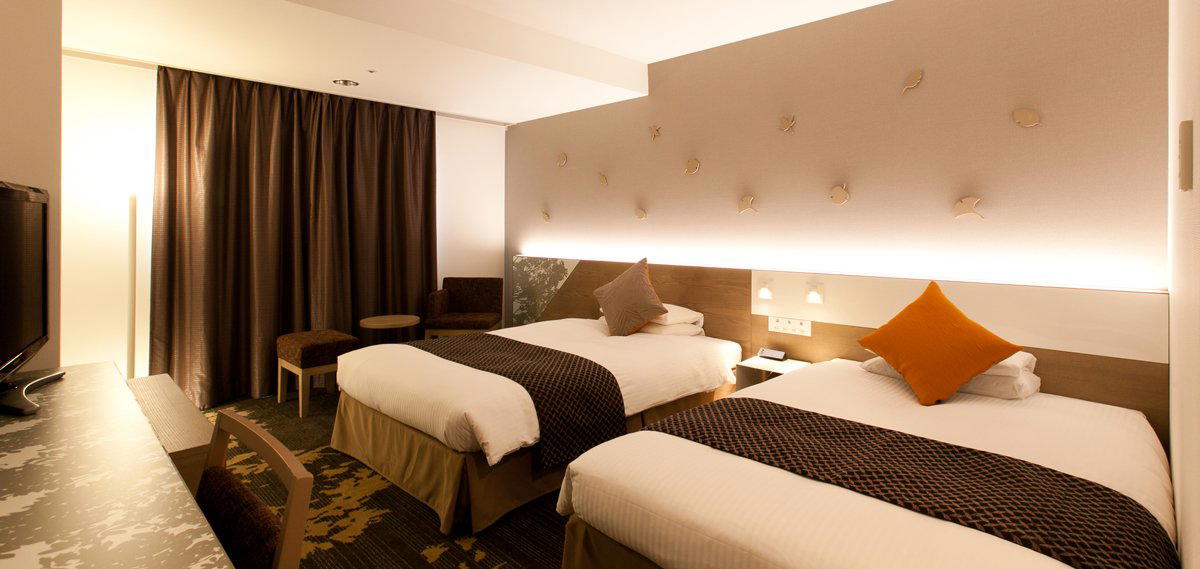
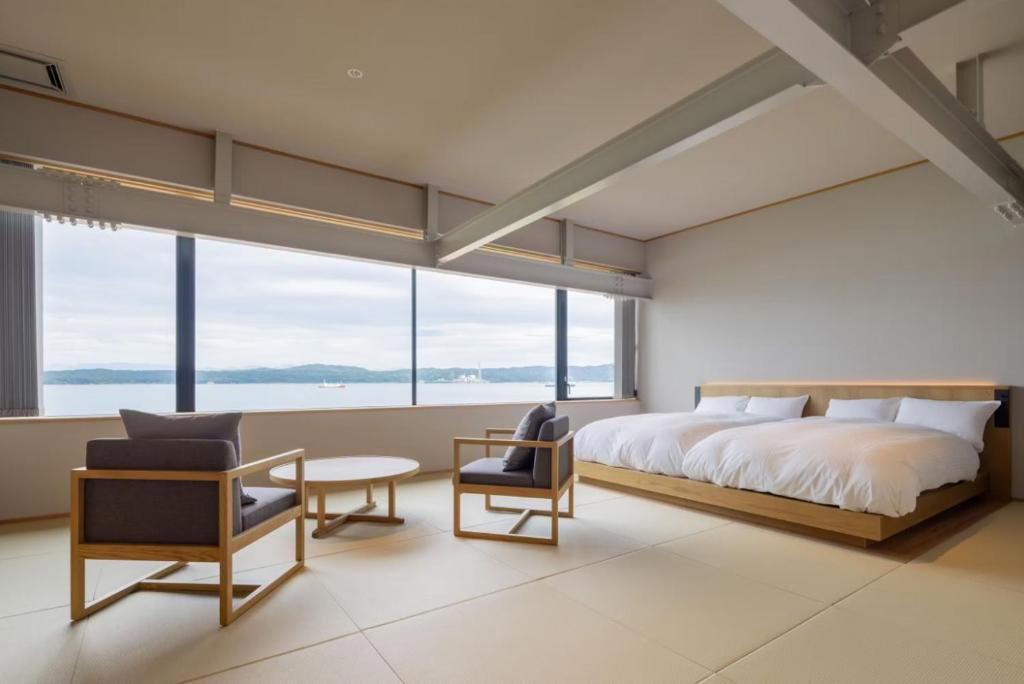
Intimate and lively, with a sleek interior that feels more polished than a typical casual izakaya.