Among Tokyo's specialist katsu houses, Tonkatsu Maisen occupies a position that casual ramen bars and izakayas cannot: a focused, long-standing commitment to pork cutlet craft in the Omotesando district. Where most tonkatsu counters chase throughput, Maisen's converted bathhouse setting and carefully sourced pork place it in a smaller, more deliberate tier of the city's fried-food tradition.
Pearl is the En Primeur Club membership app — saves, bookings, and concierge access live there. Same editors, same standards.
- Address
- Tokyo, Japan
- Directions
- Get directions
 Saves & bookings on Pearl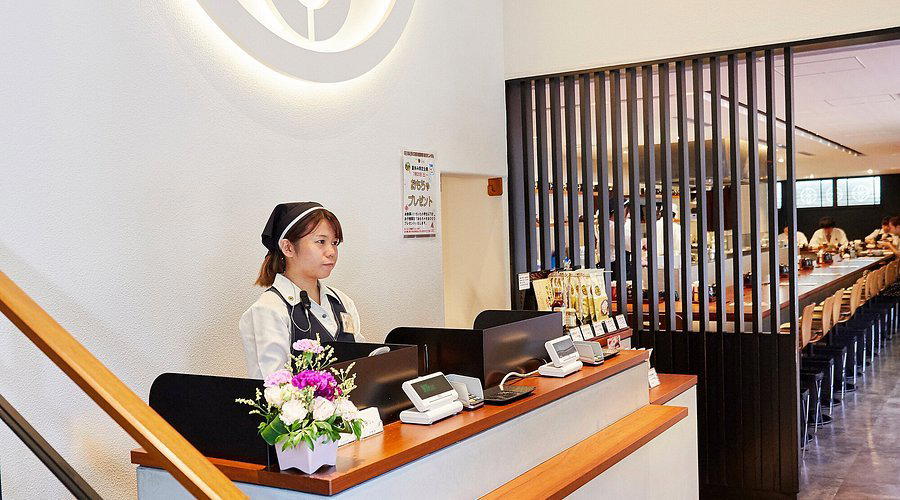
The Architecture of a Pork Cutlet Tradition
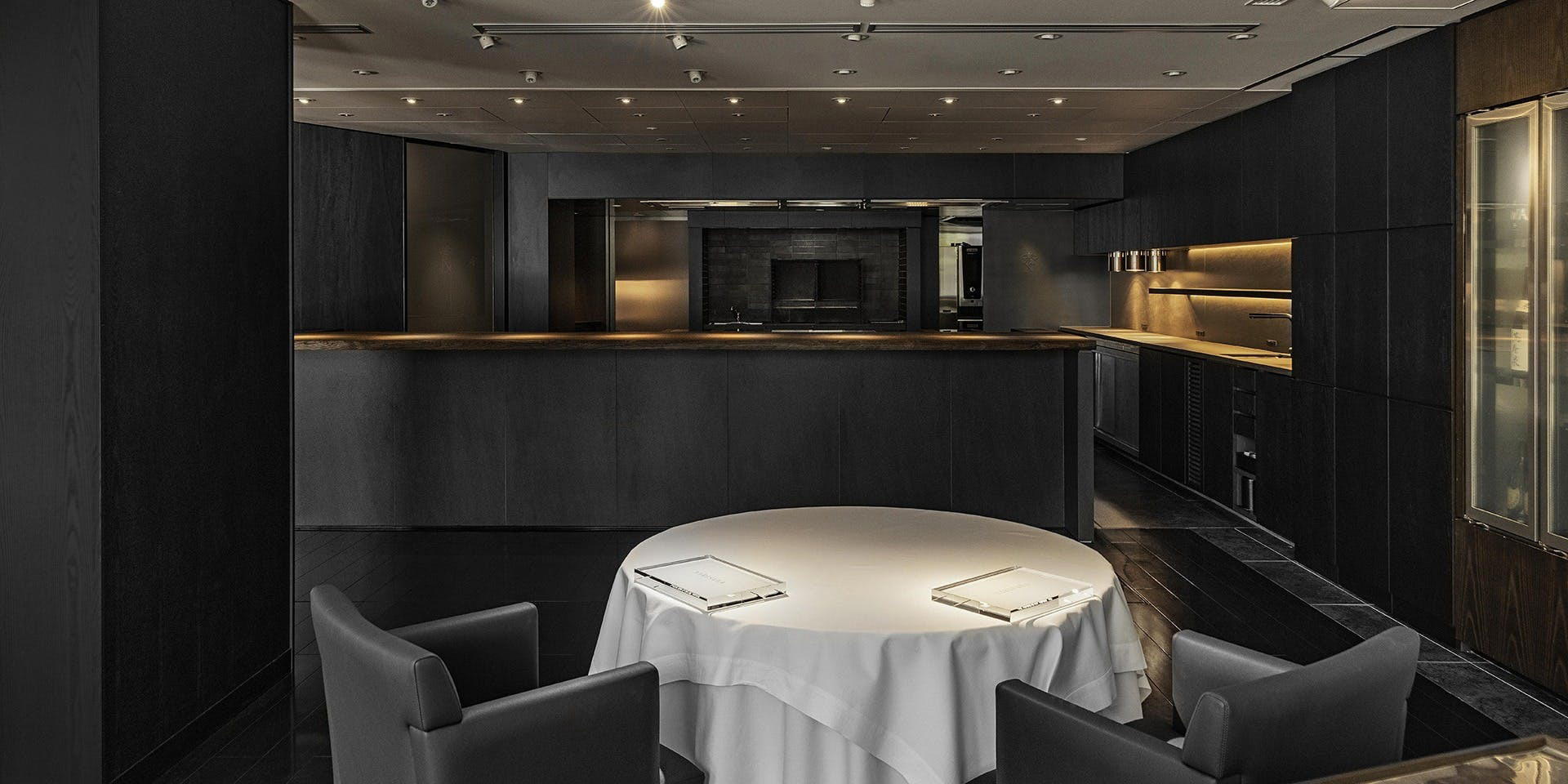
In Tokyo's Omotesando district, where the retail architecture leans toward glass-and-steel global brands, Tonkatsu Maisen operates from a converted 1920s bathhouse, a sento repurposed into a dining room. The high ceilings, aged woodwork, and the specific quality of light that comes through older Japanese construction give the space a register that purpose-built restaurant interiors rarely achieve. This is not atmosphere engineered by a designer, it is the residue of a building that has held community life for decades, and that context shapes how you eat there. For a broader sense of how Tokyo's hospitality scene frames physical heritage, the contrast with a property like Aman Tokyo, which interprets Japanese spatial tradition through a contemporary tower format, is instructive.
Tonkatsu as a category sits at the intersection of two culinary traditions: the European technique of breading and frying a protein cutlet, brought into Japanese cooking in the Meiji era, and the domestic obsession with ingredient provenance that now defines how serious Tokyo restaurants across every price tier source their produce. The result is a dish that looks direct on the surface, breaded pork, shredded cabbage, miso soup, rice, but conceals a set of technical and sourcing decisions that separate the committed practitioners from the volume operators.
Sourcing as the Central Argument
The editorial angle that runs through Maisen's position in the Tokyo tonkatsu scene is the relationship between pork breed selection and the frying technique applied to it. Across the better tonkatsu houses in Tokyo, the premium tier has converged on heritage or cross-bred pork varieties, Kurobuta (Berkshire), Meishan crosses, and regional breeds from Kagoshima, Ibaraki, and Niigata, because the fat distribution in these animals behaves differently under high-heat frying than commodity pork does. The fat renders without drying the loin, producing the texture that defines a well-executed hire-katsu or rosu-katsu at this level.
Maisen operates within that framework, sourcing pork selected for breed characteristics rather than commodity price. This positions the restaurant alongside the city's other serious katsu addresses rather than the lunch-counter segment that dominates volume. The comparison matters for any visitor calibrating expectations: a tonkatsu set at a neighbourhood teishoku counter and a tonkatsu set at Maisen are not the same dish executed at different budgets, they are different propositions built on different sourcing logic.
This same farm-to-kitchen discipline appears across Japanese hospitality at the premium tier. Ryokan properties like Gora Kadan in Hakone and Asaba in Izu built their kaiseki reputations on analogous sourcing commitments, the ingredient as the starting point, technique as the vehicle, not the other way around. In tonkatsu, that logic applies to the panko crust as much as the pork: the coarseness of the breadcrumb, its moisture content, and the oil temperature at the moment of immersion all affect the final texture of the crust-to-meat ratio that serious practitioners spend years calibrating.
Omotesando as Context
The Omotesando and Aoyama corridor has a dining ecology worth understanding for anyone approaching Maisen as part of a broader Tokyo itinerary. The area is not primarily a food district in the way that Tsukiji, Yanaka, or Koenji carry specific culinary identities. It is a fashion and design neighbourhood where restaurants function partly as extensions of the surrounding retail character, which makes Maisen's converted bathhouse location an anomaly, and a useful one. The restaurant predates the neighbourhood's current identity, which gives it a different relationship to the street than the sleek French-Japanese fusion addresses and artisanal coffee operations that opened around it in subsequent decades.
For visitors staying in the area's adjacent luxury hotel corridor, properties such as Bvlgari Hotel Tokyo, Andaz Tokyo, and Four Seasons Hotel Tokyo at Otemachi, Maisen represents the category of neighbourhood institution that complements rather than competes with hotel dining, a reference point for a specific local tradition rather than a full-evening tasting format. The same logic applies to visitors based at Palace Hotel Tokyo or JANU Tokyo, where in-house dining covers the refined end but a midday tonkatsu set at Maisen fills a different register entirely.
The Mechanics of the Visit
Maisen operates across two formats that Tokyo's tonkatsu category has settled into: a full sit-down restaurant in the bathhouse building, and a takeaway counter that sells katsu sandwiches, the famous Maisen katsu sando, from a separate queue. The katsu sando format has become something of a benchmark dish in discussions of Tokyo's sandwich culture, a category that has grown substantially in critical attention over the past decade. Soft shokupan, thinly sliced katsu, and a restrained application of tonkatsu sauce represent the compressed version of the restaurant's core proposition: the same sourcing logic and frying discipline, edited into a form that fits a paper bag and a park bench in Yoyogi.
The sit-down dining room typically moves faster during off-peak hours on weekdays, mid-morning opening through late afternoon covers the lunch window without the weekend intensity.
Visitors extending beyond Tokyo will find analogous commitments to local-ingredient discipline at properties like HOTEL THE MITSUI KYOTO in Kyoto, Amanemu in Mie, and Zaborin in Kutchan, all properties where the sourcing relationship to Japanese agricultural regions shapes the dining program as fundamentally as technique does. Further afield, Benesse House in Naoshima, Halekulani Okinawa, Jusandi in Ishigaki, and ENOWA Yufu in Yufu each engage the same regional-ingredient logic across different geographies.
Planning Notes
Maisen's Omotesando location is a short walk from Omotesando Station on the Tokyo Metro Ginza, Chiyoda, and Hanzomon lines. No advance reservation is required for the takeaway format; the dining room accepts walk-ins, though weekday midday visits carry the least friction. Fufu Kawaguchiko in Fujikawaguchiko, Fufu Nikko in Nikko, Nishimuraya Honkan in Kinosaki-cho, and Sekitei in Hatsukaichi-shi. The Capitol Hotel Tokyu, Bellustar Tokyo, A Pan Pacific Hotel, The Fifth Avenue Hotel in New York City, Aman New York, and Aman Venice offer reference-level accommodation in their respective cities.
A Lean Comparison
Comparable venues nearby, for context on price, style, and recognition.
| Venue | Cuisine | Price | Notes |
|---|---|---|---|
| Tonkatsu MaisenThis venue — the venue you are viewing | Shinjuku, boutique | $ | Not listed |
| Granbell Hotel Shinjuku | Not listed | $$ | Shinjuku, contemporary designer hotel blending Japanese interiors with dynamic Asian art |
| Shibuya Excel Hotel Tokyu | Shibuya, Hotel | Not listed | Not listed |
| Granbell Hotel Akasaka | Not listed | $$ | Minato, Trendy urban design hotel blending city culture with artistic room designs |
| Apartment Hotel Shinjuku | Not listed | $ | Shinjuku, Apartment-style with Japanese functional design in a former inn rebuilt in the 1970s. |
| BnA Hotel - Koenji | Suginami, artist-designed boutique hotel | $$ | Not listed |










At a Glance
- Classic
- Cozy
Traditional Japanese atmosphere with high ceilings, wooden details, and a welcoming, clean space.