THE PLAZA Seoul, Autograph Collection
Positioned on Sogong-ro in Seoul's Jung District, THE PLAZA Seoul, Autograph Collection occupies one of the city's most historically grounded hotel addresses, directly facing City Hall Plaza. The property sits within the Marriott portfolio's design-led Autograph Collection tier, placing it alongside properties that prize architectural character over standardised luxury. Its central location makes it a practical and culturally anchored base for exploring the capital.
Pearl is the En Primeur Club membership app — saves, bookings, and concierge access live there. Same editors, same standards.
- Address
- 119 Sogong-ro, Jung District, Seoul, South Korea
- Phone
- +82 2 771 2200
- Website
- marriott.com
- Directions
- Get directions
 Saves & bookings on Pearl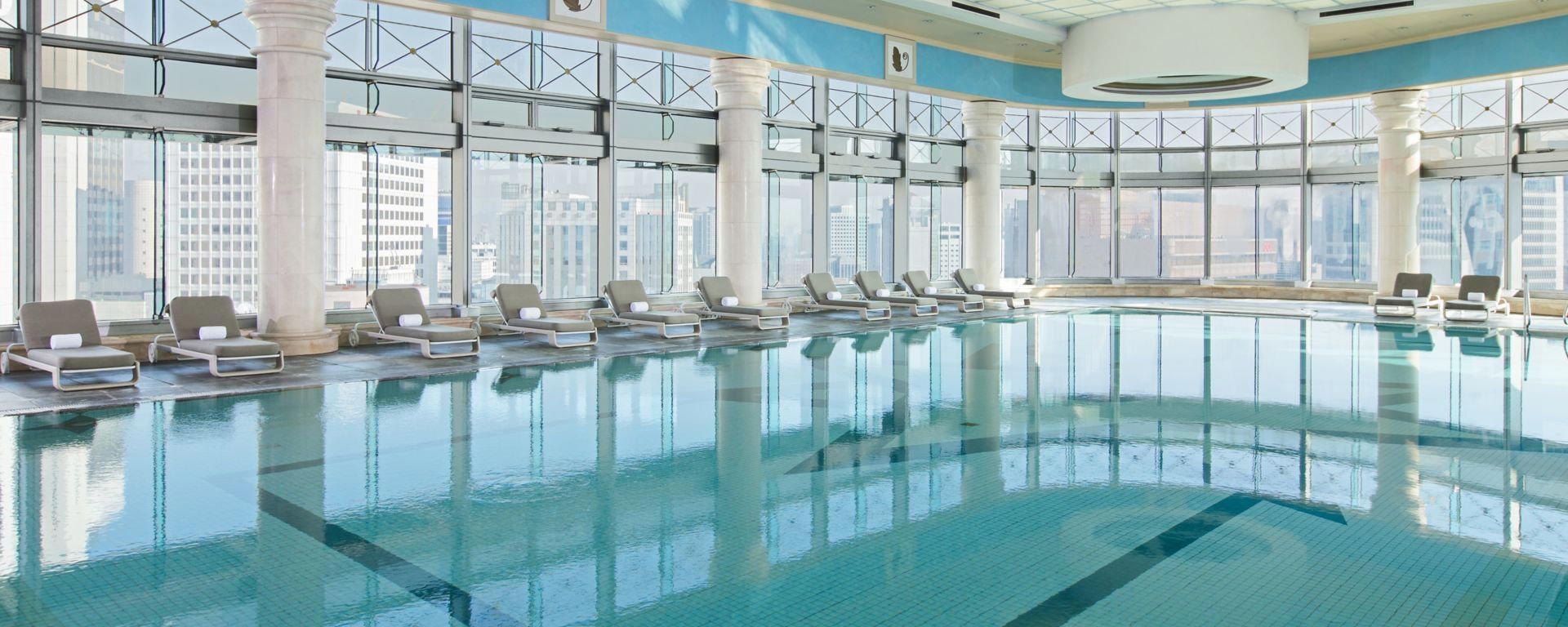
Where Jung-gu's Civic Core Meets Considered Hospitality
Arriving at THE PLAZA Seoul, Autograph Collection along Sogong-ro, the geometry of the city makes itself immediately felt. City Hall Plaza opens to one side, the granite-clad government architecture framing a view that few hotel addresses in Seoul can match. This is Jung-gu at its most formal, the district that holds the administrative and commercial gravity of the capital, and a hotel positioned here is operating in a different register from the design-boutique properties of Bukchon or the lifestyle-driven towers of Gangnam. The address alone sets an expectation: this is a property that earns authority from its urban context rather than from retreat or spectacle.
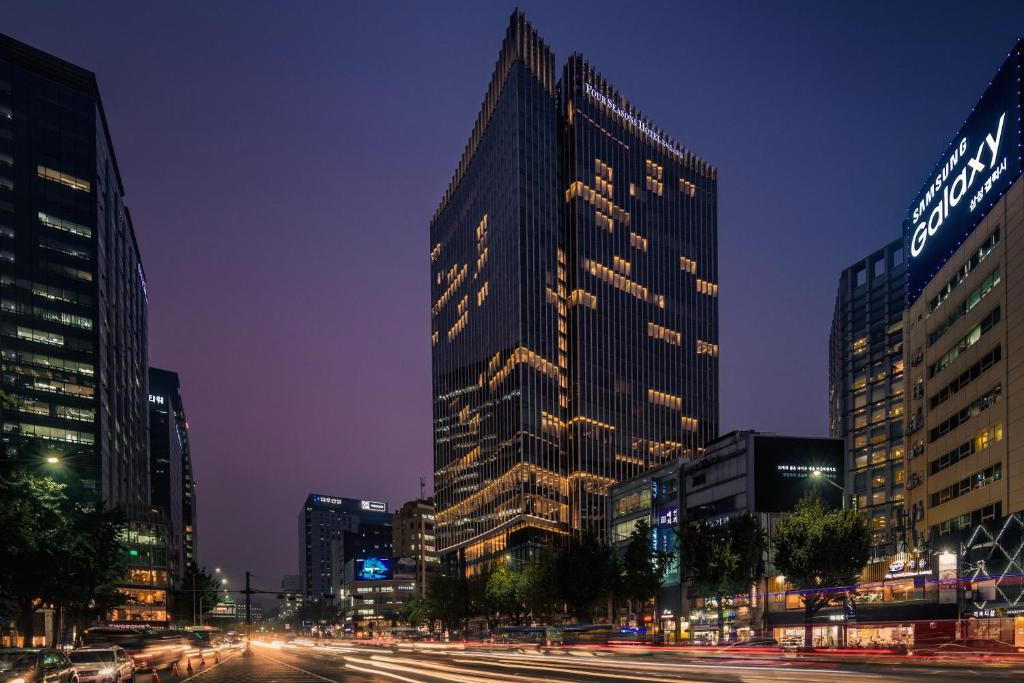
In a city where hotel development has accelerated rapidly, with properties like Four Seasons Hotel Seoul in Gwanghwamun and Aman Seoul Cheongdam representing two distinct poles of the contemporary luxury conversation, THE PLAZA Seoul occupies a longer-established position. It belongs to Marriott's Autograph Collection, a tier defined by independent character within a global framework, where properties are selected for architectural or cultural distinctiveness rather than category-standard uniformity. That positioning matters when reading what this hotel offers against its comparable set.
The Autograph Collection Tier: What It Signals in Practice
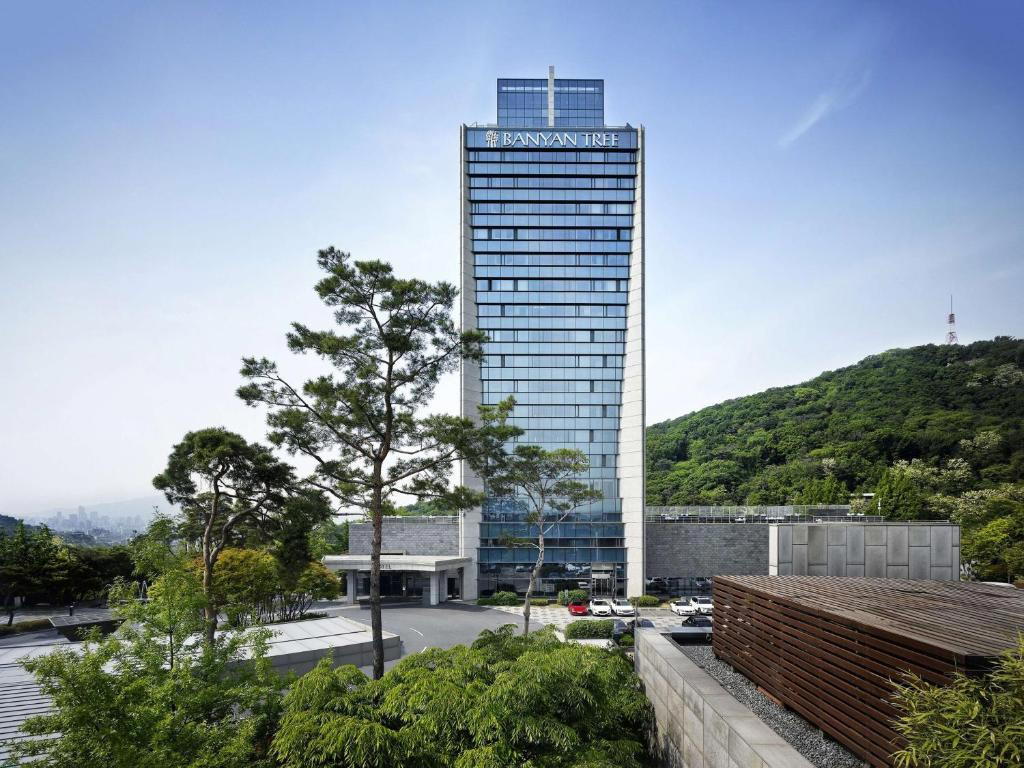
Across Asian hotel markets, the Autograph Collection flag has consistently attracted properties with a pre-existing identity, buildings that carry civic or cultural weight rather than starting from a blank development brief. In Seoul's case, THE PLAZA's Jung District address, facing the historical axis between Deoksugung Palace and City Hall, gives the property a contextual depth that newer luxury entrants are still accumulating. For travellers comparing options across the city, this matters: Banyan Tree Club & Spa Seoul offers refined spa positioning, Fairmont Ambassador Seoul leans on its Yoido financial-district status, and Conrad Seoul anchors itself in the IFC complex. THE PLAZA's distinction is civic centrality, which in practical terms means walkable access to Myeongdong, Cheonggyecheon Stream, and the palace corridor in a city where traffic can complicate any other arrival strategy.
Sustainability as Structural Practice: Seoul's Hotel Sector Shift
Seoul's premium hotel sector has moved noticeably toward sustainability frameworks in recent years, driven in part by South Korea's broader national commitments to carbon neutrality targets and by the preference of international corporate travel programmes for properties with verifiable environmental credentials. For a hotel in Jung-gu, the sustainability conversation has particular relevance: the district's density means that procurement decisions, waste management, and energy systems all operate at significant scale, and the choices made carry proportionally larger consequences than at a remote resort property.
The Autograph Collection framework, operating within Marriott's Serve 360 sustainability platform, sets baseline commitments around responsible sourcing, waste reduction, and community engagement across all properties in the portfolio. For travellers for whom the environmental credentials of a hotel are a factor in their selection, this provides a verifiable structural baseline rather than marketing-led greenwashing. The distinction matters: properties making sustainability claims without an auditable programme behind them are widespread in the Seoul market, and the difference between a framework commitment and a brochure claim is increasingly legible to informed travellers.
The city's hotel sector broadly is moving toward reduced single-use plastic, food waste programmes in F&B operations, and locally sourced procurement as table-stakes rather than differentiators. A property at the scale and central location of THE PLAZA Seoul, serving both leisure and corporate guests across multiple dining and events outlets, has the operational footprint where these commitments translate into measurable impact. For guests travelling in late autumn through winter, when Seoul's air quality concerns and energy-intensive heating loads make the city's environmental management most visible, this structural approach to sustainability carries practical resonance.
Seoul's Jung District: Reading the Neighbourhood
Jung-gu is not Seoul's most fashionable address in the contemporary dining or nightlife sense, that conversation currently runs through Seongsu-dong, Itaewon's recovery arc, and Apgujeong. But it remains the city's functional centre of gravity, and for a first visit to Seoul or a short-stay itinerary that requires efficient access to cultural institutions, the location calculus is direct. Gyeongbokgung Palace is reachable within 20 minutes by metro; Namdaemun Market operates within walking distance; the Cheonggyecheon linear park threads eastward from nearby. For those extending their Korea itinerary beyond the capital, Ananti at Busan Cove represents the coastal counterpoint, while Grand Hyatt Jeju and Haevichi Hotel & Resort Jeju cover the island resort segment.
Travellers arriving from abroad should note that Incheon International Airport connects to central Seoul via the AREX express train, with a direct service to City Hall station reducing the transit friction that affects many first-time arrivals. For those travelling domestically or combining Seoul with regional destinations, Kensington Hotel Seorak in Sokcho and Camptong Forest in Gapyeong offer accessible escapes from the capital's density.
Placing THE PLAZA in Seoul's Competitive Hotel Set
Seoul's upper-midscale to premium hotel tier has become genuinely competitive. Properties like Grand Hyatt Seoul on Namsan offer dramatic refined positioning; Casino Hotel Seoul operates within the Walker Hill entertainment complex with a different guest profile entirely; and Art Paradiso Boutique Hotel represents the smaller-scale, design-led end of the market. THE PLAZA Seoul's value proposition within this set rests on the combination of a globally recognised collection flag, a historically significant urban address, and proximity to the city's cultural axis that no newer luxury entrant in Gangnam or the Han River corridor can replicate through design or programming alone.
For international visitors comparing notes with properties they may know from other cities, the Autograph Collection framework operates similarly to how a traveller might contextualise The Fifth Avenue Hotel in New York or Aman Venice, properties where address and character carry weight alongside the brand scaffolding. Aman New York occupies a comparable tier of civic-address luxury in Manhattan, though at a significantly higher price point and with a different ownership structure.
Planning Your Stay
THE PLAZA Seoul, Autograph Collection is located at 119 Sogong-ro in the Jung District, placing it within direct walking distance of City Hall, Myeongdong, and the Deoksugung Palace grounds. For those considering alternatives in the broader South Korea region, JW Marriott Jeju Resort & Spa and Hyatt Place Gwangju extend the coverage of internationally affiliated properties into regional cities. Dormy Inn Seoul Gangnam and Oakwood Lagoon Town Gangneung serve the more value-oriented or aparthotel-preferring segment. For travellers who want to experience traditional Korean architecture during their stay, Soi Hanok Stay in Gyeongju offers a pronounced contrast to the urban hotel format. Art Paradiso Hotel in Incheon serves as a practical landing option for those with early departures. For remote-island seekers, KOSMOS ULLEUNGDO on Ulleung Island sits at the opposite end of the accessibility and density spectrum from a Jung-gu city hotel. Gangwon-do in Hongcheon rounds out the mountain-region options for those building a multi-stop itinerary through Korea's interior.
Similar Picks
Comparable venues nearby, for context on price, style, and recognition.
| Venue | Cuisine | Price | Notes |
|---|---|---|---|
| THE PLAZA Seoul, Autograph CollectionThis venue — the venue you are viewing | Luxury boutique hotel combining international Marriott standards with local Korean heritage, positioned as a contemporary luxury destination in downtown Seoul. | $$$$ | Not listed |
| JW Marriott Dongdaemun Square | Modern luxury tower | $$$$ | 이화동 |
| Aman Seoul Cheongdam | ultra-luxury urban tower hotel | $$$$ | Cheongdam-dong |
| Naru Seoul - MGallery | Contemporary lifestyle hotel blending Korean art, nature, and biophilic design overlooking the Han River. | $$$$ | 노고산동 |
| L'Escape Hotel Seoul | Luxury boutique hotel inspired by Belle Époque Paris. | $$$$ | 소공동 |
| Josun Palace, a Luxury Collection Hotel, Seoul | Contemporary luxury reimagining of a historic 1914 landmark with Korean-modernism meets mid-century European design | $$$$ | Samseong-dong |
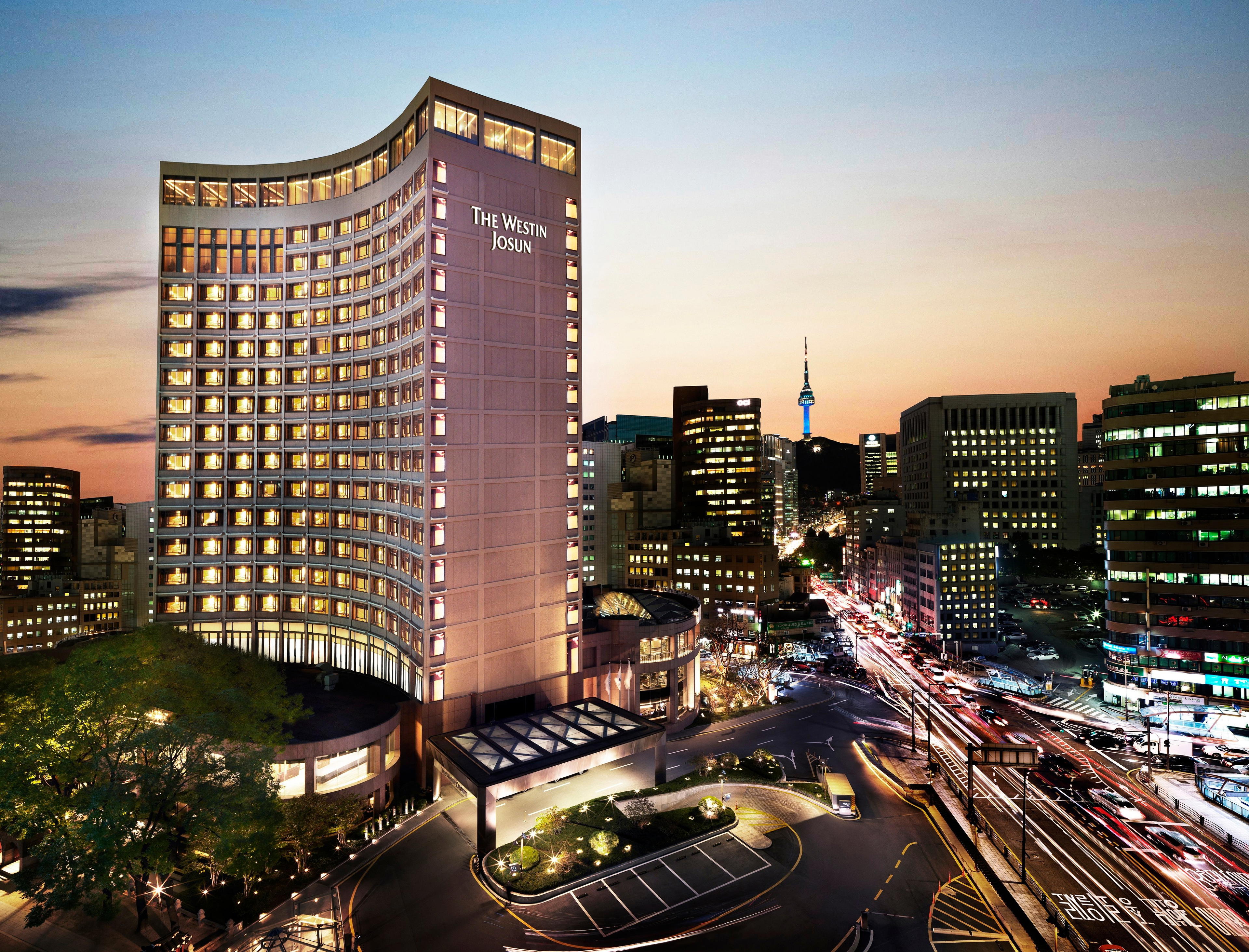
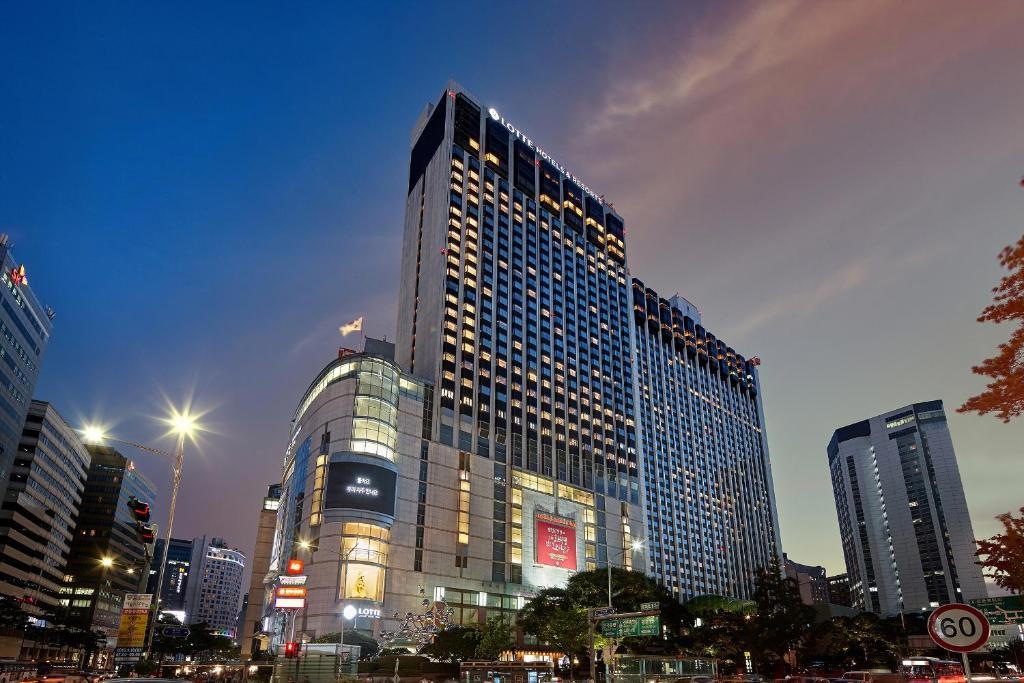
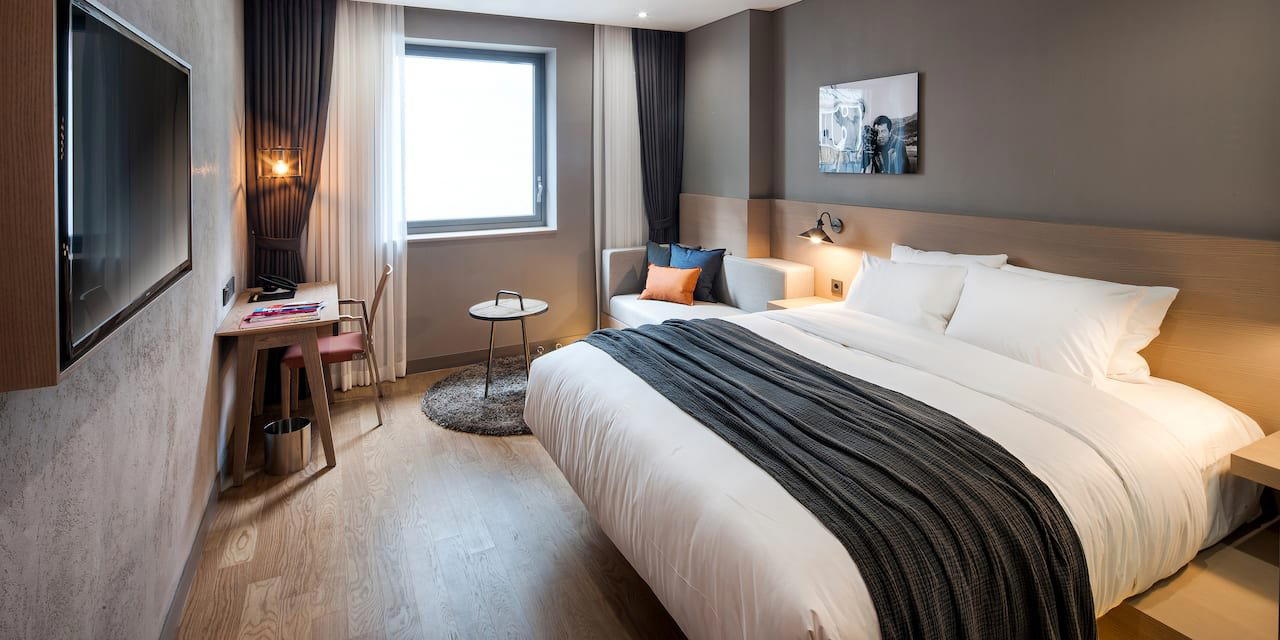
At a Glance
- Elegant
- Modern
- Sophisticated
- Well Known
- Business Trip
- Romantic Getaway
- Family Vacation
- Celebration
- Historic Building
- Design Destination
- Garden
- Panoramic View
- Destination Spa
- Wi Fi
- Spa
- Fitness Center
- Pool
- Sauna
- Hot Tub
- Concierge
- Business Center
- Valet Parking
- EV Charging
- Kids Club
- Room Service
- Restaurant
- Bar
- Skyline
- Street Scene
- Wi Fi
- Spa
- Fitness Center
- Pool
- Sauna
- Hot Tub
- Concierge
- Business Center
- Valet Parking
- EV Charging
- Kids Club
- Room Service
- Restaurant
- Bar
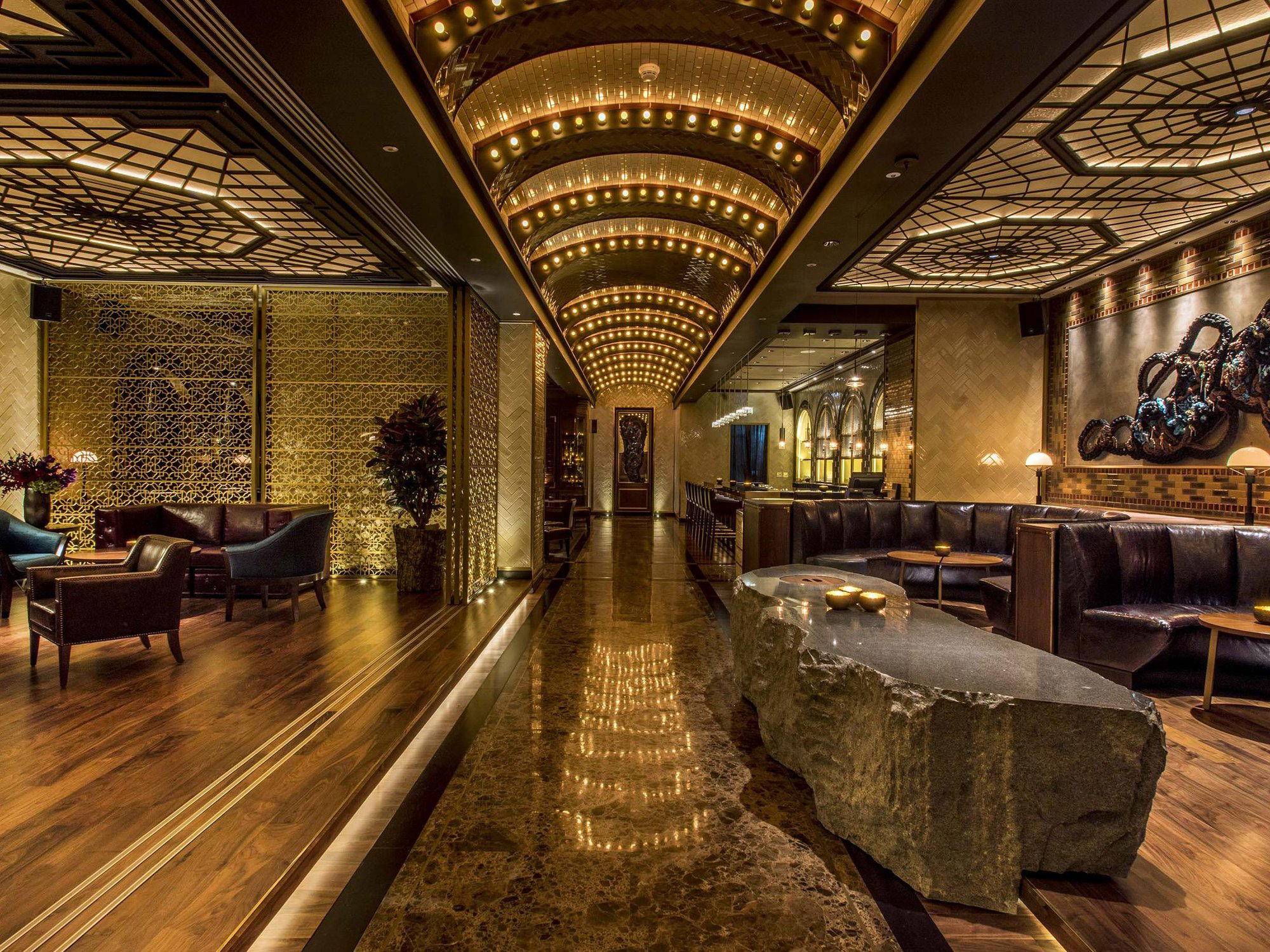
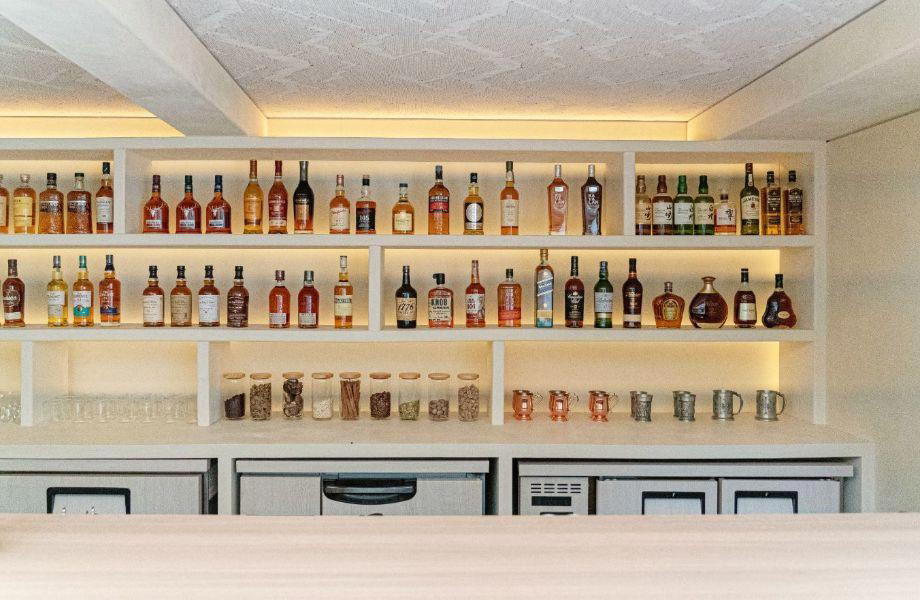
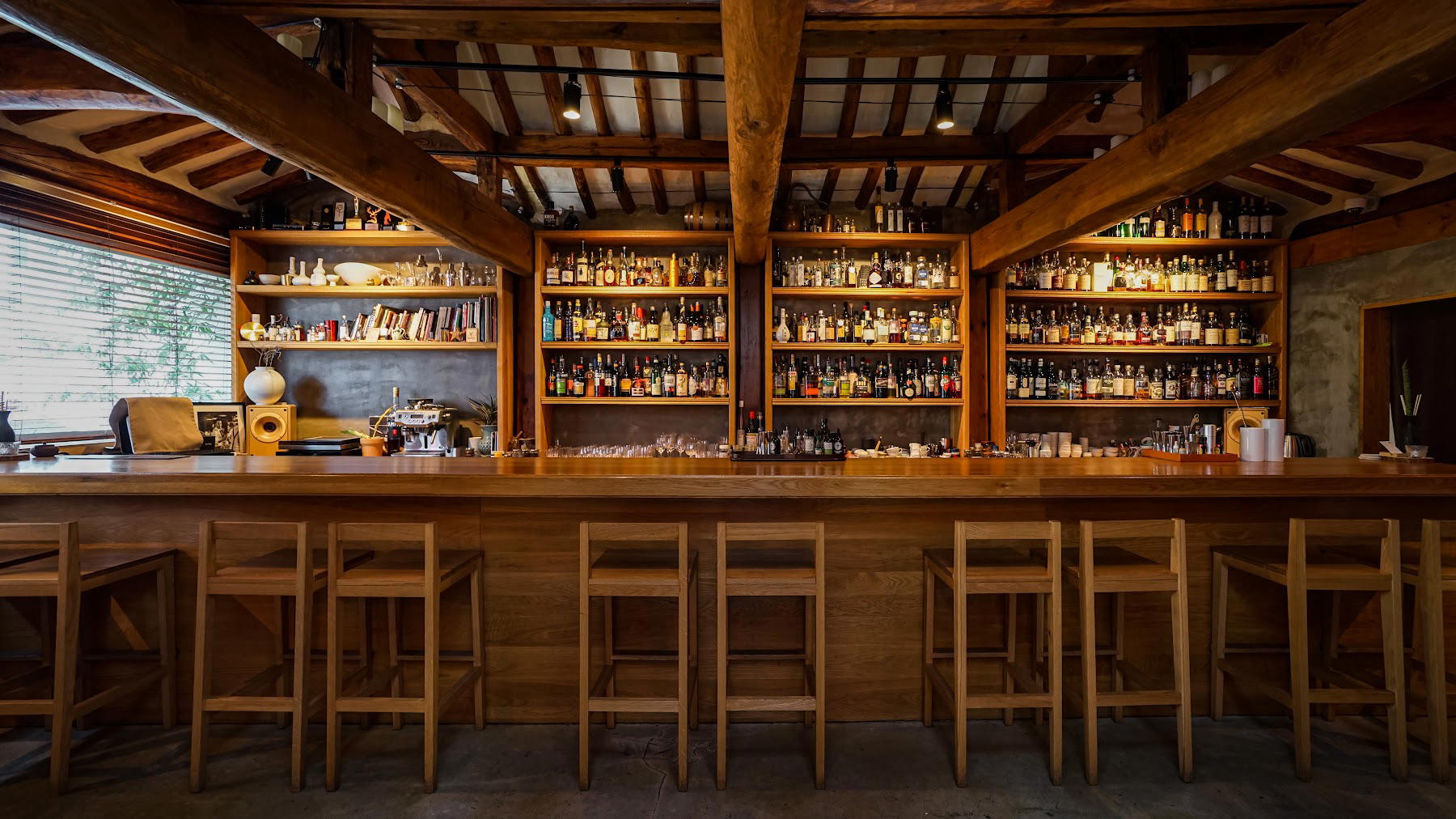
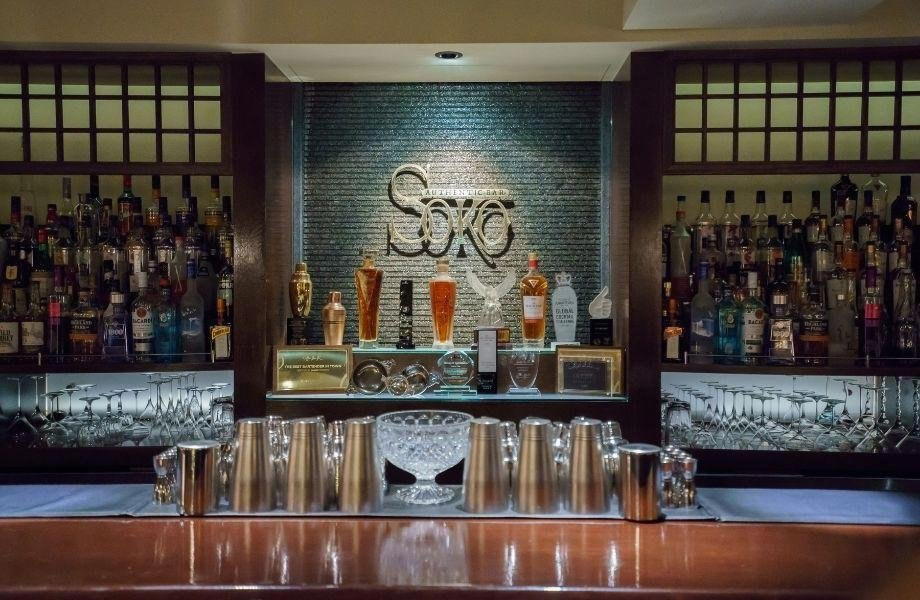
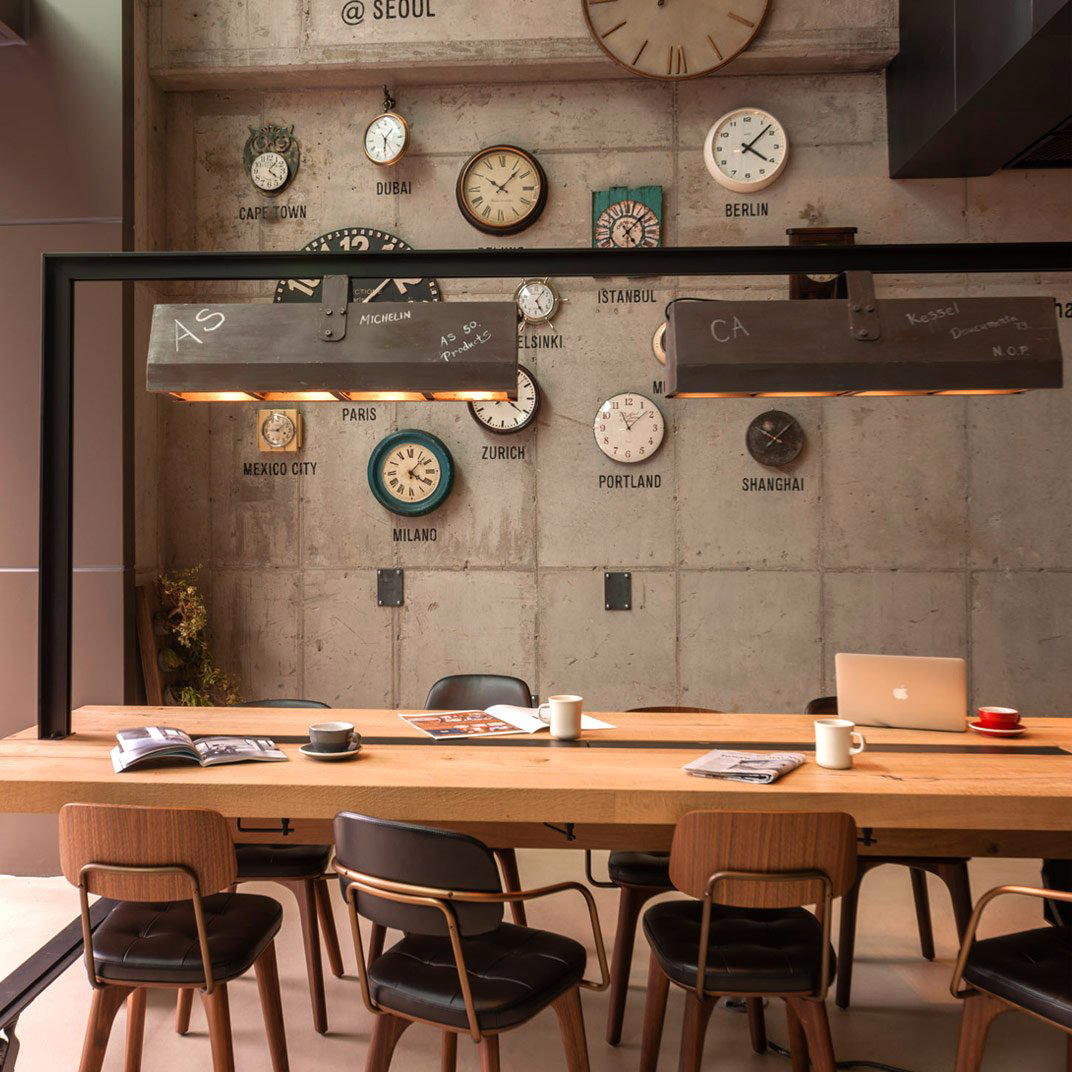
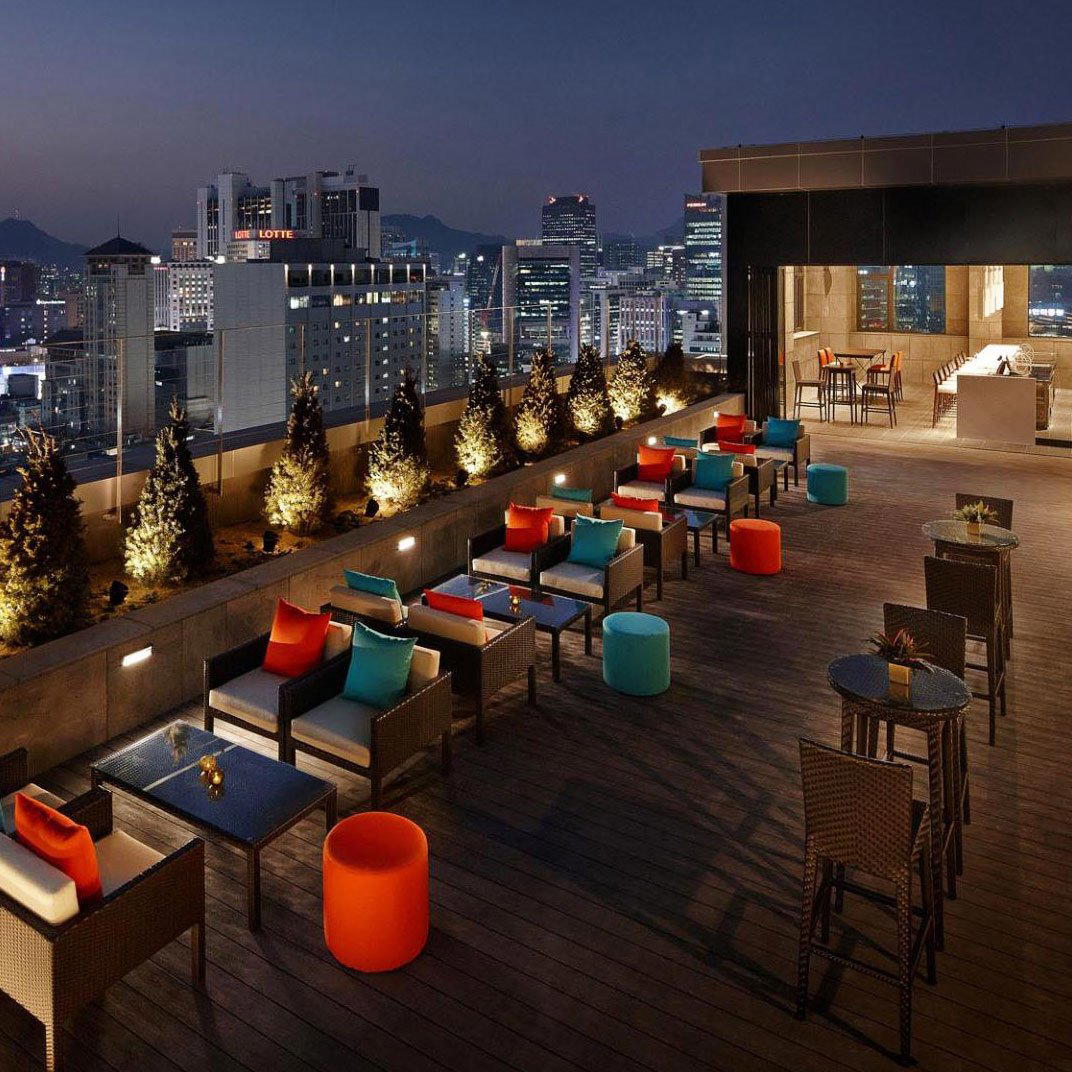
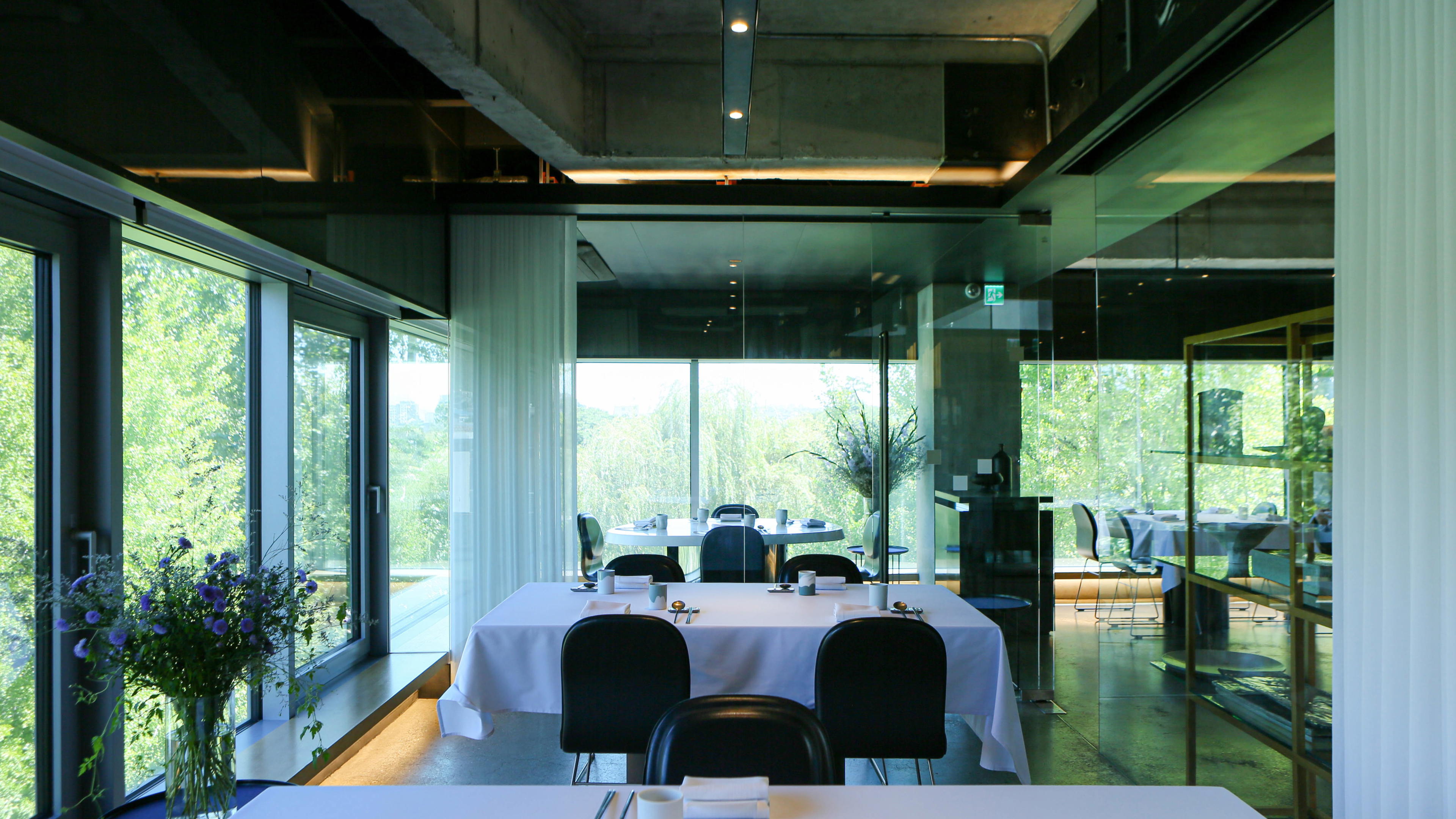
Contemporary luxury with upscale modern interiors designed by Italian architect Guido Ciompi, featuring distinctive color palettes and sensory design elements that create a precise, refined atmosphere.