
Michelin Selected
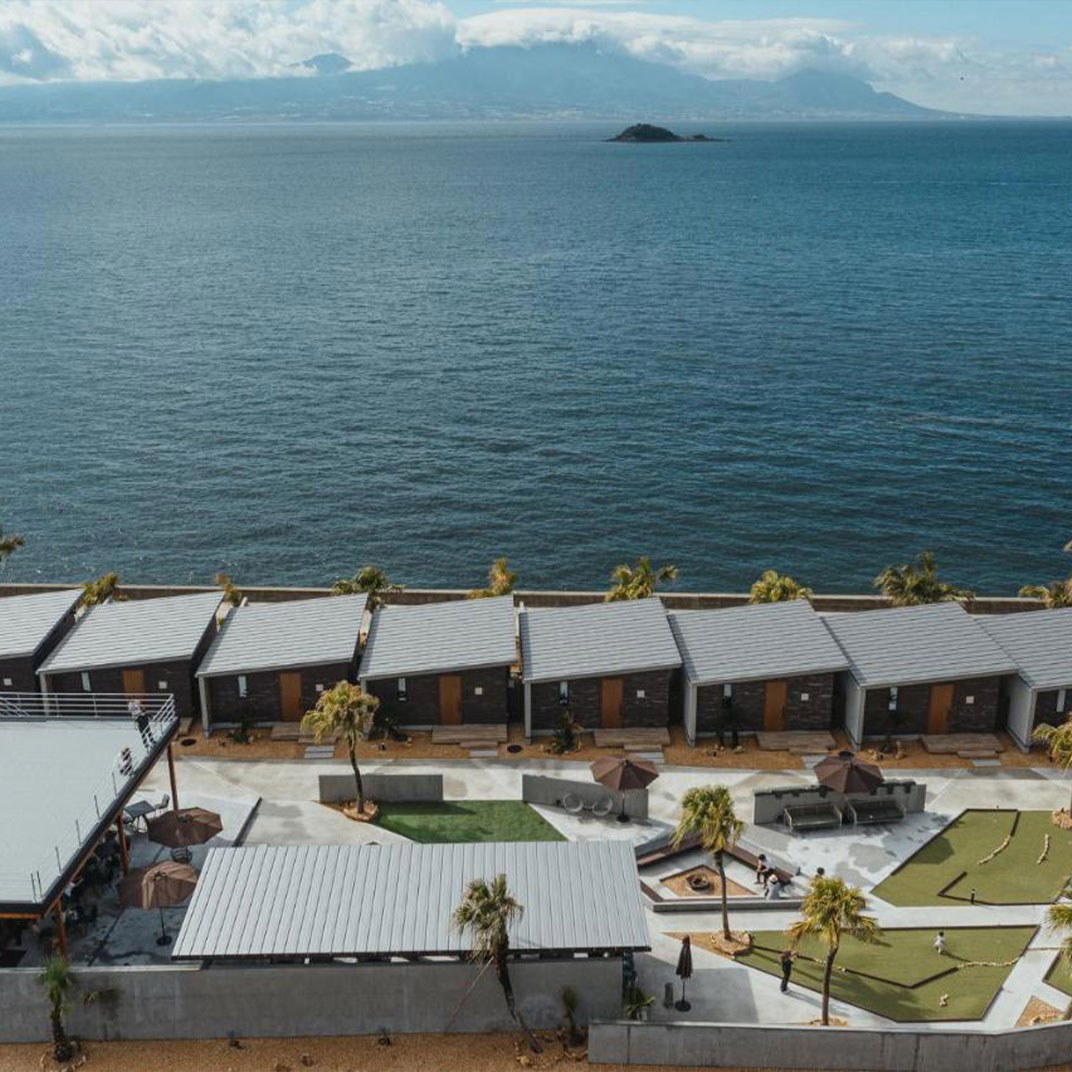
Japan’s ryokans offer among the more distinctive hospitality experiences available anywhere in the world, and for that they’re quite rightly sought after. But the genre in its most historically correct form can, for an outsider, present obstacles. For anyone who’s not yet ready for total immersion in tatami-style tradition, entrée comes in the form of one of several hybrid-style, Western-influenced ryokans, of which Gosoku no Kutsu is a leading representative. The location, on the west coast of Amakusa, today feels splendidly secluded, far as it is from Honshu’s big coastal cities. But back in the 16th century, when Japan was making tentative steps towards contact with the West, Amakusa was one of the first ports of call. And with its three European-influenced villas, it’s this legacy which Gosoku no Kutsu consciously recalls. They’re split up into fifteen units, and if the style is somewhat restrained, the comforts are legion. All of them are to some degree or another open to the lush greenery on the surrounding hillside, and if it’s a bit of oneness with nature you’re after, you’ve come to the right place. Add the obligatory hot-spring baths, an included dinner and breakfast, and a thoroughly old-fashioned approach to service, and you’ve got yourself a fine introduction to traditional, but not too traditional, Japanese country life. How to get there: A complimentary shuttle bus to/from Hondo port, Hondo bus terminal or Amakusa airport can be arranged with at least three days’ advance notice. Approximate transfer time is 45 minutes. Transfer-In Schedule: anytime after 14:30 Transfer-Out Schedule: 08:45, 10:45 *Guests should keep in mind the shuttle may pick up other guests at various locations. Booking Details: Gosoku no Kutsu requires additional information from guests to ensure the stay possible. As such, reservations can only be confirmed through our customer service team. Contact us for assistance. Rates begin at JPY 85800 per night.

Pearl is the En Primeur Club membership app — saves, bookings, and concierge access live there. Same editors, same standards.
- Address
- 2237 Shimodakita, Amakusamachi, Amakusa, Japan
- Phone
- 0969-45-3633
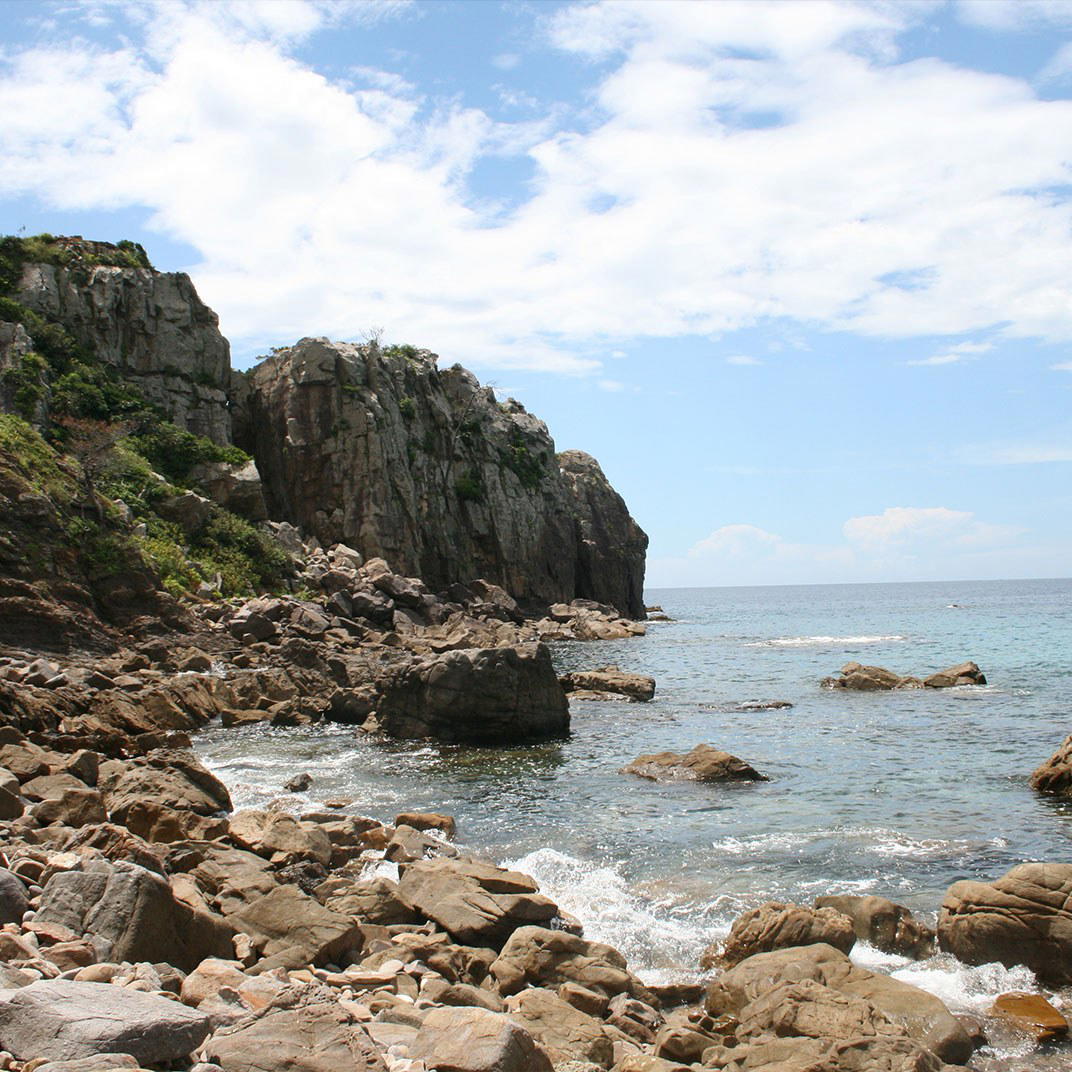
Where Amakusa's Coastline Meets the Ryokan Tradition
The Amakusa archipelago sits in Kumamoto Prefecture, a chain of islands connected by a sequence of five bridges across the Yatsushiro Sea. For most of Japan's domestic travel circuit, Amakusa remains a detour rather than a destination, which is precisely what makes a property like Gosoku no Kutsu legible within the broader pattern of regional luxury ryokan: the kind of place that earns Michelin recognition not through metropolitan positioning but through execution in a context where execution is genuinely difficult to sustain. The 2025 Michelin Selected Hotels list, which applies the same editorial scrutiny across Japan's non-urban accommodation stock, places Gosoku no Kutsu in that recognition tier, a meaningful signal in a prefecture not typically associated with luxury hospitality at this level.
Across Japan, the ryokan category has bifurcated sharply. A cluster of properties, among them Gora Kadan in Hakone, Asaba in Izu, and Zaborin in Kutchan, sits at the upper tier where architecture, kaiseki programming, and spatial privacy command significant premiums and attract international booking traffic. A second, quieter cohort operates further from the established ryokan circuits, drawing guests who are already committed to a region for its landscape or cultural history, and who expect the accommodation to hold its own against that context. Gosoku no Kutsu belongs to the latter group. Its address in Amakusamachi, a municipality with strong associations with the Shimabara Rebellion and the hidden Christian communities of the Edo period, places it within one of Kyushu's more historically layered settings. The property is not selling proximity to a famous onsen town or an internationally recognised natural park. It is selling immersion in a place most international travellers have not yet encountered, which is a different and arguably harder proposition.
The Dining Logic of an Island Ryokan
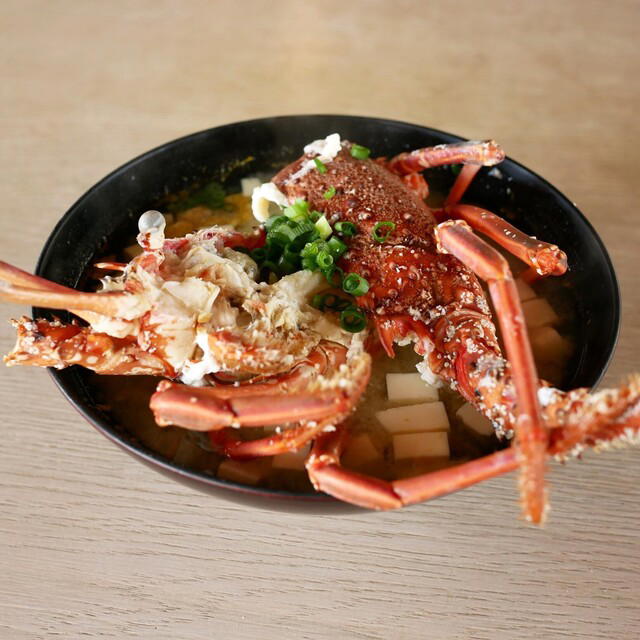
In the ryokan format, the dining programme is not supplementary to the room; it is structurally co-equal with it. Guests eat dinner and breakfast on-property as part of the stay, which means the kitchen operates more like a private dining room than a restaurant with external walk-in traffic. This has specific implications for how ingredient sourcing works in island settings. Amakusa's surrounding waters, part of the Ariake Sea system and the Yatsushiro Sea, produce shellfish and fish that appear in Kumamoto's regional cuisine in ways that differ materially from the Pacific-facing ingredient profiles of Shizuoka or Kyoto-adjacent ryokan kitchens. The local catch, including species common to these protected bays, gives island properties a sourcing specificity that urban luxury hotels cannot replicate regardless of budget.
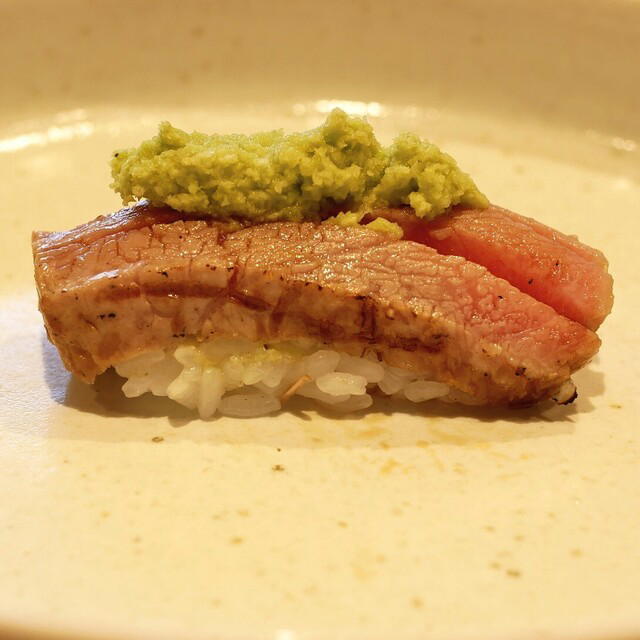
The kaiseki tradition, which governs most premium ryokan dining at this level, structures the meal as a sequence that moves through seasonal ingredients in a prescribed order, with each course carrying both a culinary and a symbolic function. In island ryokan settings, where the guest population is smaller and the kitchen team cooks for a limited number of covers per evening, that structure can be executed with a degree of attentiveness that larger resort properties struggle to match. Properties comparable in regional positioning, such as Kamenoi Besso in Yufu or Nishimuraya Honkan in Kinosaki-cho, demonstrate what that intimacy of service can produce at its finest. The expectation at Gosoku no Kutsu, consistent with its Michelin Selected status, is that the dining programme reflects similar discipline in terms of ingredient seasonality and service cadence.
Setting and Spatial Character
Amakusa's coastline is defined by inlets, fishing communities, and the kind of horizontal light that comes off sheltered water in the late afternoon. Ryokan in this geography tend to position guest rooms to capture water views, and the architecture typically draws on timber and stone in a register that references the working coastal vernacular rather than the manicured garden aesthetic more common in Kyoto or Hakone properties. This is a different aesthetic tradition from the one represented by properties like HOTEL THE MITSUI KYOTO or Bvlgari Hotel Tokyo, where the design operates in dialogue with urban density or historical monument. In Amakusa, the environment is the primary design element, and a property that reads it correctly gives guests something that no degree of interior refinement can substitute.
For guests choosing between regional Kyushu properties, the positioning of Gosoku no Kutsu is distinct from the spa-resort model of Halekulani Okinawa or the art-integration focus of Benesse House in Naoshima. The nearest comparable in terms of island remoteness and community-embedded character might be Jusandi in Ishigaki or GOTO RETREAT by Onko Chishin in Goto, another Kyushu island property that operates on similar principles of geographic specificity as a feature rather than a limitation. Guests who have stayed at properties in the L'isola THE BIRD tier within Amakusa itself will find that the island supports more than one credible accommodation option at a serious level, a sign of a destination beginning to build critical mass. See our full Amakusa restaurants and hotels guide for the wider picture.
Planning the Stay
Amakusa is reached most practically via Kumamoto, either from Kumamoto Airport (served by domestic connections from Tokyo Haneda, Osaka Itami, and Nagoya) or Kumamoto Station on the Shinkansen network, with onward travel by car or bus across the Amakusa Five Bridges. The drive from Kumamoto city takes approximately 90 minutes under normal conditions, and the final approach across the bridges gives guests a progressive sense of separation from the mainland that functions as its own form of arrival experience. International travellers typically build Amakusa into a longer Kyushu itinerary alongside Nagasaki, Kagoshima, or the onsen towns of Oita Prefecture, where properties like Kamenoi Besso and others in the Fufu Hotels group provide useful reference points for quality expectations across the regional ryokan tier.
Booking for Michelin Selected ryokan in secondary Japanese destinations typically runs two to four months ahead for peak periods, with autumn foliage season (mid-October through November) and the spring Golden Week window (late April to early May) representing the tightest availability. The ryokan's full-board structure means guests should factor dinner and breakfast into their overall cost assessment when comparing properties in the category. For the broader context of where island and coastal ryokan fit within Japan's premium accommodation picture, properties such as Amanemu in Mie, Sekitei in Hatsukaichi-shi, and Satoyama-Jujo in Niigata offer useful calibration across different regional settings and price tiers.
Budget and Context
| Venue | Price | Awards |
|---|---|---|
| Gosoku no KutsuThis venue — the venue you are viewing | $200–300 | Michelin Selected |
| Bvlgari Hotel Tokyo | Not listed | 3 Michelin Keys · World's 50 Best #24 |
| Aman Kyoto | Not listed | 2 Michelin Keys · World's 50 Best #74 |
| Aman Tokyo | Not listed | 2 Michelin Keys · World's 50 Best #11 |
| Palace Hotel Tokyo | Not listed | 3 Michelin Keys · World's 50 Best #73 |
| Amanemu | Not listed | 3 Michelin Keys · La Liste Top Hotels |
Recognition history
Dated appearances from independent guides and award organizations, with the underlying list record or original source where available.
Michelin Selected
Michelin
Details
- Romantic
- Quiet
- Scenic
- Elegant
- Intimate
- Romantic Getaway
- Anniversary
- Honeymoon
- Waterfront
- Panoramic View
- Spa
- Wi Fi
- Room Service
- Concierge
- Waterfront
Serene and relaxing atmosphere with natural surroundings, soothing sounds of nature, and sea horizon views from spacious villas.