
1 Michelin Key
Nasu Mukunone Auberge holds a Michelin 1 Key (2024) and 15 rooms set among beech and cedar forest in Tochigi Prefecture, from around $88 per night. The property sits within the same highland district favoured by the Japanese imperial family for generations, where the dining programme is rooted in the seasonal rhythms of the surrounding Nasu plateau.

Pearl is the En Primeur Club membership app, where members save venues, book tables and use the concierge.
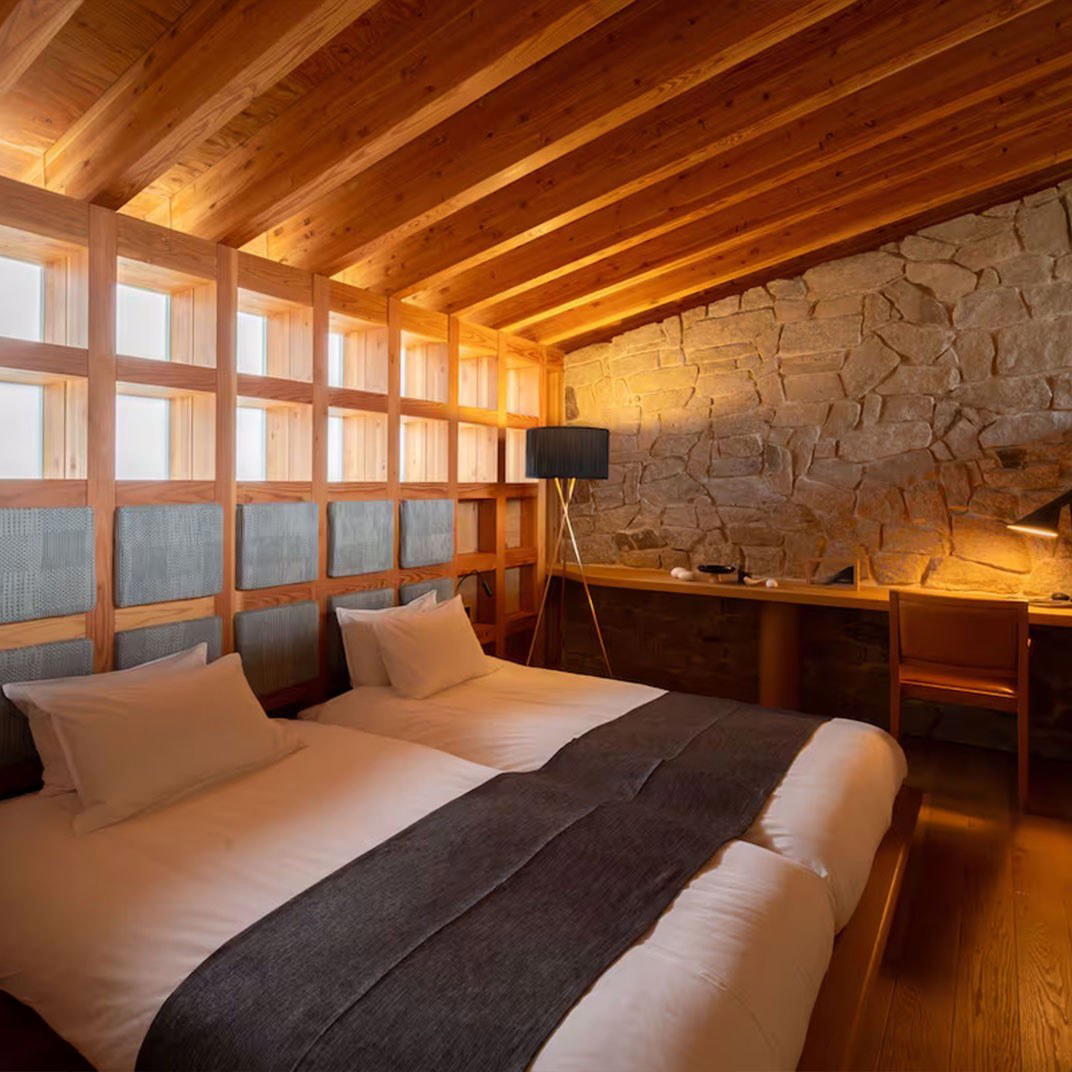
Forest, Stillness, and the Discipline of Slow Time
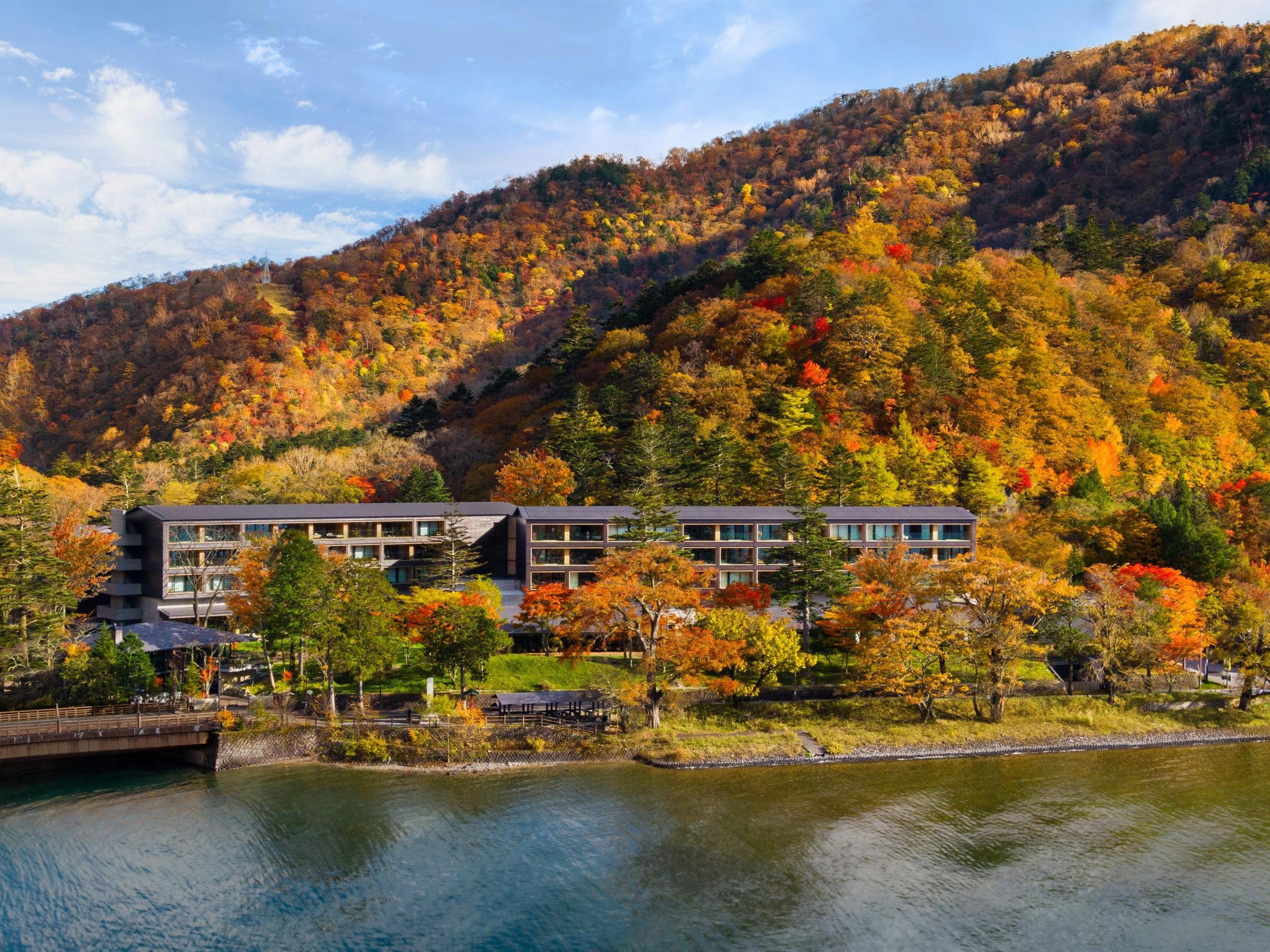
The approach to Nasu Mukunone sets the register before you reach the entrance. Beeches and cedars press close along the road up through the Nasu plateau, and the property's weathered joists, drawn from local architectural tradition, read as an extension of the terrain rather than a structure imposed upon it. This is not incidental design. In a region where the Japanese imperial family has sought retreat for generations, the relationship between built form and forested setting has long been the point, and Nasu Mukunone sits squarely in that lineage. The water garden on site makes the case most directly: it is an expansive, contemplative space designed for the kind of walking that asks nothing of you except attention.
Across Japan's premium ryokan and auberge category, the properties that earn sustained critical recognition tend to be those where the physical environment and the dining programme speak the same language. Nasu Mukunone earned a Michelin 1 Key in the 2024 guide, the inaugural year of the Michelin Key system for hotels, placing it in a select tier of Japanese properties recognised not just for rooms but for the totality of the guest experience. At 15 rooms, the property operates at a scale where that totality is achievable: the dining room is not feeding a hotel, it is feeding a house.
The Dining Programme: Kaiseki Discipline in a Forest Context
The auberge format, as practised across Japan's mountain and hot-spring districts, carries specific expectations around food. An auberge is not a ryokan with a restaurant bolted on; it is a European-influenced hybrid in which the kitchen carries equal weight to the accommodation. The format arrived in Japan most visibly through the domestic tourism boom of the 1980s and has since produced a distinct tier of properties, particularly in highland and coastal prefectures, where French training and Japanese seasonal ingredients are reconciled into a coherent, place-specific idiom. Nasu Mukunone operates within that tradition.
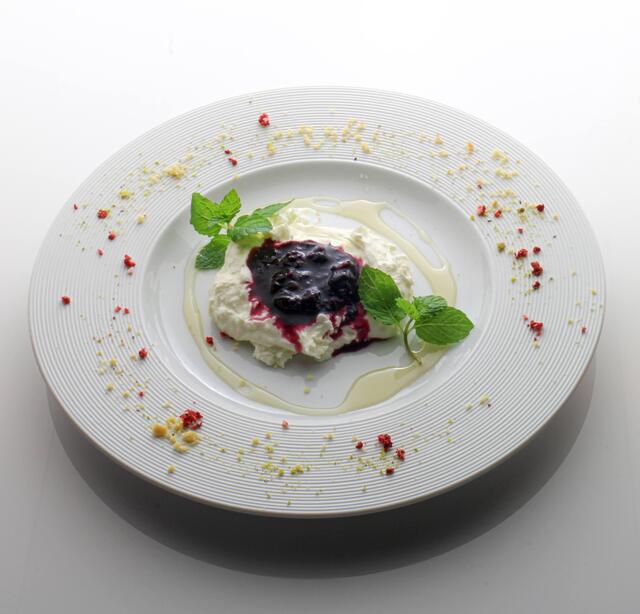
Tochigi Prefecture gives the kitchen material to work with. The surrounding plateau produces dairy, including the Nasu highland milk that appears across the region's food culture, alongside wild vegetables that shift through the seasons: sansai greens in spring, mushrooms through autumn, root vegetables and game through the colder months. The kaiseki-influenced meal structure common to properties of this type demands that the kitchen account for all of these in sequence, course by course, with each element timed to what the plateau is producing rather than what a fixed menu might prefer. That discipline, when executed well, is precisely what distinguishes the auberge format from resort dining of a more generic kind.
For context on how Nasu Mukunone sits within Japan's broader premium accommodation and dining tier, the Michelin Key award places it alongside a cohort of properties that includes Gora Kadan in Hakone, Asaba in Izu, and Zaborin in Kutchan, each recognised for the integration of setting, hospitality, and kitchen.
The Nasu Context: What This Region Means for This Kind of Property
Nasu is not a single destination but a cluster of experiences spread across the highland district of northern Tochigi: the Nasu Jinja shrine, the network of onsen fed by the volcanic activity of Chausu-dake, the sake brewers operating in the lower valleys, and the beech and cedar forests that cover the uplands. The imperial connection is not ceremonial history. The Imperial Villa in Nasu remains a summer residence, and the district's character has been shaped by that association: it is a place where understatement is a considered position, where the quality of an afternoon is measured in the quality of its quiet.
That context places real demands on a property like Nasu Mukunone. The guest arriving in Nasu is not looking for entertainment programming or lobby spectacle. They are, in most cases, looking for the thing the district has always offered: a deceleration that is hard to find in Tokyo's orbit and harder still to find in a city hotel, however well-appointed. Properties in the Kita Onsen(株)北温泉旅館 tradition of the region understand this implicitly. The bath, the meal, and the forest view are the programme. Nasu Mukunone's water garden extends that logic into landscape design.
For guests arriving from Tokyo, Nasu is accessible by Tohoku Shinkansen to Nasu-Shiobara Station, with the plateau properties typically reached by taxi or rental car from there. The journey takes roughly 80 minutes by bullet train from Tokyo Station. This is a meaningful proximity: close enough for a three-night stay without sacrificing significant travel time, far enough that the city's pressure genuinely dissipates. The rate from around $88 positions Nasu Mukunone as one of the more accessible entry points into the Michelin-recognised Japanese auberge tier, though pricing for a property of this type will typically reflect the full-board dining programme rather than room alone.
How It Compares: Japan's Premium Forest and Onsen Properties
Japan's premium ryokan and auberge segment has split, broadly, between two models. The first is the resort-scale operation, often affiliated with international groups, that builds its offer around facilities and brand recognition. The second is the small-capacity, cuisine-centred property where the dining room is the primary credential and the rooms exist in service of the meal and the landscape. Amanemu in Mie and ENOWA Yufu in Yufu occupy different points in that spectrum. Fufu Nikko in Nikko and Fufu Kawaguchiko in Fujikawaguchiko represent the branded multi-site model applied to the highland onsen format.
Nasu Mukunone's 15-room scale places it firmly in the second model. The Michelin Key recognition affirms what properties of this size rely on: a dining programme and overall experience precise enough to warrant the rating independent of room count or facility list. That is a harder standard to meet than square footage, and it is the standard that the auberge format demands. For guests whose primary criterion is the kitchen rather than the pool, the 15-room auberge with Michelin recognition is a more reliable signal than the 80-room resort with a branded restaurant attached.
Other properties across Japan's premium accommodation tier worth cross-referencing include Araya Totoan in Kaga, Nishimuraya Honkan in Kinosaki-cho, Beniya Kofuyuden in Awara, Bettei Otozure in Nagato, and Sekitei in Hatsukaichi-shi, each representing the spectrum of kaiseki-led hospitality across Japan's regional prefectures. For international luxury comparisons, Bvlgari Hotel Tokyo in Tokyo, HOTEL THE MITSUI KYOTO in Kyoto, and Benesse House in Naoshima offer a useful register of what Michelin-recognised Japanese hospitality looks like at different scales and typologies. For those extending a Japan itinerary across other regions, Halekulani Okinawa in Okinawa, Jusandi in Ishigaki, ANA InterContinental Beppu Resort & Spa in Beppu, Atami Izusan Karaku in Atami, and Azumi Setoda in Onomichi represent the broader map. See our full Nasu restaurants guide for further regional context.
Planning a Stay
Nasu Mukunone is located at 2294-3 Takakuotsu, Nasu, Nasu District, Tochigi, and operates 15 rooms at rates from approximately $88. The property holds a Michelin 1 Key (2024). Autumn, when the beech forest turns and the mushroom harvest peaks, is the period when the kitchen's seasonal programme and the surrounding landscape align most visibly, and advance booking is advisable for that window. The onsen facilities, the water garden, and the forest setting are the daily structure; the dining programme is what earns the Michelin credential. Guests who arrive expecting the latter alongside the former will find Nasu Mukunone delivering on both counts.
Cost and Credentials
Comparable venues nearby, for context on price, style, and recognition.
| Venue | Price | Awards | Notes |
|---|---|---|---|
| Nasu MukunoneThis venue (the venue you are viewing) | $500–750 | 1 Michelin Key | Not listed |
| Kita Onsen(株)北温泉旅館 | $1–100 | Not listed | Nasu Yumoto, Traditional Japanese ryokan with authentic historical architecture |
| Nasu-Onsen Shinshun no Kago Hewitt Resort | Not listed | Michelin Selected | Nasu Onsen, Modern ryokan set in the forest |
| Satoyama-Jujo | $500–750 | 1 Michelin Key · Design Hotels Member | Minamiuonuma, Renovated 150-year-old kominka ryokan fusing Japanese folk architecture with Scandinavian influences. |
| Bettei Senjuan | $200–300 | 1 Michelin Key · Relais Chateaux Award | Minakami-machi, Modern luxury ryokan with traditional Japanese elements and contemporary design. |
| Kinugawa Keisui | $500–750 | 1 Michelin Key | Kinugawa Onsen, Modern luxury ryokan blending traditional Japanese hospitality with contemporary design |
Recognition history
Dated appearances from independent guides and award organizations, with the underlying list record or original source where available.
Michelin 1 Key
Michelin
Full recognition history (2 entries)
Michelin 1 Key
Michelin
Continue exploring
More in Nasu
Hotels in Nasu
All hotels in Nasu →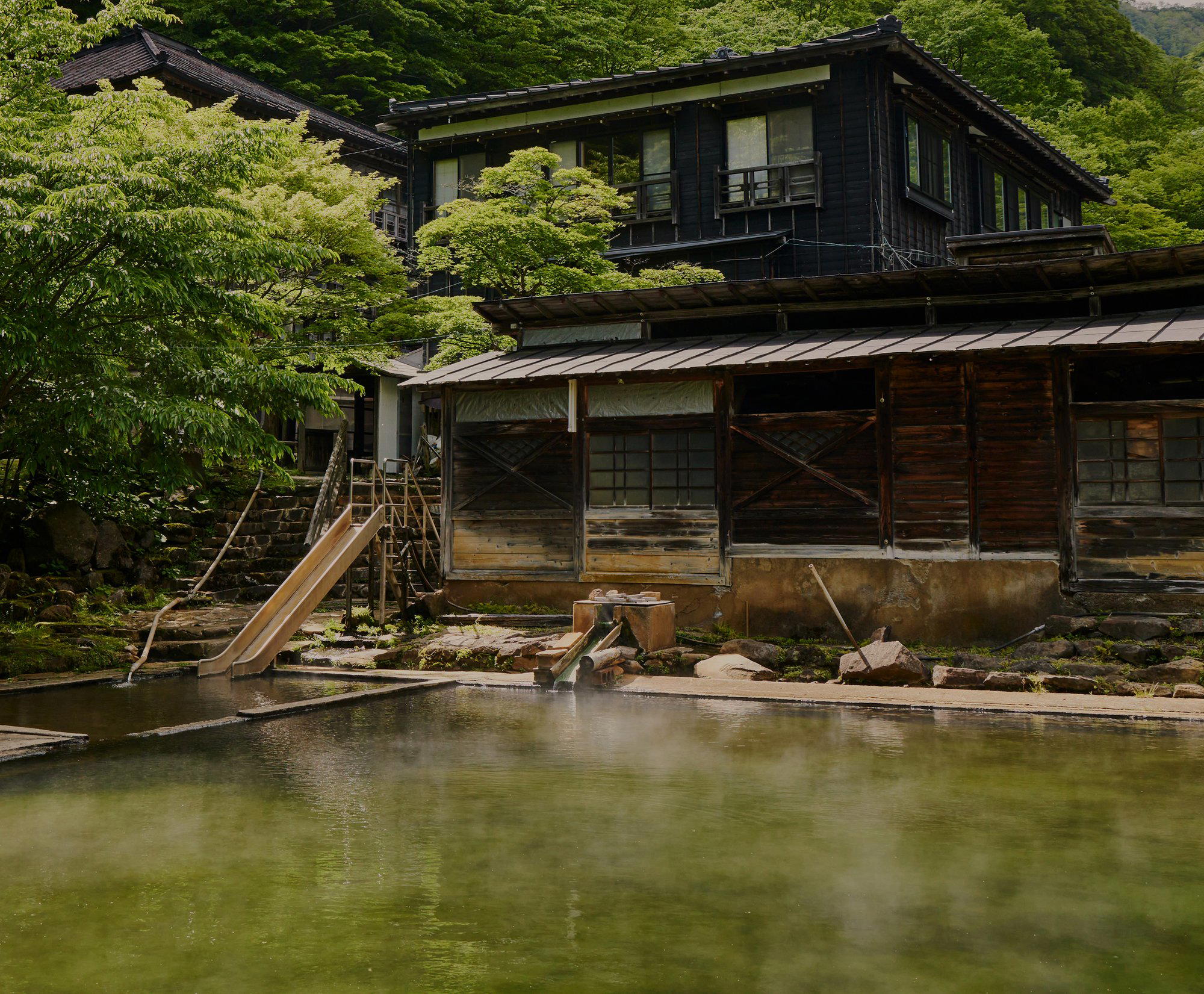
Details
- Quiet
- Scenic
- Elegant
- Cozy
- Intimate
- Rustic
- Romantic Getaway
- Wellness Retreat
- Anniversary
- Weekend Escape
- Garden
- Panoramic View
- Wi Fi
- Restaurant
- Bar
- Garden
- Air Conditioning
- Housekeeping
- Concierge
- Garden
- Mountain
- Step Free Entrance
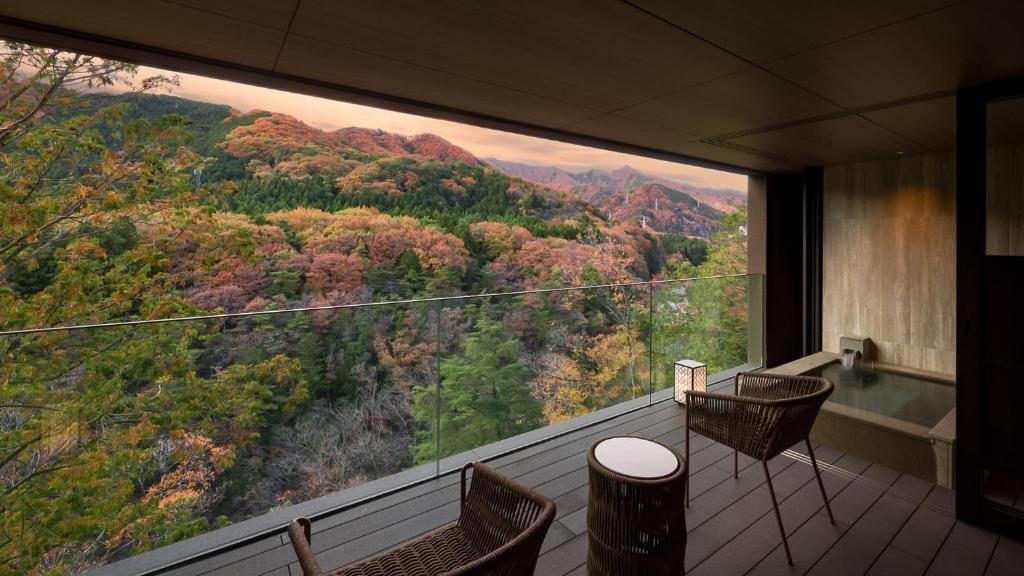
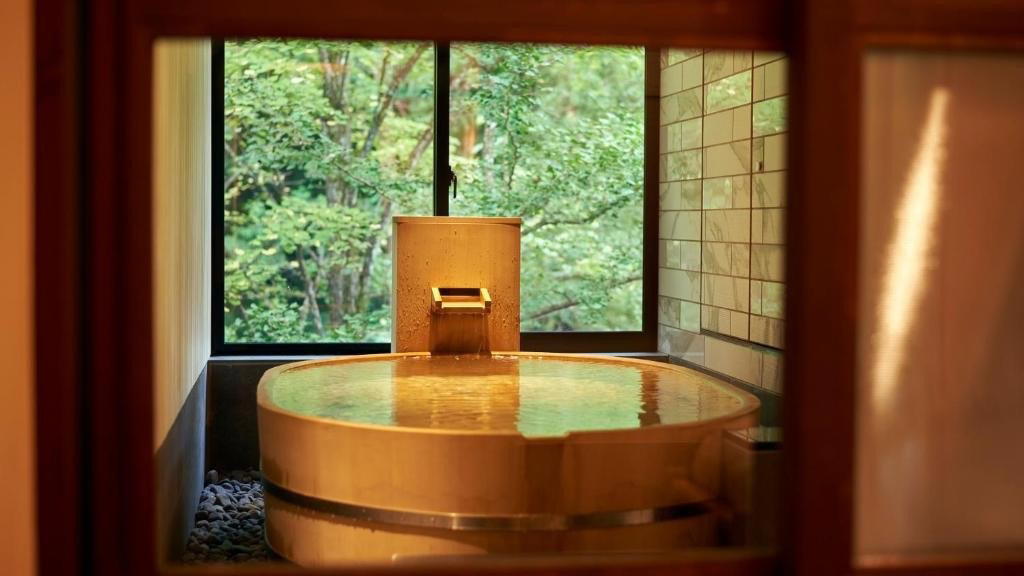
Serene and peaceful atmosphere with natural light from the surrounding water garden and forest, fostering deep relaxation and harmony with nature.