
Michelin Selected
Selected by the Michelin Guide Hotels 2025, Hotel The Celestine Ginza occupies the southern stretch of Tokyo's most storied commercial district, where postwar modernism and contemporary retail coexist in the same block. The property sits in a mid-scale tier that trades spectacle for precision, making it a considered alternative to the large-format luxury towers clustered further north in Marunouchi and Otemachi.

Pearl is the En Primeur Club membership app — saves, bookings, and concierge access live there. Same editors, same standards.
- Address
- Japan, 〒104-0061 Tokyo, Chuo City, Ginza, 8 Chome−4−22 ホテル ザ セレスティン銀座 14F
- Phone
- +81 3-3572-3111
- Website
- celestinehotels.jp
- Directions
- Get directions
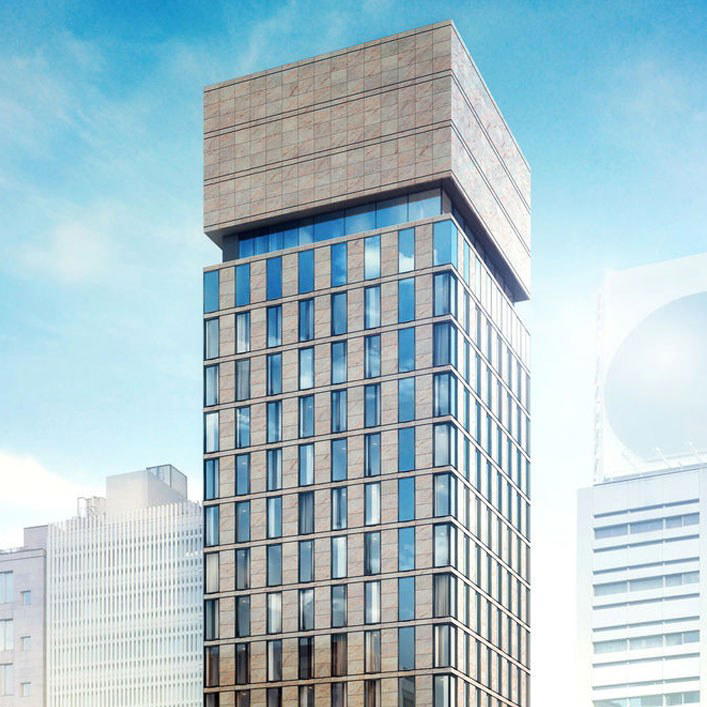
A Ginza Address With Structural Weight
Ginza has been Tokyo's most commercially dense neighbourhood since the Meiji-era brick rebuilding of the 1870s, when the government commissioned a Western-style boulevard to signal Japan's modernising ambitions to foreign visitors arriving from Shimbashi Station. The district has absorbed every subsequent wave of architectural and retail ambition, from department store monumentalism to the glazed-facade flagships that international luxury houses erected in the 2000s. Hotel The Celestine Ginza sits within this layered fabric at 8-4-22 Ginza, in Chuo-ku, on a block where the density of high-end retail reaches its practical ceiling. The address is not incidental: in Tokyo's hotel market, a Ginza location communicates proximity to a specific kind of urban seriousness, distinct from the corporate cluster around Otemachi or the high-concept design belt that runs through Minami-Aoyama.
That selection aligns The Celestine Ginza with a tier of Tokyo hotels that earn recognition through operational quality and location intelligence rather than through flagship amenity packages. For reference, the same Michelin framework places ultra-premium towers like Bvlgari Hotel Tokyo and Aman Tokyo in a different bracket entirely, one defined by private elevator entries, triple-height lobbies, and room rates that price against private residence rentals. The Celestine Ginza operates from a different proposition: a central Ginza address, Michelin recognition, and a format calibrated for the guest who wants the district's access without the overhead of its most capitalised properties.
The Character of Ginza's Hotel Tier
Tokyo's hotel market has bifurcated sharply over the past decade. At one end, a concentration of globally flagged ultra-luxury properties, including Four Seasons Hotel Tokyo at Otemachi, Palace Hotel Tokyo, and JANU Tokyo, competes on floor count, suite dimensions, and branded restaurant programming. At the other, a set of neighbourhood-anchored hotels prioritise location discipline and service consistency over spectacle. The Celestine Ginza belongs to the second group, and its Michelin selection in 2025 confirms that the Guide's assessors found the execution credible within that positioning.
What this means practically is that the property competes on Ginza access and operational reliability rather than on amenity lists. Guests choosing between The Celestine Ginza and a larger-format option nearby are essentially choosing between two different relationships with the city: one that integrates the guest into the neighbourhood's commercial and cultural rhythm, and one that creates a self-contained environment insulated from it. Neither is wrong, but the distinction matters at the planning stage. The Andaz Tokyo and The Capitol Hotel Tokyu occupy adjacent positions in the market, each anchored to a distinct Tokyo district and a coherent local identity.
Ginza on Foot: The Neighbourhood's Strategic Advantages
From 8-chome, the southern end of Ginza where the hotel sits, the district's core retail kilometre runs north toward Ginza Crossing at 4-chome. The walk covers the densest concentration of international flagship stores in Japan, alongside the department anchors: Matsuya, Mitsukoshi, and Itoya, the stationery institution that has occupied its Ginza address since 1904. The neighbourhood's restaurant depth is considerable, from the basement food halls of the department stores to a cluster of long-established tempura and kaiseki counters that have held Michelin recognition for multiple consecutive years. For visitors using the property as a base for broader Tokyo exploration, our full Tokyo restaurants guide maps the dining tier across neighbourhoods.
Ginza also functions as a transit node. The area is served by multiple subway lines, giving direct access to Shinjuku, Shibuya, Roppongi, and Asakusa without interchange. For visitors planning day trips, Shimbashi is walkable from the southern end of Ginza and provides Shinkansen connections onward to properties like HOTEL THE MITSUI KYOTO in Kyoto, or as a staging point before reaching ryokan destinations such as Gora Kadan in Hakone or Fufu Nikko. For those building longer Japan itineraries from a Tokyo base, properties like Amanemu in Mie or Asaba in Izu connect logistically through the same rail network.
Seasonal Considerations for Ginza
The rhythm of Ginza shifts noticeably across the year. Spring brings the largest concentration of international visitors, particularly in late March and early April when cherry blossoms peak in nearby Hibiya Park and along the Imperial Palace moat, both within a twenty-minute walk. Autumn, from late October through November, tends to offer better availability and cooler walking conditions. Summer in Tokyo runs hot and humid from July through August, which compresses the appeal of Ginza's outdoor rhythm, though the district's indoor retail and restaurant concentration makes it more functional in heat than open-air destinations like Yanaka or Shimokitazawa. Booking the hotel well ahead of Golden Week in late April and early May is advisable, as domestic travel demand during that window tightens availability across all Tokyo accommodation tiers.
For travellers extending beyond Tokyo, seasonal alignment matters as much as logistics. Zaborin in Kutchan and Fufu Kawaguchiko near Fuji are oriented toward distinct seasonal windows, while island properties like Halekulani Okinawa and Jusandi in Ishigaki operate leading outside the typhoon months of August and September.
Planning Your Stay
Hotel The Celestine Ginza is located at 8-4-22 Ginza, Chuo-ku, Tokyo, accessible via the Tokyo Metro Hibiya Line at Ginza Station or the Toei Asakusa Line at Higashi-Ginza, the latter being the closer of the two exits. The property holds Michelin Selected status in the 2025 hotel guide, which positions it within a recognised but non-starred tier, appropriate for the guest prioritising neighbourhood access over full-service luxury amenity depth. For travellers building a comparative shortlist, Bellustar Tokyo offers a contrasting high-floor design approach in Shinjuku, while properties like Nishimuraya Honkan in Kinosaki-cho, Kamenoi Besso in Yufu, Sekitei in Hatsukaichi-shi, and Benesse House in Naoshima represent the traditional and art-focused ends of the Japanese accommodation spectrum for those building wider itineraries. International comparisons in the Michelin Selected tier include The Fifth Avenue Hotel in New York City, Badrutt's Palace Hotel in St. Moritz, and Hôtel de Paris Monte-Carlo, all properties where address and heritage carry as much weight as room specification.
Comparable Spots
Comparable venues nearby, for context on price, style, and recognition.
| Venue | Cuisine | Price | Awards | Notes |
|---|---|---|---|---|
| Hotel The Celestine GinzaThis venue — the venue you are viewing | Destination-style hotel emphasizing elegance, quietude, and locality-inspired hospitality | $300–500 | Michelin Selected | Not listed |
| The Blossom Hibiya | High-rise urban hotel with panoramic views and premium positioning. | Not listed | Michelin Selected | Minato |
| Mitsui Garden Hotel Ginza Premier | Modern luxury tower hotel polished above Ginza with panoramic city views. | $200–300 | Michelin Selected | Ginza |
| THE GATE HOTEL Kaminarimon by HULIC | Contemporary design blending historic charm with modern elegance | $100–200 | Not listed | Taitō |
| MOXY Tokyo Kinshicho | Trendy lifestyle boutique hotel with urban social vibe | Not listed | Michelin Selected | Sumida |
| Grand Nikko Tokyo Daiba | Urban resort-style hotel with bayside relaxation in Odaiba. | Not listed | Forbes Recommended · Preferred Hotels Member | Minato |
Recognition history
Dated appearances from independent guides and award organizations, with the underlying list record or original source where available.
Michelin Selected
Michelin
Continue exploring
More in Tokyo
Hotels in Tokyo
Browse all →

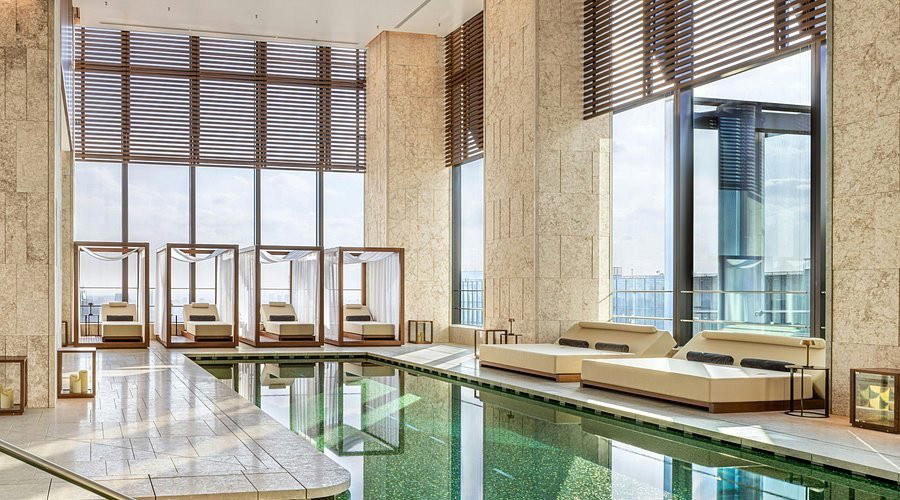
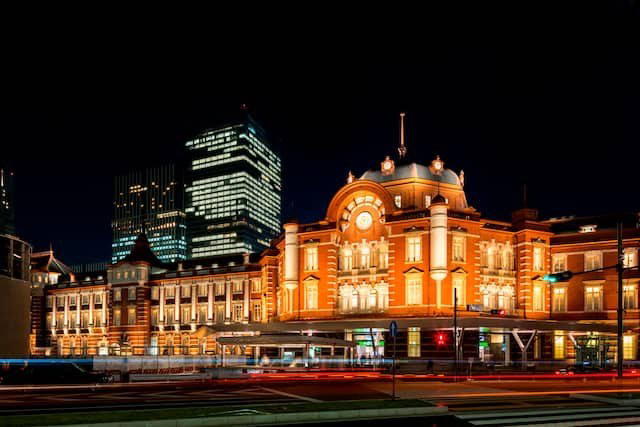
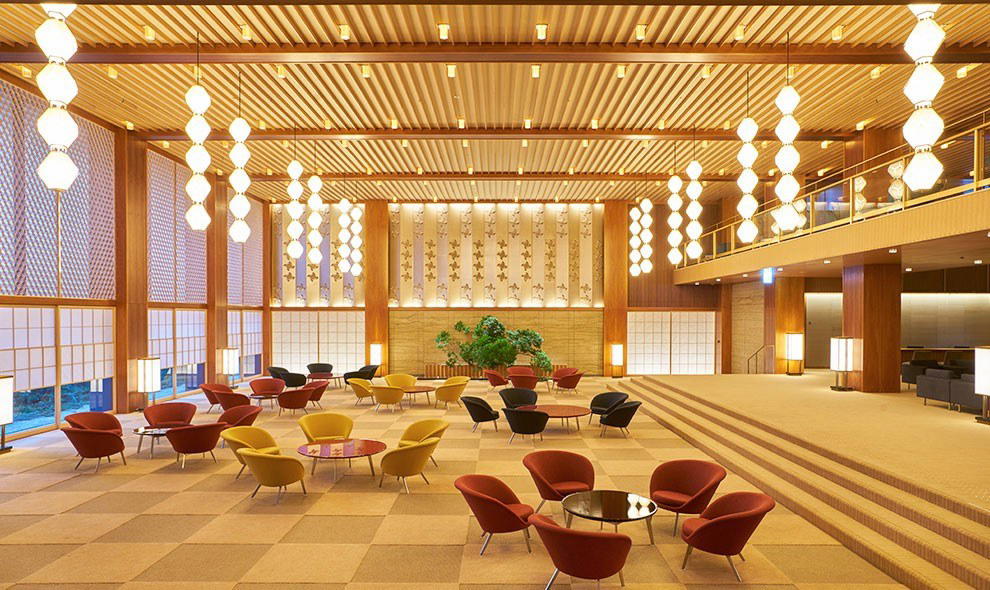
Bars in Tokyo
Browse all →



Restaurants in Tokyo
Browse all →


Details
- Elegant
- Sophisticated
- Quiet
- Modern
- Business Trip
- Romantic Getaway
- Weekend Escape
- Historic Building
- Wi Fi
- Restaurant
- Concierge
- Room Service
- Luggage Storage
- Street Scene
- Wheelchair Accessible
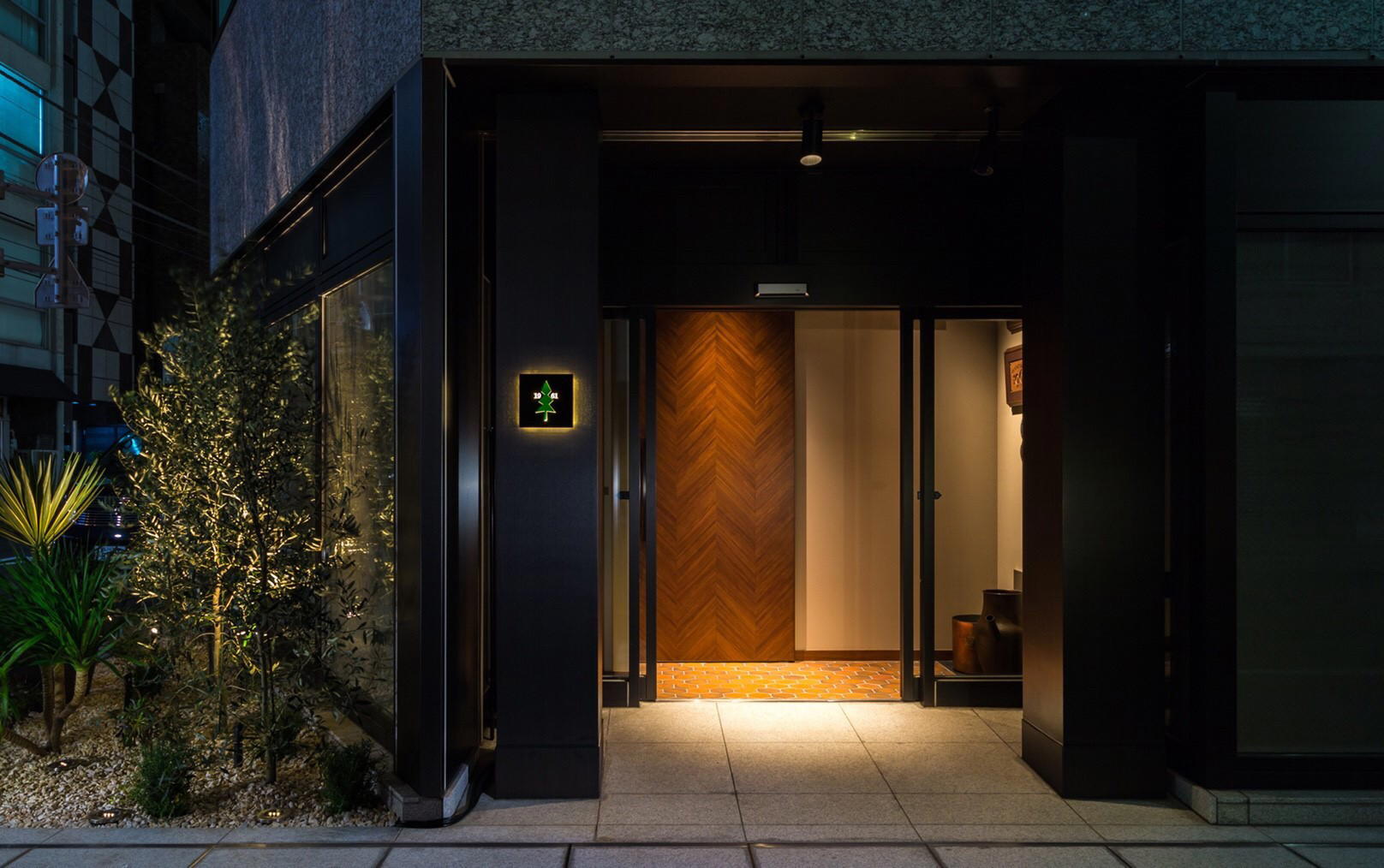
Elegant yet relaxed atmosphere with simple design, carefully choreographed light and shadow, and subtle luxury creating a tranquil urban oasis.