THE GATE HOTEL Kaminarimon by HULIC sits directly adjacent to Asakusa's Kaminarimon gate, offering rooftop views over Senso-ji and the Tokyo Skytree that few addresses in the neighbourhood can match. Operated by HULIC under a location-led design format, the property places guests inside one of Tokyo's most historically active districts, with multiple rail connections at Asakusa station providing access across the wider city.

Pearl is the En Primeur Club membership app — saves, bookings, and concierge access live there. Same editors, same standards.
- Address
- Japan, 〒111-0034 Tokyo, Taito City, 台東区Kaminarimon, 2 Chome−16−11 ザ・ゲートホテル
- Phone
- +81 3 5826 3877
- Website
- gate-hotel.jp
- Directions
- Get directions
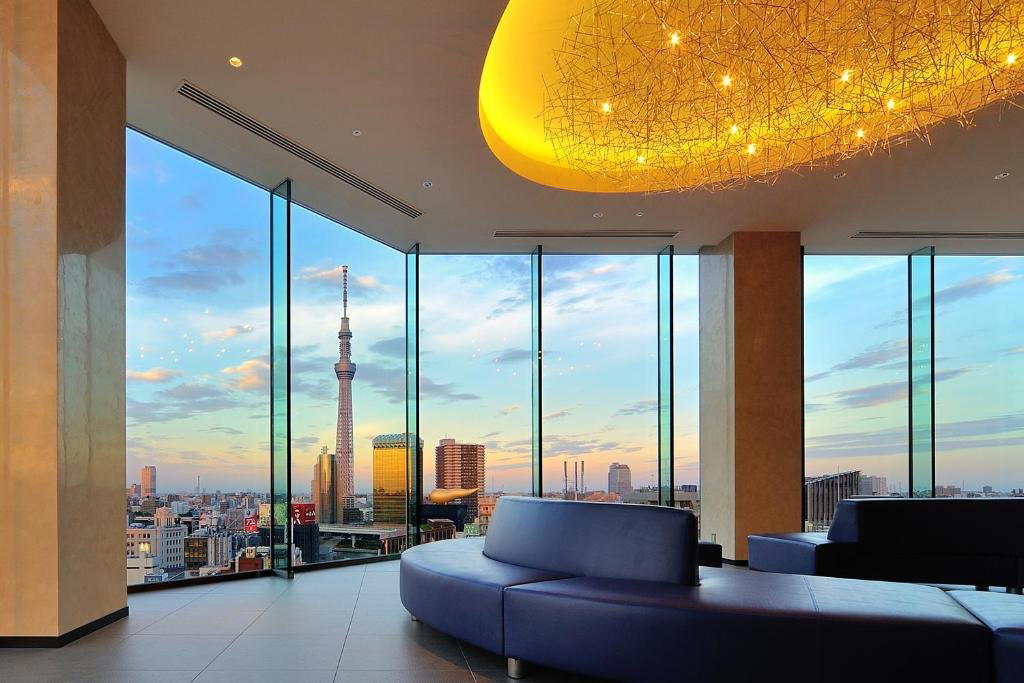
Kaminarimon, From Above
Tokyo's Asakusa district contains one of the city's most photographed single objects: the Kaminarimon gate, with its massive red lantern marking the entrance to Nakamise-dori and, beyond it, Senso-ji temple. Most visitors encounter it from street level, moving through it in both directions. THE GATE HOTEL Kaminarimon by HULIC offers a different vantage point — literally overhead — placing guests in a position where the gate becomes foreground rather than destination. That shift in perspective, from tourist to observer, is the hotel's most coherent editorial argument. In a neighbourhood that receives millions of visitors annually yet retains a working residential and artisan character, a rooftop view changes the terms of engagement with the area entirely.
The Address as Architecture
Asakusa occupies a particular position in Tokyo's hotel geography. The area sits east of the Sumida River and north of the Ueno museum corridor, which puts it outside the central business and luxury hotel clusters concentrated around Marunouchi, Roppongi, and Minato. Hotels like Bvlgari Hotel Tokyo, Aman Tokyo, JANU Tokyo, Four Seasons Hotel Tokyo at Otemachi, and Palace Hotel Tokyo anchor the city's prestige business district tier. Asakusa does not compete on that axis. What the neighbourhood offers instead is density of a different kind: traditional craft shops, long-running tempura and eel restaurants, rickshaw operators, and a street-level pace that reads closer to Meiji-era Tokyo than to the glass towers of Shinjuku or the designer retail of Ginza.
For the hotel, this address is functional rather than aspirational in the conventional luxury sense. Senso-ji sits within walking distance. The Tokyo Skytree, visible from the rooftop, is a short walk or a single stop on the Tobu Skytree Line. Ueno Park, with its cluster of national museums, is accessible by foot or a brief subway ride. The Asakusa station interchange connects directly to Narita Airport via the Keisei Skyliner, which makes the location more logistically coherent for arrivals than its slightly peripheral feel might suggest.
Rooftop Position and Seasonal Timing
The hotel's rooftop bar and lounge area functions as the property's primary experiential asset, and the address makes this possible in a way few Tokyo locations can replicate. The Kaminarimon gate and the approach to Senso-ji are visible from above, which transforms the standard rooftop bar format into something with genuine specificity. In spring, the cherry blossoms at Sumida Park, a short walk along the river, draw large crowds, and the rooftop offers a vantage point above the street-level congestion. In autumn, the light across the low-rise Asakusa roofscape turns warm and flat in the late afternoon, making early evening the preferred viewing window. Winter evenings bring the Nakamise lanterns into sharper contrast against the dark sky, and the Senso-ji precinct is substantially quieter after dark once the day-trip crowds have cleared.
For visitors planning around Japan's main travel seasons, Asakusa experiences its heaviest foot traffic during Golden Week in early May and during the Sanja Matsuri festival in mid-May, when one of Tokyo's largest traditional festivals fills the streets around Senso-ji with portable shrines and tens of thousands of participants. Booking accommodation during festival weekends typically requires more lead time than standard periods, and the neighbourhood's energy during those days is categorically different from ordinary weekends.
Where This Hotel Sits in Tokyo's Design Hotel Tier
HULIC, the property group behind the hotel, operates primarily as a real estate and property development company in Japan. The Gate Hotel brand represents the group's foray into design-led urban accommodation, positioning the properties around location specificity rather than amenity scale. This places the Kaminarimon property in a different competitive tier than the large international luxury brands in central Tokyo. A more useful comparison set includes character-led urban hotels that trade on neighbourhood access and view positions rather than extensive facilities footprints. The Capitol Hotel Tokyu and Andaz Tokyo represent a mid-tier between full international luxury and this type of location-led design property. Bellustar Tokyo, A Pan Pacific Hotel, with its rooftop emphasis in Shinjuku, offers a partial parallel in format if not in neighbourhood character.
For travellers whose priority is immersion in a historically layered part of the city rather than proximity to business districts or high-end retail, the Asakusa address delivers something the central luxury properties do not. Asakusa at 7am, before the tour groups arrive, is a different city. The neighbourhood's working rhythms, the smell of ningyo-yaki being prepared on Nakamise-dori, the sound of the temple bell, the rickshaw operators setting up along the main approach, these are not amenities a hotel can manufacture. They come with the postcode.
Planning a Stay: Practical Orientation
The hotel's address at 2 Chome-16-11 Kaminarimon places it within the dense grid of streets immediately south of Senso-ji. Asakusa station, served by the Tokyo Metro Ginza Line, the Tobu Skytree Line, and the Tsukuba Express, sits nearby, making onward connections across central Tokyo direct. For those travelling from Haneda Airport, the Keikyu Line connects to Asakusa with a transfer at Sengakuji, typically under 45 minutes depending on the connection. From Narita, the Keisei Skyliner to Ueno and then the Ginza Line to Asakusa is the most direct route.
Given the hotel's rooftop as its main experiential draw, room selection with higher floor positions or views toward Senso-ji and the Skytree is worth considering when booking. The neighbourhood itself warrants at least two full days for anyone interested in exploring beyond Nakamise-dori: the Sumida River walk north toward Mukojima, the backstreet craft shops of Kappabashi (Tokyo's kitchen supply district), and the Yanaka neighbourhood further west all reward slower exploration. Readers planning a wider Japan itinerary can find further reference in our coverage of HOTEL THE MITSUI KYOTO in Kyoto, Gora Kadan in Hakone, Amanemu in Mie, Asaba in Izu, Benesse House in Naoshima, ENOWA Yufu in Yufu, Fufu Kawaguchiko in Fujikawaguchiko, Fufu Nikko in Nikko, Halekulani Okinawa in Okinawa, Jusandi in Ishigaki, Nishimuraya Honkan in Kinosaki-cho, Sekitei in Hatsukaichi-shi, and Zaborin in Kutchan. For those comparing across our full Tokyo hotel and restaurant coverage, our full Tokyo restaurants guide maps the city's dining and hospitality options by neighbourhood and category.
| Venue | Cuisine | Price | Awards |
|---|---|---|---|
| THE GATE HOTEL Kaminarimon by HULICThis venue — the venue you are viewing | This venue | $100–200 | Not listed |
| Bvlgari Hotel Tokyo | Not listed | Not listed | 3 Michelin Keys · World's 50 Best #24 |
| Aman Tokyo | Not listed | Not listed | 2 Michelin Keys · World's 50 Best #11 |
| Four Seasons Hotel Tokyo at Otemachi | Not listed | Not listed | 3 Michelin Keys · La Liste Top Hotels |
| Palace Hotel Tokyo | Not listed | Not listed | 3 Michelin Keys · World's 50 Best #73 |
| Andaz Tokyo | Not listed | $300–500 | 1 Michelin Key |
Continue exploring
More in Tokyo
Hotels in Tokyo
Browse all →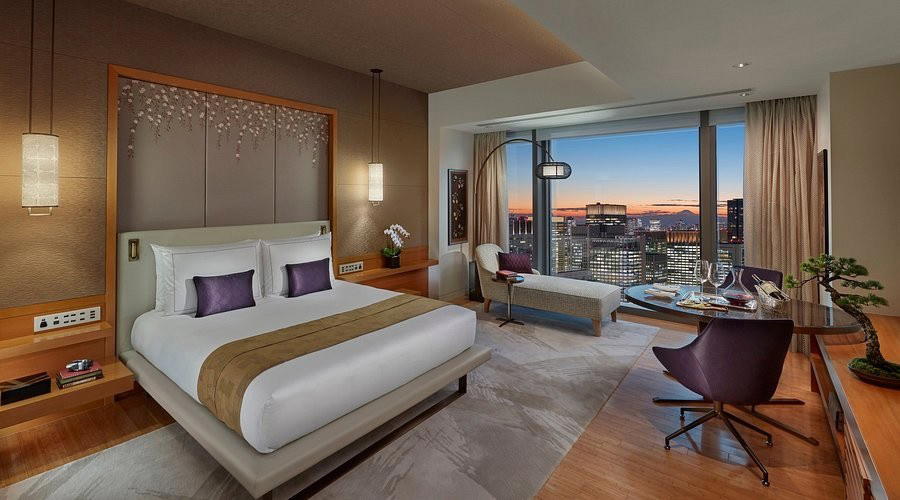
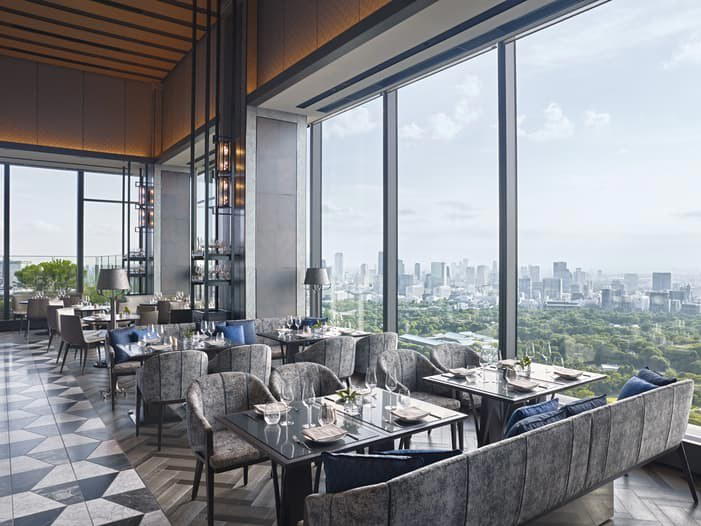
Bars in Tokyo
Browse all →

Restaurants in Tokyo
Browse all →



Details
- Modern
- Elegant
- Minimalist
- Scenic
- Romantic Getaway
- Business Trip
- Weekend Escape
- Rooftop Pool
- Historic Building
- Panoramic View
- Terrace
- Wi Fi
- Concierge
- Room Service
- Skyline
- Street Scene
- Step Free Entrance
Sleek minimalist interiors with dark tones, abstract art, and elegant lighting creating a sophisticated, relaxing atmosphere.