

Forbes 4-Star · Preferred Hotels L.V.X. Collection
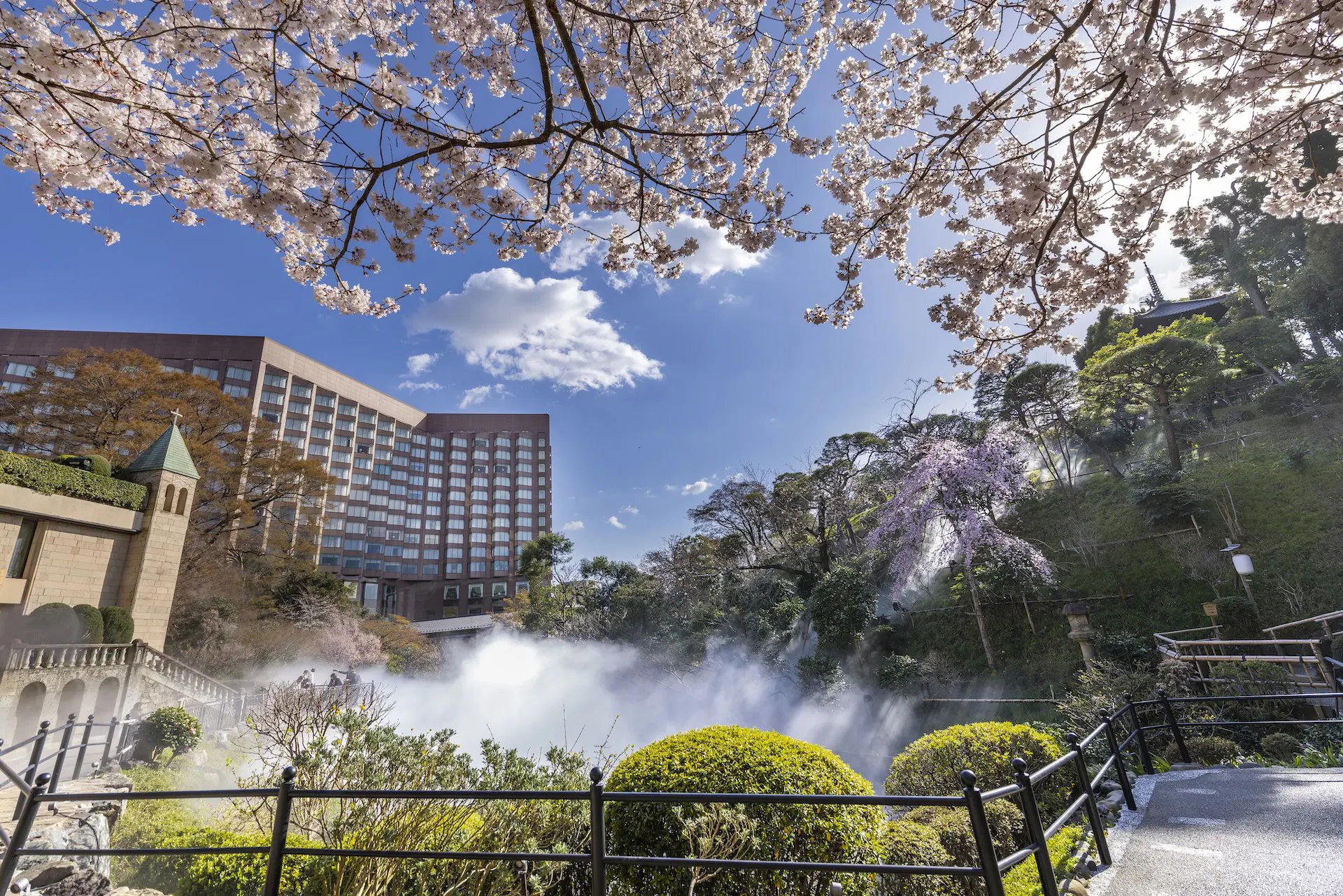
Hotel Chinzanso Tokyo occupies one of central Tokyo's few surviving historic gardens, a seven-century-old landscape of cherry blossoms, a Shinto shrine, and a traditional tea room framing 267 rooms in Bunkyo City. Within a city that rarely trades green space for hospitality, the property sits in a category apart from the high-rise hotel blocks that define much of Tokyo's luxury tier.

Pearl is the En Primeur Club membership app, where members save venues, book tables and use the concierge.
A Garden That Predates the Hotel by Centuries
Most of Tokyo's luxury hotel stock is vertical by necessity. The city's land constraints push premium properties upward, producing the skyline-oriented formats seen at Aman Tokyo, Four Seasons Hotel Tokyo at Otemachi, and Andaz Tokyo, where altitude substitutes for ground-level space. Hotel Chinzanso Tokyo inverts that logic entirely. Its most significant asset is horizontal: a 700-year-old Japanese garden in Bunkyo City that surrounds the property with cherry blossoms, a working Shinto shrine, and a traditional tea room. In a city where inner-city parkland of this age and scale simply does not appear in hotel portfolios, that distinction carries real weight.
The Chinzanso garden has its own historical arc, separate from the hotel built within and around it. The land passed through the hands of Meiji-era nobility before being developed as an event and hospitality venue in the twentieth century. The hotel that stands today, 267 rooms across a complex that has been significantly updated and repositioned over the decades, is the latest chapter in a site whose identity has always been shaped by the garden rather than the building.
How the Property Has Repositioned Over Time
The evolution angle at Chinzanso is less about a single dramatic reinvention and more about the sustained challenge of keeping a heritage-site property commercially relevant without erasing the qualities that make it distinctive. Hotels built around fixed natural or cultural assets face a particular tension: the garden cannot be expanded or redesigned to follow hospitality trends, so the rooms, restaurants, and services have had to do the adapting.
Fujita Kanko, the Japanese hospitality company behind the property, has invested in successive rounds of renovation to bring the guestroom product closer to what the international luxury market now expects while preserving the garden's integrity. The result is a hotel that reads as a hybrid: the physical setting is pre-modern, the service infrastructure and room specifications aim for contemporary luxury standards.
The property's banqueting heritage is also part of this story. Chinzanso built its reputation partly through weddings and large-format events held against the garden backdrop, a revenue model common to Japan's grand urban hotels of the mid-twentieth century. As that market has shifted, the property has worked to attract international leisure travellers and corporate guests who want the garden experience without the event-venue framing. That repositioning is ongoing.
The Garden as the Central Argument
Across Japan, the relationship between hospitality and landscape is well established. Properties like Amanemu in Mie, Zaborin in Kutchan, and Benesse House in Naoshima each situate the guest within a landscape that does the primary atmospheric work. Chinzanso makes the same argument from inside the capital. The garden's seasonal calendar is the hotel's programme: cherry blossom in spring, firefly evenings in early summer (the property is one of the few Tokyo venues that maintains conditions for firefly viewing), autumn foliage, and moss formations that persist year-round.
Cherry blossom season, typically late March through early April, is the property's most heavily booked window, and travellers targeting that period should factor in lead times accordingly. The garden's coverage of blossoms is substantial enough that the experience differs meaningfully from street-level hanami in public parks. The enclosed garden setting and the presence of the shrine give the season a different register.
Positioning Within Tokyo's Luxury Hotel Set
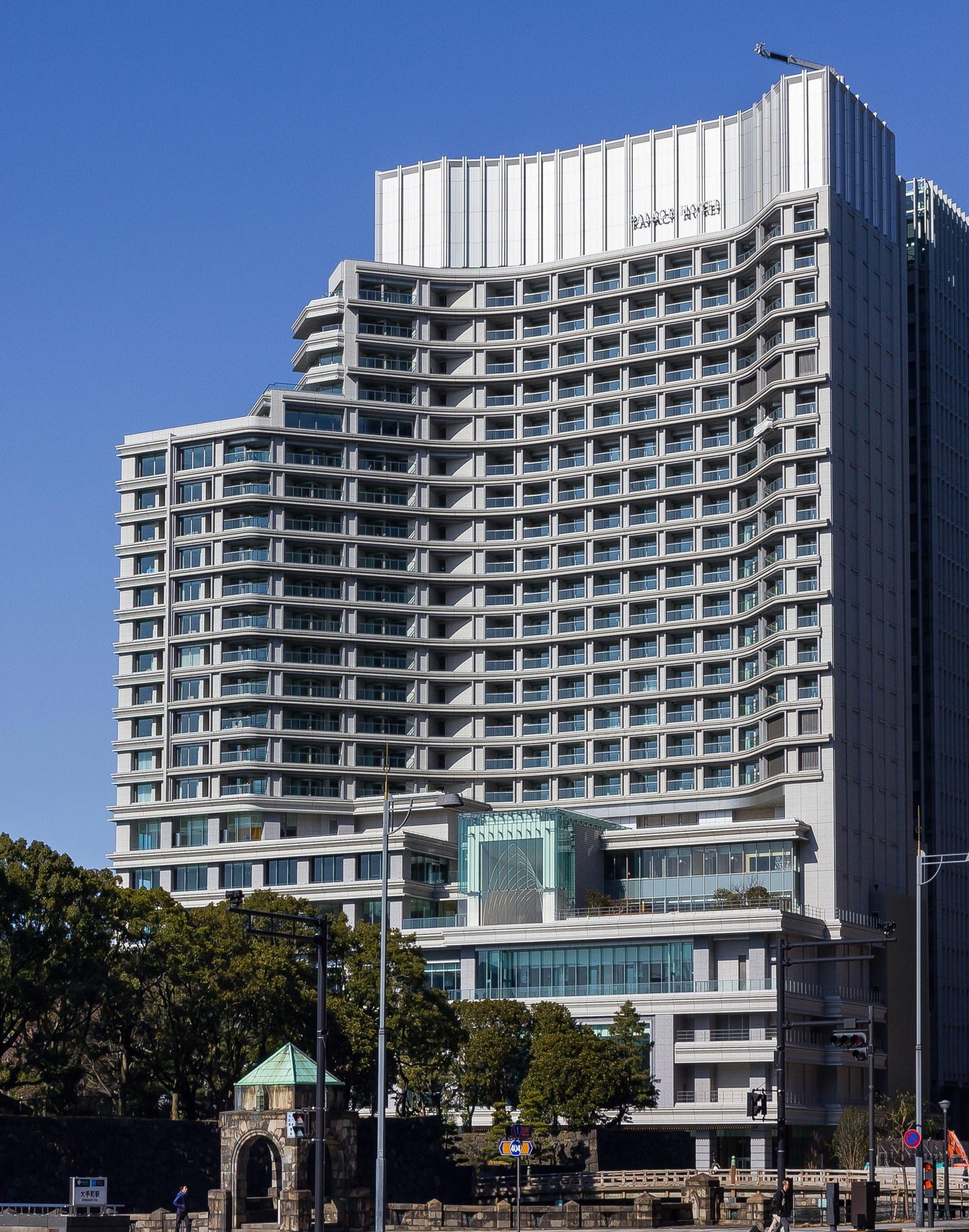
Tokyo's premium hotel market has segmented further in recent years. At one end sit the ultra-concentrated, design-forward properties with minimal keys and maximum price compression. At the other, large heritage or grand-format hotels with deeper room counts that trade on history, space, and setting. Palace Hotel Tokyo and The Capitol Hotel Tokyu operate in a comparable register in terms of scale and city-centre positioning, though their landscape contexts differ. Chinzanso's 267-room count places it in that larger-format tier, where the product proposition depends less on architectural exclusivity and more on what the surrounding environment delivers.
For travellers weighing options across Japan's broader premium ryokan circuit, properties like Nishimuraya Honkan in Kinosaki-cho, Fufu Kawaguchiko in Fujikawaguchiko, or Fufu Nikko in Nikko offer landscape immersion with a more traditional hospitality format. Chinzanso's value is that it delivers a version of that garden-centred experience without requiring the traveller to leave the capital. For itineraries where Tokyo is a fixed anchor rather than a transit point, that matters.
For those building an international trip that includes Tokyo, it is worth comparing the property against similarly garden-conscious city hotels globally. Aman Venice offers an analogous logic in a different cultural context: historic grounds, significant architectural heritage, a hotel operation that is secondary to the setting. The category is small, and Chinzanso holds a defensible position within it. See our full Tokyo restaurants and hotels guide for broader context on the capital's hospitality market.
Planning Your Stay
Hotel Chinzanso Tokyo sits in Bunkyo City, a residential district north-west of central Tokyo that is quieter and less tourist-dense than Shinjuku or Shibuya. The address at 2-chōme-10-8 Sekiguchi is accessible by taxi from major transport hubs, and the area's relative calm is part of what makes the property feel removed from the city without being remote. For the spring cherry blossom window or early summer firefly season, reservations should be secured well in advance; these are the property's peak demand periods and the 267 rooms fill across both leisure and event-driven bookings. Rooms with direct garden views carry the clearest argument for the property's core offer, and choosing those over city-facing alternatives is the more coherent decision given why most guests select Chinzanso over the tower-format alternatives in Bellustar Tokyo or elsewhere.
For travellers extending their Japan itinerary, properties on the island circuit such as Halekulani Okinawa, Jusandi in Ishigaki, or ENOWA Yufu in Yufu offer distinct landscape propositions further afield. Those planning a Kyoto leg will find HOTEL THE MITSUI KYOTO operates in a similar heritage-site idiom. And for those curious about what comparable city-hotel ambition looks like in entirely different markets, The Fifth Avenue Hotel in New York City and Aman New York each make their own cases for how historic buildings anchor a luxury proposition in dense urban settings. Sekitei in Hatsukaichi-shi rounds out the Japan comparison set for garden-conscious stays outside the major cities.
Pricing, Compared
Comparable venues nearby, for context on price, style, and recognition.
| Venue | Price | Awards | Notes |
|---|---|---|---|
| Hotel Chinzanso TokyoThis venue (the venue you are viewing) | Not listed | Forbes 4-Star · Preferred Hotels L.V.X. Collection | Not listed |
| Hotel Toranomon Hills (ホテル虎ノ門ヒルズ) | $300–500 | Not listed | Toranomon, Luxury design hotel positioned as a cosmopolitan retreat for business travelers and experienced guests seeking Japanese-Scandinavian aesthetic fusion. |
| mesm Tokyo, Autograph Collection | Not listed | Michelin Selected · Star Wine List | Minato, Artistic luxury hotel blending music, performing arts, and Japanese culture in a waterfront setting. |
| Grand Nikko Tokyo Daiba | Not listed | Forbes Recommended · Preferred Hotels Member | Minato, Urban resort-style hotel with bayside relaxation in Odaiba. |
| Azabudai Hills | $1,000–1,500 | Not listed | Minato, contemporary urban village luxury |
| Imperial Hotel Tokyo | Not listed | La Liste Top Hotels · Leading Hotels of World Member | Chiyoda, Classic luxury heritage property with modern amenities |
Recognition history
Dated appearances from independent guides and award organizations, with the underlying list record or original source where available.
Forbes 4-Star
Forbes
Preferred Hotels L.V.X. Collection
Preferred Hotels
Hotel Chinzanso Tokyo
Featured Guides
Continue exploring
More in Tokyo
Hotels in Tokyo
All hotels in Tokyo →


Bars in Tokyo
All bars in Tokyo →




Details
- Elegant
- Sophisticated
- Scenic
- Romantic
- Romantic Getaway
- Wellness Retreat
- Anniversary
- Business Trip
- Family Vacation
- Destination Spa
- Garden
- Terrace
- Panoramic View
- Historic Building
- Private Dining
- Wi Fi
- Pool
- Spa
- Fitness Center
- Room Service
- Concierge
- Business Center
- Valet Parking
- EV Charging
- Sauna
- Restaurant
- Bar
- Garden
- Skyline
- Wheelchair Accessible
- Elevator
- Accessible Restroom
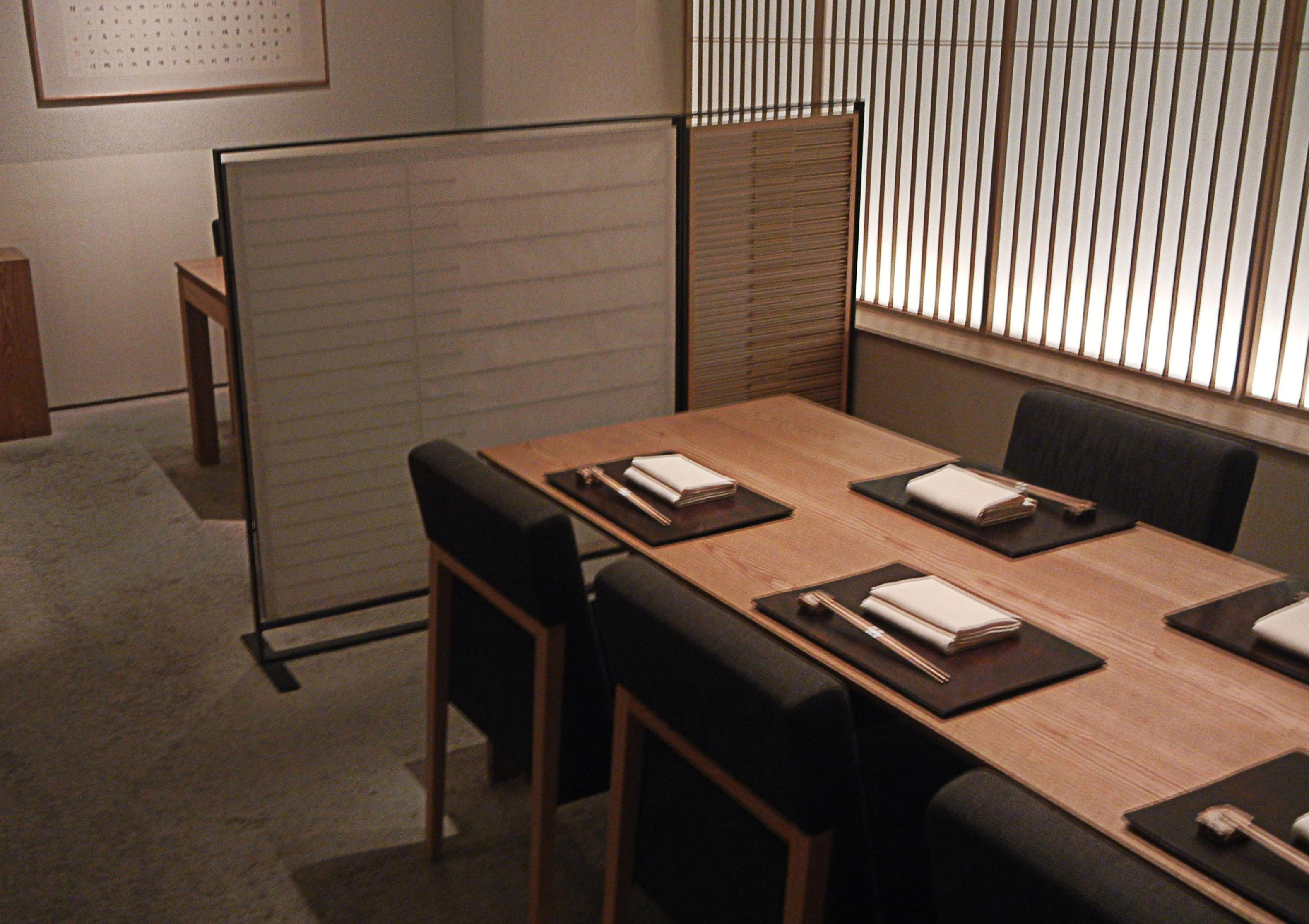
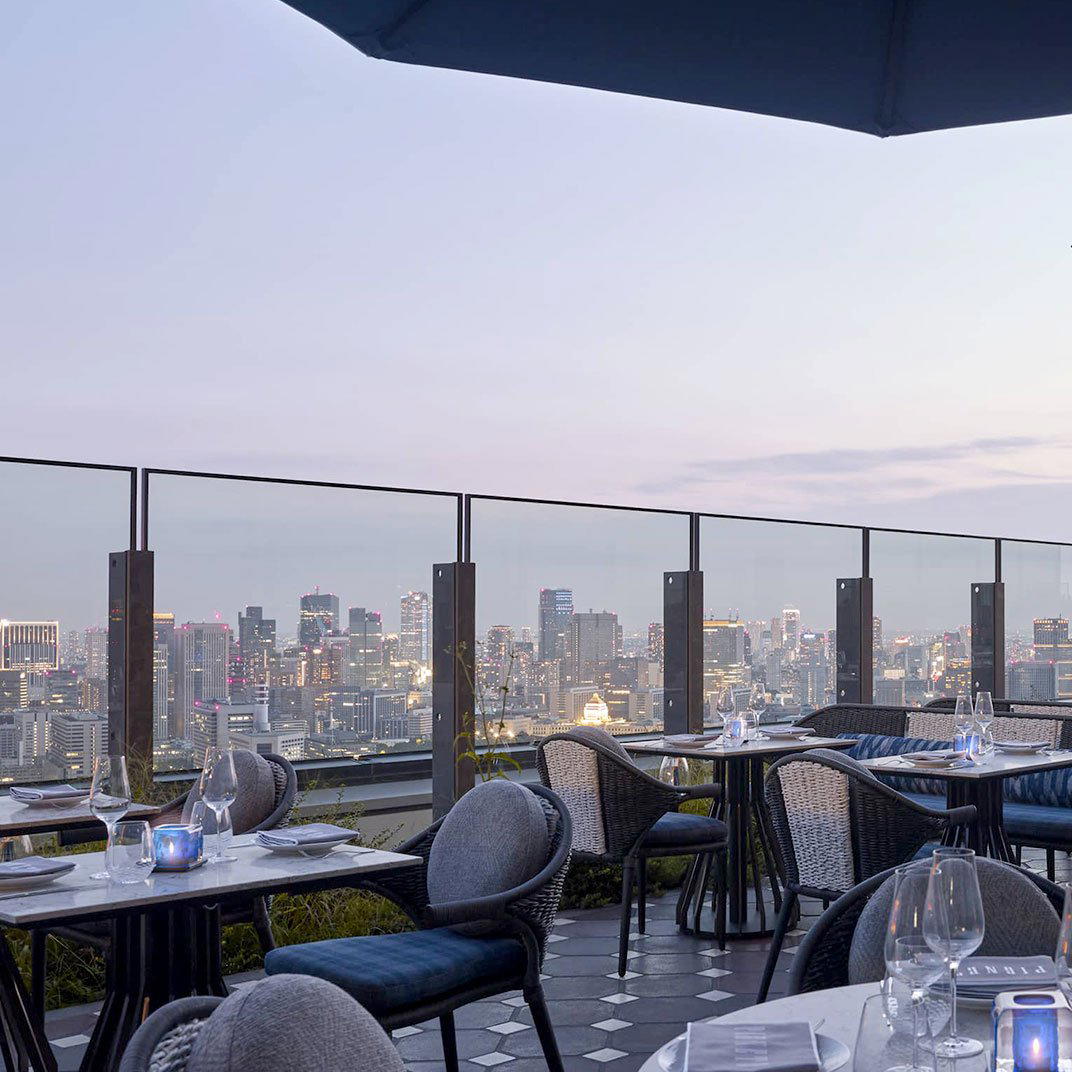
Serene and refined with natural light throughout spa facilities, elegant European-Japanese design blending, warm wooden accents in treatment rooms, and panoramic views of manicured gardens and Tokyo skyline.