Distilleria Romano Levi is a grappa producer in Neive, Piedmont. Operating from Via XX Settembre in the Langhe hills, the distillery holds a place in Italian artisan spirits culture that few producers in the region can match. Its hand-labelled bottles have become reference points for collectors and spirits historians across Italy.

Pearl is the En Primeur Club membership app — saves, bookings, and concierge access live there. Same editors, same standards.
- Address
- Via XX Settembre, 91, 12052 Neive CN
- Phone
- +390173677139
- Website
- distilleriaromanolevi.com
- Directions
- Get directions
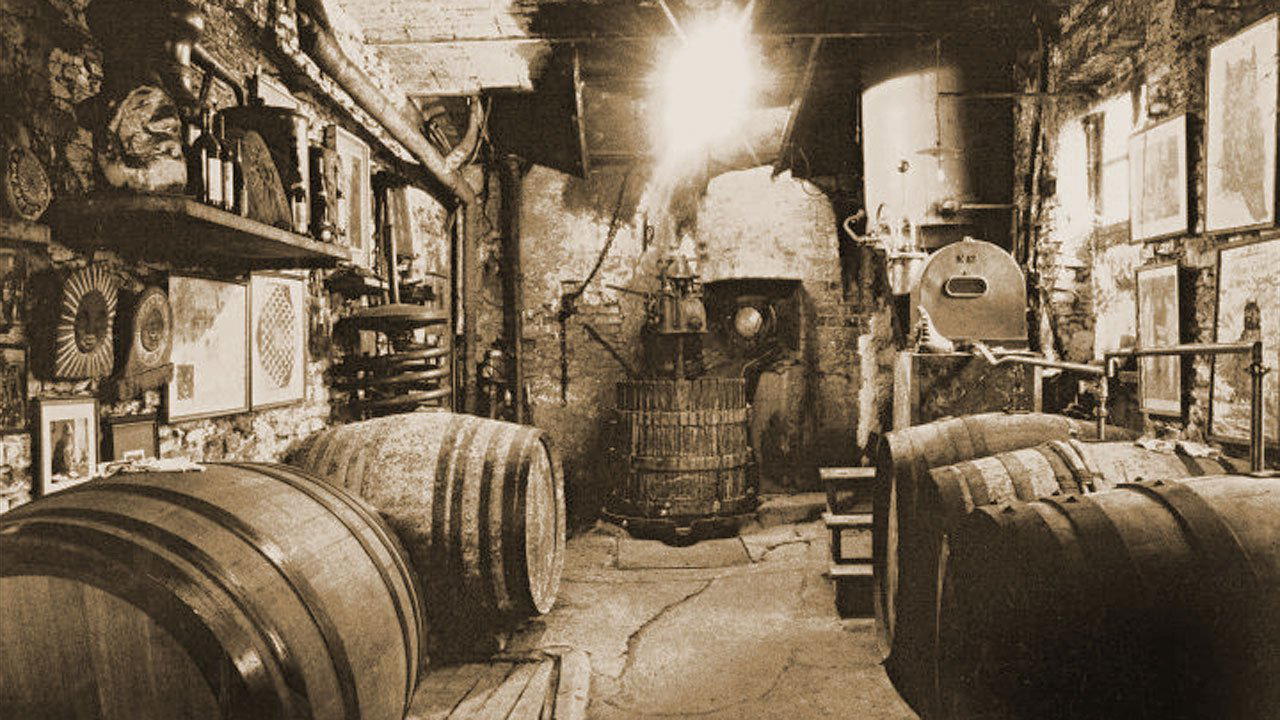
Where Piedmont's Grappa Tradition Runs Deepest
The village of Neive sits in the Langhe hills above Alba, surrounded by Barbaresco vineyards and a wine culture so entrenched that the local distilling tradition is easy to overlook. It shouldn't be. The pomace left after Nebbiolo and Moscato fermentations has fed small Piedmontese distilleries for generations, producing grappa of a character quite different from the neutral industrial spirit that once dominated Italian exports. For context on the broader Italian artisan spirits scene, producers like Nonino Distillery in Pavia di Udine and Poli Distillerie in Schiavon (Vicenza) have brought national and international attention to the category, but the Levi name carries a different kind of weight: folkloric, localised, and almost entirely driven by word of mouth and collector culture.
The Langhe as a Spirits Terroir
To understand what Distilleria Romano Levi represents, it helps to understand Neive's position in Piedmontese viticulture. The town is one of four communes within the Barbaresco DOCG, alongside Barbaresco itself, Treiso, and San Rocco Seno d'Elvio. Nebbiolo grown here tends toward aromatic precision and relatively high acidity compared to Barolo, and the pomace from these vineyards carries those same aromatic signatures into distillation. Grappa made from Barbaresco pomace is, by its nature, more fragrant and less phenolic than pomace-based spirits from further south in the Langhe. This distinction matters when assessing how Levi's output relates to the broader grappa category.
The Piedmontese distilling tradition is also geographically compressed. Unlike Nonino in Friuli or Distilleria Marzadro in Nogaredo in Trentino, which operate with a degree of industrial scale alongside artisan lines, the Langhe's small distilleries have historically served local markets and a tight network of collectors. Scale was never the ambition. The Levi distillery fits that model: deliberately contained, locally grounded, and resistant to the kind of brand-building that large Italian producers like Campari in Milan have pursued over the past two decades.
Handmade Labels and the Collector's Market
The physical object matters here in a way it doesn't for most spirits. Romano Levi's bottles are hand-labelled with drawings made by the distiller himself, depicting figures, animals, and pastoral scenes in a naive folk-art style. Each label is original, meaning no two bottles are identical. This practice, sustained over decades, transformed Levi grappa from a regional digestivo into a collector's category of its own. The bottles circulate at auction and among private collectors in Italy, Germany, and Switzerland, priced not primarily by the spirit inside but by the rarity and visual character of the label. This collector dynamic positions Levi grappa differently from estate wines like Bruno Giacosa in the Langhe or Aldo Conterno in Monforte d'Alba, where the premium is tied to vintage and viticulture. For Levi, provenance means something more personal and harder to replicate.
Artisan spirits market in Italy has developed a tier of producers whose value is built on this kind of irreproducibility. Compare the Levi model to how estates like Castello di Volpaia in Radda in Chianti or Planeta in Menfi have built their identities through place and grape variety, and the contrast is clear: those producers can increase output without fundamentally changing their proposition. A hand-labelled artisan distillery cannot. Scarcity is structural, not manufactured.
Distillation Philosophy and What It Produces
Italian grappa falls along a broad spectrum from light, almost vodka-adjacent neutral spirits to heavily aromatic, aged products with tannic depth. Piedmontese grappa from aromatic varietals like Moscato and the Nebbiolo family tends toward the fragrant end of that range, and small-batch alembic distillation preserves more of the pomace's native character than continuous column distillation. The production philosophy at Distilleria Romano Levi has always prioritised that native character: the pomace is sourced fresh from local wineries immediately after pressing, keeping fermentation consistent and the aromatic profile intact. The result is grappa with a pronounced floral quality alongside the earthier, dried-fruit notes that characterise aged Nebbiolo pomace spirits.
Collectors and spirits writers have drawn comparisons between Levi grappa and the kind of low-intervention winemaking that defines the top tier of the Langhe's wine culture. In the same way that estates like Lungarotti in Torgiano or Poggio Antico in Monte San Vito argue for minimal intervention in the cellar to let terroir speak, the Levi approach argues for minimal intervention in distillation.
Planning a Visit to Neive
Neive is accessible by car from Alba in under twenty minutes, and the village itself is compact and walkable within the medieval centre. The distillery address at Via XX Settembre 91 is in the lower part of the town. Visiting Distilleria Romano Levi has historically required direct contact rather than online booking infrastructure, and given the distillery's approach to scale and publicity, this remains the recommended method. The surrounding Langhe wine country offers parallel visits to producers whose work contextualises the grappa tradition: the Barbaresco and Barolo zones are both within easy reach. For a broader picture of where Distilleria Romano Levi sits within Neive's eating and drinking scene, see our full Neive restaurants guide. For context on how Italian premium producers across categories are rated and positioned at a national level, the pages for Ca' del Bosco in Erbusco and Accendo Cellars in St. Helena illustrate the range of production philosophies that earn top-tier recognition. L'Enoteca Banfi in Montalcino provides another reference point for how Tuscan producers have formalised their visitor infrastructure compared to the more informal Piedmontese model that Levi represents.
Price and Positioning
Comparable venues nearby, for context on price, style, and recognition.
| Venue | Cuisine | Awards | Notes |
|---|---|---|---|
| Distilleria Romano LeviThis venue — the venue you are viewing | Neive, Nebbiolo, Barbera | Not listed | Not listed |
| Bruno Giacosa | Neive, Nebbiolo, Arneis | Falstaff Winery - Listed | Not listed |
| Cavallotto | Castiglione Falletto, Nebbiolo, Barbera | Falstaff Winery - 5 Stars | Not listed |
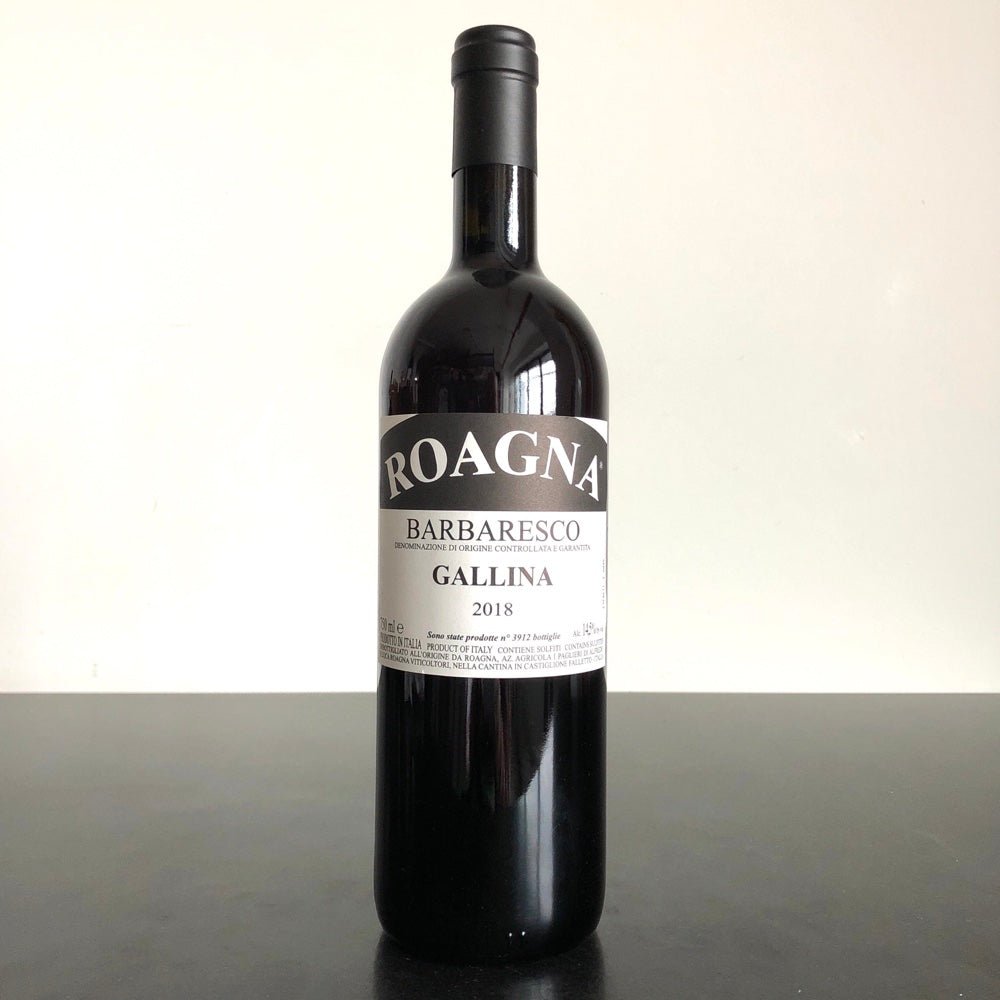
| Roagna | Barbaresco, Nebbiolo, Dolcetto | Not listed | Not listed |
| Fratelli Francoli | Ghemme, Nebbiolo, Vespolina | Not listed | Not listed |
| Distillerie Berta | Not listed | Not listed | Casalotto di Mombaruzzo, Barbera, Nebbiolo |
Continue exploring
More in Neive
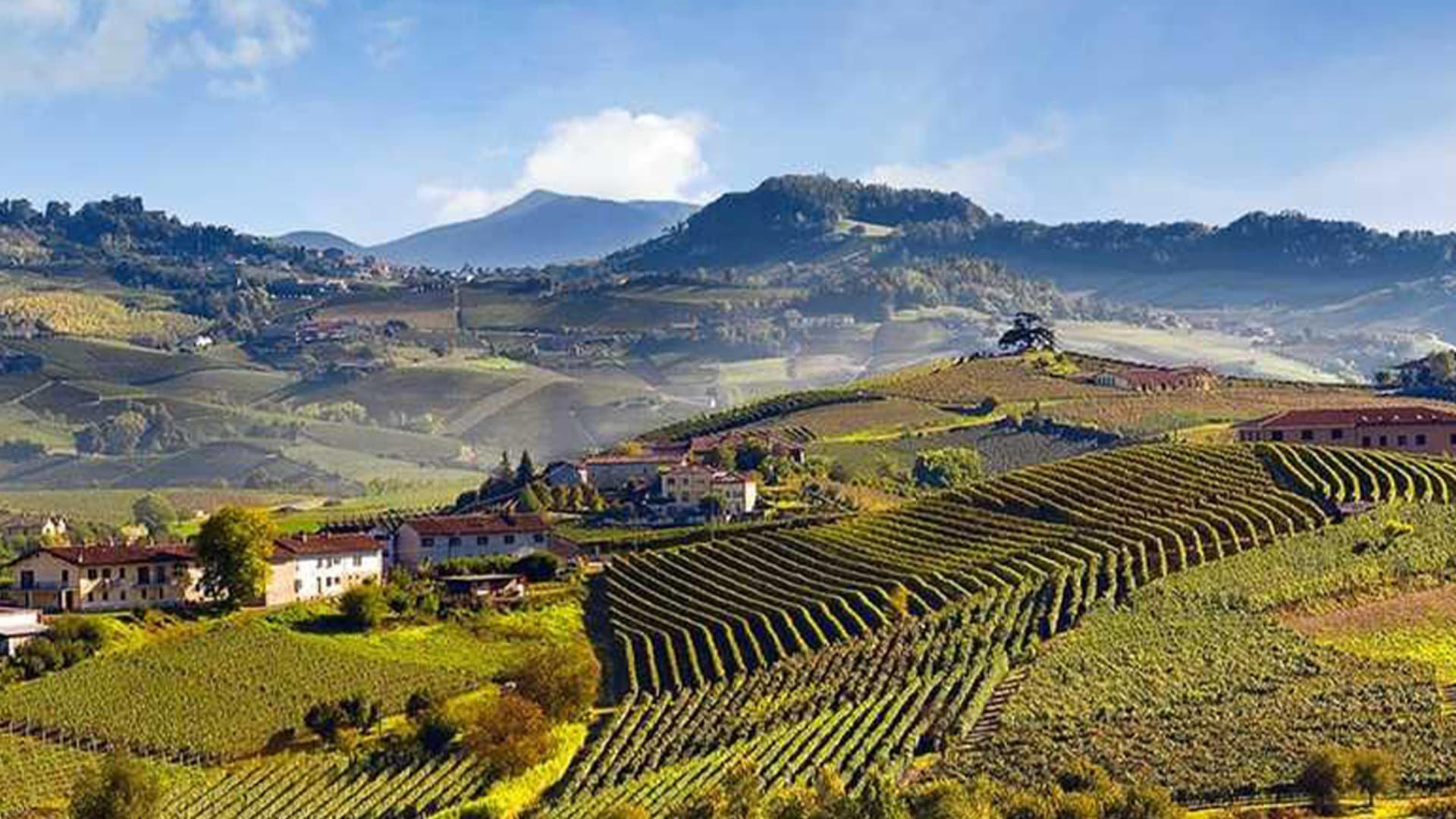
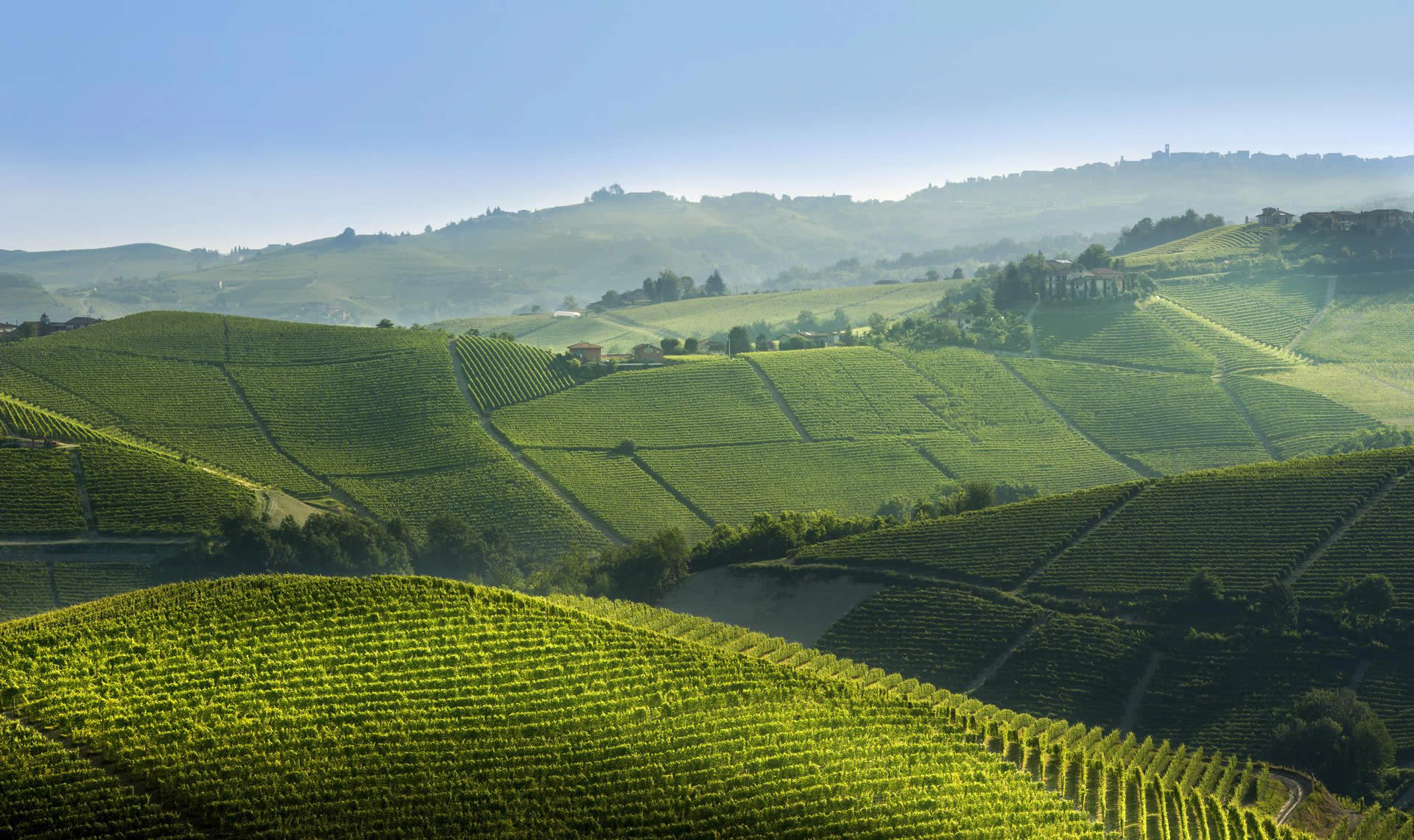
Wineries in Neive
Browse all →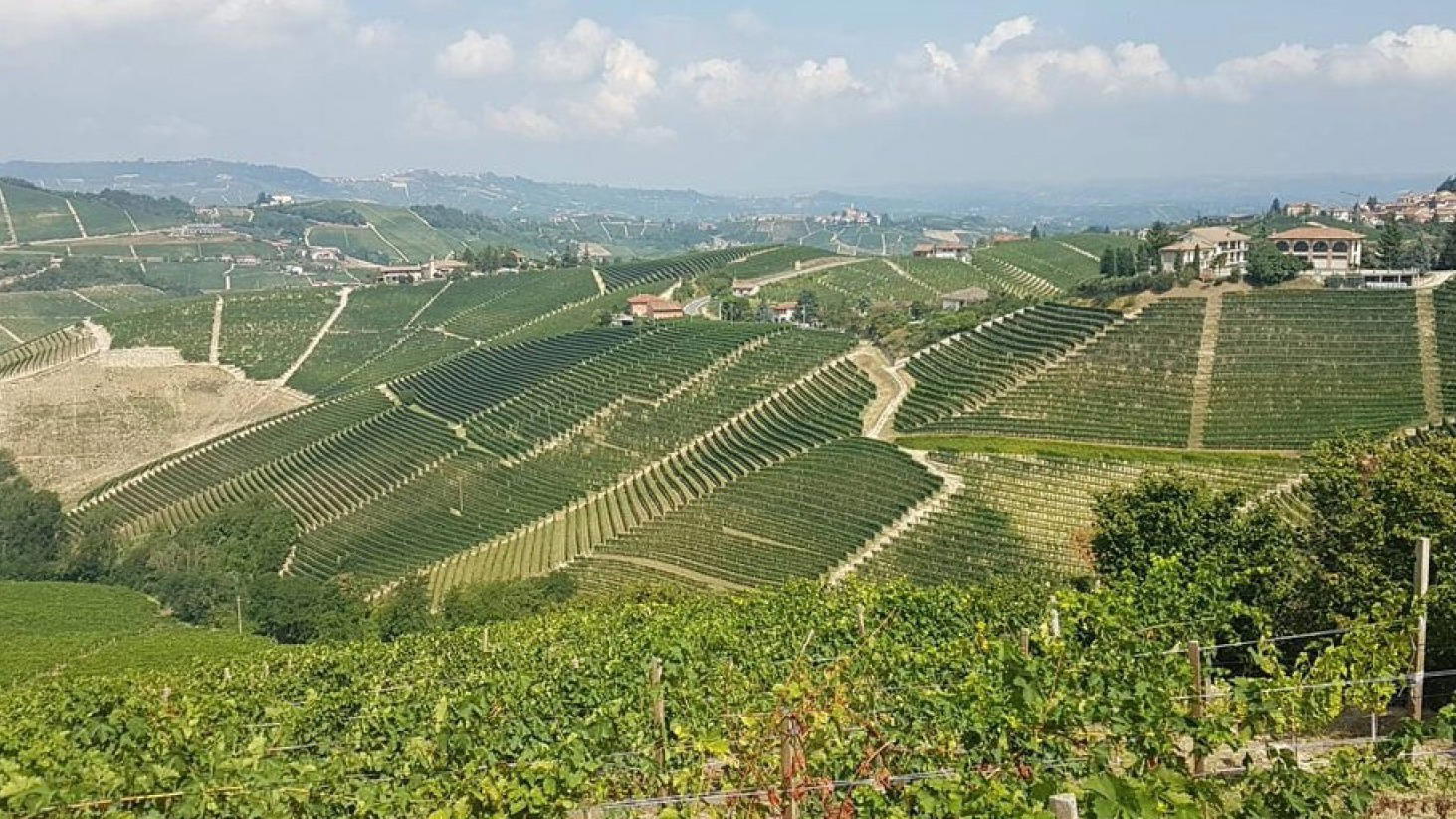
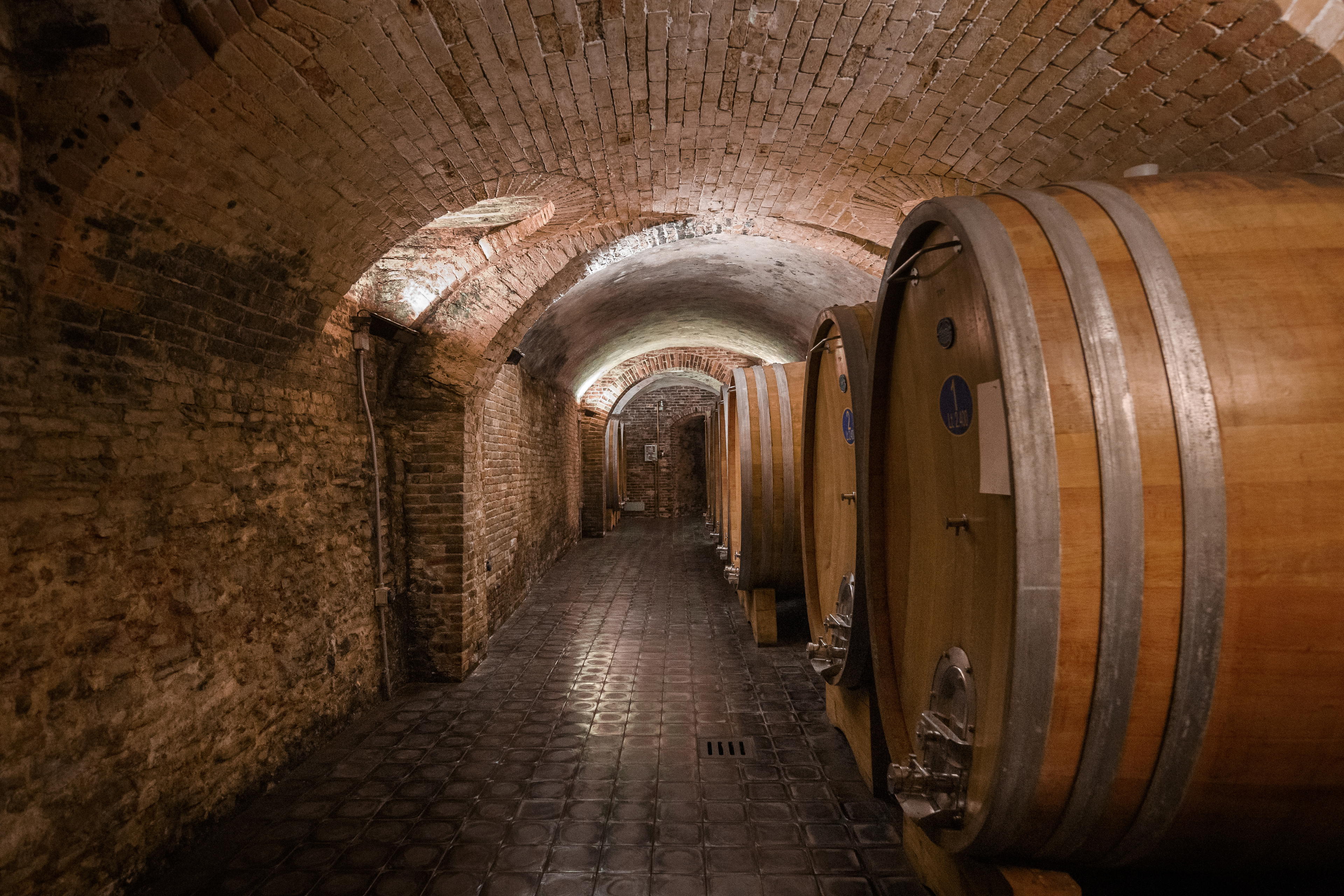
Bars in Neive
Browse all →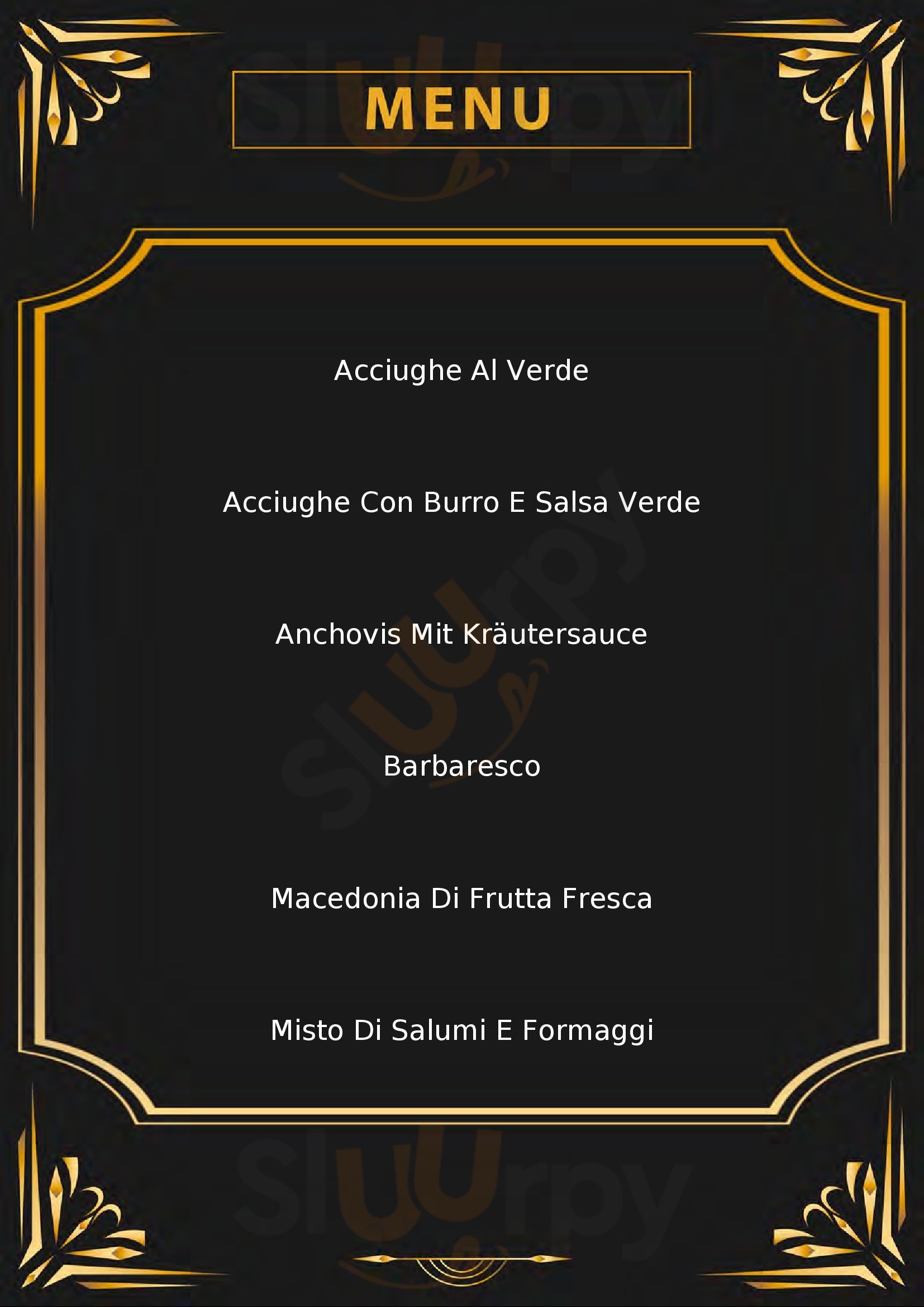
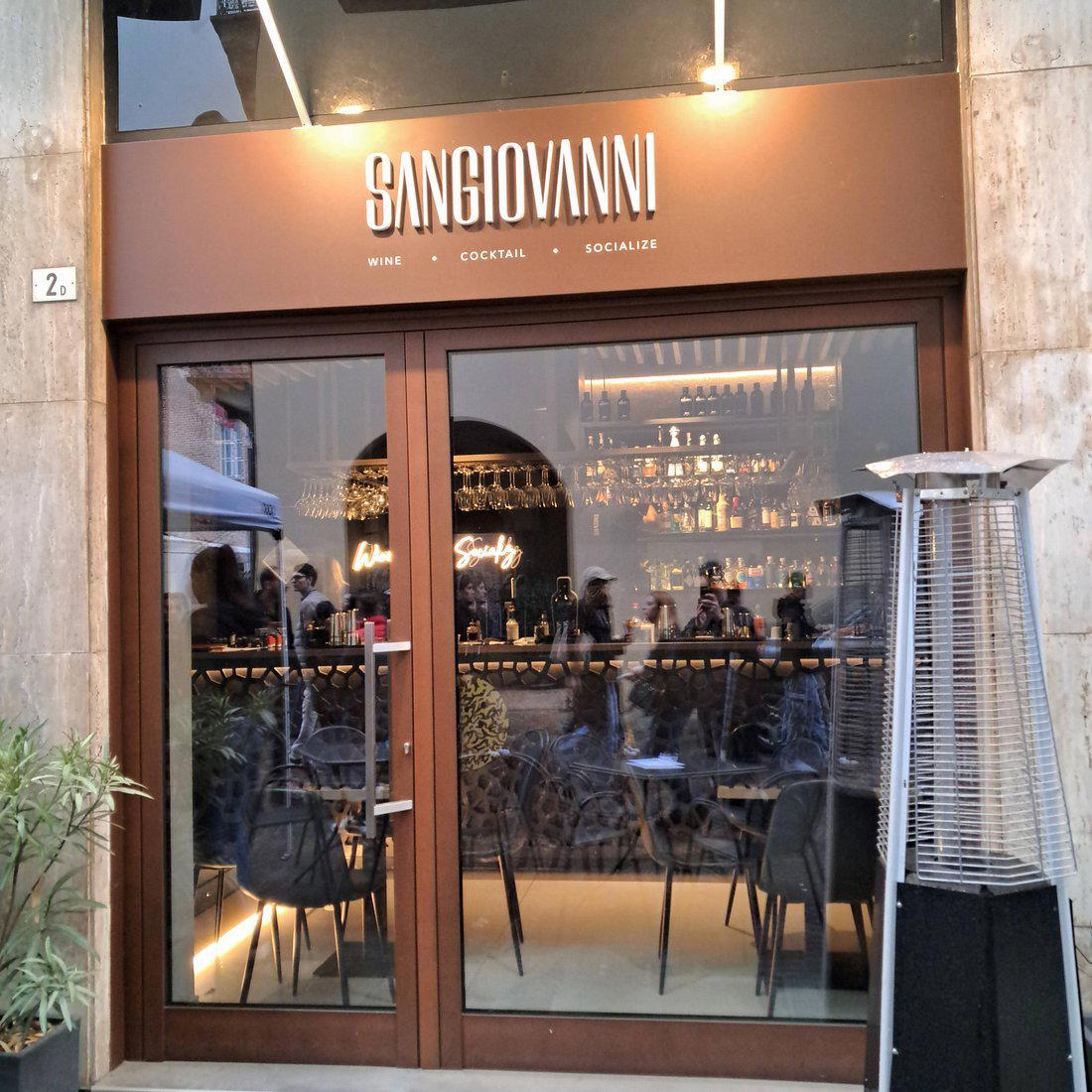
Restaurants in Neive
Browse all →
Details
- Rustic
- Well Known
- Intimate
- Classic
- Whimsical
- Wine Education
- Special Occasion
- Group Outing
- Solo Exploration
- Barrel Room
- Historic Building
- Estate Grounds
- Private Tasting
- Sustainable
- Nebbiolo
- Barbera
- Dolcetto
- Arneis
- Grappa Tasting
- Distillery Tour
- Italian
- English
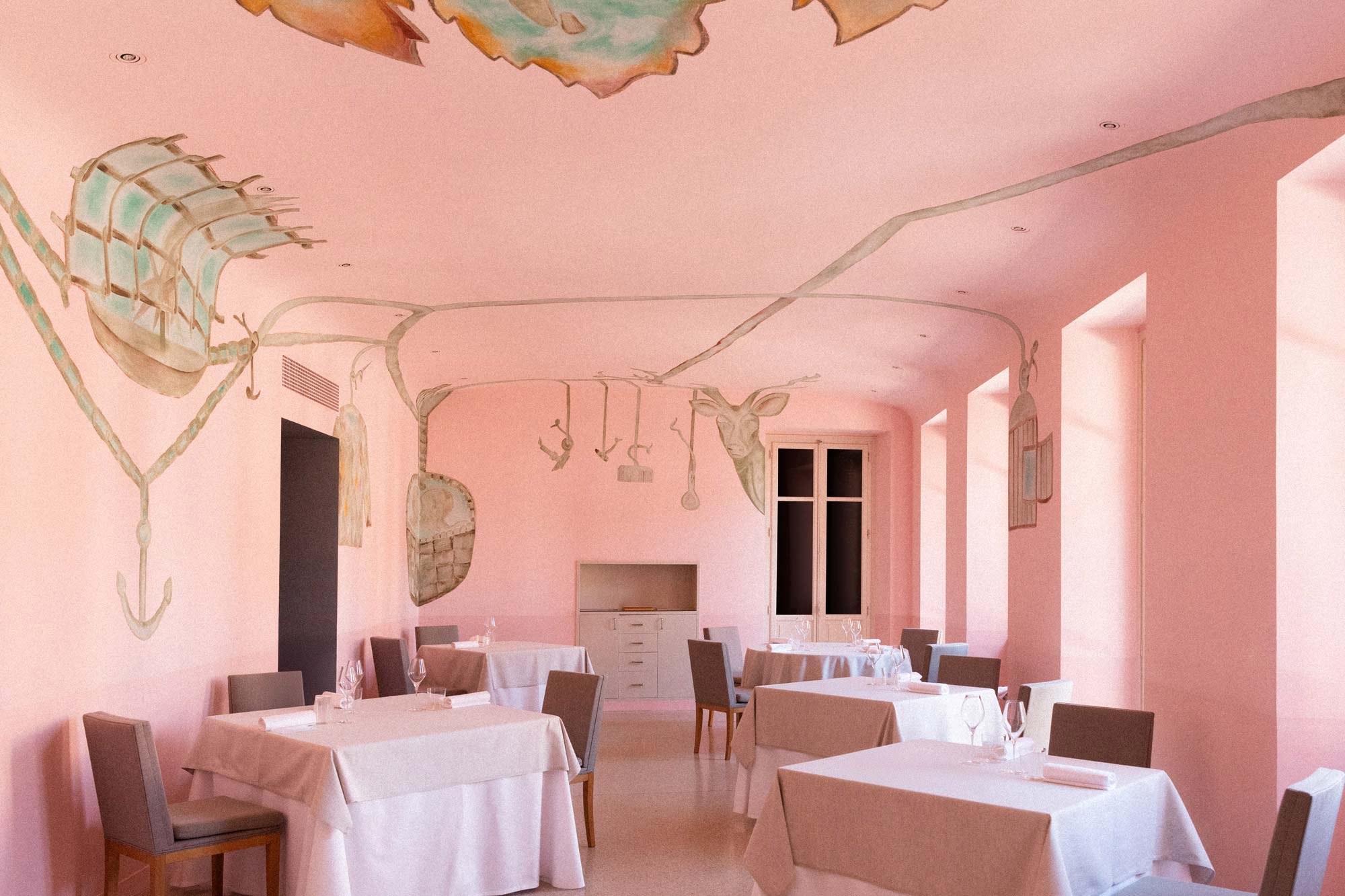
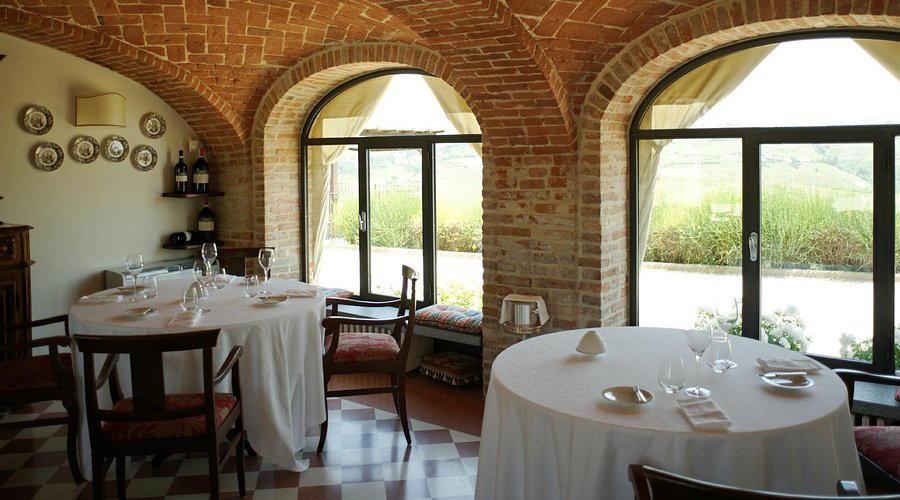
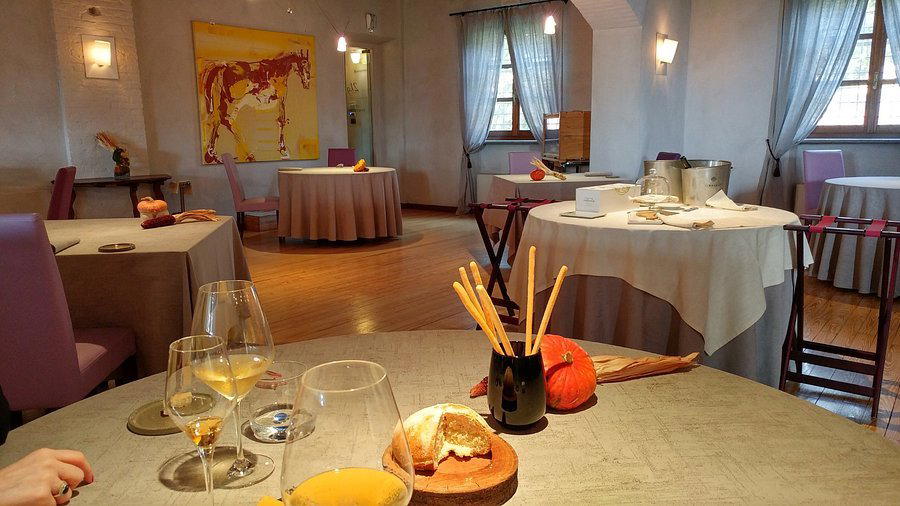
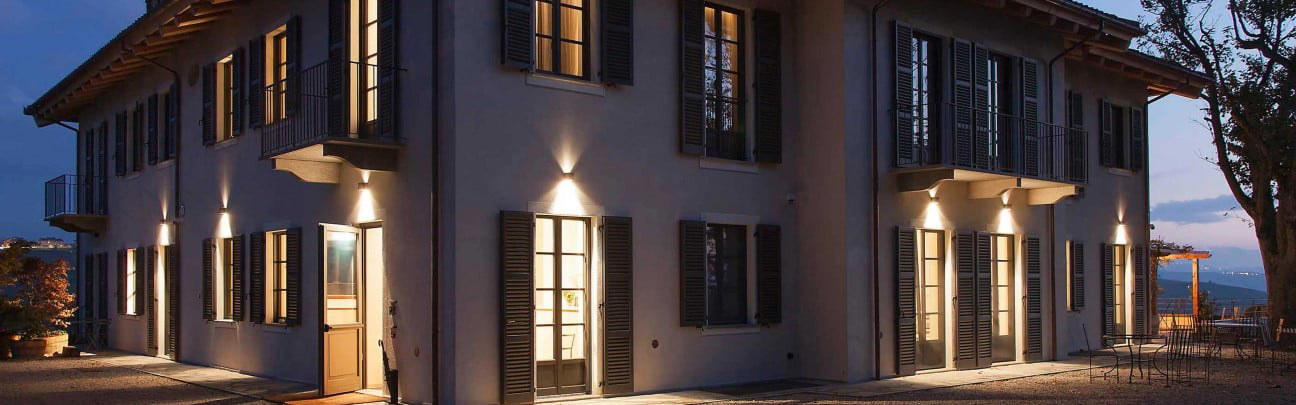
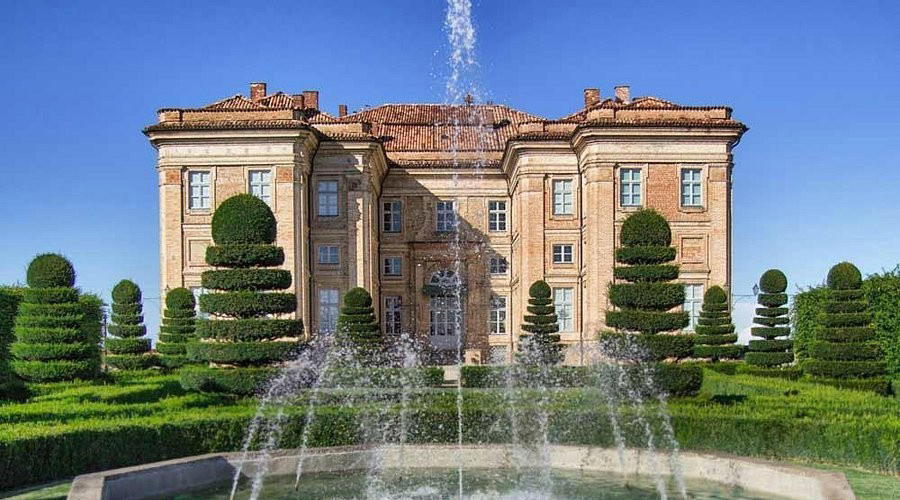
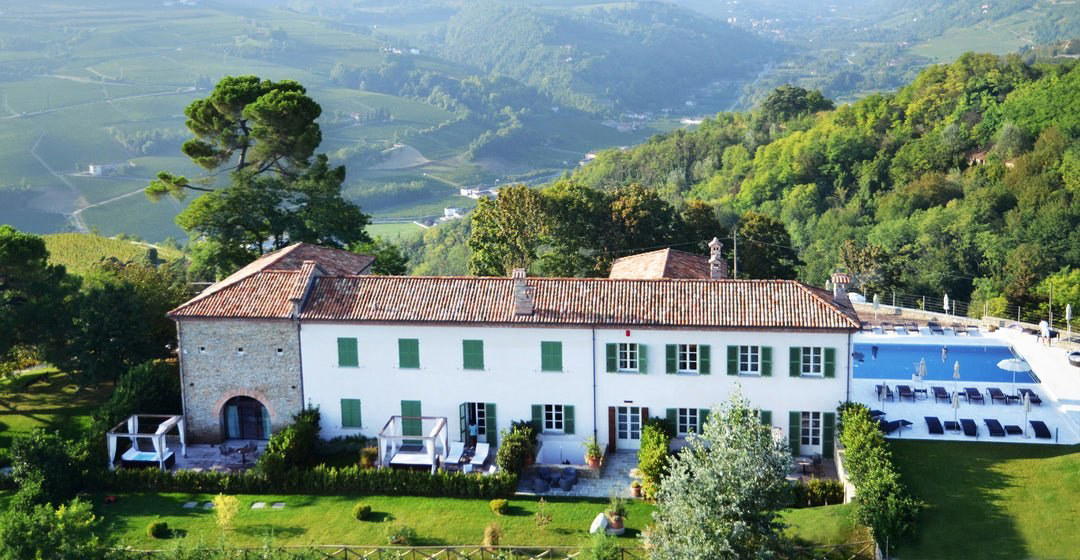
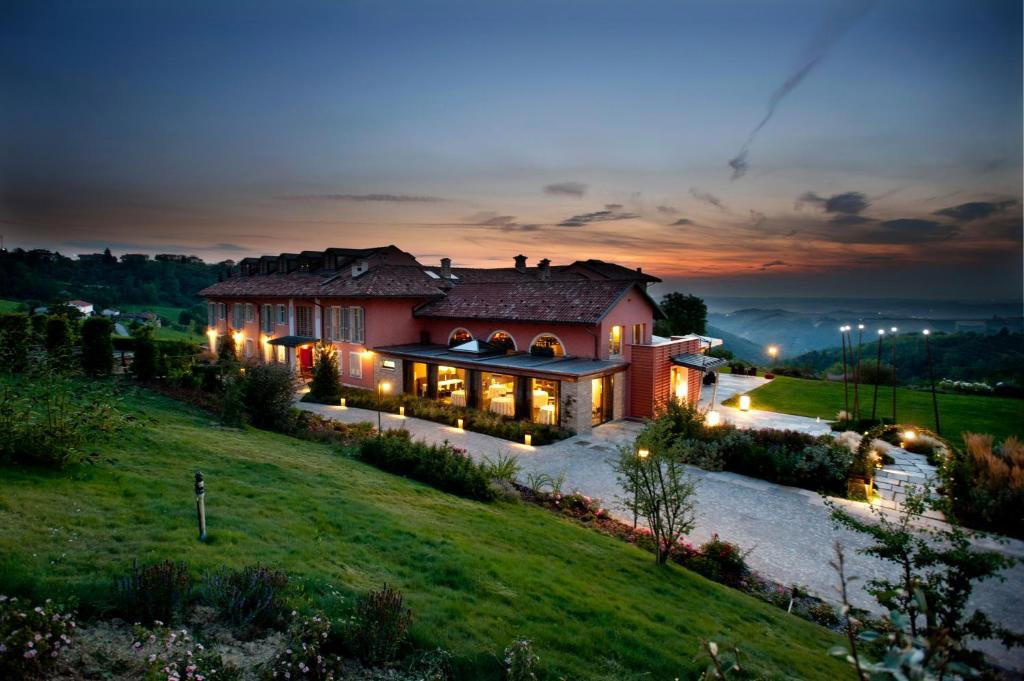
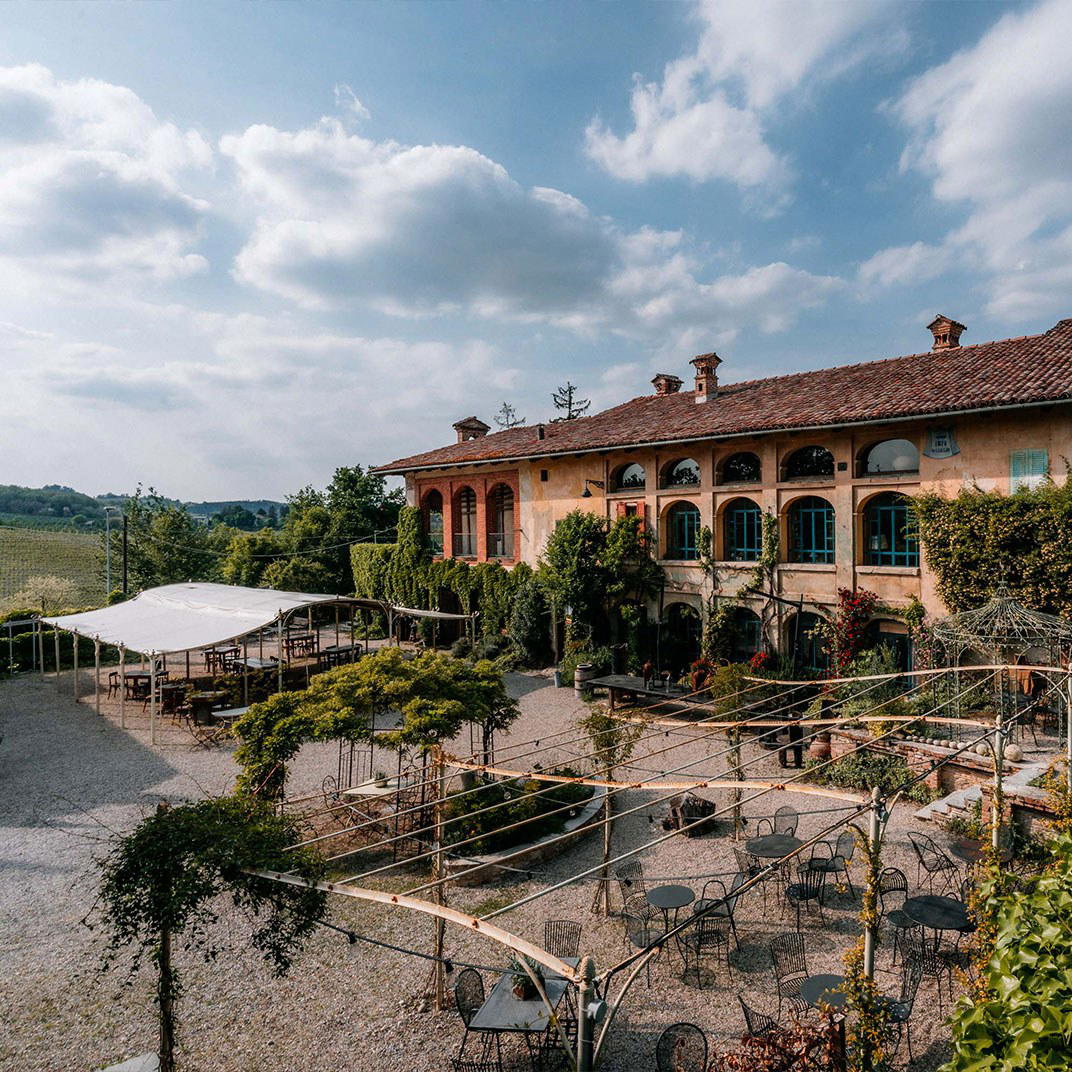
A time capsule atmosphere filled with serenity, art, and the genius loci of Romano Levi, where visitors experience the simple, basic objects and scents of authentic artisanal grappa production.