



1 Michelin Star · Star Wine List · Wine Spectator Grand Award
Our verdict
Perched above the Barbaresco hills near Alba, La Ciau del Tornavento holds a Michelin star and an Opinionated About Dining Classical Europe ranking (163rd in 2025) that together locate it inside Piedmont's serious dining tier. Chef Marco Lombardo's menu moves across Piemontese tradition and contemporary Italian cooking, backed by a wine cellar of 60,000 bottles and 5,800 selections spanning Piedmont, Burgundy, and Bordeaux.

Pearl is the En Primeur Club membership app — saves, bookings, and concierge access live there. Same editors, same standards.
- Address
- Piazza Leopoldo Baracco, 7, 12050 Treiso CN, Italy
- Phone
- +39 0173 638333
- Hours
- Mon–Tue 12:30–2:30 PM, 7:30–10:15 PMWed–Thu ClosedFri–Sun 12:30–2:30 PM, 7:30–10:15 PM
- Website
- laciaudeltornavento.it
- Directions
- Get directions
- Booking
- Book on the venue's website
The menu
What to order
- Agnolotti del Plin
- Fried frog legs
- White truffle dishes
A Dining Room Shaped by Its Landscape
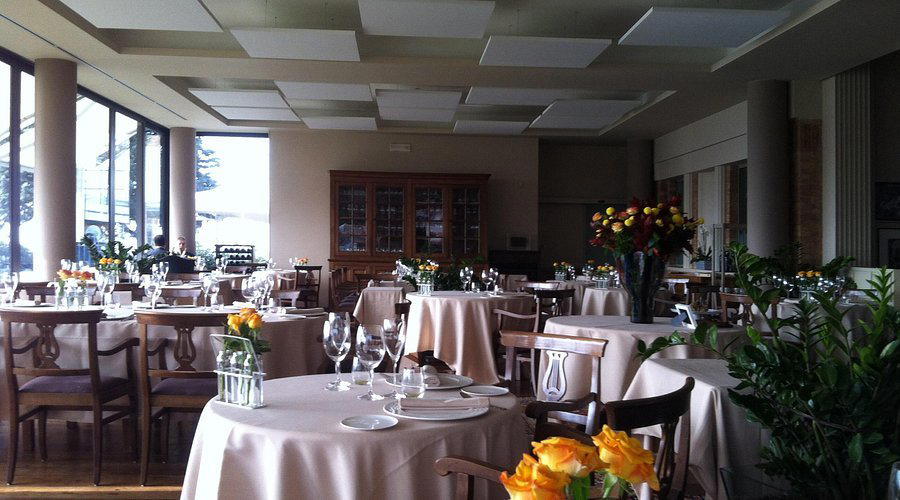
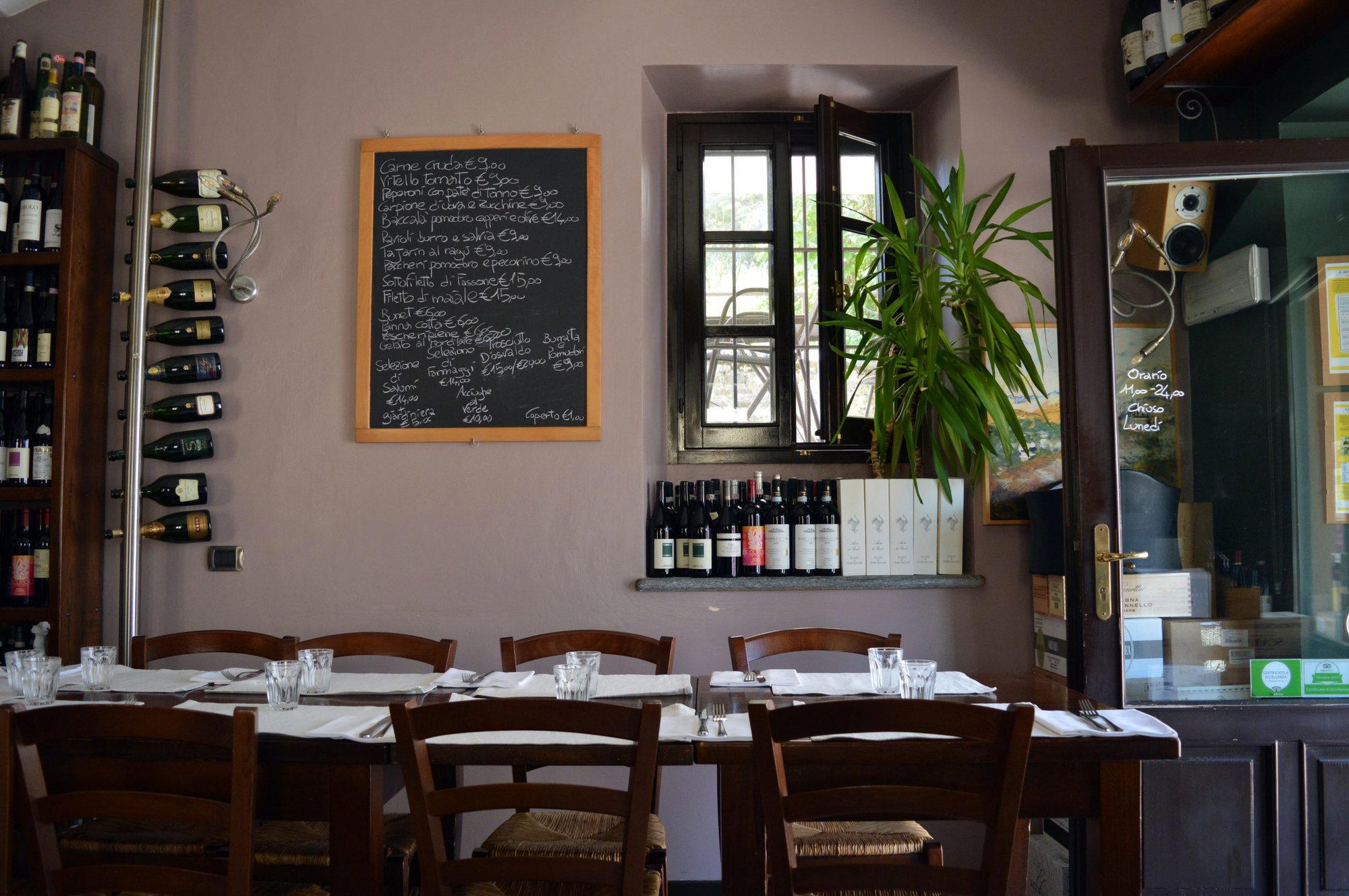
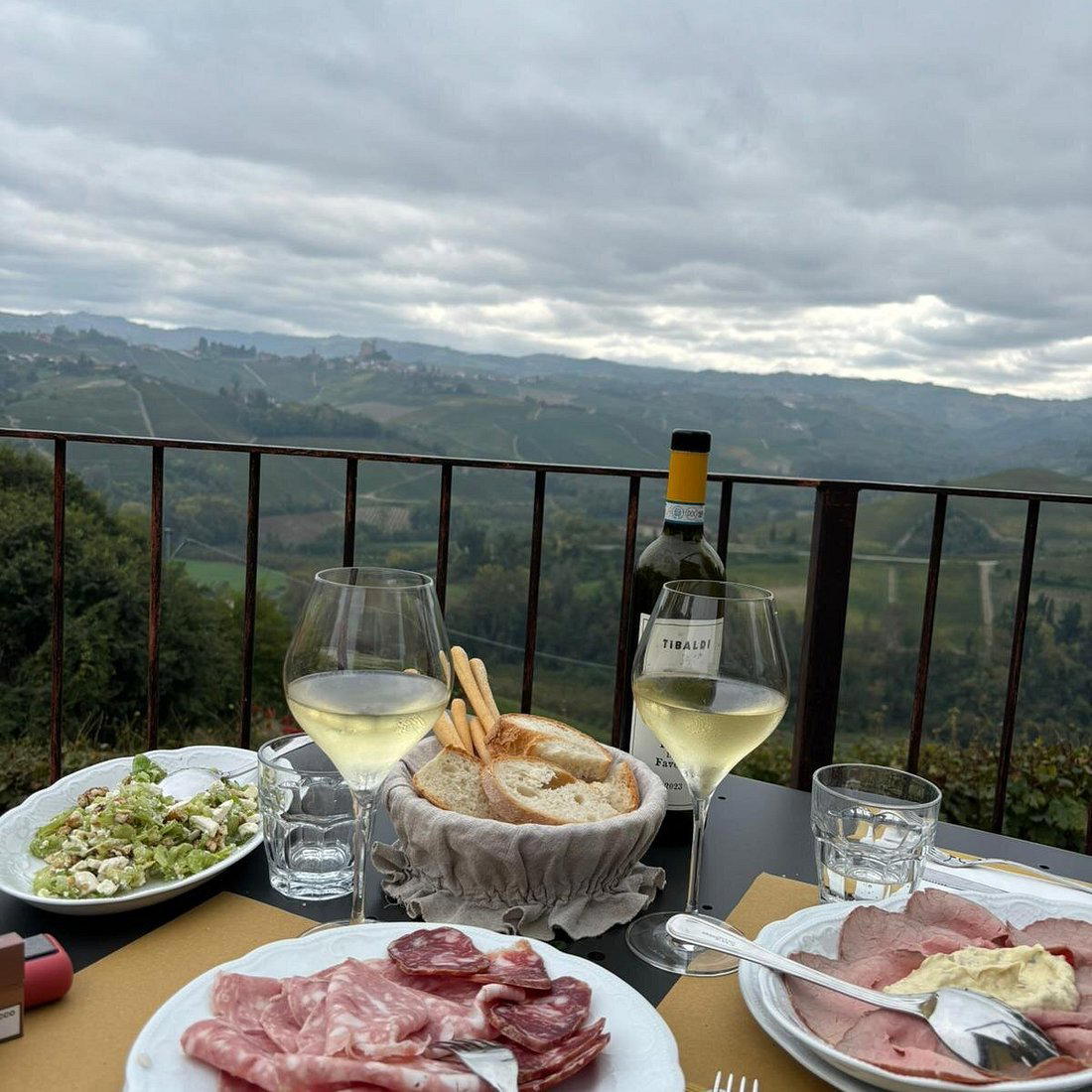
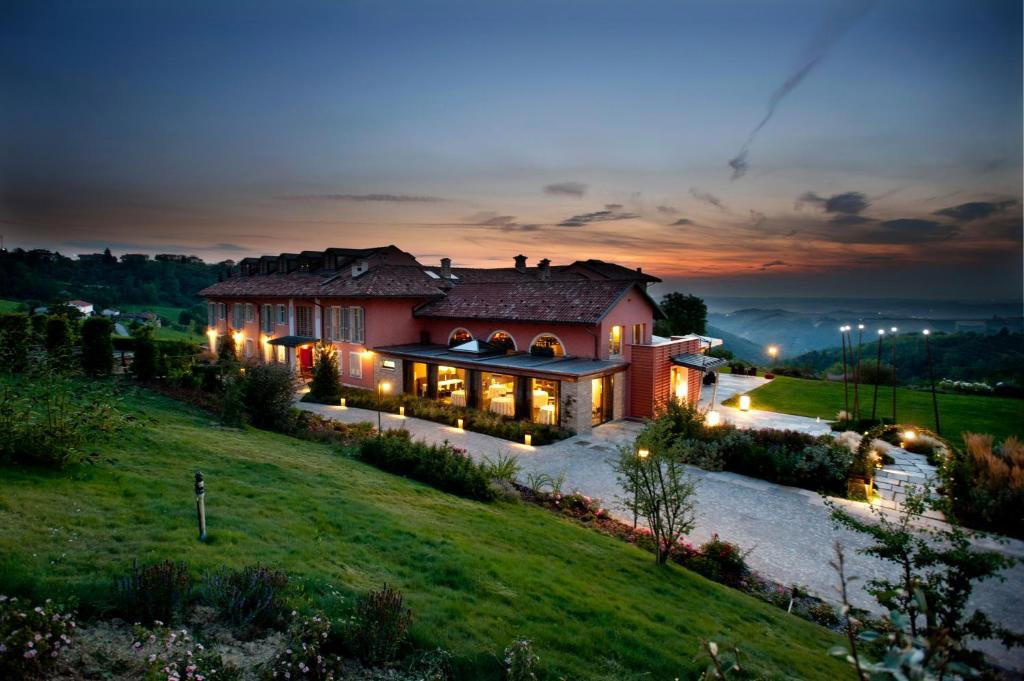
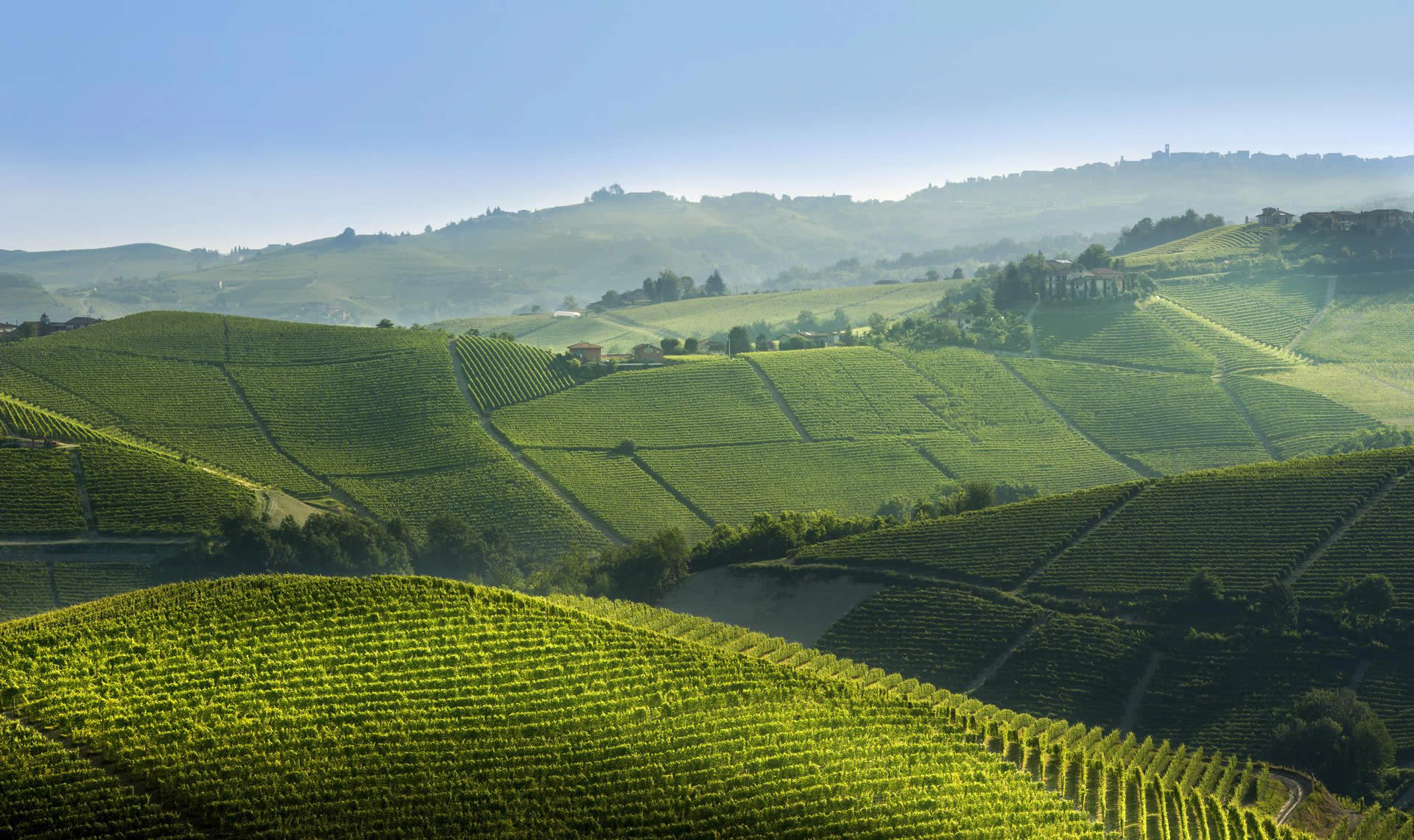
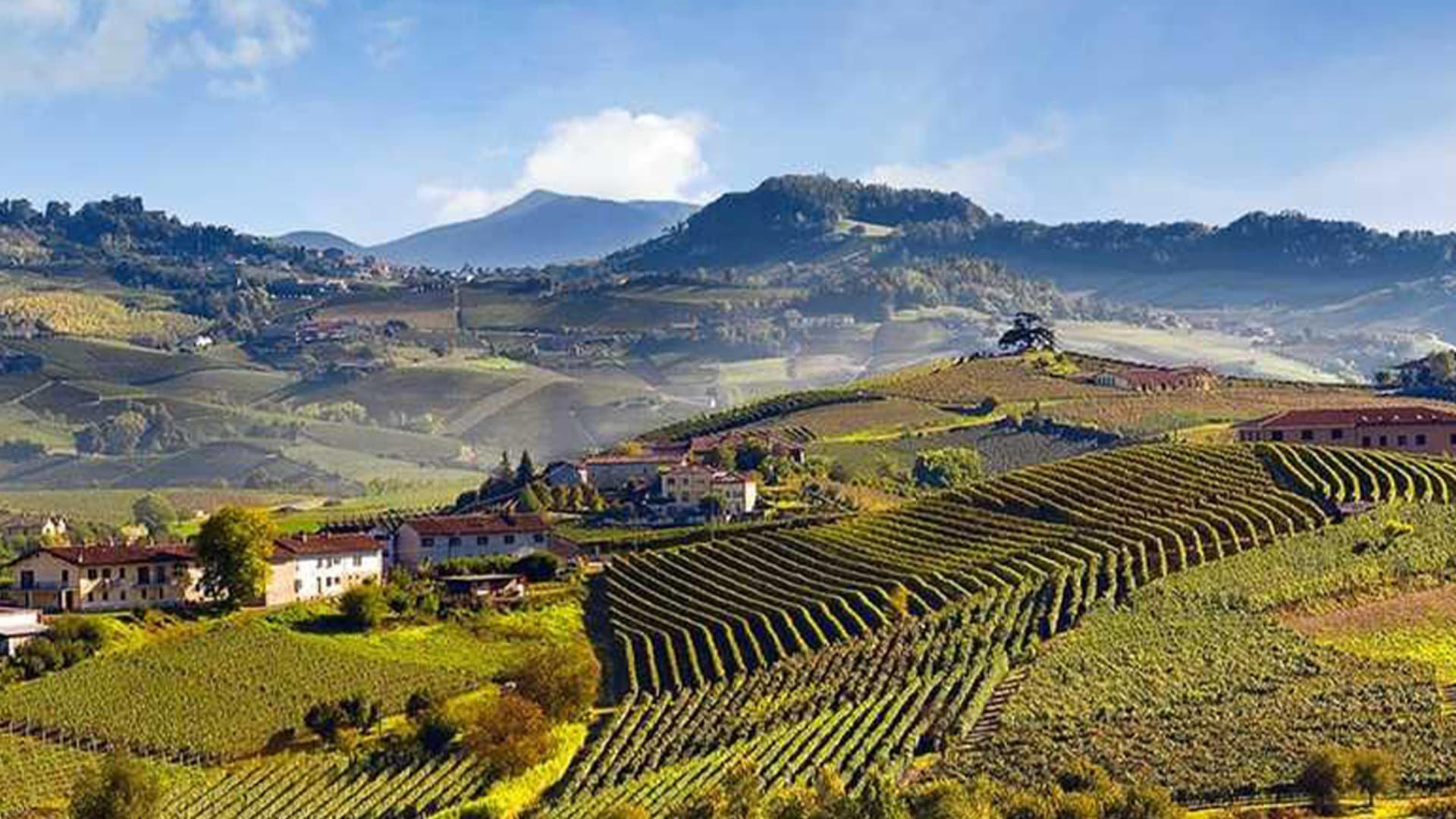
The first thing you register at La Ciau del Tornavento is not the room but the view. The restaurant sits on the high ground of Treiso, a village in the Barbaresco production zone a few kilometres outside Alba, and the windows look out across vineyard rows that pitch and curve toward the horizon in the way that Langhe topography does — not flat, never flat, always folding into another ridge. The approach through Treiso's narrow streets, past stone buildings and the smell of fermenting Nebbiolo in autumn, is its own form of orientation. By the time you sit down, you understand exactly where you are in the world of Piedmontese cuisine.
That sense of place is not incidental. In Piedmont, more than almost anywhere in Italy, the dining tradition is inseparable from its geography. The white truffle comes from the soil below Alba. The Barolo and Barbaresco in the glass are grown within sight of the table. The tajarin, the vitello tonnato, the finanziera — these dishes are not interpretations of a regional canon, they are the canon, and restaurants in this zone are judged partly on how honestly they hold to it and partly on how intelligently they move it forward. La Ciau sits in that productive tension, holding a Michelin star as of 2024 and a ranking of 163rd on the Opinionated About Dining Classical Europe list in 2025, up from 147th the year before. Those are not the numbers of a novelty project. They are the numbers of a kitchen that has found its position and is working to consolidate it.
The Piemontese Tradition and Where This Kitchen Sits Within It
Piedmontese cooking is, at its structural core, a cuisine of restraint and accumulation. The flavours are rarely loud, they arrive in layers, the bitterness of Nebbiolo against the fat of a braised cut, the mineral edge of white truffle against the softness of fresh pasta. Kitchens in this region do not generally race toward the kind of creative provocation associated with, say, Osteria Francescana in Modena or Le Calandre in Rubano. The ambition here is different: it is the ambition of depth, of knowing a set of ingredients and techniques so well that the result reads as inevitable rather than engineered.
La Ciau's menu is structured around that logic. The kitchen under Chef Marco Lombardo extends across both meat and fish, which is relatively uncommon for serious Langhe restaurants, where the focus is often exclusively on land-based produce. This breadth positions it closer in format to a broader Italian contemporary register than to a purely Piemontese traditionalist counter, while the sourcing and flavour references keep it firmly in regional territory. For comparison, Piazza Duomo in Alba represents the higher-intervention, more internationally calibrated end of the Langhe dining spectrum. La Ciau operates at a different register: more classical, more rooted in the dining habits of the region's landed families, less interested in provoking the palate than in satisfying it completely.
This distinction matters for anyone making a trip to the Langhe specifically to eat. The zone has produced a range of dining types, from the three-star creative registers you find at restaurants like Enrico Bartolini in Milan or the refined tradition of Dal Pescatore in Runate, and La Ciau occupies a specific and deliberate position within that field rather than trying to compete across all of them.
The Wine Cellar as a Serious Argument
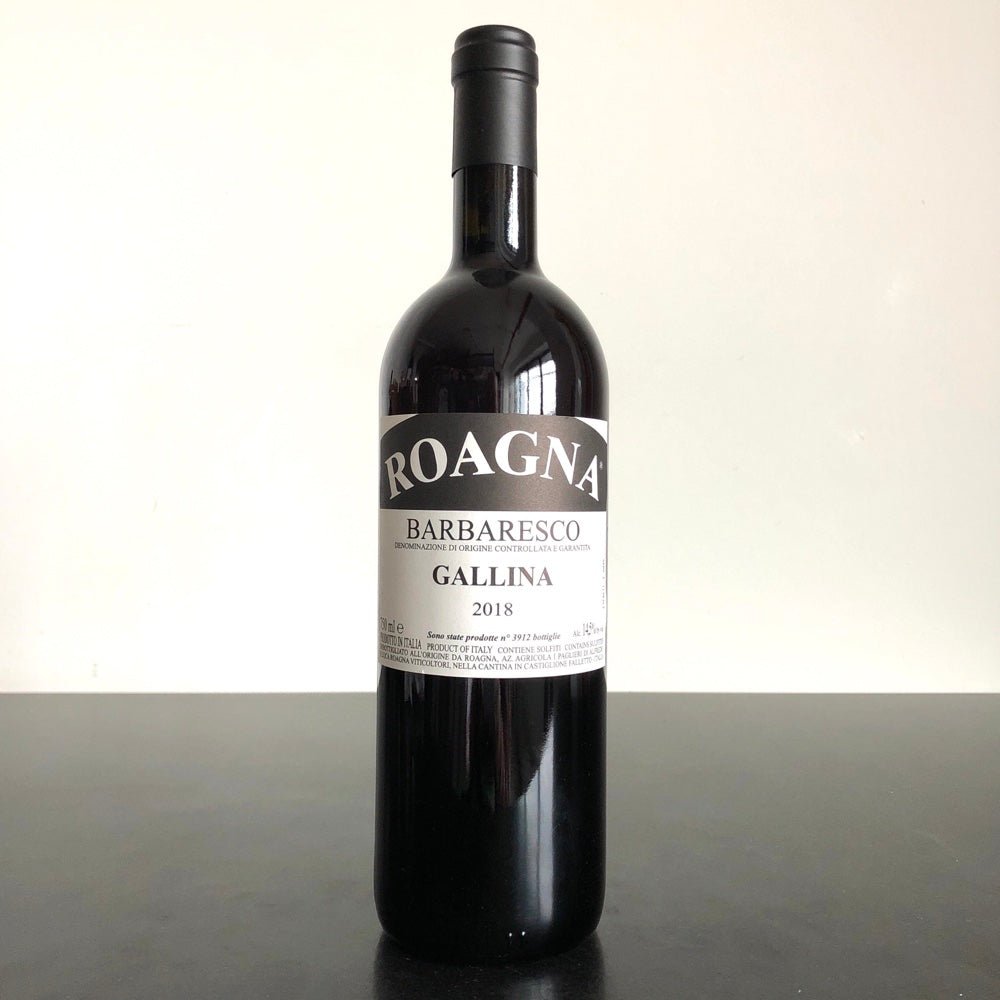
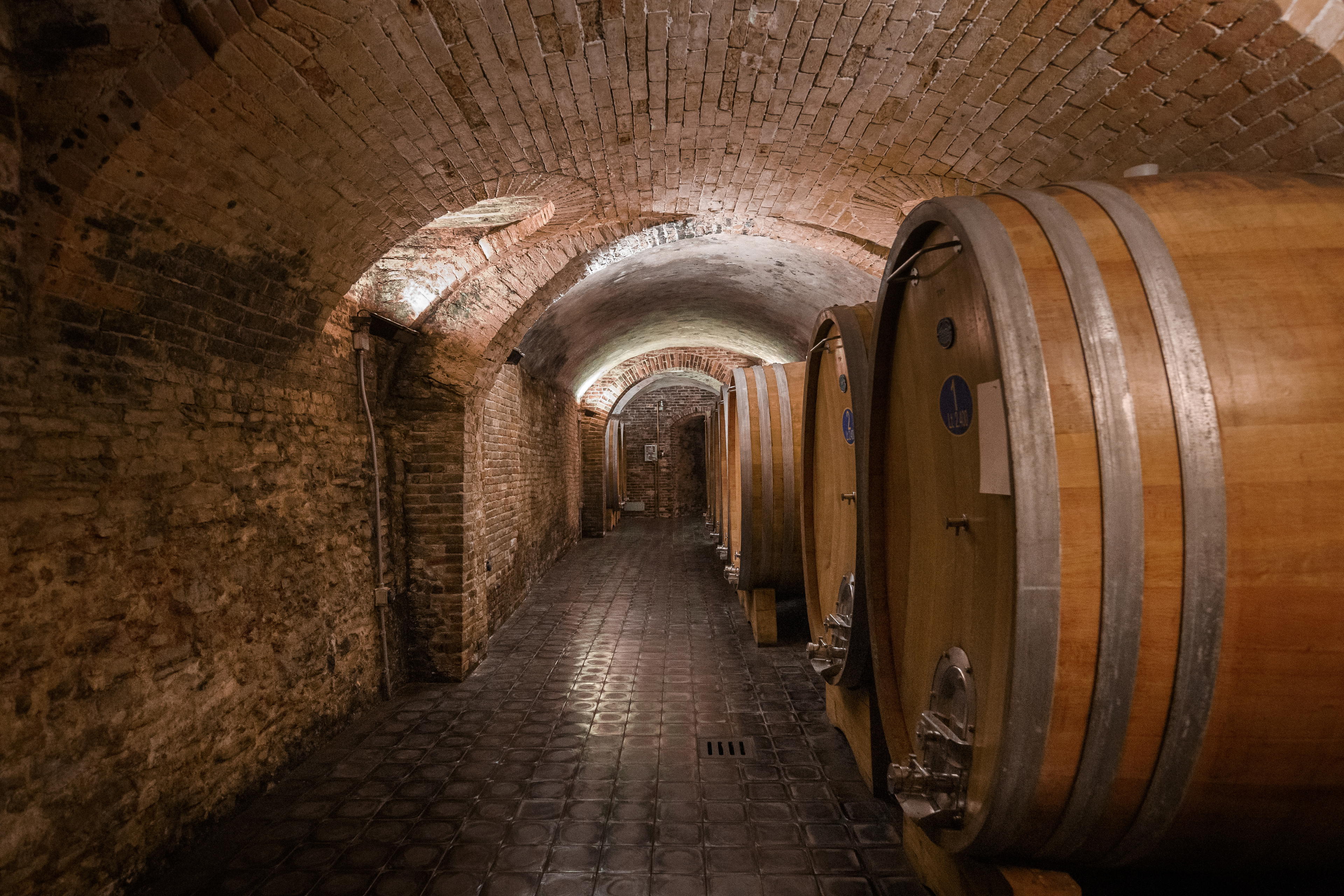
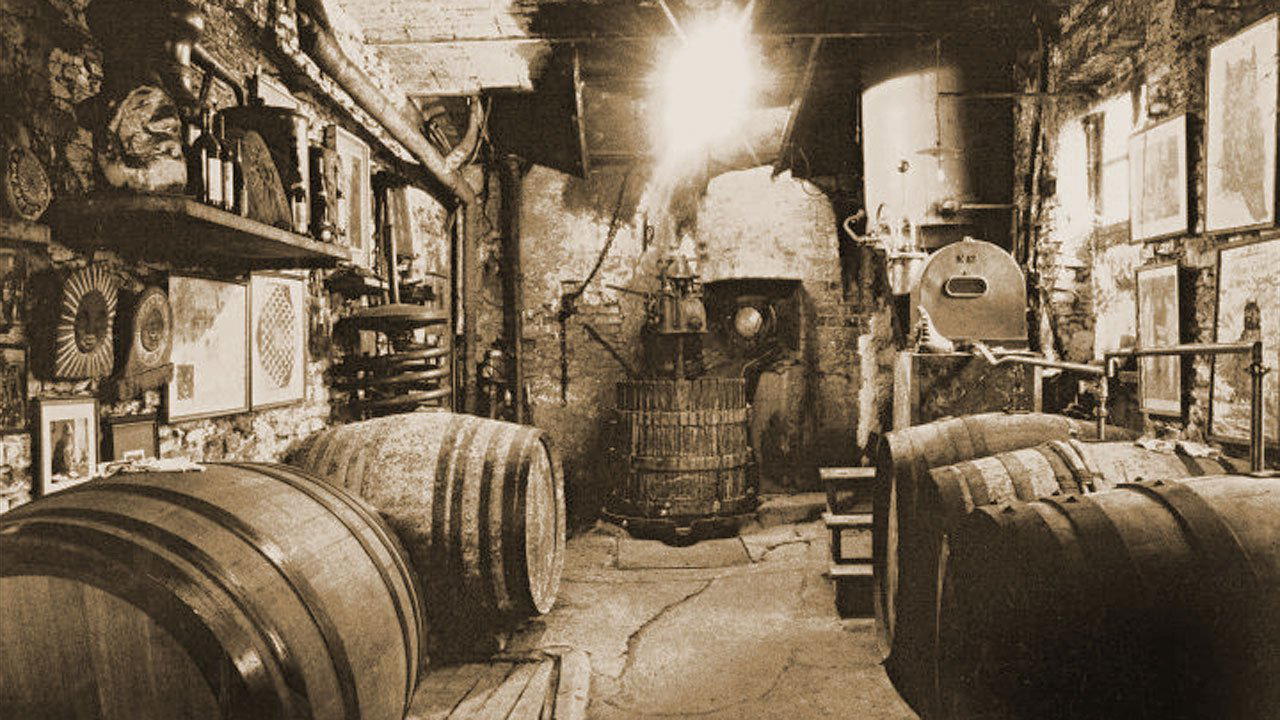
The cellar at La Ciau del Tornavento is one of the more significant arguments in its favour. At 60,000 bottles and 5,800 selections, it operates at a scale and depth that most Italian restaurants, including many with more stars, do not reach. The list covers Italy comprehensively, with particular depth in Piedmont and Tuscany, and extends into Burgundy, Bordeaux, and Champagne at a level that reflects genuine collecting rather than cosmetic coverage of the international canon.
Wine Director Edgard Chaccha and Sommelier Takahiro Takaura manage a list priced at the $$$ tier, meaning a meaningful proportion of bottles sit above 100 euros. In a region where the wines themselves, aged Barolo, single-vineyard Barbaresco, mature Barbaresco from the village producers surrounding the restaurant, are part of the point of the visit, this is exactly the right investment. The cellar is open for visits on request, which tells you something about the confidence with which it is held.
Serious wine lists of this scope are a distinguishing marker in the Italian contemporary dining tier. Enoteca Pinchiorri in Florence is perhaps the most cited reference point for Italian restaurant cellars at the highest level. La Ciau's 60,000-bottle inventory does not represent the same totemic status, but it represents a genuine peer commitment to wine as a primary part of the dining proposition rather than a secondary service.
Autumn in the Langhe: The Seasonal Case for Coming Now
The timing argument for La Ciau is direct. The restaurant sits at the centre of the white truffle season, which runs from roughly October through December with peak intensity in October and November. The Langhe in this period operates at a different register from the rest of the year, the hillsides shift colour, the morning air carries a specific damp earthiness, and the truffle fairs at Alba draw buyers and enthusiasts from across Europe and beyond. A meal at La Ciau during this window is a meal in context, where the truffle on the plate has often come from the woods within a short radius of the table.
Outside truffle season, the Langhe continues to offer strong reasons to visit. Barolo harvest typically runs in late September and early October, and the summer months bring a different but no less compelling version of the landscape. The restaurant is open for both lunch and dinner Monday, Tuesday, Friday, Saturday, and Sunday, closing on Wednesday and Thursday, which makes mid-week planning relevant for those building a longer Piedmont itinerary.
Who Comes Here and How to Read the Room
La Ciau draws a mixed room: local wine producers and their guests, serious food tourists making the Langhe circuit, and Italian visitors from Turin and Milan making the two-hour trip for a specific occasion. The format, longer lunches on weekends, dinner service with proper pacing, suits both a celebratory meal and a focused tasting-session approach to the wine list. General Manager and co-owner Nadia Benech runs the front of house alongside Maurilio Garola's ownership stake, and the service style reflects that double-ownership structure: attentive in the way that a place with institutional memory tends to be, rather than the more transactional attention of a newer operation.
For those building a multi-restaurant Piedmont visit, La Ciau pairs naturally with a broader itinerary that might include the Langhe hills, the historic streets of Alba, and stops at the small producers whose wines appear on the cellar list. Our full Treiso restaurants guide covers the local dining picture in fuller detail, while [our Treiso wineries guide]() is the right starting point for building the cellar-visit side of a Barbaresco-zone trip. For accommodation in and around the village, [our Treiso hotels guide]() includes the options closest to the restaurant. The [Treiso bars guide]() and experiences guide are also worth consulting for a complete stay.
Atelier Moessmer Norbert Niederkofler in Brunico, Reale in Castel di Sangro, Uliassi in Senigallia, Casa Perbellini 12 Apostoli in Verona, and Quattro Passi in Marina del Cantone all represent different regional expressions of Italian fine dining at a comparable or higher price tier.
Planning a Visit
The kitchen serves lunch from 12:30 to 2:30 pm and dinner from 7:30 to 10:15 pm on open days, with Wednesday and Thursday as the weekly closure. Booking ahead is advisable, particularly for autumn weekend slots, which fill with truffle-season visitors. The address is Piazza Leopoldo Baracco, 7, Treiso. Cuisine pricing falls in the $$$ tier (above 66 euros for a typical two-course meal before wine), and the wine list carries the same tier marker. For those traveling from further afield, La Ciau is roughly a short drive from Alba and sits at the heart of the Barbaresco production zone, making it a natural anchor for a Langhe food and wine itinerary.
Frequently asked questions
How much does it cost to eat at La Ciau del Tornavento?
Pricing at La Ciau del Tornavento is listed as €€€.
At-a-Glance Comparison
| Venue | Cuisine | Price | Awards | Notes |
|---|---|---|---|---|
| La Ciau del TornaventoThis venue — the venue you are viewing | Modern Piedmontese Fine Dining | $150–200 | 1 Michelin Star · Star Wine List | Not listed |
| Atelier Moessmer Norbert Niederkofler | Italian, Creative | Not listed | Michelin 3 Star | Not listed |
| Dal Pescatore | Italian, Italian Contemporary | Not listed | Michelin 3 Star | Not listed |
| Enoteca Pinchiorri | Contemporary Italian Fine Dining | $200–300 | 3 Michelin Stars · World's 50 Best #32 | Italian - French, Italian Contemporary |
| Enrico Bartolini | Creative | Not listed | Michelin 3 Star | Not listed |
| Osteria Francescana | Avant-Garde Italian Contemporary | $300–500 | 3 Michelin Stars · World's 50 Best #1 | Progressive Italian, Creative |
Recognition history
Dated appearances from independent guides and award organizations, with the underlying list record or original source where available.
Michelin 1 Star
Michelin
Star Wine List
Star Wine List
Opinionated About Dining Classical in Europe Ranked #137
Opinionated About Dining
Wine Spectator Grand Award
Wine Spectator
Full recognition history (10 entries)
Michelin 1 Star
Michelin
Opinionated About Dining Classical in Europe Ranked #163
Opinionated About Dining
Wine Spectator Grand Award
Wine Spectator
Michelin 1 Star
Michelin
Opinionated About Dining Classical in Europe Ranked #147
Opinionated About Dining
Opinionated About Dining Classical in Europe Highly Recommended
Opinionated About Dining
Continue exploring
More in Treiso
Restaurants in Treiso
Browse all →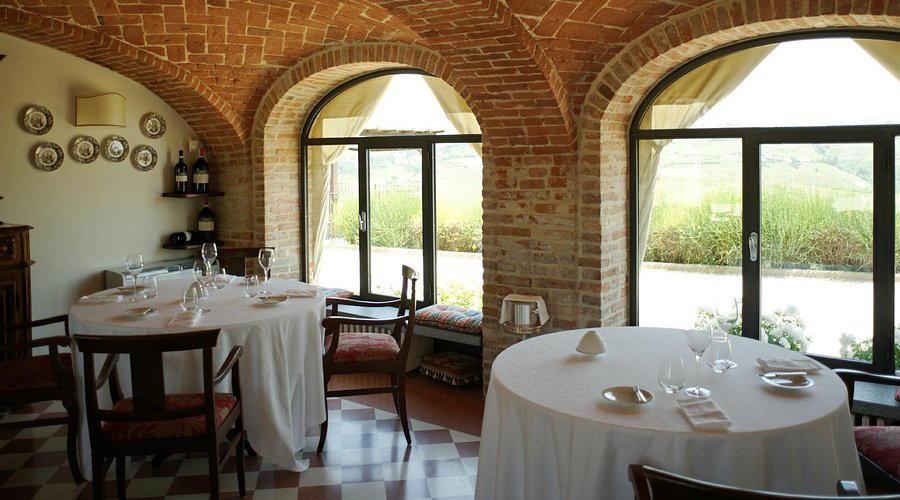
Bars in Treiso
Browse all →
Hotels in Treiso
Browse all →
Details
- Elegant
- Sophisticated
- Scenic
- Romantic
- Special Occasion
- Date Night
- Wine Cellar
- Panoramic View
- Terrace
- Extensive Wine List
- Sommelier Led
- Local Sourcing
- Vineyard
- Tasting Menu
- Wine
- Gluten Free Options
Current opening hours
- Monday
- 12:30–2:30 PM, 7:30–10:15 PM
- Tuesday
- 12:30–2:30 PM, 7:30–10:15 PM
- Wednesday
- Closed
- Thursday
- Closed
- Friday
- 12:30–2:30 PM, 7:30–10:15 PM
- Saturday
- 12:30–2:30 PM, 7:30–10:15 PM
- Sunday
- 12:30–2:30 PM, 7:30–10:15 PM
Hours can change for holidays and private events. Last verified .
Elegant dining rooms with panoramic vineyard views, beautiful ambiance well-suited for special occasions.