
In the wine-saturated hill town of La Morra, Le Vigne Bio occupies a position opposite the central church as one of the area's few dedicated organic wine bars. Where most local enotecas pour Barolo by the glass and leave it there, Le Vigne Bio filters the selection through a natural and biodynamic lens that places it in a distinct niche within the Langhe wine scene.
Pearl is the En Primeur Club membership app — saves, bookings, and concierge access live there. Same editors, same standards.
- Address
- Via San Martino, 2, 12064 La Morra CN, Italy
- Phone
- +39 338 360 3671
- Website
- levignebio.com
- Directions
- Get directions
 Saves & bookings on Pearl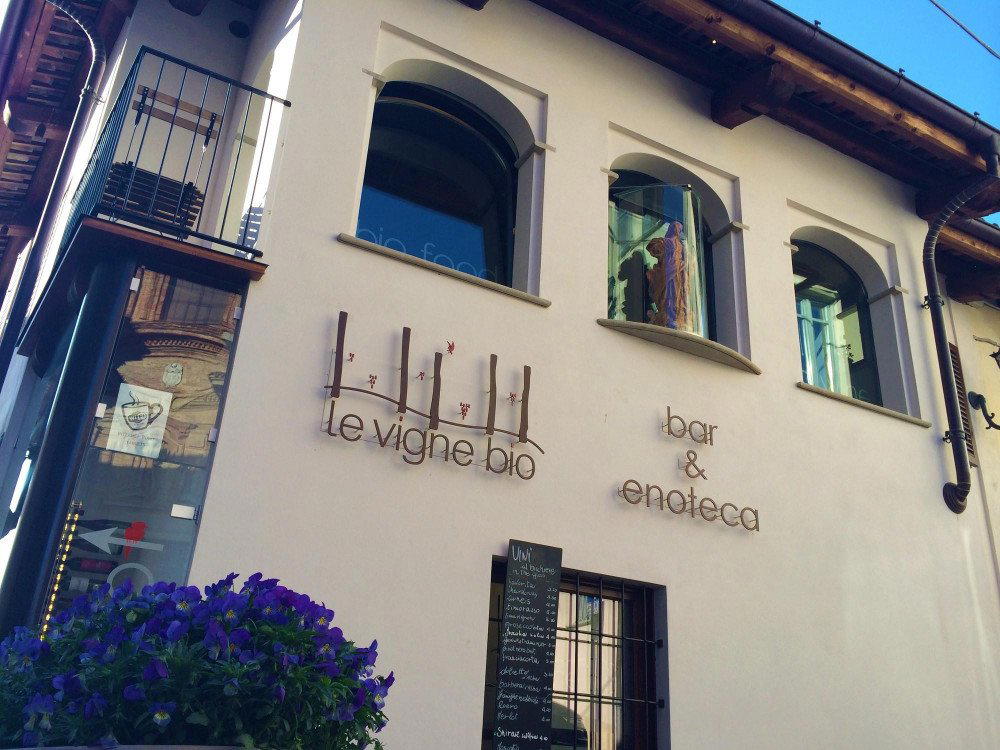
A Church Square, a Wine Bar, and the Organic Argument
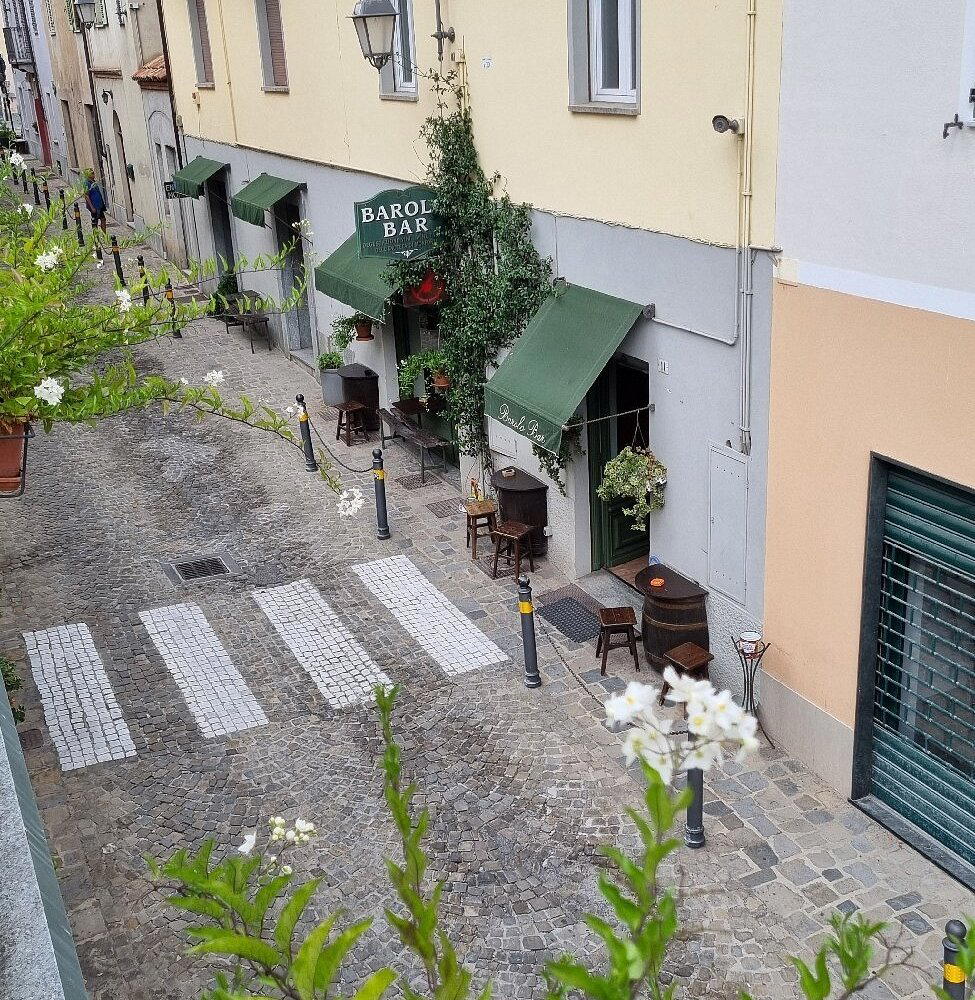
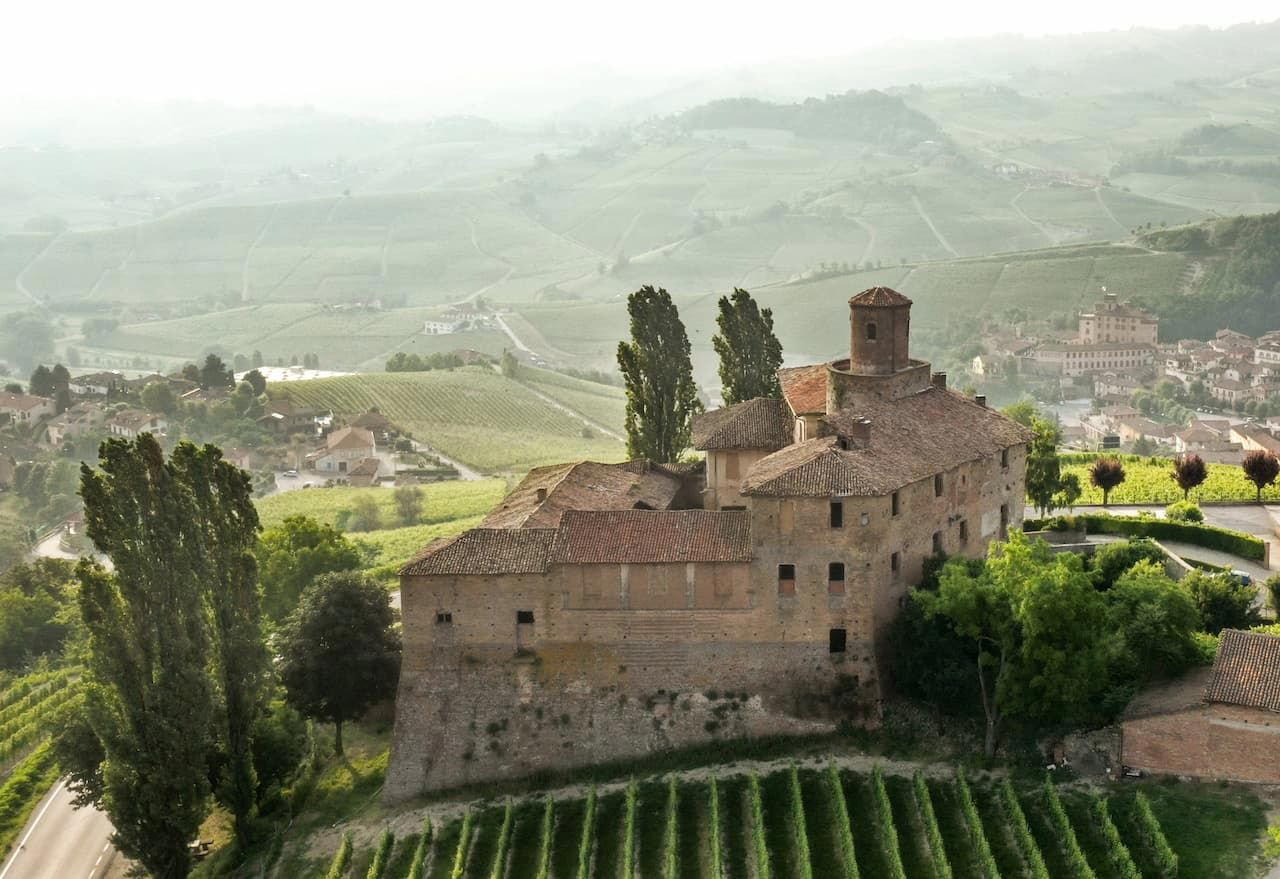
La Morra sits high on a ridge above the Barolo production zone, its central piazza framed by the parish church on one side and, directly opposite, the low-key shopfront of Le Vigne Bio. The approach is unhurried: the kind of place where the door is open, the light is warm, and the assumption is that you already know why you came. In a town where every second address pours Nebbiolo and calls itself an enoteca, the organic designation here is not decorative, it marks a specific editorial position on what Langhe wine should look and taste like in the glass.
La Morra's wine bar circuit is dense for a town of its size. Directly next to the church sits Palás Cerequio, the showroom pour of one of the zone's major estates, and a short walk away is the Enoteca Comunale di La Morra, a municipally supported tasting room that functions as something of an ambassador for the appellation at large. Le Vigne Bio sits between these two poles, neither a single-producer showcase nor an institutional survey, and carves out space as an independently minded, organically focused selection. That positioning matters in the Langhe, where the gap between conventional and biodynamic production philosophies has widened considerably over the past decade.
What the Organic Frame Means in Barolo Country
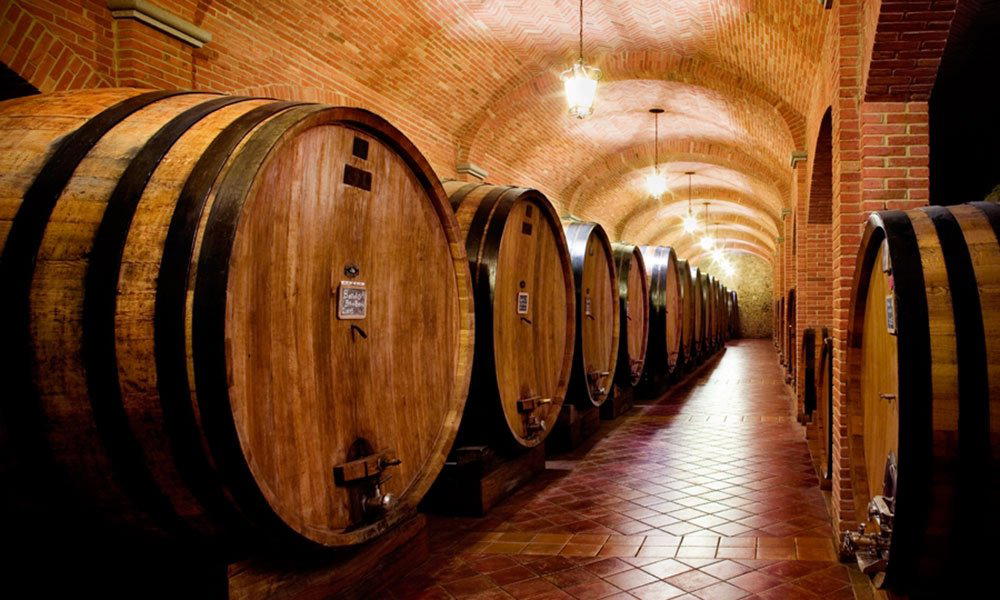
The Barolo zone has seen a sustained debate between traditionalists using extended macerations and large Slavonian oak, and modernists who moved toward shorter macerations and French barriques in the 1990s. A third conversation, quieter but persistent, concerns farming and cellar intervention, the territory that natural and organic producers occupy. Le Vigne Bio's focus places it inside that third conversation rather than the first two, which means its selection tends to reflect producers working with certified organic or biodynamic viticulture, minimal sulphur additions, and indigenous yeast fermentations.
For a visitor arriving from a city bar programme, say, the molecular precision of 1930 in Milan or the technically driven cocktail architecture of Drink Kong in Rome, the register here is entirely different. There is no cocktail list, no citrus preparation, no batched clarification. The "programme," if you can call it that, is Piedmontese wine poured from bottles whose labels tend to be smaller producers with lower intervention profiles. It is closer in spirit to Enoteca Historical Faccioli in Bologna, where natural wine knowledge is the organizing principle, than to any cocktail bar in Italy's larger cities.
The Wine as the Drink Programme
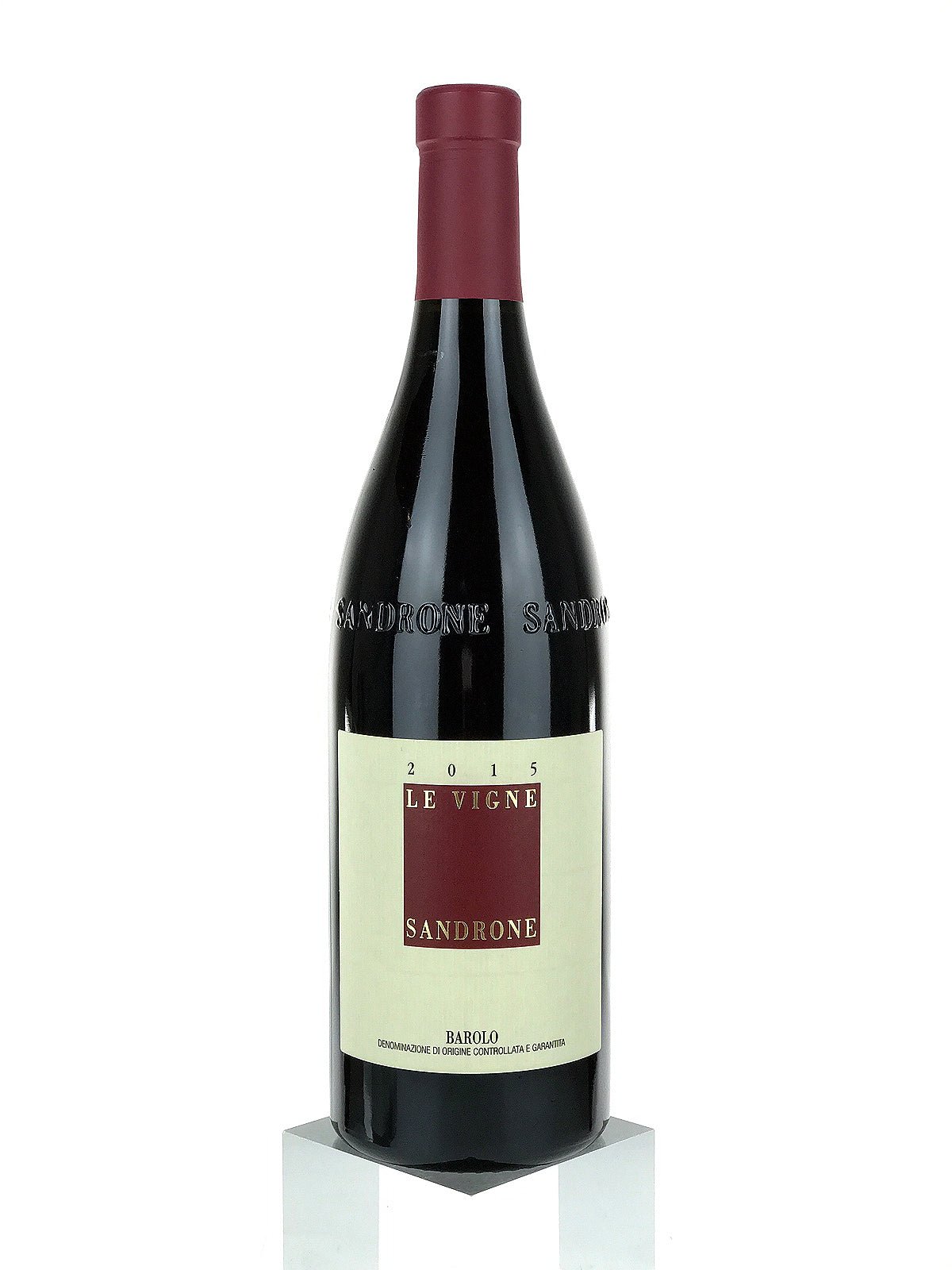
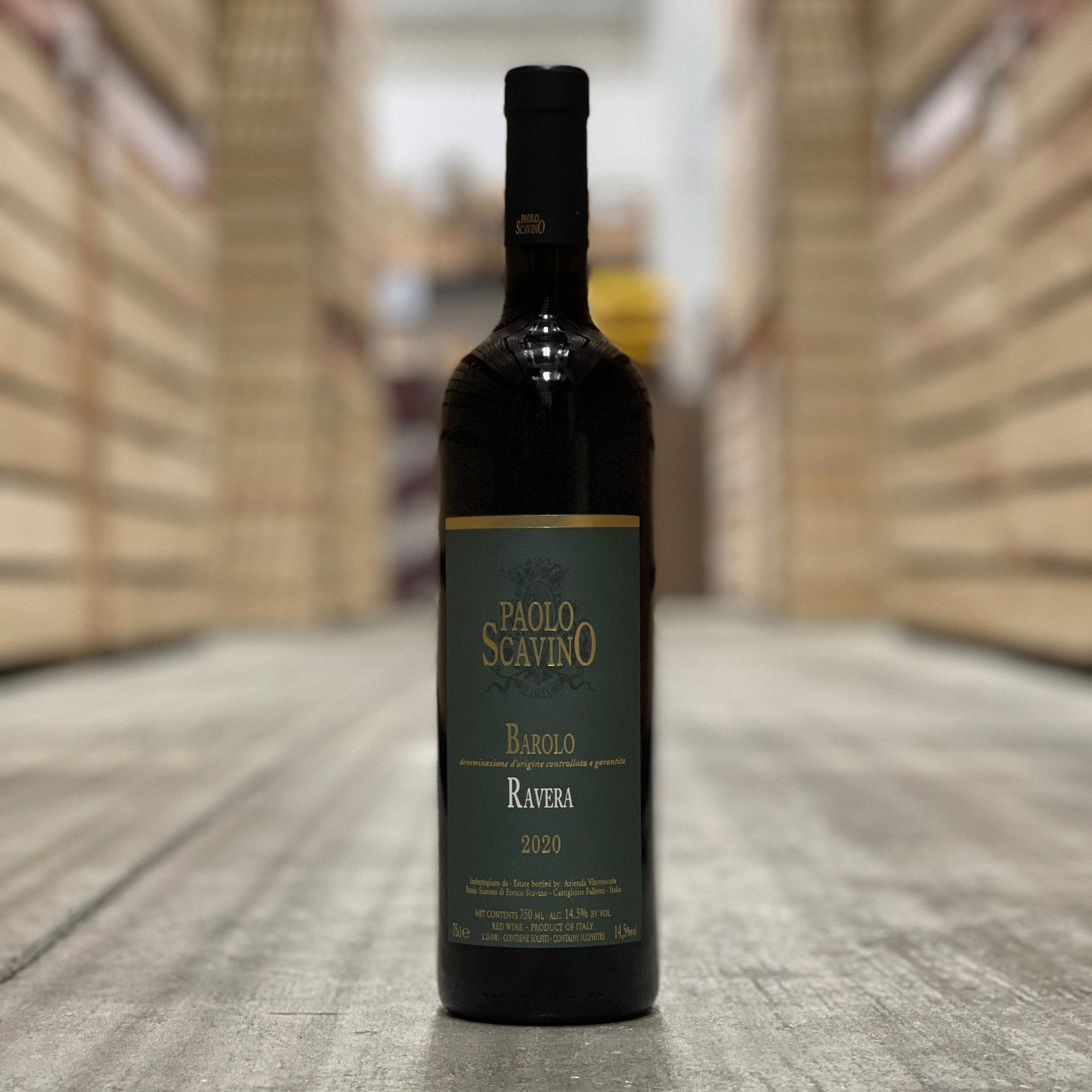
In the absence of cocktail menus, the intelligence at a place like Le Vigne Bio concentrates in its wine selection, specifically, in which producers it chooses to stock and how it positions the less familiar names alongside the recognizable appellations. Barolo and Barbaresco will be present, as they are in virtually every Langhe enoteca, but the organic framing suggests a selection that extends toward Dolcetto, Barbera, Freisa, and Nascetta, varieties that certified-organic producers in the zone tend to farm with particular care because lower-intervention viticulture suits grapes with natural structural resilience.
This is the kind of selection where a knowledgeable pour matters. Langhe's organic producers are not uniformly consistent, and the ability to guide a visitor toward the right bottle, matching the stage of a Barolo's evolution to the style of drinker at the bar, is the real service on offer. It is a more compressed version of what Al Covino in Venice does with its Venetian natural wine focus: local grounding, specialist knowledge, and an implicit argument that these producers deserve attention on the same terms as the appellation's conventional hierarchy.
For readers who have spent time at L'Antiquario in Naples or Gucci Giardino in Florence, where drinks programmes are built around spectacle and design language, the bar represents the opposite end of the spectrum. The drama, such as it is, lives in the glass rather than the room.
Where It Sits in the La Morra Visit
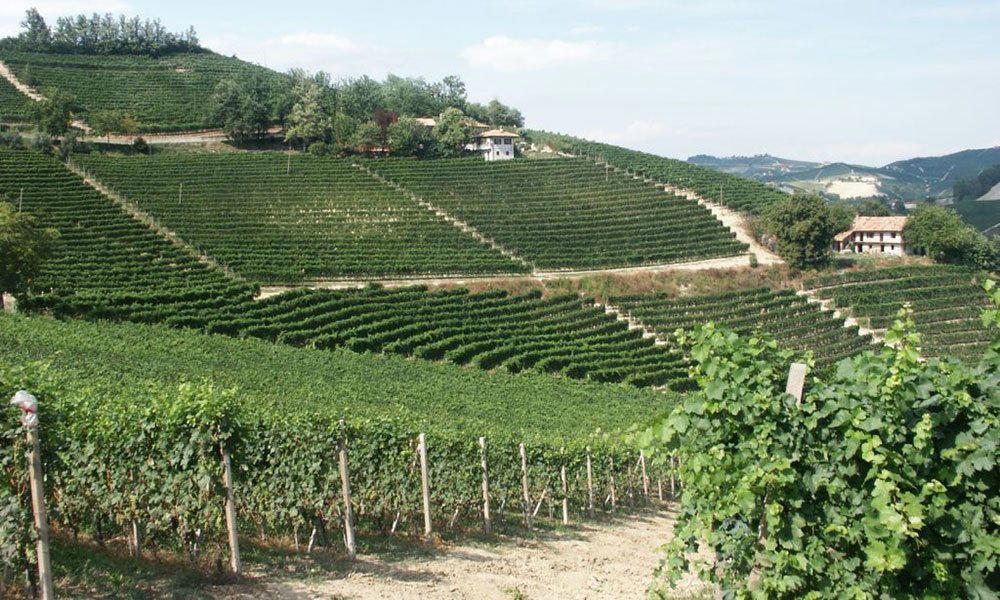
La Morra rewards a half-day or full-day structure. The belvedere at the summit of town offers a panoramic view across the Barolo crus, Brunate, Cerequio, La Serra, before the descent into the enoteca circuit below. Arriving at the bar after the Enoteca Comunale gives you a useful contrast: the Comunale pours across the appellation broadly; the bar filters through a specific production philosophy. Together, they map two distinct ways of understanding what organic viticulture means in the context of one of Italy's most studied wine zones.
Visitors on a longer Piedmont itinerary sometimes drop into La Morra as a detour from Alba, which anchors most Barolo-focused trips. The town's wine bar concentration is high enough that a full afternoon can be spent moving between addresses without a car between stops, which is relatively unusual for the Langhe's dispersed hilltop villages. Timing matters: the harvest period through late September and October brings producers to town and accelerates the conversation at the bar; the quieter winter months offer more considered, unhurried pours.
Italy's natural wine bar scene extends well beyond Piedmont. Bistrot Torrefazione Samambaia in Turin and Fauno Bar in Sorrento represent different regional inflections of the same interest in less-intervened production. Further afield, Lost & Found in Nicosia and Bar Leather Apron in Honolulu show how the appetite for thoughtful, producer-led drink selections has spread across different formats and geographies. The bar is the Langhe-specific version of that tendency: local, particular, and rooted in a place where the wine has a claim to international attention that most natural wine producers cannot make.
Planning a Visit
The bar is located at Via San Martino, 2, directly opposite the church in central La Morra. The organic and natural wine positioning keeps the format casual and unhurried rather than reservation-driven.
Comparison Snapshot
Comparable venues nearby, for context on price, style, and recognition.
| Venue | Cuisine | Price | Notes |
|---|---|---|---|
| Le Vigne BioThis venue — the venue you are viewing | wine_bar | $$ | Not listed |
| Palás Cerequio | wine_bar | $$$ | La Morra |
Recognition history
Dated appearances from independent guides and award organizations, with the underlying list record or original source where available.
Star Wine List
Star Wine List
Continue exploring
More in La Morra
Bars in La Morra
Browse all →
Restaurants in La Morra
Browse all →
Hotels in La Morra
Browse all →
At a Glance
- Cozy
- Rustic
- Intimate
- Elegant
- Date Night
- Casual Hangout
- Standalone
- Seated Bar
- Outdoor Terrace
- Natural Wine
Current opening hours
- Monday
- 12–5:30 PM
- Tuesday
- Closed
- Wednesday
- Closed
- Thursday
- 12 PM–12 AM
- Friday
- 12 PM–12 AM
- Saturday
- 12 PM–12 AM
- Sunday
- 12–11:30 PM
Hours can change for holidays and private events. Last verified .
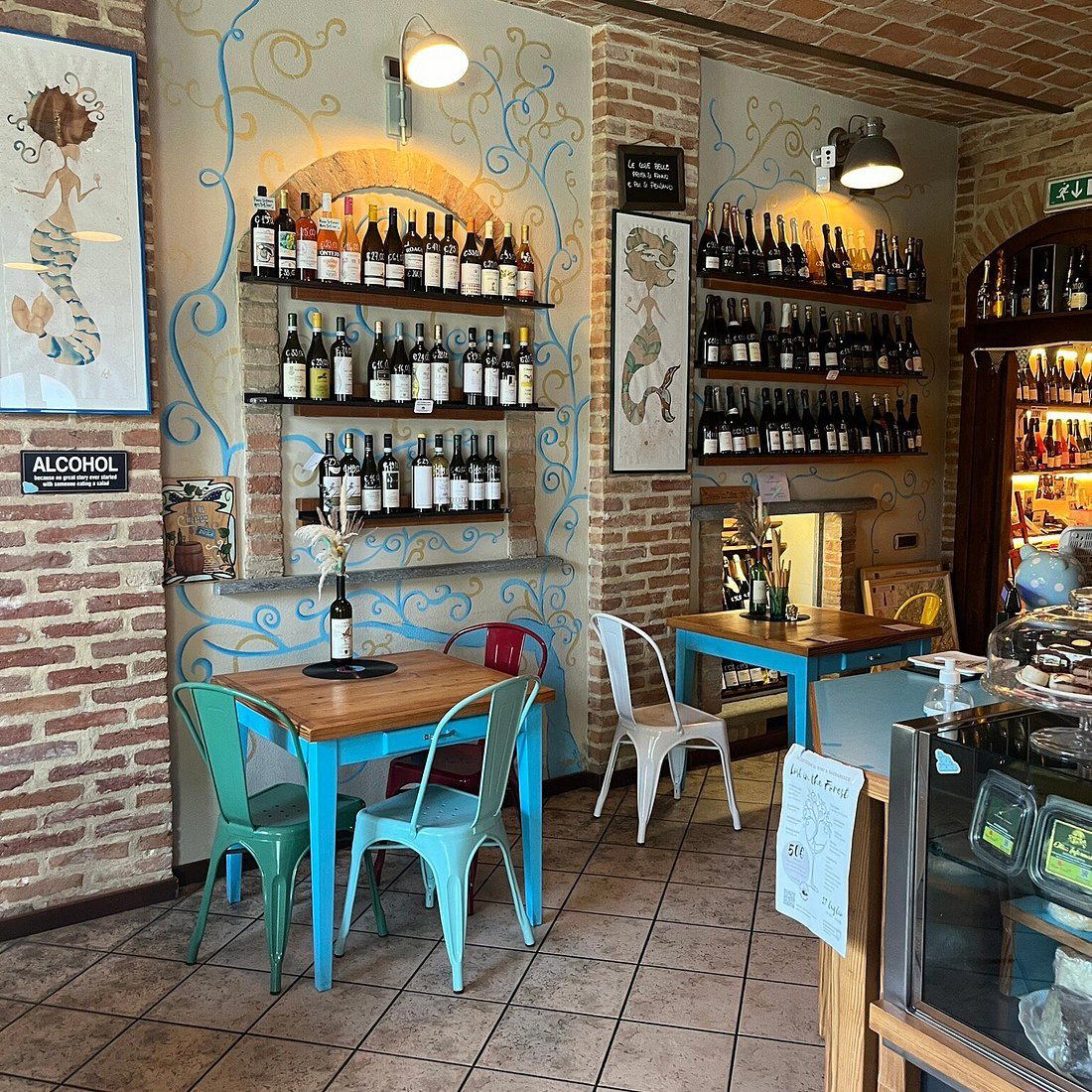
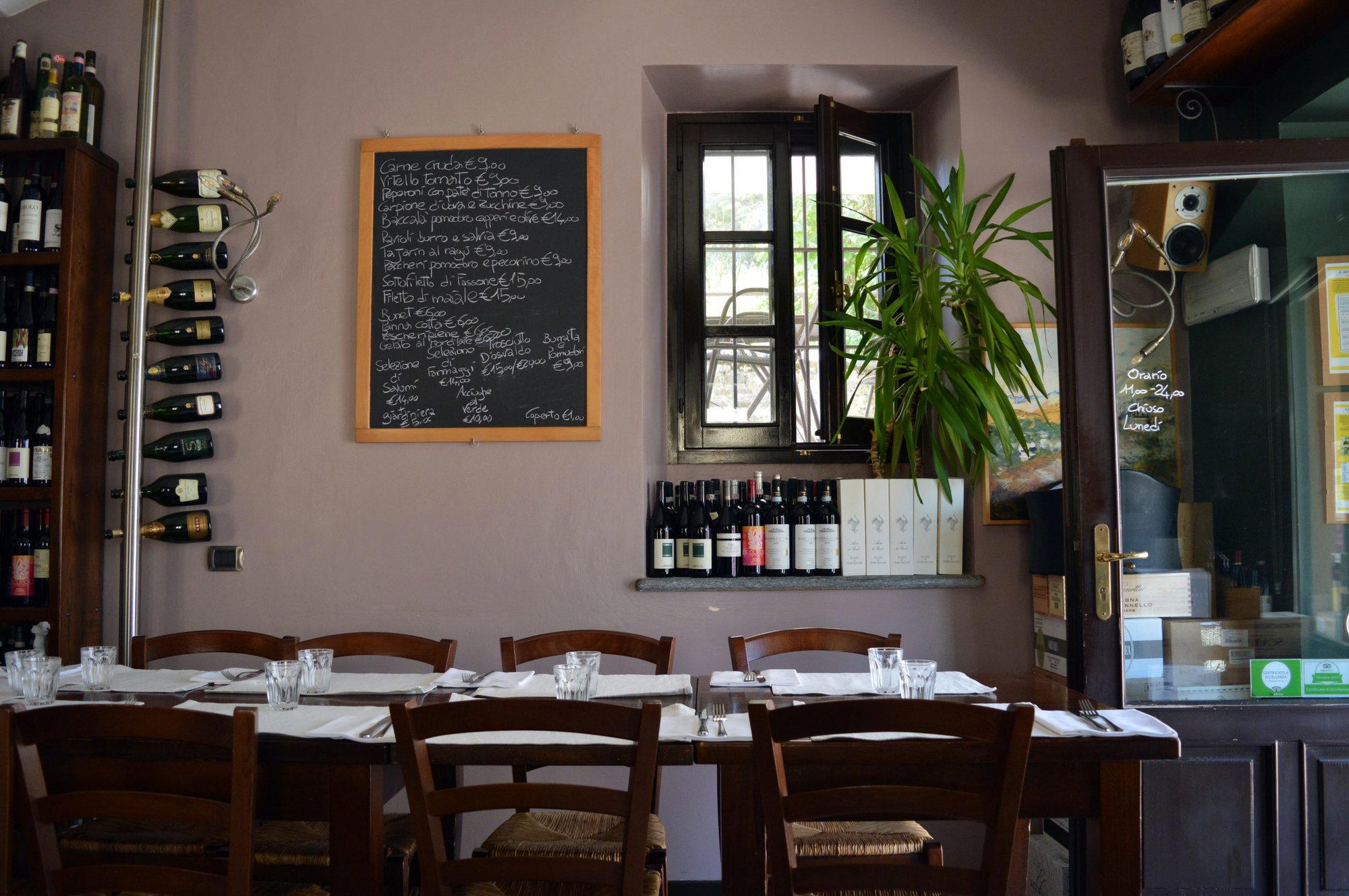
Cozy and homely with soft lighting from wine racks and wooden elements creating a warm, intimate atmosphere.