

Michelin Selected · Small Luxury Hotels of the World Member
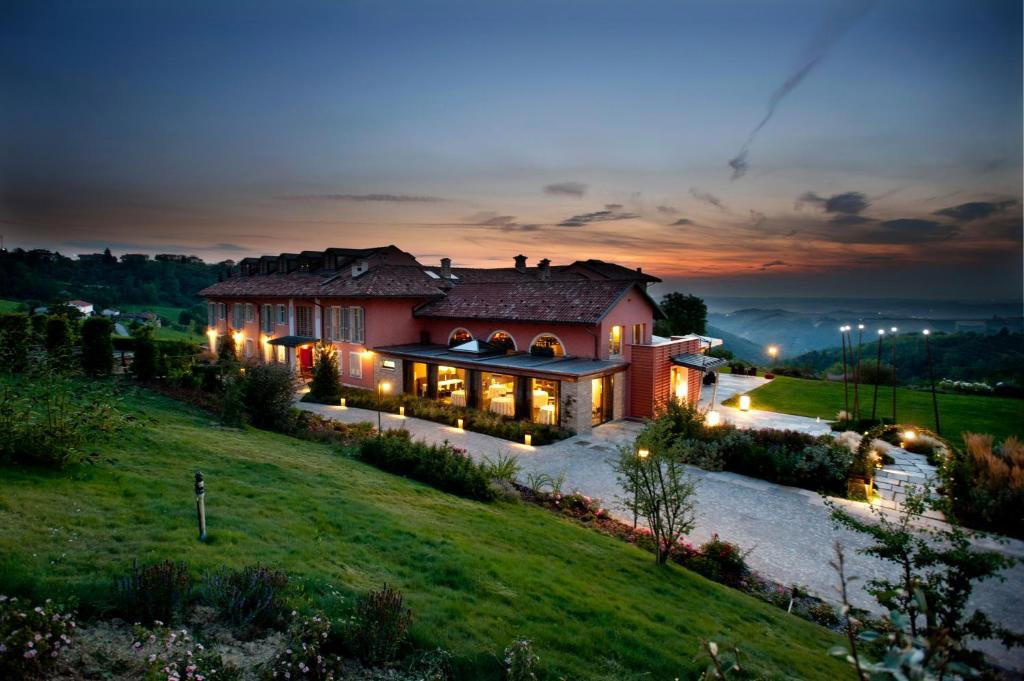
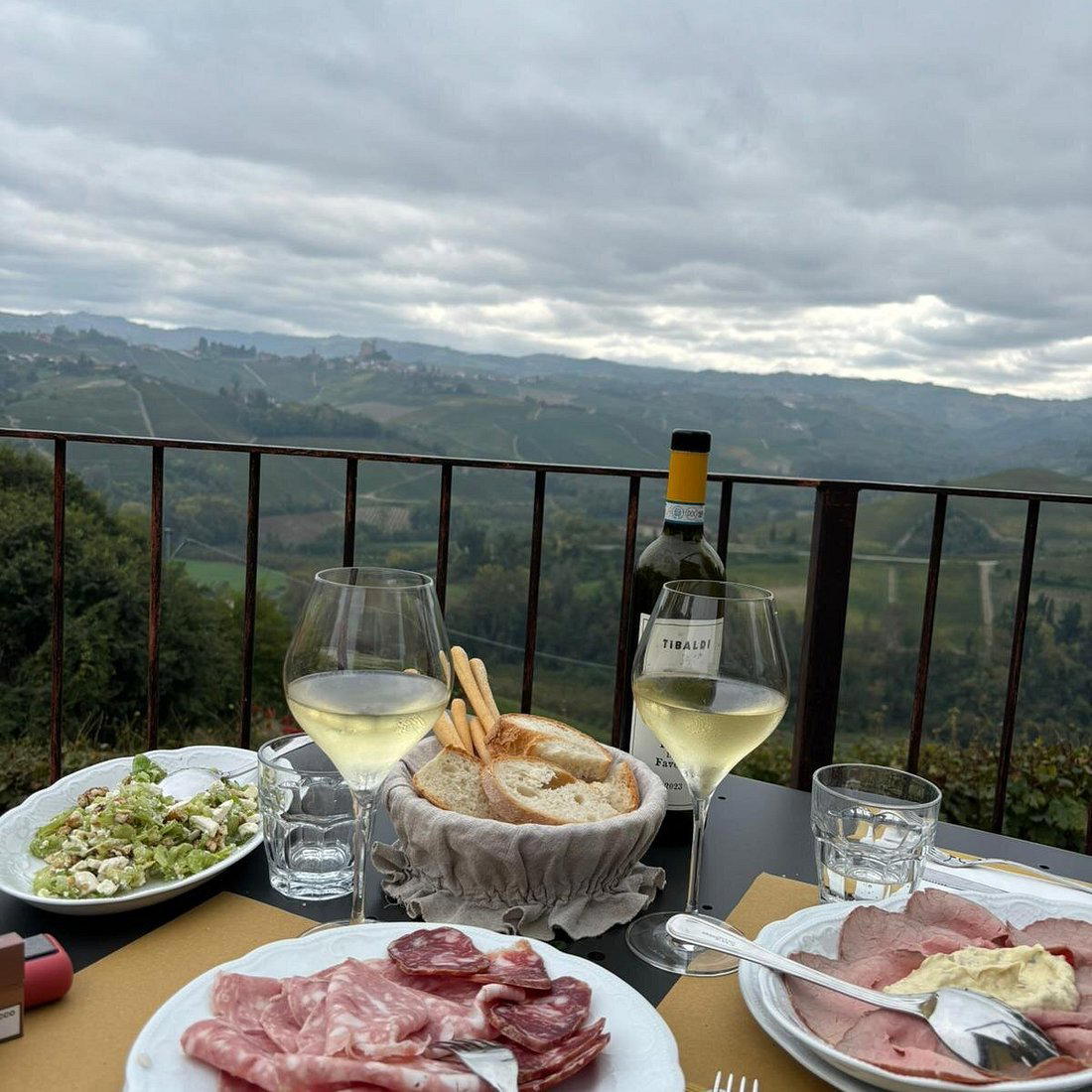
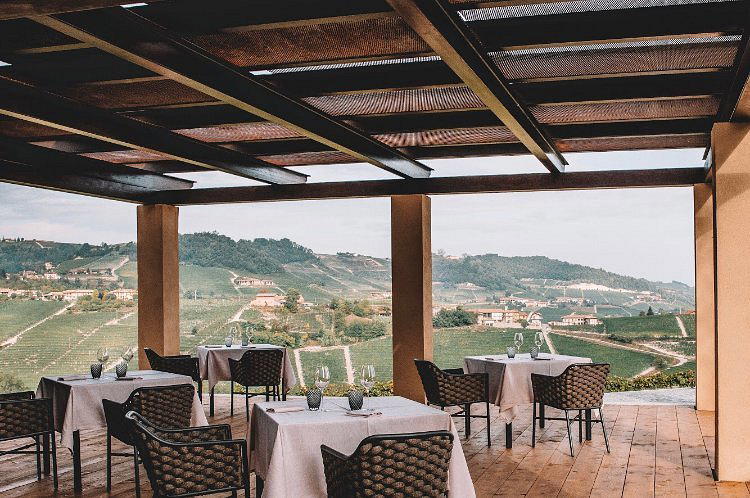
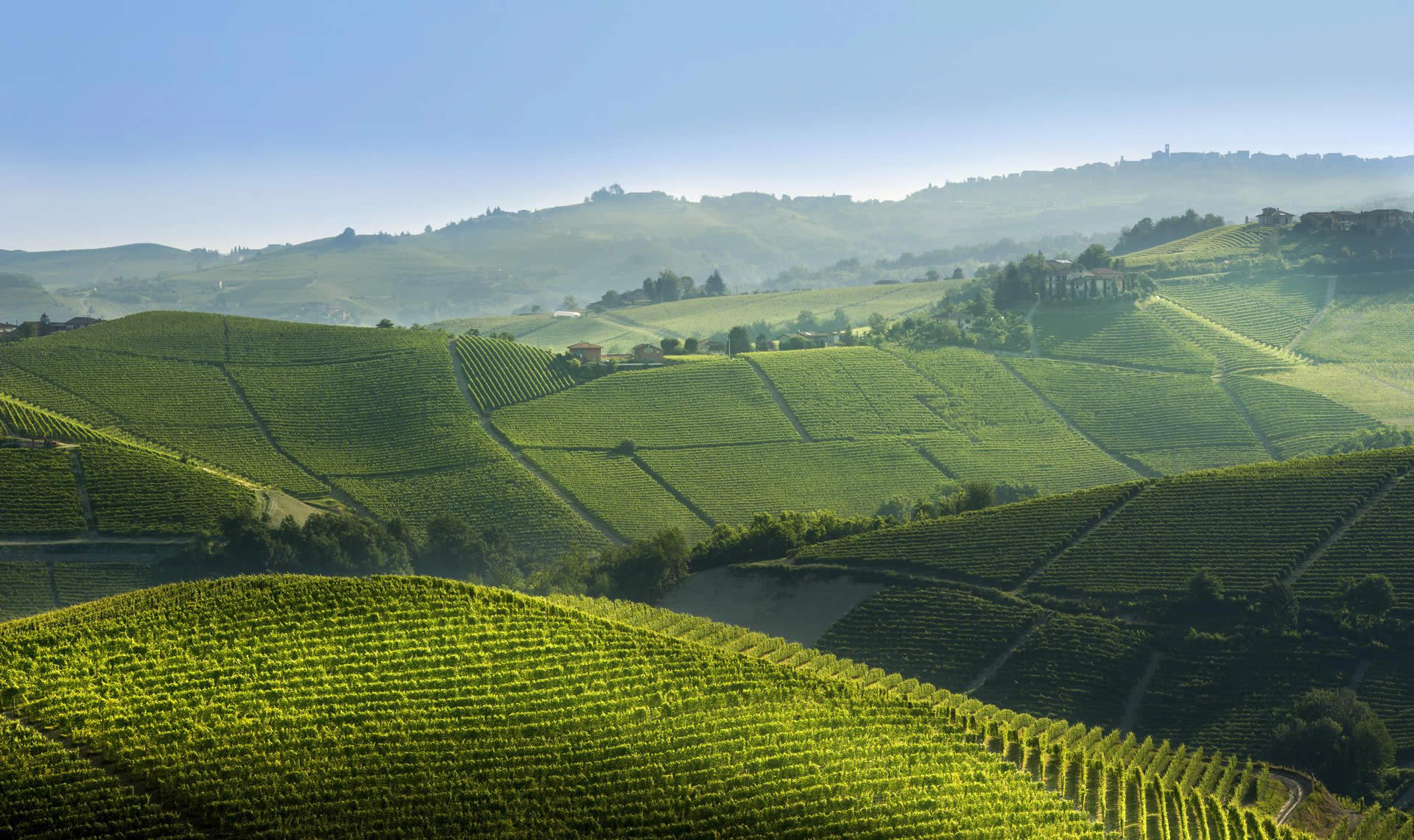
A late 19th-century country house set on a ridge above Benevello, ten minutes from Alba, Relais Villa d'Amelia sits at the intersection of Piedmont's two most serious credentials: white truffle country and Barolo and Barbaresco wine territory. Views reach to the Monviso Alps across hazelnut groves, and the kitchen draws on one of Italy's most ingredient-specific regions.

Pearl is the En Primeur Club membership app — saves, bookings, and concierge access live there. Same editors, same standards.
- Address
- Località Manera, 1, 12050 Benevello CN
- Phone
- +39 0173 529225
- Website
- villadamelia.com
- Directions
- Get directions
A Ridge Above the Langhe
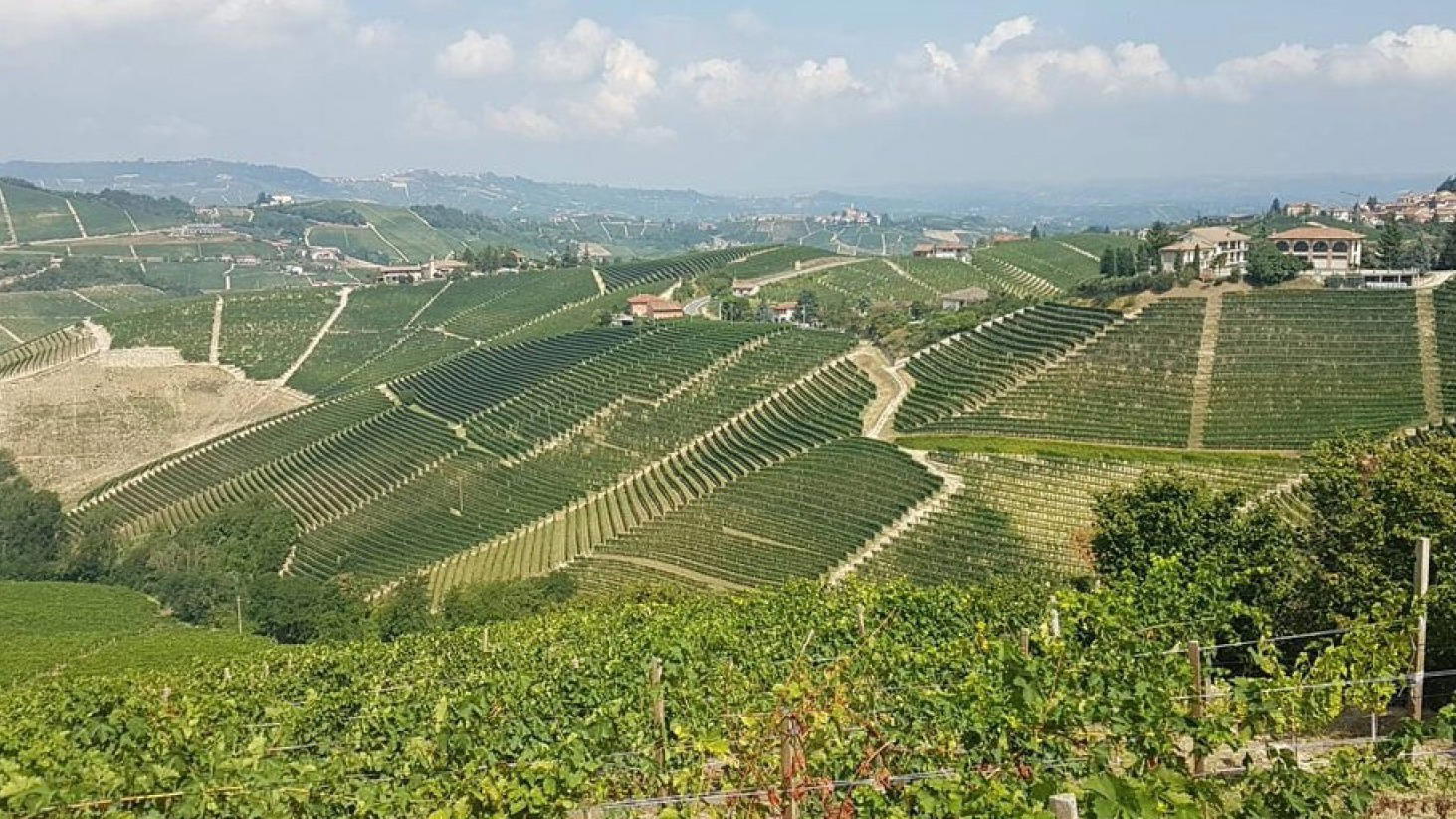
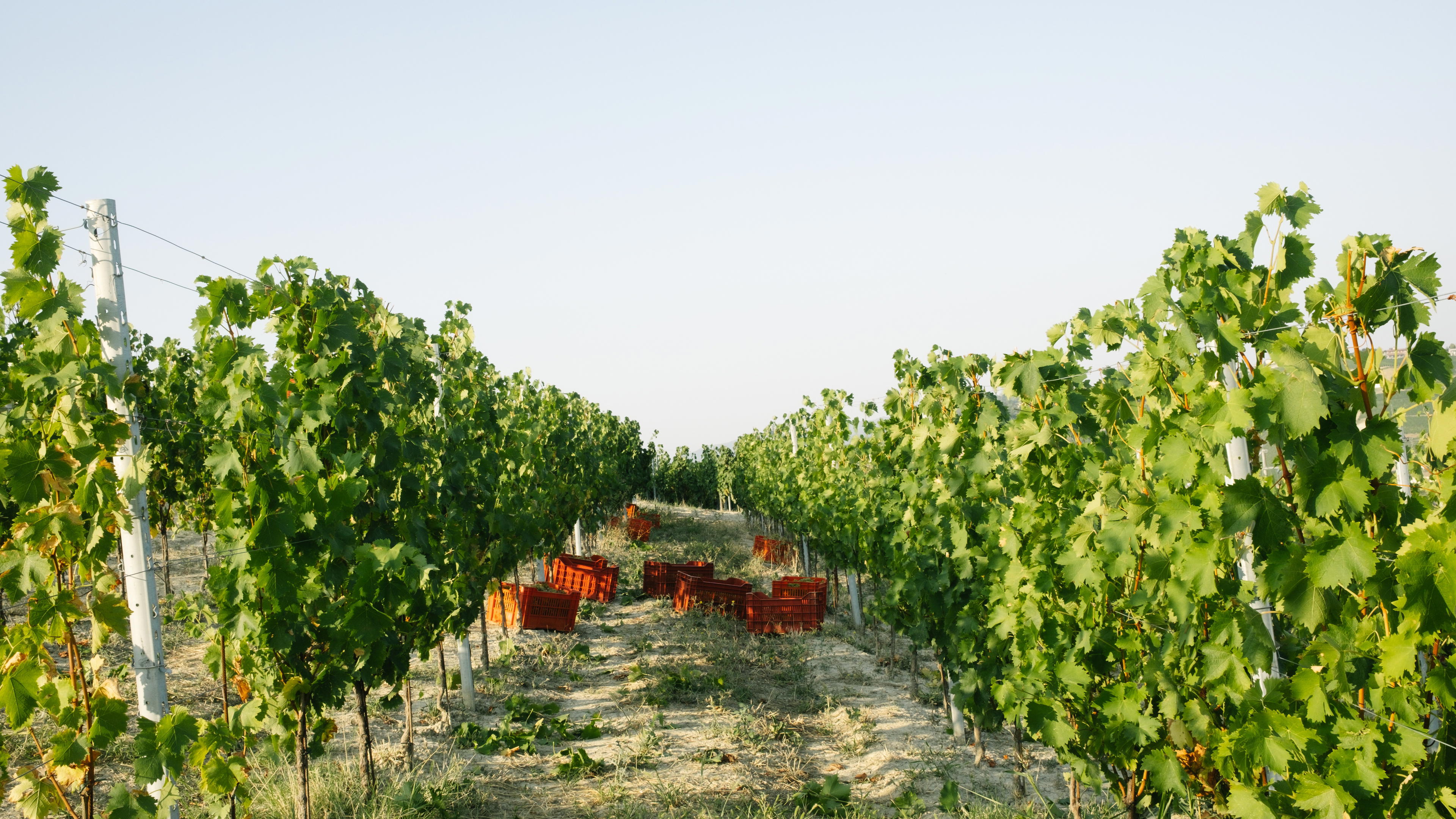
The approach to Relais Villa d'Amelia does most of the editorial work before you reach the door. The road from Alba climbs through the Langhe hills — a range of tight vine rows, hazelnut groves, and medieval tower villages that has produced two of Italy's most discussed wine appellations: Barolo and Barbaresco. The property sits on a ridge above Benevello, roughly ten minutes from Alba's centre, and the view from that ridge extends south to the Monviso Alps. That geography is not incidental. This part of Piedmont is specific in a way that few Italian wine regions are, and properties here either engage with that specificity or trade on a generic rural-Italy aesthetic. Villa d'Amelia's position, and the agricultural context surrounding it, suggests the former.
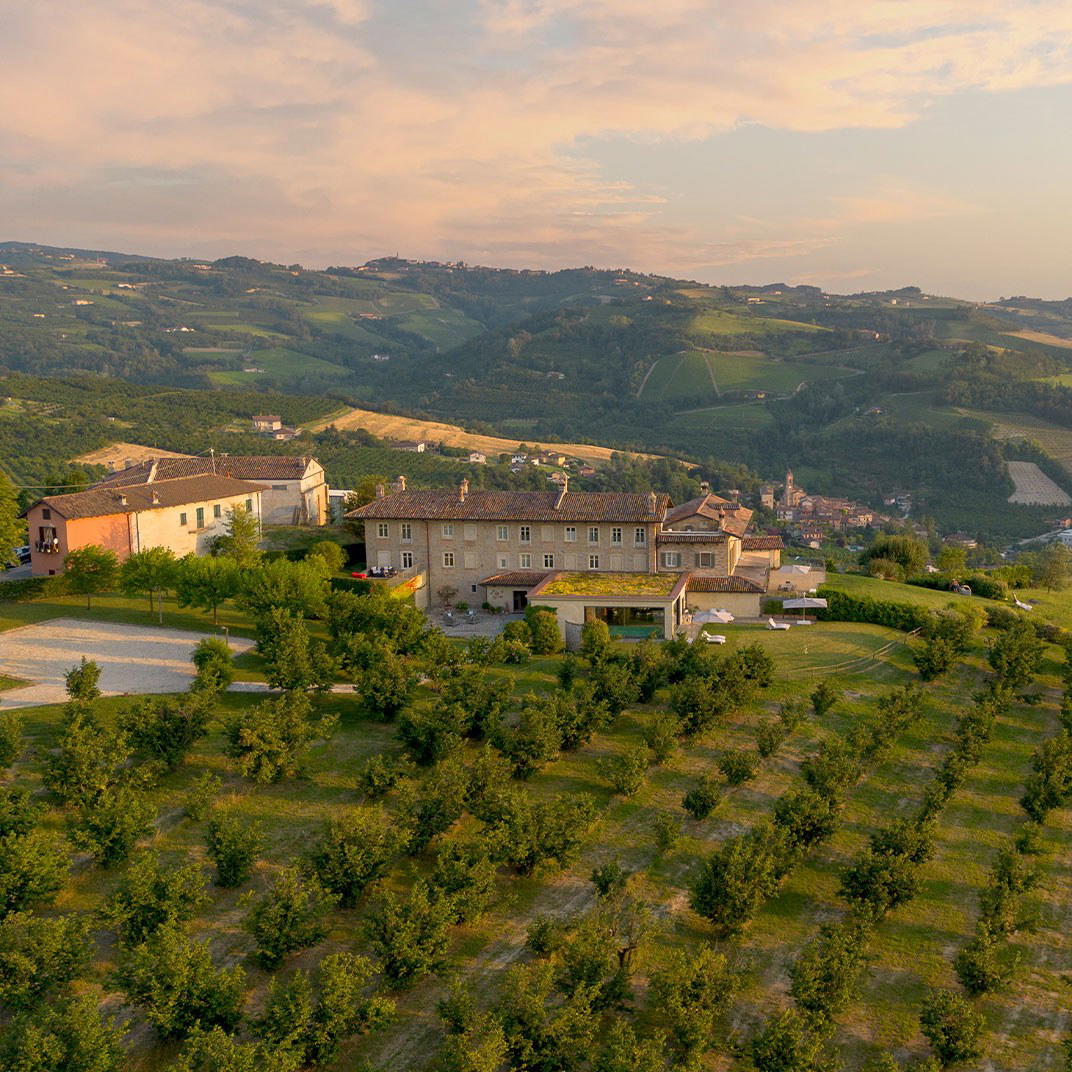
The building itself dates to the late 19th century, which places it in a period of prosperous Piedmontese rural construction, when landowners built country houses that combined utility with a degree of formal architecture. That lineage shows in the structure: the kind of proportioned facade and internal volumes that renovation tends to preserve rather than reinvent, because the bones resist improvement. This category of historic Italian rural property — genuinely old, not reconstructed to look old, sits in a different tier from purpose-built agritourism developments. For comparison, Castello di Reschio in Lisciano Niccone and Borgo San Felice Resort in Castelnuovo Berardenga operate in a similar category of converted historic architecture in wine-producing regions, where the property's age anchors the identity as much as the food or amenities.
Piedmont's Ingredient Logic
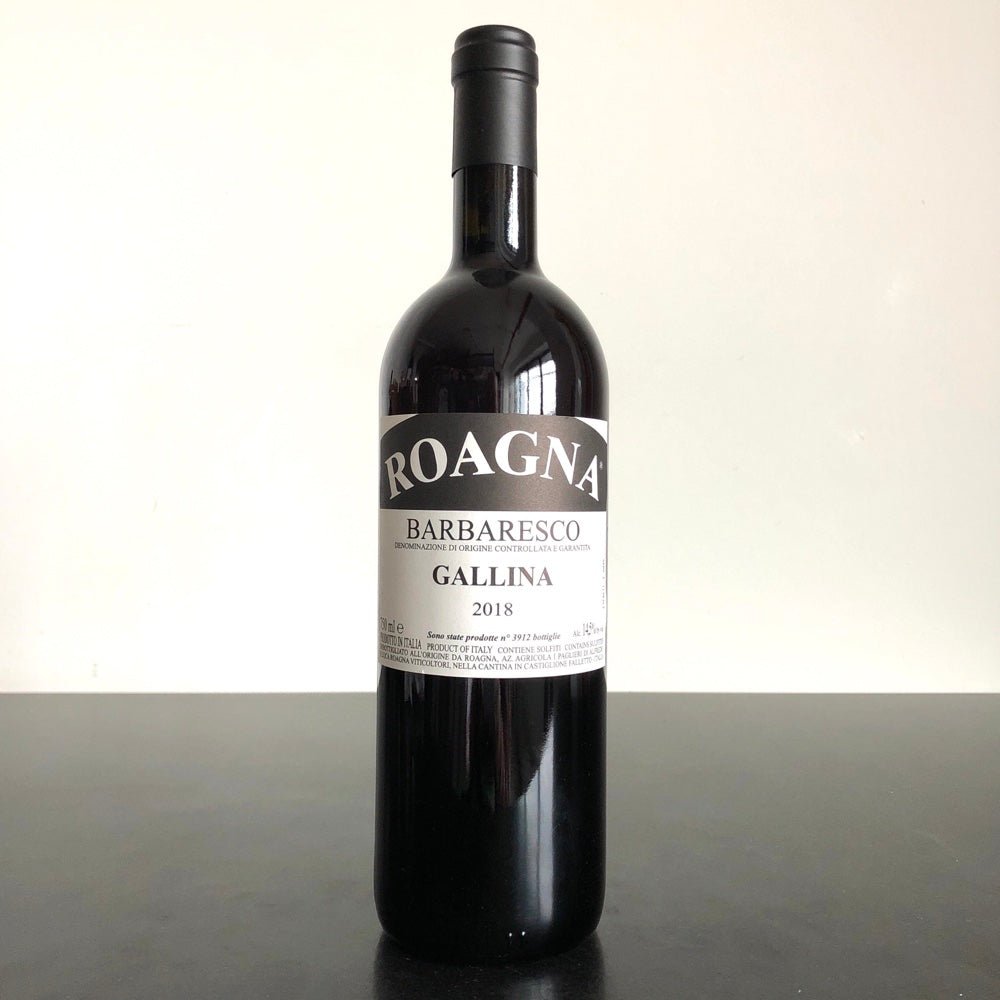
Northern Italy's luxury hotel dining has historically followed one of two approaches: kitchens that import prestige ingredients from elsewhere in Europe, and kitchens that commit to regional sourcing as a point of identity. In Piedmont, the second approach has a stronger argument than almost anywhere else in the country. The white truffle centred on Alba is among the most commercially significant seasonal ingredients in European cooking, with auction prices for premium specimens regularly exceeding four figures per kilogram. Barolo, sourced from communes including Barolo, Castiglione Falletto, and La Morra within fifteen kilometres of this property, is one of Italy's most discussed age-worthy reds. A kitchen operating within reach of both has ingredients to work with that no import budget can replicate.
The hotel's available record notes its position as a property famed for the coveted white truffle and Barolo and Barbaresco wine, and that the kitchen promises serious food.
The Architecture of the Stay
Country houses of this era in northern Italy were built for a specific social function: extended stays by families whose primary residence was in a city. The rooms were sized accordingly, and the proportion between public reception rooms and private quarters tends to favour the former. That design logic, preserved in properties that have converted to hotels without wholesale reconstruction, produces a different guest experience from purpose-built resort architecture. Common rooms have a weight and dimension that contemporary builds rarely replicate. The corridor-to-room ratio changes. The ceiling heights in principal rooms hold the quality of light differently through the day.
Set against peers in other Italian wine-country destinations, Rosewood Castiglion Del Bosco in Montalcino in Brunello territory, or Castelfalfi in Montaione in the Tuscan hills, Relais Villa d'Amelia operates at smaller scale, which is partly a function of the original building and partly consistent with the character of the Langhe, where properties tend toward intimacy rather than resort footprint. The ridge setting further limits expansion in the way that hilltop positions typically do, and the surrounding hazelnut groves contribute to a contained, working-agricultural atmosphere that distinguishes the property from destinations where grounds have been entirely given over to hotel landscaping.
Timing and the Truffle Season
For most visitors from outside Italy, the white truffle is the primary seasonal argument for the Langhe in autumn. The Alba White Truffle Fair typically runs through October and November, drawing buyers, chefs, and visitors from across Europe and beyond. Rooms within reach of Alba during that window fill early, and rates across the region reflect demand. Booking well ahead of the truffle season, realistically, several months, is standard practice for properties of this category in the area. The flipside is that spring and early summer bring a different character to the hills: Barolo and Barbaresco producers open their cellars more freely, the vine growth makes the terraced slopes visually compelling, and the region is quieter. Both periods have a case; the choice depends on whether truffle or wine is the primary interest, noting that both are available year-round in some form through local producers and restaurant menus.
For context on what Italian wine-country hotel stays look like at various scales and price points, EP Club covers Casa Maria Luigia in Modena, Borgo Egnazia in Savelletri di Fasano, Il Pellicano in Porto Ercole, and Passalacqua in Moltrasio, each operating in a distinct regional and price context. For those considering northern Italian rural hotels specifically framed around wine-country architecture and landscape, Castel Fragsburg in Merano and Forestis Dolomites in Plose represent the alpine end of that spectrum.
Planning Your Visit
Relais Villa d'Amelia is located at Località Manera, 1, 12050 Benevello CN, approximately ten minutes by road from the centre of Alba. Alba is accessible by train from Turin (around 75 minutes on regional services) and from Milan with a connection at Asti. Driving from Turin takes approximately 55 to 65 minutes depending on route and traffic. For broader orientation to the city and region, see our full Alba restaurants guide.
At-a-Glance Comparison
Comparable venues nearby, for context on price, style, and recognition.
| Venue | Cuisine | Price | Awards | Notes |
|---|---|---|---|---|
| Relais Villa d'AmeliaThis venue — the venue you are viewing | Restored 19th-century farmhouse villa in a seven-hectare park amid vineyards and orchards. | $200–300 | Michelin Selected · Small Luxury Hotels of the World Member | Not listed |
| Casa Scaparone | Historic agriturismo (farm stay) with rustic Piedmontese character, family-owned and operated with emphasis on authentic rural hospitality and heritage preservation. | $100–200 | Michelin Selected | Scaparone |
| My Arbor - Dolomites | Sustainable family-run treehouse hotel polished in the forest | $200–300 | Michelin Selected · Mr & Mrs Smith Seal of Approval | Plose |
| Tivoli Palazzo Gaddi | Historic palace blending Renaissance heritage with modern luxury | Not listed | Michelin Selected | Centro Storico |
| Porta Rossa Hotel Firenze, Colbert Collection | Historic luxury hotel in a restored landmark building | $750–1,000 | Not listed | Centro Storico |
| Meliá Genova | Contemporary luxury boutique hotel in a historic 1929 art deco building, polished with modern design and upscale amenities. | $200–300 | Michelin Selected | Carignano |
Recognition history
Dated appearances from independent guides and award organizations, with the underlying list record or original source where available.
Michelin Selected
Michelin
Small Luxury Hotels of the World Member
Small Luxury Hotels of the World
Continue exploring
More in Alba
Hotels in Alba
Browse all →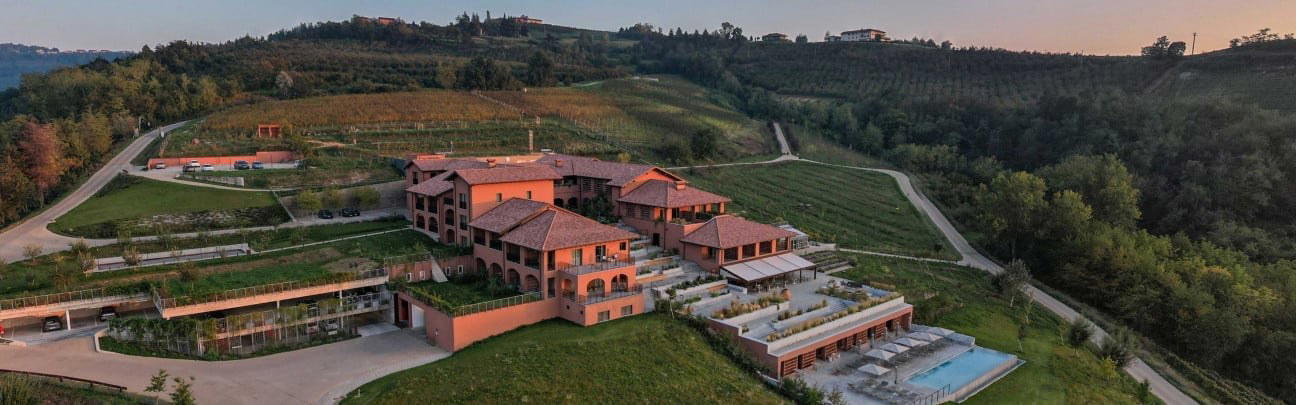
Bars in Alba
Browse all →
Restaurants in Alba
Browse all →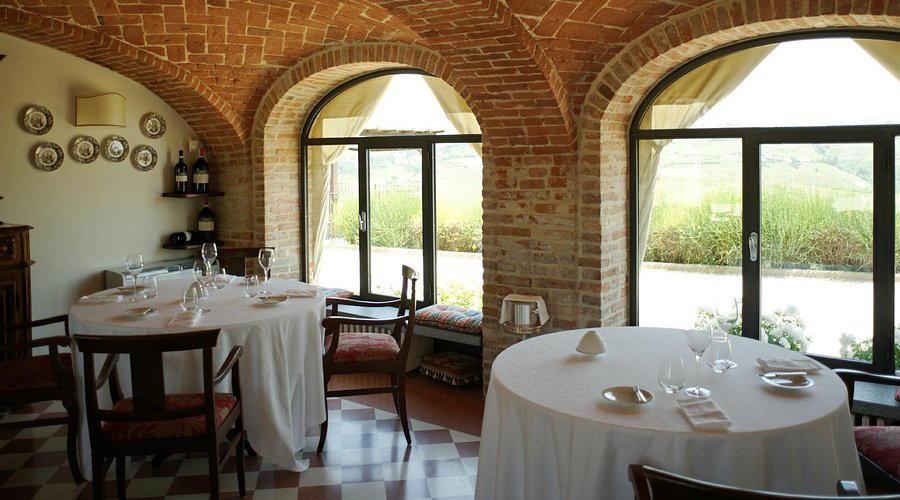
Details
- Romantic
- Elegant
- Quiet
- Scenic
- Sophisticated
- Romantic Getaway
- Honeymoon
- Anniversary
- Wellness Retreat
- Panoramic View
- Infinity Pool
- Historic Building
- Terrace
- Pool
- Spa
- Fitness Center
- Room Service
- Concierge
- Wi Fi
- Restaurant
- Sauna
- Hot Tub
- Garden
- Mountain
- Vineyard
- Garden
- Wheelchair Accessible
- Elevator
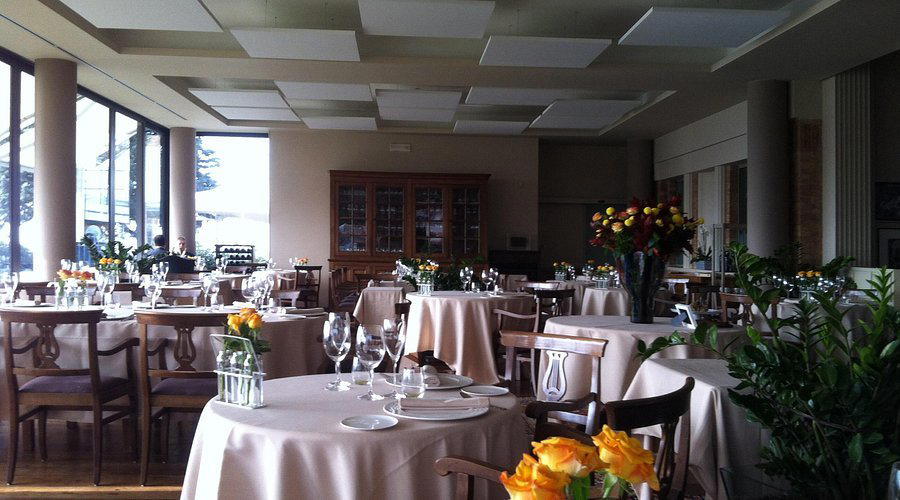
Warm and relaxing atmosphere with luxurious yet cozy lounges, peaceful hilltop setting, and elegant common areas praised for their tasteful design and serene lighting.