


1 Michelin Star · Star Wine List
Our verdict
A Michelin-starred family restaurant in Roero that has anchored its identity in Piedmontese tradition since 1956, Il Centro in Priocca draws serious diners for its agnolotti del plin, finanziera stew, and a seasonal fritto misto that books out months in advance. Ranked #95 in Opinionated About Dining's Classical in Europe list for 2025, it occupies a distinct tier: rigorous technique in service of cuisine that has never chased trend.

Pearl is the En Primeur Club membership app — saves, bookings, and concierge access live there. Same editors, same standards.
- Address
- Via Umberto I°, 5, 12040 Priocca CN, Italy
- Phone
- +39 0173 616112
- Hours
- Mon–Tue ClosedWed 7:15–9:15 PMThu–Sun 12:15–1:30 PM, 7:15–9:15 PM
- Website
- ristoranteilcentro.com
- Directions
- Get directions
- Booking
- Book on the venue's website
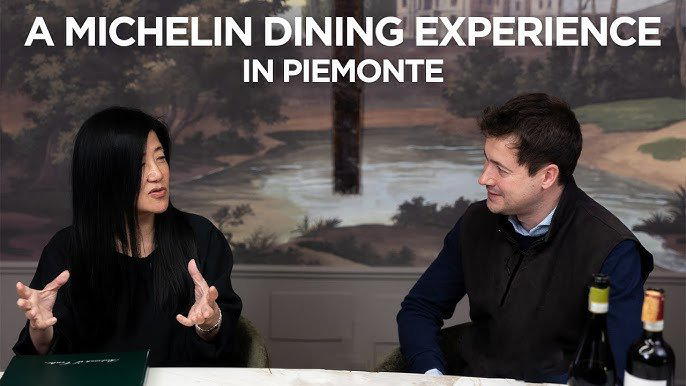
The menu
What to order
- Tajarin al tartufo bianco d'Alba
- Agnolotti del plin
- Fritto misto
- Peppers in sweet and sour sauce
- Veal cooked under salt
- Finanziera stew
A Village Address That Demands a Detour
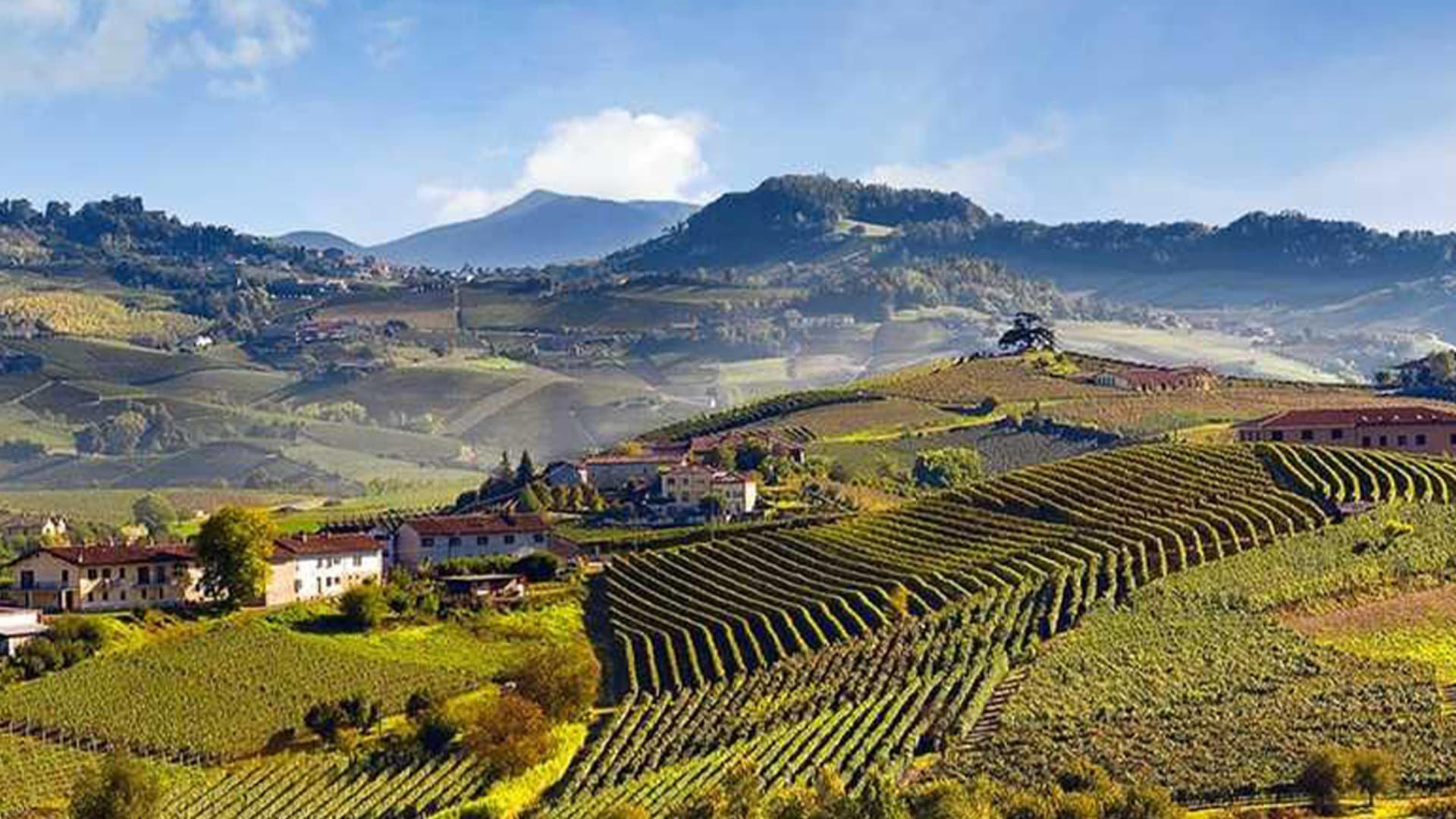
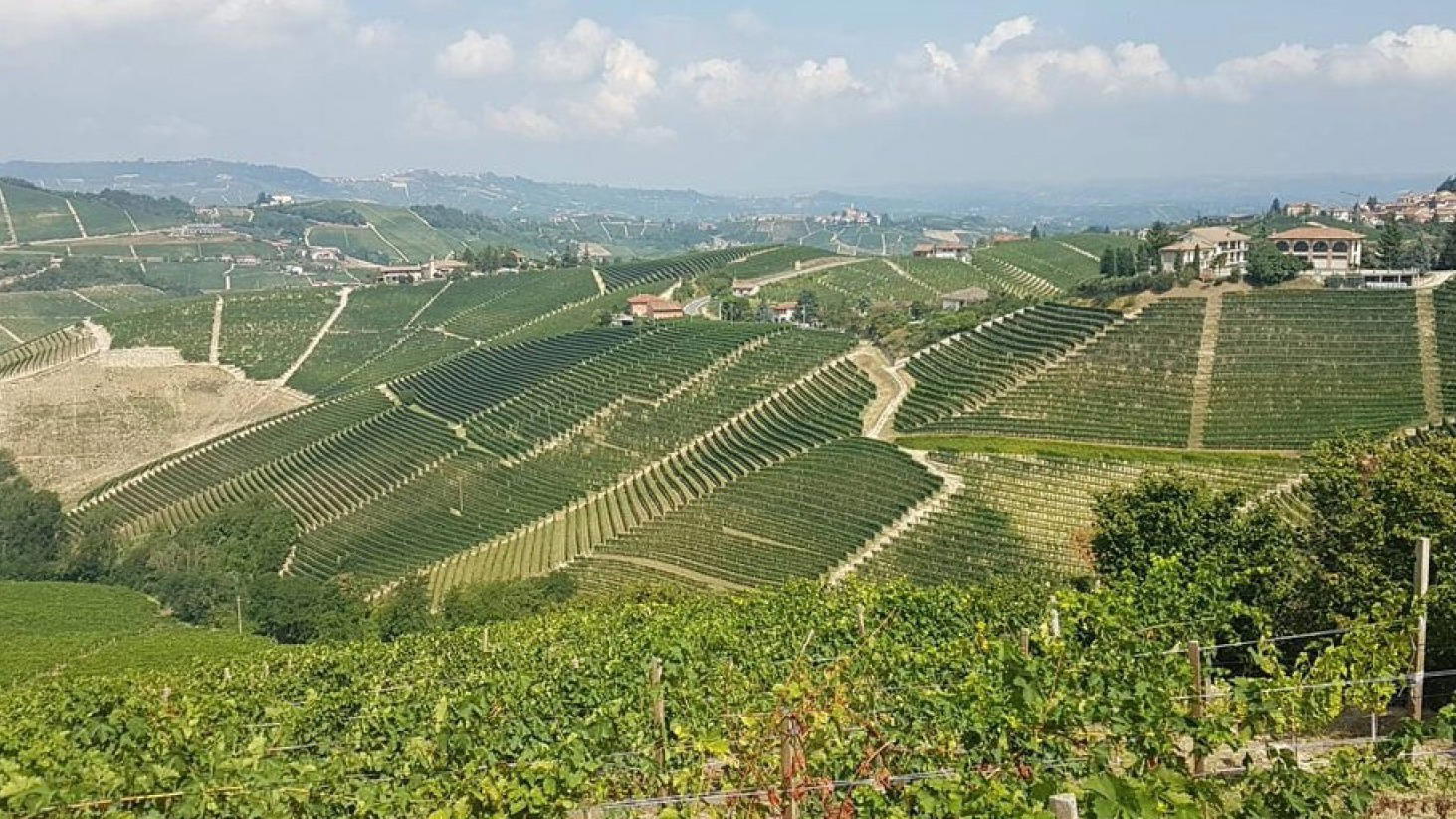
Roero sits on the left bank of the Tanaro river, facing Langhe across the valley, and it occupies a quieter place in the Piedmontese imagination than its more celebrated neighbour. The vineyards here produce Arneis and Roero Nebbiolo rather than Barolo; the restaurants draw fewer international pilgrims. That relative quietude is precisely what gives Il Centro in Priocca its particular gravity. In a small village along Via Umberto I, a family-run dining room has been maintaining Michelin-star standards since before such ratings were part of the conversation here, holding a position that has become increasingly rare in Italian fine dining: deeply traditional, technically serious, and entirely uninterested in reinvention for its own sake.
The comparison matters as context. Italy's starred dining tier now includes properties at the far end of the contemporary spectrum, from Osteria Francescana in Modena and Enrico Bartolini in Milan to Le Calandre in Rubano and Atelier Moessmer Norbert Niederkofler in Brunico, each operating at €€€€ and oriented toward creative or progressive formats. Il Centro operates at €€€, and its programme is built around the deep archive of Piedmontese cooking rather than departures from it. That is a deliberate position in a dining culture that increasingly rewards novelty.
What the Kitchen Represents
Piedmontese cuisine is one of Italy's most codified regional traditions, shaped by the geography of a landlocked alpine province, the influence of Savoy court cooking, and the slow-food philosophies that took root here more than anywhere else in Italy. Its signatures, including agnolotti del plin, finanziera, vitello tonnato, and the fritto misto piemontese, are dishes with defined forms and long histories. The challenge for any kitchen working in this tradition is not creativity but fidelity: understanding which components of a dish are structural and which are incidental, and executing the former with the precision they require.
That challenge is the daily subject of Elide Mollo's kitchen. The Cordero family has run Il Centro since 1956, and Elide heads the cooking operation, with husband Enrico and son Giampiero managing the front of house and the wine programme respectively. What three generations of a family bring to a regional cuisine is not just consistency but accumulated understanding: the knowledge of how a dish behaves across seasons, how sourcing shifts its character, how a dining room's rhythm differs at lunch and at dinner. That kind of institutional memory is not reproducible by a restaurant that opened five years ago, however talented its team.
Among its regularly cited preparations, the agnolotti del plin represent one of Piedmont's most demanding pasta forms: small, hand-pinched parcels that require dough of specific thinness and a filling whose seasoning must hold once sealed. The finanziera stew, a dish of Savoy origin combining offal, sweetbreads, and cockscombs in a sweet-sour sauce, is one of the most technically demanding preparations in the regional canon and one of the least commonly executed with accuracy today. That Il Centro treats it as a staple rather than an occasional feature says something about where the kitchen places its ambitions.
The Fritto Misto Season
Seasonal eating in Piedmont follows a logic that has little to do with contemporary farm-to-table signalling and everything to do with the traditional rhythm of agricultural life. Il Centro applies that logic most visibly in its winter and early spring programme. From January, when the restaurant reopens after its seasonal closure, through to spring, the kitchen runs its fritto misto format: twelve courses that alternate between sweet and savoury preparations, moving through semolina, vegetables, offal, fruit, and pastry in a sequence that traces the full range of the tradition. Tables for this period have become progressively harder to secure, a function of word spreading slowly but reliably through the dining networks that follow classical Italian cooking.
The difficulty in booking the fritto misto season is a meaningful signal. Restaurants in this price tier that still offer multi-course set formats built around a single traditional technique are a shrinking group. The format also reflects something about how Il Centro understands hospitality: not as a series of modular options but as a curated progression that the kitchen controls. For the diner willing to commit to that proposition, the reward is a form of culinary education that is hard to find in more urbanised settings.
The Wine Programme
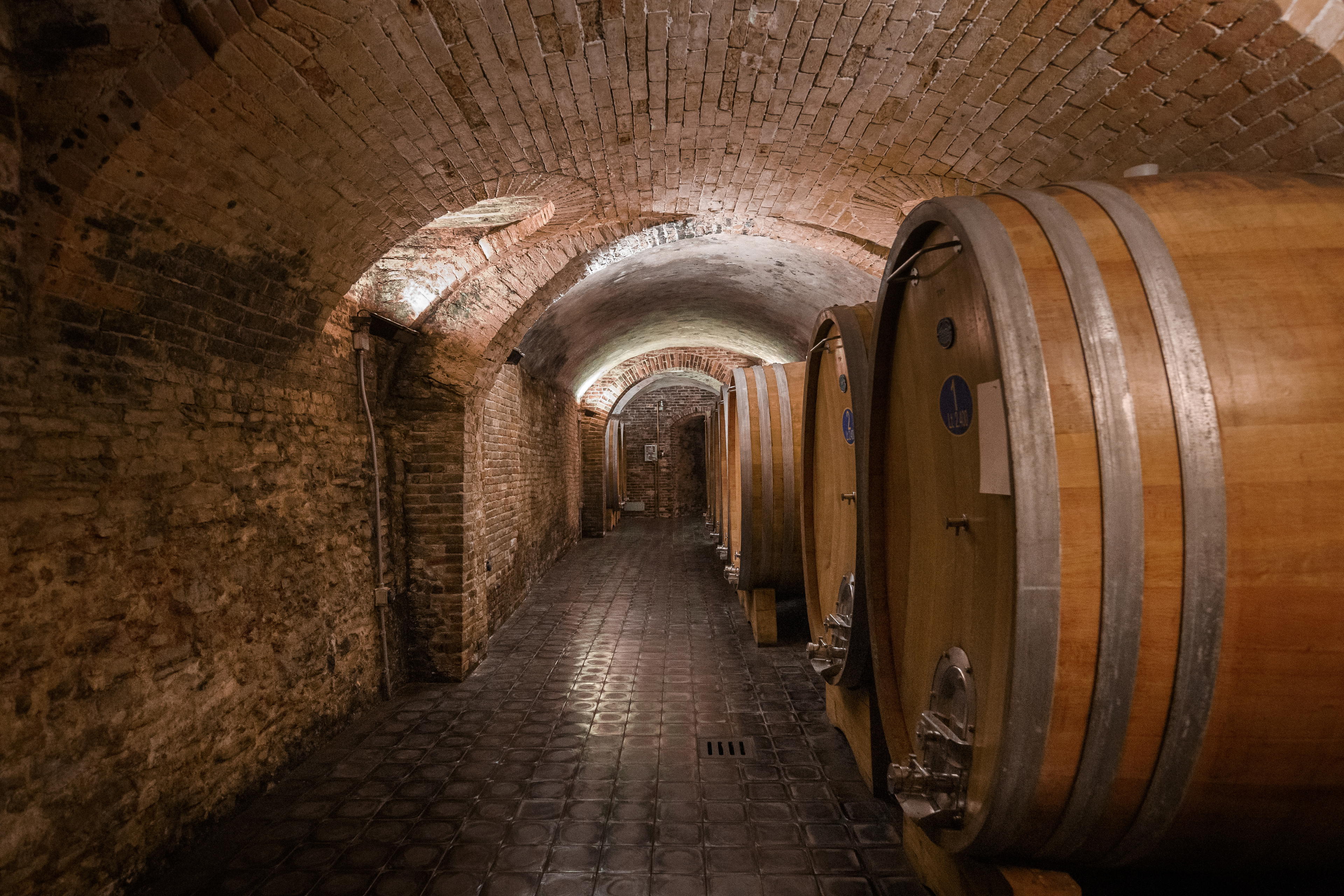
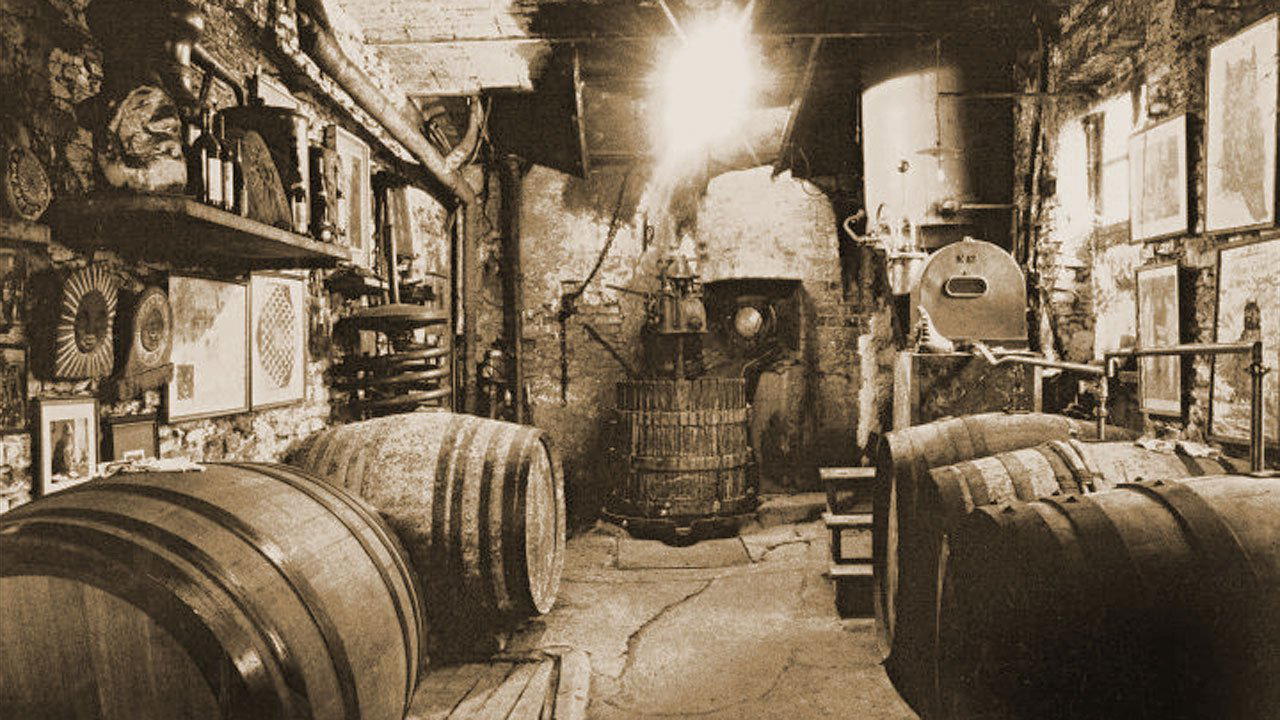
Piedmont's wine culture is as codified as its cooking tradition, and in this case, the cellar is treated as seriously as the kitchen. Giampiero, who manages the front of house, is also identified as the primary custodian of a wine list that has expanded continuously and drawn its own Michelin commentary. The Roero appellation sits immediately adjacent, and the Langhe and Barolo zones are within the broader territory, meaning a cellar built with local ambition can draw from several of Italy's most distinguished wine regions without looking beyond the province. For reference on what serious Italian wine cellars at this level can achieve, Enoteca Pinchiorri in Florence represents the upper end of that tradition, though through a very different format and at a substantially higher price point.
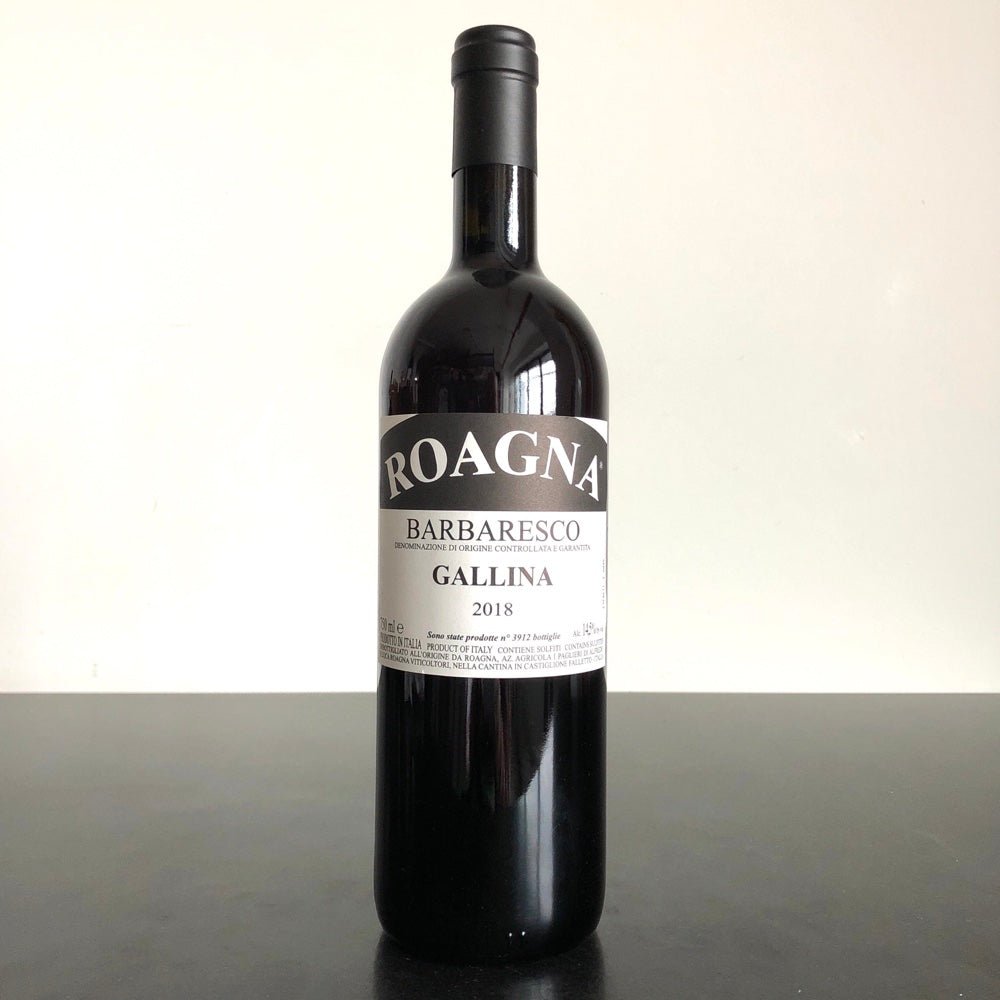
The interplay between a traditional Piedmontese menu and a thoughtfully managed regional cellar is one of the most compelling arguments for the table. Arneis with antipasti, older Roero or Barbaresco alongside the agnolotti, a structured Barolo through the meat courses: the alignment between what the kitchen does and what the cellar offers is a product of decades of refinement rather than a programme assembled to impress a list. For a broader sense of Piedmontese dining and drinking options in the region, see Consorzio in Turin and Osteria del Boccondivino in Bra, both of which operate within the same culinary tradition at different price points and scales.
Where It Sits in the Broader Italian Dining Conversation
Opinionated About Dining's Classical in Europe ranking places Il Centro at #95 in 2025, #96 in 2024, and #86 in 2023, a stable position within a list that specifically evaluates commitment to classical cooking rather than creative departure. That trajectory, holding within a narrow range across three consecutive years, reflects a kitchen operating at a consistent level rather than surging on novelty or declining through inattention. Within Italy, comparisons to other family-anchored classical houses such as Dal Pescatore in Runate are instructive: both share multi-generational ownership and regional cooking commitments, though Dal Pescatore now operates at three Michelin stars and €€€€, placing it in a different tier of the price conversation.
At €€€ with a single Michelin star, Il Centro occupies a position that delivers serious cooking at a price point below the upper echelon of Italian starred dining. For diners who have eaten at Piazza Duomo in Alba and want to understand the traditional baseline against which Alba's more progressive cooking is sometimes reacting, Il Centro provides that reference with clarity. It also sits meaningfully alongside Quattro Passi in Marina del Cantone, Reale in Castel di Sangro, Uliassi in Senigallia, and Casa Perbellini 12 Apostoli in Verona as part of a broader map of Italy's regionally rooted, classically oriented, starred dining houses that form the backbone of the country's gastronomic reputation beyond the headline creative names.
Planning Your Visit
Il Centro operates Wednesday through Sunday, with lunch service running from 12:15 PM to 1:30 PM on Thursday, Friday, Saturday, and Sunday, and dinner from 7:15 PM to 9:15 PM Wednesday through Sunday. The restaurant is closed Monday and Tuesday. The service windows are narrow, particularly at lunch, so reservations should be made well in advance. The fritto misto season, running from the January reopening through spring, requires the earliest planning; tables for that period reportedly fill quickly each year. The Dimora Cordero, a guesthouse associated with the family and located near the restaurant, offers accommodation for those making the visit from outside the immediate area, which eliminates the question of managing a serious wine list against a drive back to Alba or Asti.
For further context on eating, drinking, and staying in the area, see our full Priocca restaurants guide, our full Priocca hotels guide, our full Priocca bars guide, our full Priocca wineries guide, and our full Priocca experiences guide.
Frequently asked questions
What do regulars order at Il Centro?
What is the overall feel of Il Centro?
Is Il Centro a family-friendly restaurant?
Comparable Spots, Quickly
| Venue | Cuisine | Price | Awards | Notes |
|---|---|---|---|---|
| Il CentroThis venue — the venue you are viewing | Traditional Piedmontese Fine Dining | $150–200 | 1 Michelin Star · Star Wine List | Not listed |
| Atelier Moessmer Norbert Niederkofler | Italian, Creative | Not listed | Michelin 3 Star | Not listed |
| Dal Pescatore | Italian, Italian Contemporary | Not listed | Michelin 3 Star | Not listed |
| Enoteca Pinchiorri | Contemporary Italian Fine Dining | $200–300 | 3 Michelin Stars · World's 50 Best #32 | Italian - French, Italian Contemporary |
| Enrico Bartolini | Creative | Not listed | Michelin 3 Star | Not listed |
| Osteria Francescana | Avant-Garde Italian Contemporary | $300–500 | 3 Michelin Stars · World's 50 Best #1 | Progressive Italian, Creative |
Recognition history
Dated appearances from independent guides and award organizations, with the underlying list record or original source where available.
Michelin 1 Star
Michelin
Star Wine List
Star Wine List
Opinionated About Dining Classical in Europe Ranked #93
Opinionated About Dining
Full recognition history (8 entries)
Michelin 1 Star
Michelin
Opinionated About Dining Classical in Europe Ranked #95
Opinionated About Dining
Michelin 1 Star
Michelin
Opinionated About Dining Classical in Europe Ranked #96
Opinionated About Dining
Opinionated About Dining Classical in Europe Ranked #86
Opinionated About Dining
Continue exploring
More in Priocca
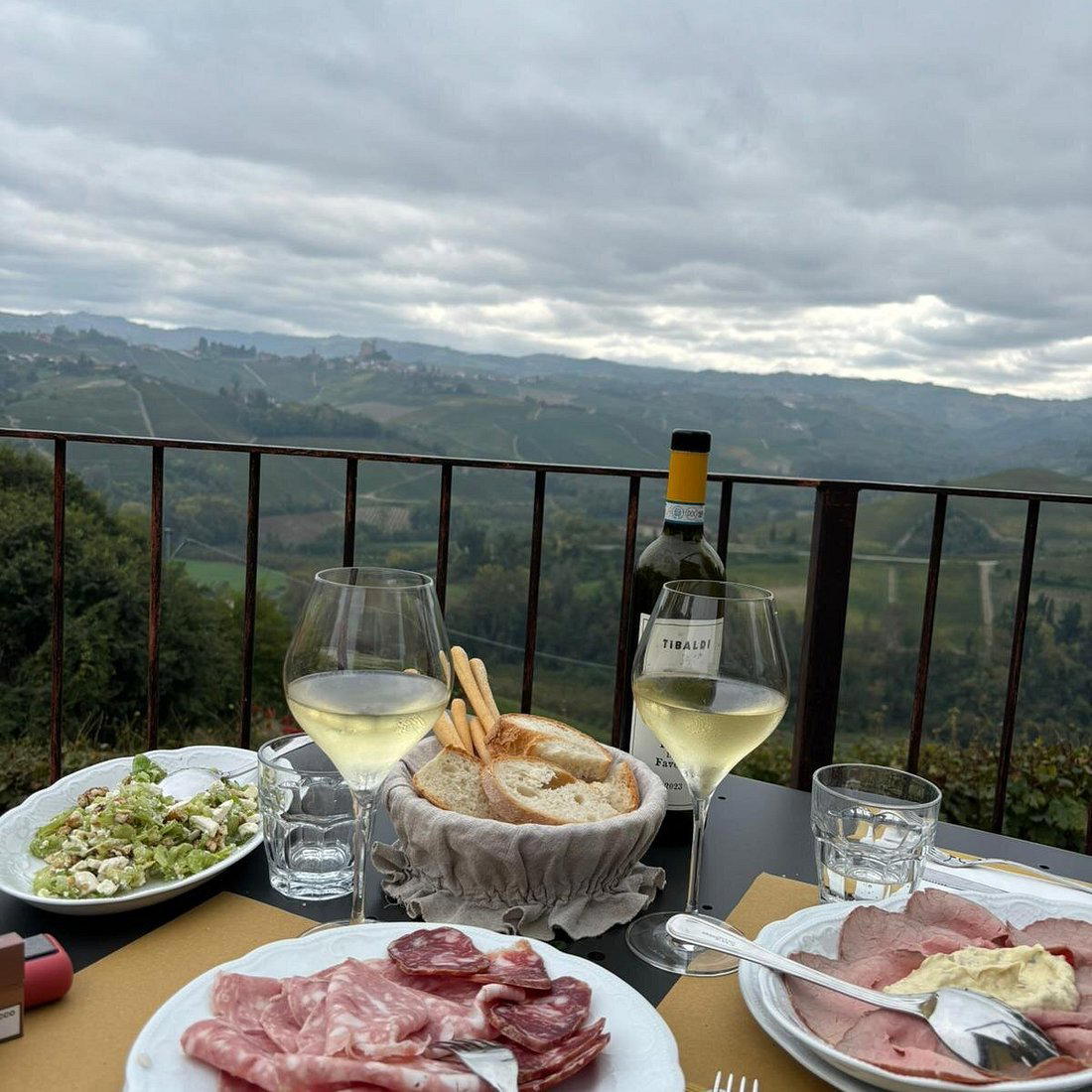
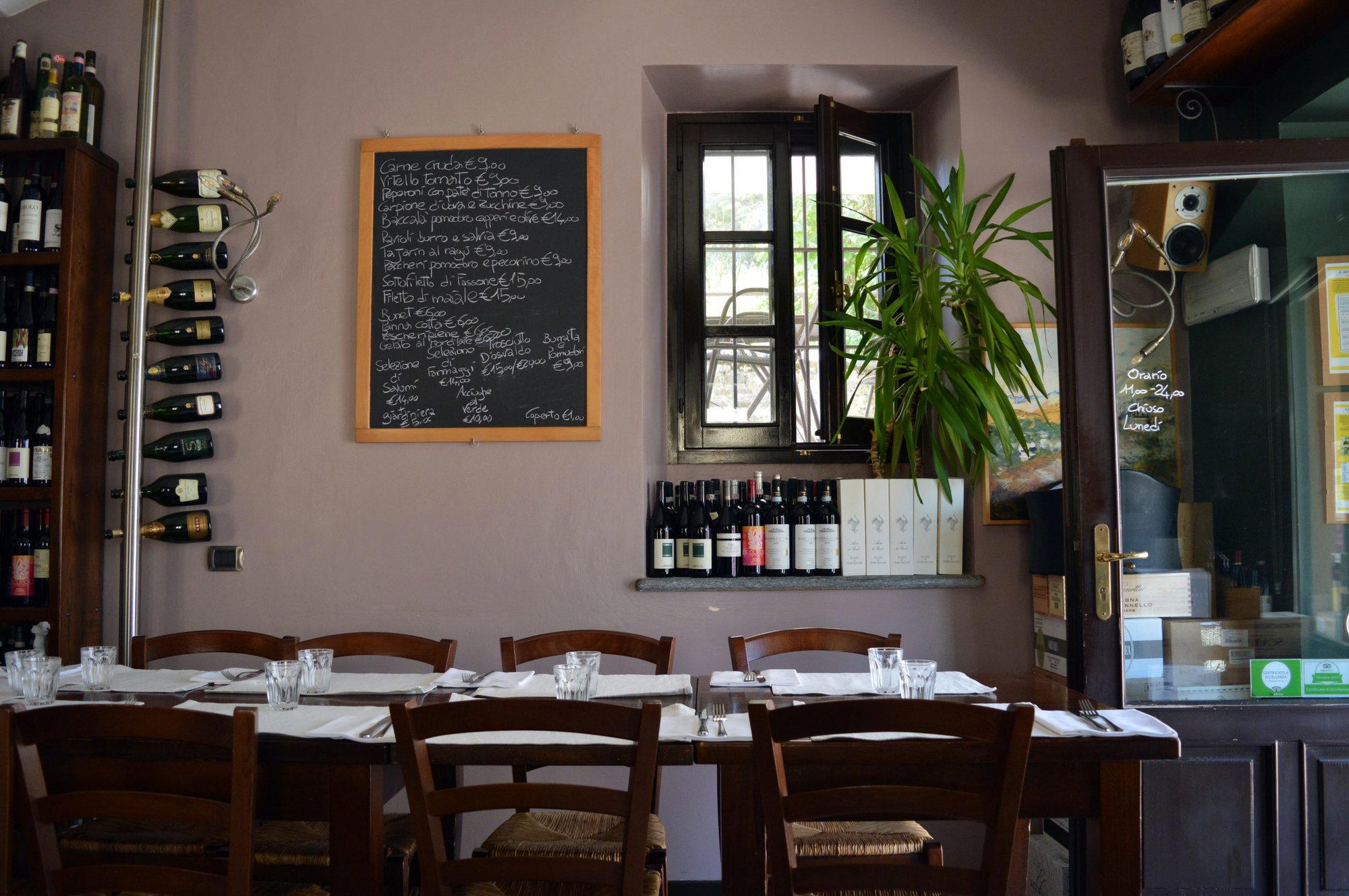
Restaurants in Priocca
Browse all →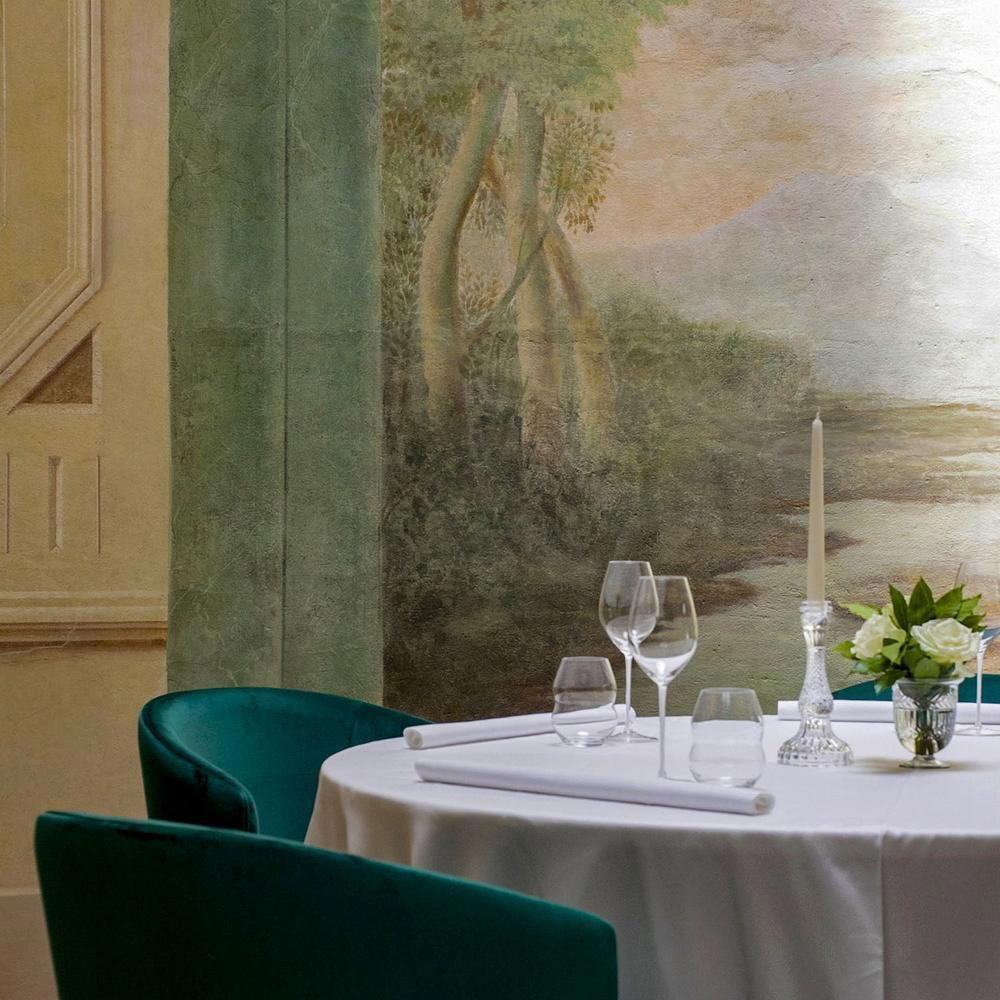
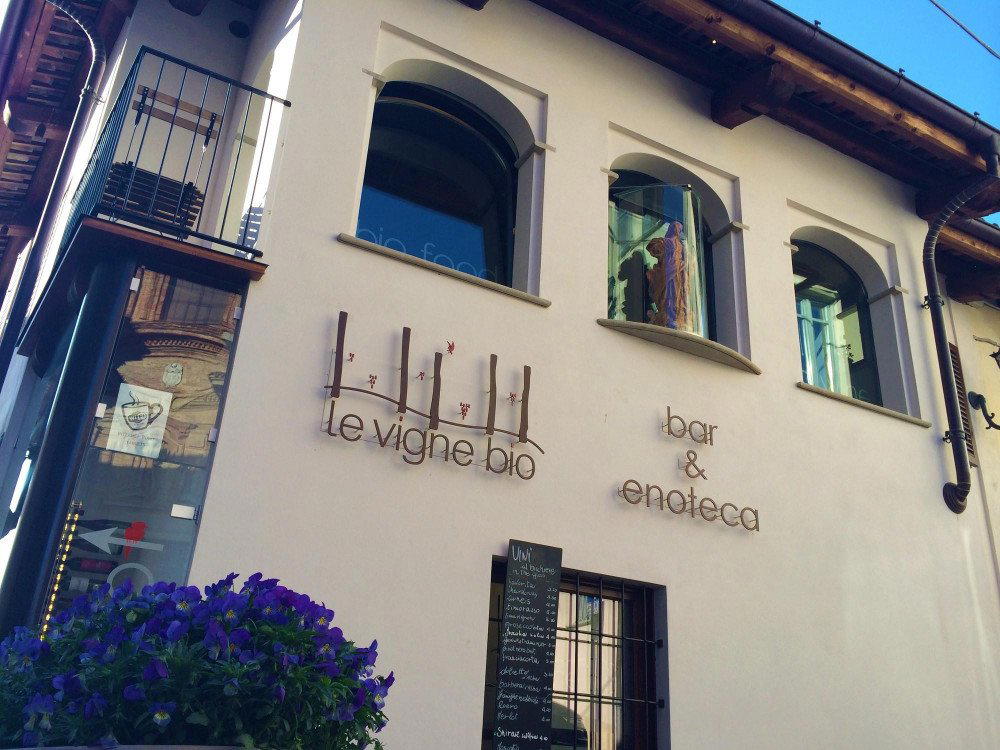
Bars in Priocca
Browse all →
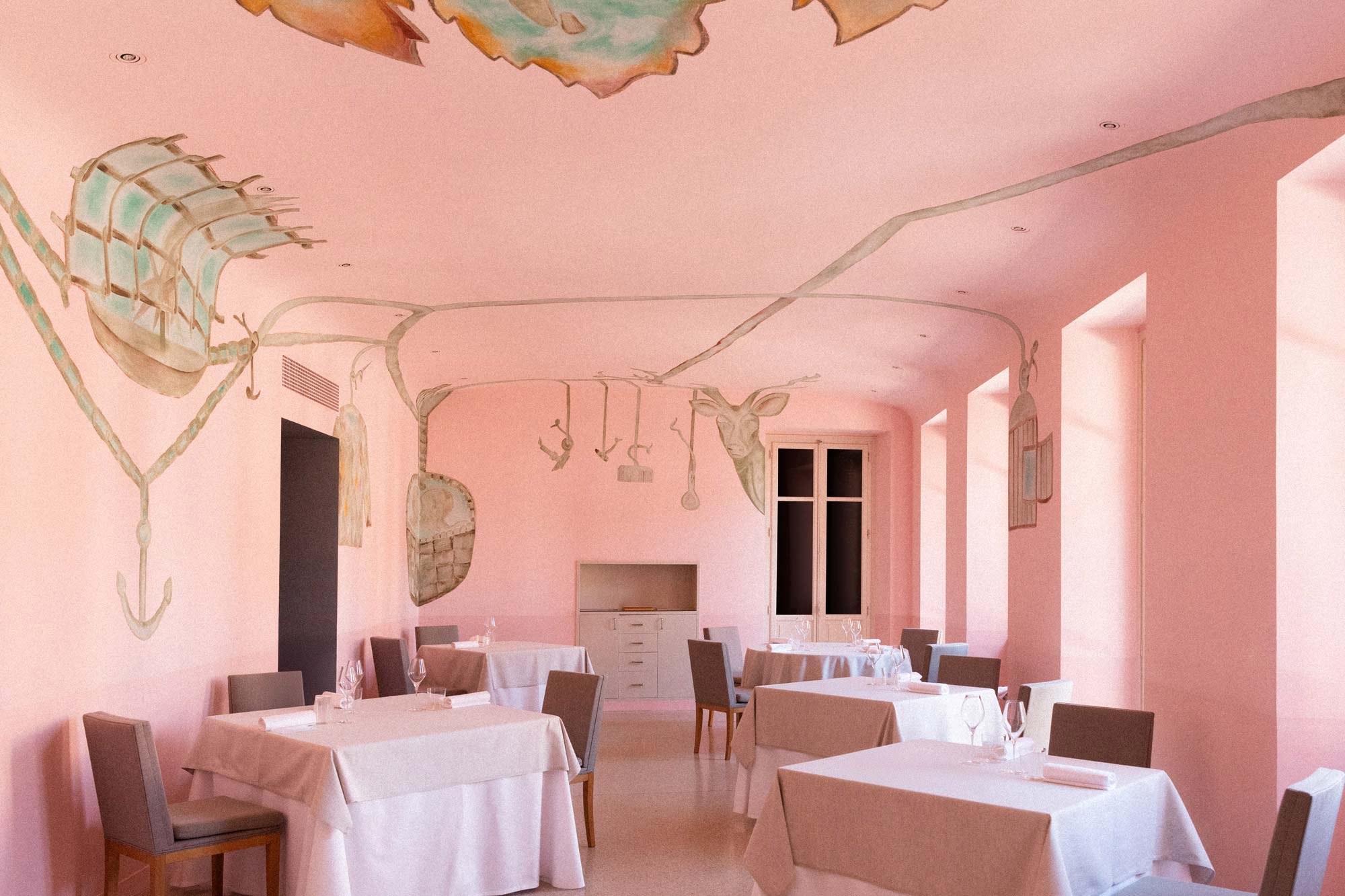
Hotels in Priocca
Browse all →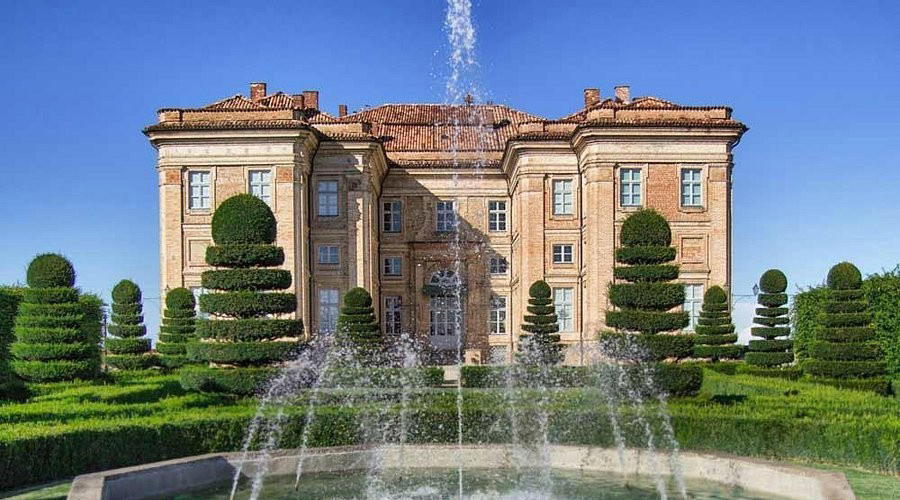
Details
- Elegant
- Classic
- Intimate
- Sophisticated
- Romantic
- Date Night
- Special Occasion
- Celebration
- Business Dinner
- Wine Cellar
- Private Dining
- Historic Building
- Standalone
- Extensive Wine List
- Sommelier Led
- Local Sourcing
- Tasting Menu
- A La Carte
- Prix Fixe
- Wine
- Regional Italian Wines
- Piedmontese Wines
- Gluten Free Options
- Allergy Accommodating
Current opening hours
- Monday
- Closed
- Tuesday
- Closed
- Wednesday
- 7:15–9:15 PM
- Thursday
- 12:15–1:30 PM, 7:15–9:15 PM
- Friday
- 12:15–1:30 PM, 7:15–9:15 PM
- Saturday
- 12:15–1:30 PM, 7:15–9:15 PM
- Sunday
- 12:15–1:30 PM, 7:15–9:15 PM
Hours can change for holidays and private events. Last verified .
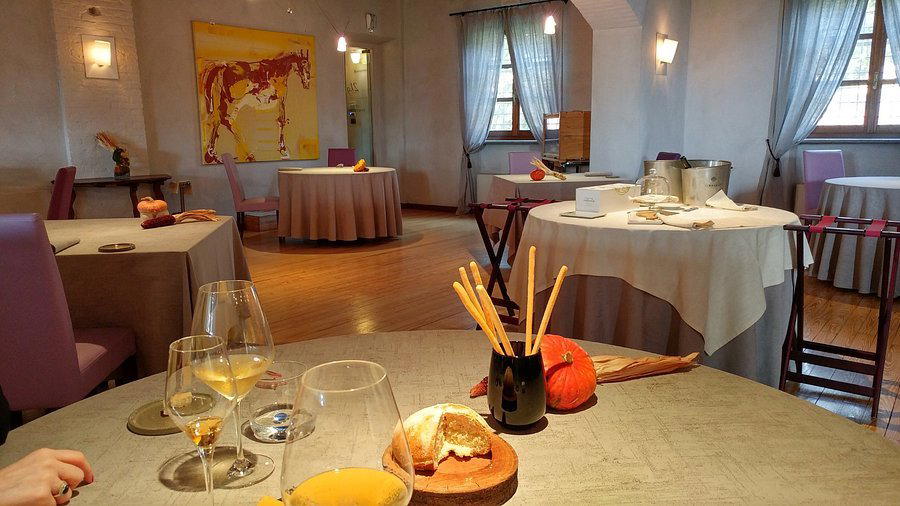
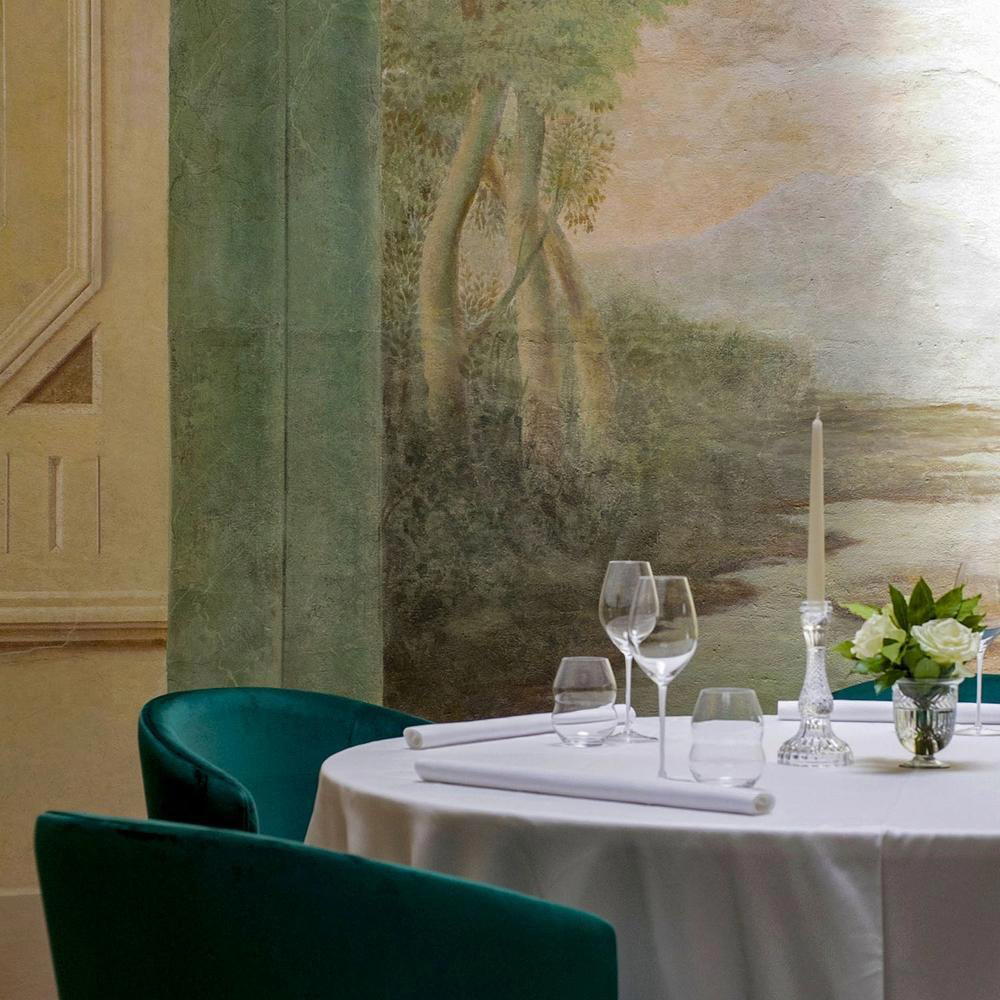
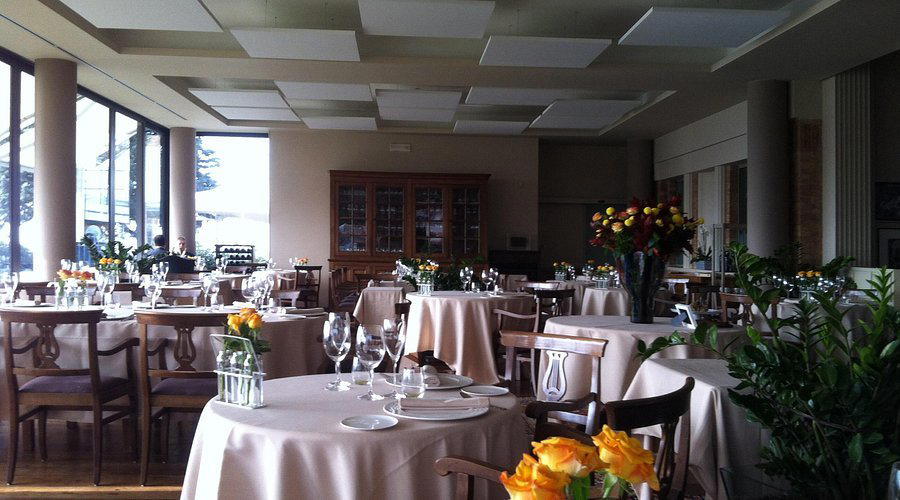
Elegant, timeless dining room with well-spaced tables, no music, and a rare relaxing atmosphere that feels like dining with extended family.