
Michelin Selected
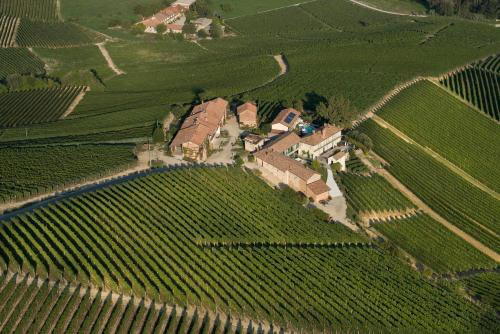
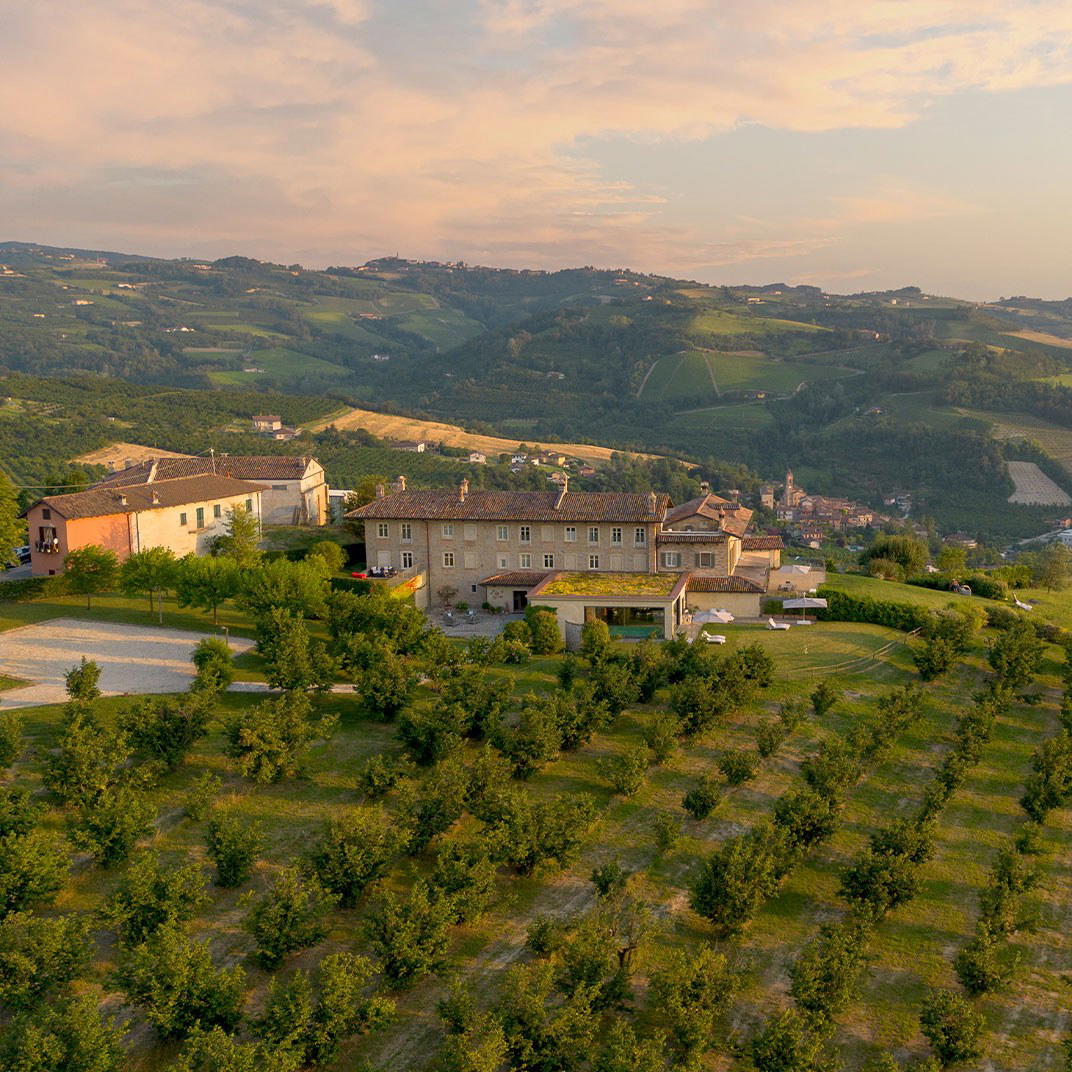
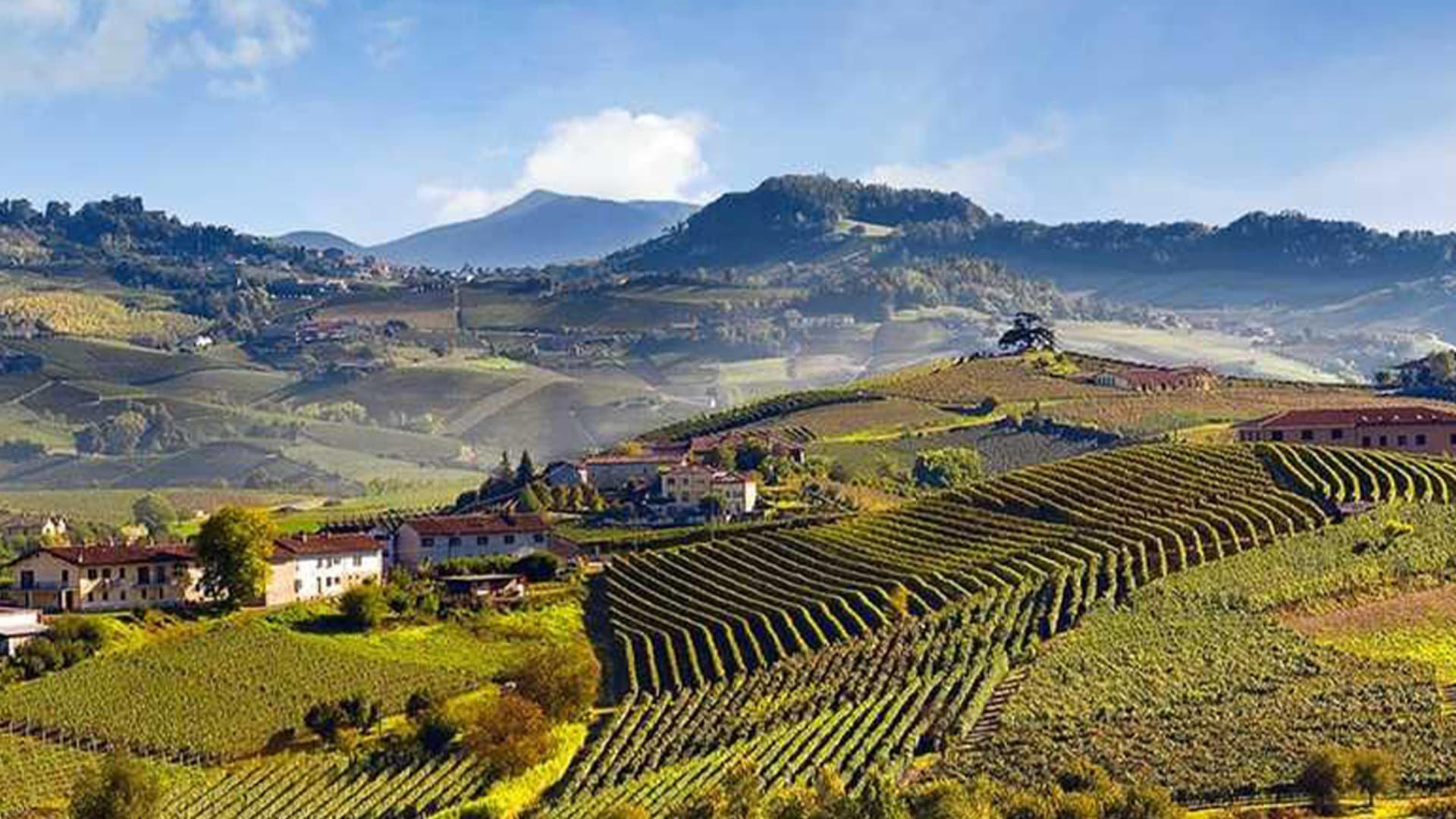
A Michelin Selected property on the Langhe hillsides outside Alba, Casa Scaparone occupies a working farm estate where the architecture reads less as designed accommodation and more as an organic extension of the Piedmontese countryside. The address places guests within reach of Alba's truffle markets and Barolo's cellars, in a property format that sits between agriturismi tradition and considered rural hospitality.

Pearl is the En Primeur Club membership app — saves, bookings, and concierge access live there. Same editors, same standards.
- Address
- Strada Scaparoni, 45, 12051 Alba CN, Italy
- Phone
- +39 0173 33946
- Website
- casascaparone.it
- Directions
- Get directions
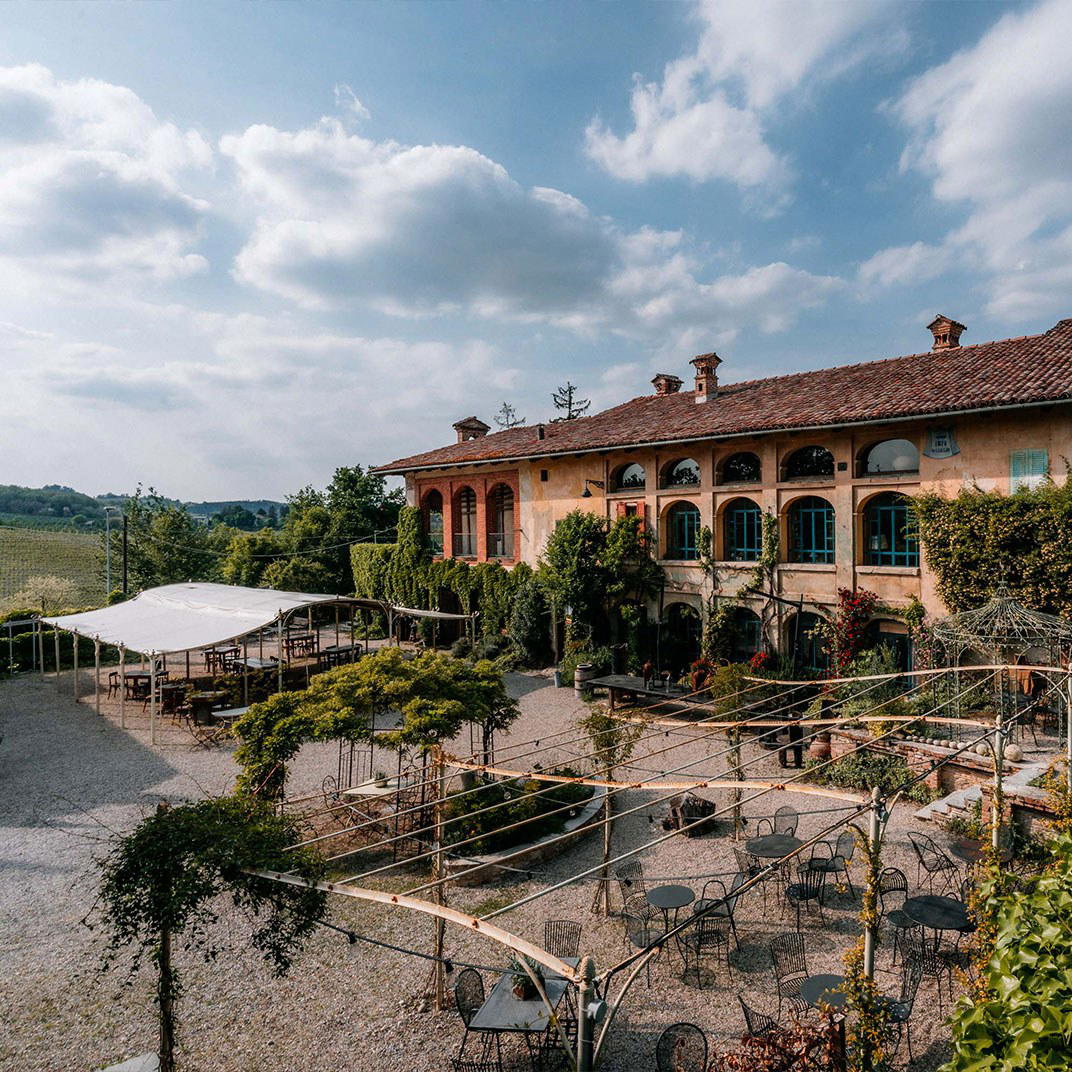
Hillside Architecture in the Langhe
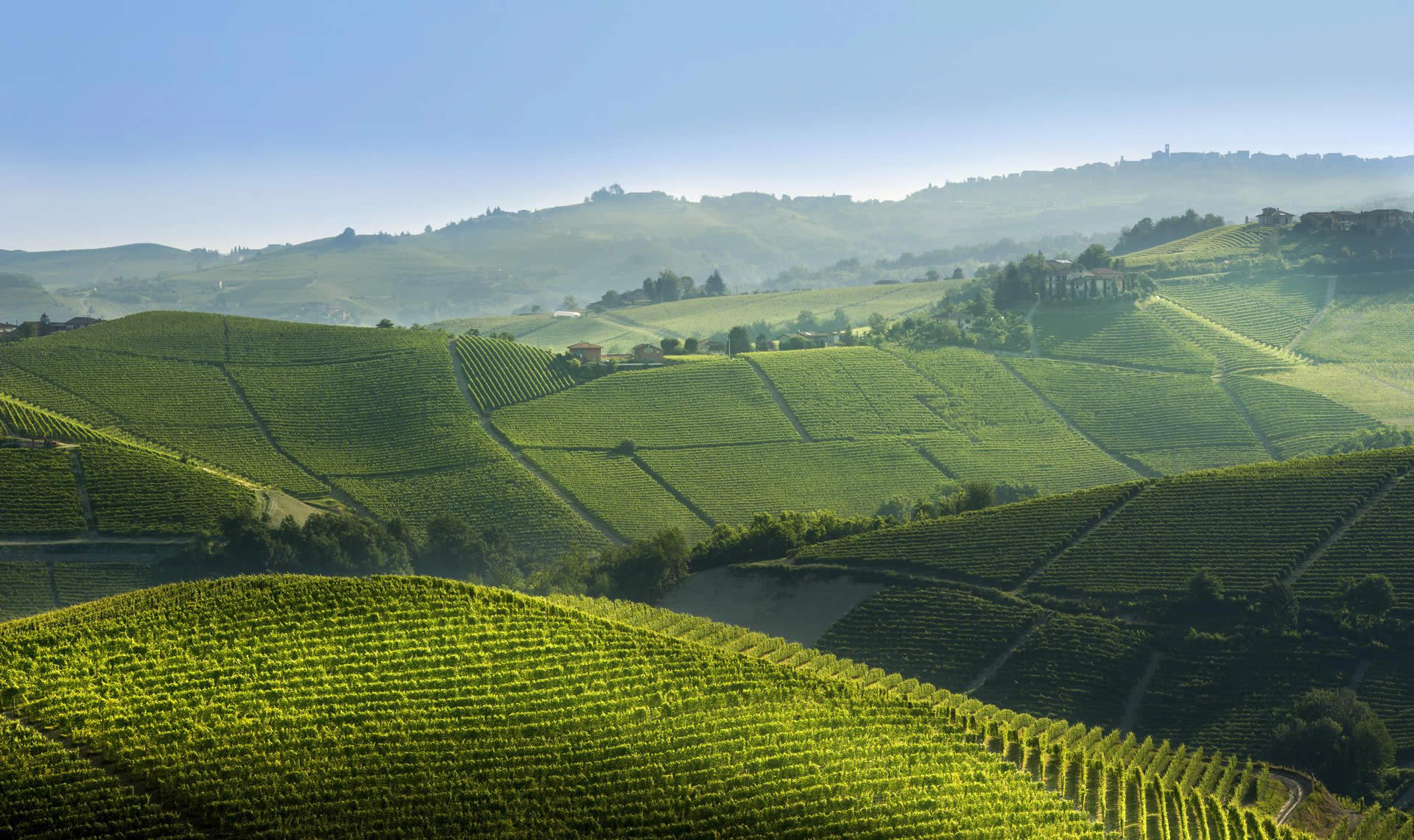
The road to Casa Scaparone follows the pattern of most Langhe approaches: a sequence of vine-striped ridgelines, pale stone farmhouses set back from the track, and the gradual narrowing of the route until the property itself appears less as a destination than as a continuation of the terrain. Strada Scaparoni sits on the agricultural periphery of Alba, and the estate's physical character reflects that position. This is a part of Piedmont where the built environment has historically been shaped by function first, where cellars, farmhouses, and outbuildings accumulated over generations rather than being conceived in a single architectural gesture.
That accumulated quality is precisely what distinguishes this tier of Langhe accommodation from properties designed for visual impact from arrival. Where larger Italian rural conversions, such as Rosewood Castiglion Del Bosco in Montalcino or Borgo Egnazia in Savelletri di Fasano, work at the scale of self-contained villages, Casa Scaparone operates in a more intimate register. The Michelin Selected designation for 2025 places it within a curated tier of Italian properties that earn recognition through coherence and setting rather than room count or resort facilities.
The Physical Logic of an Agri-Estate Stay
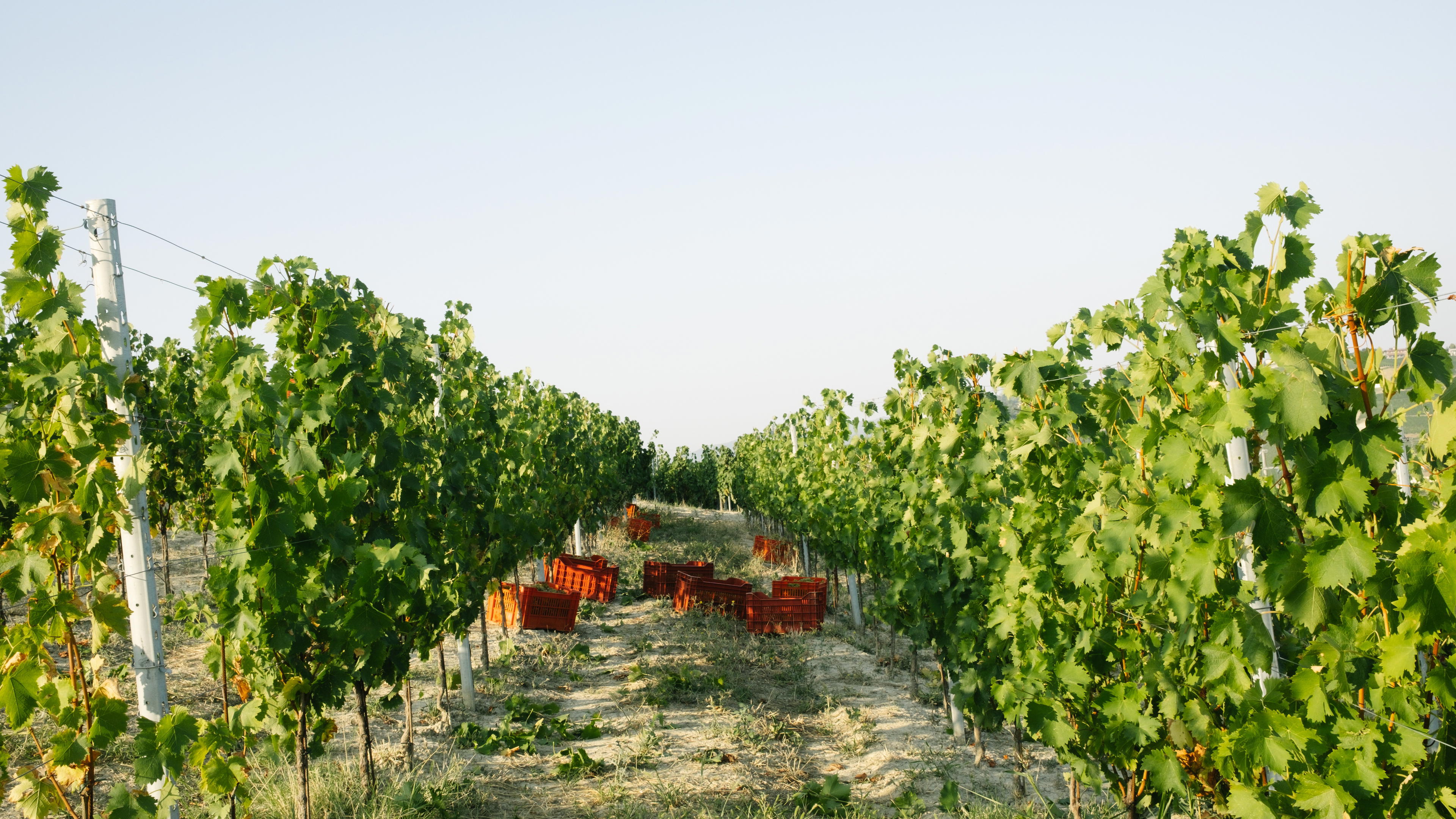
Piedmont's most considered rural properties tend to grow out of working land rather than being grafted onto it, and Casa Scaparone fits that model. The estate sits within the Langhe wine country that produces Barolo and Barbaresco, two of Italy's most scrutinised red wines, and the surrounding vines are not decorative backdrop but active agriculture. This context shapes everything about the physical experience: the sightlines from the property open across working rows rather than manicured gardens, and the orientation of the buildings follows the logic of the land's contours rather than any imposed formal plan.
For guests accustomed to the grand-hotel format of properties like Aman Venice or the urban luxury of Bulgari Hotel Roma, the agri-estate model requires a different set of expectations. The architecture here communicates through materiality and setting rather than through formal gestures. Piedmontese construction traditions lean on local stone, heavy timber, and the kind of structural honesty that accumulates character over decades rather than expressing it through a single design statement.
Alba as the Operational Hub
The property's address on Strada Scaparoni places it in the immediate orbit of Alba, a city of roughly 30,000 whose international profile rests almost entirely on two things: white truffles and Nebbiolo-based wine. The annual truffle fair, held through October and November, transforms Alba's medieval centre into one of Italy's most attended food markets, drawing buyers, chefs, and visitors from across Europe. Staying on the hillside periphery rather than in the city itself means Casa Scaparone guests can access that energy while retreating from it at the end of the day, a calculus that makes this kind of edge-of-city positioning genuinely functional rather than merely scenic.
The surrounding Langhe denominazioni, including Barolo, Barbaresco, and the smaller Dolcetto d'Alba appellation, are all accessible within short drives. For anyone using the stay as a base for cellar visits, the estate's position avoids the congestion of the town centre while keeping the main wine villages within easy reach. This is a meaningful practical distinction in October, when Alba's truffle season and the harvest overlap, and the town itself can become difficult to move around efficiently.
For a broader survey of what Alba's accommodation and dining offer across price points and formats, our full Alba restaurants guide maps the city's current scene. Among properties within Alba itself, Relais Villa d'Amelia represents a different format: a converted villa with a Michelin-starred restaurant attached, positioned more squarely within the town's hospitality circuit.
Where Casa Scaparone Sits in Italy's Rural Hospitality Range
Italy's premium rural accommodation now covers a wide spectrum, from design-led conversions with international branding to family-run estates that have added guest rooms to existing agricultural operations. The Michelin Selected classification groups Casa Scaparone with properties that meet a baseline of quality across comfort, setting, and hospitality without necessarily operating at the scale or service intensity of full resort properties. Comparable designations in other Italian wine regions include estate stays in Chianti Classico and in the Franciacorta zone south of Lake Iseo.
Properties that operate at greater scale and investment than this tier include Castello di Reschio in Lisciano Niccone, a fully restored Umbrian estate with design credentials and extensive grounds, or Four Seasons Hotel Firenze, which operates within a Renaissance palazzo. Casa Scaparone belongs to a more contained, property-first format, where the surrounding land and the agricultural context carry more weight than curated amenities. Other Italian properties that prioritise setting and culinary context in a similarly focused way include Casa Maria Luigia in Modena, though that property has a more explicit gastronomic programme built into its format.
For guests who value architectural coherence with landscape over polished service infrastructure, the Michelin Selected tier in wine country tends to deliver more than resort-scale alternatives. The trade-off is predictable: fewer amenities, less programmed activity, and a stay that asks more of the guest in terms of self-directed exploration. In the Langhe, that trade-off is almost always worth making, given the density of what the surrounding countryside offers independently.
Planning Your Stay
Booking for the October truffle season should be treated as a separate logistics exercise from the rest of the year: Alba's profile during the fair means accommodation across the province fills well in advance, and last-minute flexibility disappears entirely during the peak truffle weeks. The harvest period from late September through November is the highest-demand window for the entire Langhe zone. Spring, when the landscape is at its most open and the cellar-visit circuit is active without the festival crowds, represents a less pressured alternative. The address at Strada Scaparoni, 49 is the reference point for arrival; given the rural road network around Alba, mapping the route from the autostrada exit in advance is advisable.
Frequently Asked Questions
Is Casa Scaparone a good base for visiting Barolo and Barbaresco?
The estate's position on the hillside periphery of Alba places it within easy driving distance of both the Barolo and Barbaresco production zones, which sit to the southwest and northeast of the city respectively. Alba functions as the central hub for the entire Langhe wine circuit, and a stay at Casa Scaparone covers that access efficiently. The Michelin Selected recognition signals a property that suits guests using the stay as a base for active regional exploration rather than those seeking self-contained resort facilities.
Comparison Snapshot
Comparable venues nearby, for context on price, style, and recognition.
| Venue | Cuisine | Price | Awards | Notes |
|---|---|---|---|---|
| Casa ScaparoneThis venue — the venue you are viewing | Historic agriturismo (farm stay) with rustic Piedmontese character, family-owned and operated with emphasis on authentic rural hospitality and heritage preservation. | $100–200 | Michelin Selected | Not listed |
| Relais Villa d'Amelia | Restored 19th-century farmhouse villa in a seven-hectare park amid vineyards and orchards. | $200–300 | Michelin Selected · Small Luxury Hotels of the World Member | Benevello |
| Worldhotel Casati 18 | Recently renovated boutique hotel blending historic architecture with modern Italian design | $100–200 | Michelin Selected | Porta Venezia |
| Petronilla | Historic boutique hotel blending past intimacy with modern design. | $200–300 | Michelin Selected | Citta Bassa |
| citizenM Roma Isola Tiberina | affordable design hotel in historic mid-century building | $300–500 | Michelin Selected | Isola Tiberina |
| Villa Gina | Independent heritage villa apartments offering self-catering accommodations with historical charm and modern renovations. | Not listed | Not listed | Varenna |
Recognition history
Dated appearances from independent guides and award organizations, with the underlying list record or original source where available.
Michelin Selected
Michelin
Continue exploring
More in Alba
Hotels in Alba
Browse all →
Bars in Alba
Browse all →
Restaurants in Alba
Browse all →
Details
- Rustic
- Romantic
- Scenic
- Cozy
- Quiet
- Romantic Getaway
- Destination Wedding
- Celebration
- Family Vacation
- Anniversary
- Garden
- Historic Building
- Panoramic View
- Private Dining
- Terrace
- Wi Fi
- Pool
- Restaurant
- Bar
- Parking
- Air Conditioning
- Vineyard
- Garden
- Mountain
- Accessible Restroom
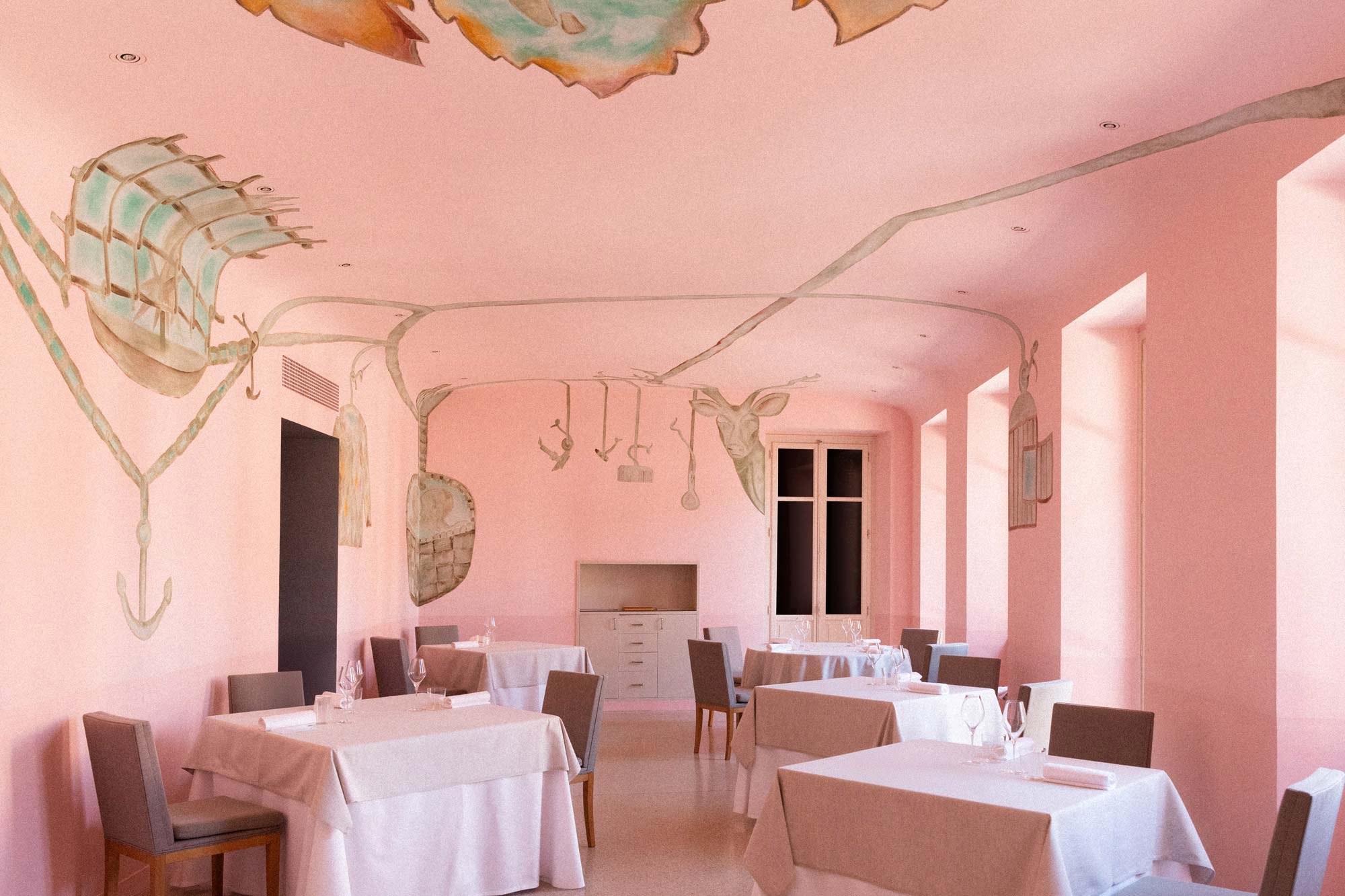
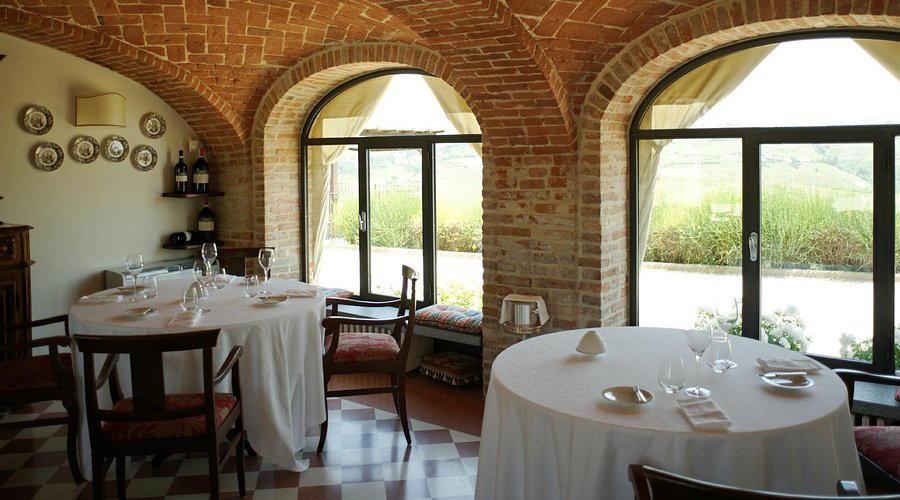
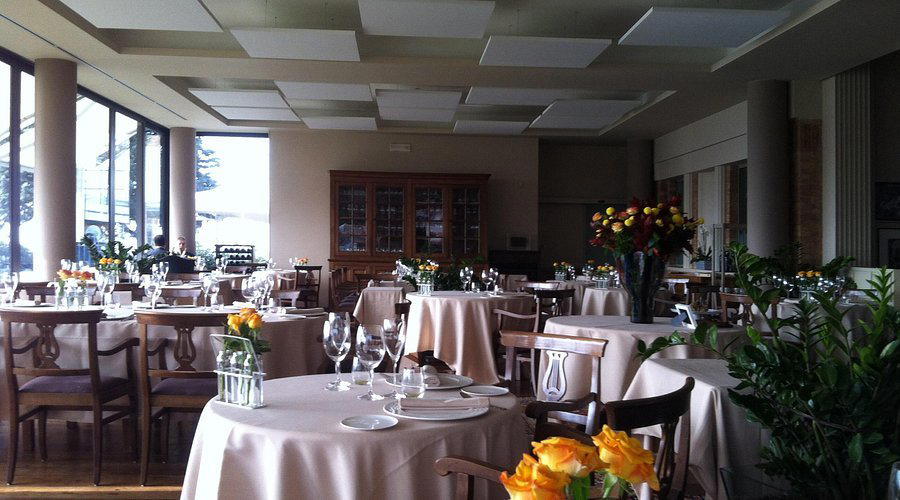
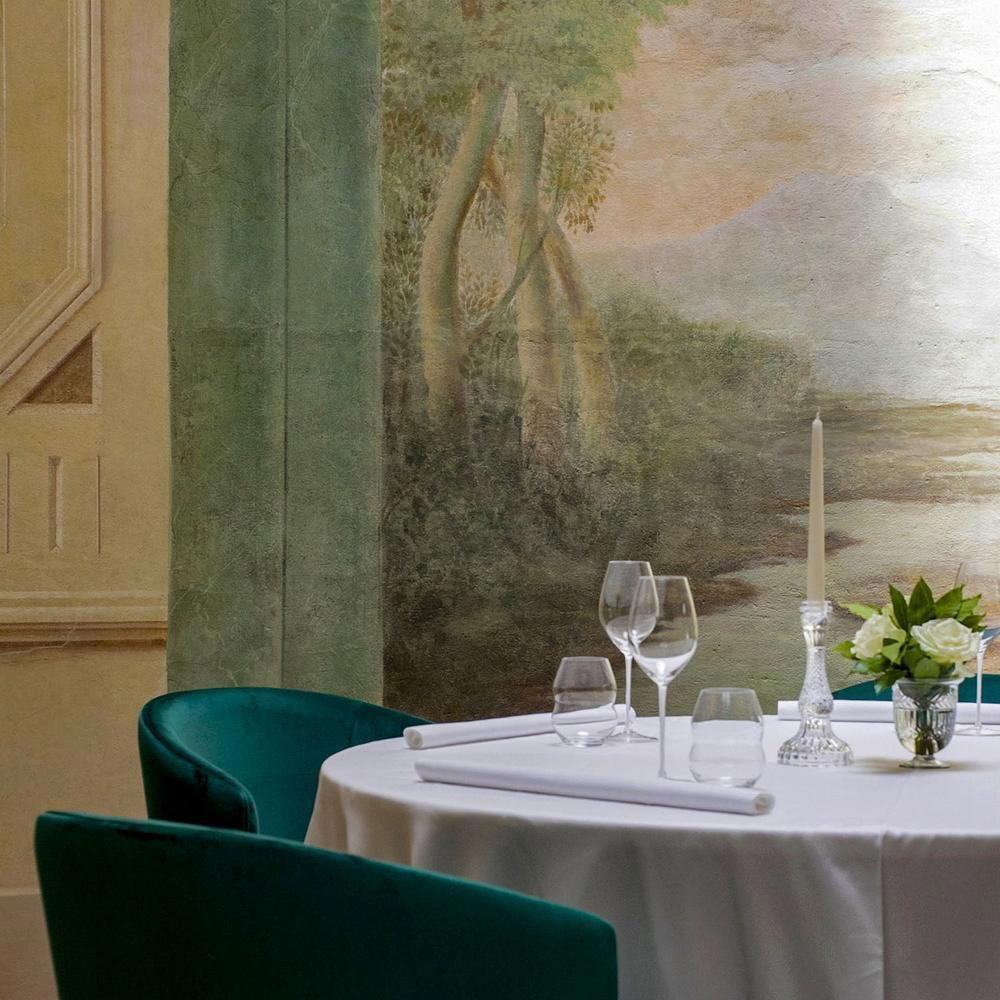
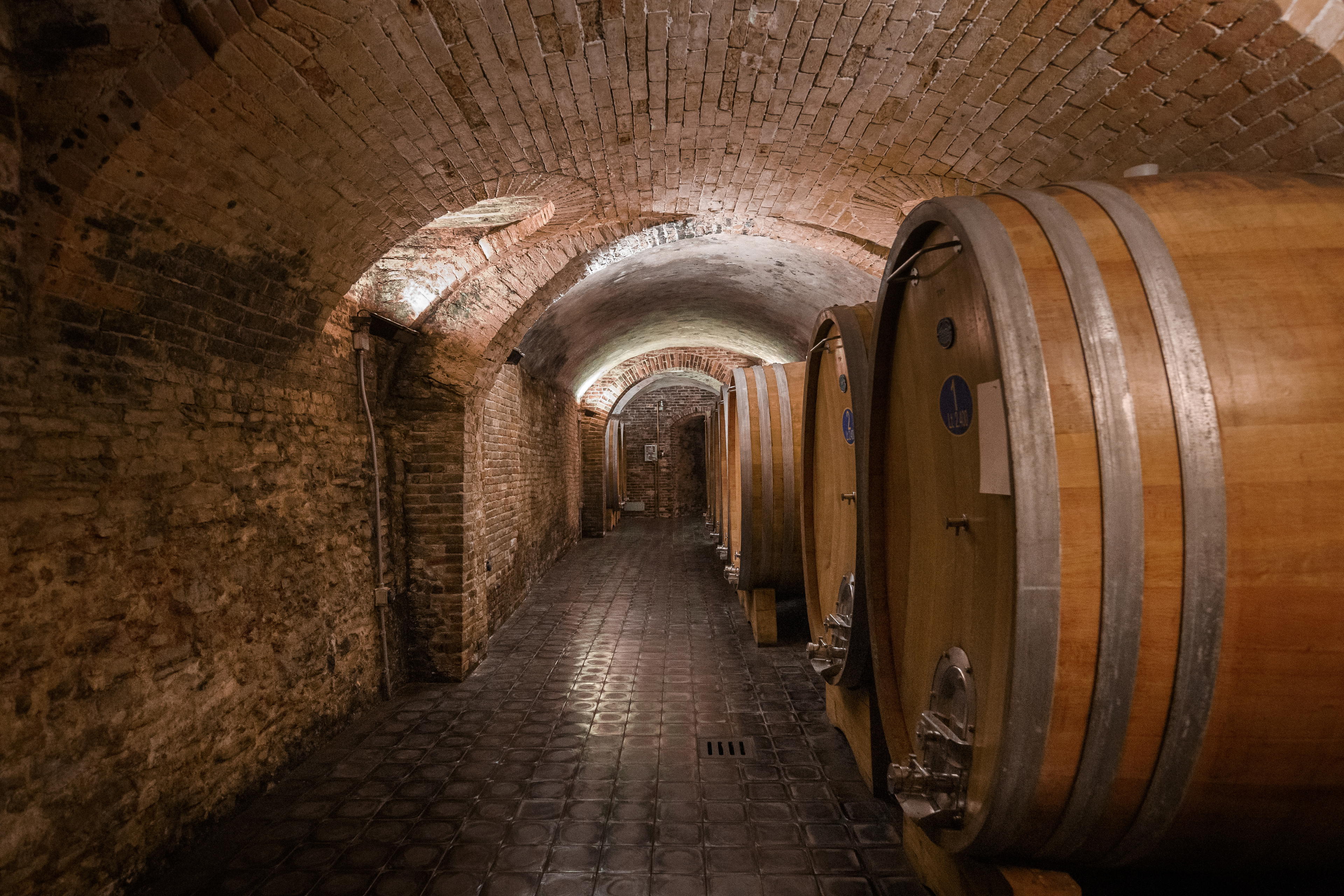
Warm, intimate atmosphere with historic stone and wood-beamed interiors, candlelit dining, and enchanting countryside views; guests describe it as steeped in local history with inviting common spaces and a family-run hospitality feel.