
Star Wine List
Sangiovanni Alba sits on Via Sandro Toppino in the heart of Piedmont's wine capital, where the Star Wine List recognition for 2026 signals a drinks programme operating well above the regional average. In a town whose reputation rests almost entirely on Barolo and Barbaresco, a bar earning dedicated wine-list credentials tells you something about the seriousness of what's being poured here.

Pearl is the En Primeur Club membership app — saves, bookings, and concierge access live there. Same editors, same standards.
- Address
- Via Sandro Toppino, 4, 12051 Alba CN, Italy
- Phone
- +39 328 400 6630
- Hours
- Mon–Fri 6 PM–2 AMSat 12 PM–2 AMSun 12 PM–12:30 AM
- Website
- sangiovannialba.com
- Directions
- Get directions
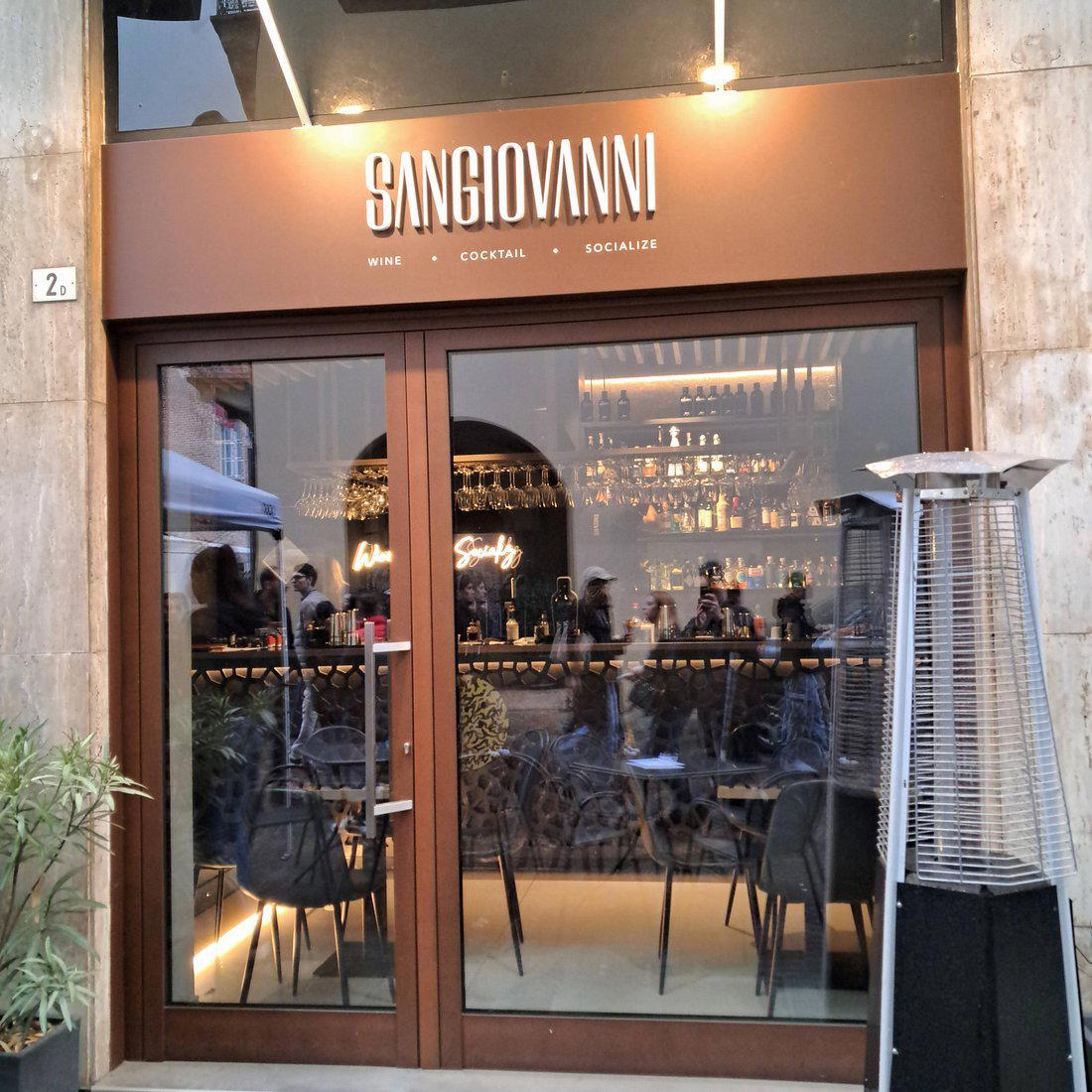
A Drinks Address in Italy's Wine Capital
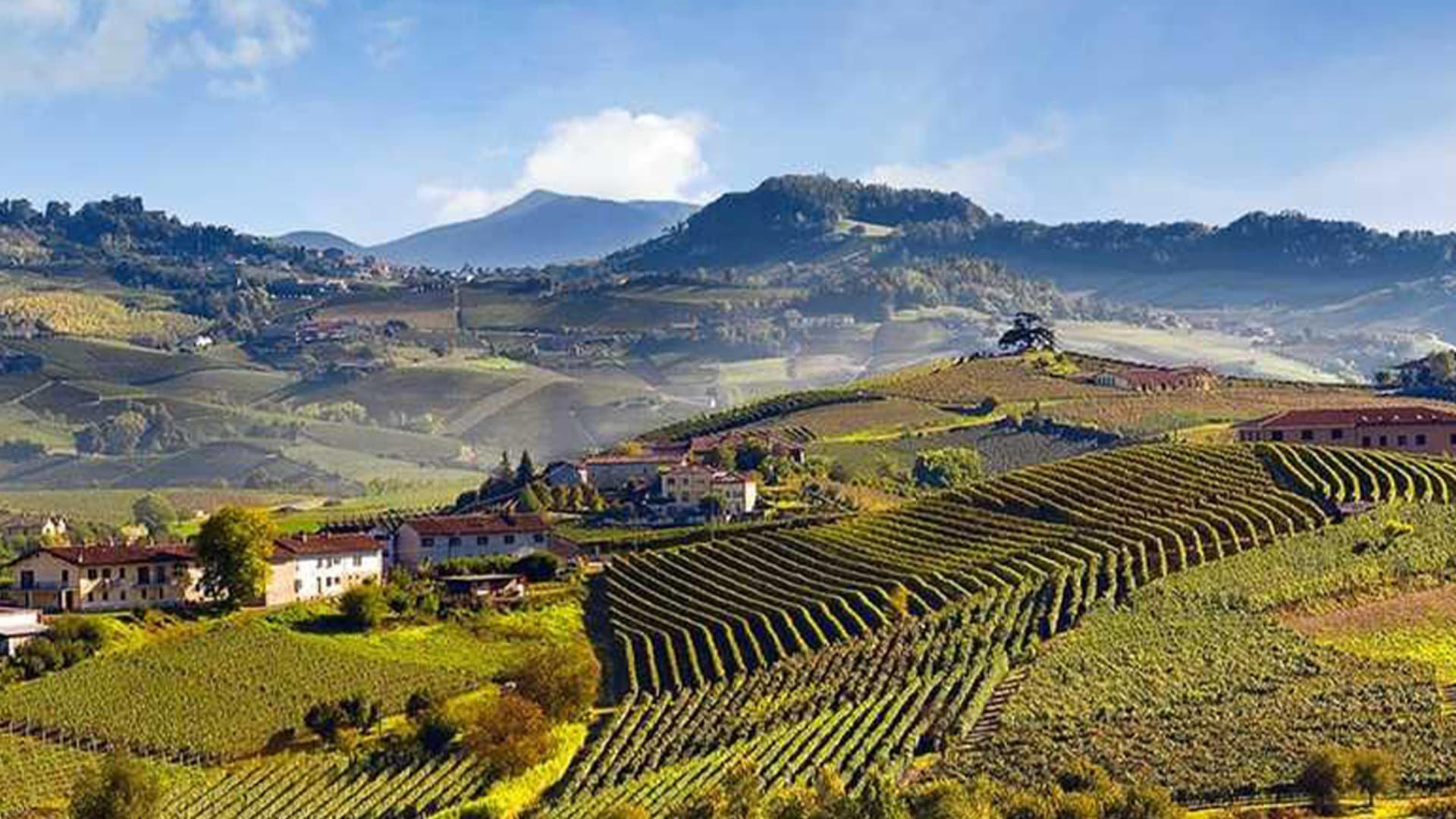
Alba is a town that does not need to try hard. The white truffle market, the surrounding Langhe vineyards, and the gravitational pull of Barolo country mean that visitors arrive with expectations already calibrated high. Against that backdrop, the hospitality scene tends to divide into two modes: the wine-driven enoteca trading on cellar depth, and the restaurant propping up a list as an afterthought to the kitchen. Sangiovanni Alba, on Via Sandro Toppino in the old centre, sits in a different register.
That award matters more in context than it might in a larger city. Star Wine List operates as a curatorial credential rather than a volume prize, and earning it in Alba — where the wine conversation is dominated by the vineyards outside the city walls rather than by what's happening at the bar — signals that Sangiovanni Alba has built something worth independent notice. The distinction separates it from the dozens of wine bars and restaurant counters across the Langhe that rely on geography to carry the list.
The Drinks Programme: What Star Wine List Recognition Actually Means Here
Italy's cocktail bar scene has undergone a pronounced shift over the past decade. The generation of bars that defined Italian drinking culture in the 1990s and 2000s, places like 1930 in Milan, which helped set a technical template for the country, gave way to a more internationally informed cohort. Drink Kong in Rome and L'Antiquario in Naples represent that transition at its most visible: programmes grounded in technique, sourcing, and a coherent point of view about what Italian drinking can look like when it stops deferring to foreign templates.
What Star Wine List credentials signal in a bar context is a commitment to the glass that goes beyond standard regional pours. In Piedmont, where the temptation is to let Barolo, Barbaresco, and Dolcetto carry the list without further interrogation, earning that recognition suggests Sangiovanni Alba has thought carefully about range, provenance, and how the by-the-glass offer reflects the programme's broader ambitions. That is a more interesting editorial position than stocking deep Langhe verticals, which any well-connected local address can do.
For comparison, consider how wine-forward bars in other Italian cities have staked out their territory. Enoteca Historical Faccioli in Bologna built its reputation on natural wine rigour; Al Covino in Venice operates as a tight, curated counter where selection discipline is the whole point. Sangiovanni Alba earns its place in that broader Italian conversation about drinks seriousness, applied to a town where the bar for wine knowledge among customers is unusually high.
The Setting and What It Asks of You
Via Sandro Toppino sits within the compact grid of Alba's old town, a few minutes from the Cathedral of San Lorenzo and the corso that fills with visitors during truffle season in October and November. The address puts Sangiovanni Alba inside the pedestrian fabric of the city rather than on its edges, which shapes the rhythm of how it operates. Bars in this part of Alba draw both locals doing aperitivo circuits and visitors who have been in the Barolo communes earlier in the day and want something more considered than a hotel bar pour before dinner.
That dual audience creates a particular pressure on the programme. A tourist coming down from Serralunga or Barolo has spent the afternoon with serious producers; they arrive with calibrated palates and an appetite for something that matches the register of what they've already experienced. Locals, for their part, have little patience for wine theatre. The Star Wine List credential suggests Sangiovanni Alba handles both audiences without collapsing the programme into either tourist-service mode or deliberate obscurity.
Planning a visit is direct from a logistics standpoint: Alba's centre is walkable, and Via Sandro Toppino is accessible on foot from most of the city's accommodation. The town is most intensely visited during the Fiera del Tartufo (late October through November), when demand across all venues rises sharply and advance planning makes a meaningful difference. Outside truffle season, the Langhe draws a quieter wine-focused visitor through spring and early autumn, and bars like Sangiovanni Alba operate at a pace that allows for longer sessions at the counter rather than rapid turnover.
Where Sangiovanni Alba Sits in the Regional Picture
Piedmont's bar and enoteca scene has not attracted the same volume of international critical attention as the region's restaurant tier, where the concentration of Michelin stars per capita remains among the highest in Italy. That asymmetry creates space for drinks-focused addresses to operate below the radar of the usual review circuits, which is precisely where Star Wine List recognition carries signal value: it flags addresses that have been evaluated on the specific terms of their drinks offer rather than as an extension of kitchen reputation.
Across Italy, the bars earning sustained recognition tend to share a common trait: they have defined a format and committed to it. Gucci Giardino in Florence and Bistrot Torrefazione Samambaia in Turin, each in its own way, represent that kind of format clarity. Further afield, Lost and Found in Nicosia, Fauno Bar in Sorrento, and Cascate del Mulino in Manciano demonstrate how drinks programmes in non-capital cities can build credibility when the editorial position is coherent. Even Bar Leather Apron in Honolulu, operating in a city where cocktail culture is still carving out its serious tier, illustrates the same point at greater geographic distance: recognition follows commitment, not location.
Sangiovanni Alba fits that pattern. In a city whose drinks identity has historically been absorbed into its wine-producing hinterland, carving out independent credentials requires making choices about what the programme stands for beyond geography. The 2026 Star Wine List award is evidence that those choices are being made with some rigour. For visitors building an itinerary around the Langhe, it earns a place in the planning, not as a scenic stop, but as a serious drinks address in its own right. See our full Alba restaurants guide for the broader picture of what the city offers across food and drink.
Quick Comparison
Comparable venues nearby, for context on price, style, and recognition.
| Venue | Cuisine | Price | Awards |
|---|---|---|---|
| Sangiovanni AlbaThis venue — the venue you are viewing | wine_bar | $20–30 | Star Wine List |
Recognition history
Dated appearances from independent guides and award organizations, with the underlying list record or original source where available.
Star Wine List
Star Wine List
Continue exploring
More in Alba
Bars in Alba
Browse all →
Restaurants in Alba
Browse all →
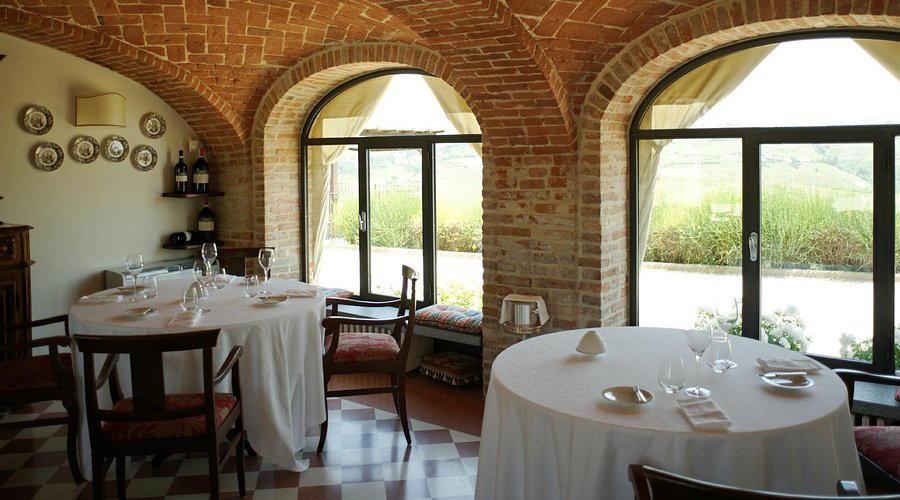
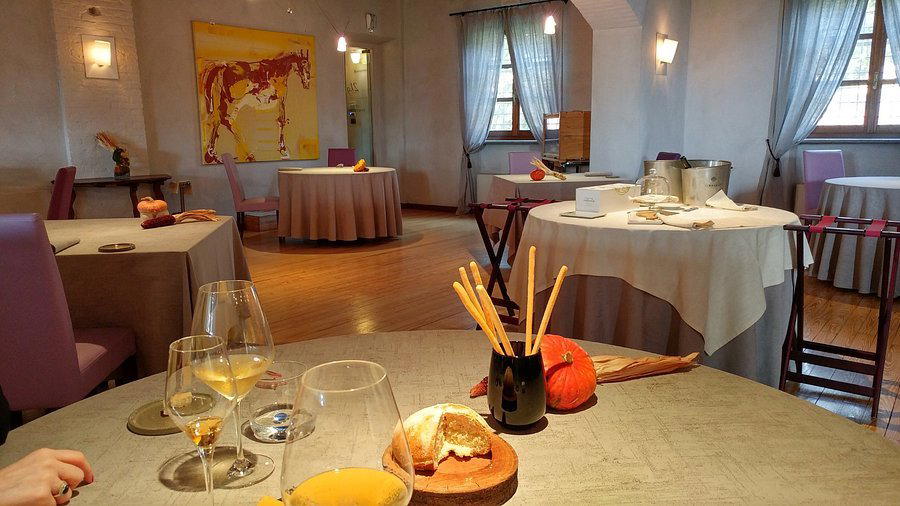
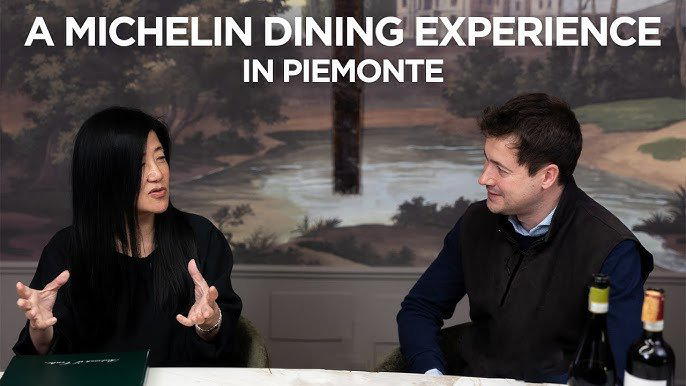
Hotels in Alba
Browse all →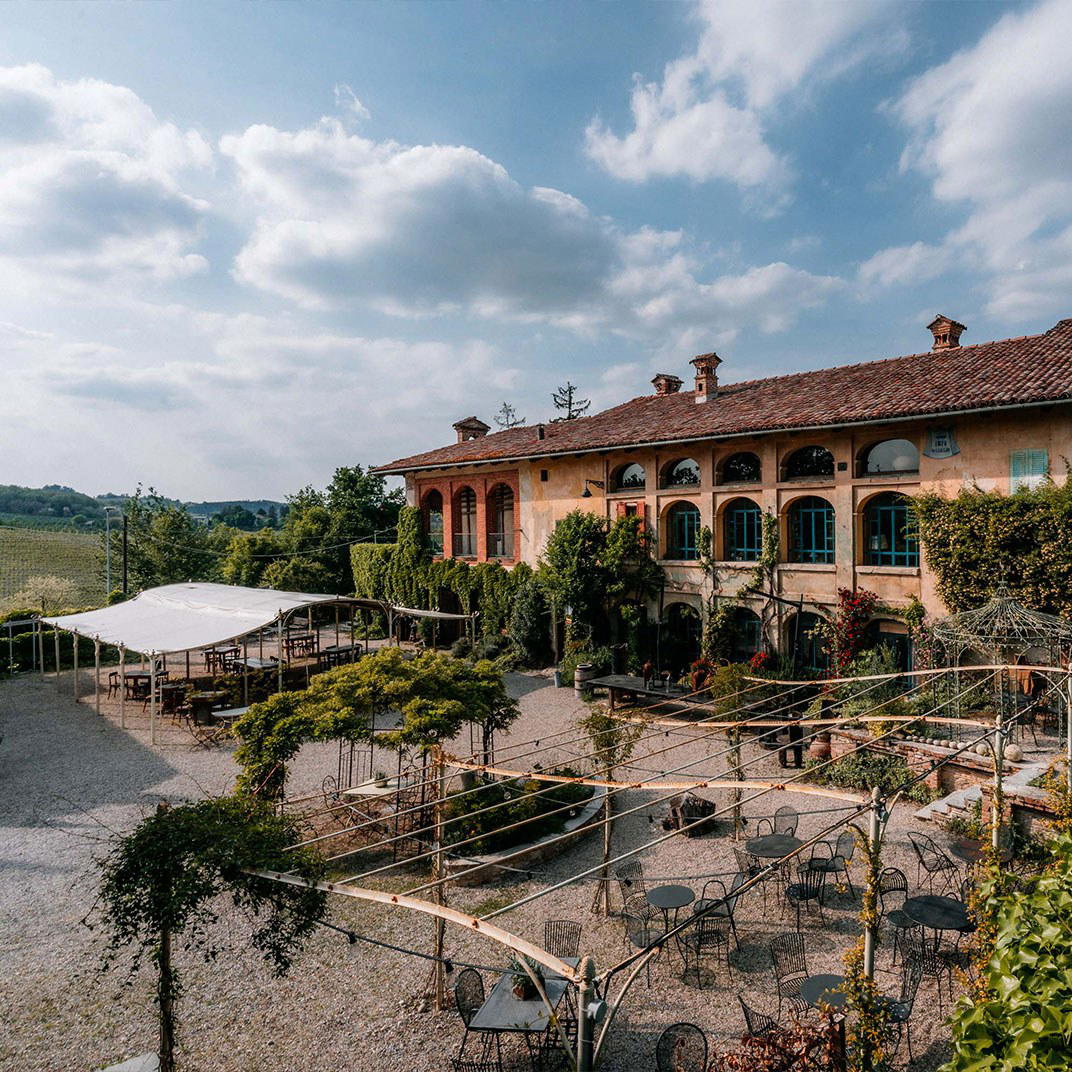
Details
- Modern
- Lively
- Cozy
- Late Night
- Casual Hangout
- Date Night
- Live Music
- Seated Bar
- Outdoor Terrace
- Classic Cocktails
- Natural Wine
Current opening hours
- Monday
- 6 PM–2 AM
- Tuesday
- 6 PM–2 AM
- Wednesday
- 6 PM–2 AM
- Thursday
- 6 PM–2 AM
- Friday
- 6 PM–2 AM
- Saturday
- 12 PM–2 AM
- Sunday
- 12 PM–12:30 AM
Hours can change for holidays and private events. Last verified .
Spacious modern interior with bottle displays, lively outdoor area with music, and welcoming young atmosphere.