Distilleria Beccaris
Distilleria Beccaris operates out of Costigliole d'Asti, a Monferrato hill town where Barbera and Moscato grapes define both the table and the still.
Pearl is the En Primeur Club membership app — saves, bookings, and concierge access live there. Same editors, same standards.
- Address
- Via Alba, 5, 14056 Boglietto AT
- Phone
- +39 0141 968127
- Website
- distilleriabeccaris.it
- Directions
- Get directions
 Saves & bookings on Pearl
Where Piedmont's Soils End Up in the Glass
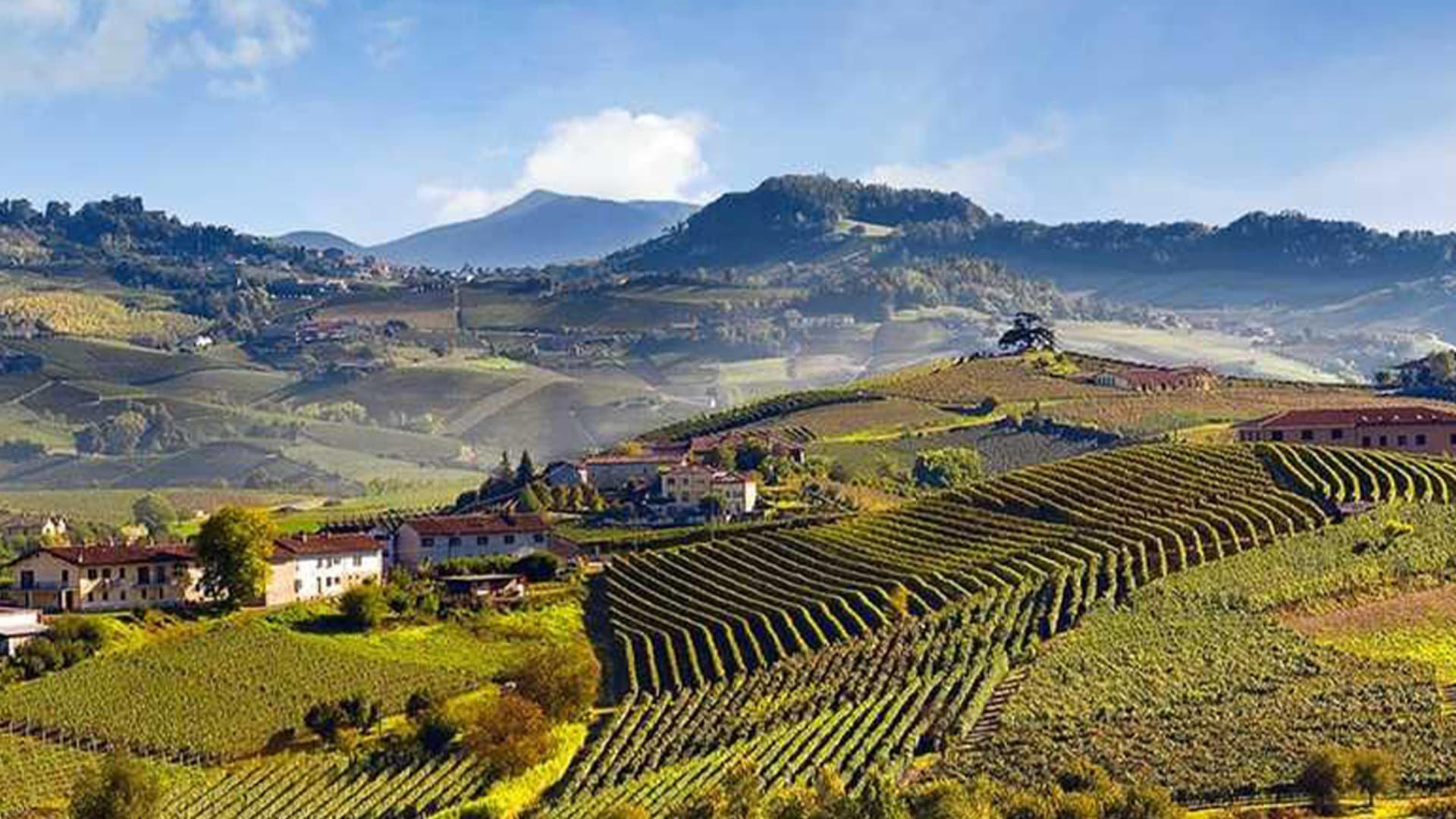
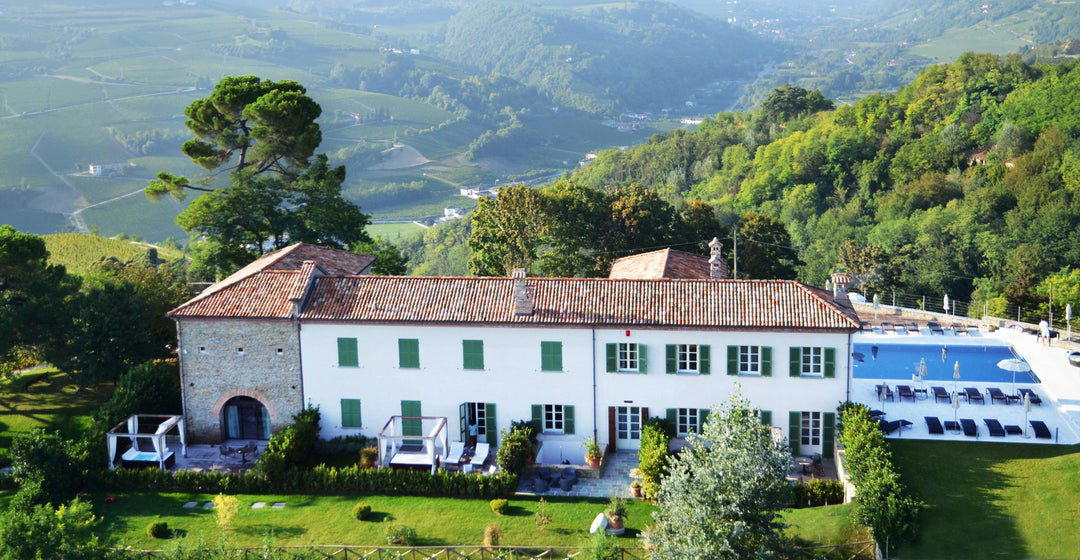
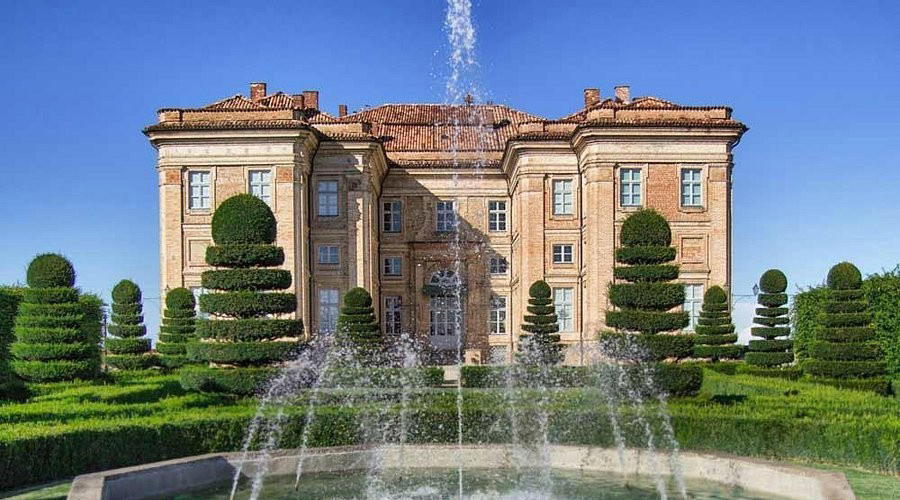
The road into Costigliole d'Asti climbs through vineyards that have spent centuries deciding what they want to be. The Monferrato hills here are calcareous and clay-heavy, the kind of terrain that concentrates Barbera into something darker and more structured than you find on the flatlands below, and coaxes Moscato into a floral register that has made the denomination famous well beyond Italy. What those soils produce goes two directions in this part of Piedmont: to the winery, and to the still. Distilleria Beccaris, addressed at Via Alba 5 in the Boglietto hamlet just outside town, occupies the second tradition, translating the residue of the grape harvest into grappa that carries the imprint of those hills as surely as any bottled wine.
The Distillery Tradition Beccaris Belongs To
Italian grappa production divides into two broad camps. On one side sit large industrial operations, many of them headquartered in the northeast, where volume and consistency are the primary measures. On the other sit craft distilleries, often family-rooted, where the identity of the source pomace, the grape variety, and the growing zone define the product's character more than any blending or rectification process. Beccaris operates in that second register, in a region where the pomace arriving at the still comes from named Piedmontese varieties: Barbera, Moscato d'Asti, Dolcetto, and sometimes Nebbiolo. Each carries a different aromatic signature into the distillate, a fact that makes the Asti province one of the more interesting zones in Italy for varietal grappa in particular.
This is not an isolated tradition. Comparable craft operations across northern Italy, from Distilleria Romano Levi in Neive, just across the Tanaro in the Langhe, to Distilleria Marzadro in Nogaredo in Trentino, and the widely distributed output of Nonino Distillery in Pavia di Udine, have collectively moved Italian grappa away from its purely rustic, utilitarian identity toward something that belongs in a conversation with aged spirits globally. Poli Distillerie in Schiavon represents another point of reference in that northeastern arc. Beccaris sits within this broader craft current, distinguished by its Monferrato address and the specific pomace varieties that Asti's agricultural calendar delivers.
Terroir Expression at the Still
The concept of terroir is almost entirely discussed through the lens of wine, but distillation carries its own form of place-specificity. The pomace arriving at a Piedmontese still after harvest is not interchangeable with what arrives in Tuscany or Friuli. Barbera from the Asti zone tends to produce grappa with a darker-fruited intensity and a tannic backbone that lingers into the distillate. Moscato pomace, by contrast, yields something lighter and more aromatic, carrying the grape's characteristic orange blossom register even through the heat of the still. Nebbiolo, where it appears, contributes a structural dryness that rewards aging in small cask. The sequence and proportion of these varieties in any given production run is in effect a record of the harvest, of which vineyards supplied their skins and seeds, and what the season produced in them.
This kind of variety-specific production sits closer to what wine producers like Aldo Conterno in Monforte d'Alba do with Nebbiolo, or what Castello di Volpaia in Radda in Chianti does with Sangiovese, than it does to generic spirits production. Place and variety are the product, and the distillery's skill lies in preserving their character through the technical process rather than overwriting it.
Recognition and Peer Positioning
In the grappa category specifically, this tier is occupied by producers who have both a defined geographic identity and a technical standard that survives comparative assessment. The award does not guarantee any single product's profile, but it is a signal about the consistency and seriousness of the production program as a whole.
Positioning Beccaris against its peers requires understanding what the recognition tier implies. Producers like Ca' del Bosco in Erbusco in Franciacorta operate at a comparable prestige level in the wine category, and the parallel is instructive: regional specificity, craft process, and a track record of evaluation matter more than size or distribution reach. For Italian spirits more broadly, the market has also seen large heritage names, including Campari in Milan, define the commercial tier, which makes the sustained craft segment where Beccaris operates a distinct and quieter part of the industry.
Costigliole d'Asti as a Producing Zone
Costigliole d'Asti is less discussed internationally than the Langhe towns to its south, Barolo and Barbaresco drawing the preponderance of wine tourism in Piedmont. But the Asti Monferrato hills have their own coherent identity. Barbera d'Asti Superiore comes from this zone, and the DOCG designation applies to wines from a broad swath of the province, including the terrain around Costigliole. Moscato d'Asti, one of Italy's most geographically specific sweet wines, draws from hillside vineyards in this same arc of territory. The agricultural density of the area means that after each harvest, a meaningful volume of quality pomace is available locally, which is precisely the condition that allows a craft distillery to operate with varietal specificity rather than sourcing broadly and blending for uniformity.
Comparing this kind of zone-rooted production to what wine estates manage in, say, Lungarotti's Torgiano in Umbria or Planeta in Menfi in Sicily reveals a shared logic: the producer's identity is inseparable from a specific agricultural geography, and the product reflects decisions made in the vineyard long before it arrives at the production facility. The distillery, in Beccaris's case, is downstream of those decisions, dependent on them, and its quality is partly a function of the vineyards it draws from.
Planning a Visit
Costigliole d'Asti sits roughly equidistant between Asti to the north and Alba to the south, accessible by road through the Monferrato hills. The address at Via Alba 5 in Boglietto places the distillery on the road running toward Alba, within the agricultural commune rather than the town center. Visiting in advance of arrival is strongly advisable.
FAQ
Is Distilleria Beccaris more low-key or high-energy?
Costigliole d'Asti is a working agricultural town rather than a high-footfall wine tourism destination, and craft distilleries in this part of Piedmont operate accordingly.
What's the leading wine to try at Distilleria Beccaris?
Beccaris is a distillery, not a winery, so the relevant question is which grappa to seek out. The Asti zone's defining varieties are Barbera, Moscato, and Dolcetto, and any varietal grappa made from local pomace will carry the aromatic signature of those grapes.
What's the standout thing about Distilleria Beccaris?
In a region better known internationally for wine than for spirits, a distillery operating at this recognition level is a less trafficked but coherent part of Piedmont's broader production story. Costigliole d'Asti and its surrounds supply pomace from named DOCG vineyards, giving the distillery raw material that carries a provenance most industrial operations cannot match.
Comparable Spots, Quickly
Comparable venues nearby, for context on price, style, and recognition.
| Venue | Cuisine | Price | Notes |
|---|---|---|---|
| Distilleria BeccarisThis venue — the venue you are viewing | Moscato, Nebbiolo | $$ | Not listed |
| Lamoreaux Landing Wine Cellars | Winery | Not listed | Lodi |
| Distilleria La Valdôtaine | Petit Rouge, Prié Blanc | $$ | Saint-Marcel |
| Ramazzotti | Winery | Not listed | Milan |
| Brovia | Nebbiolo, Dolcetto | $$$ | Castiglione Falletto |
| Mazzetti d'Altavilla | Barbera, Nebbiolo | $$ | Altavilla Monferrato |
Continue exploring
More in Costigliole d'Asti
Wineries in Costigliole d'Asti
Browse all →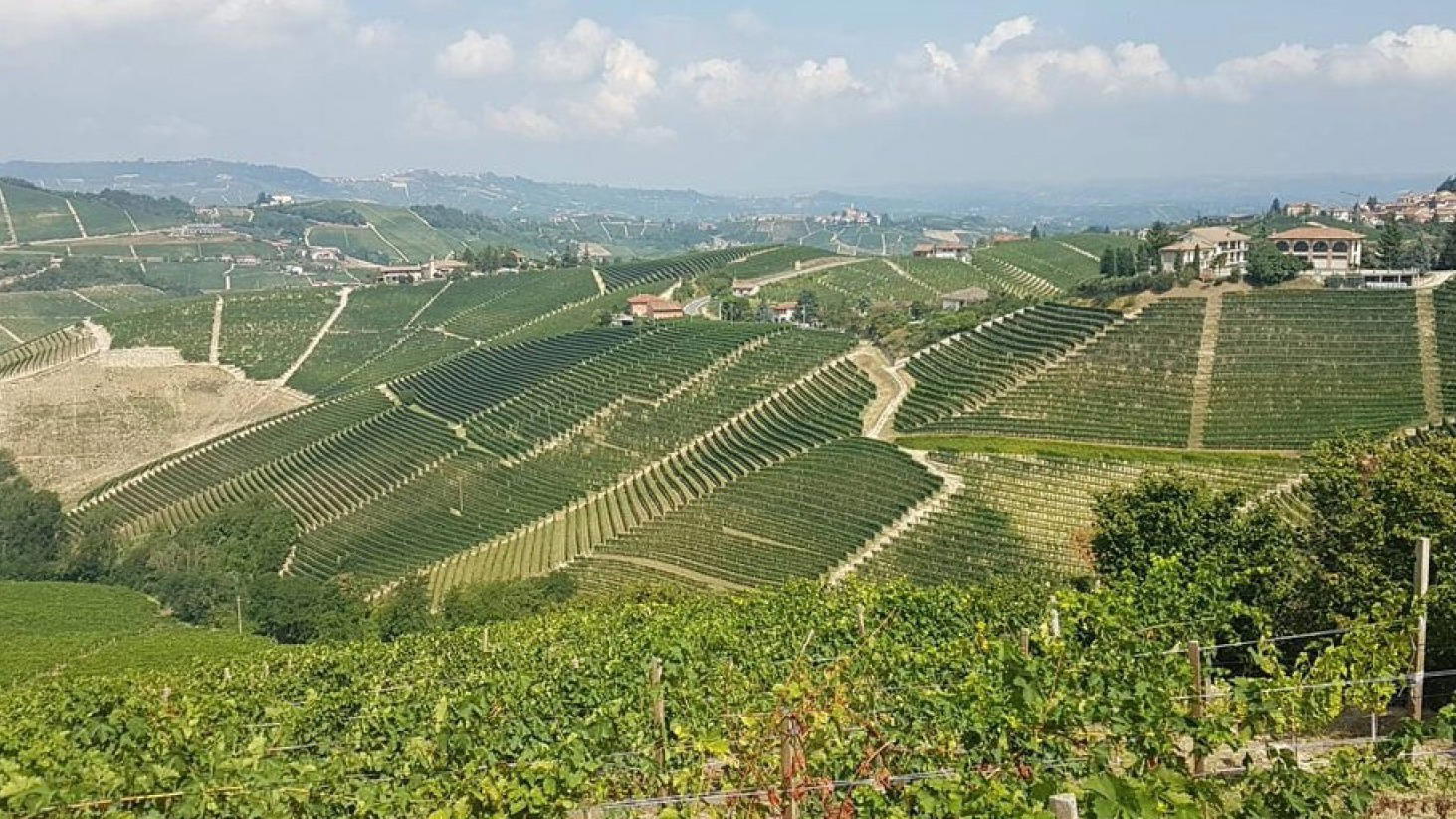
Bars in Costigliole d'Asti
Browse all →
Restaurants in Costigliole d'Asti
Browse all →
At a Glance
- Rustic
- Classic
- Intimate
- Wine Education
- Historic Building
- Private Tasting
- Vineyard
- Asti
- Moscato
- Nebbiolo
- Barbera
- Dolcetto
- Guided Tasting
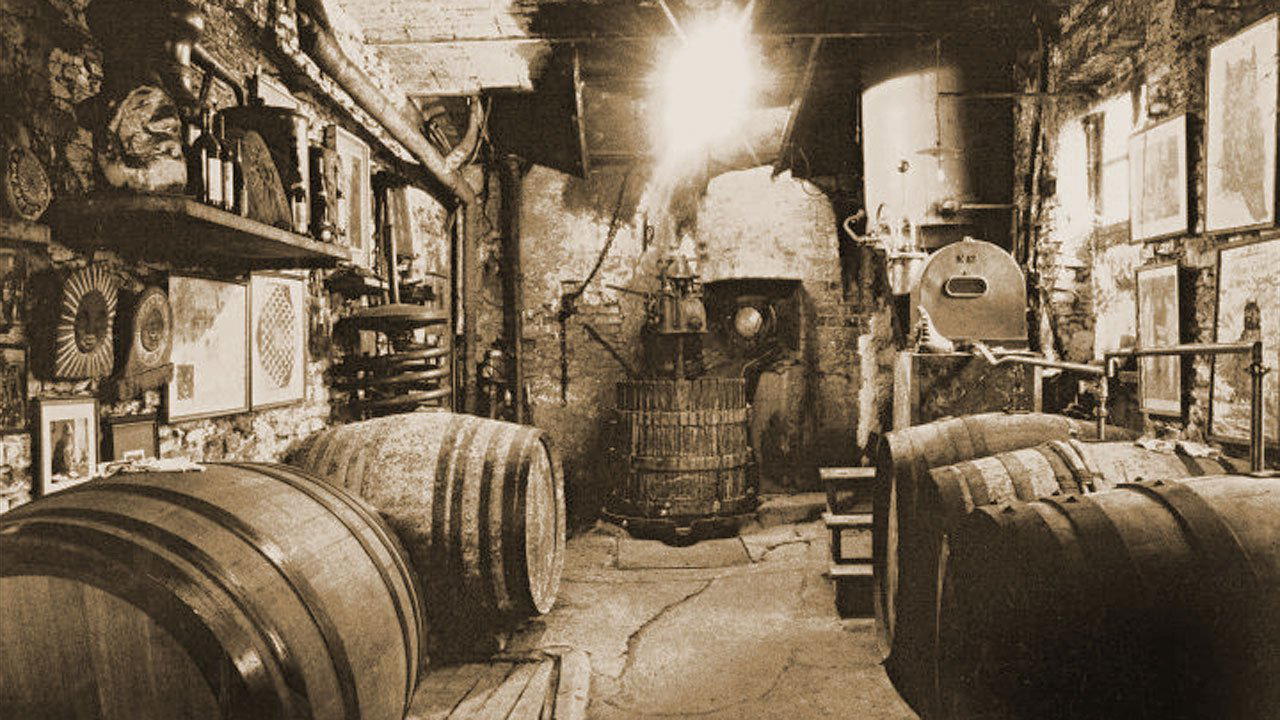
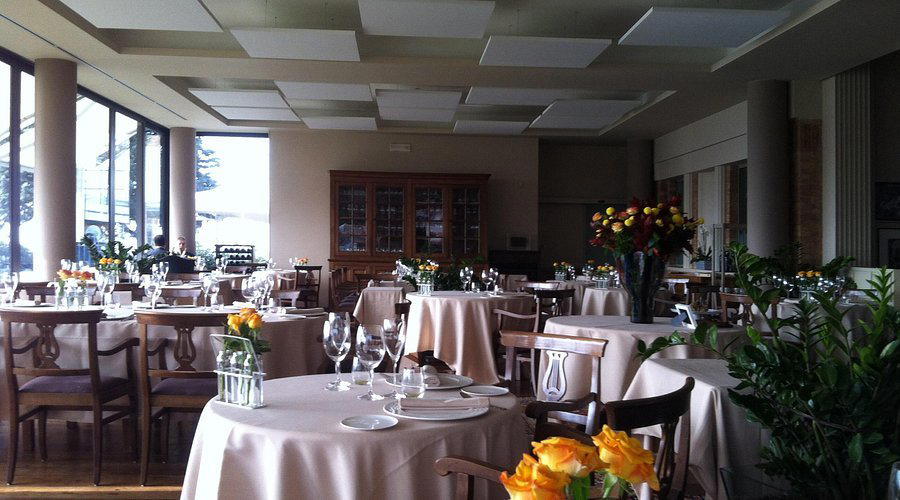
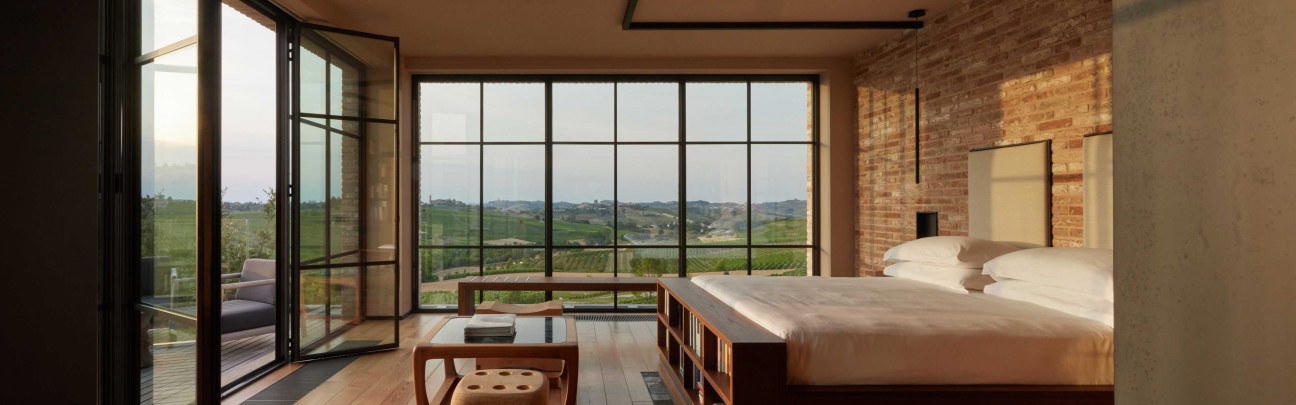
Warm family atmosphere with serious tradition, kindness, and the industrial hum of alembics, complemented by elegant tasting rooms and oak aging cellars.