Poli Distillerie

Poli Distillerie in Schiavon, in the Vicenza foothills of the Veneto, is one of Italy's most respected grappa producers, earning a Pearl 3 Star Prestige rating in 2025. The distillery sits within a region whose pomace traditions run deep, producing spirits that speak directly to the agricultural character of northeastern Italy. Visitors arrive at an address that functions as both working distillery and an education in how a single region's grape harvest can translate into a range of distinct distillates.
 Discover on Pearl
Pearl is the En Primeur Club membership app — saves, bookings, and concierge access live there. Same editors, same standards.
- Address
- Via G. Marconi, 46, 36060 Schiavon VI
- Phone
- +39 0444 665007
- Website
- poligrappa.com
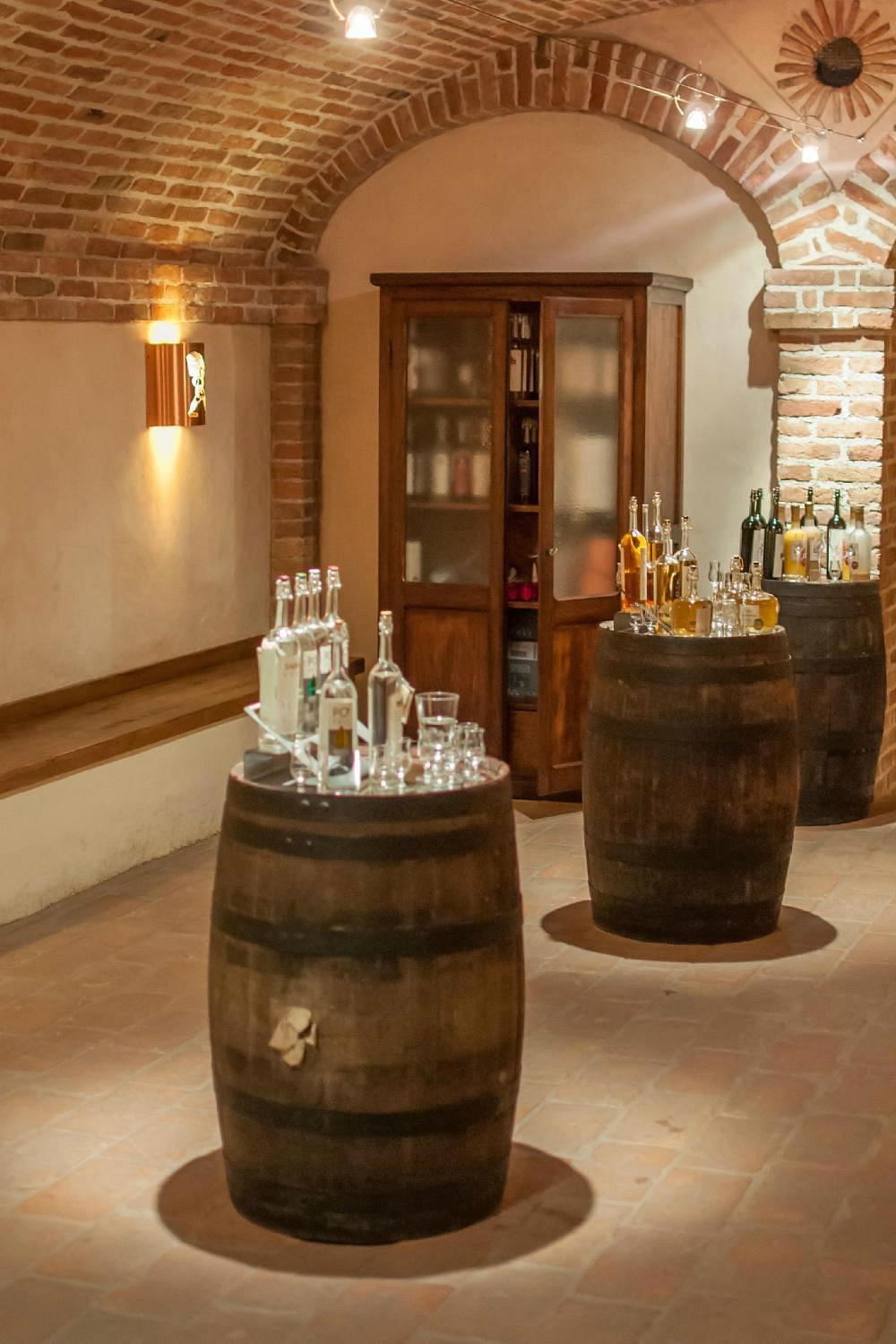
Where the Veneto's Vineyards End and the Still Begins
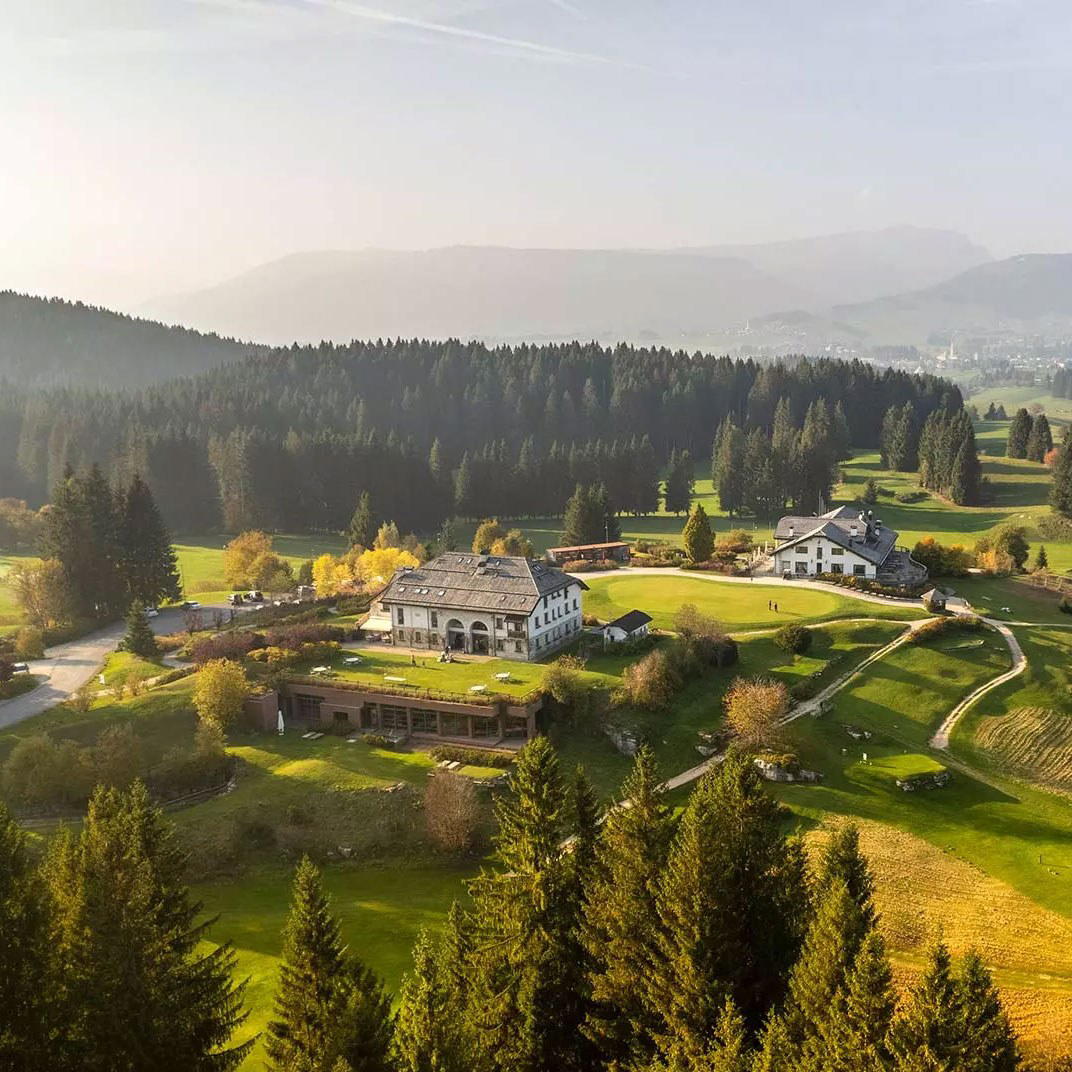
The countryside around Schiavon, in the Vicenza province of the Veneto, is the kind of agricultural landscape that makes grappa's origins feel inevitable. Rows of vines give way to low-slung production buildings, and the air in harvest season carries the fermented, almost sweet weight of pomace. Poli Distillerie, at Via G. Marconi 46, occupies this territory in a way that reflects the longer Italian tradition of distillation as an extension of viticulture rather than a separate industry. The still is not incidental to the vineyard; it is where the vineyard's residue is transformed. That relationship between raw material and finished spirit defines what serious grappa production looks like in this part of northeastern Italy, and it is the lens through which Poli's 2025 Pearl 3 Star Prestige recognition carries its most precise meaning.
The Veneto as a Distillation Terroir
Grappa's connection to place is less discussed than wine's, but no less real. The pomace that feeds a Veneto still comes from specific grape varieties, Glera from the Prosecco hills of Conegliano and Valdobbiadene, Garganega from the Soave Classico zone, Corvina, Rondinella, and Molinara from the Valpolicella and Amarone producers further west. Each variety contributes a different aromatic profile, residual sugar level, and fermentation character to the pomace. A distillery working in Schiavon, positioned roughly between these zones, draws from a regional supply chain that is itself an expression of the Veneto's viticultural diversity. The question of terroir in grappa is a matter of which grapes were grown where, how ripe they were at harvest, and how quickly the pomace was transferred to the still before oxidation compromised the aromatic potential.
Italian distilleries operating at the level recognised by the Pearl 3 Star Prestige award in 2025 sit within a competitive tier that is smaller than the broader grappa market suggests. The category has a long tail of industrial producers churning out inexpensive pomace spirit for the local bar trade, and at the opposite end a cluster of houses, among them Nonino Distillery in Pavia di Udine and Distilleria Marzadro in Nogaredo, that have built reputations on single-varietal expressions, controlled fermentation, and extended aging. Poli prices and positions itself against that latter group, not the former.
Single-Varietal Logic and the Argument for Pomace Provenance
The shift from blended to single-varietal grappa over the past three decades mirrors changes happening across Italian winemaking. As producers in Barolo, Brunello, and the Veneto itself moved toward single-vineyard bottlings and variety-specific expressions, their distillery counterparts began applying the same logic to pomace. If a Moscato Bianco pomace from the Piedmontese hills produces a spirit with floral, apricot-forward aromatics distinct from a Prosecco-derived grappa's sharper, more citrus-driven profile, the argument for sourcing transparency becomes direct. Distilleria Romano Levi in Neive, working from Piedmontese varieties, represents a different regional expression of the same principle: the pomace carries geographic and varietal information that a skilled distiller can either preserve or destroy, depending on their approach to fermentation temperature, still type, and cut points.
Poli's location in Schiavon gives it access to the Veneto's specific varietal palette. The aromatic differences between a Glera-derived grappa and one built from Amarone pomace are not subtle. Amarone pomace, drawn from partially dried Corvina-heavy blends, arrives at the still with a deeper color, more residual sugar, and a richness that tends toward dried fruit and spice in the finished spirit. Glera pomace, by contrast, is lighter, more delicate, and requires faster handling to preserve the variety's natural floral quality. These are not marketing distinctions; they reflect measurable differences in the chemistry of the raw material.
Aging, Format, and the Grappa Prestige Tier
Italy's premium grappa houses have developed two parallel prestige tracks: unaged giovane expressions that showcase varietal purity, and aged or stravecchio releases that use wood to add complexity over time. The prestige tier that carries awards like the Pearl 3 Star Prestige tends to reward producers who execute both with equal discipline, rather than relying on barrel time to mask weaknesses in the base distillate. A well-made giovane grappa from high-quality pomace is arguably a more demanding product to produce; there is nowhere for flaws to hide. Aged expressions, particularly those rested in small Slavonian oak, French barriques, or the Slovenian oak barrels favoured by some Veneto producers, develop additional layers but require that the underlying spirit be sound before wood contact begins.
For context within Italy's broader spirits and wine culture, it is worth placing grappa alongside the country's other premium fermented and distilled traditions. The wine estates of Brunello di Montalcino, represented among others by L'Enoteca Banfi in Montalcino and Poggio Antico in Monte San Vito, sit within a regulatory and prestige framework built over centuries. Grappa's formal recognition structures are newer and less codified, but the gap is closing. Producers like Poli, operating at the Pearl 3 Star Prestige level, are part of a cohort actively building the critical vocabulary and award infrastructure that gives premium grappa a comparable standing to reserved wine appellations. The same dynamic applies in Piedmont, where the Barolo estates clustered around Aldo Conterno in Monforte d'Alba or the cooperative strength of Produttori del Barbaresco in Barbaresco exist alongside distilleries working their own pomace.
Visiting Schiavon: Practical Notes
Schiavon sits in the Vicenza province, reachable from Vicenza city in under thirty minutes by road. The town is small enough that Via G. Marconi 46 functions as a clear point of orientation. As with most serious Italian distilleries, the productive visit assumes some lead time: contact details and current opening arrangements should be confirmed directly with the distillery before arrival, since production schedules and visitor programmes at boutique operations often shift seasonally. The harvest and pressing period, roughly September through November depending on variety and vintage, is when Veneto pomace moves from vineyard to still, and a visit during this window gives the most direct sense of the raw material that the finished spirits begin with. Those building a wider Veneto or northeastern Italy itinerary can fold Schiavon into a route that also covers the Prosecco hills to the north or the Soave and Valpolicella zones to the west.
For readers interested in comparing the grappa tradition with other Italian and international distillation benchmarks, the distillery sits within a broader circuit that includes Campari in Milan on the spirits production side, and wine estates with significant cellar tourism programs such as Ca' del Bosco in Erbusco, Castello di Volpaia in Radda in Chianti, Lungarotti in Torgiano, and Planeta in Menfi. For those whose interests extend to international distillation traditions, Aberlour in Aberlour and Accendo Cellars in St. Helena represent the kind of terroir-anchored production philosophy that crosses categories and borders.
Continue exploring
More in Schiavon (Vicenza)
Wineries in Schiavon (Vicenza)
Browse all →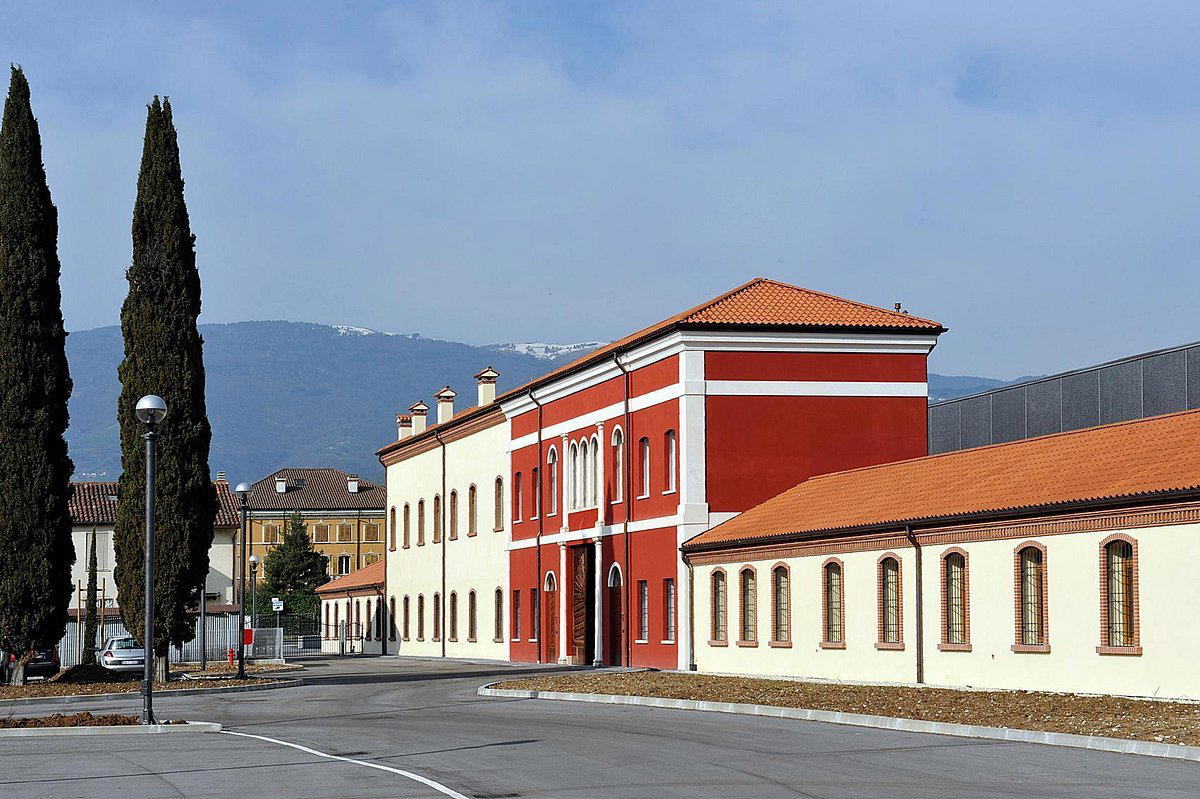
Restaurants in Schiavon (Vicenza)
Browse all →
At a Glance
- Classic
- Rustic
- Elegant
- Iconic
- Wine Education
- Group Outing
- Special Occasion
- Barrel Room
- Historic Building
- Estate Grounds
- Private Tasting
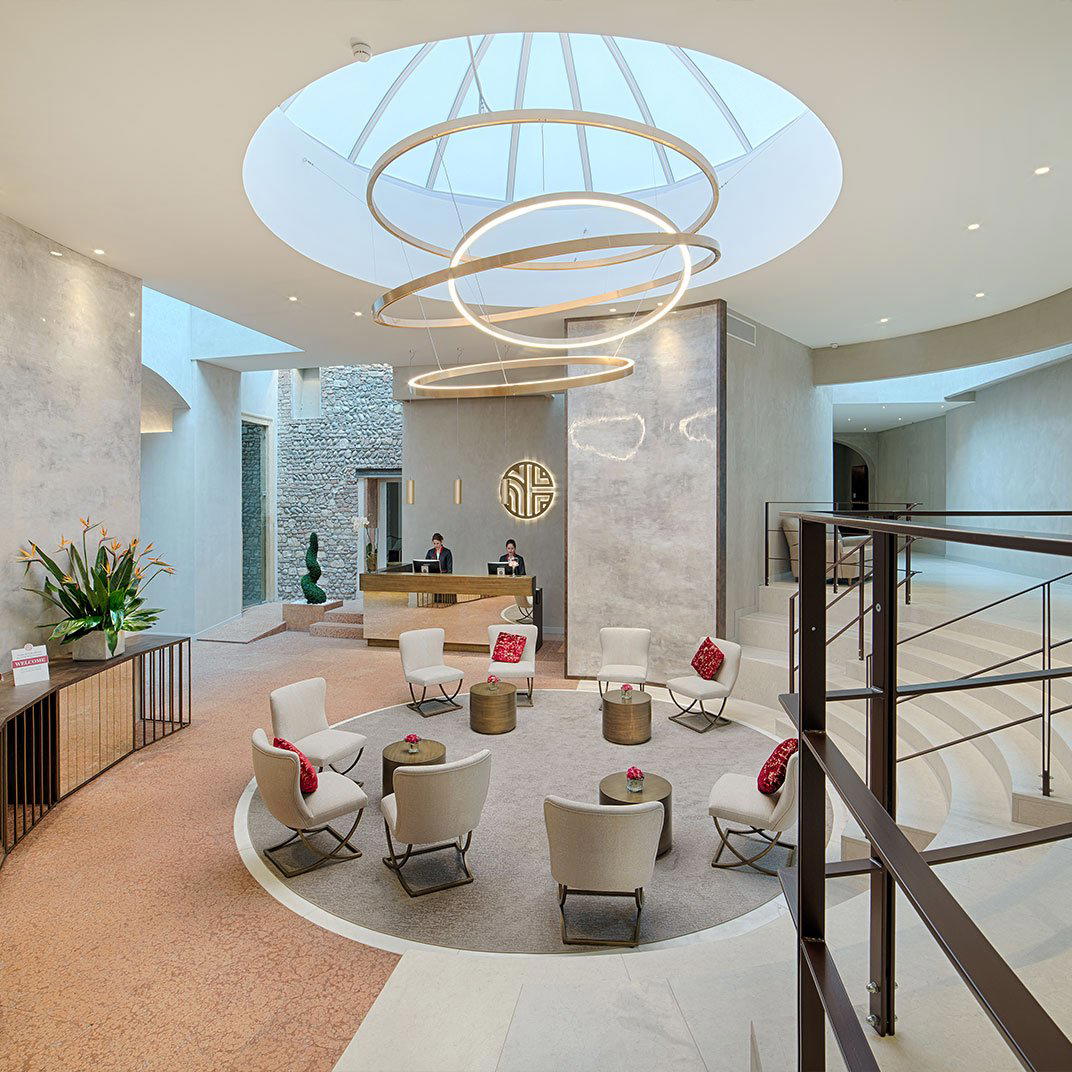
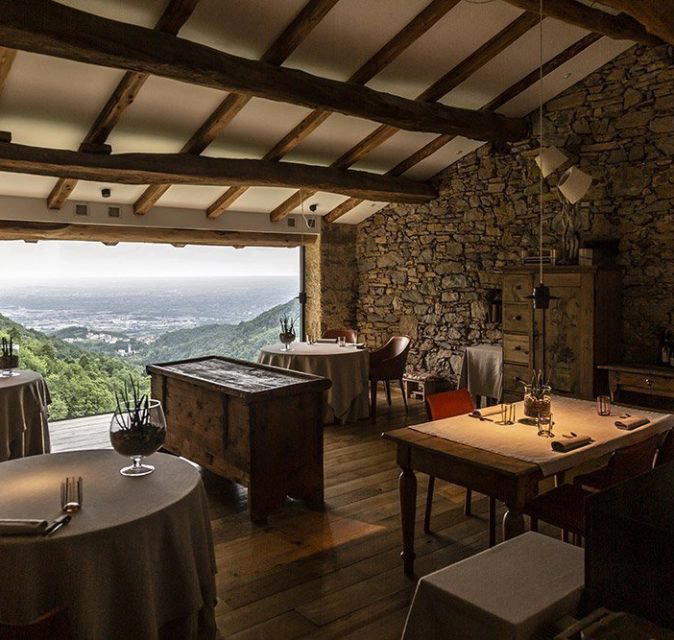
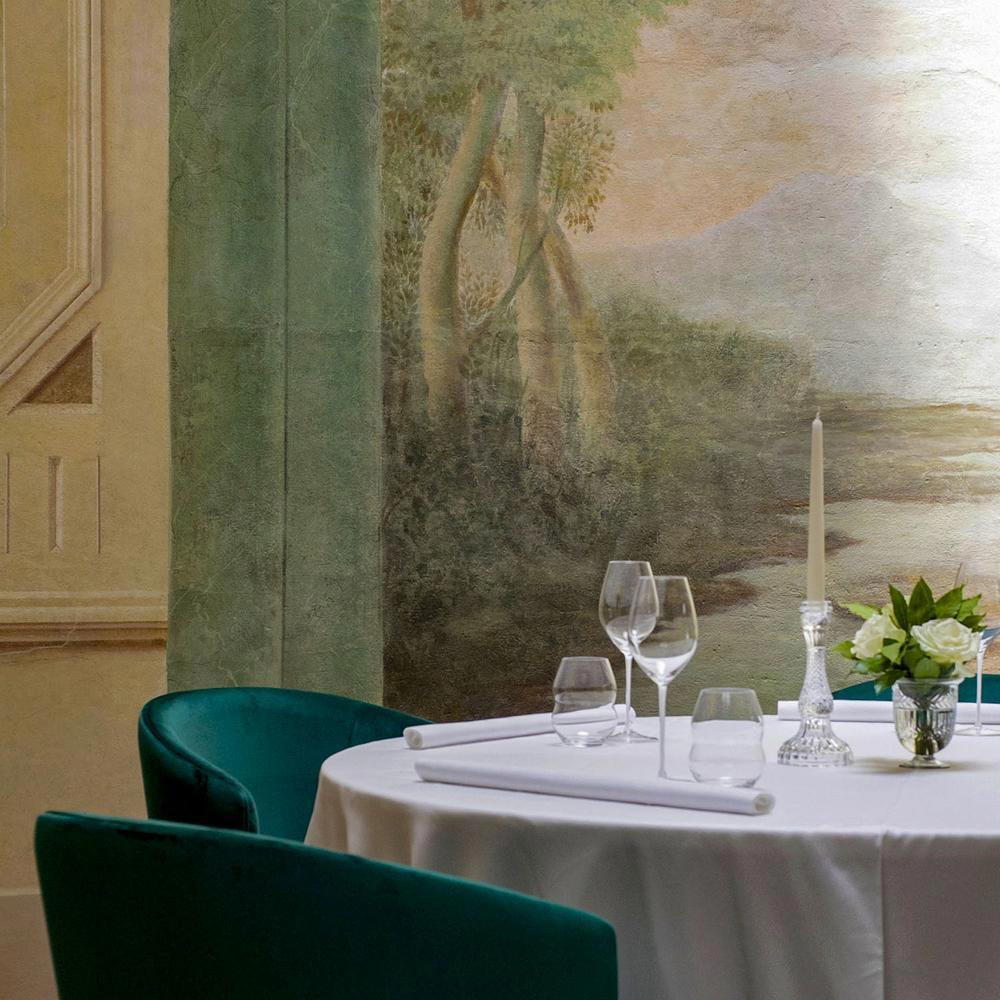
Warm and welcoming atmosphere infused with the scent of aging barrels; visitors experience an authentic production environment with no secrets, blending heritage craftsmanship with modern hospitality.