Relais San Maurizio


Michelin Selected · Leading Hotels of World Member
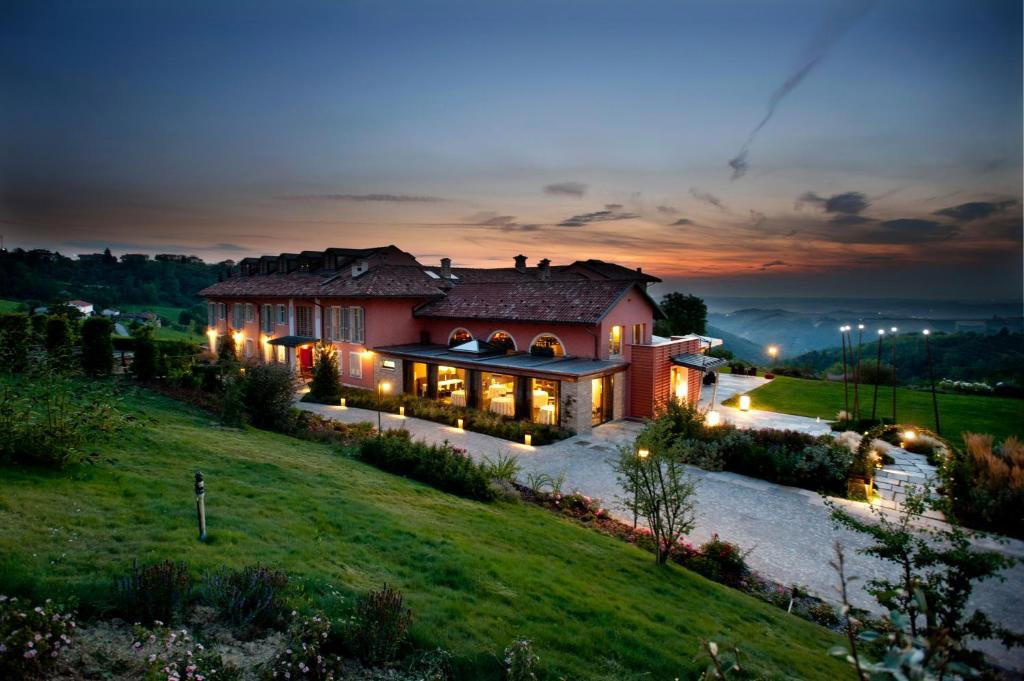
A seventeenth-century monastery converted into a Leading Hotels of the World member, Relais San Maurizio sits above the Belbo valley in the Langhe hills of Piedmont, one of Italy's most seriously regarded wine territories. The property's stone architecture and terraced grounds position it within a small tier of Italian rural retreats where historic fabric and serious hospitality coexist at altitude.

Pearl is the En Primeur Club membership app — saves, bookings, and concierge access live there. Same editors, same standards.
- Address
- Località San Maurizio, 39, 12058 Santo Stefano Belbo CN
- Phone
- +39 0141 841900
- Website
- relaissanmaurizio.it
- Directions
- Get directions
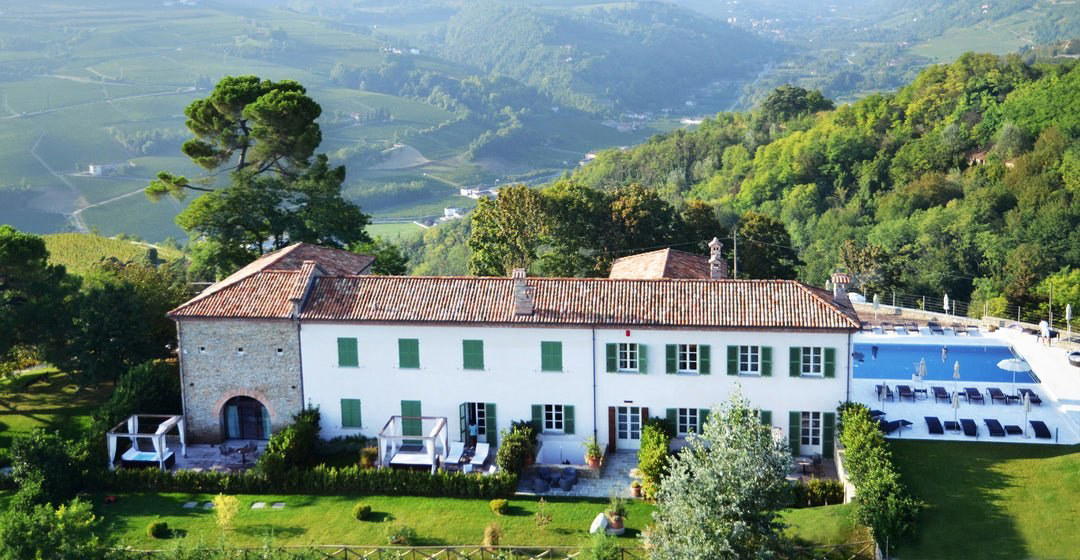
A Monastery Above the Vines
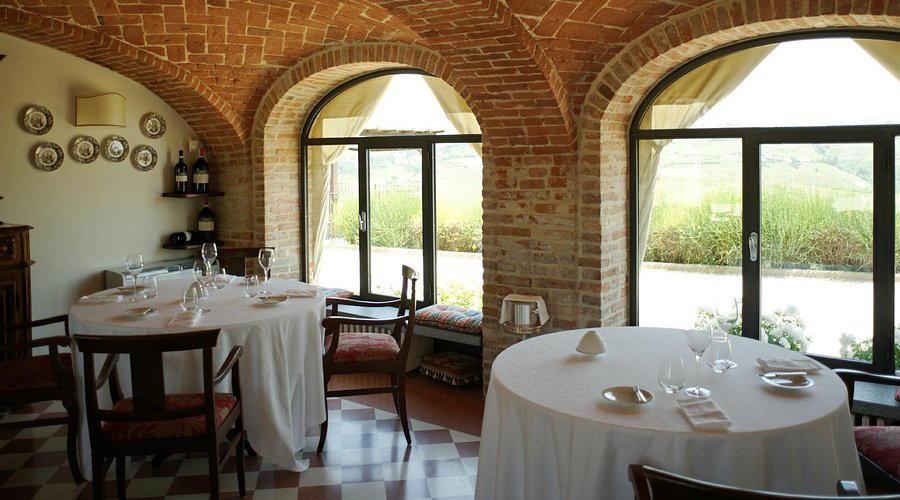
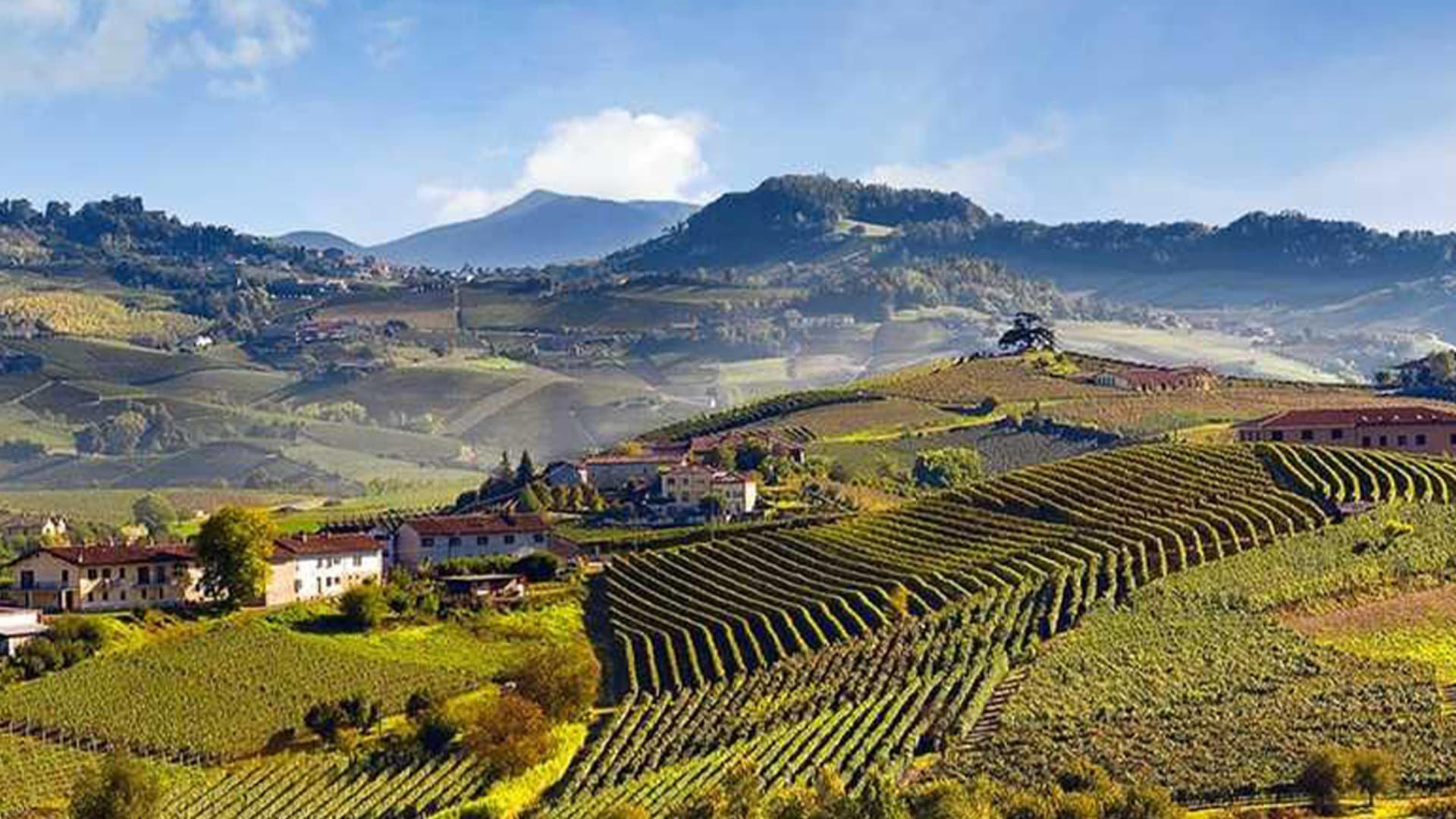
The approach to Relais San Maurizio follows the pattern common to the leading rural Piedmontese properties: a road that climbs away from the valley floor, past vines in various states of seasonal transformation, before arriving at a stone complex that reads less as a hotel and more as a settled piece of architecture. The building dates to the seventeenth century, originally constructed as a Franciscan monastery, and that origin is legible in its proportions — the thick walls, the enclosed courtyard logic, the way the structure turns inward even as the views open outward across the Belbo valley toward the ridge lines that define this corner of the Langhe. In a region where historic conversions have become a standard format for premium hospitality, the ones that carry conviction are those where the original architecture was substantial enough to absorb the demands of contemporary guests without requiring the shell to be fundamentally altered. This property falls into that category.
Santo Stefano Belbo sits in the Cuneo province, south of Alba, in a part of Piedmont that draws serious attention for its wine production — Moscato d'Asti originates here, and the broader Langhe and Monferrato appellations surround the town. For visitors oriented primarily around wine and table, the location functions as an alternative base to Alba itself, quieter and with a different rhythm. The competitive set for a property like this is not the grand city hotels of Turin or Milan, but rather the converted agricultural estates and historic rural residences scattered across northern and central Italy: places like Rosewood Castiglion Del Bosco in Montalcino or Borgo San Felice Resort in Castelnuovo Berardenga, where the logic of arrival and the weight of the surrounding territory are as much a part of the stay as the rooms themselves.
Architecture as Hospitality Logic
Italian rural hospitality has long understood that the building is the offer. The monastic typology, cloistered, self-contained, oriented around shared communal space, translates with reasonable fidelity into a hotel format. Guests move through corridors that retain their original stone, into spaces where the ceiling heights and window placements were determined by seventeenth-century builders who had no interest in natural light as a design gesture but simply built for a specific climate and function. The result is a kind of thermal and visual logic that feels different from purpose-built resorts, where the architecture is asked to perform atmosphere rather than simply embody it.
This category of conversion property occupies a distinct tier in Italian luxury hospitality. It sits apart from large international footprints like Four Seasons Hotel Firenze in Florence or Bulgari Hotel Roma in Rome, which bring global program depth to historic Italian buildings. It also differs from the coastal or lakefront properties, Aman Venice in Venice, Passalacqua in Moltrasio, Grand Hotel Tremezzo in Tremezzo, where the visual drama of water defines the experience. Here, the drama is quieter: the geology of the hills, the vine rows, the mist that moves through the Belbo valley in the early morning and the late afternoon. The architecture functions as a frame for that, not a spectacle in itself.
Membership in Leading Hotels of the World, confirmed for 2025, places Relais San Maurizio within a collection that applies consistent standards around physical condition, service ratios, and facilities.
The Langhe as Context
Understanding what a stay at this property means requires understanding what the Langhe means to serious Italian food and wine culture. The hills between Alba and Asti represent one of the densest concentrations of high-value wine production in Italy: Barolo and Barbaresco to the north and west, Moscato and Barbera in the immediate surroundings of Santo Stefano Belbo. Truffle season, running from October into early December, shifts the entire region into a higher gear, with Alba's truffle market drawing buyers and gourmands from across Europe. A property positioned in this territory during that window operates in a very different competitive environment than it does in mid-summer. The Langhe is, in that sense, a seasonal destination with a defined peak, and understanding that rhythm matters more for planning than any single property detail.
For comparison, consider how other Italian rural properties relate to their surrounding food culture: Casa Maria Luigia in Modena draws directly on the Emilian food tradition, Borgo Egnazia in Savelletri di Fasano on Puglian ingredients and coastline. Relais San Maurizio's relationship with its territory follows the same structural logic: the location is not incidental but definitional. Our full Santo Stefano Belbo restaurants guide covers the wider dining context of the town and surrounding area for guests planning time beyond the property itself.
Planning a Stay
Santo Stefano Belbo is approximately 30 kilometres south of Alba and roughly 70 kilometres southeast of Turin, making Turin's international airport the practical arrival point for most international travellers. The property sits outside the town centre at Località San Maurizio, 39, the hillside address signals the altitude and the separation from the valley road. Piedmont in general rewards spring visits for the landscape and autumn visits for the table; truffle season and the Nebbiolo harvest in October and November represent the highest-demand period for accommodation across the region, and properties at this tier fill correspondingly early. For guests comparing across Italian rural hotel formats, the peer references worth considering alongside this property include Castello di Reschio in Lisciano Niccone, Castelfalfi in Montaione, Corte della Maestà in Civita di Bagnoregio, and Castel Fragsburg in Merano, each representing a different regional inflection of the converted-historic-building model. For those extending itineraries beyond Piedmont, Forestis Dolomites in Plose offers a northern alpine counterpoint, while Portrait Milano in Milan provides the urban bookend to a Piedmont itinerary anchored in the hills.
A Quick Peer Check
Comparable venues nearby, for context on price, style, and recognition.
| Venue | Cuisine | Price | Awards | Notes |
|---|---|---|---|---|
| Relais San MaurizioThis venue — the venue you are viewing | historic monastery converted into luxury resort | Not listed | Michelin Selected · Leading Hotels of World Member | Not listed |
| Vigne di Fagnano 1709 Eco Relais | Restored 18th-century noble rural residence blending luxury comfort with historical authenticity. | Not listed | Michelin Selected · Mr & Mrs Smith Seal of Approval | Santo Stefano Belbo |
| Relais Villa d'Amelia | Restored 19th-century farmhouse villa in a seven-hectare park amid vineyards and orchards. | $200–300 | Michelin Selected · Small Luxury Hotels of the World Member | Benevello |
| Hotel Première Abano | Luxury 5-star thermal spa resort in a renovated Art Nouveau building surrounded by a large private park. | $100–200 | Not listed | Not listed |
| Le Cattedrali Relais by Laqua Collection | Contemporary country house harmonizing with nature | $100–200 | Michelin Selected · Mr & Mrs Smith Seal of Approval | Valleandona |
| Mezzatorre Hotel & Thermal Spa | Historic watchtower resort set in Mediterranean forest on a private promontory | Not listed | 1 Michelin Key · La Liste Top Hotels | Forio d'Ischia |
Recognition history
Dated appearances from independent guides and award organizations, with the underlying list record or original source where available.
Michelin Selected
Michelin
Leading Hotels of World Member
Leading Hotels of World
Continue exploring
More in Santo Stefano Belbo
Hotels in Santo Stefano Belbo
Browse all →
Bars in Santo Stefano Belbo
Browse all →
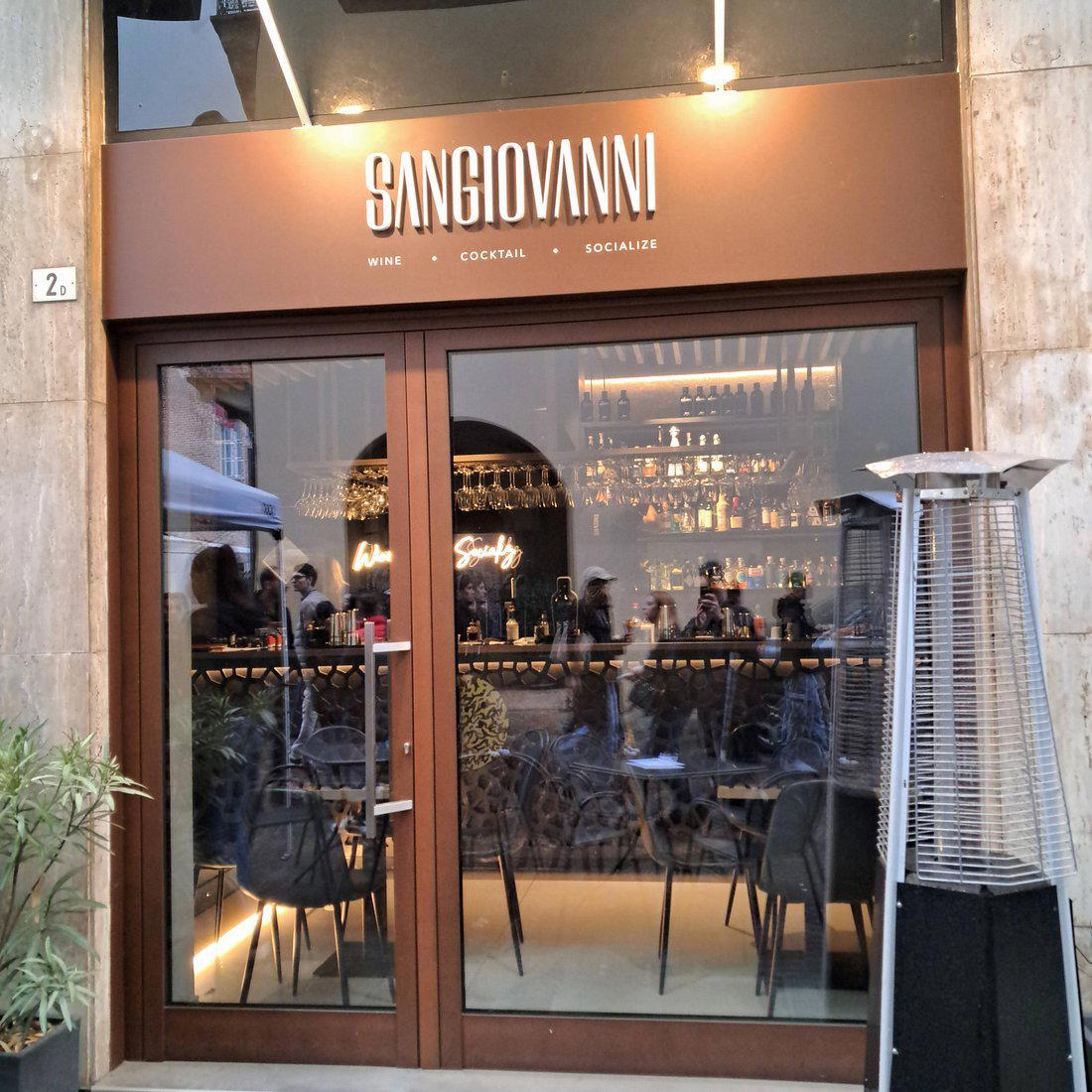
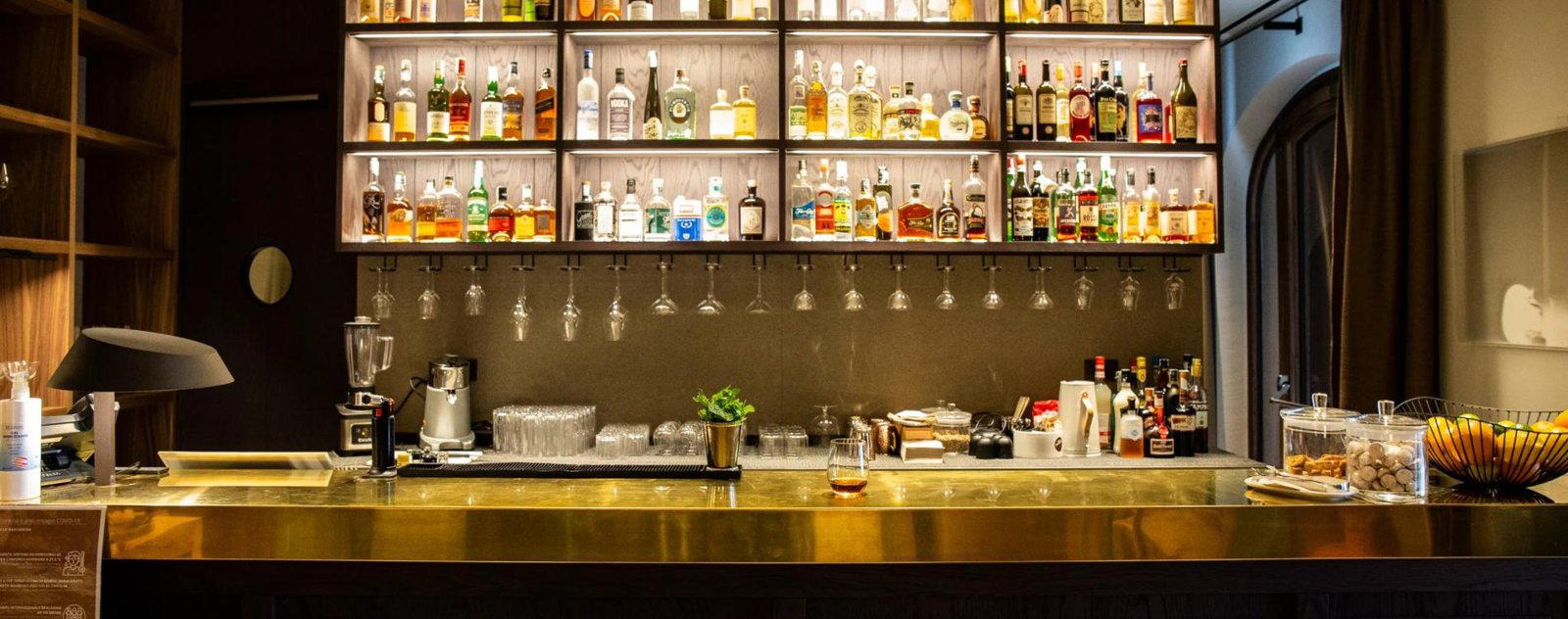
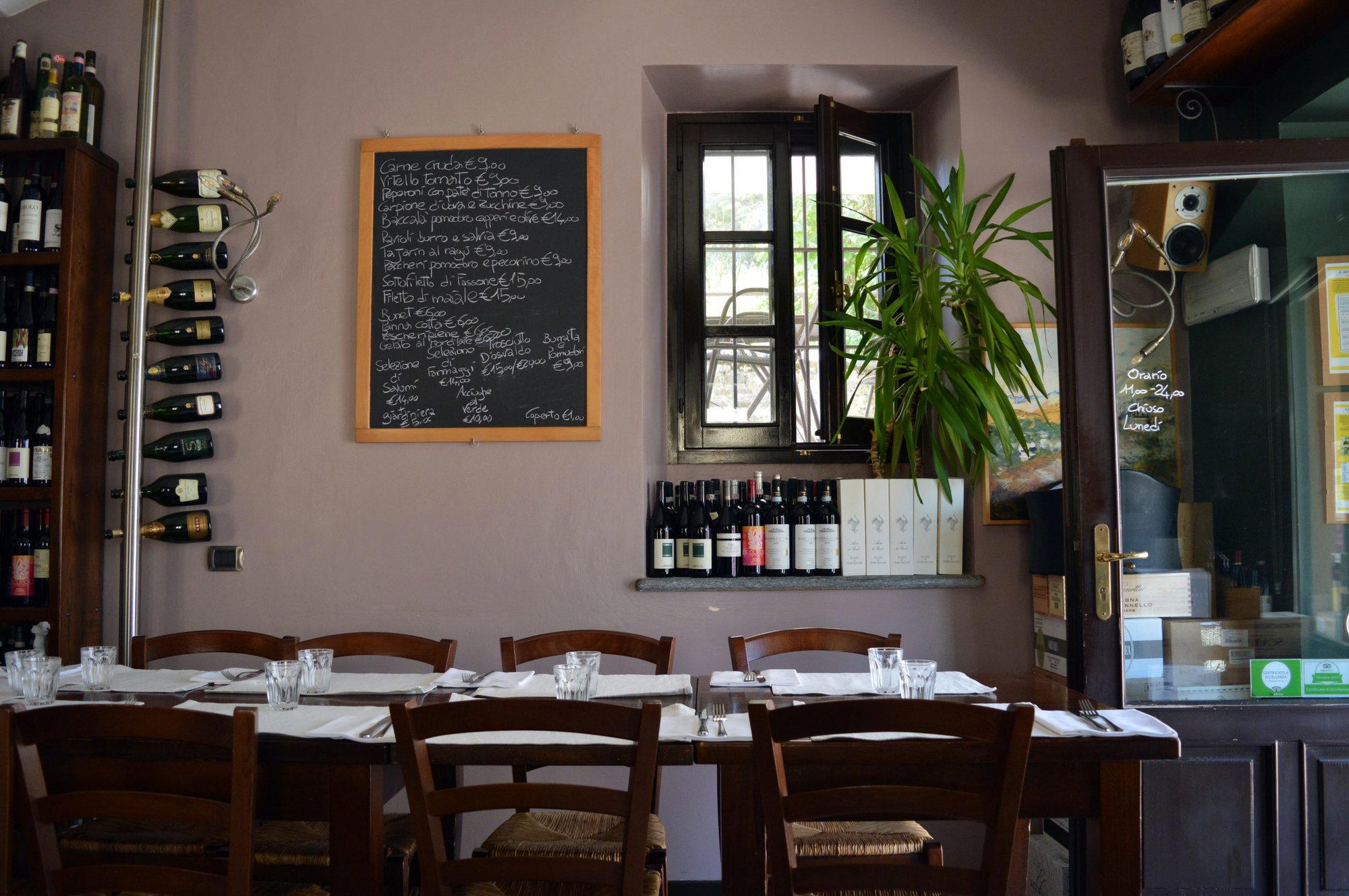
Restaurants in Santo Stefano Belbo
Browse all →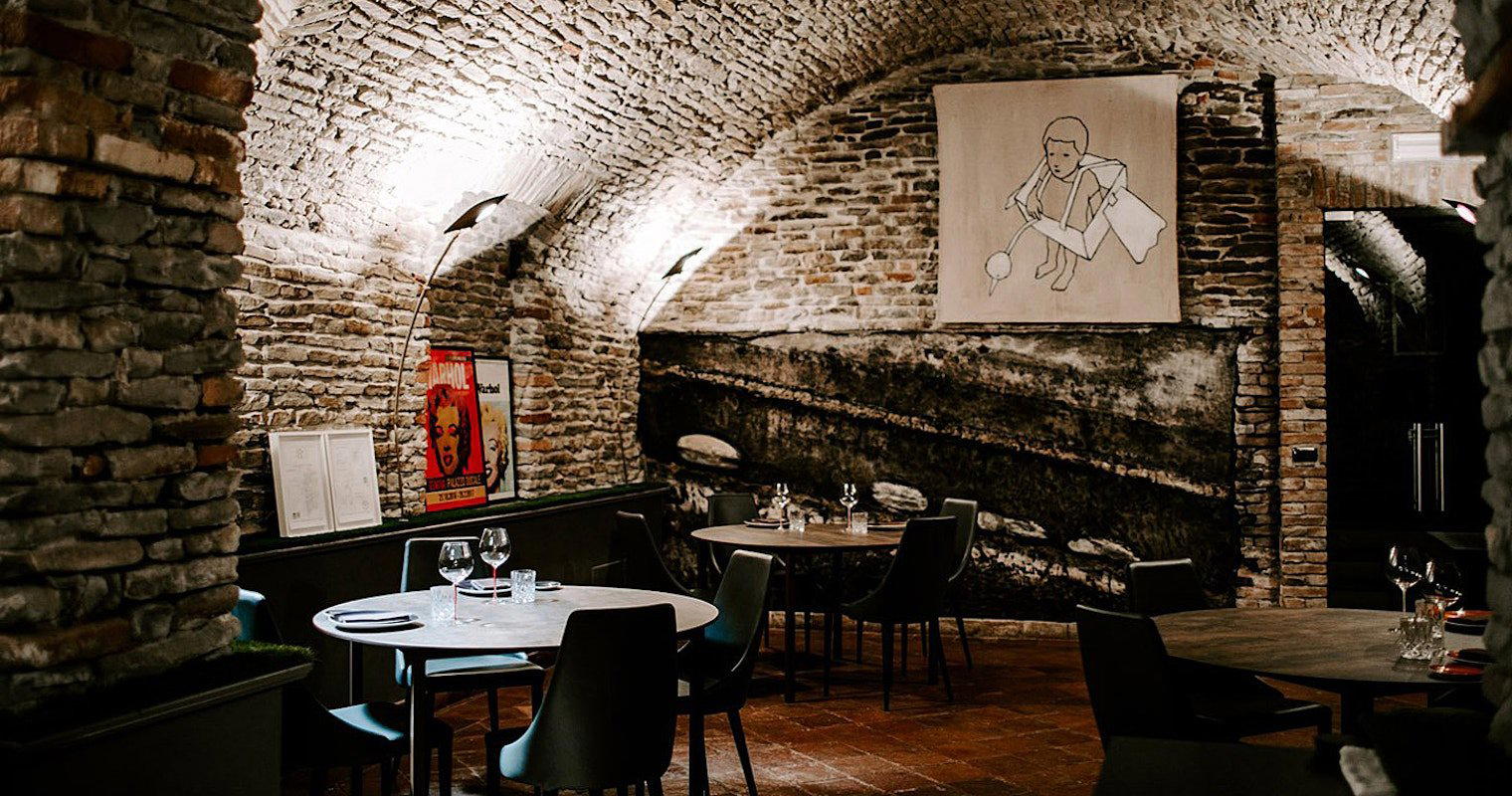
Wineries in Santo Stefano Belbo
Browse all →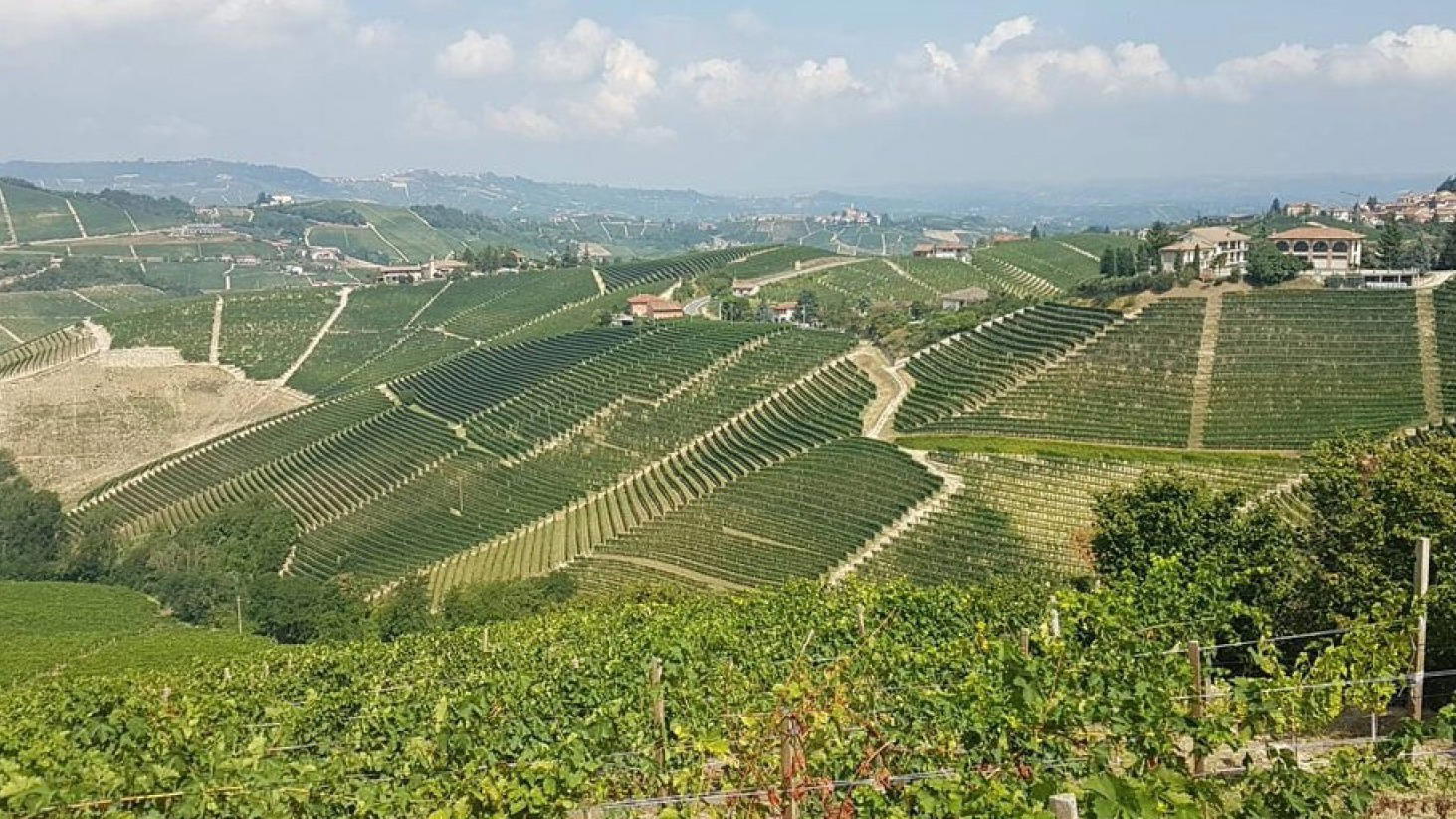
Details
- Romantic
- Elegant
- Quiet
- Scenic
- Rustic
- Sophisticated
- Cozy
- Honeymoon
- Romantic Getaway
- Wellness Retreat
- Anniversary
- Weekend Escape
- Historic Building
- Panoramic View
- Destination Spa
- Garden
- Terrace
- Spa
- Pool
- Fitness Center
- Room Service
- Concierge
- Tennis
- Wi Fi
- Sauna
- Restaurant
- Mountain
- Vineyard
- Garden
- Wheelchair Accessible
- Elevator
- Step Free Entrance
- Accessible Parking
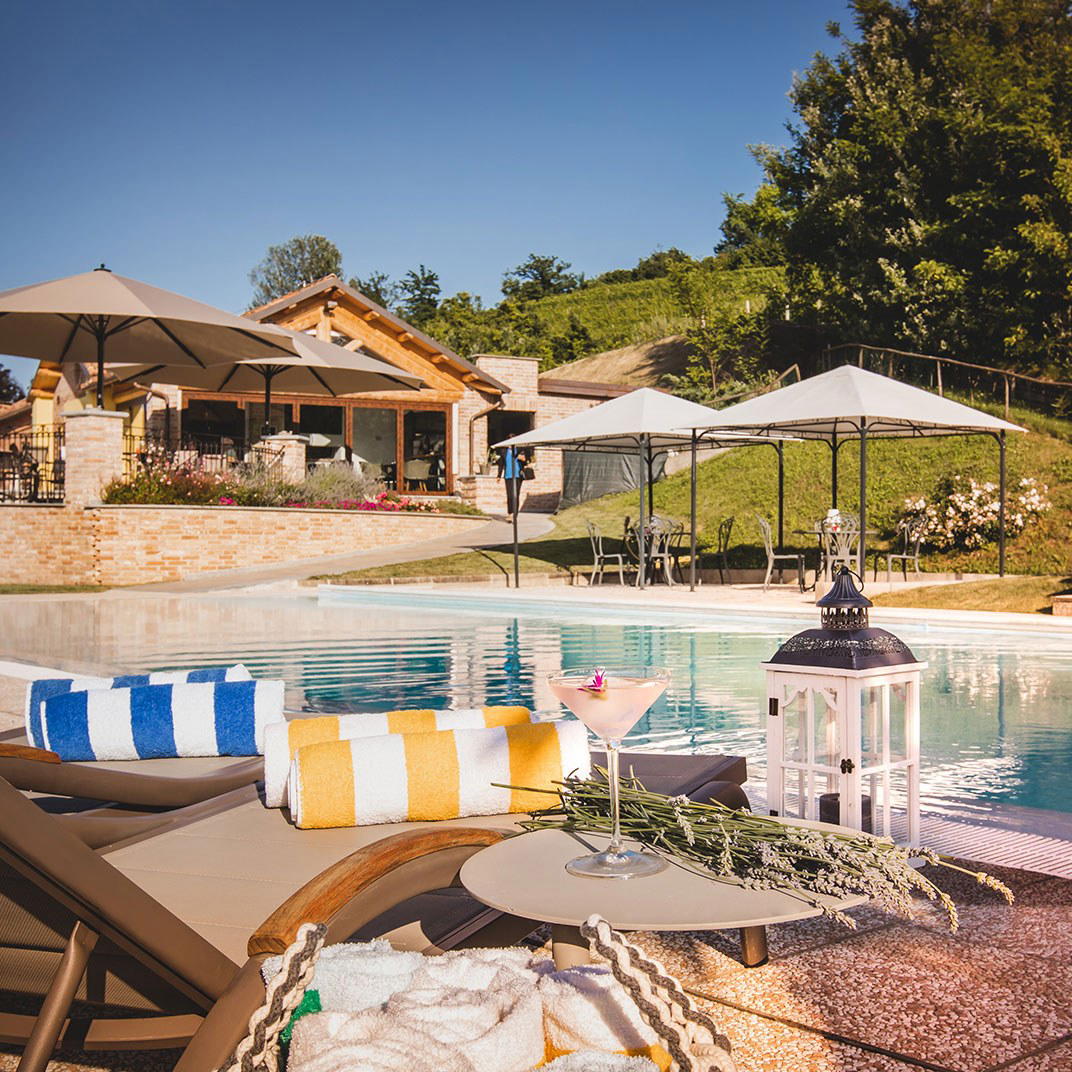
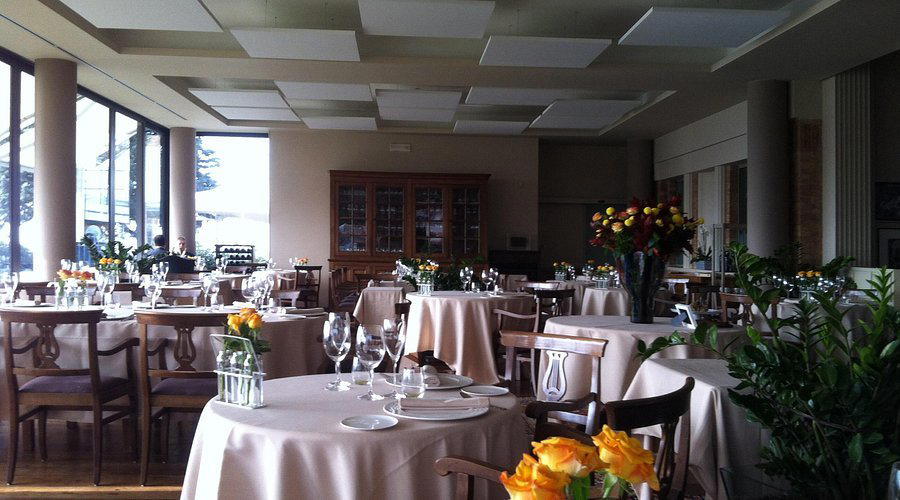
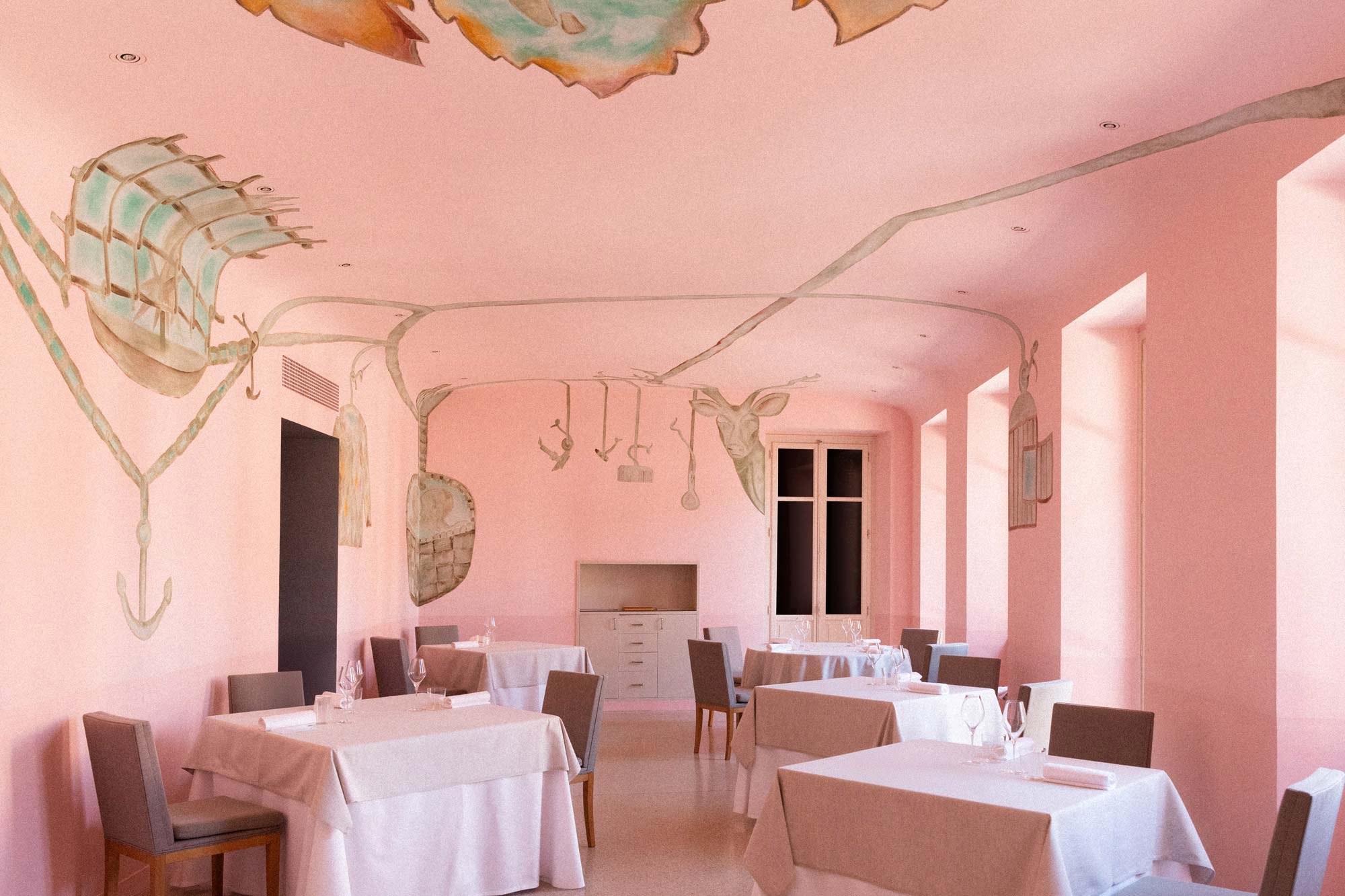
Refined and romantic with frescoed halls, centuries-old gardens, soft natural lighting, and a soothing, enchanting atmosphere.