Il Ristorante di Guido da Costigliole


1 Michelin Star
Our verdict
Occupying a converted 17th-century monastery above the Langhe hills, Il Ristorante di Guido da Costigliole holds a Michelin star and ranks among Italy's classical dining institutions on Opinionated About Dining. The kitchen honours a multigenerational Piedmontese tradition while extending it through Chef Fabio Sgrò's updated approach. A wine list built around vertical options and rare labels matches the seriousness of the food.

Pearl is the En Primeur Club membership app — saves, bookings, and concierge access live there. Same editors, same standards.
- Address
- SP51, 12058 Santo Stefano Belbo CN, Italy
- Phone
- +39 0141 844455
- Hours
- Mon–Sat 7:30–10 PMSun Closed
- Website
- guidodacostigliole.it
- Directions
- Get directions
The menu
What to order
- Vitello_tonnato
- Ravioli_del_plin
- Agnolotti_con_sugo_di_arrosto
- Pollo_ruspante
A Monastery Setting and the Weight of Piedmontese Tradition
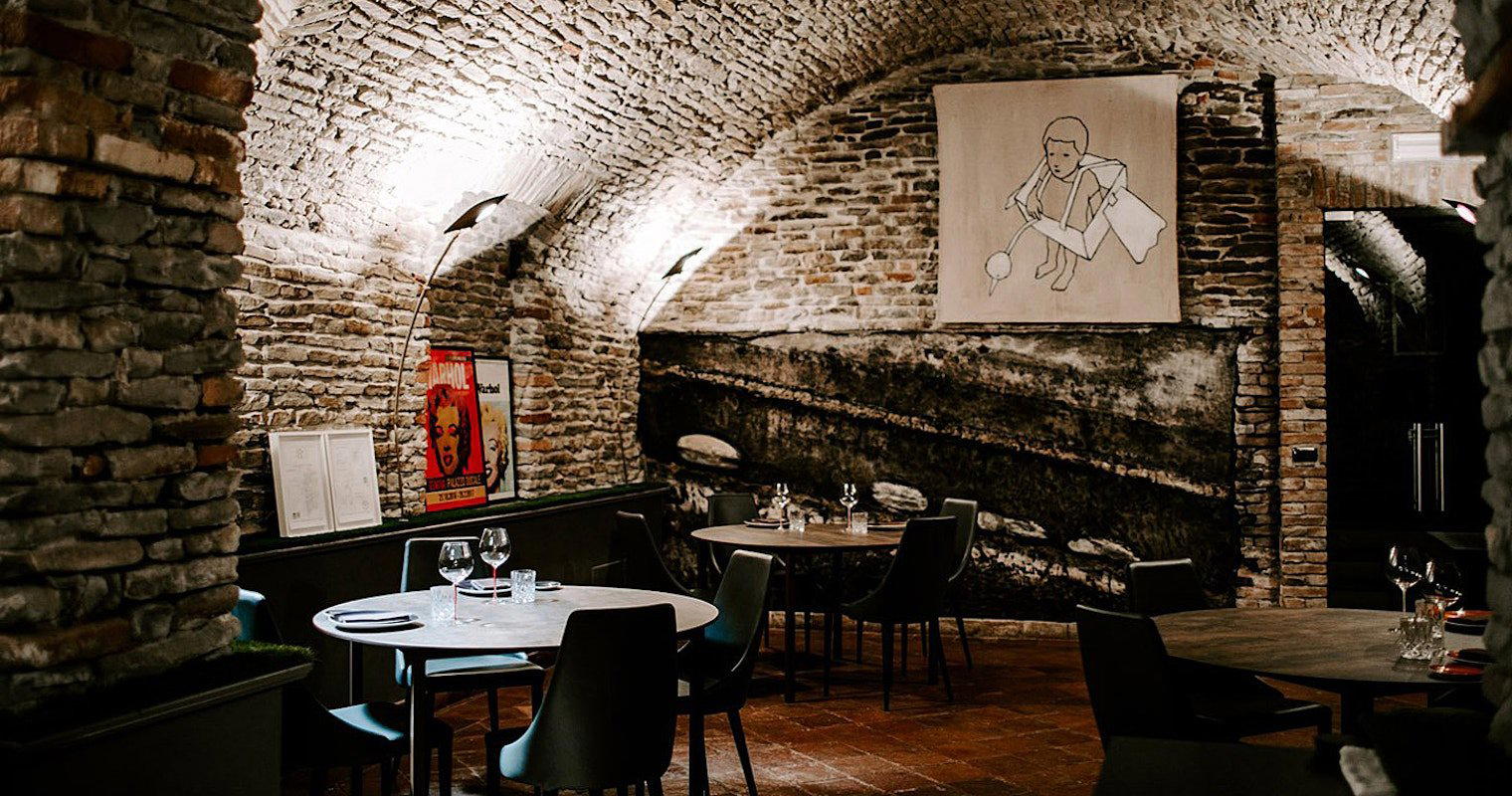
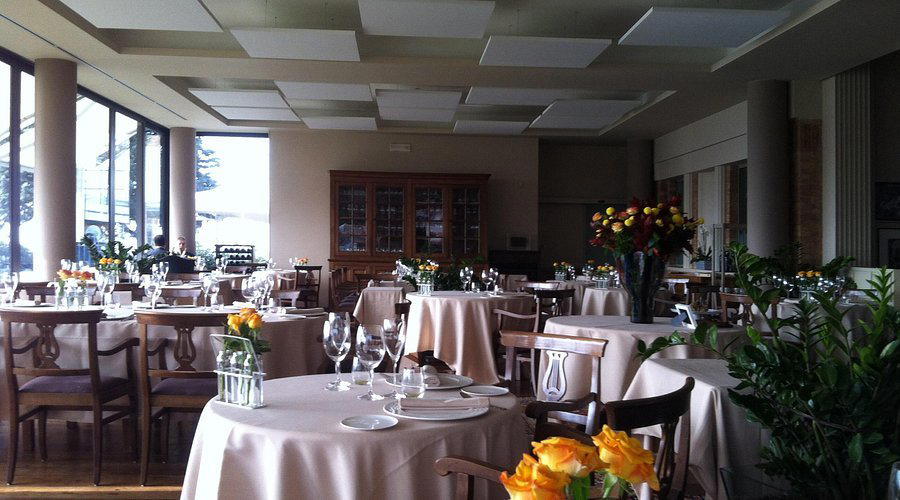
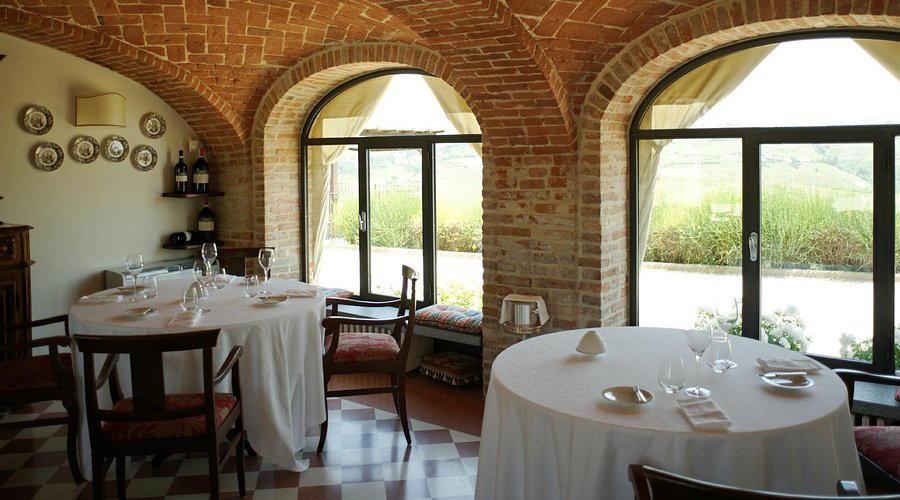
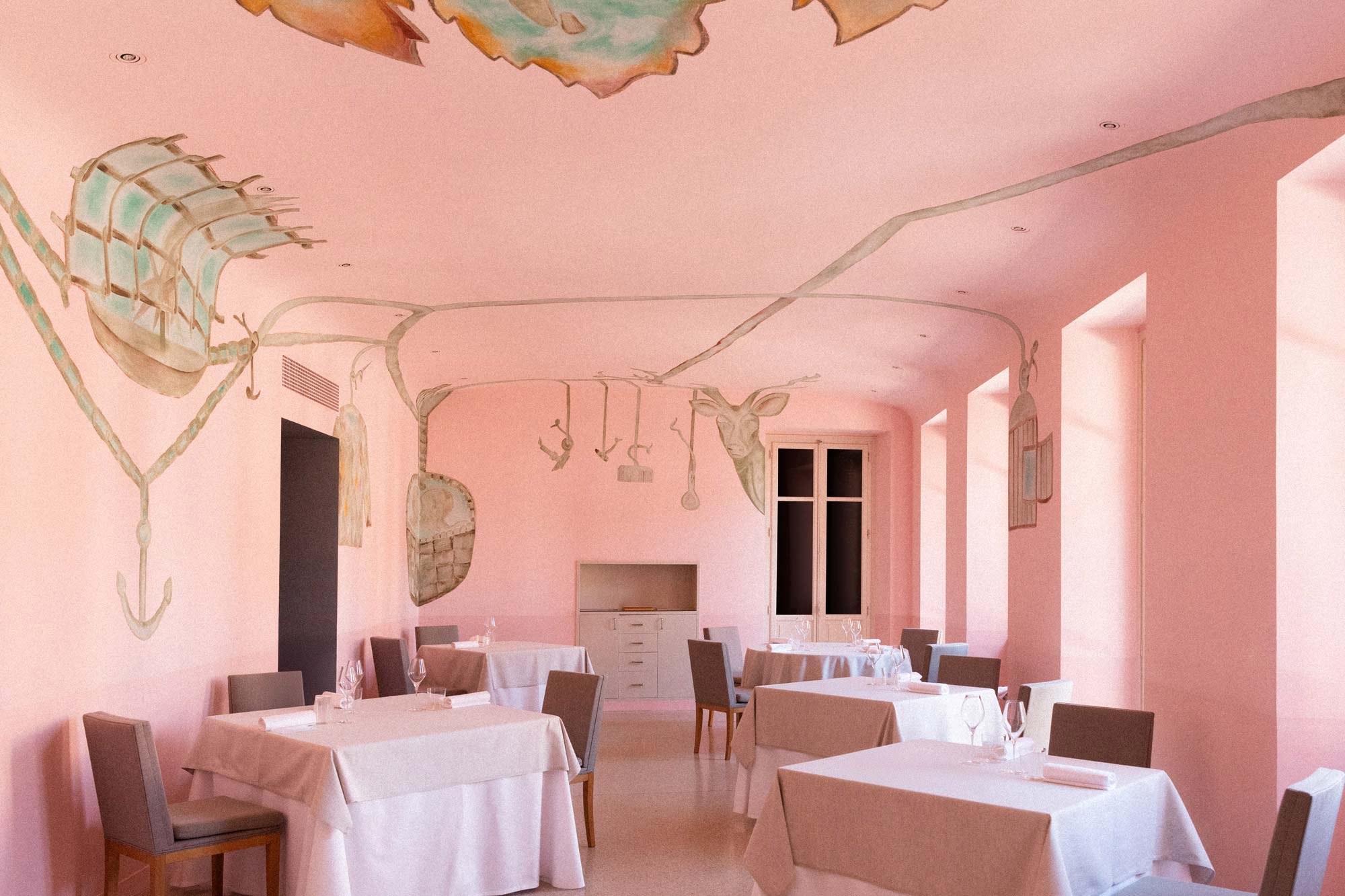
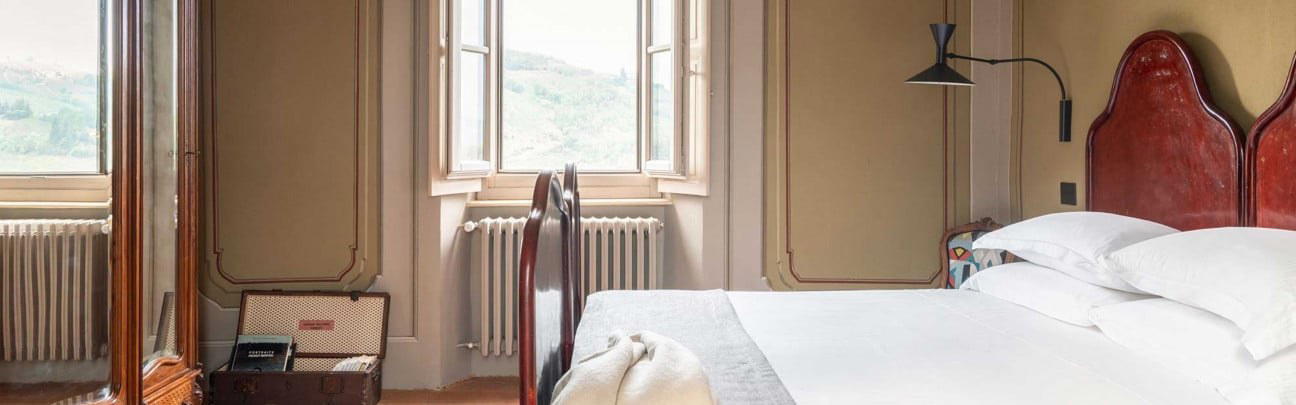
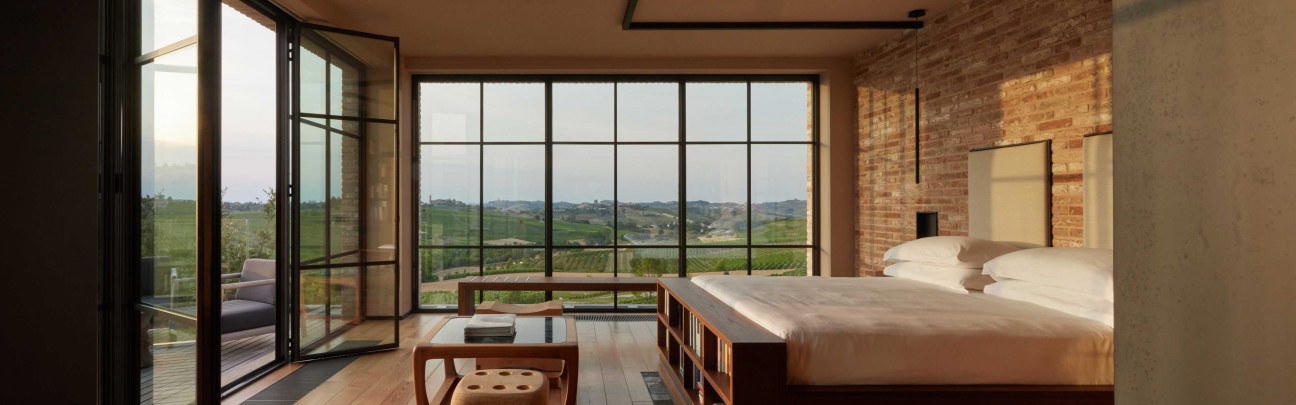
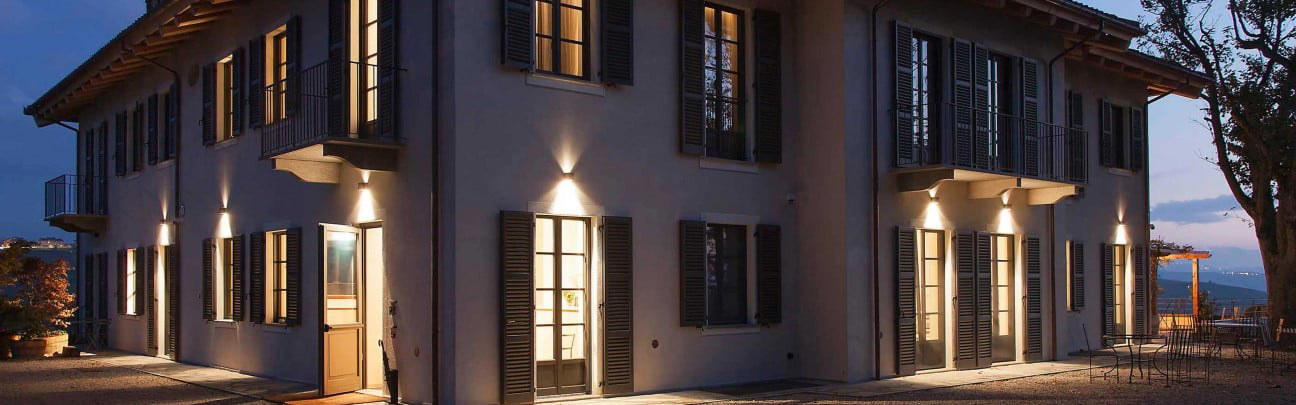
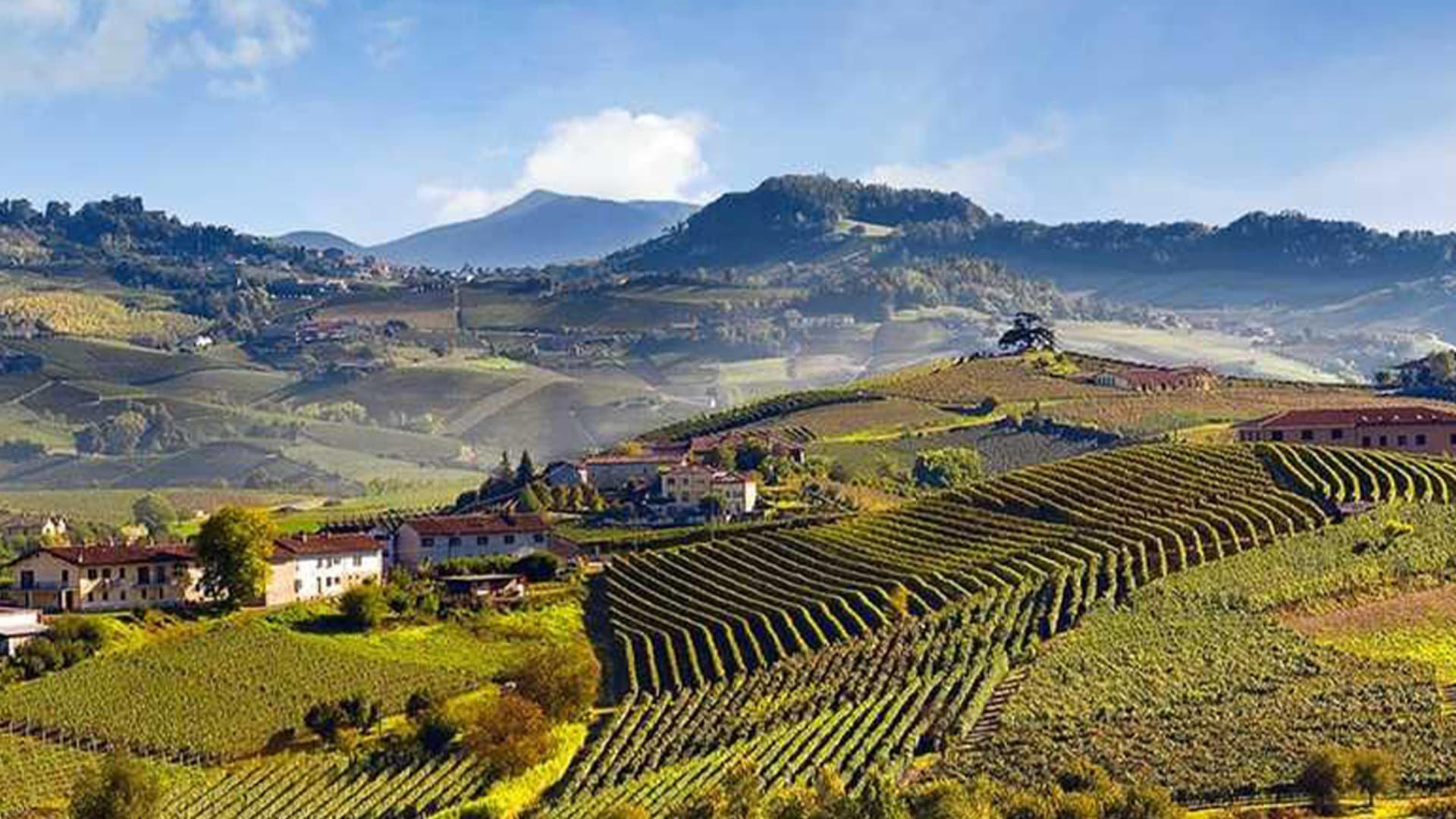
Arriving at the Relais San Maurizio above Santo Stefano Belbo, the approach itself frames the meal before a dish has been served. A 17th-century monastery, converted into one of the region's more serious hotel-restaurant combinations, commands a position over the rolling hills of the Langhe, the vineyard country that produces Barolo, Barbaresco, and Moscato d'Asti within a short drive in any direction. Dining rooms that occupy converted monastic spaces carry a particular atmospheric register: ceilings of consequence, proportions that absorb noise rather than amplify it, a quality of stillness that suits food requiring attention. This is not incidental to the experience at Guido da Costigliole — it is the experience's structural frame.
That frame sits inside a broader story about classical Piedmontese fine dining, a category that operates somewhat differently from the progressive Italian restaurants that attract more international press. Properties like Osteria Francescana in Modena, Le Calandre in Rubano, or Enrico Bartolini in Milan represent a modernist or creative Italian strand. Guido da Costigliole belongs to a different lineage: one where the discipline is fidelity to regional identity, where the brief is refinement and continuity rather than rupture, and where the wine list is as much the point as anything that arrives on a plate.
The Generational Architecture of the Kitchen
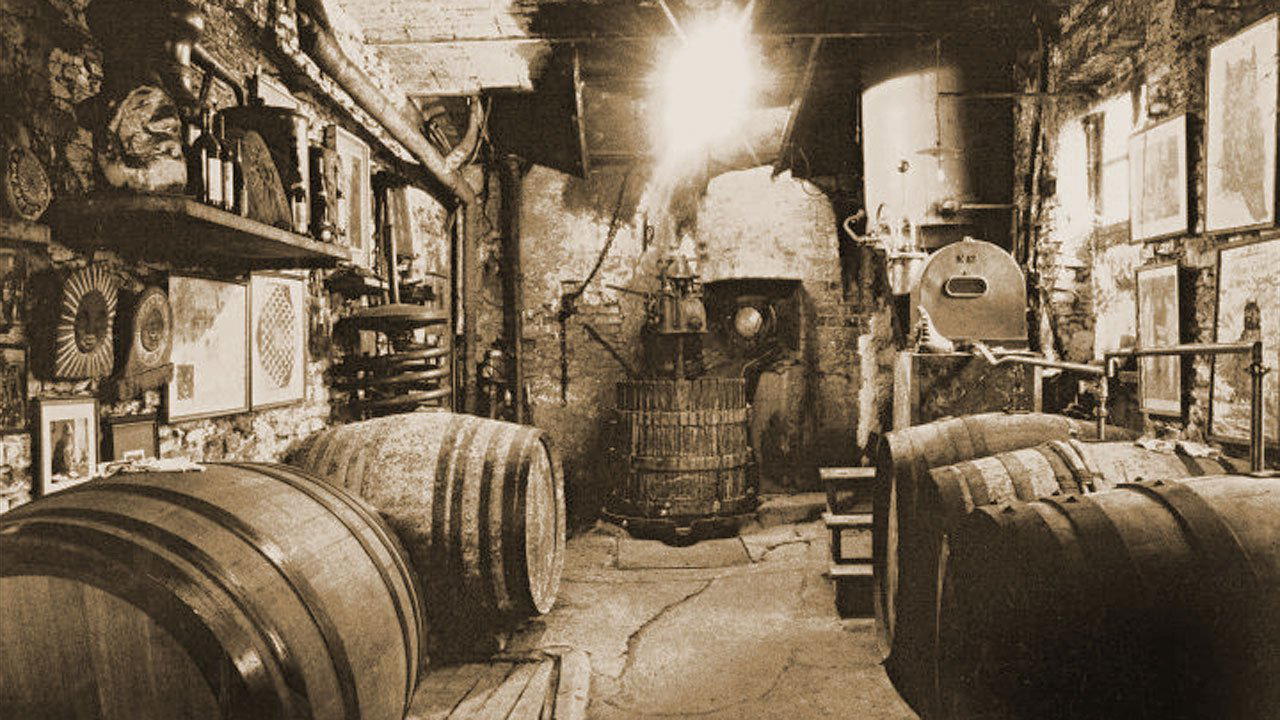
Few restaurants in northern Italy carry their generational story as structurally as this one. The founding chapter belongs to Guido and Lidia Alciati, whose kitchen in Costigliole d'Asti built a reputation that placed Piedmontese cuisine on the map for a generation of Italian food critics and foreign visitors. That history now runs through their son Andrea Alciati and his partner Monica Magnini, who operate the dining program at the Relais San Maurizio and hold the institutional memory of the family approach. The editorial angle here is not sentiment — it is that family-run restaurants in this tradition function differently from chef-led destination restaurants. The reference points are internal rather than competitive. The menu evolves in dialogue with what came before, not in reaction to what is happening elsewhere.
Chef Fabio Sgrò, from Cuneo, executes that balance in practice. His role involves extending the menu while respecting the traditions that define the restaurant's identity. In a classical Piedmontese context, that means freshwater fish remains a reference point, a less-celebrated element of the regional kitchen compared to the truffle and tajarin combinations that dominate tourist-facing Piemonte, but one with genuine depth and specificity. It also means off-menu dishes remain available, which signals something important about how the kitchen reads its room: this is not a fixed-script tasting-menu operation but a service that responds to its guests.
The broader pattern here appears at several of Italy's most sustained classical houses. At Dal Pescatore in Runate, three Michelin stars over decades reflect a similar structure: family continuity, regional fidelity, and a kitchen that treats its reference tradition as the source of creative authority. At Antica Corona Reale in Cervere, Piedmontese classical cooking operates on the same axis. Guido da Costigliole occupies a peer tier defined by longevity and specificity rather than modernist technique.
Recognition, Ranking, and What the Awards Data Tells You
The restaurant holds a Michelin star (2024) and has ranked on Opinionated About Dining's Classical in Europe list at #235 in 2025, up from #228 in 2024, with a prior Recommended citation in 2023. The OAD Classical list is relevant context: it is compiled from a self-selecting survey of engaged diners with strong European coverage, and the Classical category specifically rewards adherence to tradition rather than innovation. Appearing on it at these positions, in a list that draws from the full breadth of European classical cooking, places this kitchen in a meaningful reference set.
For comparison within northern Italy, Piazza Duomo in Alba occupies the creative end of the regional spectrum, holding three Michelin stars and operating on an entirely different competitive axis. Guido da Costigliole's single Michelin star combined with its OAD Classical position is a more accurate summary of where the kitchen stands: high in the regional classical tier, with recognition that has trended upward, and operating in a format that prioritises depth of tradition over technique innovation. For readers calibrating expectations against other acclaimed Italian addresses, say, Enoteca Pinchiorri in Florence or Reale in Castel di Sangro, the difference is one of register, not quality level.
The Wine List as a Structural Argument
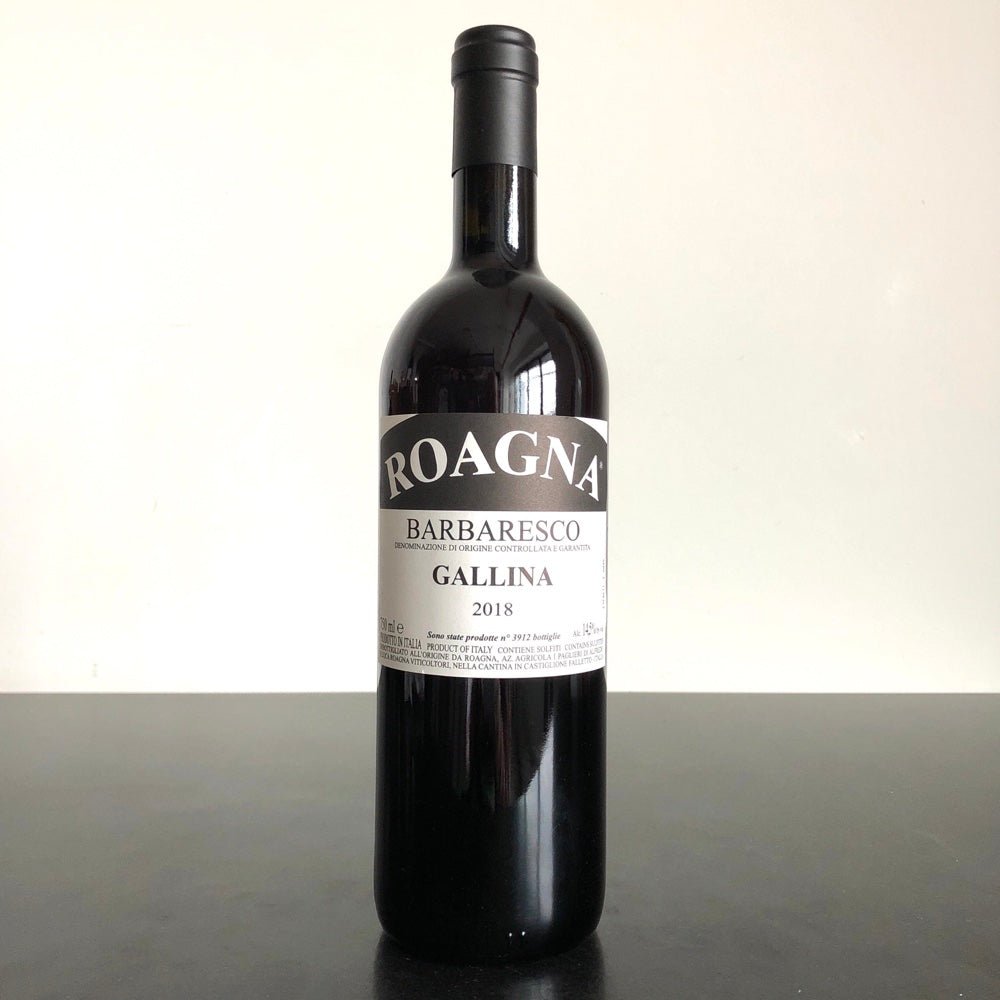
In a region that produces some of Italy's most age-worthy reds, a serious wine list is not optional, it is the minimum credible position. What distinguishes the list at Guido da Costigliole is the inclusion of vertical options alongside rare labels. Verticals in a Langhe context mean access to different vintages of the same producer, which is the most instructive way to understand wines like Barolo and Barbaresco: not as a single data point but as a performance across years. The 2016, 2013, and 2010 Barolo vintages, widely cited by Italian wine specialists as exceptional, illustrate the kind of decade-across-decade perspective that vertical access enables.
This places the wine program in the same category as the kitchen: an instrument for engaging with a tradition rather than demonstrating range. It is also consistent with the kind of wine-focused guest the Langhe attracts, visitors whose itinerary already includes winery visits and who arrive at dinner with an informed baseline about what they are drinking. For that reader, the wine list will function as the meal's second narrative.
Where It Fits in the Broader Langhe Dining Picture
Santo Stefano Belbo sits in the eastern Langhe, closer to Moscato country than to the Barolo heartland around La Morra and Castiglione Falletto. It is a quieter corner of the region than Alba, the town that draws the bulk of wine-tourism dining traffic. The restaurant's position within the Relais San Maurizio means it functions as a destination in itself rather than as a stopping point on a wine-village circuit. This is a meaningful distinction: guests tend to arrive with intention, not impulse, and the service format and menu depth reflect that.
For readers building a Piedmontese itinerary around serious dining, the region's classical kitchen offers a sharper internal contrast than the northern Italian comparison set might suggest. Locanda Sant'Uffizio Enrico Bartolini in Cioccaro represents the hotel-restaurant format applied through the lens of a high-profile chef-driven brand. Guido da Costigliole represents the opposite end of that axis: a family name, a regional tradition, and a kitchen that earns its place through accumulated depth rather than contemporary positioning.
Our full Santo Stefano Belbo restaurants guide covers the broader local picture. The Santo Stefano Belbo wineries guide and hotels guide are the logical complements for visitors building a full stay. The bars guide and experiences guide add further itinerary depth.
Planning a Visit
The restaurant operates Tuesday through Saturday with a single evening service, opening at 7:30 PM and closing at 9:30 PM. Monday evening service is also listed as available. The kitchen is closed on Sundays. Given the single daily service window and the destination nature of the property, booking ahead is the practical baseline. A vegan tasting option is listed as available, which broadens the table's usability for mixed-dietary groups without diluting the kitchen's classical Piedmontese focus. Pricing sits at the €€€€ tier, consistent with the Relais San Maurizio's positioning and with what Michelin-starred classical dining in northern Italy commands at this level.
For wider context on comparable formats across the Italian peninsula, Quattro Passi in Marina del Cantone, Uliassi in Senigallia, Casa Perbellini 12 Apostoli in Verona, and Atelier Moessmer Norbert Niederkofler in Brunico each represent distinct regional classical expressions at the same price tier, useful reference points for calibrating what €€€€ delivers across different Italian culinary traditions.
Frequently asked questions
Is Il Ristorante di Guido da Costigliole good for families?
The €€€€ price tier and the formal setting of a converted 17th-century monastery position this firmly as an occasion restaurant for adults. A single evening service running 7:30–9:30 PM, combined with a classical Piedmontese tasting format, leaves little room for a casual family dinner. Solo travellers, couples, or small groups with a serious interest in regional cooking and Langhe wines are the natural audience here.
Is Il Ristorante di Guido da Costigliole better for a quiet night or a lively one?
This is a quiet-night venue without qualification. The restaurant occupies a 17th-century monastery above Santo Stefano Belbo, operates a single nightly service, and carries a generational classical Piedmontese identity that the Alciati family established and Chef Fabio Sgrò continues. Expect considered conversation over Langhe reds, not a convivial atmosphere. Its Michelin star and OAD Classical Europe ranking confirm where its priorities lie.
Is Il Ristorante di Guido da Costigliole award-winning?
Il Ristorante di Guido da Costigliole has received recognition including: Situated in a panoramic location surrounded by beautiful rolling hills, this restaurant occupies an old 17C monastery which has been converted into one of the region’s most elegant and exclusive hotels, namely the Relais San Maurizio. Here,….
What's the best thing to order at Il Ristorante di Guido da Costigliole?
The kitchen's documented focus on freshwater fish is worth attention: it is a less-photographed strand of classical Piedmontese cooking and one the restaurant has maintained as a house tradition across generations. Several off-menu dishes also exist, suggesting the kitchen rewards guests who ask. A vegan tasting option is available, and the wine list — strong on verticals and rare labels from a region that produces some of Italy's most age-worthy reds — is worth treating as a course in itself.
| Venue | Cuisine | Price | Awards | Notes |
|---|---|---|---|---|
| Il Ristorante di Guido da CostiglioleThis venue — the venue you are viewing | Piedmontese Fine Dining | $150–200 | 1 Michelin Star | Not listed |
| Atelier Moessmer Norbert Niederkofler | Italian, Creative | Not listed | Michelin 3 Star | Not listed |
| Dal Pescatore | Italian, Italian Contemporary | Not listed | Michelin 3 Star | Not listed |
| Enoteca Pinchiorri | Contemporary Italian Fine Dining | $200–300 | 3 Michelin Stars · World's 50 Best #32 | Italian - French, Italian Contemporary |
| Enrico Bartolini | Creative | Not listed | Michelin 3 Star | Not listed |
| Osteria Francescana | Avant-Garde Italian Contemporary | $300–500 | 3 Michelin Stars · World's 50 Best #1 | Progressive Italian, Creative |
Recognition history
Dated appearances from independent guides and award organizations, with the underlying list record or original source where available.
Michelin 1 Star
Michelin
Opinionated About Dining Classical in Europe Ranked #235
Opinionated About Dining
Full recognition history (6 entries)
Michelin 1 Star
Michelin
Michelin 1 Star
Michelin
Opinionated About Dining Classical in Europe Ranked #228
Opinionated About Dining
Opinionated About Dining Classical in Europe Recommended
Opinionated About Dining
Continue exploring
More in Santo Stefano Belbo
Restaurants in Santo Stefano Belbo
Browse all →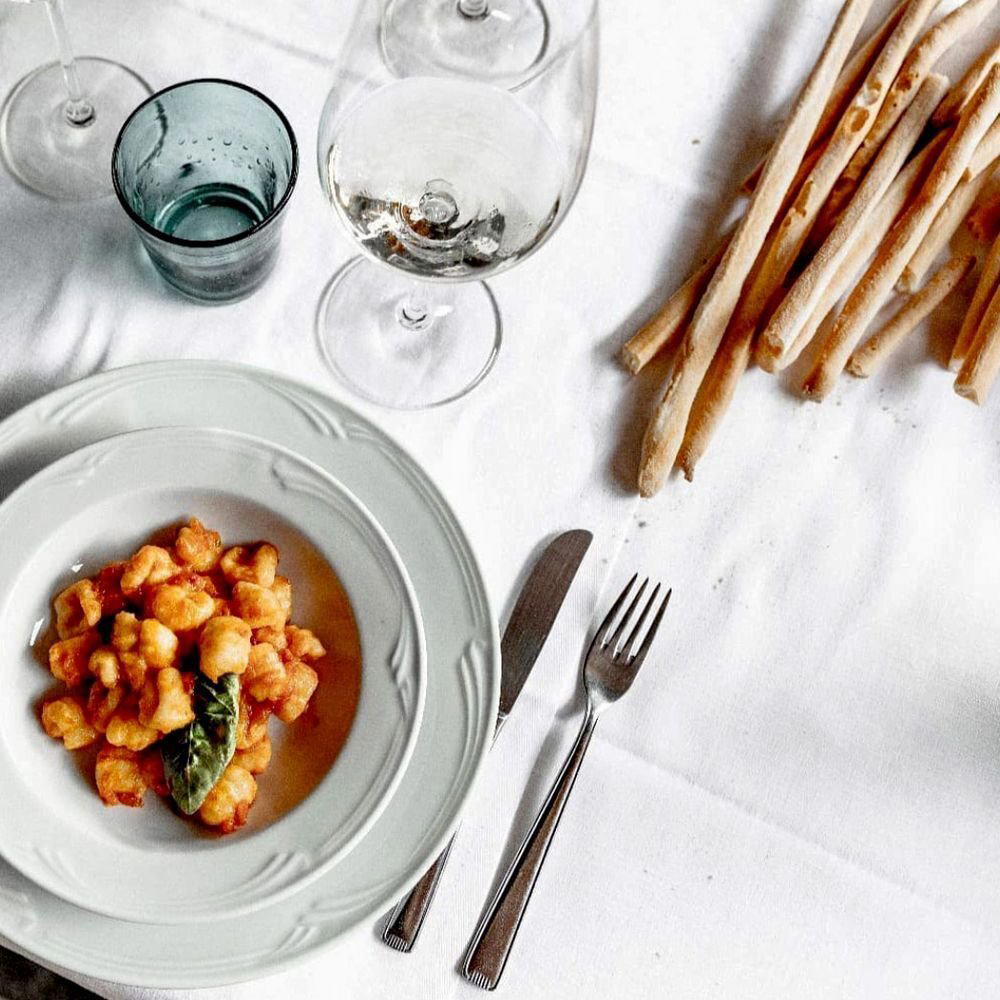
Bars in Santo Stefano Belbo
Browse all →
Hotels in Santo Stefano Belbo
Browse all →
Wineries in Santo Stefano Belbo
Browse all →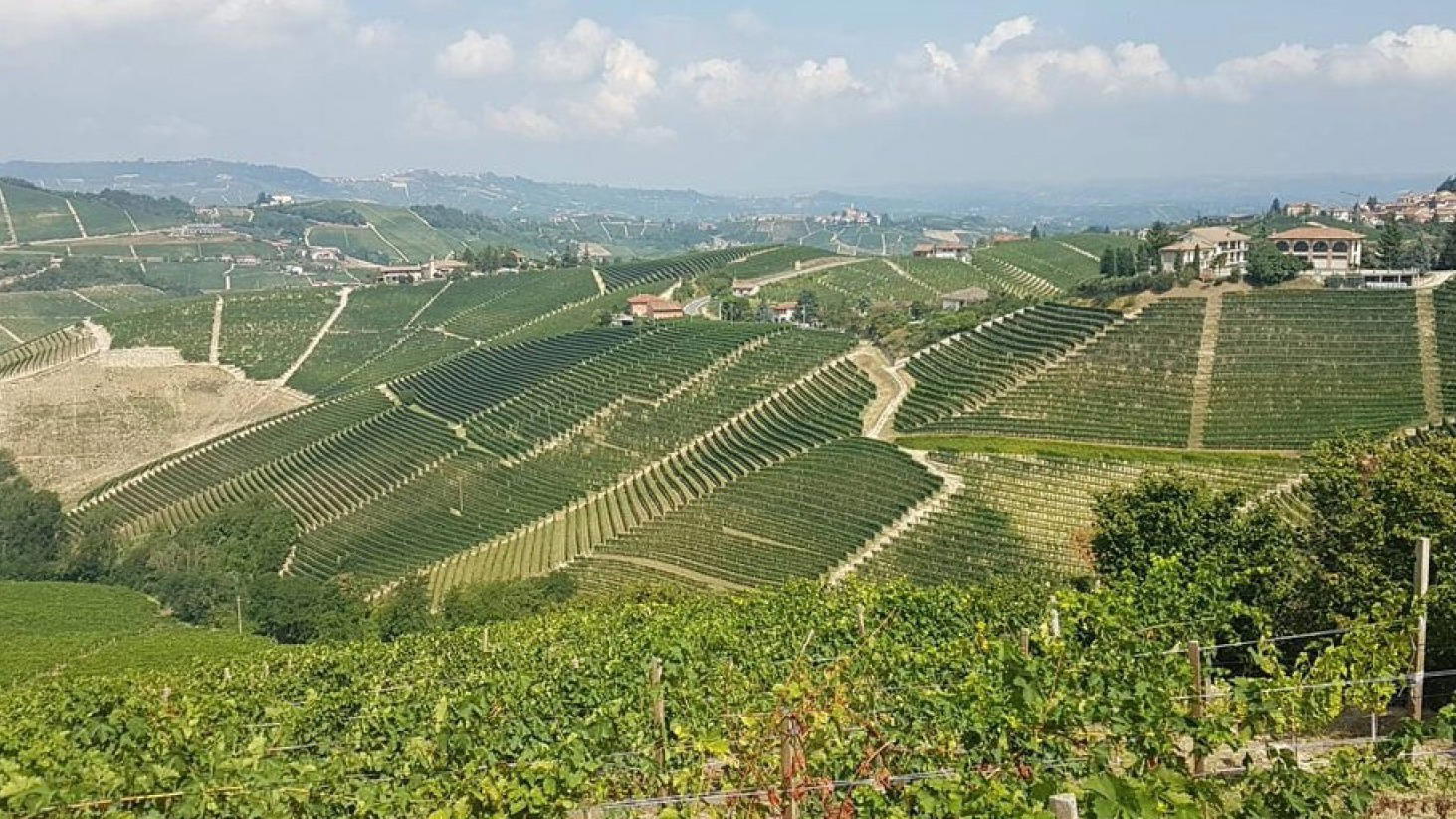
Details
- Elegant
- Romantic
- Intimate
- Sophisticated
- Classic
- Date Night
- Special Occasion
- Celebration
- Historic Building
- Wine Cellar
- Terrace
- Private Dining
- Extensive Wine List
- Local Sourcing
- Mountain
- Vineyard
- Tasting Menu
- A La Carte
- Wine
- Vegetarian Friendly
- Vegan Options
Current opening hours
- Monday
- 7:30–10 PM
- Tuesday
- 7:30–10 PM
- Wednesday
- 7:30–10 PM
- Thursday
- 7:30–10 PM
- Friday
- 7:30–10 PM
- Saturday
- 7:30–10 PM
- Sunday
- Closed
Hours can change for holidays and private events. Last verified .
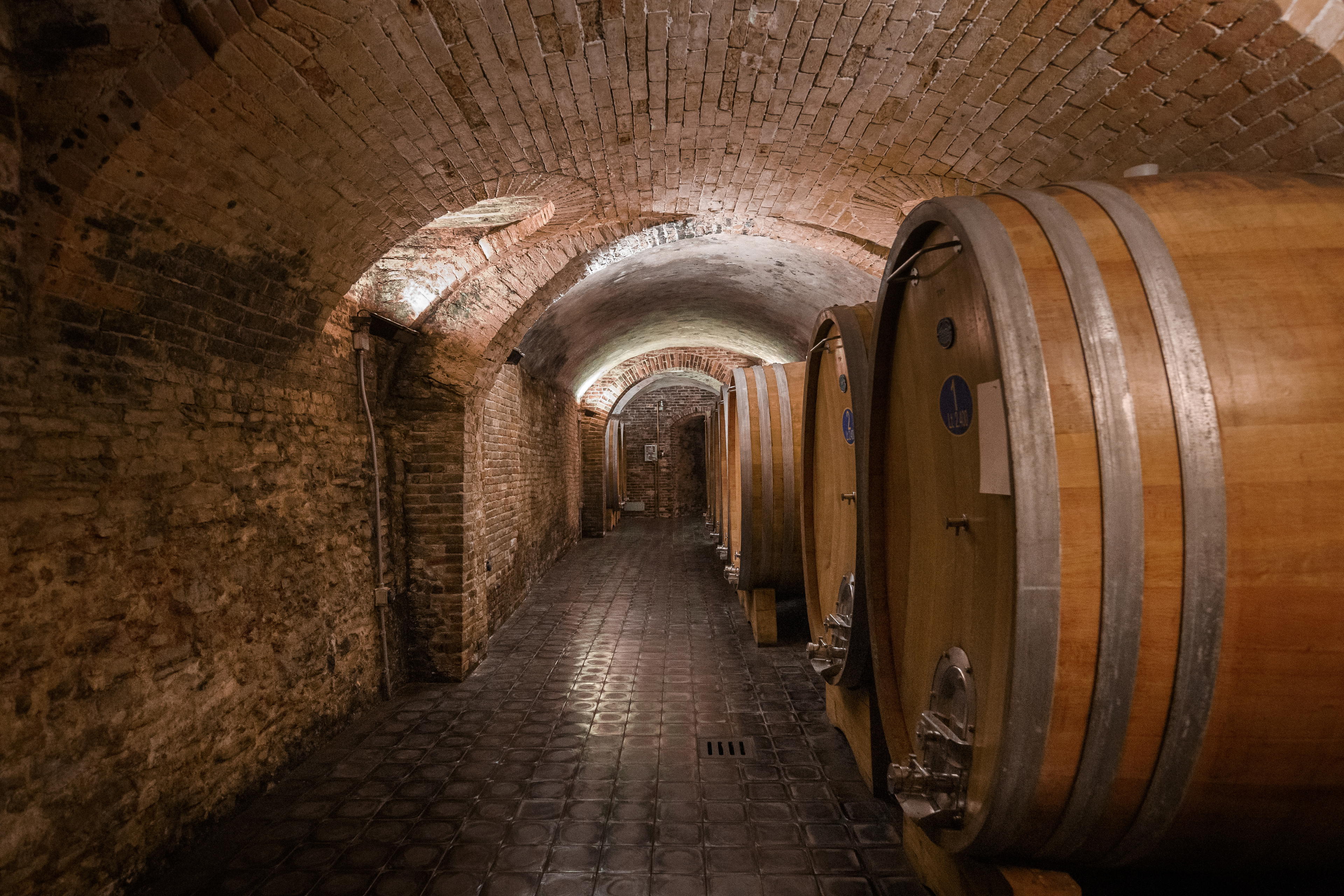
Warm and charming atmosphere in historic stone walls and exposed brick vaults of a former monastery, enhanced by art and panoramic terrace views.