Produttori del Barbaresco

Falstaff Winery - Listed
Produttori del Barbaresco is a cooperative winery in the village of Barbaresco, Piedmont. Built around the Nebbiolo grape and the distinctive soils of the Langhe hills, it occupies a specific position in the Italian fine wine canon where collective stewardship, not single-estate ambition, has defined output for generations. Its wines are a direct argument for what Barbaresco can achieve at the collective level.

Pearl is the En Primeur Club membership app, where members save venues, book tables and use the concierge.
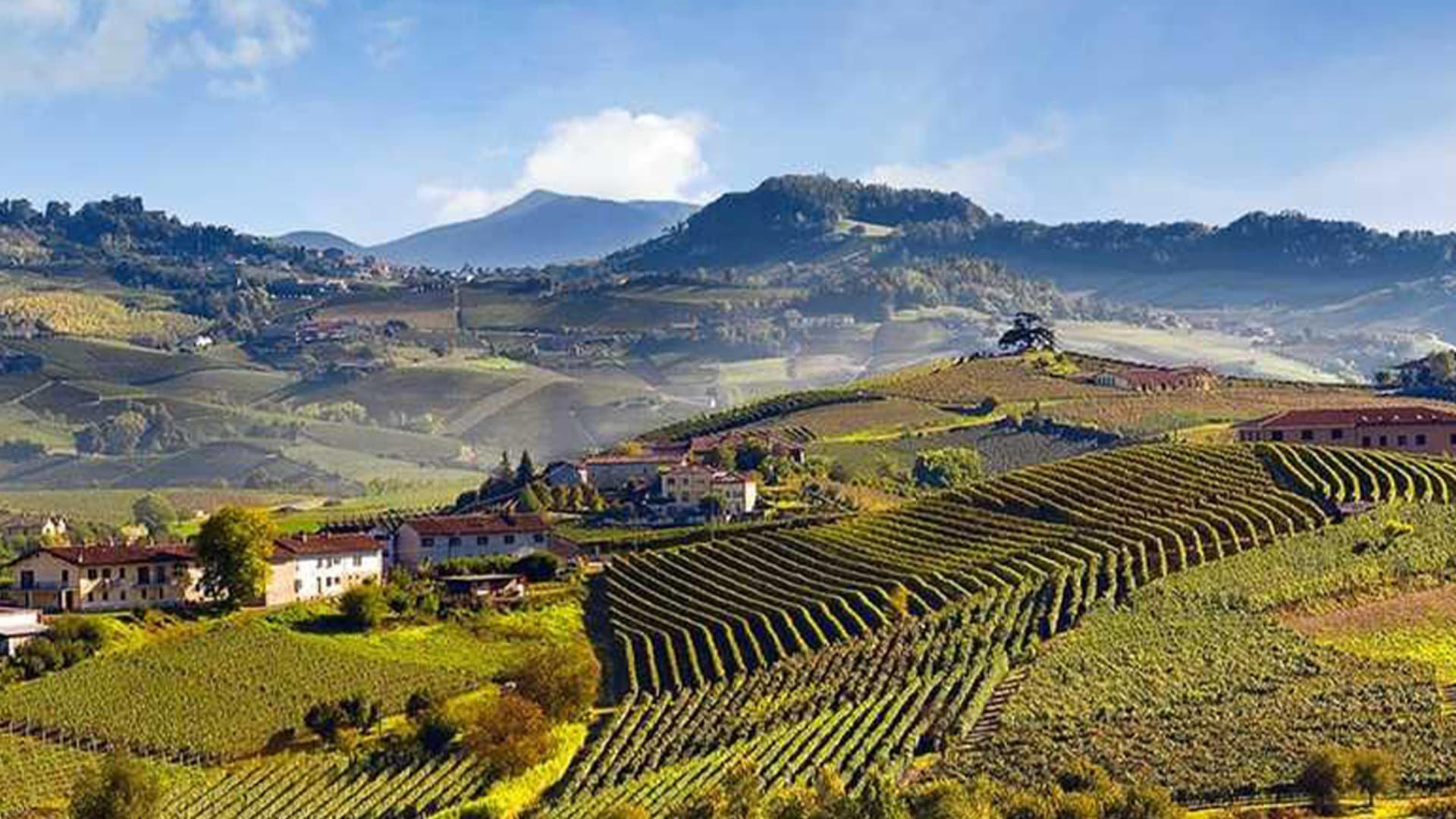
Where the Village Speaks Through the Wine
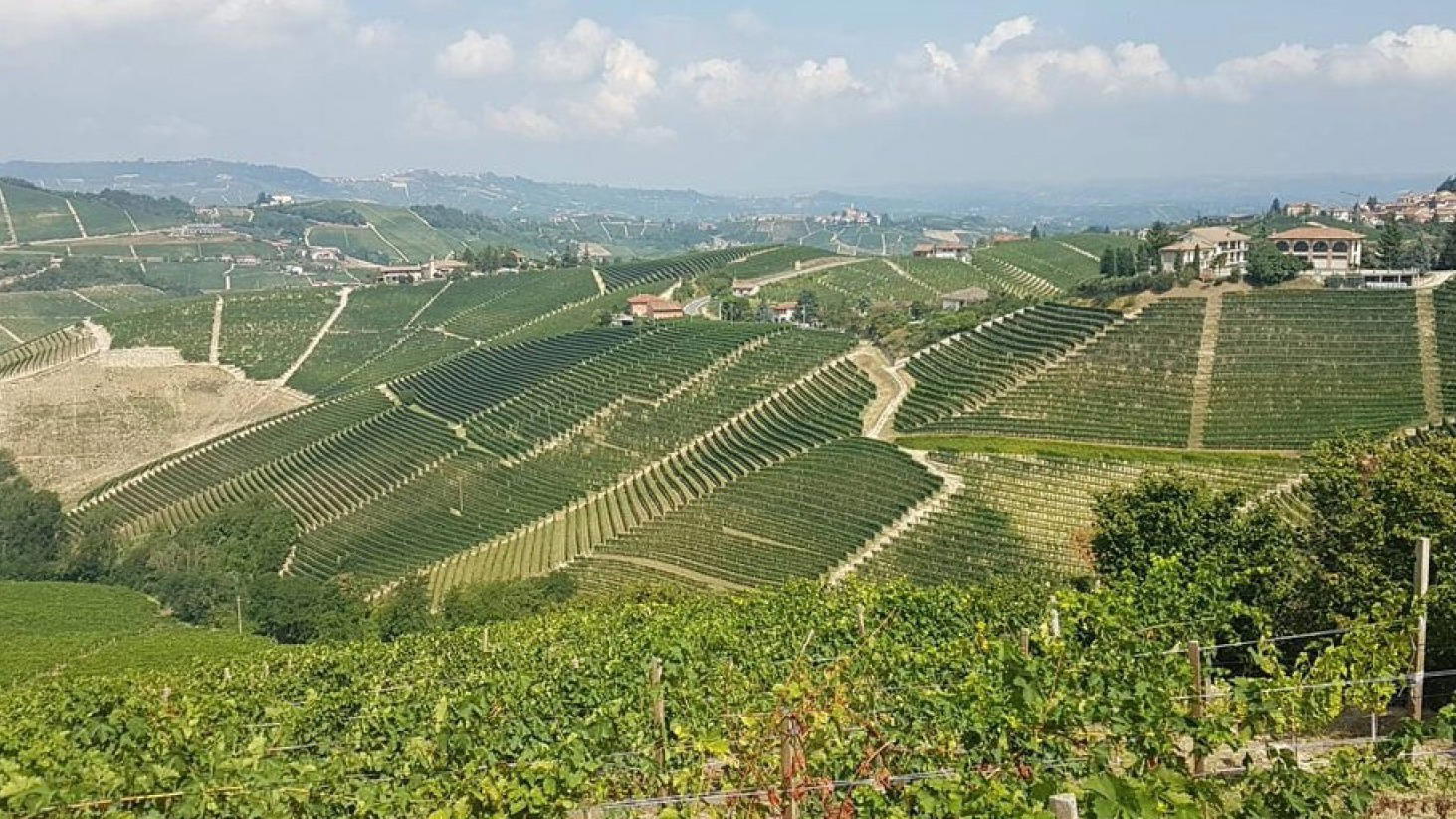
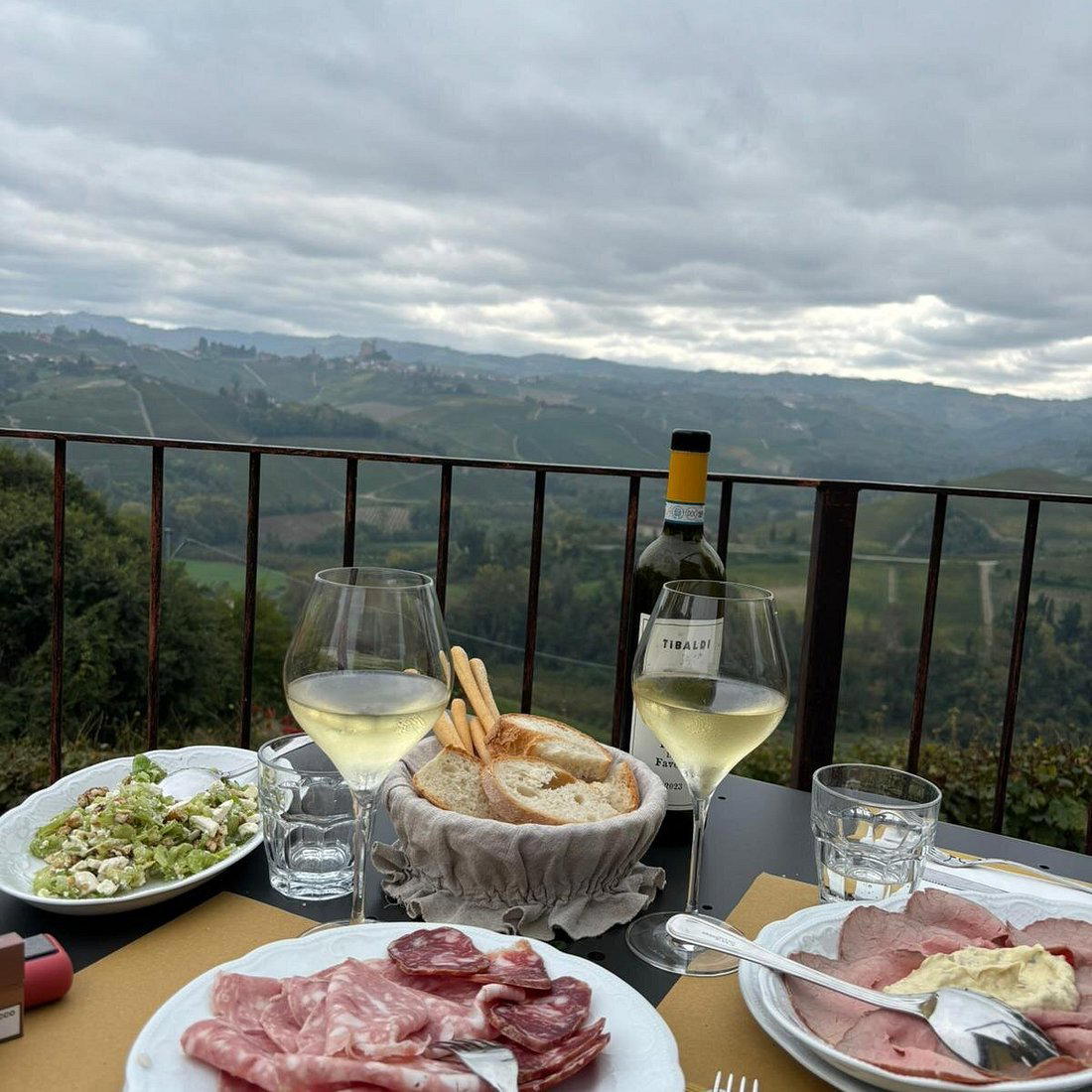
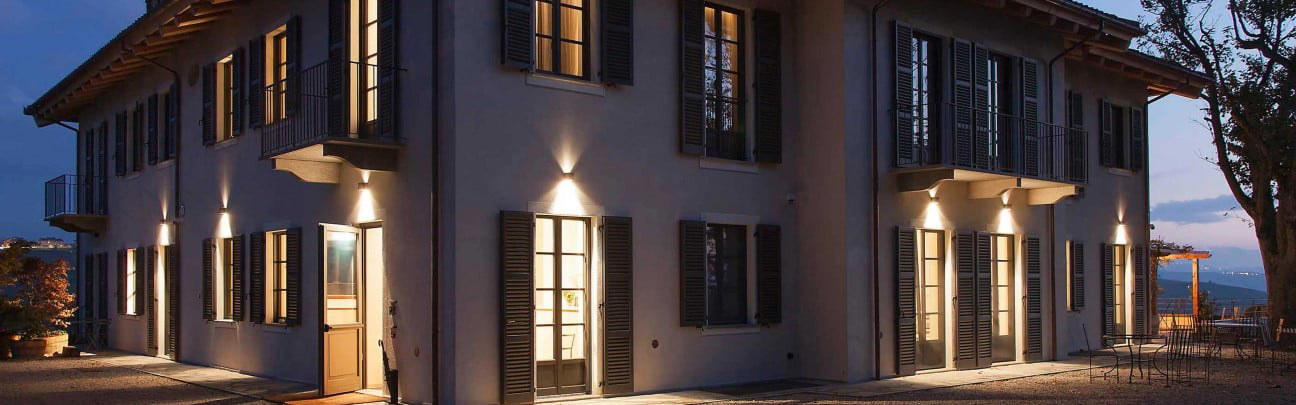
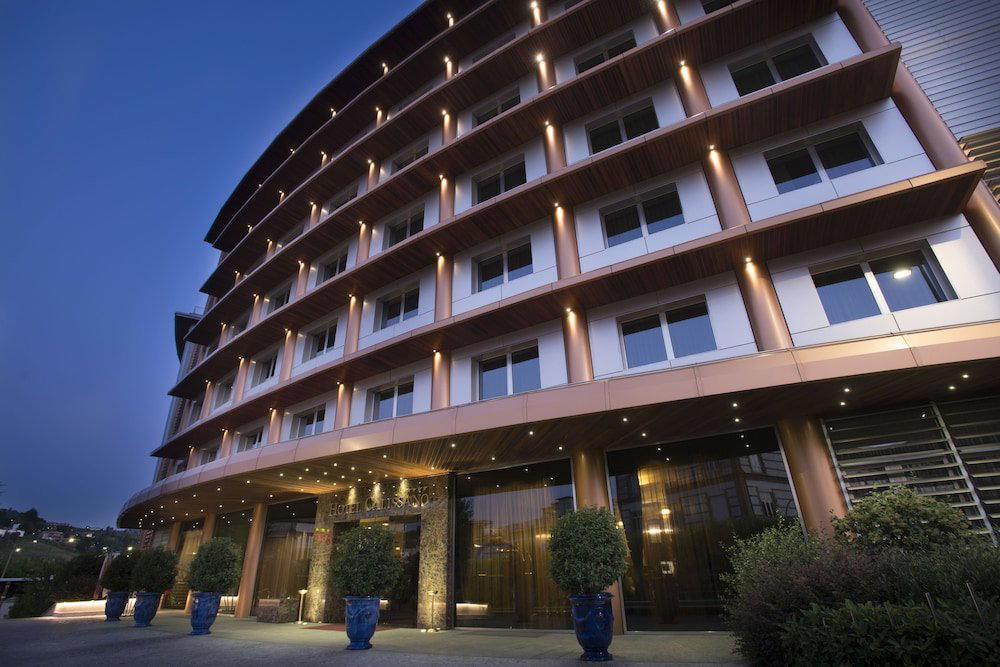
Approaching Barbaresco along the narrow ridge road from Alba, the village announces itself before it reveals itself: a medieval tower, a cluster of stone buildings, and then the flat, chalky-clay slopes falling away on either side, planted almost entirely to Nebbiolo. The cooperative at Via Torino, 54 sits at the heart of this geography rather than apart from it. There is no grand estate entrance, no theatrical tasting room designed to impress before a single bottle is opened. The architecture reflects the cooperative model itself: functional, collective, rooted. What matters here is what happens in the glass, and that conversation starts with the land.
Barbaresco and its neighbour Barolo are often treated as twins, but the differences matter to anyone serious about Nebbiolo. Barbaresco sits at a slightly lower altitude and closer to the Tanaro river, which moderates temperatures and accelerates ripening relative to the higher Barolo communes. The soils here split broadly between the compact, calcium-rich Tortonian clays of the village's central crus and the sandier, more fragmented Helvetian formations further out. Those distinctions produce wines that differ not just from Barolo but from each other within the appellation itself, and a cooperative drawing fruit from multiple member growers across those different soil types is, in effect, a living map of the denomination's internal variation.
The Cooperative Model as Editorial Argument
Italian fine wine tends to celebrate individual estates and named winemakers. The cooperative model sits in a different register entirely, one where collective quality control, shared infrastructure, and long-term member relationships replace the single-founder narrative that drives most premium wine marketing. Produttori del Barbaresco is one of the more frequently cited cases in Italian wine writing for what a cooperative can achieve when standards are applied consistently across participating growers.
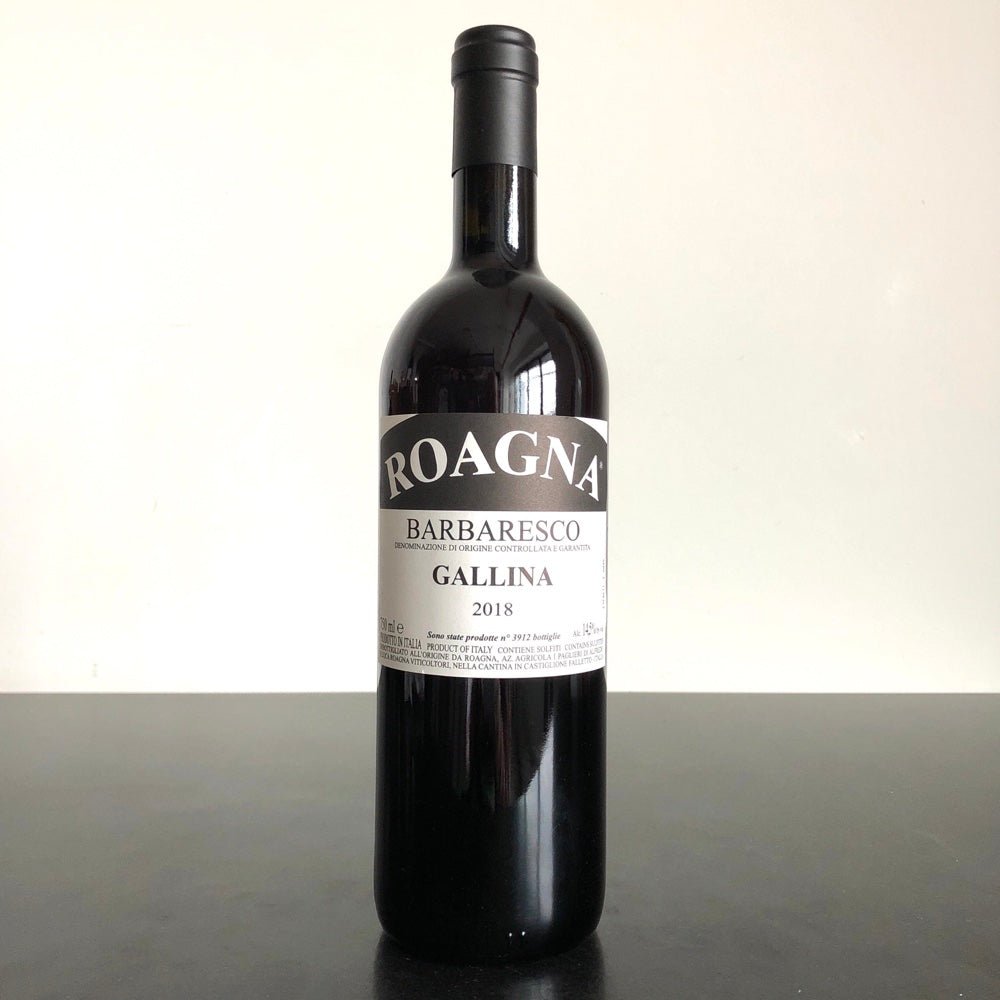
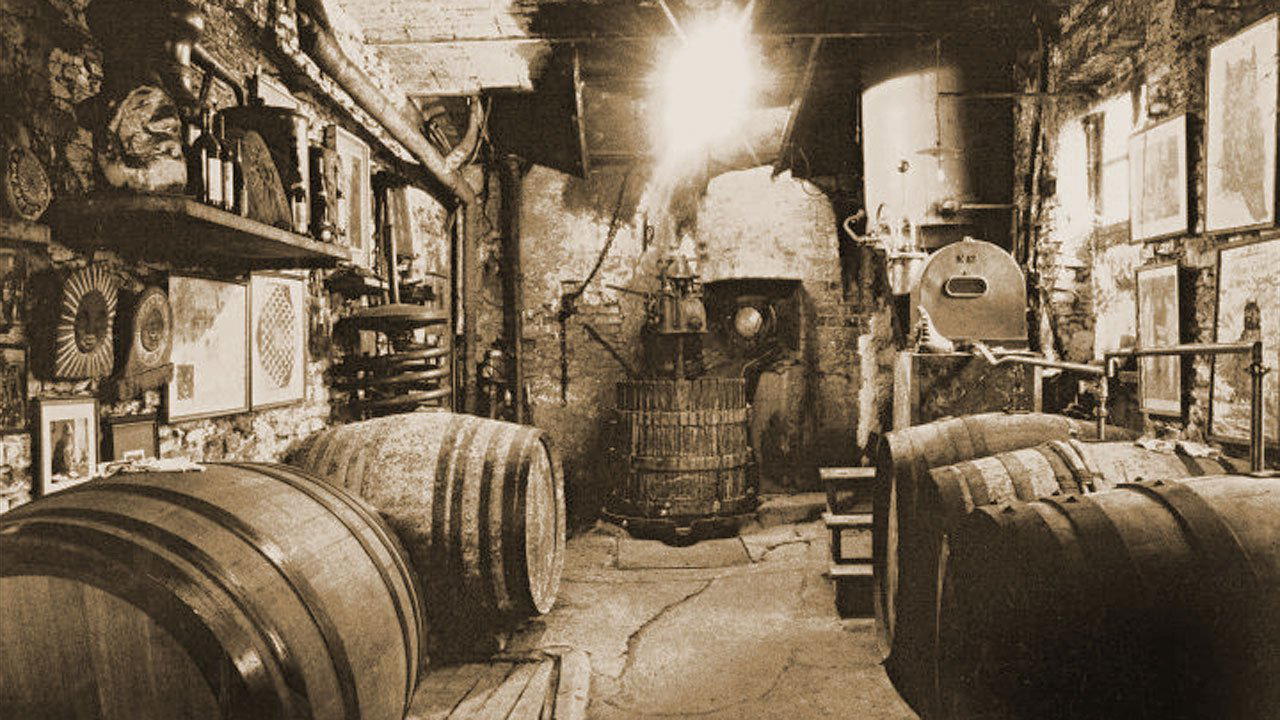
The contrast with nearby private estates is instructive. Gaja, the most internationally visible name in the appellation, has built its reputation on single-vineyard expression, international distribution, and premium pricing that operates in a different commercial tier. Roagna takes an extended maceration and long-ageing approach that places it firmly in the traditionalist corner of Barbaresco's ongoing stylistic debate. Produttori sits neither at the top of the price pyramid nor at any extreme of the stylistic spectrum. Its position is more specific than that: it is the cooperative that has demonstrated, over decades, that collective ownership of Barbaresco's terroir does not require compromise on the expression of that terroir.
That distinction matters when considering where to spend time in the village. The broader Barbaresco drinking scene has options at multiple price points and styles, from the grappa tradition represented by Distilleria Romano Levi in nearby Neive to the more contemporary spirits category, where Engine Gin has established a different kind of Barbaresco-area production story. Nebbiolo and the DOCG remain the commercial and cultural centre of gravity.
Terroir as the Primary Text
The editorial angle that Produttori most clearly makes is a terroir argument. Nebbiolo is one of the grape varieties most sensitive to site, and the Barbaresco denomination codifies that sensitivity through a system of recognised single vineyards, or Menzioni Geografiche Aggiuntive, that allows producers to label wines by named cru. The cooperative's access to multiple named vineyard sites across the commune, including well-regarded positions in the appellation, means that its range functions as a comparative tasting across Barbaresco's soil and aspect variations rather than a single producer's house style. That is an unusual educational offer in a denomination where most smaller estates are anchored to one or two sites.
Tortonian soils, the older geological formation in the central village area, tend to produce Barbaresco with more aromatic complexity and ageing architecture, wines where the characteristic Nebbiolo notes of tar, dried rose, and forest floor develop slowly and with structure. The sandier Helvetian deposits to the south and east often give earlier-drinking wines with more immediate fruit, though never without the tannin grip that defines the variety. Neither soil type produces soft wine. Barbaresco made from Nebbiolo grown in the Langhe hills is, by its nature, a wine that demands and rewards patience, and that is as true of cooperative-produced bottles as it is of single-estate releases.
For context on how terroir-driven Nebbiolo plays out across the broader Piedmontese production community, Aldo Conterno in Monforte d'Alba offers a comparison point within Barolo, where the same grape meets different soils and microclimates with different results. Across the wider Italian wine geography, cooperatives and private estates operating in defined DOC and DOCG zones approach terroir communication differently: Lungarotti in Torgiano and L'Enoteca Banfi in Montalcino each represent large-scale production within prestigious appellations, though their terroir propositions differ significantly from the Barbaresco cooperative model.
Planning a Visit
Barbaresco is a small commune. The village itself holds only a few hundred residents, and the winery at Via Torino, 54 is accessible without specialist navigation. Alba, the nearest significant town, is approximately fifteen minutes by road and provides the most practical base for visitors exploring both Barbaresco and Barolo, with better accommodation options and year-round restaurant infrastructure. The harvest period from late September through October brings the most activity to the Langhe hills, but the shoulder months of spring and early autumn offer quieter access to the appellation with the vines at visually communicative stages of the growing cycle.
Visitors planning broader itineraries across Italian wine and spirits production will find relevant reference points in other EP Club-featured producers: Ca' del Bosco in Erbusco for Franciacorta, Castello di Volpaia in Radda in Chianti for Sangiovese-based comparison, and for spirits, Distilleria Marzadro in Nogaredo, Nonino Distillery in Pavia di Udine, and further afield, Campari in Milan. For those whose itineraries extend beyond Italy, Aberlour in Aberlour and Accendo Cellars in St. Helena represent the EP Club's wider coverage of serious production houses across different traditions. A full overview of eating and drinking options in the village is available through our full Barbaresco restaurants guide.
Comparable Venues
Comparable venues nearby, for context on price, style, and recognition.
| Venue | Cuisine | Price | Awards | Notes |
|---|---|---|---|---|
| Produttori del BarbarescoThis venue (the venue you are viewing) | Nebbiolo | Not listed | Falstaff Winery - Listed | Not listed |
| Roagna | Nebbiolo, Dolcetto | Not listed | Not listed | Barbaresco |
| Gaja | Nebbiolo, Barbera | $150–200 | World's 50 Best #36 · Falstaff Winery - 5 Stars | Barbaresco |
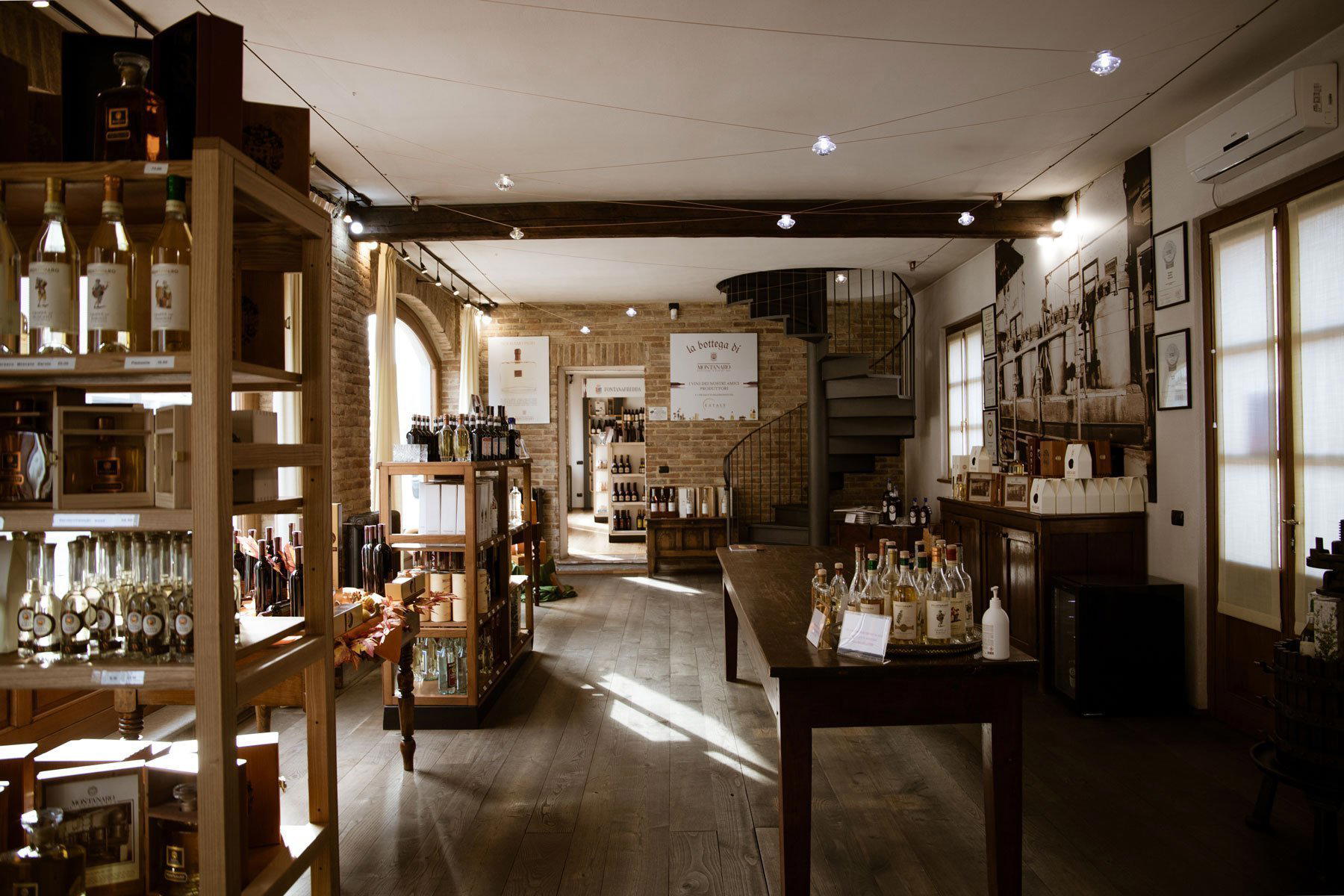
| Distilleria Montanaro | Nebbiolo | Not listed | Not listed | Gallo |
| Carpano | Vermouth di Torino | Not listed | Not listed | Centro |
Recognition history
Dated appearances from independent guides and award organizations, with the underlying list record or original source where available.
Falstaff Winery - Listed
Falstaff
Continue exploring
More in Barbaresco
Wineries in Barbaresco
All wineries in Barbaresco →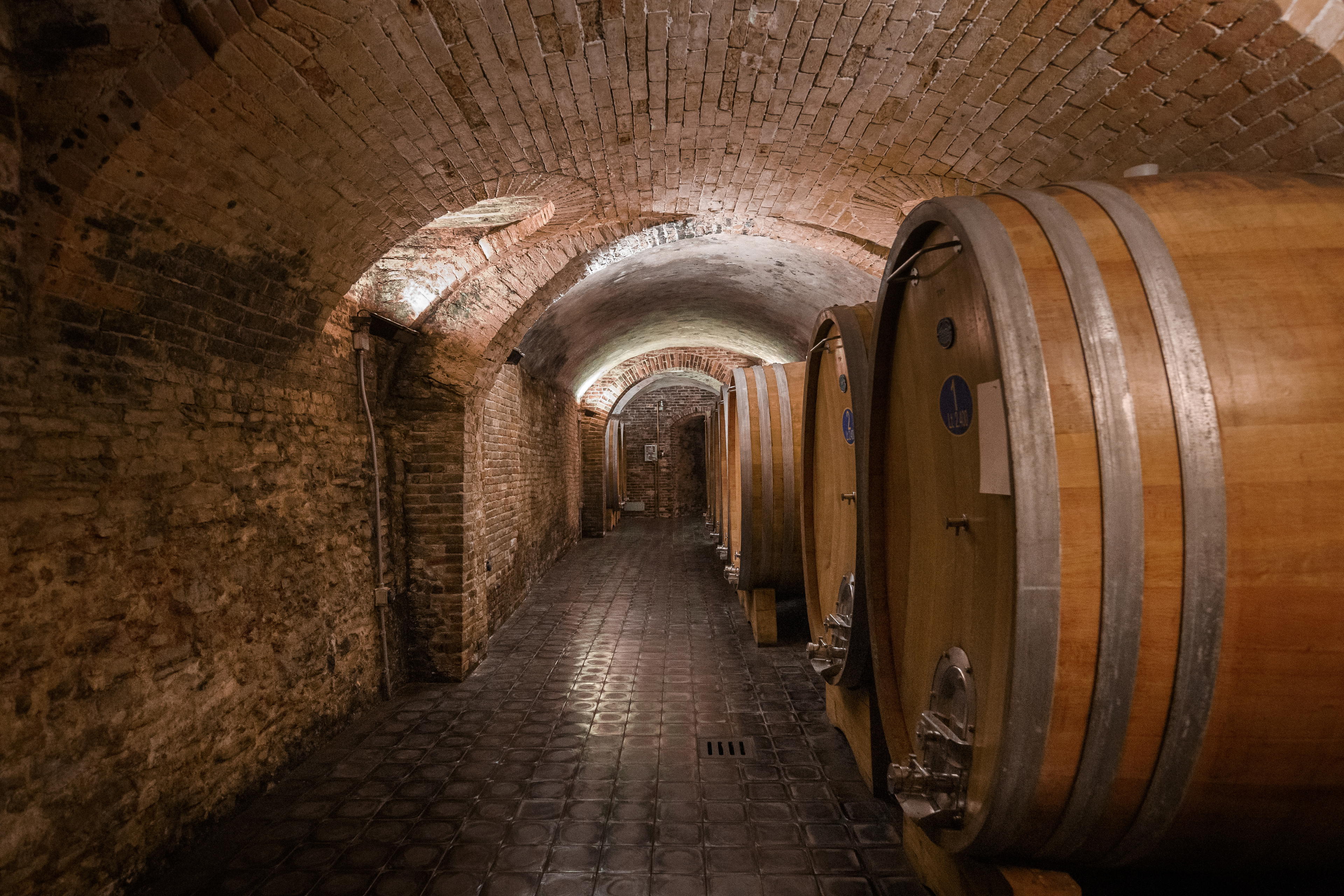
Bars in Barbaresco
All bars in Barbaresco →
Details
- Classic
- Rustic
- Elegant
- Intimate
- Wine Education
- Solo Exploration
- Special Occasion
- Vineyard Tour
- Cave Tasting
- Historic Building
- Vineyard
- Nebbiolo
- Still Red
- Single Vineyard Tasting
- Classic Tasting
- English
- Italian
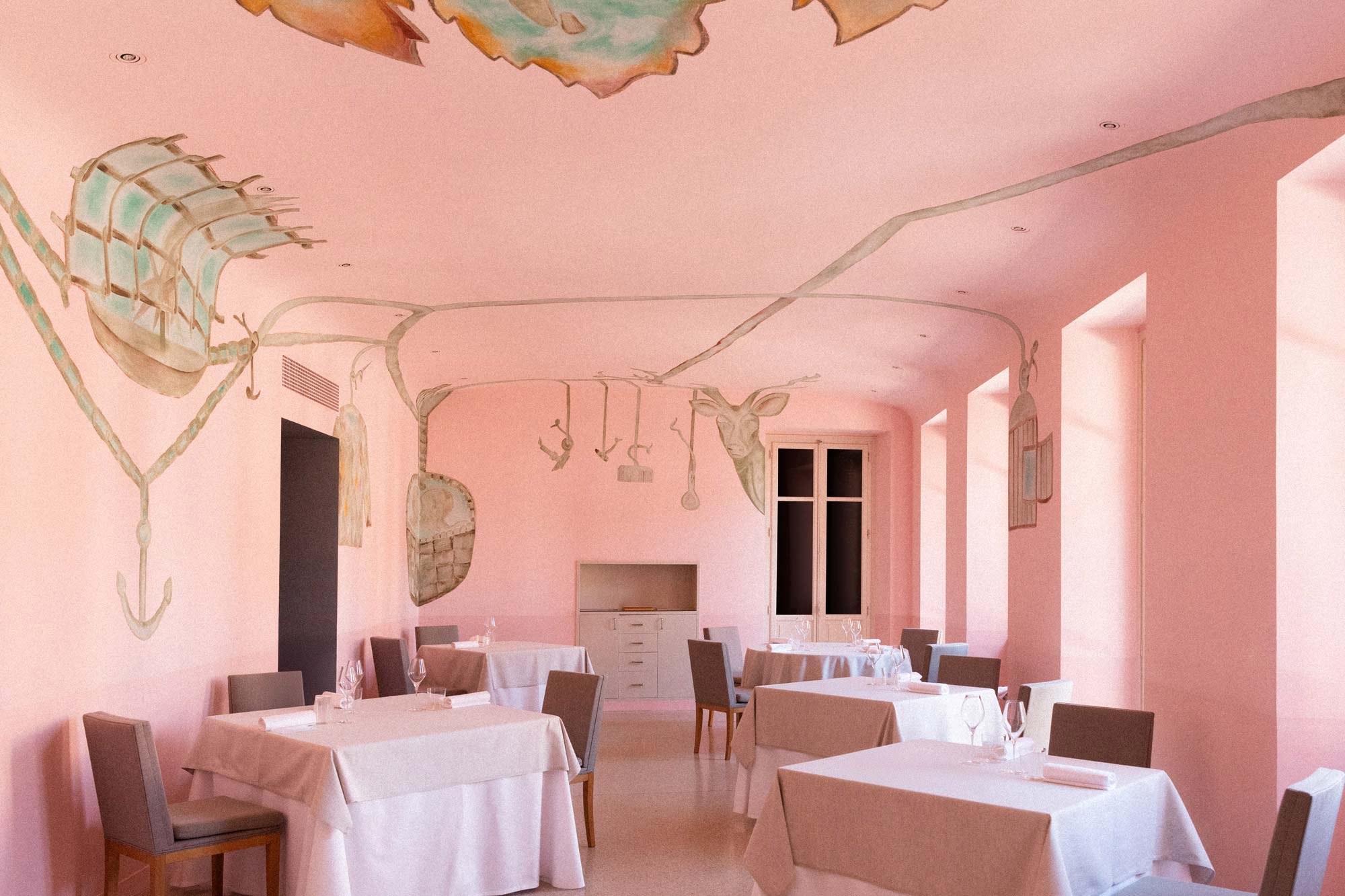
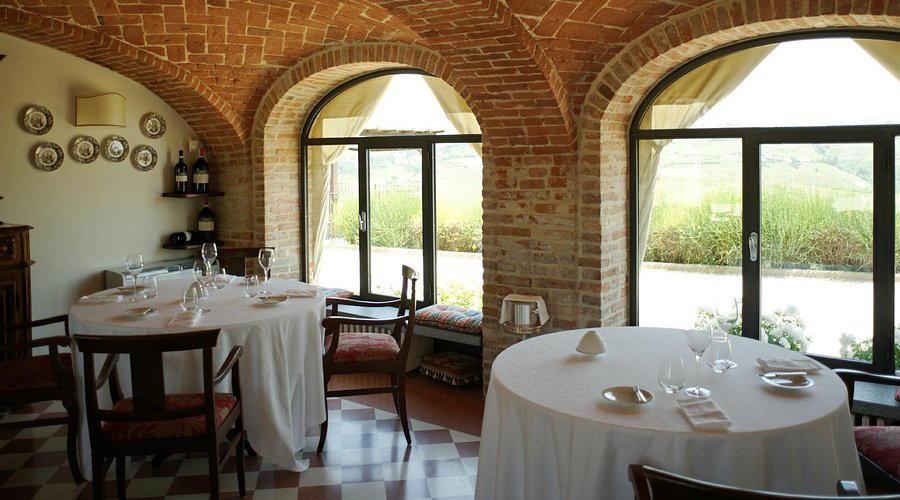
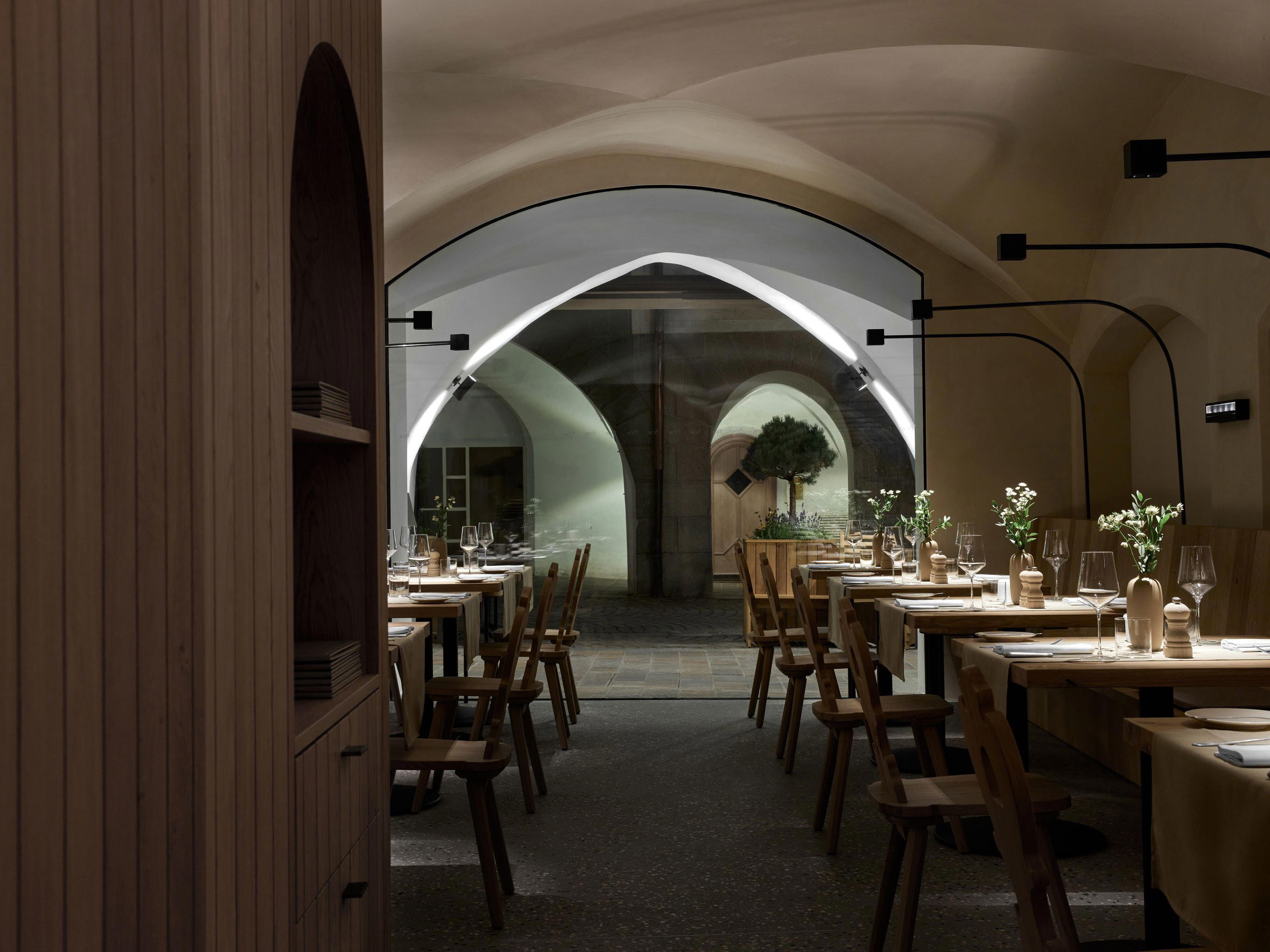
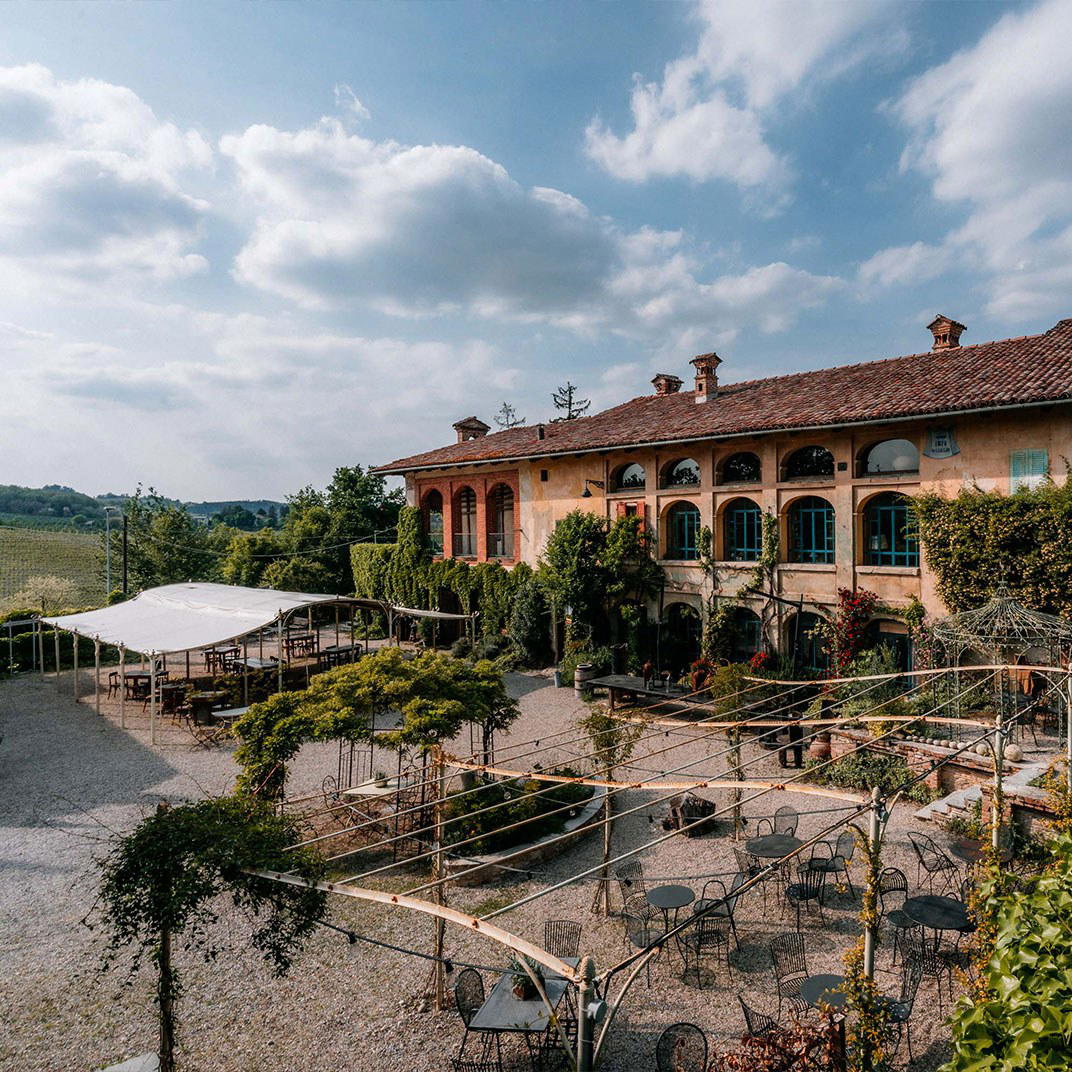
Classic rustic winery atmosphere with traditional stone cellars and focus on terroir-driven elegance from multi-generational farming.