The address at Viale Antonio Gramsci 161 places it within the industrial heritage belt that shaped modern Italian distilling, making it a reference point for anyone tracing the country's aperitivo culture from source.
Pearl is the En Primeur Club membership app — saves, bookings, and concierge access live there. Same editors, same standards.
- Address
- Viale Antonio Gramsci, 161, 20099 Sesto San Giovanni MI
- Phone
- +39 02 62251
- Website
- campari.com
- Directions
- Get directions
 Saves & bookings on Pearl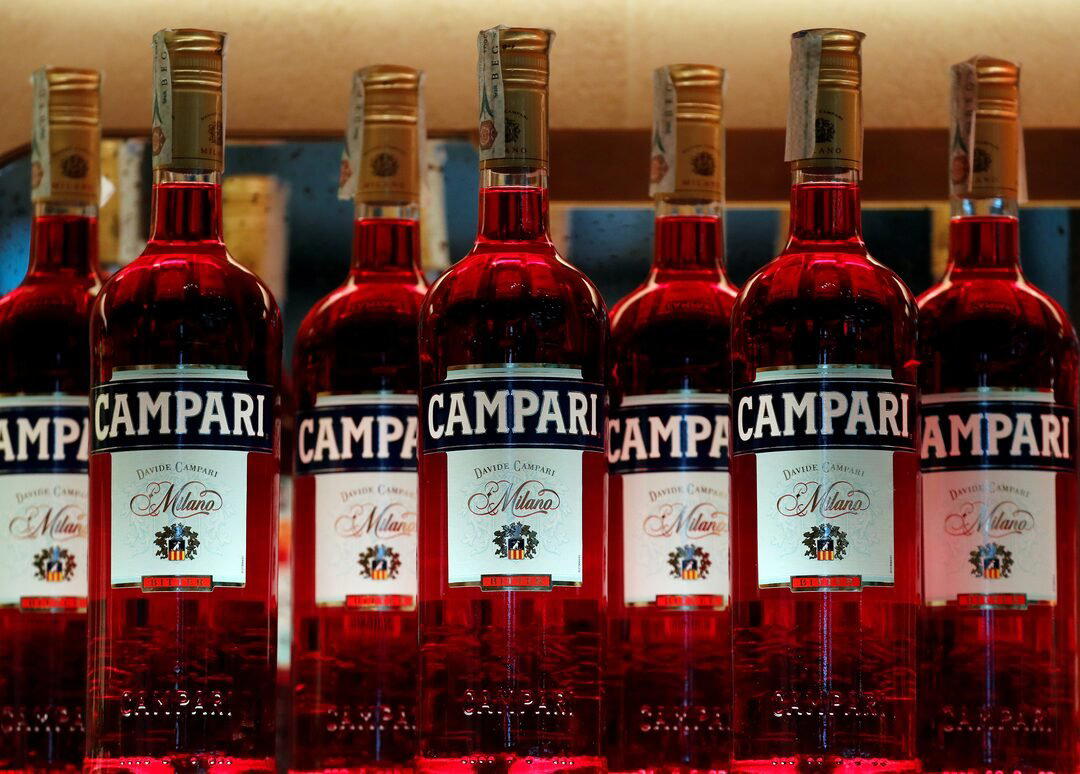
Milan's Aperitivo Heritage, Measured in Red
The Lombard aperitivo ritual is one of the few drinking traditions that has scaled globally without losing its regional logic. Campari, operating out of Sesto San Giovanni just north of Milan's city boundary, sits at the origin point of that tradition. The Viale Antonio Gramsci address is not the city-centre spectacle some visitors expect; it is an industrial address that reflects the production realities of a major spirits house, and that contrast between civic mythology and manufacturing geography is part of what makes the site worth understanding on its own terms.
Within the Milan spirits circuit, that credential places it alongside peers like Fernet-Branca and the Fratelli Branca Distillerie, whose bitter-forward liqueur traditions run parallel to Campari's own bittersweet register. The city has historically produced notable spirits houses, and the recognition cluster around these Lombard houses is not coincidental.
The Bitter Tradition Campari Anchors
Italian bitters split into two broad camps: the amaro category, which leans herbal and digestivo, and the aperitivo bitters, designed to open appetite and anchor the pre-dinner hour. Campari defines the second category. Its signature crimson colour and bittersweet botanical profile became the visual and sensory shorthand for the aperitivo moment across northern Italy long before that moment became an export product. Understanding Campari means understanding how a specific production philosophy, applied consistently over generations, can come to define an entire occasion rather than merely occupy a segment of it.
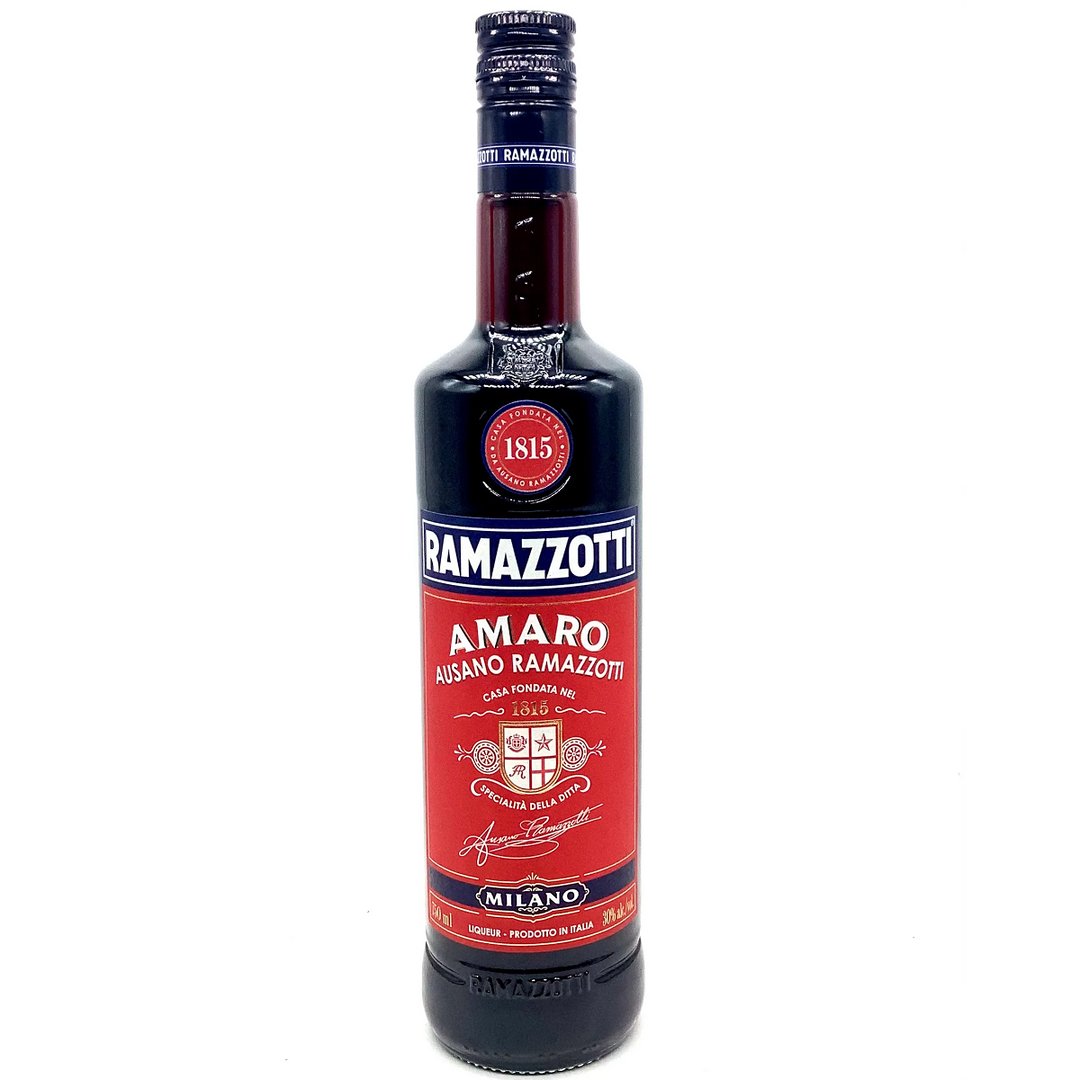
Producers like Amaro Ramazzotti occupy adjacent territory in Milan's bitter-spirits map, leaning further into the digestivo register. The distinction matters to anyone trying to map the city's spirits output: Campari anchors the aperitivo hour, Ramazzotti and the amaro producers claim the post-prandial space, and the two traditions have co-existed in Milanese bar culture for well over a century. Together, they form a production cluster that has few equivalents in European spirits geography.
Sesto San Giovanni: The Industrial Belt Behind the Brand
Sesto San Giovanni's relationship to Milan mirrors the relationship between production and presentation that defines much of northern Italian industry. The municipality sits immediately north of the city and was, through much of the twentieth century, one of Italy's densest concentrations of heavy manufacturing. That heritage has left a physical range of factories, some repurposed, some still operating, that gives addresses like Viale Antonio Gramsci their particular character. For a spirits house of Campari's scale, the location is functional rather than atmospheric.
The northern approach also places Campari within easy reach of Lombardy's broader spirits and wine production geography. Ca' del Bosco in Erbusco sits to the east in Franciacorta, one of Italy's most significant sparkling wine zones. Further south-east, Lungarotti in Torgiano represents Umbria's estate wine tradition. These connections matter for visitors assembling a wider Italian producers itinerary, since Campari's Sesto San Giovanni address can function as a northern anchor for a circuit that extends into wine country without requiring a return to central Milan.
Italian Distilling in Comparative Context
The same awards framework recognises a range of Italian producers operating across distinct categories and regions. Distilleria Marzadro in Nogaredo and Distilleria Romano Levi in Neive both operate in the grappa tradition, a category that shares Campari's commitment to botanical precision but applies it within a grape-distillate rather than a botanical-maceration framework. Nonino Distillery in Pavia di Udine has pushed grappa toward single-varietal refinement in a way that parallels how aperitivo producers have refined their botanical sourcing over the same period.
Outside Italy, the comparison set extends to Scotch whisky houses like Aberlour in Aberlour, where production philosophy and provenance transparency drive prestige positioning in ways structurally similar to Campari's own brand architecture. The underlying logic, that a single address and a consistent production method can carry a product into premium recognition, crosses category and geography.
In the wine sphere, estate-led producers such as Aldo Conterno in Monforte d'Alba, Castello di Volpaia in Radda in Chianti, and L'Enoteca Banfi in Montalcino demonstrate how Italian producers across categories have built prestige on the same foundation: place-rooted production, long institutional memory, and resistance to the reformulation pressures that affect commercially scaled spirits. Accendo Cellars in St. Helena represents the Californian parallel, where Napa Valley precision viticulture generates a comparable premium positioning through entirely different terroir logic.
The Aperitivo Occasion in Wider Italian Culture
Italy's aperitivo culture has been studied, exported, and in some markets reduced to a single colour and serve. The Spritz, built on Campari or Aperol depending on preference and regional loyalty, has become among the more-ordered cocktails in European hospitality. That commercial expansion sometimes obscures the specificity of where the tradition originates. In Milan, the aperitivo hour is not primarily a tourist ritual; it is a functional social infrastructure, a bridge between the working day and the evening meal that is embedded in the city's pace and sociability in ways that cities attempting to import the format rarely replicate.
Campari's role within that tradition is producer rather than venue. The distinction matters: the experience of the aperitivo hour in Milan is distributed across thousands of bars, cafes, and hotel terraces rather than concentrated at a single address. What Sesto San Giovanni offers is the production origin, not the consumption occasion. Visitors who want to understand the full circuit should pair a producers visit with time in the city's aperitivo-active neighbourhoods, where the output of houses like Campari and its Milan peers (Gruppo Campari as the corporate parent operating across multiple brands) translates into the actual glass-in-hand experience the culture is built around.
Planning a Visit
Campari's production address at Viale Antonio Gramsci, 161, 20099 Sesto San Giovanni is accessible from central Milan by metro, with the M1 red line serving Sesto as a practical transit option. Prospective visitors should confirm access and visit format directly through Campari's official channels before travelling. Production-site visits to major spirits houses in Italy typically require advance arrangement, and Campari's scale means that visitor access may be structured as a scheduled tour rather than an open-door experience.
For the broader Milanese context, our Milan guide covers the city's dining, drinking, and producers circuit with neighbourhood-level detail.
Cost and Credentials
Comparable venues nearby, for context on price, style, and recognition.
| Venue | Cuisine | Price |
|---|---|---|
| CampariThis venue — the venue you are viewing | Duomo, Winery | $$$ |
| Gruppo Campari | Winery | Not listed |
| Fernet-Branca | northern Milan, Milan | $$ |
| Ramazzotti | Winery | Not listed |
| Fratelli Branca Distillerie | Maciachini, Winery | $$$ |
| Amaro Ramazzotti | Milan, Winery | $$ |
Continue exploring
More in Milan
Wineries in Milan
Browse all →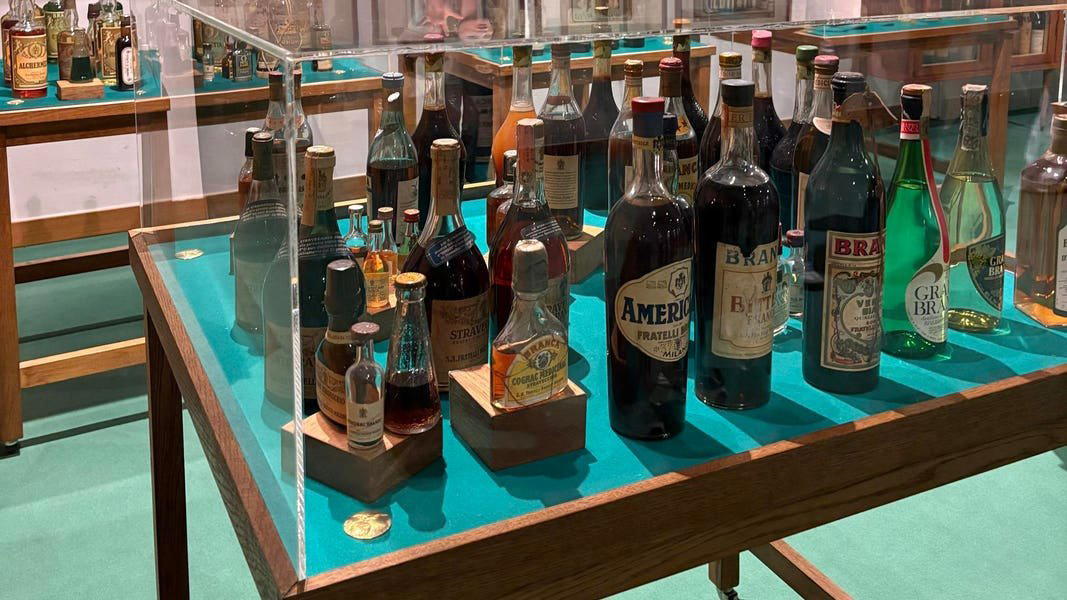
Bars in Milan
Browse all →
Restaurants in Milan
Browse all →
At a Glance
- Classic
- Elegant
- Well Known
- Sophisticated
- Celebration
- Historic Building
- Street Scene
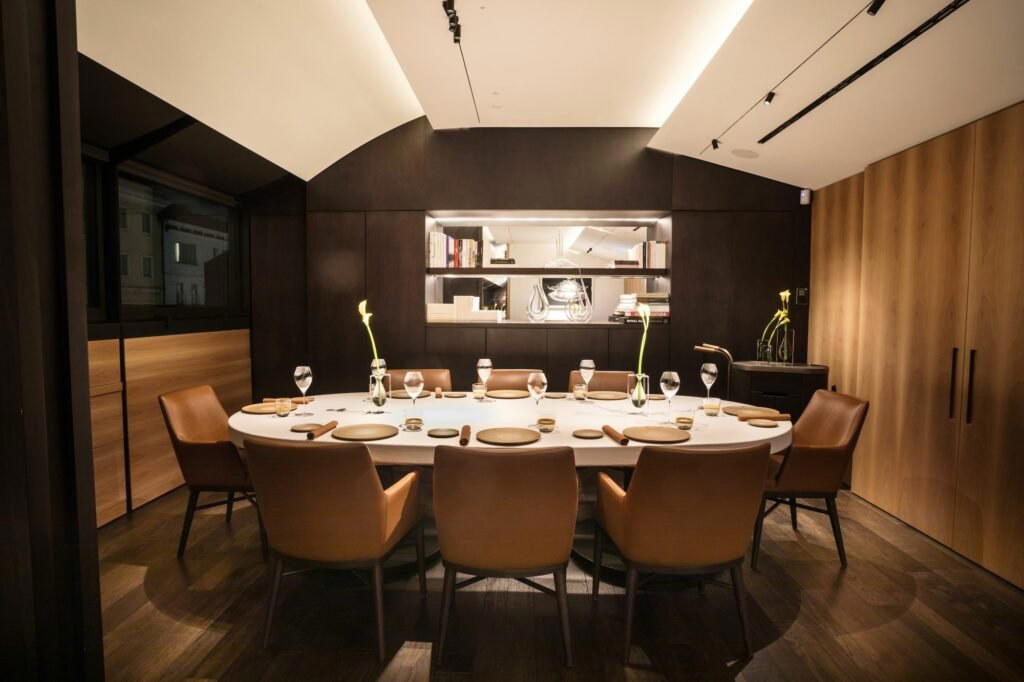
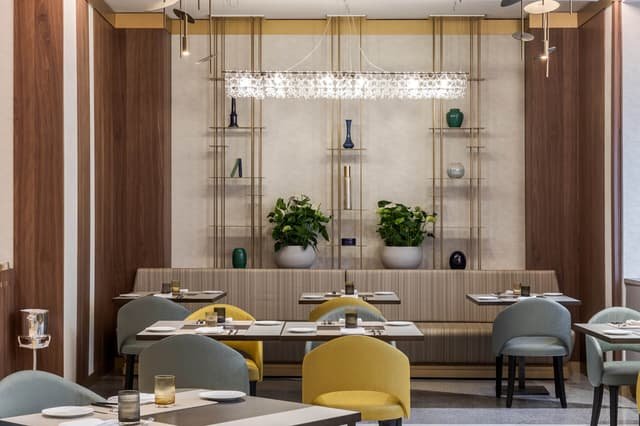
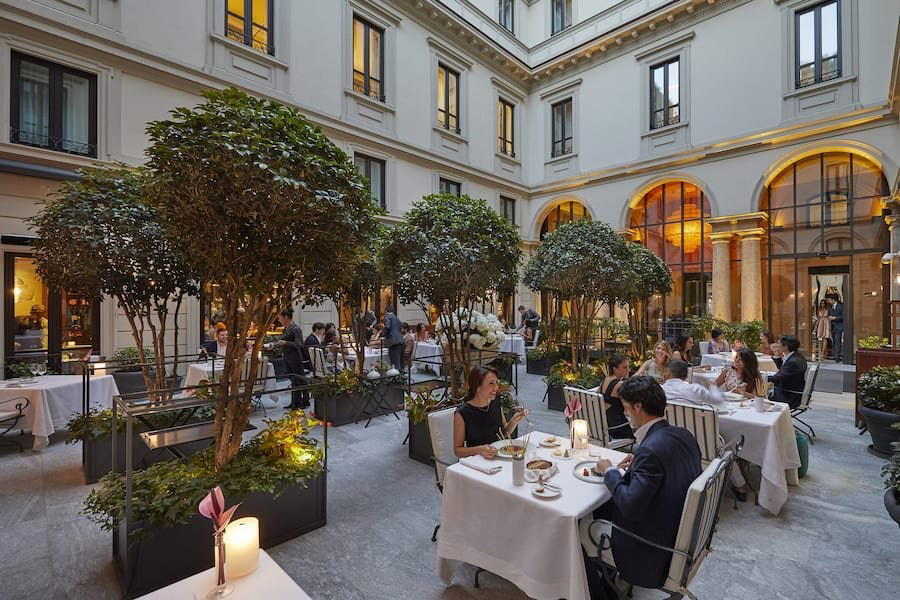
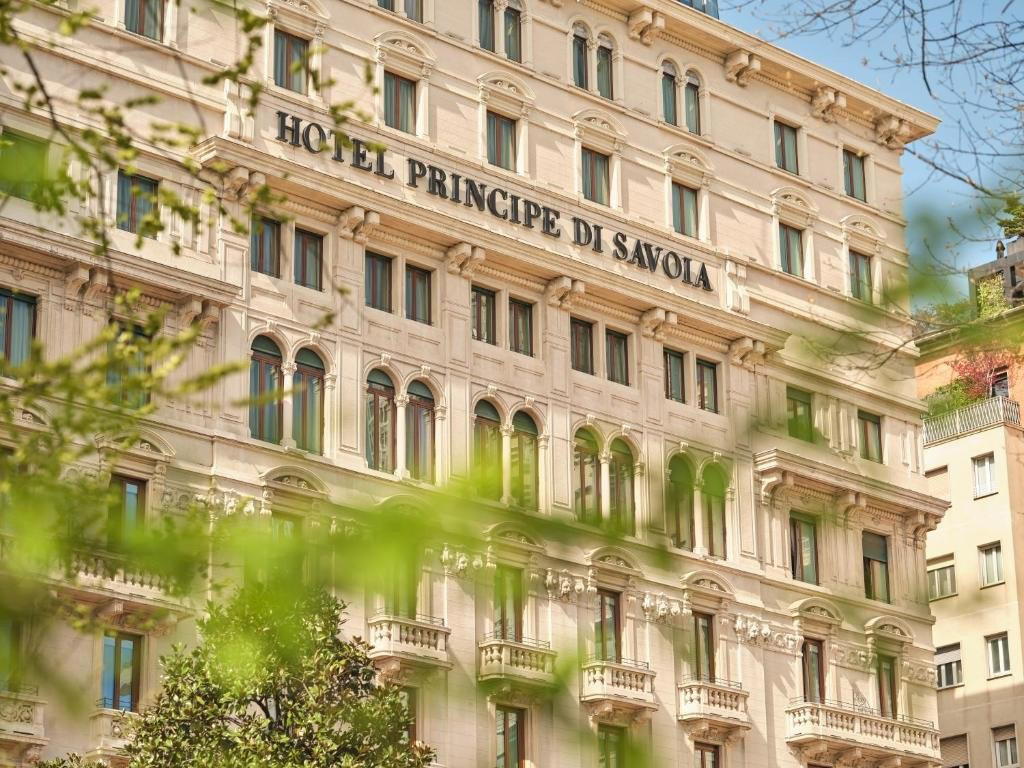
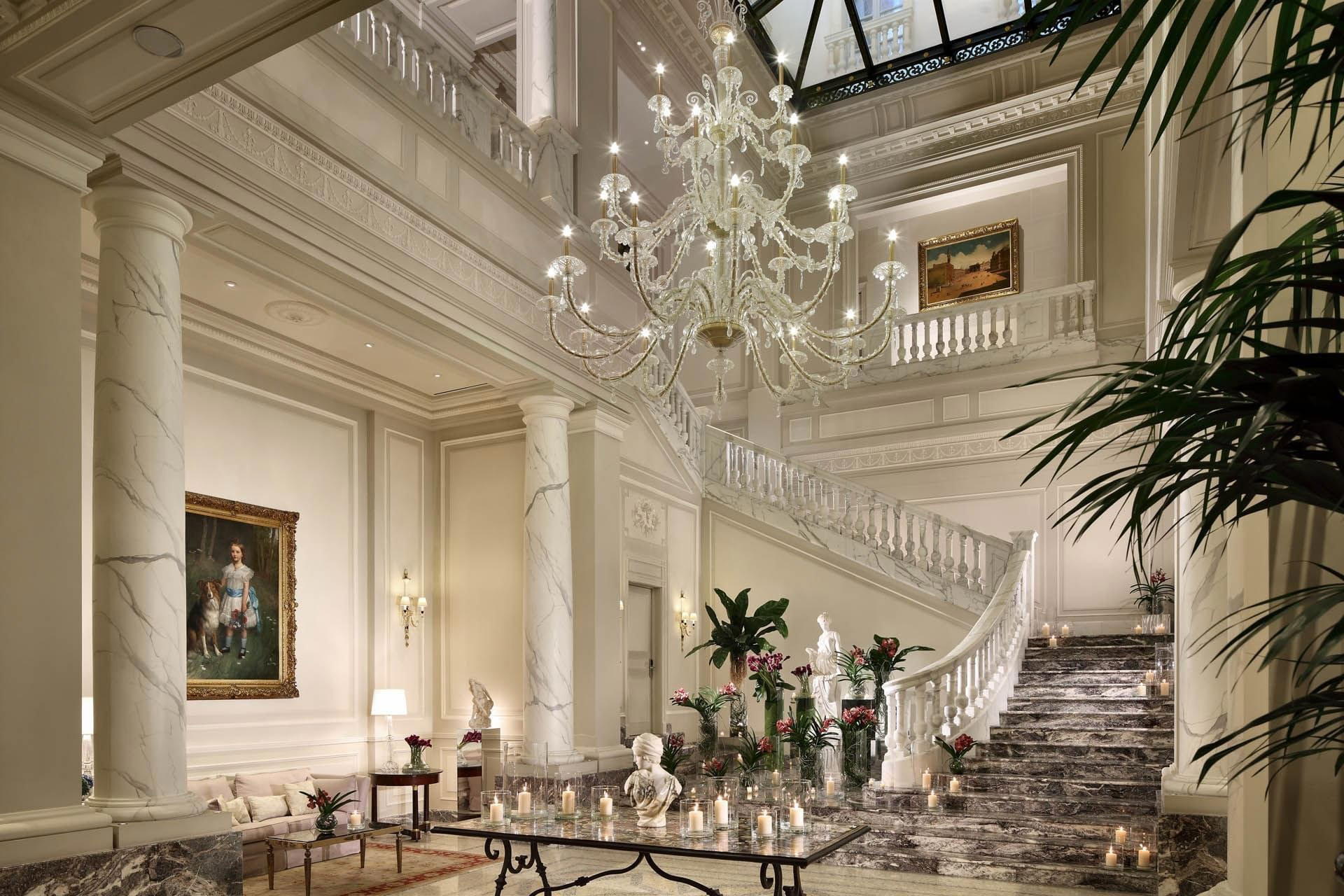
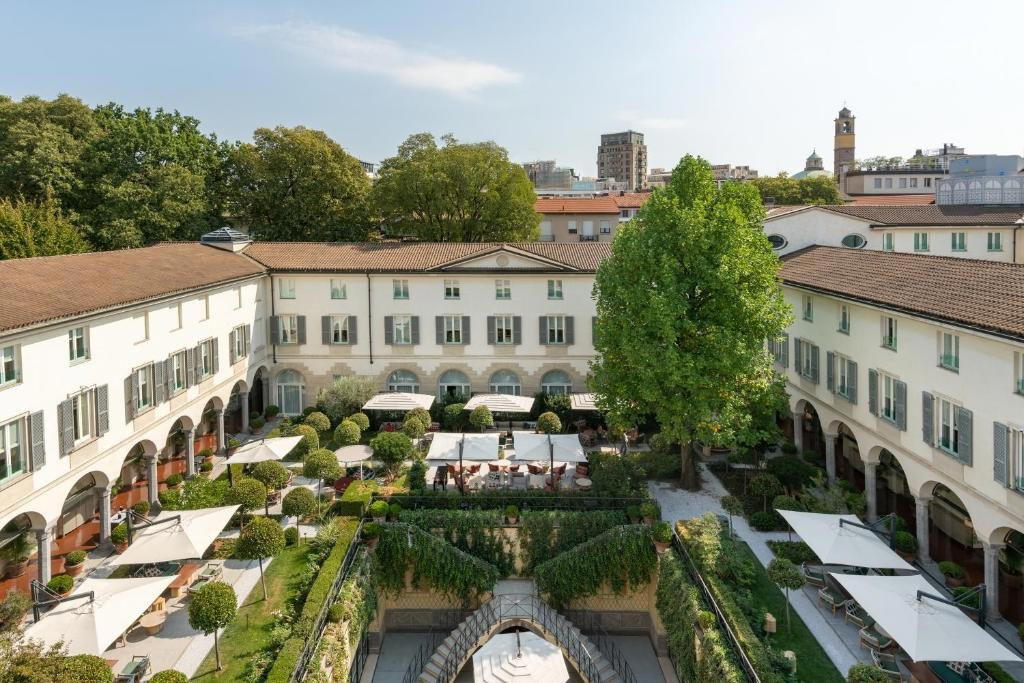
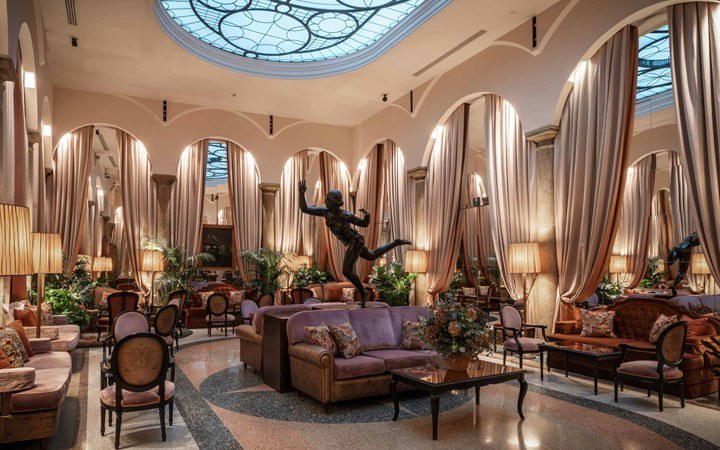
Timeless historic atmosphere with refined materials, warm red tones, mosaics, and lively energy from aperitivo crowds.