Distilleria Marzadro sits in Nogaredo, in the heart of Trentino's Adige valley, where Alpine foothills and a continental microclimate have shaped grappa production for generations. For visitors tracing Italy's artisan distilling tradition, this is a reference point in the northeast.

Pearl is the En Primeur Club membership app, where members save venues, book tables and use the concierge.
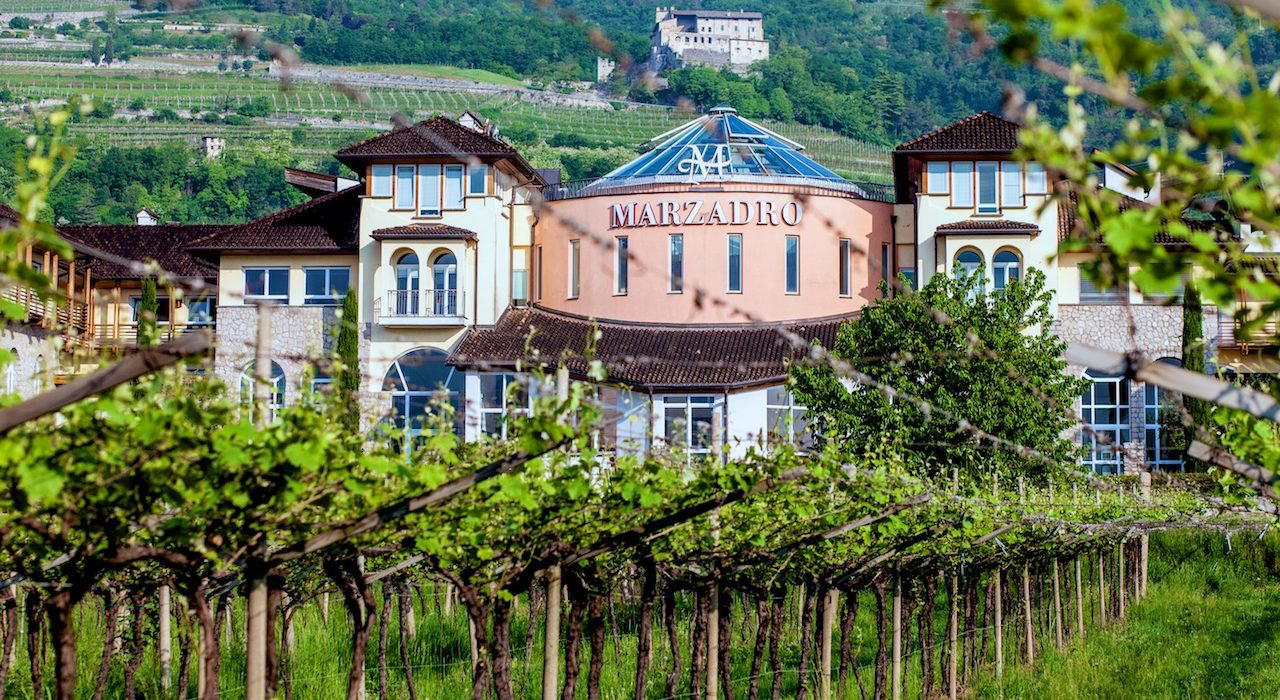
Trentino's Distilling Tradition and Where Marzadro Sits Within It
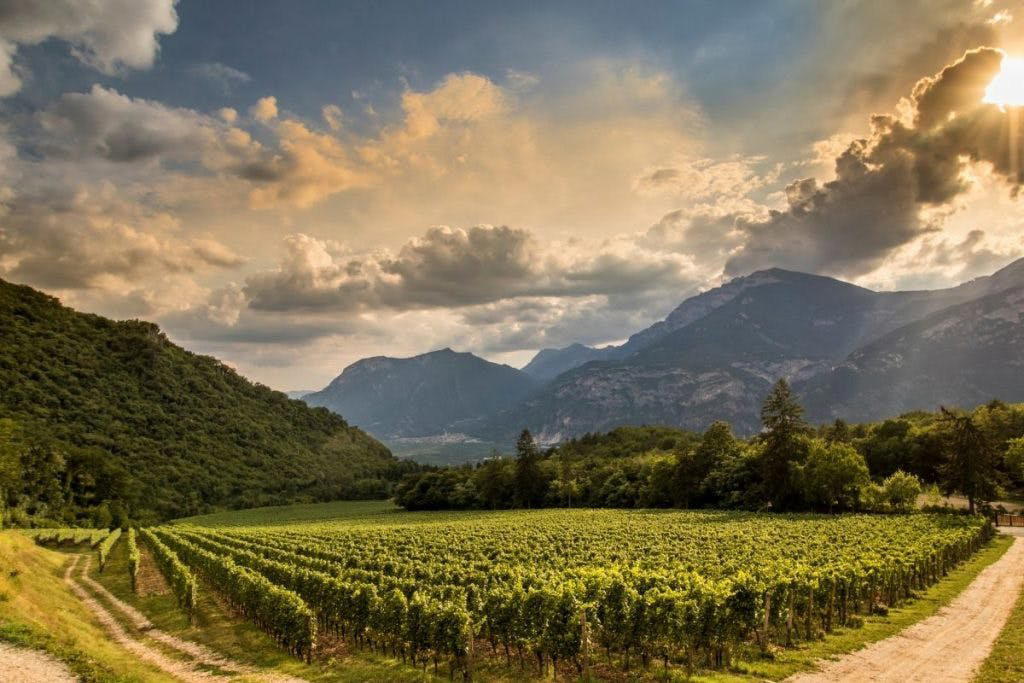
The Adige valley cuts through Trentino at an angle that defies easy categorisation. Alpine in elevation, Mediterranean in temperament, the valley floor sits sheltered enough to ripen Pinot Grigio and Gewürztraminer, while the surrounding Dolomite ridgelines impose a diurnal temperature swing that concentrates aromatics in the grape skins and pulp that go on to feed the region's distilleries. This climatic tension, warm days and cool nights pressing down from the mountains, is the foundational argument for Trentino grappa having a character distinct from Veneto or Friuli expressions. Distilleria Marzadro, based at Via per Brancolino 10 in Nogaredo, operates squarely inside that tradition.
Grappa's Italian geography matters more than most spirits categories acknowledge. The pomace, the pressed grape solids of skins, seeds, and stems, that a distillery sources reflects not just varietal character but the specific decisions of the winemaker who pressed those grapes. In Trentino, where white varieties including Nosiola, Müller-Thurgau, and Pinot Bianco share valley floor with reds such as Marzemino and Teroldego Rotaliano, the pomace available to a local distillery arrives with pronounced aromatic potential and a mineralic signature traceable to the valley's glacial alluvial soils. That raw material argument is what separates a geographically rooted producer from a commodity distillery working with whatever pomace can be sourced cheaply at scale.
The Physical Setting: Nogaredo and the Adige Valley Approach
Nogaredo is a small comune in Vallagarina, the lower Adige valley, roughly equidistant between Trento to the north and Rovereto to the south. Arriving from either direction, the valley presents the same visual grammar: steep vineyard terraces on the eastern wall catching morning light, the river below, and small agricultural settlements pressed against the valley floor. The distillery address on Via per Brancolino places it on the edge of the village, accessible by road from the SS12 that traces the valley. Visitors travelling by train can reach Nogaredo via the Trento-Rovereto rail corridor, one of the more reliable regional connections in northeastern Italy, then continue by local transport or car. The broader area around Nogaredo draws producers and visitors interested in Trentino wine as well as spirits; the valley's density of DOC and IGT designations makes it logical to combine a distillery visit with time at nearby wine estates. For a structured sense of the broader region's offerings, our full Nogaredo restaurants guide covers the food and drink context in detail.
Award tiers in spirits evaluation, as in wine, function as peer-set indicators: they tell you less about absolute perfection than about which producers have cleared credibility thresholds assessed by specialist judges working from defined criteria. That cohort is not large. Across all of Italy, artisan grappa production has consolidated around a smaller number of serious producers while the volume end of the category remains dominated by industrial operations. Marzadro sits on the artisan side of that divide.
For context on how northern Italian spirits producers occupy their respective niches, comparisons with other credentialled distilleries are instructive. Nonino Distillery in Pavia di Udine in Friuli has built a benchmark reputation over decades on single-varietal and monovitigno grappa, establishing the category's premium identity internationally. Poli Distillerie in Schiavon in the Veneto represents a different approach, combining artisan method with educational infrastructure and a wider spirits range. Marzadro's position in Trentino gives it access to a distinct terroir signature that neither Friuli nor Veneto producers can replicate directly. The comparison is less about which is superior and more about how geography determines raw material character.
The broader context of Italian spirits craft also includes producers whose reputations cross the spirits-wine divide. Distilleria Romano Levi in Neive in Piedmont represents the artisanal extreme: hand-labelled, cult-status production built over generations in the Langhe. Campari in Milan anchors the opposite pole of scale and distribution. Marzadro occupies a space that is neither cult nor industrial: a regional producer with documented award recognition and a terroir argument specific enough to reward specialist attention.
Terroir Expression in Trentino Grappa
The concept of terroir in grappa requires a slight methodological adjustment from wine thinking. Where wine expresses terroir through fermentation of grape juice that carries dissolved minerals and compounds from the soil, grappa expresses it through distillation of the pomace, the solids left after pressing. The soil's influence arrives at the distillery mediated by the grape variety's aromatic compounds concentrated in skins: floral esters in white varieties, phenolic depth in reds. Trentino's glacially-derived valley soils, predominantly calcareous and alluvial, produce grapes with a cooler-climate aromatic register than southern Italian equivalents. A Trentino Nosiola pomace will carry a different aromatic architecture than a Sicilian Nero d'Avola pomace, and that difference transmits through competent distillation into the finished spirit.
This terroir logic is why geography-rooted producers matter to serious collectors and visitors in ways that purely technical craft producers do not. The Italian wine regions surrounding Trentino share the same logic of place-specificity. Aldo Conterno in Monforte d'Alba demonstrates how a specific site in the Langhe translates into Barolo of identifiable character. Ca' del Bosco in Erbusco in Franciacorta shows how Lombardy's lake-moderated microclimate shapes sparkling wine identity. Castello di Volpaia in Radda in Chianti grounds Sangiovese in the high-altitude, cooler expression of the Chianti Classico zone. Each of these producers makes a geographic argument first and a stylistic argument second. Marzadro's position in the Adige valley follows the same structural logic applied to distillation rather than viticulture.
Planning a Visit
Nogaredo is compact and the distillery address on Via per Brancolino is specific enough to navigate without difficulty. Visitors based in Trento, about 25 kilometres to the north, have the most direct access via the A22 motorway or the regional rail service. Rovereto, closer at roughly 10 kilometres south, is equally viable as a base and carries its own cultural weight as a Futurist art centre and home of the Mart museum. The broader Vallagarina valley rewards more than a single-stop itinerary. Wine estates in the area include producers working with Marzemino, Trentino's overlooked red variety, and the valley's proximity to the Lago di Garda wine zone means a multi-day circuit is feasible. For collectors who want to extend an Italian spirits itinerary beyond Trentino, Nonino in Friuli and Poli in the Veneto are the natural extensions, together mapping the northeastern Italian grappa triangle.
Italian wine tourism provides further reference points for understanding what serious production visits look like in practice. Lungarotti in Torgiano in Umbria has built a visitor infrastructure that includes a wine museum alongside production tours, demonstrating how a family producer can anchor regional identity at an educational level. Planeta in Menfi in Sicily shows how a multi-estate operation communicates terroir across a broad geographic range. Produttori del Barbaresco offers the cooperative model, where member growers' site data contributes to a transparent cru identity. Each represents a different model of how Italian producers translate place into visitor experience. Marzadro's Trentino context places it within a region that has invested in this kind of agri-tourism infrastructure, making it part of a credible itinerary rather than an isolated detour.
Comparison Snapshot
Comparable venues nearby, for context on price, style, and recognition.
| Venue | Cuisine | Price | Awards | Notes |
|---|---|---|---|---|
| Distilleria MarzadroThis venue (the venue you are viewing) | Teroldego, Marzemino | Not listed | Not listed | Not listed |
| Distilleria Roner | Pinot Blanc, Pinot Grigio | $10–20 | Not listed | Termeno |
| Stock Spirits (Stock 84) | Winery | Not listed | Not listed | Trieste |
| Cantina Produttori Nebbiolo di Carema | Nebbiolo | Not listed | Falstaff Winery - Listed | Carema |
| Bertani | Corvina, Rondinella | Not listed | Falstaff Winery - 5 Stars | Valpolicella Valpantena |
| Distilleria Pisoni | Chardonnay, Pinot Nero | Not listed | Not listed | Pergolese |
Continue exploring
More in Nogaredo
Wineries in Nogaredo
All wineries in Nogaredo →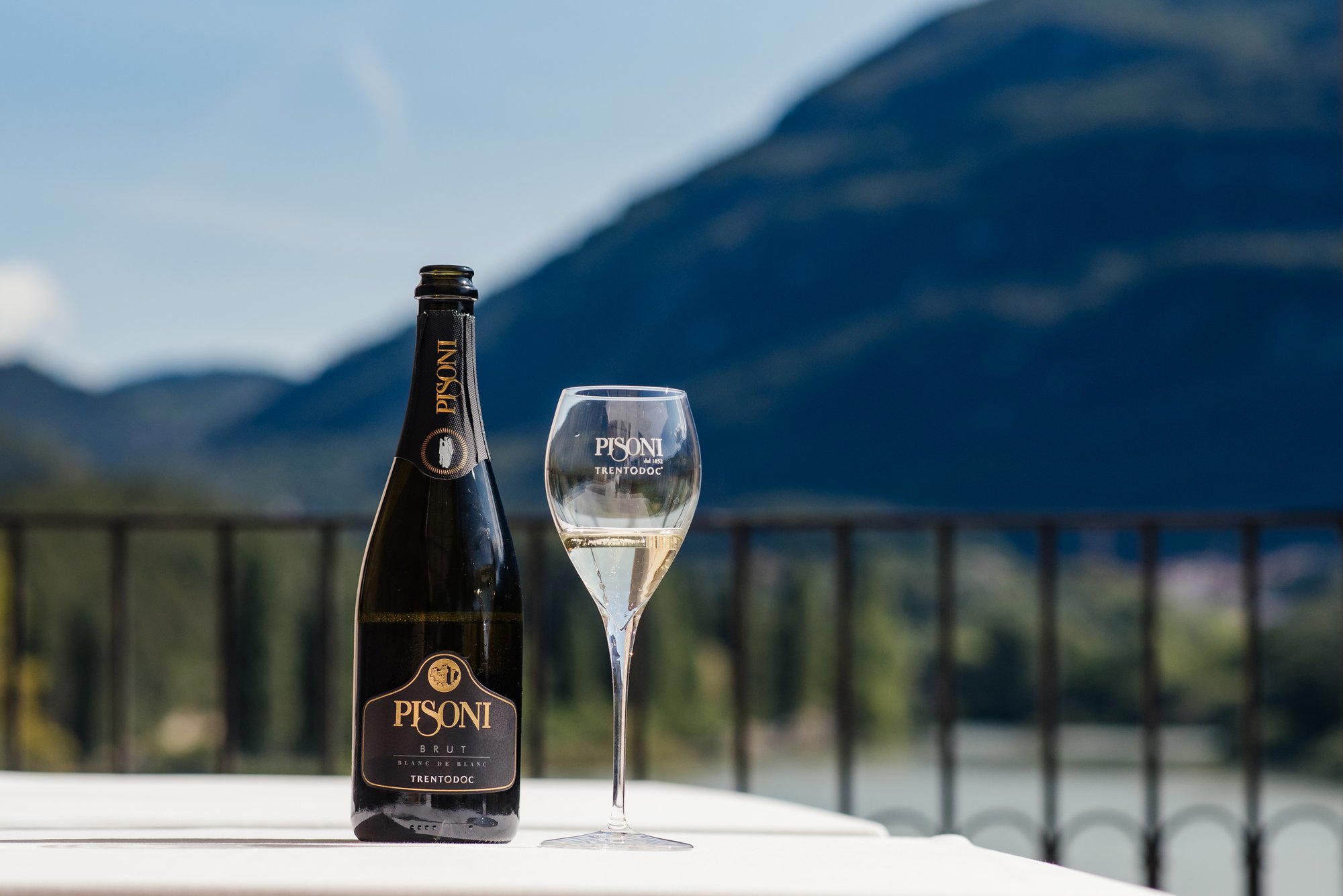
Bars in Nogaredo
Browse all →
Restaurants in Nogaredo
Browse all →
Details
- Rustic
- Classic
- Scenic
- Wine Education
- Solo Exploration
- Barrel Room
- Mountain
- Vineyard
- Teroldego
- Marzemino
- Chardonnay
- Moscato
- Merlot
- Gewürztraminer
- Müller Thurgau
- Pinot Noir
- Lagrein
- Guided In House Tasting
- Italian
- English
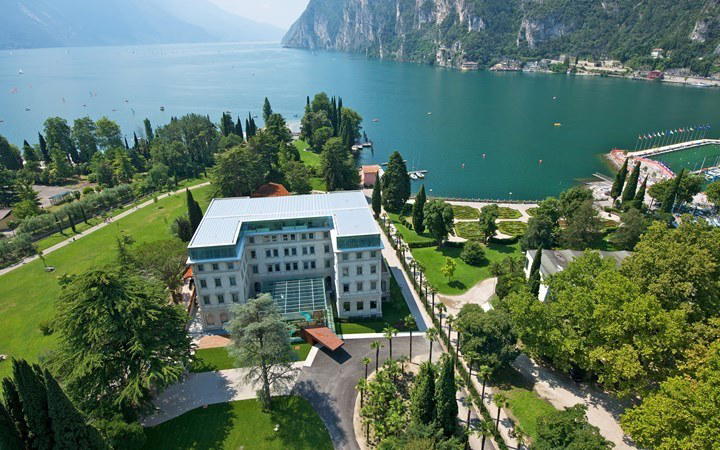
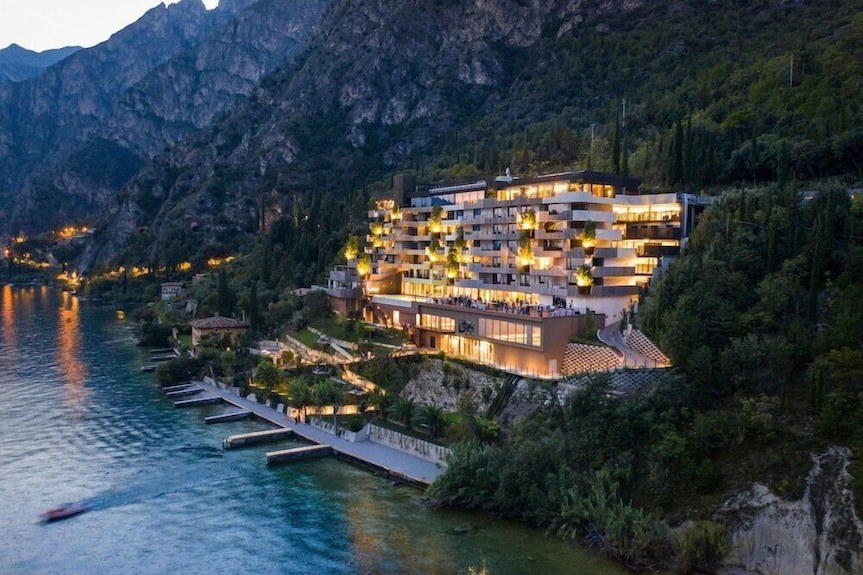
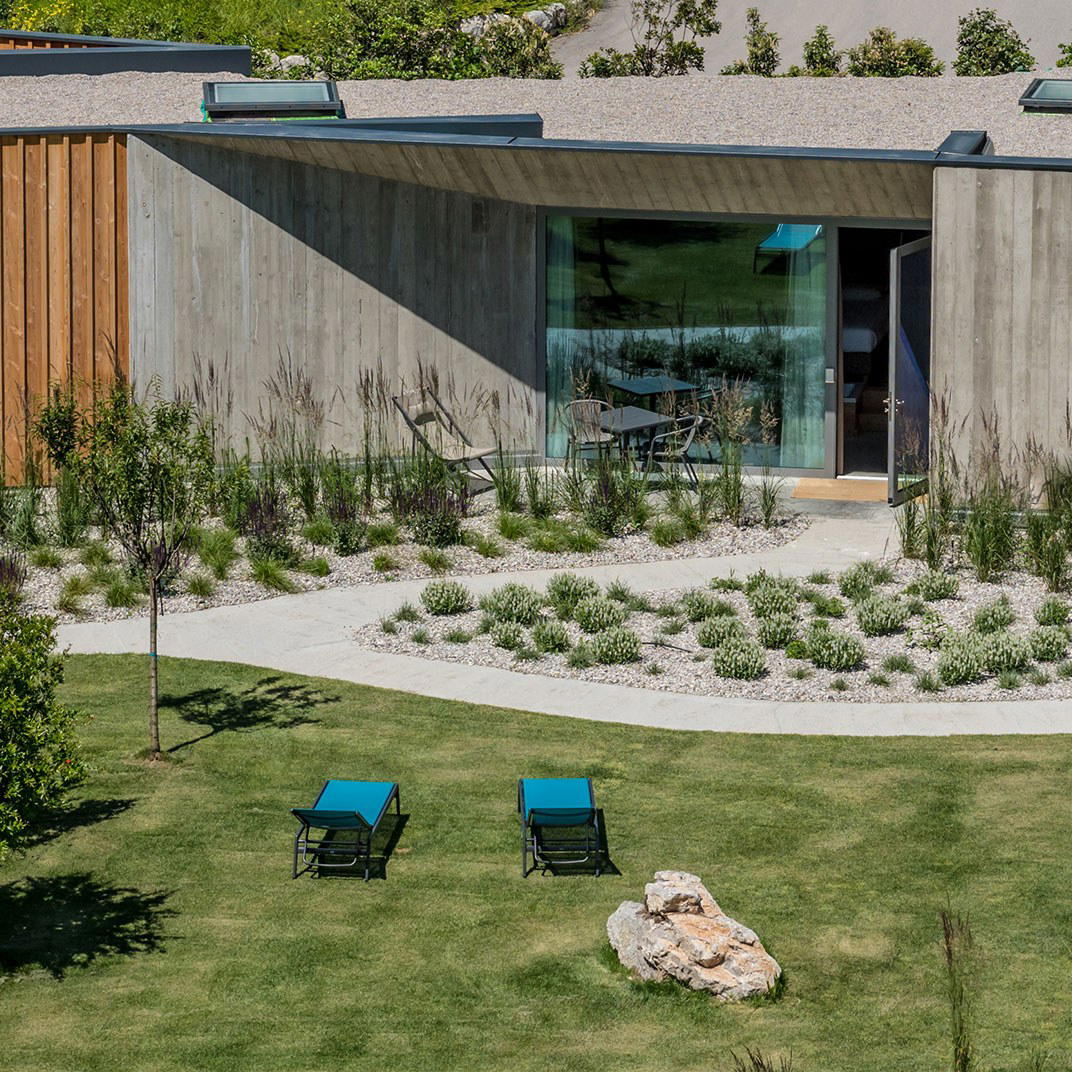
Modern striking facility with copper stills under a skylit dome and dramatic vaulted barrel room, blending craftsmanship with contemporary design.