Located in Minami Aoyama, 伯鱲 occupies a quiet address in one of Tokyo's most considered dining neighbourhoods, where the city's serious ingredient-led restaurants tend to cluster. The kitchen's sourcing logic places it within a category of Japanese dining that treats provenance as the primary editorial statement on the plate. Reservations are the standard entry point for this tier of Tokyo restaurant.
Pearl is the En Primeur Club membership app — saves, bookings, and concierge access live there. Same editors, same standards.
- Address
- 4 Chome-11-2 Minamiaoyama, Minato City, Tokyo 107-0062, Japan
- Phone
- +81368129613
- Website
- nihonryori-hakuun.com
- Directions
- Get directions
 Saves & bookings on Pearl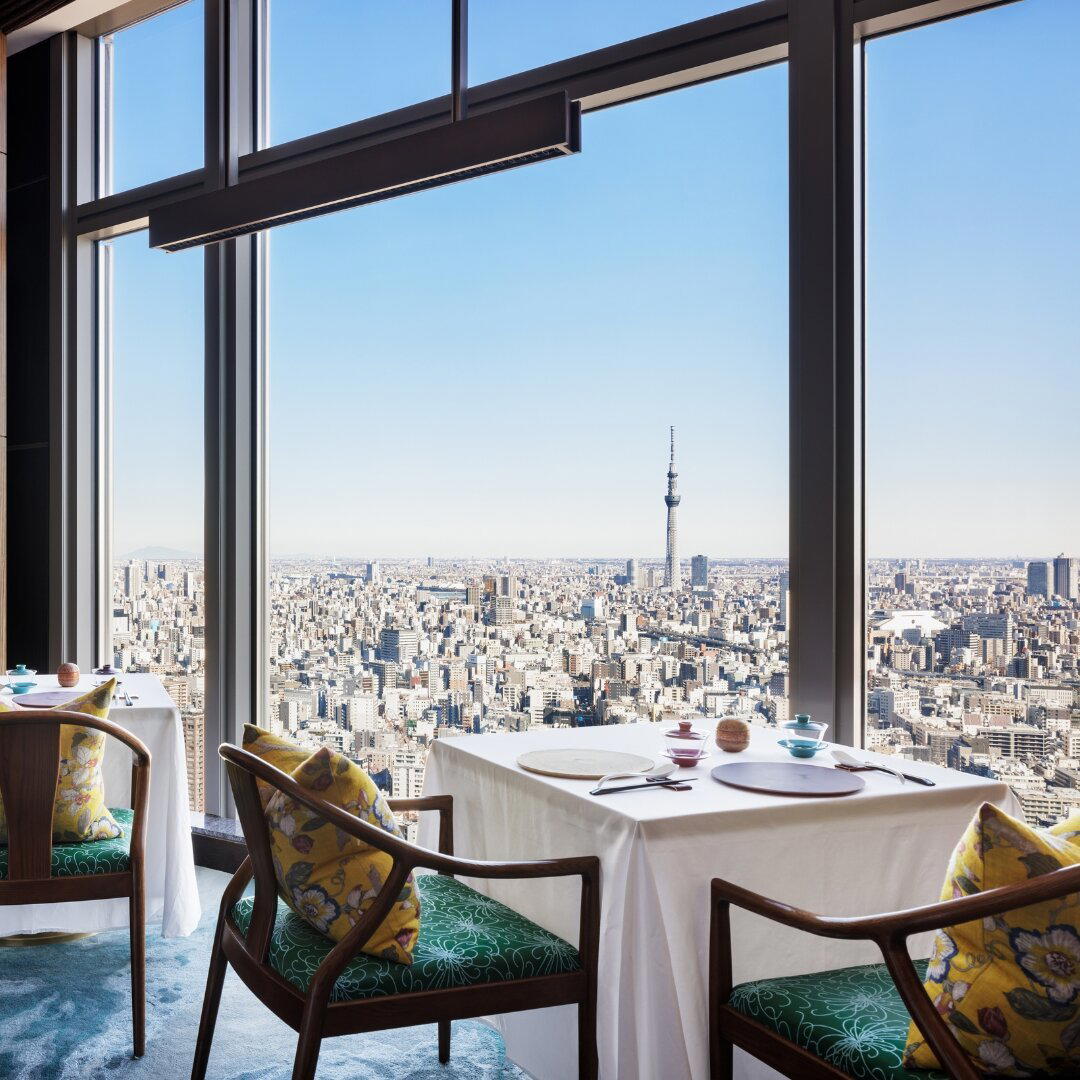
Minami Aoyama and the Ingredient-First Argument
The stretch of Minami Aoyama around 4-chome has, over the past decade, become one of Tokyo's more reliable indicators of where serious cooking is happening. The neighbourhood doesn't present itself with lantern-strung alleyways or queue-lined ramen counters. What it offers instead is a quieter density of restaurants whose central argument is about sourcing: where the fish came from, which prefecture grew the rice, how the farmer's season translated into what landed on the counter that evening. 伯鱲 sits at 4 Chome-11-2 Minamiaoyama, Minato City, in exactly that register.
Tokyo's premium dining tier has changed in interesting ways across the past several years. At one end sit the kaiseki houses and omakase counters whose reputations are inseparable from their Michelin standing. At the other, a growing cohort of restaurants has chosen to build credibility not through award accumulation but through supply chain, through the specificity of what arrives at the kitchen door each morning and the discipline required to let that drive the menu. Particularly engaged restaurants in this category don't run static menus; they run what their suppliers made possible that week. Venues like L'Effervescence and Crony have staked out this territory in Tokyo's French-inflected space. 伯鱲 works in a related but distinct register.
The Sourcing Logic at the Centre of the Plate
In Japanese fine dining broadly, the concept of shun, the peak moment of a seasonal ingredient, functions as both calendar and philosophy. The autumn transition from late-summer pike conger to the first matsutake mushrooms of September, or the precise weeks in late winter when snow crab arrives from the Sea of Japan at its most concentrated, are not occasions restaurants merely acknowledge. They are the structure around which the whole menu is built. This is the frame that makes ingredient sourcing, in the Tokyo context, a form of editorial argument: the chef's role is to get out of the way of what the season has produced and present it with the technical clarity that allows the ingredient to be understood fully.
That philosophy connects 伯鱲 to a wider tradition visible across Japan's most attentive kitchens. Gion Sasaki in Kyoto has long operated on the premise that sourcing relationships, built over years with specific producers and fishermen, are the restaurant's primary asset. HAJIME in Osaka frames ingredient provenance through a more contemporary lens, but the underlying logic, that the plate is accountable to its origins, remains the same. Closer geographically, Goh in Fukuoka draws on Kyushu's agricultural and coastal proximity to build menus of unusual directness. Each of these represents a different regional expression of the same national commitment to knowing where food comes from.
Outside Japan, the comparison holds instructive contrast. Le Bernardin in New York City has built a four-decade reputation on the argument that fish is the ingredient, not the vehicle, that sourcing quality determines what technique is even possible. Atomix in New York City applies Korean culinary logic to a similar sourcing-first frame. The cross-cultural resonance of this approach suggests it isn't a trend so much as a returning to first principles about what restaurants are actually for.
Seasonal Timing and When to Visit
For a restaurant in this category, the question of when to visit matters more than it would for a kitchen running a fixed tasting menu. Tokyo's ingredient seasons arrive with enough specificity that a visit in late November, when fugu season is opening and the first good kani is coming down from Hokkaido, will produce a materially different meal than one in early April, when sakura-season vegetables and the tail end of winter seafood overlap. Spring visits benefit from the intensity of Japan's ingredient obsession around cherry blossom season, though demand across the city's leading tables peaks sharply in late March and April, compressing availability. Autumn, particularly October through early December, tends to be the period when the widest range of premium seasonal ingredients coincides. Planning around a specific ingredient season, rather than a travel window, is how the city's most engaged diners approach Tokyo's serious restaurants.
akordu in Nara draws on the surrounding Yamato region's agricultural output, meaning its seasonal inflection points differ from coastal-focused kitchens. 一本杉川嶋 in Nanao works within the Noto Peninsula's distinctive seafood seasons, where the Toyama Bay's cold-water catch defines the kitchen's calendar. Timing a broader Japan itinerary to align seasonal peaks across multiple restaurants requires more planning than most trips allow, but for those willing to build the itinerary around the ingredient calendar rather than the other way around, the results are disproportionately good.
Tokyo's Minami Aoyama in Context
The neighbourhood context matters for understanding the competitive set 伯鱲 sits within. Minami Aoyama draws a different dining crowd than, say, Ginza's vertical restaurant towers or Roppongi's international-facing hotel dining. The area skews toward Tokyo residents with sustained engagement with serious food, the kind of customer who has already cycled through the city's most decorated addresses and is now following curiosity rather than reputation scores. Harutaka and RyuGin represent the Michelin-weighted end of Tokyo's premium dining conversation; Sézanne occupies the French-luxury tier with a Four Seasons address to match. 伯鱲's location in Minami Aoyama places it at a slight remove from that more visible tier, which in Tokyo's dining culture is often a signal rather than a drawback.
Planning a Visit
Reservations are standard practice for restaurants at this address and price tier in Tokyo. For visitors arriving from outside Japan, booking through a hotel concierge or a dedicated reservation service significantly reduces friction, particularly where communication in Japanese may be required. The Minami Aoyama address is accessible via the Ginza, Chiyoda, and Hanzomon subway lines converging at Omotesando Station, from which the 4-chome area is a short walk south. Dress code expectations in Tokyo's serious dining rooms trend toward smart, without the formality that a comparable European address might impose.
For those building a wider Japan itinerary around ingredient-led dining, regional counterparts worth considering include 夕利山乃 in Sapporo, where Hokkaido's notable produce defines the kitchen, and 湖畔荘 in Takashima, which works with the freshwater and mountain ingredients of the Shiga region. 庄羽屋 in Nishikawa Machi and Bistro Ange in Toyohashi round out a picture of how ingredient-sourcing logic operates at different scales and in different regional contexts across Japan. Birdland in Sakai offers a different angle again, focused on the specific ingredient category of poultry with the same sourcing rigour applied elsewhere to fish and produce.
City Peers
Comparable venues nearby, for context on price, style, and recognition.
| Venue | Cuisine | Price | Notes |
|---|---|---|---|
| 伯雲This venue — the venue you are viewing | Traditional Japanese Kaiseki | $$$ | Not listed |
| Iruka Tokyo Roppongi | Modern Ramen | $$$ | Roppongi |
| EUREKA! | Modern sake-focused izakaya | $$$ | Minato |
| YAKITORI燃es | Premium Yakitori | $$$ | Minato |
| Shiki no Aji Fujiyoshi | Seasonal Japanese Izakaya | $$$ | Sumida |
| Tachinomi Asakusa Sharemon | Japanese Izakaya / Standing Bar | $$$ | Taitō |















At a Glance
- Elegant
- Sophisticated
- Intimate
- Date Night
- Special Occasion
- Open Kitchen
Current opening hours
- Monday
- 5:30–11 PM
- Tuesday
- 5:30–11 PM
- Wednesday
- 5:30–11 PM
- Thursday
- 5:30–11 PM
- Friday
- 5:30–11 PM
- Saturday
- 5:30–11 PM
- Sunday
- Closed
Hours can change for holidays and private events. Last verified .
Warm, refined atmosphere with soft lighting and minimalist decor creating an elegant dining experience