
Beef Kitchen Ebisu ten places yakiniku in Ebisu’s polished after-work dining circuit rather than the chef-counter world that dominates much of Tokyo’s international attention. Its Tabelog 100 Yakiniku Tokyo 2025 selection, 60-seat table format, English support, and A5 Wagyu positioning make it a useful address for diners who want serious grilled beef without turning dinner into a formal tasting-menu commitment.
Pearl is the En Primeur Club membership app — saves, bookings, and concierge access live there. Same editors, same standards.
- Address
- Japan, 〒150-0022 Tokyo, Shibuya, Ebisuminami, 1 Chome−13−3 Gold, 1F
- Phone
- +81 3-6452-2291
- Website
- tabelog.com
 Saves & bookings on Pearl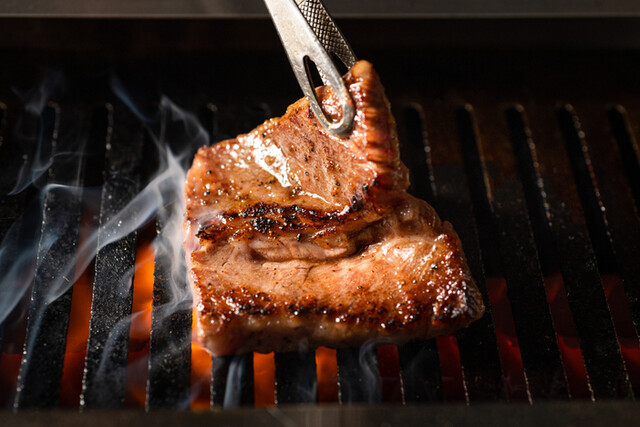
Ebisu has a particular kind of night rhythm: office lights thinning out, station exits feeding small groups into side streets, and dining rooms built for conversation rather than ceremony. In that setting, yakiniku works because it gives Tokyo’s social dinner culture a structure: meat arrives in sequences, the grill sets the pace, and the table decides how technical or casual the evening becomes.
That is the useful lens for Beef Kitchen Ebisu ten. Tokyo’s internationally visible dining scene often privileges counters, omakase timing, and chef proximity, especially at sushi rooms such as Takumi Sushi Owana, Ebisu Endo, and Sushi Satoru. Yakiniku plays by different rules. The craft is partly in sourcing and cut selection, but also in menu architecture: how beef, offal, rice, vegetables, sauces, drinks, and pacing fit around a shared grill. A Tabelog 100 Yakiniku Tokyo 2025 selection places this room inside a competitive city category where consistency matters as much as spectacle.
Yakiniku built around range, not ceremony
The menu signal here is breadth rather than a single chef-led narrative. The listed categories, yakiniku, izakaya, and tripe, point to a table format that can carry several kinds of dinner: a beef-focused meal, a drinks-led evening with grilled plates, or a group booking that needs enough range for different appetites. That matters in Ebisu, where the neighbourhood often functions as a meeting point between Shibuya energy and a more grown-up dinner cadence.
A5 Wagyu appears as a core proposition, but the wider structure is equally telling. Tokyo yakiniku at this level tends to reward diners who think in sections rather than ordering only prestige cuts. Leaner beef, fattier cuts, offal, rice, soup, kimchi-style accompaniments, and drinks each do different work at the table. The inclusion of tripe in the category listing is not a minor detail; it places the restaurant closer to the full Japanese barbecue grammar than to a simplified luxury-beef showcase.
The drinks list also shows how modern yakiniku has moved beyond beer-only utility. Sake, shochu, wine, and cocktails are all listed, with particular attention noted across those categories. That breadth is useful with grilled beef because fat, char, sauce, and salt each pull the meal in different directions. Wine can handle marbled cuts, shochu can reset the palate, and sake gives the table a Japanese register without forcing the meal into kaiseki manners.
Ebisu makes the format more flexible
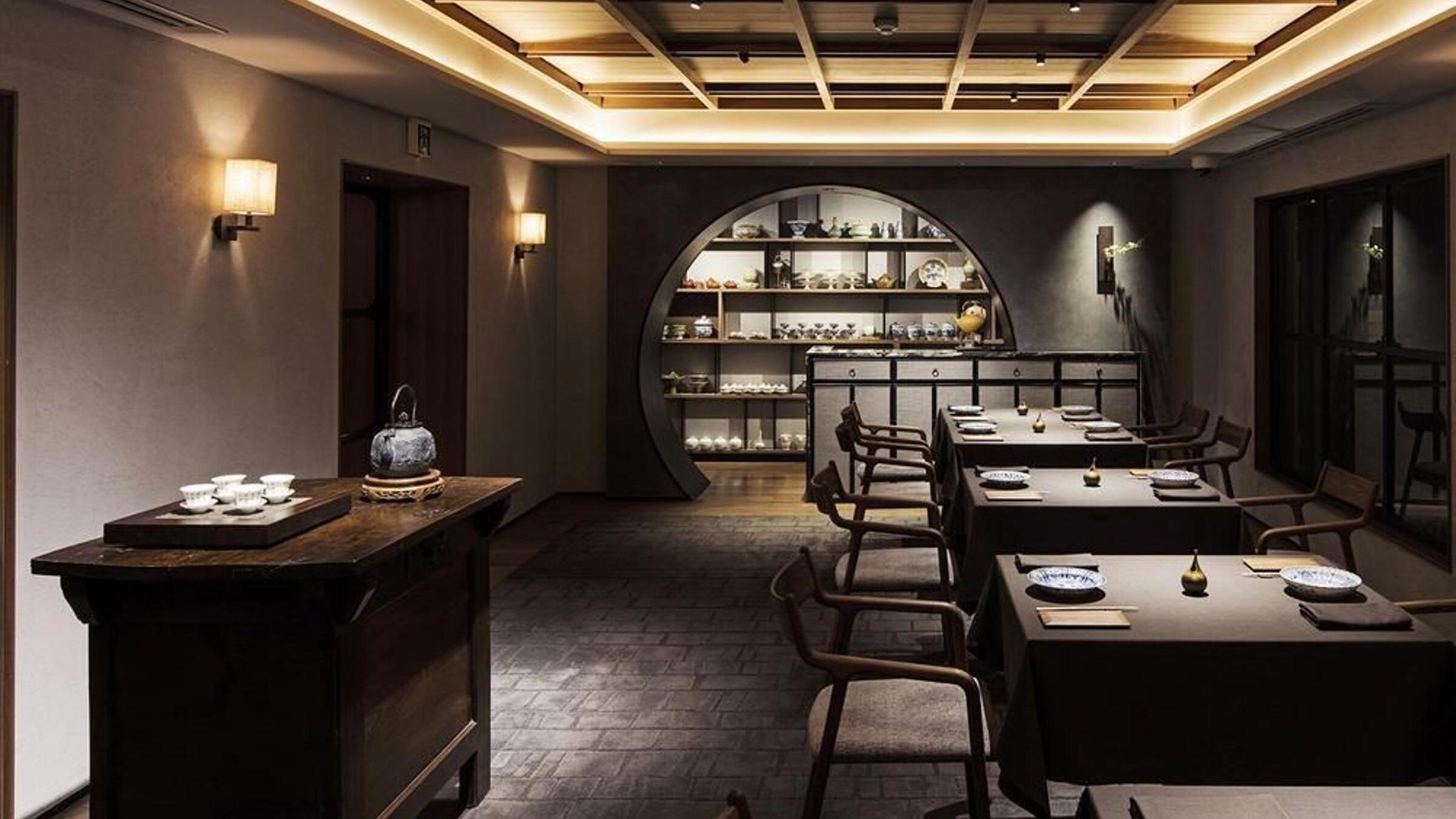
Ebisu is one of Tokyo’s better districts for diners who want quality without the stiffness that can accompany trophy reservations. The area absorbs dates, family meals, small celebrations, and late dinners after work, which suits yakiniku’s modular style. Beef Kitchen Ebisu ten has 60 seats across 15 tables, plus semi-private seating for six or eight, so the experience is closer to a polished shared-table restaurant than a hushed counter. That scale changes the way the meal should be judged: not by intimacy, but by whether the room can keep beef, smoke, pacing, and service aligned across a busy service.
The practical texture is also international-traveller friendly without becoming tourist-coded. English menus, English-speaking staff, photo menus, and digital menus are listed, which reduces the friction that can make yakiniku opaque for visitors unfamiliar with cuts or grill timing. Children are welcome, strollers are accepted, and the room is non-smoking, details that separate this from smaller, more adult-only barbecue rooms. The better use case is not a solemn destination dinner; it is a reliable Ebisu table when grilled beef is the central reason for gathering.
Tokyo diners comparing categories should be clear about what this address is and is not. It is not trying to compete with sushi counters on scarcity or with yakitori rooms on chef-controlled sequencing. For that side of the city, nearby editorial references include 124. KAGURAZAKA (Yakitori) and the sushi comparison set above. Yakiniku gives the table more control, and that makes it better suited to mixed groups than to diners seeking a single fixed performance.
How to read it within Tokyo's dining map
The Tabelog 100 recognition is the main trust signal here, and it should be read in context. Tabelog’s category lists are especially influential in Japan because they capture domestic dining attention across genres that Michelin does not always frame cleanly. In yakiniku, where price tiers can stretch from casual local grills to high-spend beef rooms, inclusion in the Tokyo 2025 list identifies a restaurant operating inside a serious peer group rather than a generic station-area barbecue slot.
For a broader read on the city, use Our full Tokyo restaurants guide alongside category-specific stops such as 12/10 Shinjuku ten, . 鮪と炭火焼き うお炭 秋葉原店, 2D Cafe, and 3 Chome no Curry Ya San. The wider Tokyo planning layer also benefits from Our full Tokyo hotels guide, Our full Tokyo bars guide, Our full Tokyo wineries guide, and Our full Tokyo experiences guide.
Japan’s broader dining map helps clarify the genre, too. Grilled beef takes a different shape at -Grilled beef Sukiyaki- KAMAKURA TANUKIAN 鎌倉 たぬき庵 in Kamakura, while urban casual formats can be read through.cafe in Osaka.know in Kumamoto, (Shoku) Vietnam in Kawasaki, [Curry Senmon Ten] Maruyama Kyoju. in Sapporo, and [ki:] in Kyoto. For Japanese drinking and casual-food context abroad, compare the language of sake bars and rice-led formats at Jōdo Saké Bar in Los Angeles and Onigiri Time in Pasadena.
The editorial takeaway is simple: Beef Kitchen Ebisu ten is strongest when treated as a menu-system restaurant, not a shrine to a single cut. Its appeal lies in how Wagyu, offal, drinks, group seating, and multilingual service turn yakiniku into a controlled but social Tokyo dinner. In Ebisu, that balance is exactly the point.
Peers Worth Knowing
Comparable venues by category and price.
| Venue | Cuisine | Price | Notes |
|---|---|---|---|
| Beef Kitchen Ebisu tenThis venue — the venue you are viewing | Modern Wagyu Yakiniku | $$$ | Not listed |
| 楽亭 | Handmade Soba | $$$ | Kagurazaka |
| Sushiya Ono | Edomae Sushi | $$$ | Shibuya |
| Onikuya Keisuke Sannanbo | Refined Yakiniku & Beef Tongue in Hiroo | $$$ | Shibuya |
| 麻布 幸村 | Traditional Japanese Kaiseki | $$$ | Minato |
| Tori Sawa Roppongi | Yakitori | $$$ | Minato |
Recognition history
Dated appearances from independent guides and award organizations, with the underlying list record or original source where available.
Tabelog 100 #76 · No. 76
Tabelog · Tabelog 100 - Yakiniku - TOKYO - 2025











At a Glance
- Modern
- Trendy
- Lively
- Cozy
- Energetic
- Date Night
- Group Dining
- After Work
- Casual Hangout
- Celebration
- Business Dinner
- Standalone
- Private Dining
- Beer Program
- Sake Program
- Local Sourcing
Current opening hours
- Monday
- 5–11 PM
- Tuesday
- 5–11 PM
- Wednesday
- 5–11 PM
- Thursday
- 5–11 PM
- Friday
- 5–11 PM
- Saturday
- 12–11 PM
- Sunday
- 12–10 PM
Hours can change for holidays and private events. Last verified .
Stylish, modern yakiniku dining room with polished but relaxed izakaya-like energy, suitable for dates and group gatherings rather than formal occasions.