
Yakitori Haruka belongs to Tokyo’s compact counter-yakitori tier, where the room matters as much as the grill. The Shirokane address, eight-seat counter format, wine-bar category, and repeated Tabelog 100 Yakitori EAST selections from 2022 through 2025 place it in a narrow band of small restaurants built around proximity, pacing, and restraint rather than spectacle.
Pearl is the En Primeur Club membership app — saves, bookings, and concierge access live there. Same editors, same standards.
- Address
- 東京都港区白金5-8-13 白金ハイツ 1F
- Phone
- +81364477329
- Website
- tabelog.com
 Saves & bookings on Pearl
Shirokane changes a night out before the first skewer reaches the counter. Quieter than Ginza, less theatrical than Shinjuku, and more residential than the restaurant corridors around Ebisu, it suits counter yakitori as architecture and cuisine: guests sit close to the grill, attention compresses, and timing is measured in minutes, not ceremonious courses.
Yakitori Haruka fits that grammar. Its counter-only room has eight seats, making the container central to the experience. Tokyo has many serious yakitori rooms, but the small-counter subset asks diners to read differently: less insulation between kitchen and table, less room for drift, and less tolerance for distraction. A fragrance note that might vanish in a larger room becomes shared air around smoke, heat, and close seating.
Recognition adds weight without making it a trophy dinner. Tabelog selected it for the Yakitori EAST 100 list in 2022, 2023, 2024, and 2025, and its Tabelog score is 3.75. Those signals matter in Tokyo, where yakitori spans commuter-station smoke shops, sake-led neighborhood counters, and tightly managed rooms where the grill is treated with sushi-like precision. Haruka belongs to the last category, while Shirokane keeps the mood smaller and less performative than the central luxury districts.
An eight-seat counter turns yakitori into a study of distance
Yakitori is often described through ingredients, but Tokyo’s serious counters are better understood through distance. The diner is close enough to register sequence, pacing, and grill discipline. The counter becomes a line of sight: fire, hand, plate, pause. That intimacy is how the meal makes sense.
At eight seats, the room has little margin for social sprawl. This is not table service where conversation floats above the food. Seating points everyone toward the same axis, changing behavior. Diners wanting a long celebratory table, private room, or flexible group format will find the geometry restrictive. Diners who want to watch a compact kitchen manage heat and sequence will see why the room is built this way.
The wine-bar classification is telling. Tokyo yakitori has moved beyond the old beer-and-highball template, especially at affluent neighborhood counters where sake, shochu, and wine sit naturally beside grilled chicken. That does not Westernize the category; it shows yakitori absorbing wine-service vocabulary without losing counter logic. For citywide context, Our full Tokyo restaurants guide gives the broader frame, while nearby and adjacent formats such as 124. KAGURAZAKA (Yakitori) show how far the category can stretch across neighborhoods.
The design lesson is simple: the smaller the counter, the more the room edits the meal. Noise, scent, lateness, and indecision become more visible. Tokyo’s serious counter restaurants often feel stricter than their written rules because the form enforces them.
Shirokane's restraint gives the room its register
Shirokane resists easy Tokyo dining shorthand. It is not primarily nightlife, a department-store dining floor, or a tourist restaurant strip. Its dining rooms reward intention: people go for a specific address rather than a wander-and-choose evening. A small yakitori counter therefore feels less like discovery than a scheduled appointment with a precise format.
The local comparison set clarifies that. Ren Shan, also in Tokyo, sits in a lower dinner band at JPY 8,000 to JPY 9,999, while Yoshoku Edoya and Burger Mania Shirokane ten represent Western-style Japanese cooking and casual burger dining. Sushi Imamura and Yung show Shirokane’s capacity for formal sushi and French meals. Against that mix, Yakitori Haruka occupies a middle-high lane: not grand tasting-menu theater, not casual local dinner, but a focused counter where small scale is the luxury.
This is where Tokyo dining culture is hard to translate for visitors. A room can be modest in footprint and demanding in expectation. Japanese counter restaurants often place the burden on guests to read quickly: arrive ready, avoid sensory interference, and treat the seat as part of the kitchen’s rhythm, not a private stage.
For travelers building a fuller Tokyo itinerary, the contrast matters. A Shirokane yakitori counter pairs differently with the city than a hotel bar in Marunouchi, a late Shinjuku meal, or a visually novel café stop. EP Club’s city rails help separate those moods: Our full Tokyo hotels guide, Our full Tokyo bars guide, Our full Tokyo wineries guide, and Our full Tokyo experiences guide map the wider trip structure without flattening every stop into the same luxury category.
How to read it against Tokyo's broader dining map
The useful question is not whether a small yakitori counter can compete with sushi, kaiseki, or French dining for prestige; Tokyo has answered that. The better question is what evening the diner wants. Sushi counters foreground product sourcing and knife work. Kaiseki leans on season, vessel, and sequence. French restaurants in Tokyo often organize around technique and wine architecture. Yakitori at this level narrows the stage to fire management, pacing, and the cumulative effect of small decisions.
That narrower stage is the appeal. The counter does not ask for maximal variety across a citywide checklist. It asks for attention to one grammar. In a dining culture that rewards escalation, there is editorial value in a room that keeps the frame tight.
Other Tokyo listings show how varied that frame can be, from casual genre specificity at 3 Chome no Curry Ya San to highly visual café culture at 2D Cafe, seafood and charcoal cooking at. 鮪と炭火焼き うお炭 秋葉原店, and Shinjuku dining formats such as 12/10 Shinjuku ten. Outside Tokyo, the contrast widens: -Grilled beef Sukiyaki- KAMAKURA TANUKIAN 鎌倉 たぬき庵 in Kamakura.cafe in Osaka.know in Kumamoto, (Shoku) Vietnam in Kawasaki, [Curry Senmon Ten] Maruyama Kyoju. in Sapporo, and [ki:] in Kyoto underline how much Japanese dining depends on format before flavor. Even international Japanese-adjacent addresses such as Jōdo Saké Bar in Los Angeles and Onigiri Time in Pasadena read differently once the counter tradition is understood.
The verdict is fit. Choose this room for concentration, not breadth; counter discipline, not table comfort; a Shirokane evening valuing restraint over display. In Tokyo, that can be the sharper luxury.
A Pricing-First Comparison
Comparable venues in the metro at similar price points.
| Venue | Cuisine | Price | Notes |
|---|---|---|---|
| Yakitori HarukaThis venue — the venue you are viewing | Minato, Traditional Yakitori & Wine Bar | $$$ | Not listed |
| Yokoyama | Minato, Seasonal Japanese Kaiseki | $$$ | Not listed |
| 麻布 幸村 | Minato, Traditional Japanese Kaiseki | $$$ | Not listed |
| Seo | Minato, Yakitori | $$$ | Not listed |
| Sumibi Yakiniku Horumon Maruha | Not listed | $$$ | Shinagawa, Charcoal-grilled wagyu & horumon yakiniku |
| Zakuro TBS ten | Not listed | $$$ | Minato, Traditional Japanese Shabu-shabu & Sukiyaki |
Recognition history
Dated appearances from independent guides and award organizations, with the underlying list record or original source where available.
Tabelog 100 #26 · No. 26
Tabelog · Tabelog 100 - Yakitori - EAST - 2025













At a Glance
- Intimate
- Cozy
- Elegant
- Quiet
- Date Night
- After Work
- Solo
- Special Occasion
- Chefs Counter
- Standalone
- Sake Program
- Extensive Wine List
- Byob
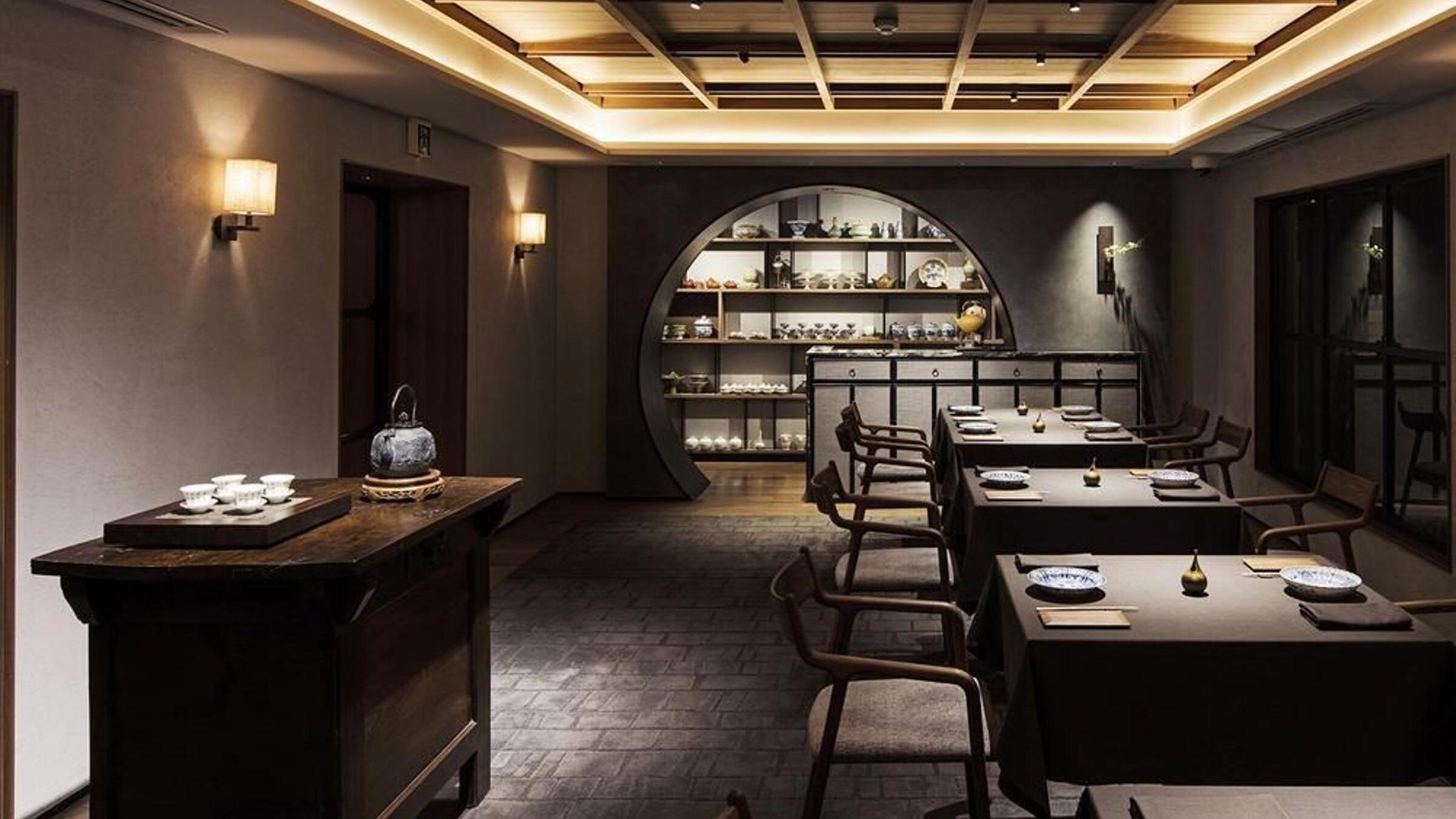
Small, counter-only space with a calm, refined Japanese atmosphere; clean and minimalist, focused on the charcoal grill, creating an intimate, quiet setting that feels like a low-profile address in a residential, upscale neighborhood.