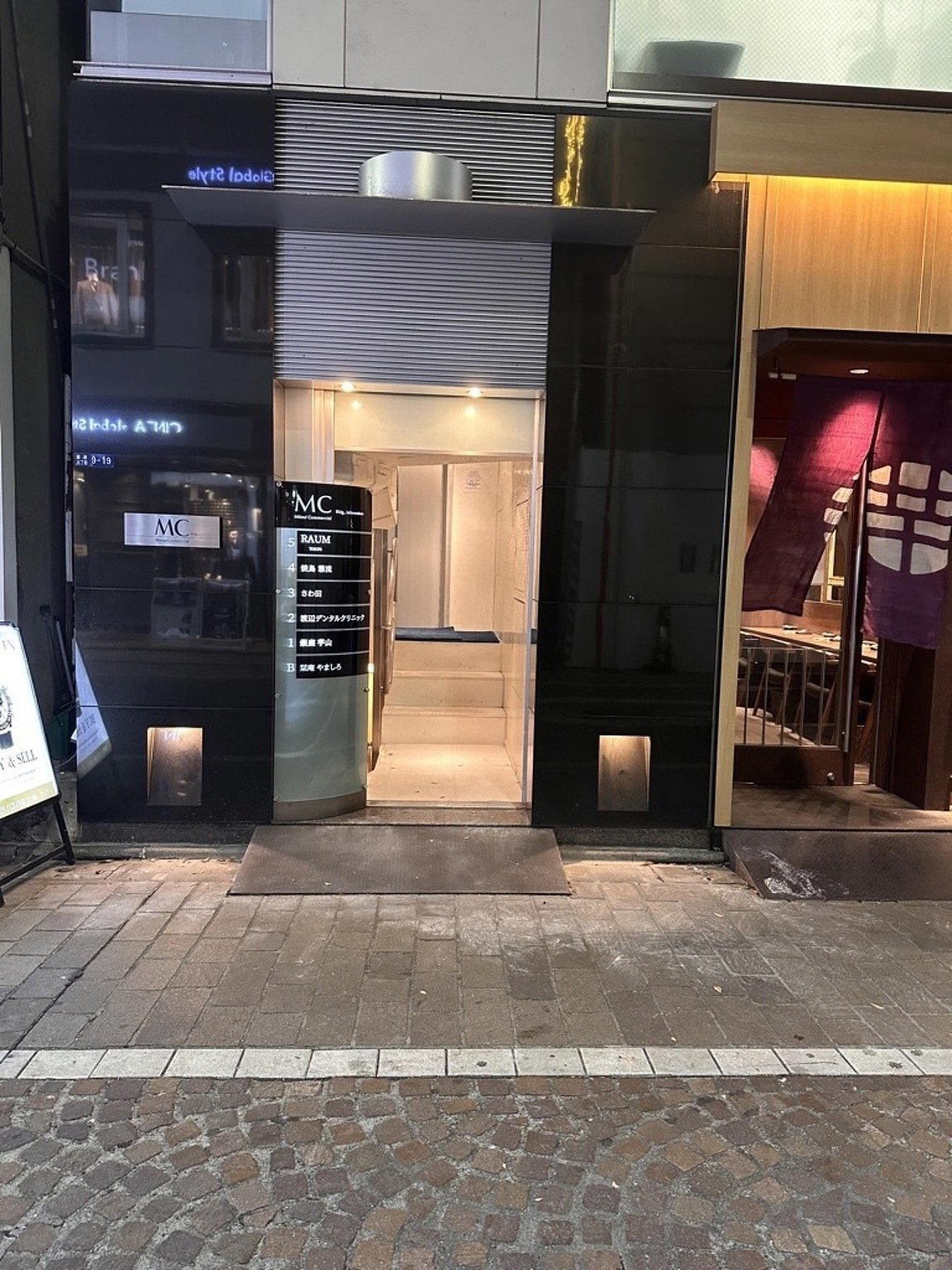
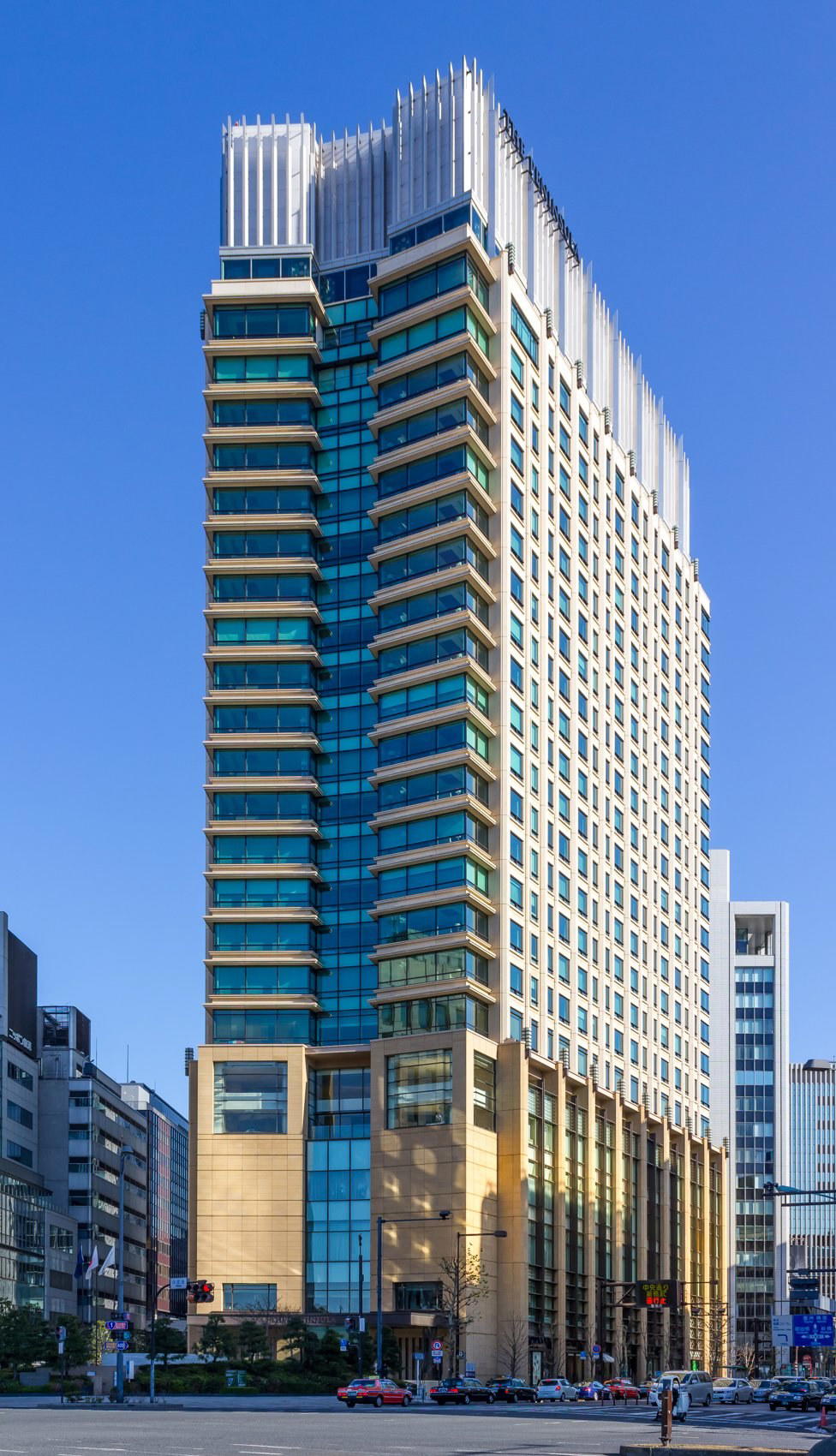
Unitora (うに虎) occupies a ground-floor space in the Kaneshin Suisan Building in Tsukiji, one of Tokyo's most concentrated nodes of seafood commerce. The restaurant's address alone signals its position inside the city's uni specialist circuit, where proximity to supply networks shapes what reaches the counter. Tsukiji's lunch and dinner rhythms define the experience here as much as the food itself.
Pearl is the En Primeur Club membership app — saves, bookings, and concierge access live there. Same editors, same standards.
- Address
- 築地4-10-14 (カネシン水産ビル 1F), 中央区, 東京都, 104-0045
- Directions
- Get directions
 Saves & bookings on Pearl
Tsukiji's Seafood Logic and Where Uni Specialists Fit
Tokyo's relationship with sea urchin has stratified considerably over the past decade. What was once a supporting player in omakase menus and kaiseki courses has become the anchor of a distinct restaurant category: venues where uni is not a garnish but the organizing principle of the entire menu. This shift mirrors what happened to wagyu-focused restaurants in the mid-2010s, when specialist operators discovered that single-ingredient devotion, done at the right address and with the right supply relationships, could command its own reservation queue and price tier.
Tsukiji is the natural geography for this evolution. The neighbourhood lost its famous wholesale market to Toyosu in 2018, but the outer market and the dense network of specialist suppliers, intermediaries, and fishmongers that grew up around the old site have remained. Streets like the block containing 築地4-10-14 still operate as working seafood infrastructure, which means a restaurant embedded here draws credibility from adjacency to supply, not just from its menu. For uni restaurants in particular, that proximity matters: sea urchin is highly perishable, grade-sensitive, and subject to daily variation in quality from multiple domestic and international sources. Being inside the distribution network, rather than buying through it at a distance, is a structural advantage.
Unitora (うに虎) sits in the Kaneshin Suisan Building on that block, a location that places it firmly inside the supplier ecosystem rather than in the tourist-adjacent outer market strip. The building name itself signals a water-products (水産) connection, which for a uni-focused operation is both practical and symbolic.
The Lunch and Dinner Divide in a Tsukiji Specialist
In Tokyo's seafood-focused restaurants, the gap between lunch and dinner service is rarely just about price. It reflects two different relationships with the same ingredient. Lunch in the Tsukiji area operates under the logic of the morning market: product is freshest in the first hours after delivery, the neighbourhood fills with trade buyers and local workers, and the format tends toward speed and accessibility. A uni specialist at this address would follow that rhythm — lunch formats in comparable Tsukiji operations typically prioritize rice bowls (uni don) or set meals that showcase the product directly, without the extended pacing of an evening course.
Evening service at this tier of specialist operates differently. The crowd shifts from trade-adjacent to destination diners who have made the trip specifically, the format allows for more deliberate progression through different uni varieties (Hokkaido bafun versus murasaki, domestic versus imported), and the value proposition changes. You are no longer paying for speed and freshness alone; you are paying for curation across a meal's arc. Tokyo's higher-end uni counters in the evening sometimes present four to six distinct uni preparations across a single sitting, using the format to demonstrate range across provenance and preparation style in a way that a lunch bowl cannot.
The editorial question for a venue like Unitora, given its Tsukiji address and the building's supplier identity, is where on that spectrum it sits. Tsukiji-area specialists that lean into the lunch trade often carry lower average spend and higher throughput; those that weight toward evening courses occupy a different competitive set, closer to the omakase-adjacent counters in Ginza or Nihonbashi. The address here suggests a venue that likely serves both modes, using proximity to supply for lunch quality and using the same supply relationship to justify evening course pricing.
Placing Unitora Inside Tokyo's Wider Dining Tier
To understand where a Tsukiji uni specialist sits relative to Tokyo's broader fine dining circuit, it helps to map the categories. The city's leading omakase sushi counters, including Harutaka in Ginza, operate in the ¥¥¥¥ tier with multi-month booking waits and Michelin recognition. French-influenced fine dining at addresses like L'Effervescence, Sézanne, and Crony anchors a separate prestige tier. Kaiseki at RyuGin represents a third category. Uni specialists occupy a different niche: they are not omakase counters in the traditional sense, and they are not kaiseki houses, but at the leading end they compete with both for the same discretionary dinner budget.
The Tsukiji address positions Unitora as a specialist with supply-side authority rather than a venue making claims through ambience or design pedigree. This is a meaningful distinction in a city where diners are sophisticated about ingredient sourcing. A counter in Ginza impresses through setting and service formality; a counter in Tsukiji impresses through product. Both are legitimate claims, but they attract slightly different diners and different expectations at the table.
Across Japan more broadly, comparable specialist approaches appear at venues like HAJIME in Osaka and Gion Sasaki in Kyoto, where the organizing logic of the menu is conceptual depth rather than single-ingredient focus, but the underlying principle of specialist authority through sourcing discipline is shared. Regional specialists elsewhere in Japan, from akordu in Nara to Goh in Fukuoka, demonstrate how ingredient-led identity can anchor a restaurant in its geography. For Unitora, Tsukiji is that geography, and uni is that identity.
For readers building a Japan itinerary that extends beyond Tokyo, the EP Club also covers a range of specialist operations across the country, including 一本杉 川島 in Nanao, 北海道山の in Sapporo, 湖畔荘 in Takashima, 庄内屋 in Nishikawa Machi, Birdland in Sakai, and Bistro Ange in Toyohashi. Internationally, the single-ingredient specialist format finds parallels at seafood-focused operations like Le Bernardin in New York City, while Korean fine dining at Atomix demonstrates a different kind of ingredient-driven precision in the same city. Our full Tokyo restaurants guide maps the broader dining picture across price tiers and neighbourhoods.
Planning a Visit
Unitora's address at 築地4-10-14, in the Kaneshin Suisan Building on the first floor, places it within walking distance of Tsukiji Station on the Hibiya Line. The neighbourhood is navigable on foot from Ginza, approximately 10 to 15 minutes depending on starting point. Given the venue's position inside a supplier building rather than on the main outer market strip, first-time visitors should confirm the address carefully. Booking practices and hours for Tsukiji specialists vary considerably: some operate lunch-only with early closing times that follow the market's own rhythms, while others extend into evening service. Direct confirmation ahead of any visit is advisable, as the venue's specific hours, booking method, and current format are not available in public records at time of writing.
What It’s Closest To
| Venue | Cuisine | Price | Awards |
|---|---|---|---|
| Unitora (うに虎)This venue — the venue you are viewing | This venue | Not listed | Not listed |
| Harutaka | Sushi | ¥¥¥¥ | Michelin 3 Star |
| L'Effervescence | French | ¥¥¥¥ | Michelin 3 Star |
| RyuGin | Kaiseki, Japanese | ¥¥¥¥ | Michelin 3 Star |
| Crony | Innovative, French | ¥¥¥¥ | Michelin 2 Star |
| Florilège | French | ¥¥¥ | Michelin 2 Star |





At a Glance
- Cozy
- Modern
- Intimate
- Solo
- Casual Hangout
- Special Occasion
- Standalone
- Chefs Counter
- Sake Program
- Local Sourcing
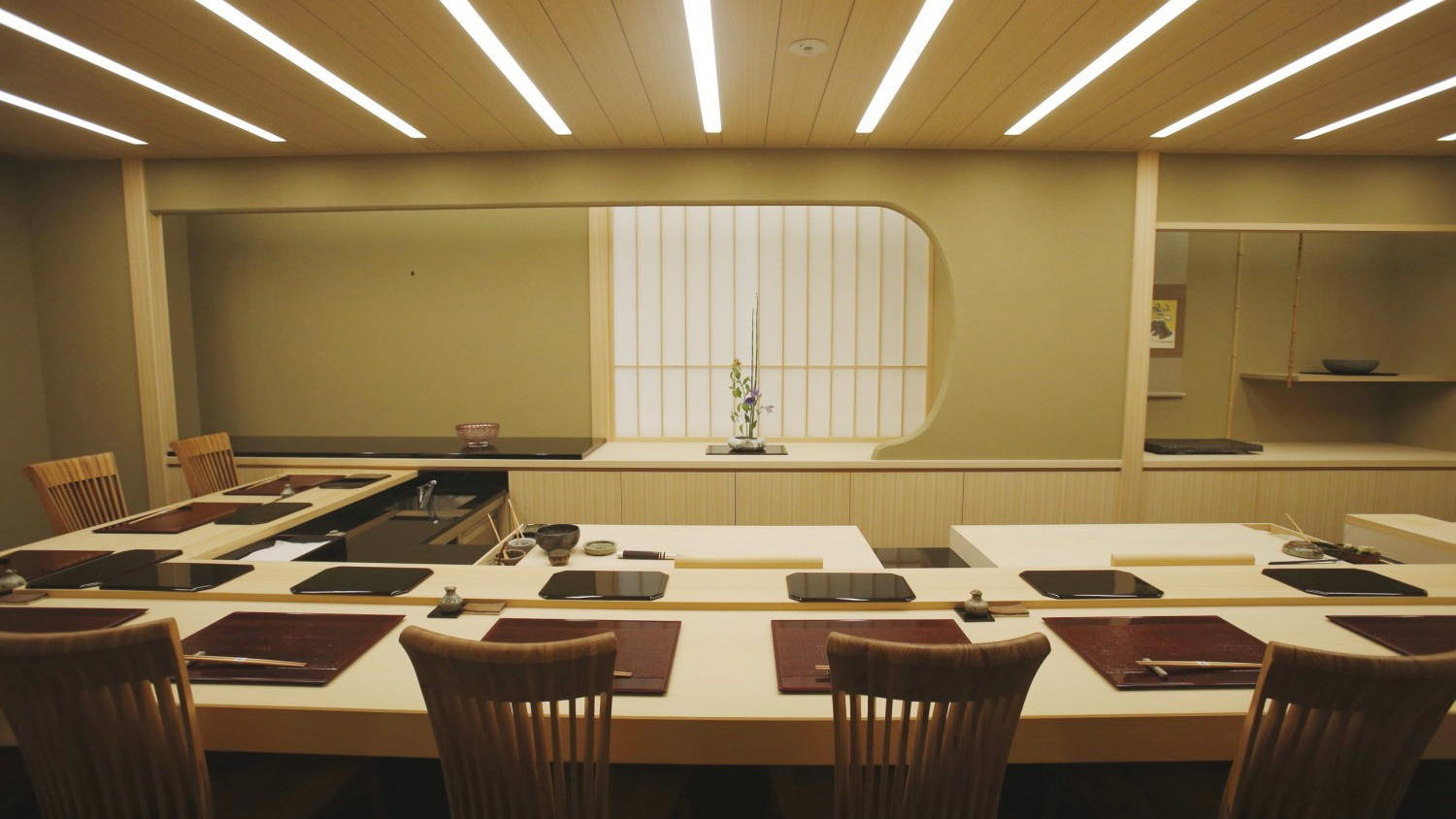
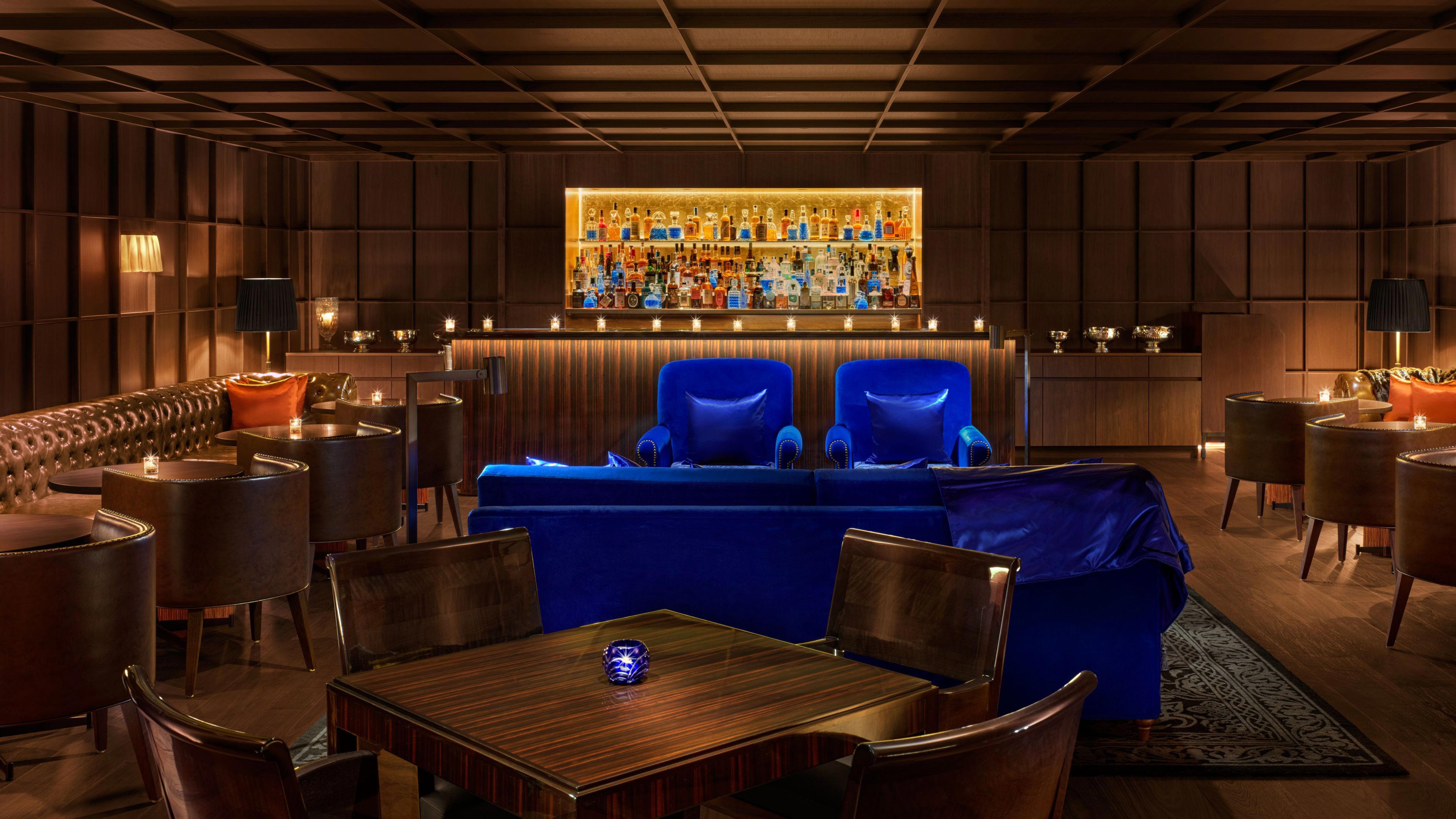
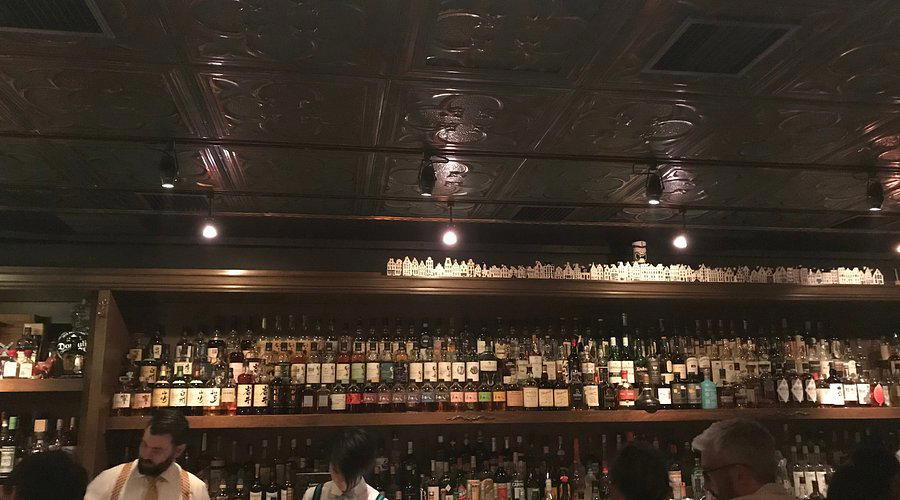
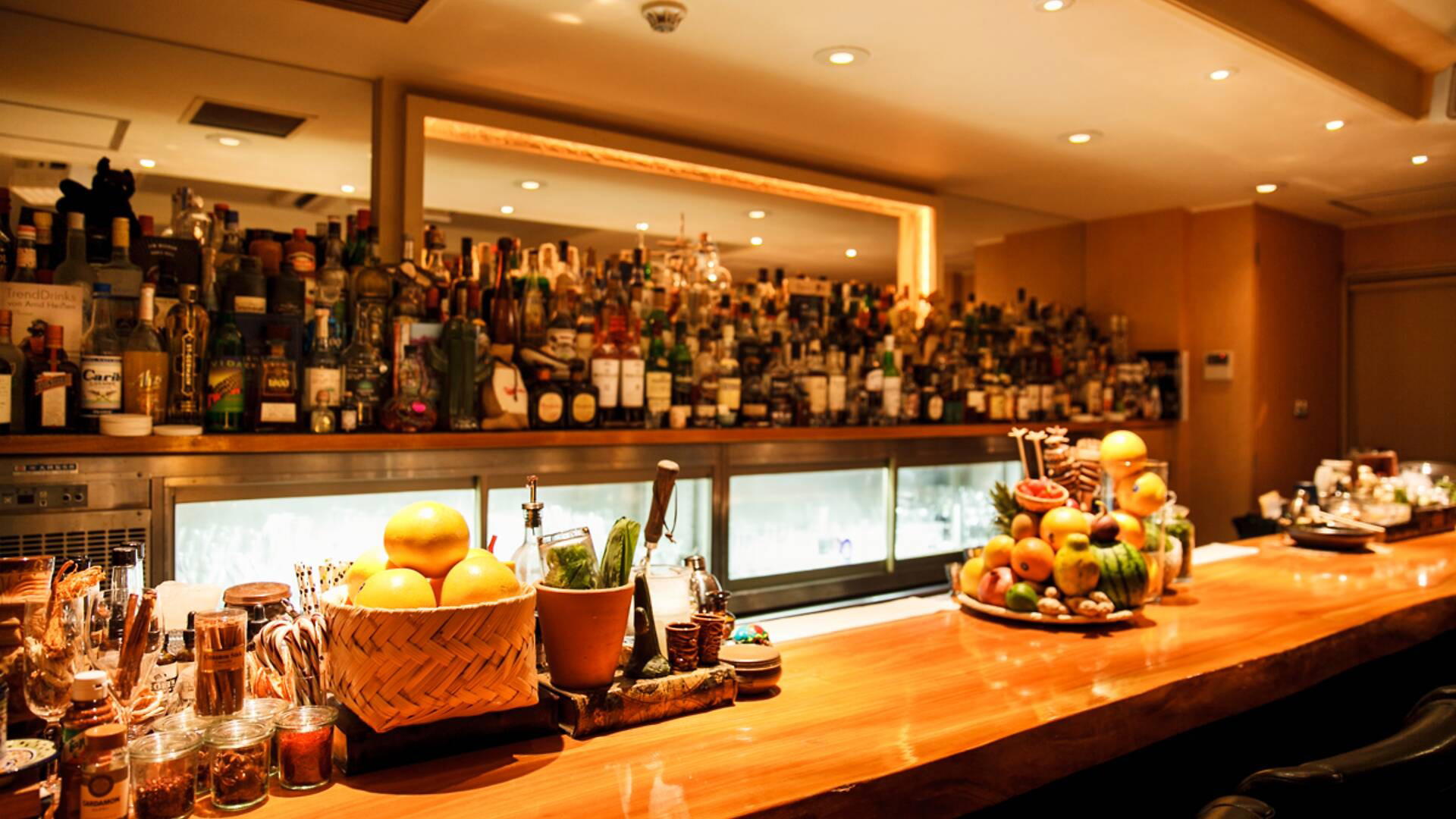
Compact and counter-oriented with a focused, conversational atmosphere centered on seafood-market energy.
Know Before You Go
- Getting there
- 築地4-10-14 (カネシン水産ビル 1F), 中央区, 東京都, 104-0045