Tabelog 100 #56
Our verdict
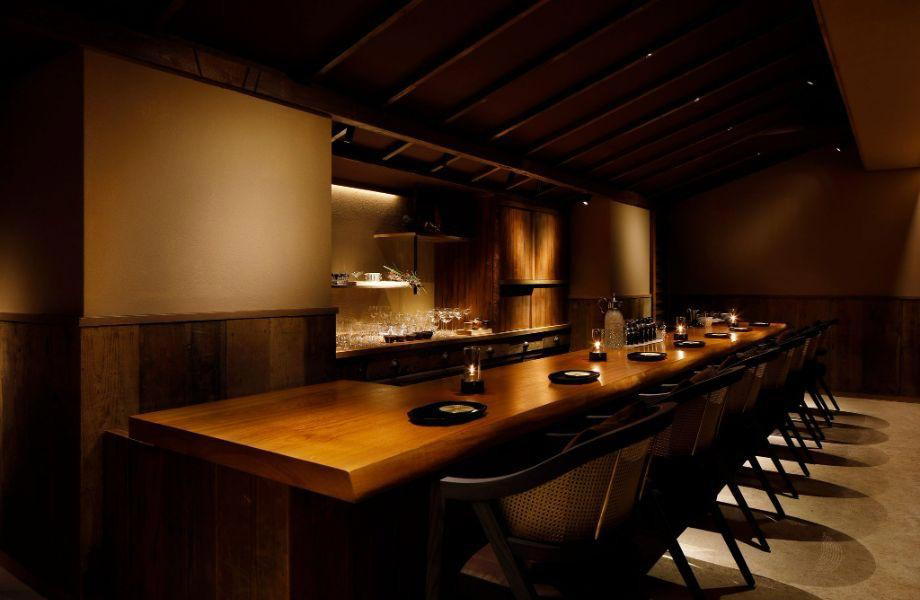
Situated in Nagatachō, one of Tokyo's most politically consequential districts, Yama no Chaya occupies a position where the city's formal dining traditions converge with occasions that demand more than a good meal. For milestone celebrations and special-occasion dining in central Tokyo, it belongs in the same conversation as the capital's most considered restaurant experiences.

Pearl is the En Primeur Club membership app, where members save venues, book tables and use the concierge.
Nagatachō and the Weight of Occasion Dining
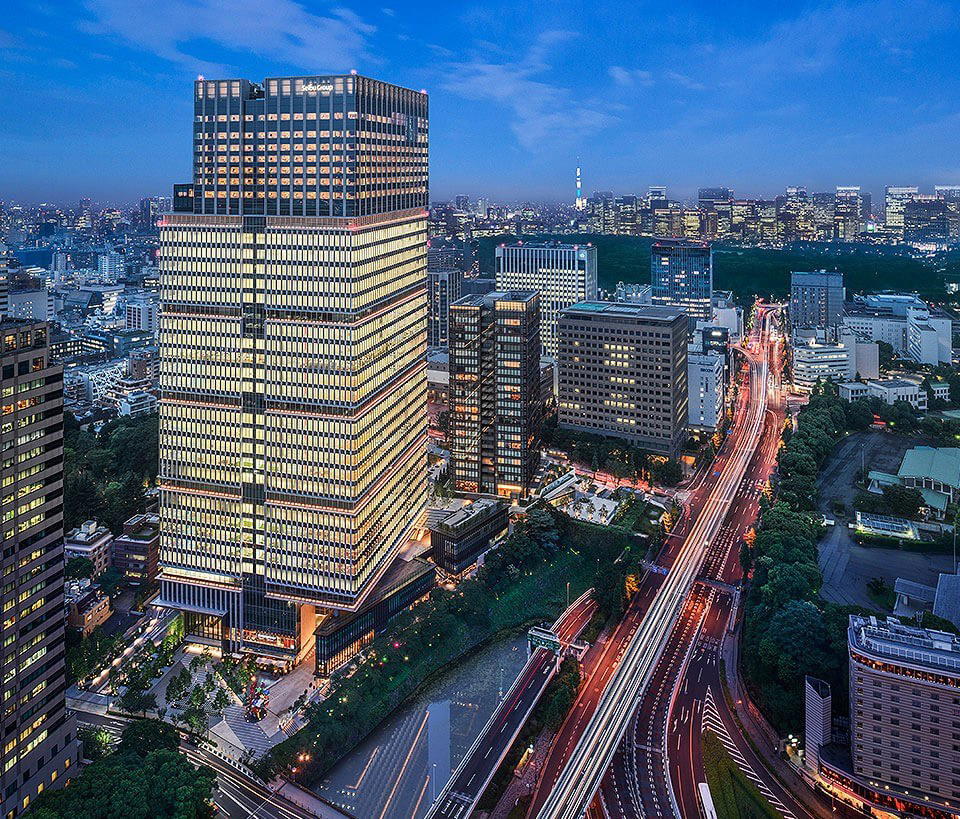
Tokyo's premium dining scene has long understood that certain meals carry more freight than others. A birthday at a kaiseki counter, a retirement dinner at a sushi omakase, a negotiation concluded over lacquerware and dashi, the city has built an entire tier of restaurants around the idea that setting and ceremony are as load-bearing as the food itself. Nagatachō, the district where Japan's parliament and most of its political power are concentrated, has historically attracted a particular subset of that tier: places where the formality of the room matches the gravity of the occasion. Yama no Chaya, at 2 Chome-10-6 Nagatachō in Chiyoda City, sits in that context.
Chiyoda is not a neighbourhood you drift into. It requires intent, and that intentionality shapes the dining culture that has taken root here. Restaurants in this part of central Tokyo are not competing for casual footfall. They are competing for the kind of visit that gets planned weeks in advance, where the reservation itself signals something to a guest. That structural reality places Yama no Chaya in a different competitive conversation than, say, the omakase counters of Ginza or the bistronomy wave moving through Shibuya and Shinjuku.
Where Yama no Chaya Sits in Tokyo's Occasion Tier
Tokyo operates with a relatively clear premium stratification. At the top of the formal Japanese dining spectrum sit multi-Michelin-starred kaiseki houses like RyuGin, where the tasting format, the room, and the sourcing all signal serious institutional intent. At the other end, technically accomplished but more approachable in register, sit counters that prize ingredient transparency over ceremony. The occasion-dining tier, where Yama no Chaya's address and setting position it, tends to prize discretion, spatial generosity, and a pace that accommodates conversation rather than suppressing it in favour of theatrical presentation.
For comparison, Harutaka in Ginza operates at the ¥¥¥¥ level with an omakase format built around sushi precision and counter intimacy, a different kind of occasion meal, one where the diner watches the craft. L'Effervescence and Sézanne represent the French fine-dining axis of Tokyo's occasion scene, with Sézanne in particular drawing international recognition for its ability to handle high-stakes dining at a level that competes with Paris. Crony represents the newer, innovative-French wave that has entered the occasion tier through technique rather than tradition. Yama no Chaya's Nagatachō positioning places it adjacent to all of these in price and purpose, though its immediate neighbourhood context gives it a more specifically Japanese political and ceremonial gravity.
The Logic of the Nagatachō Address
Addresses carry meaning in Tokyo in ways that are difficult to overstate. The choice to locate in Nagatachō rather than Ginza, Roppongi, or Minami-Aoyama is itself a positioning decision. Ginza communicates luxury retail adjacency and tourist visibility. Roppongi signals international openness and late-night energy. Nagatachō communicates something older and more institutional: this is where consequential things happen, and the dining around it reflects that register.
The broader Chiyoda district connects to a set of restaurants that have historically served a clientele with specific expectations around privacy, formality, and precision. A meal here is rarely spontaneous. It is, in most cases, an occasion in itself, which means the room, the service cadence, and the overall atmosphere are expected to carry as much of the evening as the menu does. That expectation shapes every element of how restaurants in this district present themselves and, by extension, how a guest should approach booking one.
Japan's Occasion-Dining Tradition in Context
The concept of a meal as ceremony has deep roots in Japanese culture, running from the tea ceremony's ritualized precision through the seasonal kaiseki format that mirrors nature's calendar in every course. What distinguishes Tokyo's modern occasion-dining tier is how that tradition has adapted to contemporary expectations: private rooms remain sought after, seasonal ingredients remain the reference point for quality, and the pacing of a meal is understood to be a gift of time, not an imposition on it.
This tradition plays out across Japan's major cities. Gion Sasaki in Kyoto operates within the full weight of that city's kaiseki heritage, where occasion dining is practically the default mode. HAJIME in Osaka brings a more conceptual approach to high-stakes dining in a city more often associated with democratic eating culture. Goh in Fukuoka and akordu in Nara each demonstrate how occasion dining has dispersed beyond the traditional metropolitan centres into cities with their own distinct culinary identities. In that national picture, Tokyo's Nagatachō represents the formal, politically charged end of the spectrum, a specific kind of occasion dining that other Japanese cities do not quite replicate.
Beyond Japan, the same occasion-dining logic drives the top tier in other major cities. Le Bernardin in New York City has long operated as the reference point for milestone meals in that city's French fine-dining register, while Atomix represents how Korean fine dining has built a credible occasion-dining tier in New York with its own ceremony and seasonal structure. The common thread across all these venues is that the meal is understood by both the kitchen and the guest to be marking something, a decision, a relationship, a year, a life event.
Planning a Visit: Practical Notes
Yama no Chaya is located at 2 Chome-10-6 Nagatachō, Chiyoda City, Tokyo 100-0014, a short walk from Nagatachō Station, which is served by the Namboku, Yurakucho, Hanzomon, and Ginza lines, making it accessible from most central Tokyo hotel districts without a taxi. For the broader range of what Tokyo's premium dining tier offers, the EP Club Tokyo restaurants guide covers the full competitive set across price points and cuisine types. Visitors planning occasion meals in Tokyo should also consider regional comparisons: a standout in Nanao, a notable address in Sapporo, a considered option in Takashima, and a destination restaurant in Nishikawa Machi all illustrate how Japan's occasion-dining culture extends well beyond the capital. For those whose Japan itinerary includes more casual segments, Birdland in Sakai and Bistro Ange in Toyohashi represent the kind of regional precision that makes eating across Japan consistently worthwhile.
Frequently asked questions
Is Yama no Chaya good for families?
Yama no Chaya sits in Nagatachō, Chiyoda City, an address that signals formal occasion dining rather than casual family outings. The setting and context align most naturally with adult celebrations, business dinners, anniversaries, milestone events. Families with older children accustomed to formal Japanese dining may find it appropriate, but it is not oriented toward younger guests or informal group meals.
How would you describe the vibe at Yama no Chaya?
The address in Nagatachō, Tokyo's political and administrative centre, sets the register before you arrive. This is a district where meals carry institutional weight, frequented by those conducting business at the highest levels of Japanese commerce and government. The atmosphere at Yama no Chaya follows that logic: composed, deliberate, and built around the rhythms of occasion rather than spontaneity.
What kind of dining occasion is Yama no Chaya best suited for in Tokyo?
Yama no Chaya is positioned within Nagatachō's occasion-dining tier, an address in Chiyoda City that Tokyo's professional class has long associated with meals carrying ceremony and consequence, retirements, corporate milestones, formal celebrations. Japan's kaiseki and high-end washoku traditions treat such meals as structured events with their own protocols, and Nagatachō venues operate squarely within that framework. Visitors planning a significant event in Tokyo who want a setting with institutional seriousness rather than scene-driven energy will find the address and context consistent with that intent.
What's the best thing to order at Yama no Chaya?
Contacting the venue directly before visiting is the most reliable way to understand current offerings and any advance ordering requirements.
A Tight Comparison
Comparable venues nearby, for context on price, style, and recognition.
| Venue | Cuisine | Price | Awards | Notes |
|---|---|---|---|---|
| Yama no ChayaThis venue (the venue you are viewing) | Traditional Japanese Unagi Kaiseki | Not listed | Tabelog 100 #56 | Not listed |
| Iruka Tokyo Roppongi | Modern Ramen | $20–30 | Michelin Bib Gourmand · Tabelog 100 #94 | Roppongi, Modern Ramen |
| 紀尾井町 三谷 | Traditional Japanese Kaiseki | $50–100 | Tabelog 100 #65 | Chiyoda, Traditional Japanese Kaiseki |
| Izumi | Japanese Sushi | $50–100 | Not listed | Minato, Premium Sushi |
| EUREKA! | Modern sake-focused izakaya | $50–100 | Tabelog 100 #67 | Minato, Modern sake-focused izakaya |
| Torisho Ishii Hina | Modern Yakitori Omakase | $150–200 | Not listed | Minato, Modern Yakitori Omakase |
Recognition history
Dated appearances from independent guides and award organizations, with the underlying list record or original source where available.
Opinionated About Dining Top Restaurants in Japan Recommended
Opinionated About Dining
Tabelog 100 #56 · No. 56
Tabelog · Tabelog 100 - Unagi - 2024