TP dining & cafe tino
Our verdict
TP dining & cafe tino occupies a quiet address in Miyahamaonsen, the spa-town strip that serves as the gateway to Miyajima island in Hatsukaichi, Hiroshima Prefecture. The café-dining format places it in a local tier distinct from the island's tourist-facing seafood counters, positioning it as a neighbourhood option for visitors extending their stay beyond the shrine approach.

Pearl is the En Primeur Club membership app — saves, bookings, and concierge access live there. Same editors, same standards.
- Address
- 2 Chome-8176-4 Miyahamaonsen, Hatsukaichi, Hiroshima 739-0454, Japan
- Phone
- +81829205005
- Hours
- Mon 11 AM–10 PMTue ClosedWed–Sun 11 AM–10 PM
- Website
- hitosara.com
- Directions
- Get directions
- Booking
- Book on the venue's website
Miyahamaonsen and the Case for Slowing Down
The coastal strip of Miyahamaonsen sits at an odd and productive intersection: close enough to Miyajima that day-trippers pass through on their way to the ferry, yet calm enough that most of them don't stop. The onsen town operates at a different rhythm from the island across the water, where shrine-approach crowds thin out only after the last boats leave. Here, on the Hiroshima-side shore, a handful of cafés and small restaurants serve a quieter clientele: guests at the traditional inns, locals from the wider Hatsukaichi municipality, and travellers who have decided that the pilgrimage to Itsukushima Shrine is worth more than a two-hour turnaround.
TP dining & cafe tino sits within that local register, at an address in the 2-chome block of Miyahamaonsen. The format signals something between a café and a proper dining room, a hybrid category that has grown across smaller Japanese resort towns as operators balance the economics of daytime café trade against the possibility of evening sittings. That positioning puts it in a different competitive tier from the island-adjacent kaiseki houses and the sushi counters that draw specifically from the Hiroshima seafood supply chain.
How the Meal Moves Here
The dining ritual at a Japanese café-dining hybrid tends to follow a more relaxed architecture than its kaiseki or omakase counterparts. Where counters like Miyajima Sushi Tensen build their pacing around the chef's sequence, and where established ryokan restaurants such as Sekitei move through a structured kaiseki progression, the café-dining format invites a different kind of presence at the table. Courses arrive without the same ceremonial weight. The tempo is visitor-directed rather than kitchen-directed. That informality is not a compromise; it is, for a certain kind of meal, the point.
Across Japan's smaller resort towns, this format has developed a distinct sensibility. Lunch tends to anchor the operation, often built around a set plate that gestures toward local ingredients without committing to the full seasonal-rotation discipline of fine dining. The café half of the name matters: the space typically functions through mid-afternoon, when the ferry crowds return from Miyajima and the onsen guests settle into the particular mid-day quietude that makes coastal Hiroshima feel removed from the prefecture's urban pulse. For a parallel at the sharper end of the regional dining register, Douze Miyajima operates with more formal structure in the same Hatsukaichi area.
The Hiroshima Coastal Table in Context
Hiroshima Prefecture's food identity divides roughly into three threads: the Hiroshima-style okonomiyaki tradition, the seafood supply from the Seto Inland Sea (oysters above all, but also sea bream, conger eel, and clams), and the quieter category of local café and bistro cooking that draws on both without being defined by either. The inland sea supply chain is the same one that feeds larger operations further down the quality tier. アカイ represents another Hatsukaichi entry point into that local dining circuit.
Cafés operating in onsen-adjacent locations along the Hiroshima coast have historically served as connective tissue between the island-tourism economy and the permanent residential base of cities like Hatsukaichi. The better ones develop a local regulars market that partially insulates them from the seasonal swings that affect purely tourist-dependent restaurants.
For reference on what a destination-level dining experience looks like elsewhere in the Chugoku and broader Kansai region, HAJIME in Osaka and Gion Sasaki in Kyoto define the upper end of the regional fine-dining register. The café-dining format in a town like Miyahamaonsen operates in a deliberately different register, one where the goal is integration with daily life rather than destination-dining architecture. Further afield, akordu in Nara demonstrates how smaller Japanese cities can support serious kitchen programs without the density of Tokyo or Osaka's dining ecosystems.
Planning a Visit to Miyahamaonsen
Miyahamaonsen is accessible from Hiroshima city via the JR Sanyo Line to Miyajimaguchi Station, a journey of roughly 30 minutes, with the ferry terminal for Miyajima immediately adjacent. The onsen strip itself extends along the waterfront, walkable from the station. For visitors building a longer stay around the Miyajima experience, the sequence of a morning crossing to the island followed by an afternoon return to the Miyahamaonsen shore gives the schedule a natural structure, with the mid-afternoon café hour fitting cleanly into that rhythm.
EP Club does not currently hold verified data on TP dining & cafe tino's hours, pricing, booking method, or contact details. Prospective visitors should confirm current operating information directly before planning around a specific sitting. For a broader view of where this venue fits within the local dining options, see our full Hatsukaichi restaurants guide.
Other Japanese destinations where the café-dining format has developed notable depth include Goh in Fukuoka and, in quite different register, operations like Harutaka in Tokyo, which illustrates how Tokyo's premium counter culture diverges from the more relaxed formats that smaller coastal towns support. Across Japan's regional cities and resort towns, the gap between counter-format precision and café-dining informality is one of the more interesting structural features of the country's dining geography. Venues like 一本木 名月制 in Nanao, 夕仙山乃 in Sapporo, 湖畔庵墨 in Takashima, and 奥羽屋 in Nishikawa Machi each navigate that same gap in their respective regional contexts. For a comparative international reference point, Le Bernardin in New York City and Atomix in New York City show how that informality-versus-structure tension plays out at the other end of the global dining spectrum, while Birdland in Sakai and Bistro Ange in Toyohashi offer closer regional analogues for the bistro-café hybrid model.
Frequently asked questions
How do I find TP dining & cafe tino?
TP dining & cafe tino is located at 2 Chome-8176-4 Miyahamaonsen, Hatsukaichi, Hiroshima 739-0454, Japan, Hatsukaichi.
What is the signature dish at TP dining & cafe tino?
EP Club does not hold verified dish-level data for TP dining & cafe tino at this time. The venue's café-dining format in Miyahamaonsen, Hatsukaichi places it within a coastal Hiroshima food tradition shaped by Seto Inland Sea seafood and local produce, which typically informs menus at this type of establishment. Visiting directly will give you the clearest picture of what the kitchen is currently running.
What's the best way to book TP dining & cafe tino?
Reservations are recommended for TP dining & cafe tino in Hatsukaichi. Confirm current policy via the venue's official channels.
What is the best way to book TP dining & cafe tino?
Phone and website details for TP dining & cafe tino are not currently held in EP Club's verified records. For venues at this address in Miyahamaonsen, Hatsukaichi, direct walk-in or contact through local tourism channels around Miyajimaguchi are the most practical options. Hiroshima Prefecture's regional dining directories and Google Maps listings are also worth checking for the most current contact information.
Where It Fits
Comparable venues nearby, for context on price, style, and recognition.
| Venue | Cuisine | Price | Awards | Notes |
|---|---|---|---|---|
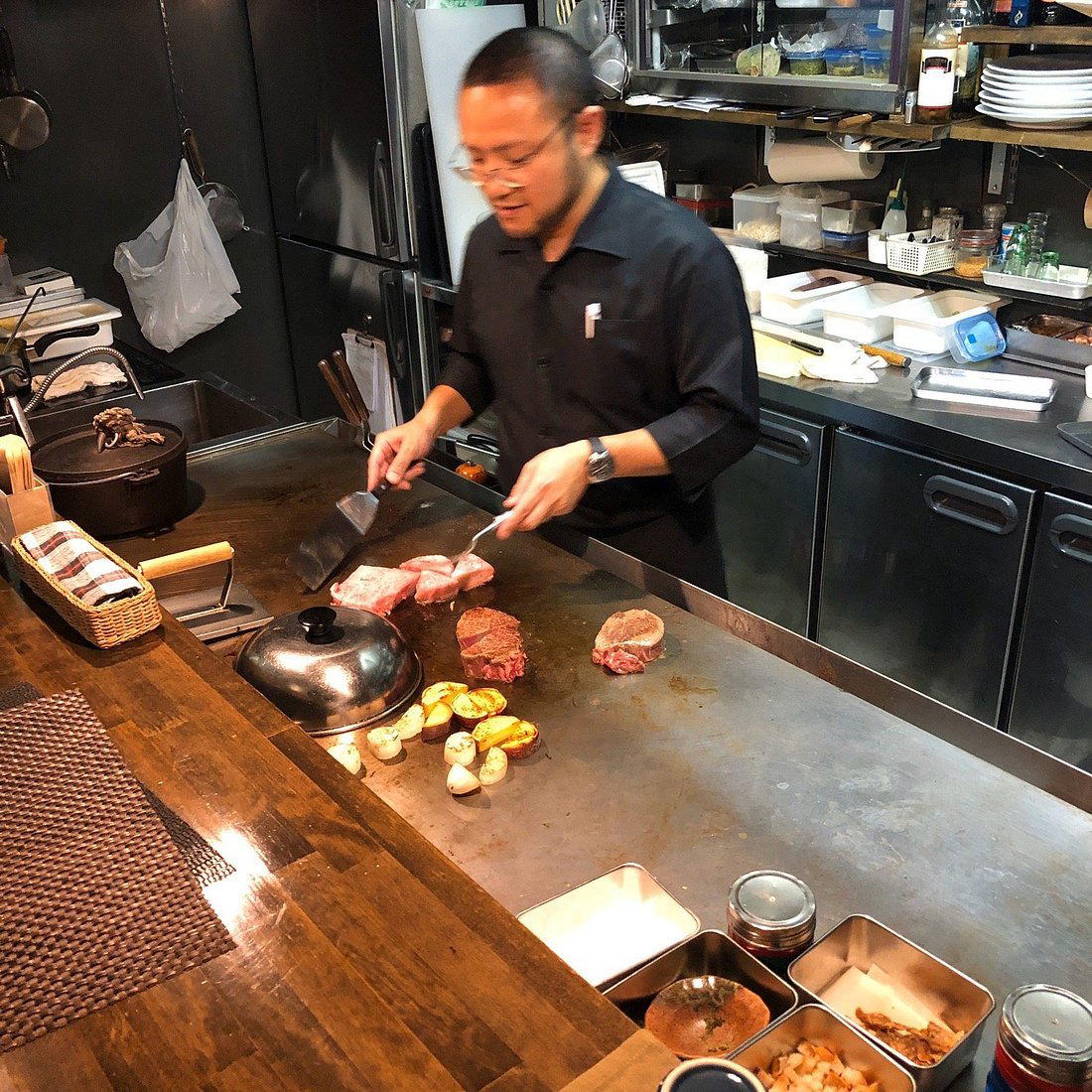
| TP dining & cafe tinoThis venue — the venue you are viewing | Japanese-Italian Teppanyaki Fusion | $30–50 | Not listed | Not listed |
| Sekitei | Kaiseki Ryokan Dining | Not listed | Not listed | Miyahama Onsen |
| Momiji Do Niban Ya | Traditional Japanese wagashi & fried momiji manju | $1–10 | Tabelog 100 #17 | Miyajima Omotesando shopping street |
| Momiji Do Honten | Traditional Japanese sweets (momiji manju) | $1–10 | Tabelog 100 #94 | Miyajima-cho |
| CHILAN | Modern Vietnamese | Not listed | Star Wine List · Tabelog 100 #40 | Ajina |
| Ueno (うえの) | Traditional Japanese Anagomeshi | $20–30 | Not listed | Miyajimaguchi |
Continue exploring
More in Hatsukaichi
Restaurants in Hatsukaichi
Browse all →
Bars in Hatsukaichi
Browse all →
Details
- Cozy
- Intimate
- Date Night
- Special Occasion
- Open Kitchen
- Waterfront
- Waterfront
- A La Carte
- Counter Dining
- Wine
- Cocktails
Current opening hours
- Monday
- 11 AM–10 PM
- Tuesday
- Closed
- Wednesday
- 11 AM–10 PM
- Thursday
- 11 AM–10 PM
- Friday
- 11 AM–10 PM
- Saturday
- 11 AM–10 PM
- Sunday
- 11 AM–10 PM
Hours can change for holidays and private events. Last verified .
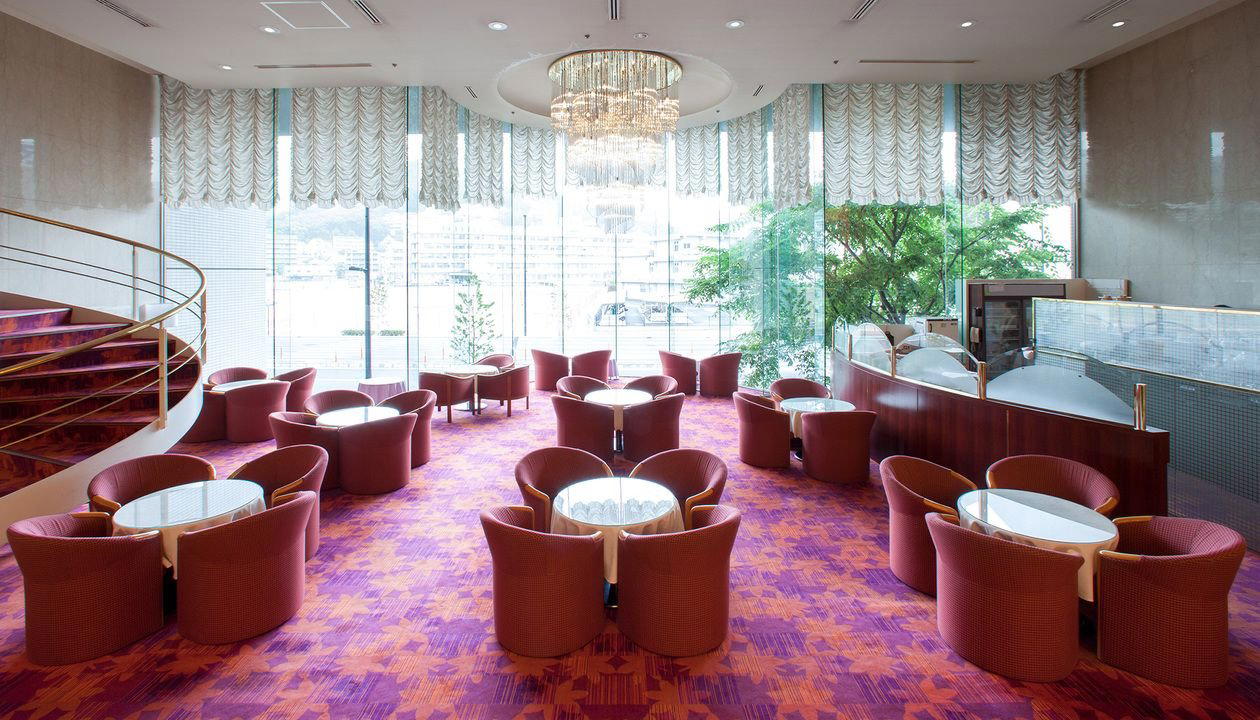
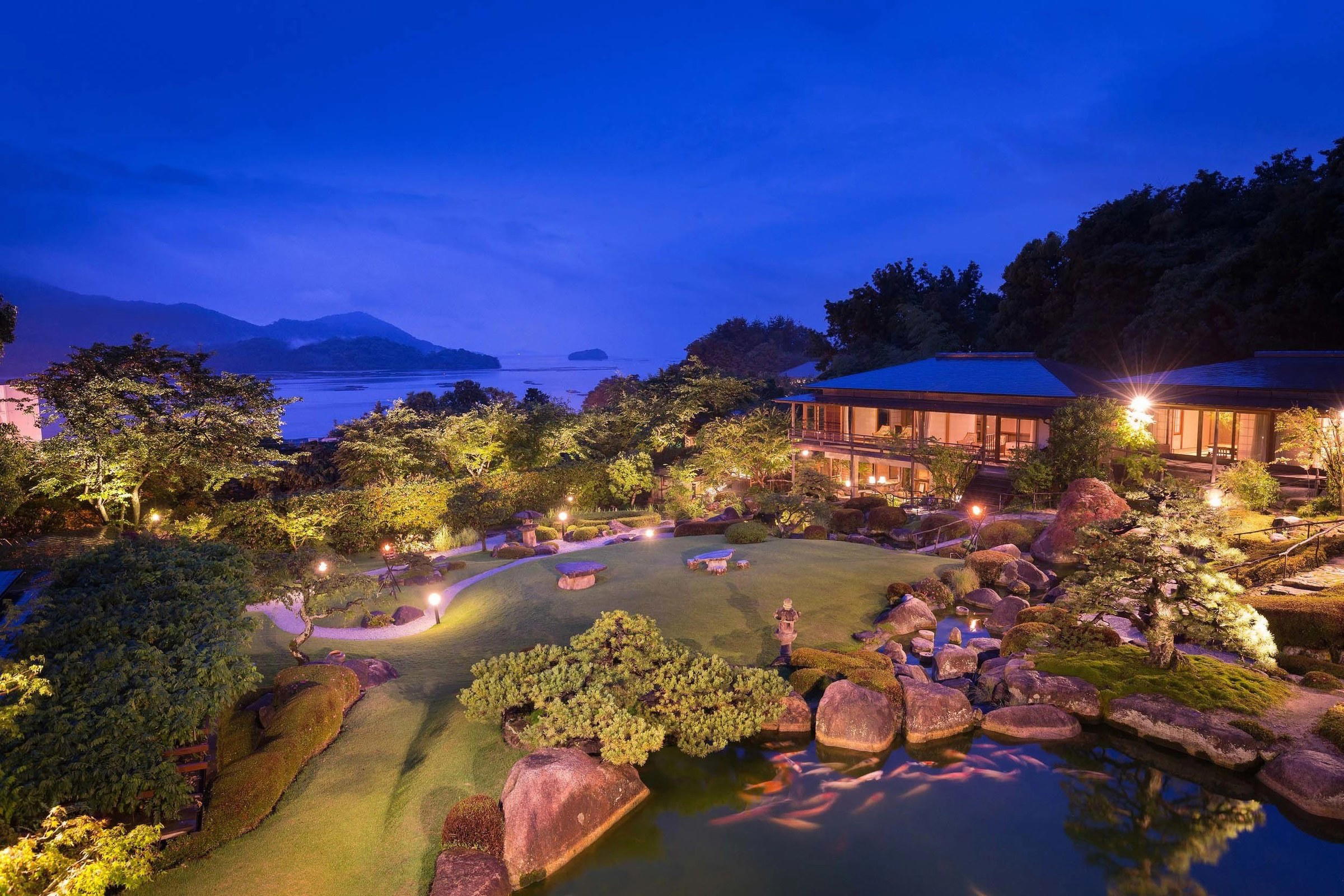
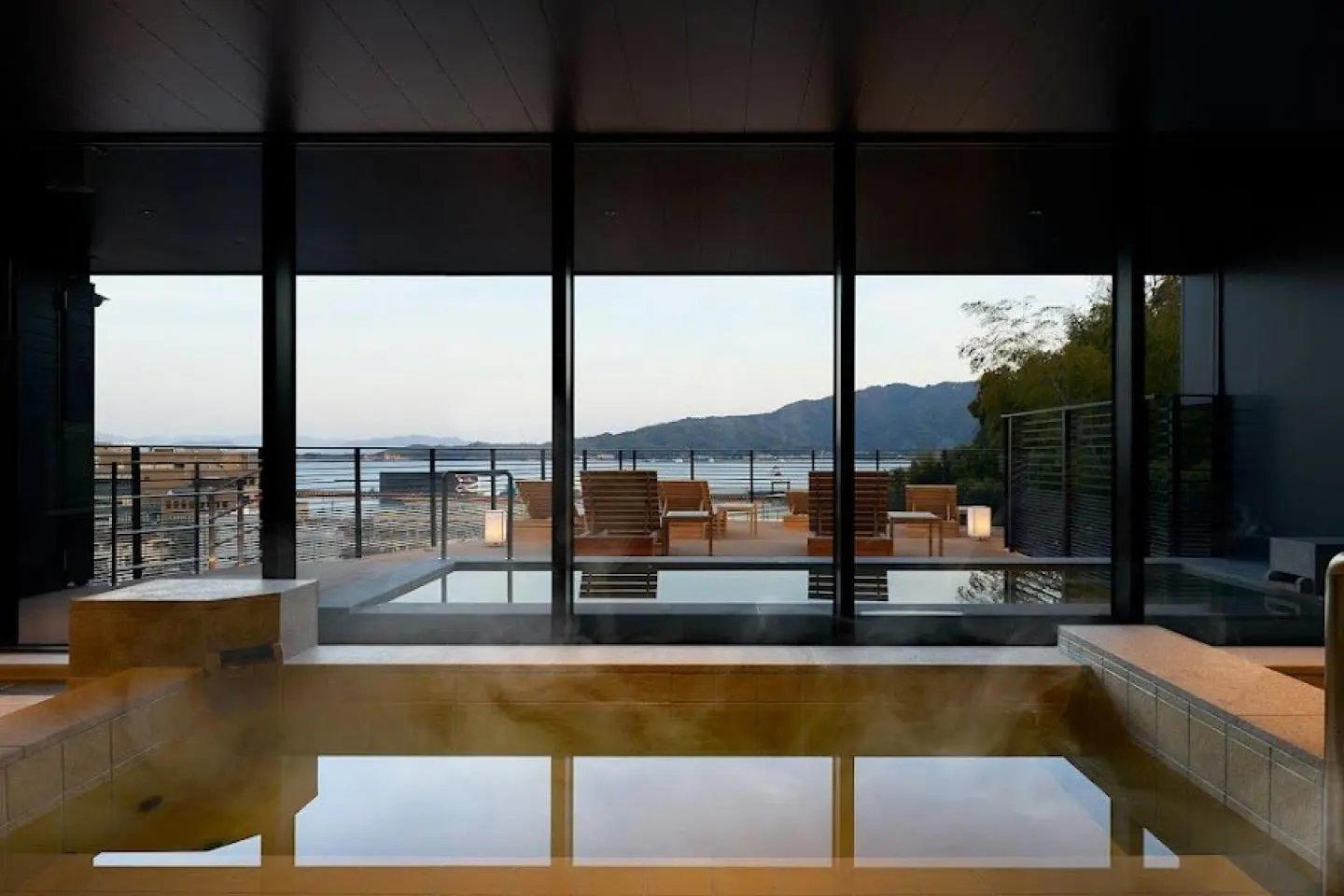
Warm and cozy space with large windows overlooking the majestic ocean.