Sekitei
Located in Miyahamaonsen, the resort strip fringing Hatsukaichi on Hiroshima Bay, Sekitei sits within one of western Japan's most culturally loaded dining corridors, the approach to Miyajima island. With sparse public data available, independent verification is advised before visiting, but its address places it firmly in a neighbourhood where kaiseki tradition and seafood provenance carry serious weight.
Pearl is the En Primeur Club membership app — saves, bookings, and concierge access live there. Same editors, same standards.
- Address
- 3 Chome-5-27 Miyahamaonsen, Hatsukaichi, Hiroshima 739-0454, Japan
- Phone
- +81829550601
- Website
- sekitei.to
- Directions
- Get directions
 Saves & bookings on Pearl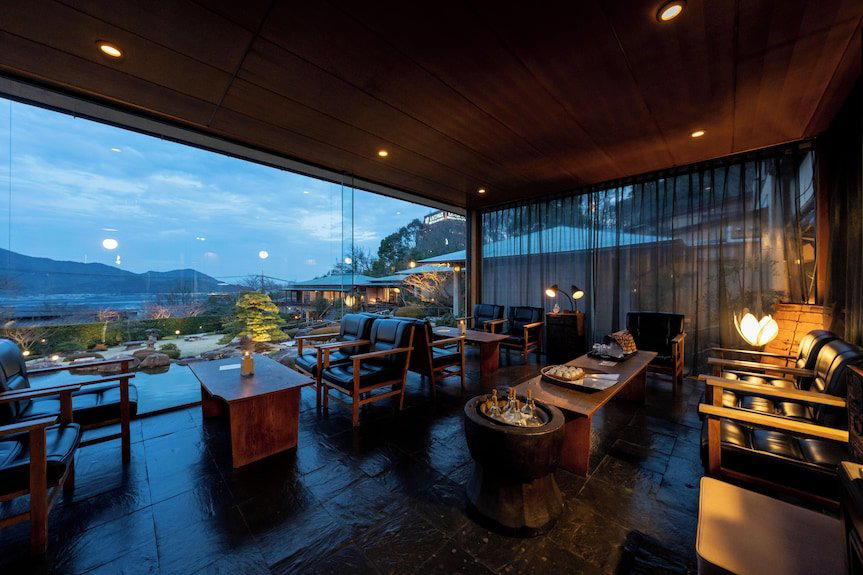
Dining at the Edge of Miyajima: What the Setting Tells You
Sekitei is a restaurant in Hatsukaichi, Hiroshima, serving Kaiseki Ryokan Dining at a price tier of 4. The address alone orients you. Miyahamaonsen is the compressed coastal strip between Hiroshima city and the ferry terminal for Miyajima, one of Japan's most visited sacred sites, and restaurants along this corridor occupy an unusual position in the country's dining hierarchy. They serve a pilgrim economy (day-trippers moving toward the island's torii gate) while also anchoring the slower, more deliberate trade of travellers who stay in the onsen ryokan that give the neighbourhood its name. Sekitei, at 3 Chome-5-27 Miyahamaonsen, sits inside that layered local dynamic.
That geographic framing matters more than it might initially seem. Western Hiroshima prefecture has a credible culinary argument to make: the bay produces oysters that supply much of Japan's domestic market, the Seto Inland Sea delivers notable white fish year-round, and the proximity to Kyoto-influenced Chugoku cuisine traditions means that disciplined, ingredient-led cooking has deep regional roots here. Restaurants in this corridor, when they operate at a serious level, are not working against the grain of Japan's established fine-dining cities, they are drawing on a genuinely distinct larder. That's the context in which Sekitei should be read, and it's a context worth understanding before any booking decision.
Miyahamaonsen and the Onsen-Dining Tradition
In Japan, the pairing of onsen accommodation with formal dining is not incidental. Ryokan at the premium end of the market typically include dinner as part of the stay, structured around kaiseki principles: seasonal courses, local provenance, an aesthetic attention to ceramic and lacquerware that extends the meal into a kind of spatial argument. The onsen towns that developed along Japan's coastal and mountain routes, from Kyoto's Arashiyama corridor to the Izu Peninsula to the Sanyo coast that includes Miyahamaonsen, built their reputations partly on this integration of bath, lodging, and table.
Restaurants that operate independently within these zones, rather than as captive dining rooms inside a single ryokan, occupy an interesting niche. They must attract both staying guests who want an alternative to their inn's dinner and day visitors with enough time to sit for a proper meal rather than the fried-momiji snacks sold at street stalls near the ferry. That dual audience has historically pushed independent Miyahamaonsen restaurants toward cleaner, more accessible formats than pure kaiseki, while still anchoring to the region's serious produce. For broader reference, the kind of refined seasonal Japanese cooking found in Japan is represented by Gion Sasaki in Kyoto and HAJIME in Osaka, both operating in cities where the kaiseki tradition has an institutional weight that regional towns rarely match, but toward which they often orient.
The Hiroshima Bay Larder
Any serious restaurant in this part of Hiroshima prefecture operates with a particular set of raw materials. Hiroshima's oysters are especially discussed: the prefecture accounts for roughly 60 percent of Japan's oyster production by volume, and the bay's combination of river-fed nutrients and tidal movement produces shellfish with a specific mineral weight that differs from Tohoku oysters to the north or the lighter Kyushu varieties. Beyond oysters, the Seto Inland Sea corridor supplies conger eel (hamo), sea bream (tai), and a rotation of seasonal shellfish that changes sharply between spring and autumn.
Sekitei's kitchen is shaped by this produce context. What can be said is that the raw material access from this location is genuinely strong, and a kitchen that uses it well has real competitive standing within Japan's broader dining argument. For a sense of how western Japan's regional produce conversations compare to those happening in other cities, Goh in Fukuoka and akordu in Nara provides useful reference points across different regional traditions.
Placing Sekitei in the Local Field
The Hatsukaichi dining scene that surrounds Sekitei includes a small number of nearby venues. Douze Miyajima operates in the same geographic zone and represents one point on the local competitive spectrum. Miyajima Sushi Tensen anchors the sushi format in the area, a format that carries particular weight given the sea access this coast offers. TP dining & cafe tino and アカイ represent further points in what is a relatively contained local field. Taken together, these restaurants serve a corridor that receives substantial visitor traffic from the Miyajima ferry route but does not yet command the editorial attention of Japan's primary dining cities.
For a fuller picture of Hatsukaichi's dining scene, nearby addresses in the area provide useful context. Elsewhere in Japan, the EP Club network extends to comparable regional contexts: 一本杉 川原製菓 in Nanao, 湖畔荘 in Takashima, and 鵜飼屋 in Nishikawa Machi all illustrate how Japan's regional dining operates at a level that resists easy categorisation by Tokyo-centric critical frameworks. Further international reference points for comparison include Le Bernardin in New York City for seafood-focused precision cooking and Atomix in New York City for contemporary Korean approaches to tasting-menu structure, useful contrasts when thinking about how a Japan-adjacent seafood tradition is read outside its home context.
Planning Your Visit
Sekitei's address in Miyahamaonsen places it within direct reach of the Miyajima-guchi ferry terminal. The practical approach for most visitors coming from Hiroshima city involves either the tram (the longer, more atmospheric option) or the faster JR connection, with the ferry terminal and the surrounding hotel and restaurant strip a short walk from the station. The timing logic here follows the Miyajima day-trip pattern: most visitors arrive mid-morning and return before dinner, which means the late afternoon and evening windows in Miyahamaonsen are comparatively calm, relevant for a restaurant visit that benefits from unhurried pacing.
Google Maps or direct telephone contact through publicly listed local directories would be the appropriate first step. For additional dining options in the area confirmed through EP Club's editorial tracking, the Harutaka in Tokyo and 夕佳亭 in Sapporo listings also reflect the kind of Japanese-tradition dining that provides useful calibration when assessing regional options. Similarly, Birdland in Sakai and Bistro Ange in Toyohashi illustrate how mid-sized Japanese cities and their satellite towns are building dining identities outside the primary metro markets.
Cost and Credentials
Comparable venues nearby, for context on price, style, and recognition.
| Venue | Cuisine | Price | Notes |
|---|---|---|---|
| SekiteiThis venue — the venue you are viewing | Miyahama Onsen, Kaiseki Ryokan Dining | $$$$ | Not listed |
| TP dining & cafe tino | Not listed | $$ | Miyahama Onsen, Japanese-Italian Teppanyaki Fusion |
| Ueno (うえの) | Not listed | $$$ | Miyajimaguchi, Traditional Japanese Anagomeshi |
| Momiji Do Honten | Not listed | $ | Miyajima-cho, Traditional Japanese sweets (momiji manju) |
| CHILAN | Ajina, Modern Vietnamese & Natural Wine | $$$ | Not listed |
| Miyajima Sushi Tensen | Not listed | $$$$ | Miyajima, Seasonal Seto Inland Sea Omakase |
Continue exploring
More in Hatsukaichi
Restaurants in Hatsukaichi
Browse all →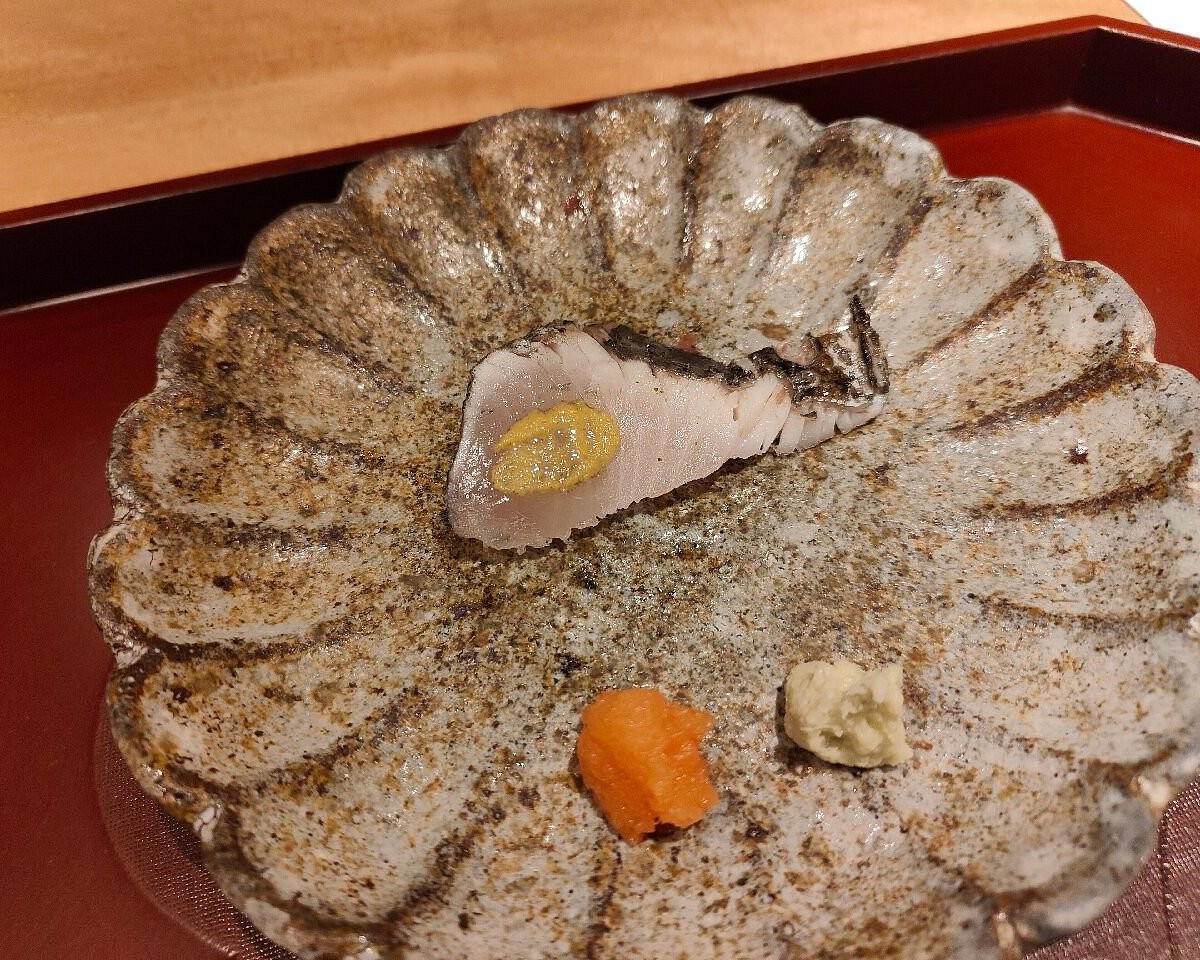
Bars in Hatsukaichi
Browse all →
At a Glance
- Elegant
- Scenic
- Quiet
- Sophisticated
- Cozy
- Special Occasion
- Celebration
- Garden
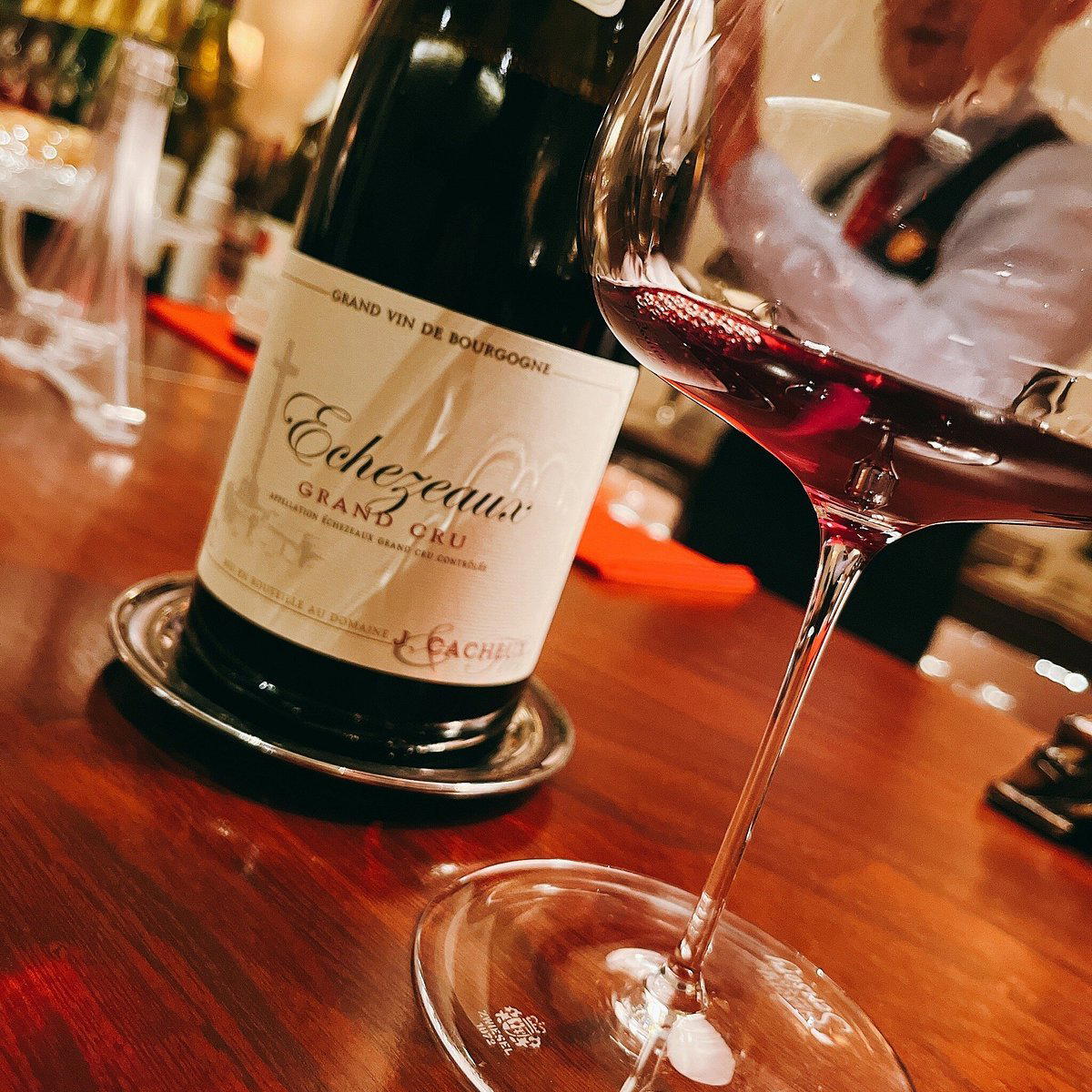
- Sake Program
- Local Sourcing
- Garden
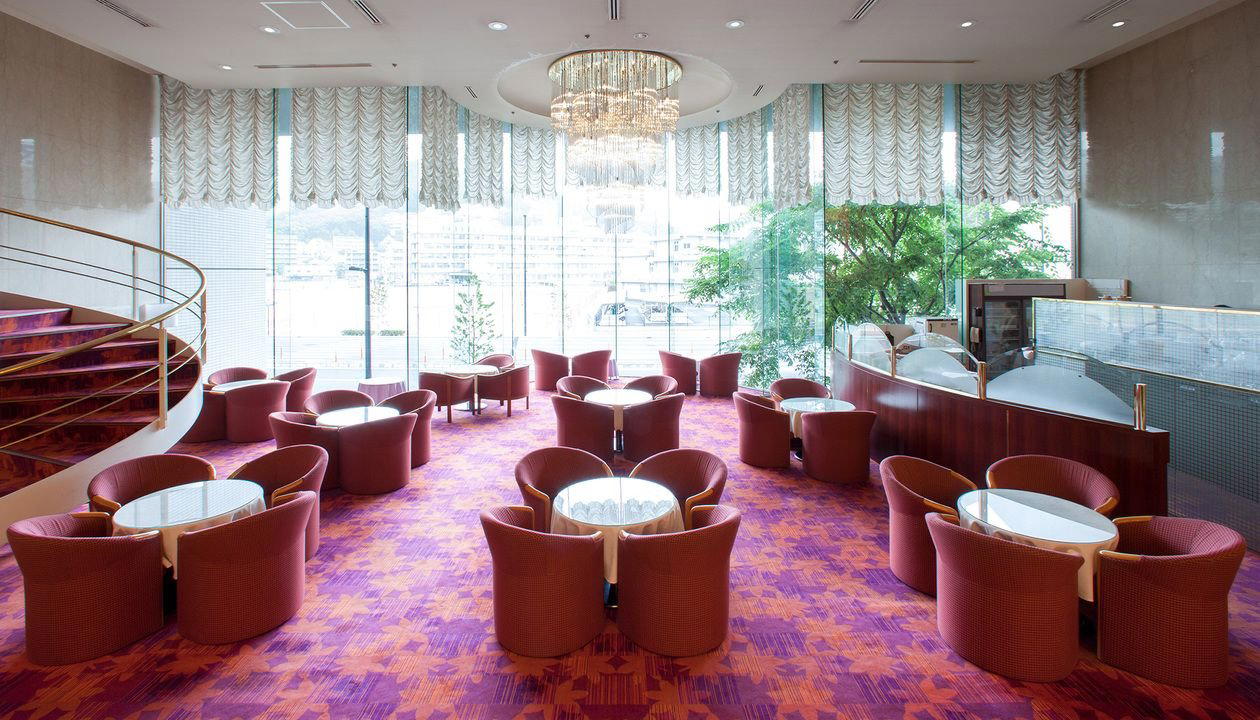
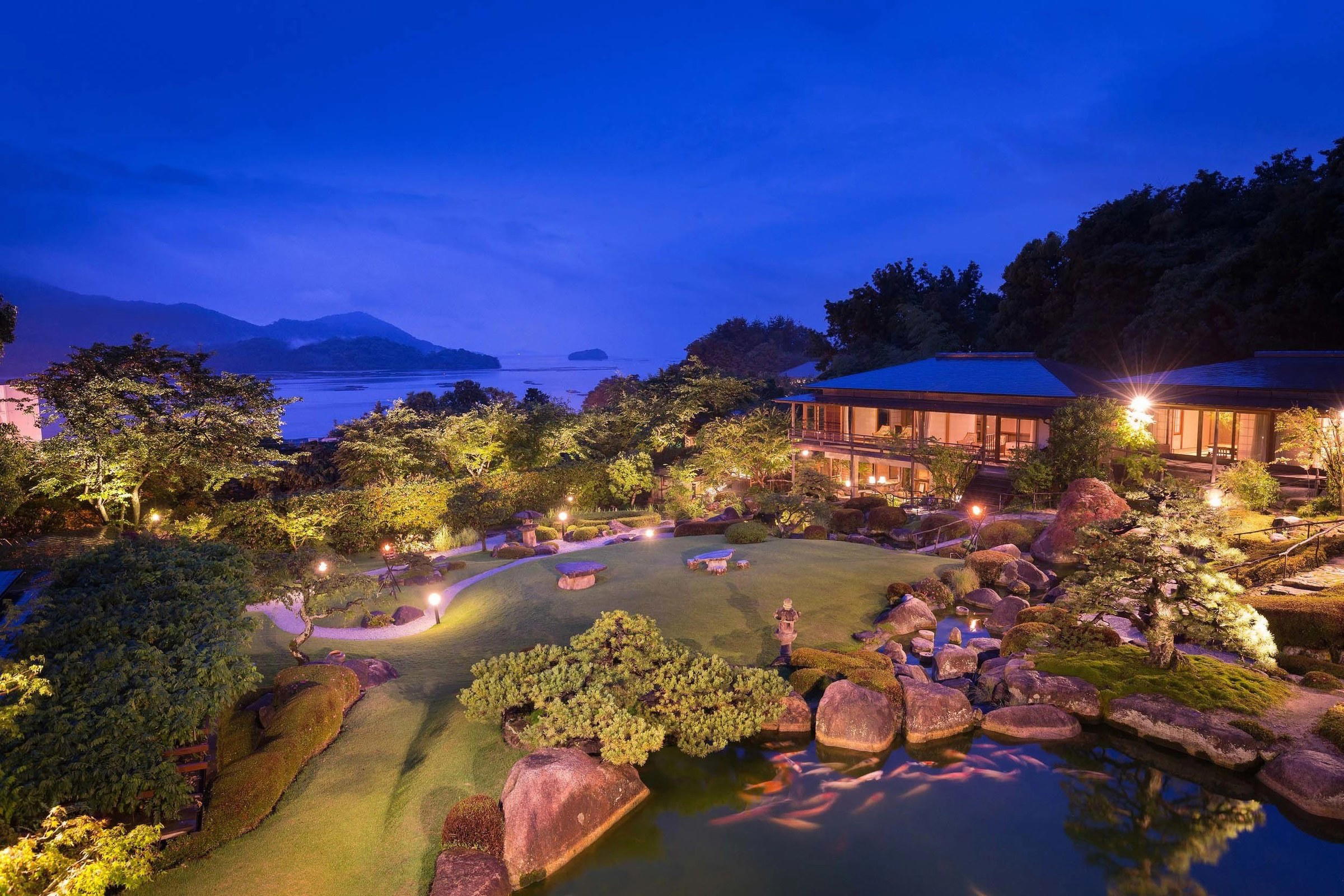
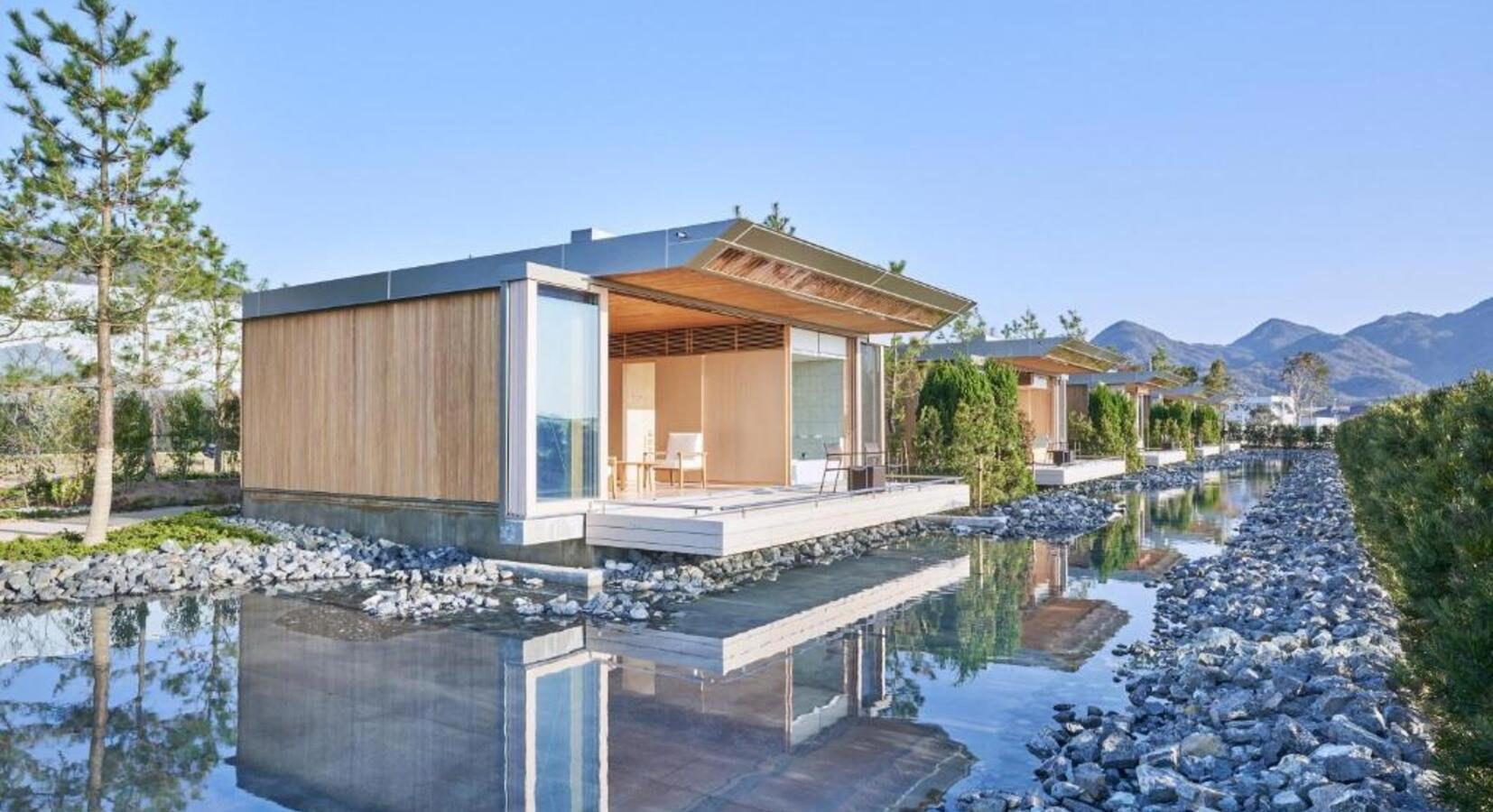
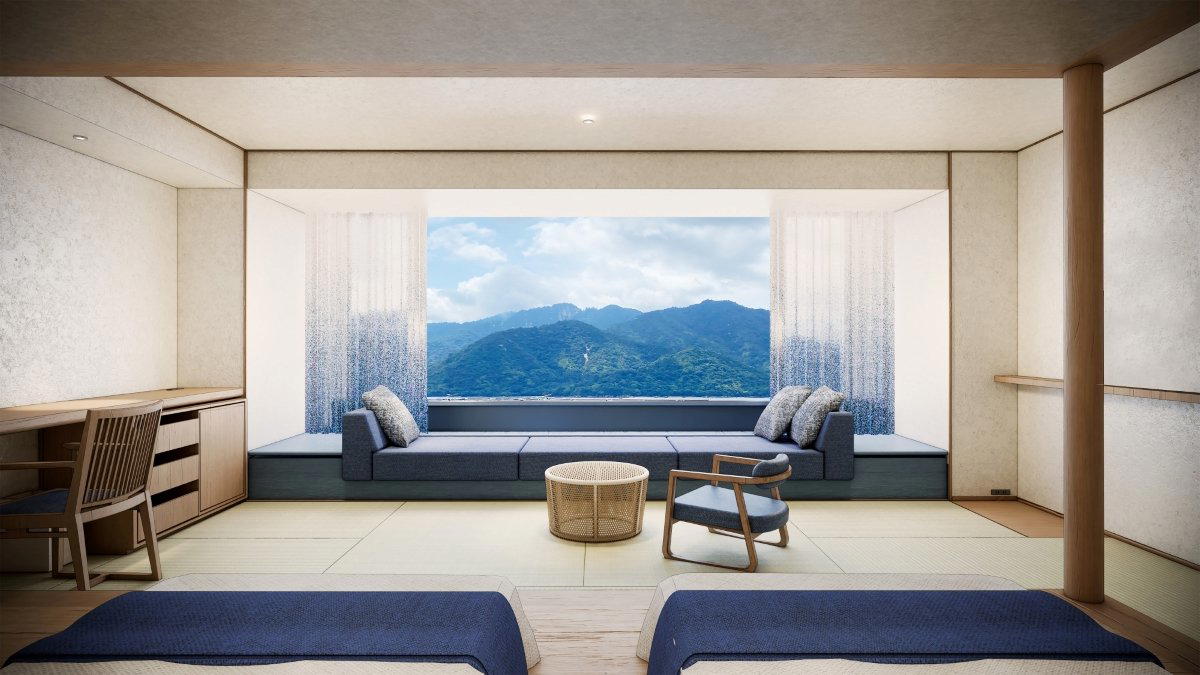
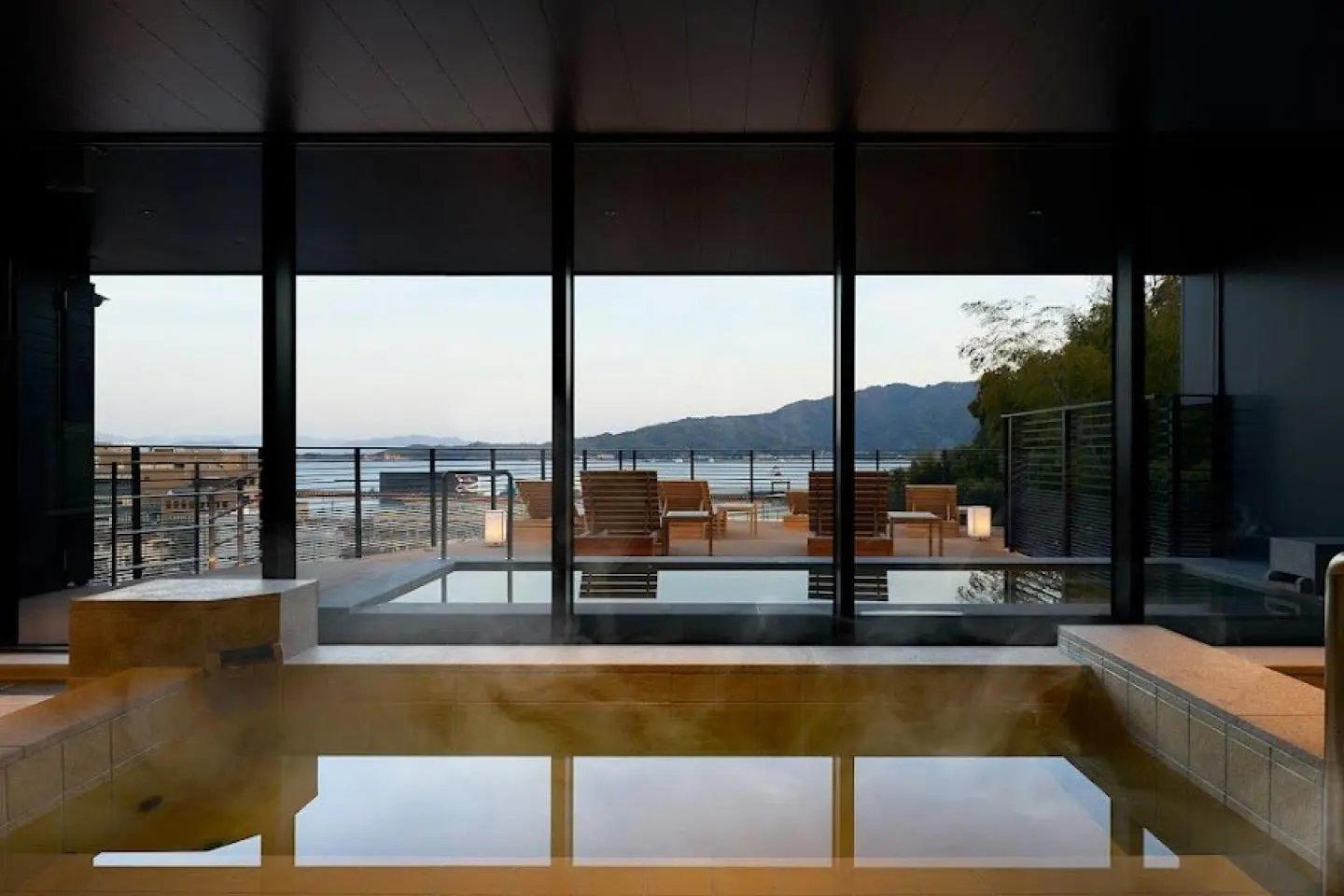
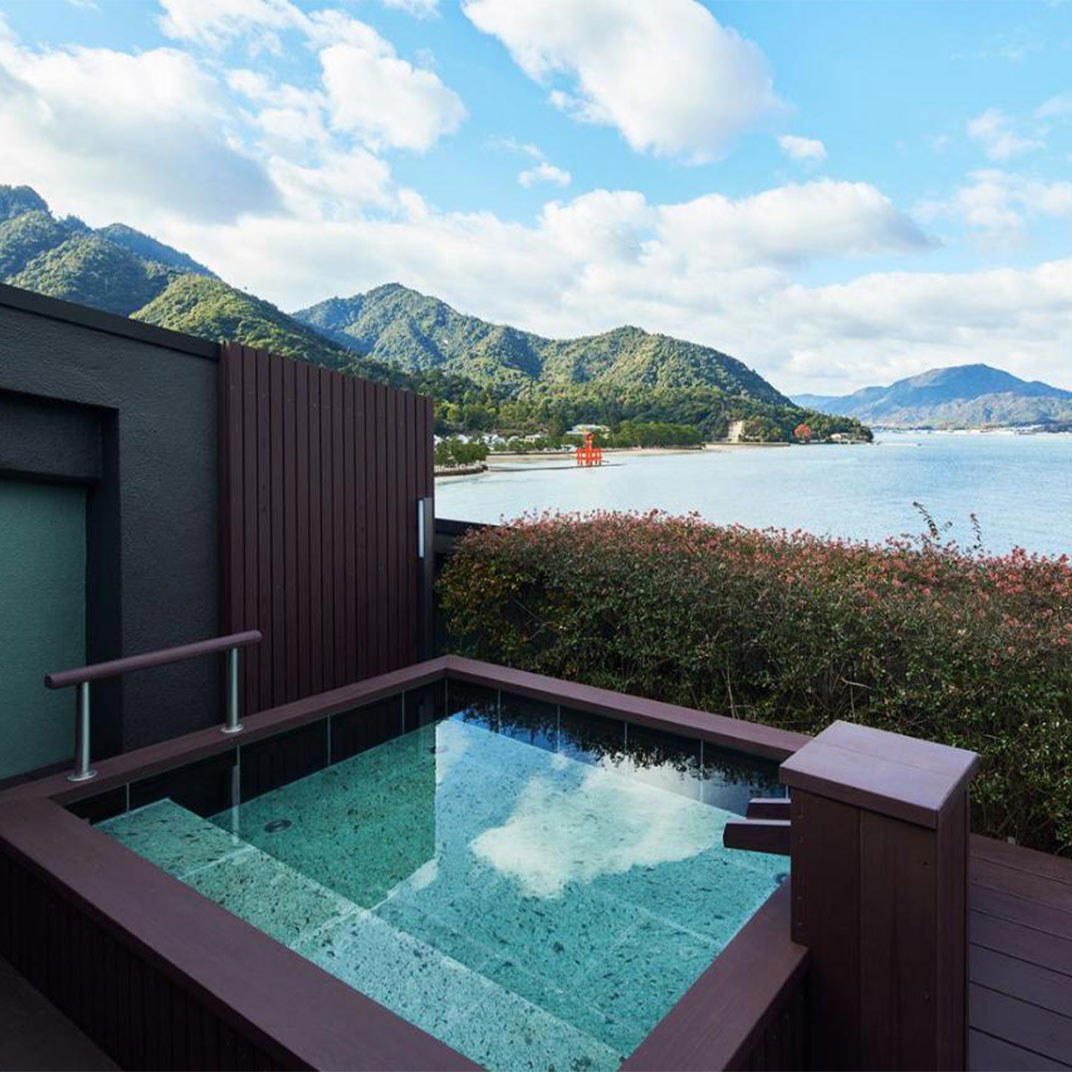
Zen-like atmosphere with traditional Japanese gardens, tatami rooms, and a quiet, residential feel blending modern and classic elements.