Miyajima Sushi Tensen
Our verdict
Where the Inland Sea Meets the Counter The approach to Miyajima sets a particular frame of mind before you sit down to eat. Ferries cross the narrow strait to Itsukushima island, the floating torii gate of Itsukushima Shrine visible against the...

Pearl is the En Primeur Club membership app — saves, bookings, and concierge access live there. Same editors, same standards.
- Address
- 810-1 Miyajimacho, Hatsukaichi, Hiroshima 739-0588, Japan
- Phone
- +81829441233
- Hours
- Mon–Tue 11:30 AM–2 PM, 5–10 PMWed ClosedThu–Sun 11:30 AM–2 PM, 5–10 PM
- Website
- miyajima-tensen.jp
- Directions
- Get directions
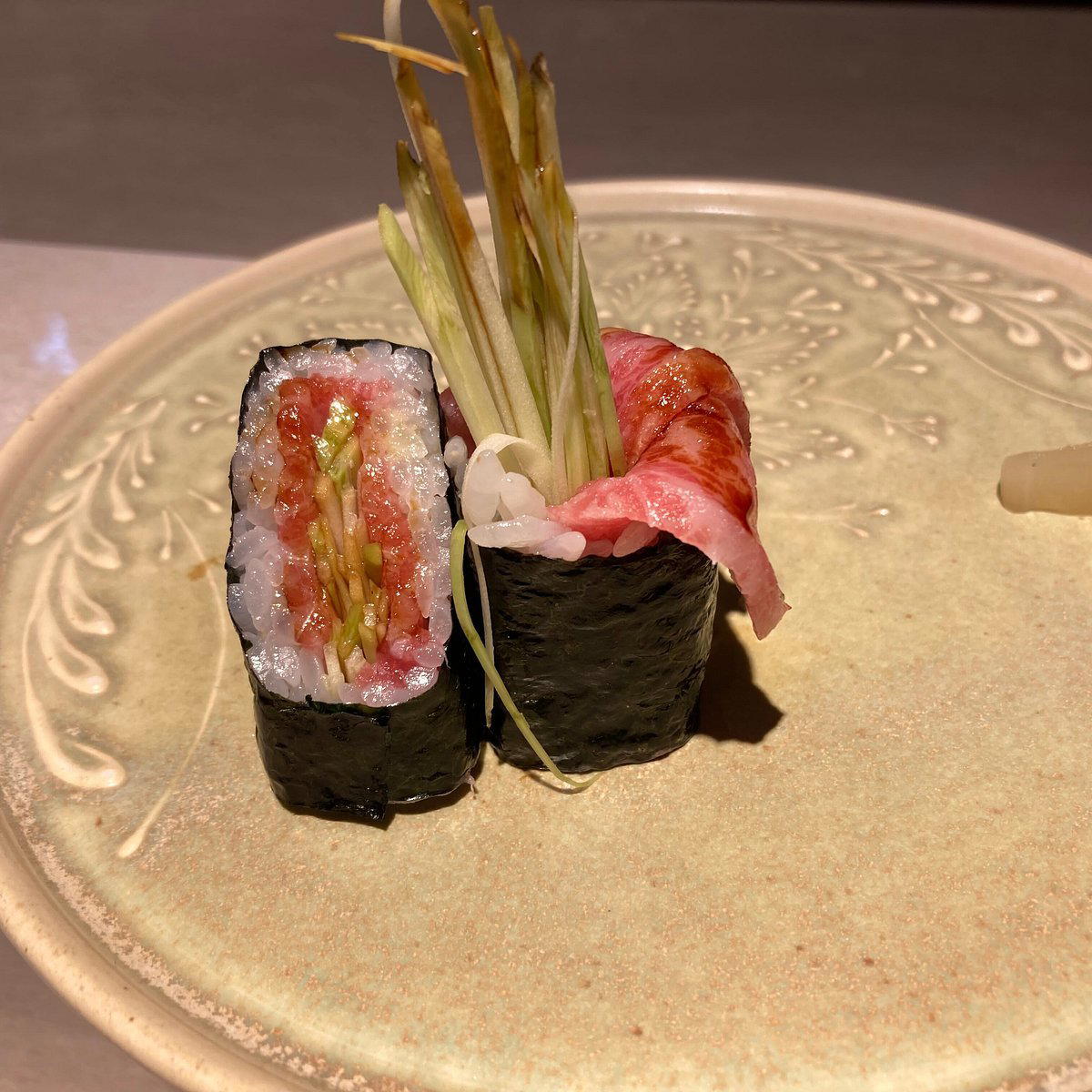
The menu
What to order
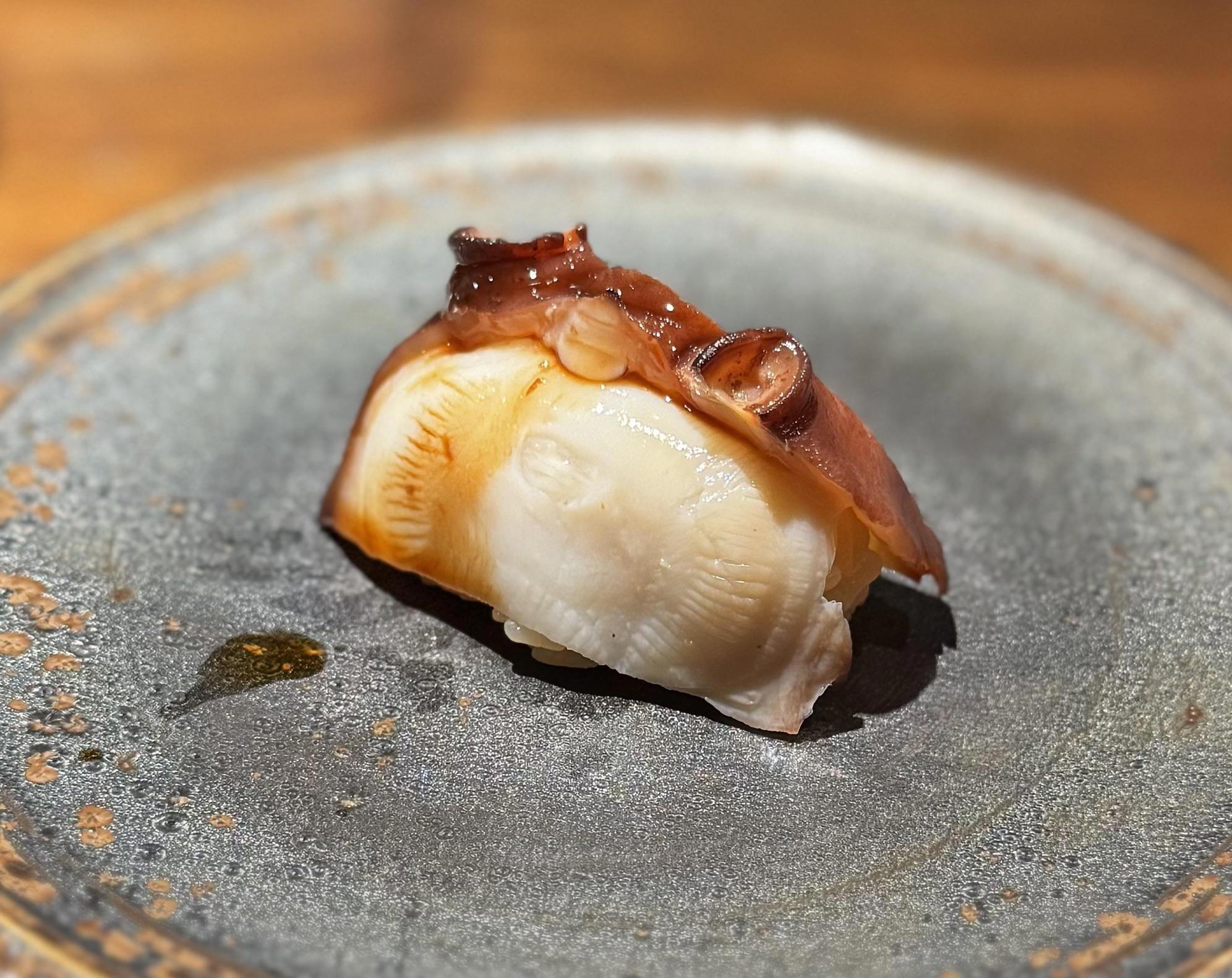
- Nigiri Sushi
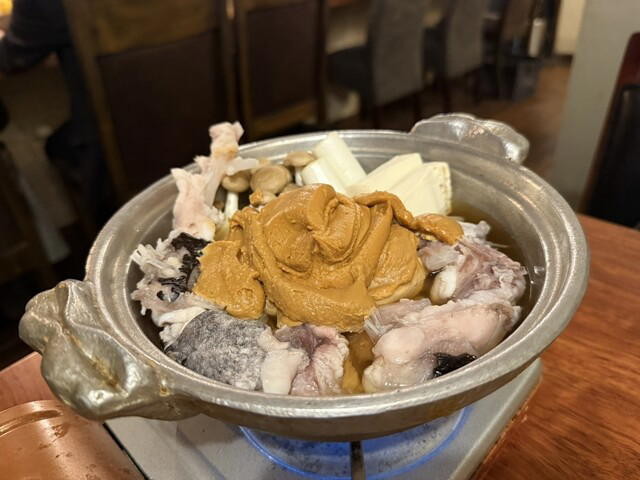
- Oyster Soup
- Hiroshima Beef
Where the Inland Sea Meets the Counter
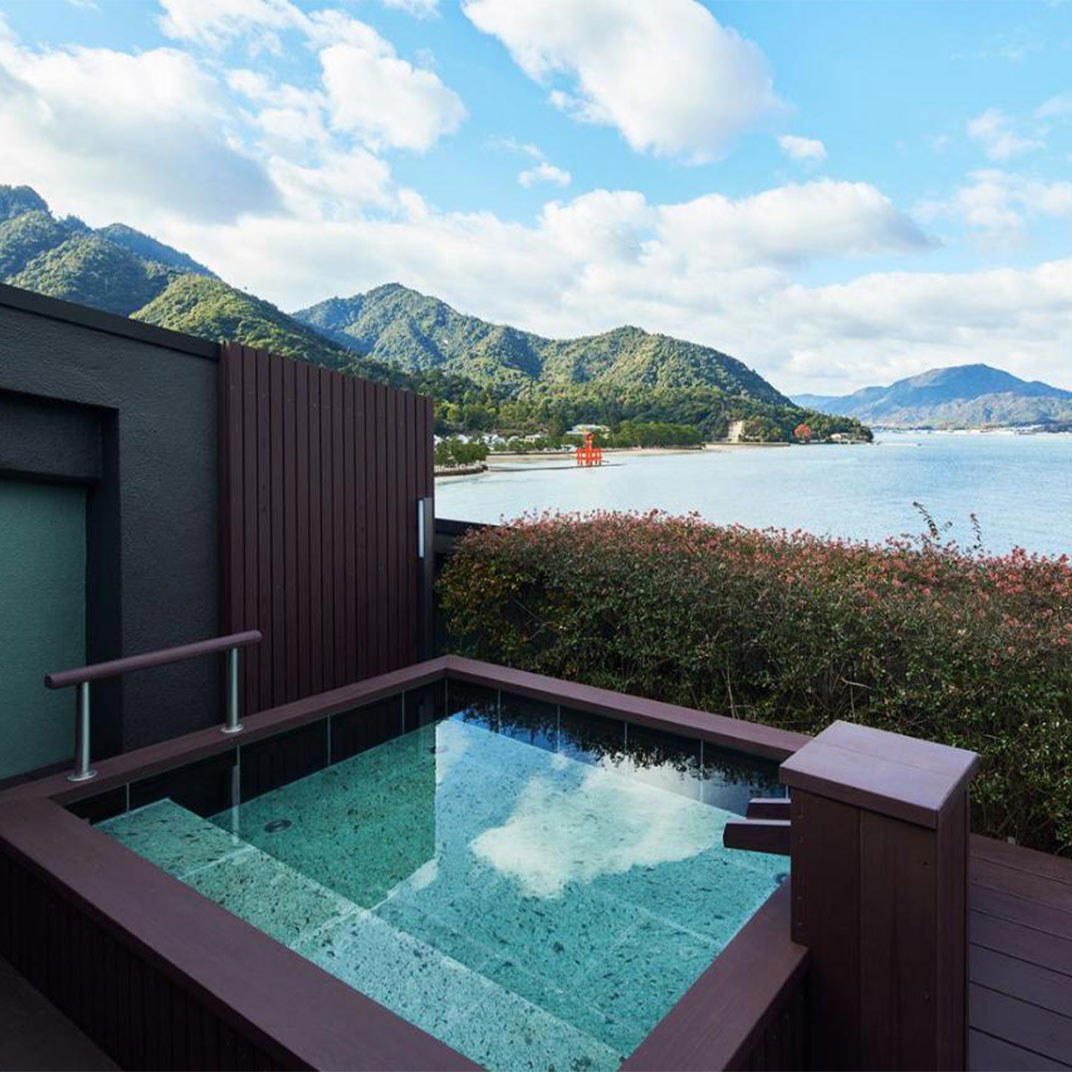
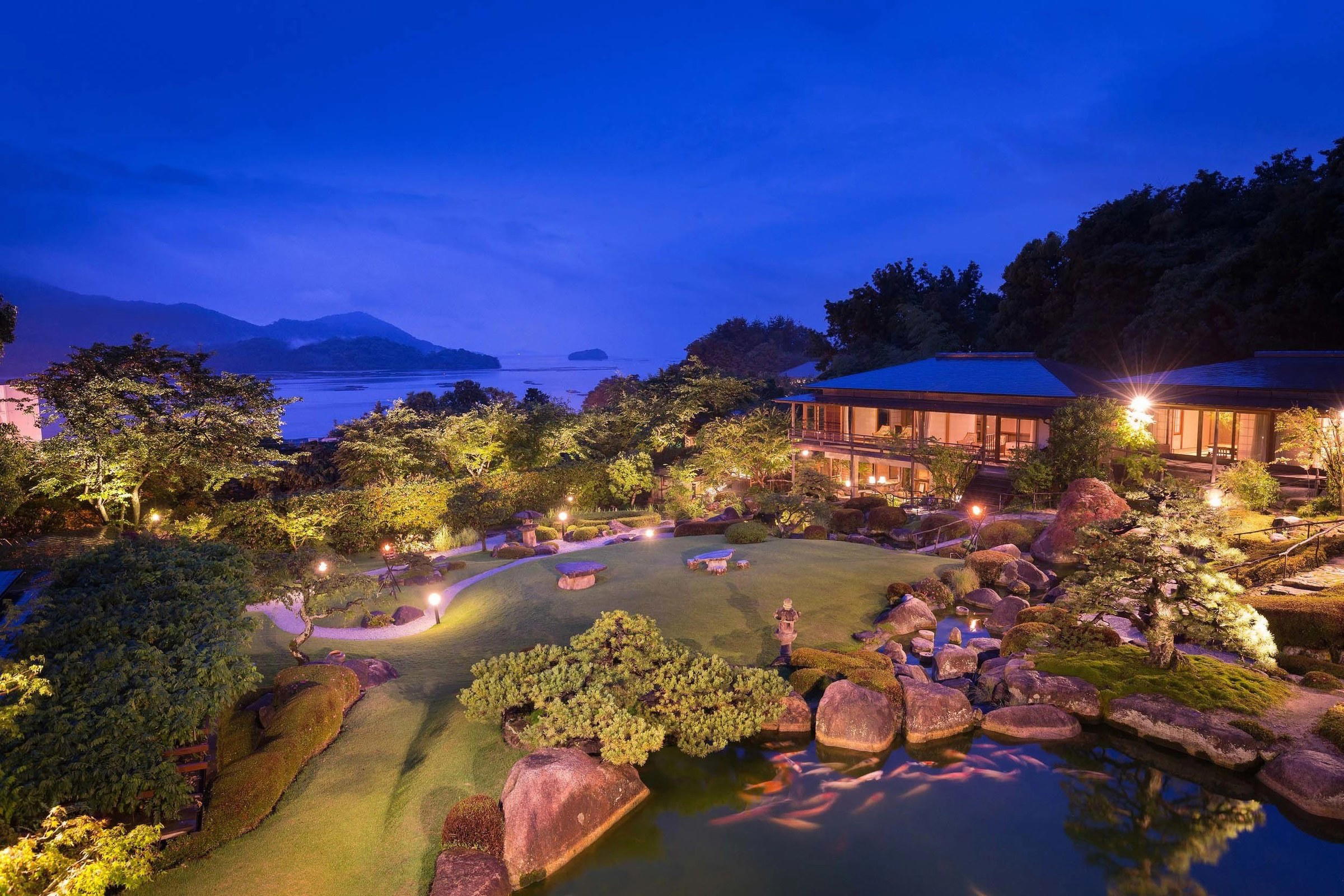
The approach to Miyajima sets a particular frame of mind before you sit down to eat. Ferries cross the narrow strait to Itsukushima island, the floating torii gate of Itsukushima Shrine visible against the water depending on the tide. Hatsukaichi, the municipality that administers Miyajima, is a small city of around 115,000 people on Hiroshima Bay, and its proximity to the Seto Inland Sea gives local restaurants access to some of the most consequential seafood geography in western Japan. Miyajima Sushi Tensen sits within this context, at 810-1 Miyajimacho, operating where pilgrimage-town tourism and serious local dining occasionally overlap.
The Seto Inland Sea as Pantry
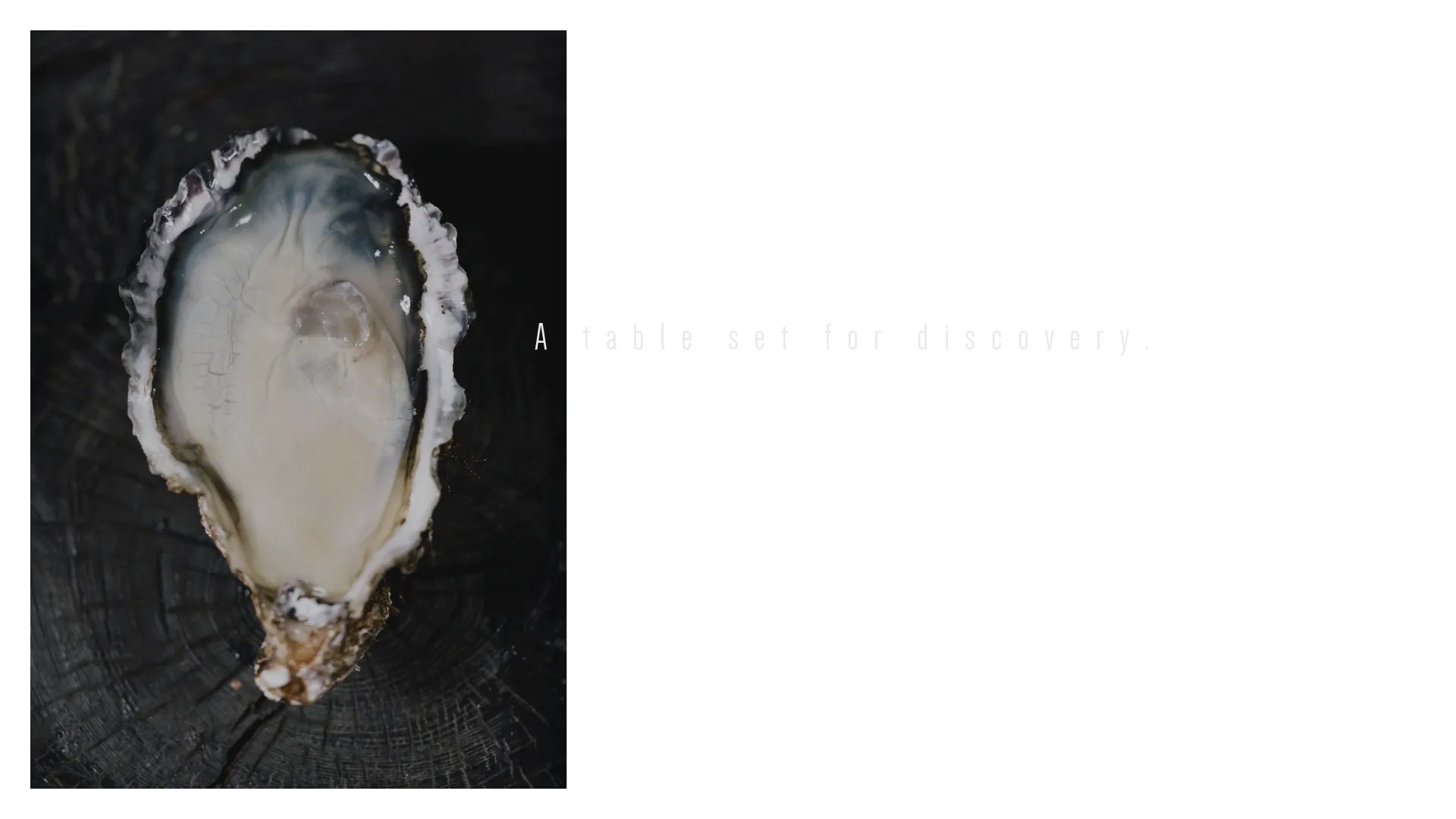
The Seto Inland Sea, enclosed between Honshu, Shikoku, and Kyushu, produces a marine ecosystem shaped by complex tidal currents, moderate salinity, and nutrient exchange between river outflows and open ocean. Oysters from Hiroshima Prefecture account for roughly 60 percent of Japan's farmed oyster production, and the same waters yield conger eel, sea bream, flounder, and a range of smaller species that rarely appear on menus outside the immediate region. For a sushi counter operating in Hatsukaichi, this is not a marketing position but a geographic fact: the source waters are minutes rather than hours from the kitchen.
This matters in a way that separates Seto Inland Sea sushi from the more globally distributed ingredient logic of major city counters. Tokyo's high-end omakase circuit draws from Tsukiji and Toyosu, aggregating product from Hokkaido, Kyushu, and international sources into a standardised premium tier. Counters in Hiroshima Prefecture work a narrower, more local supply chain by default, which means the fish on the plate reflects a specific bay and a specific season rather than the composite best-of that metropolitan markets enable. That tradeoff produces a more geographically coherent meal, even if the range of species is tighter.
For travellers comparing notes across Japan's sushi regions, the Seto Inland Sea produces a different flavour register from Pacific-facing fisheries: sea bream here tends toward sweetness, conger eel toward softness, the overall profile of the meal shaped by calmer, enclosed water rather than cold, deep current. Venues like Harutaka in Tokyo and Gion Sasaki in Kyoto represent the best of their respective regional traditions; understanding where Miyajima Sushi Tensen fits requires understanding the Hiroshima Bay context first.
Hatsukaichi's Dining Environment
Hatsukaichi is not a restaurant city in the way that Osaka or Fukuoka are. Its dining scene is shaped primarily by the volume of tourists passing through to Miyajima, which means many restaurants orient toward accessibility and turnover. Within that environment, a sushi counter that takes the local seafood supply seriously occupies a specific niche: it serves visitors who have arrived with intention rather than impulse, and locals who treat the area's marine produce as a point of regional pride.
Hatsukaichi's other dining options include Douze Miyajima, Sekitei, TP dining & cafe tino, and アカイ, spanning a range of formats from French-influenced to traditional Japanese. The broader pattern across the Hiroshima region is that serious dining requires deliberate navigation: venues are distributed across a prefecture rather than concentrated in a single quarter, and the leading experiences reward visitors who research ahead rather than those who browse on arrival. Our full Hatsukaichi restaurants guide maps the options in detail.
Regional Sushi in National Context
Japan's sushi hierarchy is heavily Tokyo-weighted when measured by Michelin stars and international press attention. The major omakase counters in Ginza, Minami-Aoyama, and Azabu-Juban collect the scrutiny; venues in secondary cities operate with less visibility but not necessarily with less rigour. Hiroshima Prefecture has produced serious Japanese cooking across multiple formats, and the Seto Inland Sea's ingredient quality provides a foundation that skilled practitioners can work at a high level without metropolitan resources.
For reference, HAJIME in Osaka and Goh in Fukuoka represent what focused, regional ambition produces at the top of the Kansai and Kyushu tiers respectively. Japan's regional sushi tradition is broad and varied, extending from counters in Nanao on the Sea of Japan coast to venues like those in Sapporo drawing on Hokkaido fisheries. Each reflects its source geography, and the Seto Inland Sea version is as coherent as any of them.
International comparisons are instructive in terms of format logic: Le Bernardin in New York City and Atomix in New York City show how ingredient sourcing and chef lineage function as primary trust signals in premium dining globally. In Japan's sushi tradition, the same logic applies at every price tier: where the fish comes from, how it is handled, and how the format communicates those choices to the diner are the central questions.
Planning a Visit
Miyajima Sushi Tensen is located at 810-1 Miyajimacho, in the Miyajima area of Hatsukaichi. Reaching the area involves arriving at Hiroshima Station and taking the Sanyo Line or JR Sanin Line to Miyajimaguchi Station, from which the ferry crossing to Miyajima island takes approximately ten minutes. Visitors combining the restaurant with a Miyajima shrine visit should factor tide times into their planning, as the torii gate's visual impact changes significantly between high and low water. Other venues worth considering nearby include 湖畔荘 in Takashima and 庄羽屋 in Nishikawa Machi if your route extends further into western Honshu. For those travelling between culinary destinations, akordu in Nara, Birdland in Sakai, and Bistro Ange in Toyohashi provide additional anchors along the western Japan corridor.
Frequently asked questions
Where do I go for Miyajima Sushi Tensen?
Miyajima Sushi Tensen is located at 810-1 Miyajimacho, Hatsukaichi, Hiroshima 739-0588, Japan, Hatsukaichi.
Is Miyajima Sushi Tensen a good option for dining after visiting Itsukushima Shrine?
Located at 810-1 Miyajimacho in Hatsukaichi, Miyajima Sushi Tensen sits within the Miyajima area that ferry passengers from the mainland pass through when visiting Itsukushima. For travellers combining a shrine visit with a sit-down meal, the geographic position makes it a logical choice relative to the limited counter dining available in this part of Hiroshima Prefecture. Confirming hours directly with the restaurant is recommended, as Hatsukaichi venues can adjust schedules around seasonal tourist patterns.
What's the must-try dish at Miyajima Sushi Tensen?
The venue's address in the Miyajima area of Hatsukaichi places it directly within reach of the Seto Inland Sea's tidal fisheries, which means the seasonal catch from those waters is the logical focus of any visit. The regional tradition in this part of Hiroshima Prefecture leans heavily on locally sourced shellfish and white-fleshed fish from enclosed-sea currents.
How far ahead should I plan for Miyajima Sushi Tensen?
Miyajima draws several million visitors annually to Itsukushima island, and the surrounding Hatsukaichi dining options are limited relative to that volume, which means demand at counters in the area can outpace availability quickly. Contacting the restaurant well in advance of your intended visit is sensible, particularly during peak seasons such as autumn foliage and spring. Current reservation procedures are best confirmed directly with the venue at 810-1 Miyajimacho.
What has Miyajima Sushi Tensen built its reputation on?
The restaurant's position in the Miyajima area of Hatsukaichi ties its identity to the Seto Inland Sea, one of Japan's historically significant marine environments enclosed between Honshu, Shikoku, and Kyushu. Sushi in this region draws from a different pantry than Tokyo's Tsukiji-dependent counters, with local tidal conditions shaping the available catch. Hatsukaichi's dining scene is largely defined by proximity to Miyajima tourism rather than by the concentrated restaurant culture of Osaka or Fukuoka, which gives venues here a distinctly regional character.
Can Miyajima Sushi Tensen adjust for dietary needs?
No specific dietary accommodation policy is documented for Miyajima Sushi Tensen. At sushi counters operating in Japan's regional cities, dietary requests are typically best communicated at the time of reservation rather than on arrival. Reaching the venue at its Miyajimacho address ahead of your visit is the most reliable way to confirm what adjustments are possible.
Comparison Snapshot
Comparable venues nearby, for context on price, style, and recognition.
| Venue | Cuisine | Price | Awards | Notes |
|---|---|---|---|---|
| Miyajima Sushi TensenThis venue — the venue you are viewing | Seasonal Seto Inland Sea Omakase | $50–100 | Not listed | Not listed |
| TP dining & cafe tino | Japanese-Italian Teppanyaki Fusion | $30–50 | Not listed | Miyahama Onsen |
| Momiji Do Niban Ya | Traditional Japanese wagashi & fried momiji manju | $1–10 | Tabelog 100 #17 | Miyajima Omotesando shopping street |
| Douze Miyajima | French-Japanese Fusion Bistro | $50–100 | Not listed | Miyajimaguchi |
| Momiji Do Honten | Traditional Japanese sweets (momiji manju) | $1–10 | Tabelog 100 #94 | Miyajima-cho |
| CHILAN | Modern Vietnamese | Not listed | Star Wine List · Tabelog 100 #40 | Ajina |
Continue exploring
More in Hatsukaichi
Restaurants in Hatsukaichi
Browse all →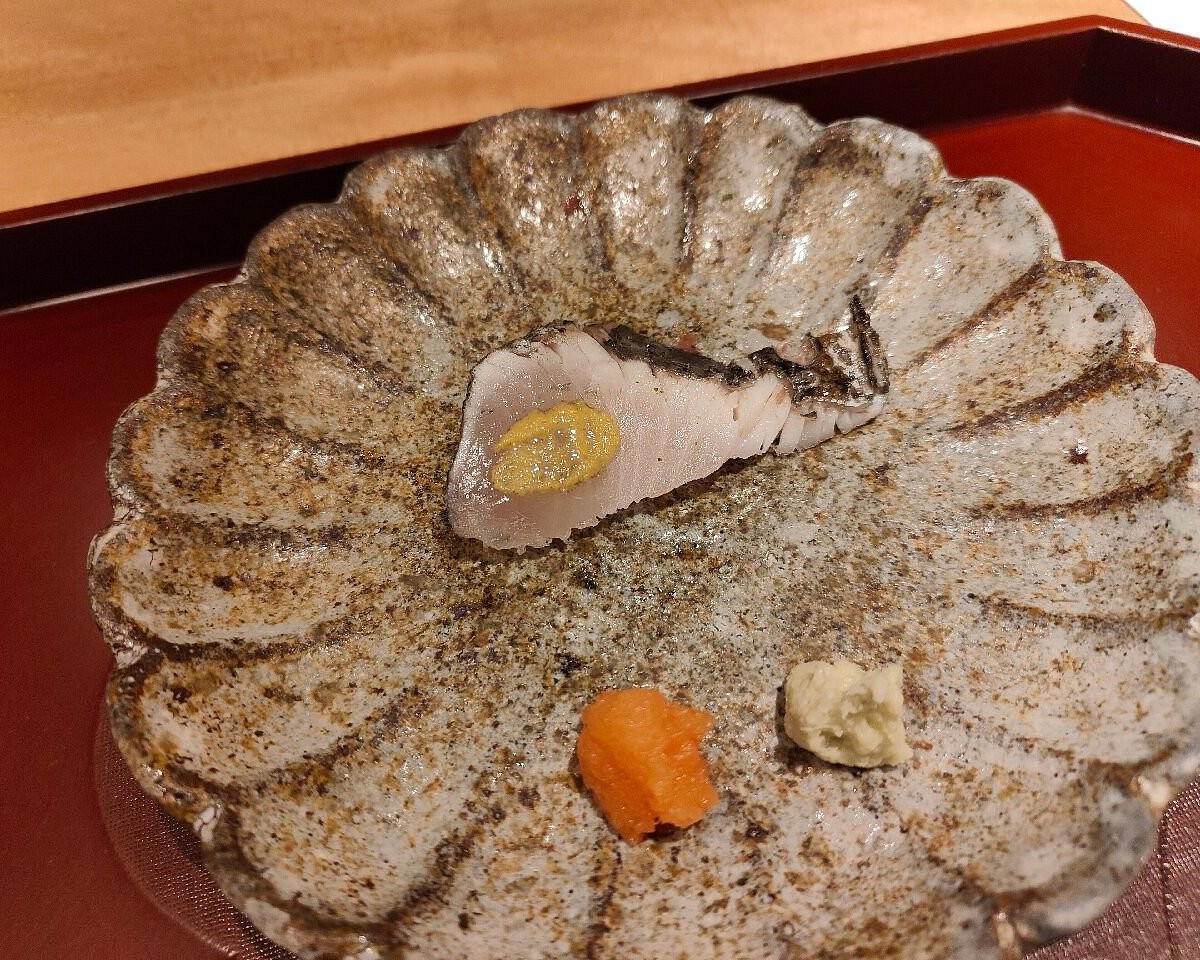
Bars in Hatsukaichi
Browse all →
Details
- Elegant
- Quiet
- Intimate
- Classic
- Sophisticated
- Special Occasion
- Date Night
- Celebration
- Chefs Counter
- Open Kitchen
- Courtyard
- Sake Program
- Local Sourcing
- Sustainable Seafood
- Farm To Table
- Omakase
- Counter Dining
- Sake
- Japanese Alcohol
- Pescatarian Friendly
- Allergy Accommodating
Current opening hours
- Monday
- 11:30 AM–2 PM, 5–10 PM
- Tuesday
- 11:30 AM–2 PM, 5–10 PM
- Wednesday
- Closed
- Thursday
- 11:30 AM–2 PM, 5–10 PM
- Friday
- 11:30 AM–2 PM, 5–10 PM
- Saturday
- 11:30 AM–2 PM, 5–10 PM
- Sunday
- 11:30 AM–2 PM, 5–10 PM
Hours can change for holidays and private events. Last verified .
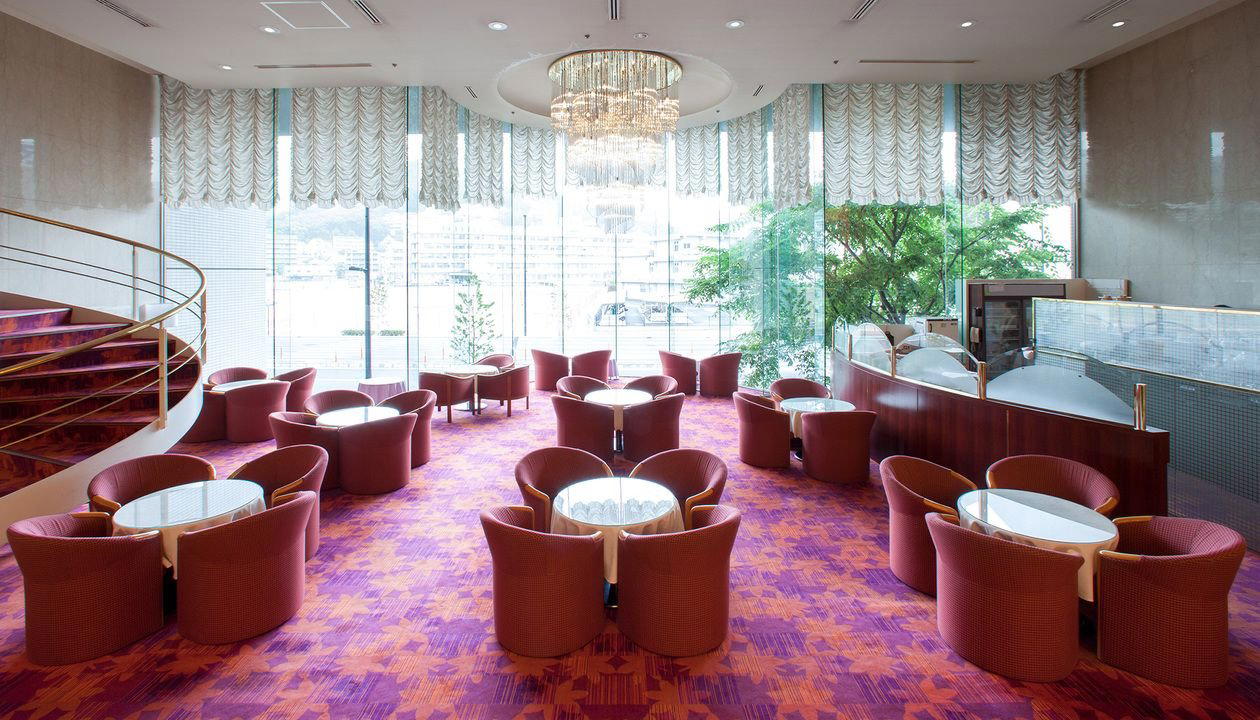
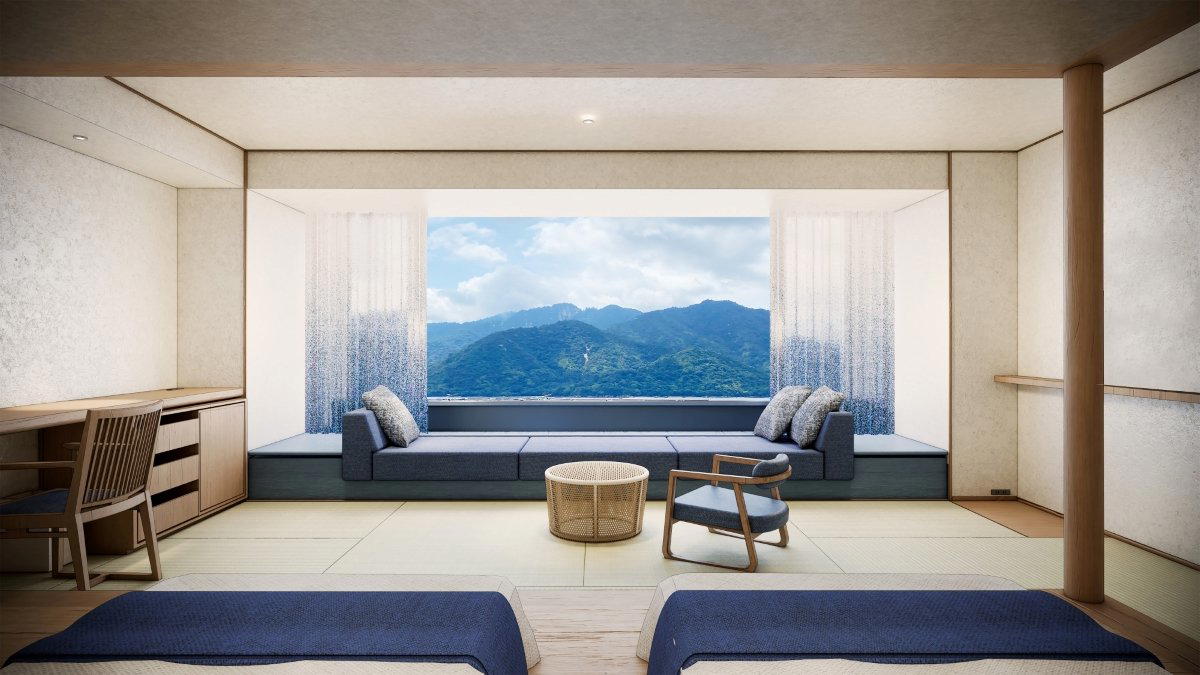
Nostalgic Japanese ambiance with a grown-up secret annex feel; soothing traditional Japanese dining space with elegant, calm atmosphere that exudes sophistication and tranquility.