
Tabelog Bronze #186
Our verdict
Takanobashi Kiyotan sits in Hiroshima’s creative izakaya tier, where seasonal Japanese cooking borrows the pacing of multi-course dining without losing the intimacy of a tavern. Its Tabelog Award 2026 Bronze recognition, 2025 Innovative / Creative Cuisine 100 selection, 20-seat scale, and JPY 8,000–9,999 dinner range put it in a focused category for travellers who want Hiroshima beyond the obvious local dishes.

Pearl is the En Primeur Club membership app — saves, bookings, and concierge access live there. Same editors, same standards.
- Address
- Japan, 〒730-0051 Hiroshima, Naka Ward, Otemachi, 5 Chome−17−1 モリヤビル
- Phone
- +81 82-246-8995
- Hours
- Mon–Sat 6 PM–12 AMSun Closed
- Website
- tabelog.com
- Directions
- Get directions
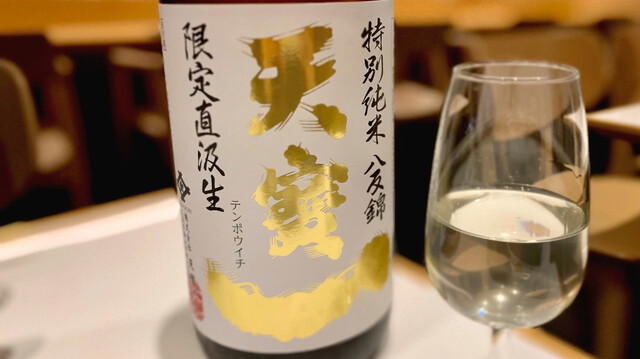
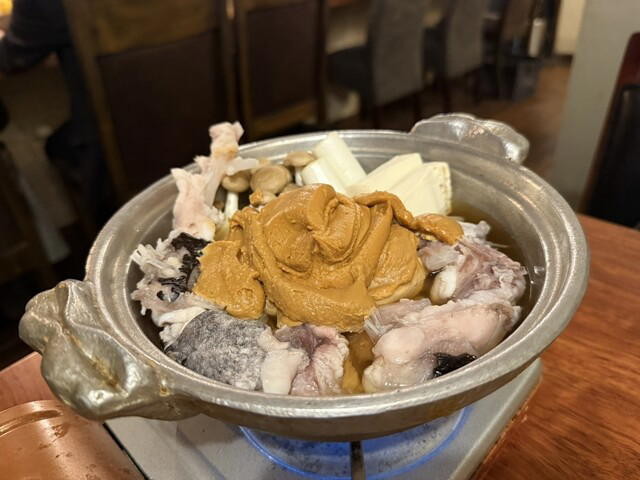
Approach this part of Otemachi and the dining rhythm changes from Hiroshima’s larger restaurant corridors to something narrower and more local: small rooms, late dinners, sake-led counters, and kitchens working close enough to the room that the format matters as much as the menu. Takanobashi Kiyotan belongs to that scale of eating. The room is built around counter seating and tatami space rather than spectacle, which suits a creative izakaya shaped by seasonality, fish, and drink pairing more than by a single headline dish.
Hiroshima dining is often reduced by visitors to okonomiyaki and oysters, but the city has a quieter strand of serious Japanese cooking that sits between kaiseki discipline and izakaya ease. That middle ground is where the interesting tension lies. Kaiseki gives the meal its structure: progression, restraint, season, and an attention to how dishes relate to one another. The izakaya frame loosens the formality, making sake, shochu, wine, and repeatable neighbourhood use part of the experience rather than an afterthought.
Creative izakaya with kaiseki pacing, not banquet-room formality
The useful way to read this address is not as a casual tavern dressed up, but as a compact Japanese meal format borrowing from multi-course aesthetics. Creative cuisine in Japan can be vague when used carelessly; here the public signals are more specific. The category is creative Japanese-style izakaya, the food emphasis is fish, and the drink list is built around nihonshu with shochu and wine also in play. That combination points to a meal where sequencing and pairing carry weight, even if the room avoids the stiffness of formal kappo or kaiseki dining.
The award trail reinforces that reading. Takanobashi Kiyotan holds a Tabelog Award 2026 Bronze distinction and was selected for Tabelog’s Innovative / Creative Cuisine 100 in 2025, with a Tabelog score listed at 3.85 in the 2026 award entry. In Japan’s user-review ecosystem, those markers matter because they place a small Hiroshima dining room inside a national conversation about creative Japanese cooking rather than only a local recommendation circuit.
For travellers, the attraction is the category itself. Hiroshima’s serious dining scene rewards guests who leave space for smaller, less obvious rooms, especially those where the cooking is seasonal but not ceremonially rigid. A 20-seat creative izakaya can do things a larger restaurant cannot: keep the counter close, make sake feel central, and let the meal read as a sequence rather than a checklist. That is the better lens here than chasing named signatures or expecting a tourist-facing local sampler.
Where Hiroshima's sake-and-fish culture gets narrower and more deliberate
Japan’s western coastal cities have deep reasons to cook this way. Hiroshima’s relationship with the Seto Inland Sea, oysters, anago, small fish, and sake-adjacent eating gives chefs and izakaya owners a strong local grammar without forcing every restaurant into a regional greatest-hits format. The more compelling rooms use that grammar quietly: seasonal seafood, rice and fermentation logic, warm service, and alcohol pairings that make sense with salt, smoke, vinegar, and dashi-driven cooking.
This is why the creative izakaya category is worth taking seriously. It is not simply “Japanese pub food” at a higher spend. At this level, the difference is control: fewer seats, a more deliberate course structure, and a kitchen that can move between tavern familiarity and kaiseki-adjacent restraint. The dinner budget places it above ordinary after-work drinking, but below the formality and financial weight of Japan’s grander multi-course counters. That middle bracket is often where regional cities show their character with less performance than the capital.
The room’s practical character also shapes the night. Counter seating encourages a meal focused on pacing and drink; tatami seating gives small groups a more settled rhythm. Non-smoking status matters in a category where older izakaya traditions can still lean the other way. The result is better suited to a composed evening than a loud crawl, particularly for diners who want Japanese sake to act as part of the meal rather than a side order.
How to place it in a Hiroshima itinerary
Takanobashi Kiyotan is strongest as the serious dinner in a Hiroshima trip that otherwise moves between casual local staples, coffee, bakeries, bars, and cultural wandering. Use Our full Hiroshima restaurants guide to build the wider dining map, then fold in city context through Our full Hiroshima hotels guide, Our full Hiroshima bars guide, Our full Hiroshima wineries guide, and Our full Hiroshima experiences guide. For nearby editorial contrast across Hiroshima dining styles, see Akai (Creative Cuisine), ANDERSEN, Bishu Bikou Hamai, Butter Cake no Nagasaki Do, and CHILAN.
Readers building a broader Japan file can also compare how regional formats shift outside Hiroshima through -Grilled beef Sukiyaki- KAMAKURA TANUKIAN 鎌倉 たぬき庵 in Kamakura. 鮪と炭火焼き うお炭 秋葉原店 in Tokyo.cafe in Osaka.know in Kumamoto, (Shoku) Vietnam in Kawasaki, [Curry Senmon Ten] Maruyama Kyoju. in Sapporo, Jōdo Saké Bar in Los Angeles, and Onigiri Time in Pasadena. The point is not that these places are substitutes; it is that Japanese dining changes sharply with city, format, and purpose.
The editorial case for Takanobashi Kiyotan is precise: choose it when the night calls for a small, award-recognised Hiroshima room where creative Japanese cooking, fish, and sake sit inside a measured multi-course sensibility. It is a poor fit for diners looking for a fast local staple or a high-volume group dinner. It is a better fit for travellers who already understand that in Japan, the space between izakaya and kaiseki can be more revealing than either category on its own.
Frequently asked questions
Can I bring kids to Takanobashi Kiyotan?
Those details are not published. In practice, it reads more like an adult dinner address in Hiroshima than a family restaurant. The Tabelog listing also highlights dates and friends as the common occasion. Check the venue's official channels for the latest details.
Is Takanobashi Kiyotan better for a quiet night or a lively one?
It suits a quiet night. The 20-seat room, non-smoking policy, and reservation notes point to a compact dinner setting rather than a loud izakaya crawl. Its Tabelog Bronze award and 6 PM to midnight schedule support a more deliberate evening in Hiroshima.
What kind of cuisine does Takanobashi Kiyotan serve?
Takanobashi Kiyotan serves Creative, Izakaya (Japanese style tavern) cuisine.
What is Takanobashi Kiyotan known for?
Takanobashi Kiyotan is primarily known for Creative, Izakaya (Japanese style tavern) in Hiroshima.
Category Peers
Comparable venues nearby, for context on price, style, and recognition.
| Venue | Cuisine | Price | Awards | Notes |
|---|---|---|---|---|
| Takanobashi KiyotanThis venue — the venue you are viewing | Traditional Japanese Izakaya with Omakase | $50–100 | Tabelog Bronze #186 | Not listed |
| Denko Sekka (電光石火) | Hiroshima-style Okonomiyaki | $10–20 | Not listed | Hiroshima Station area |
| Eizan | Seasonal Kaiseki Omakase | $150–200 | Tabelog Bronze #60 | Naka |
| Bishu Bikou Hamai | Traditional Japanese Izakaya | $30–50 | Tabelog 100 #31 | Naka |
| 中土 | Modern French | $150–200 | Tabelog Bronze #303 | Naka |
| 永山 | Seasonal Kaiseki Omakase | $150–200 | Tabelog Bronze #60 | Naka |
Recognition history
Dated appearances from independent guides and award organizations, with the underlying list record or original source where available.
Tabelog Bronze #186
Tabelog
Full recognition history (2 entries)
Tabelog 100 #28 · No. 28
Tabelog · Tabelog 100 - Innovative / Creative cuisine - 2025
Continue exploring
More in Hiroshima
Restaurants in Hiroshima
Browse all →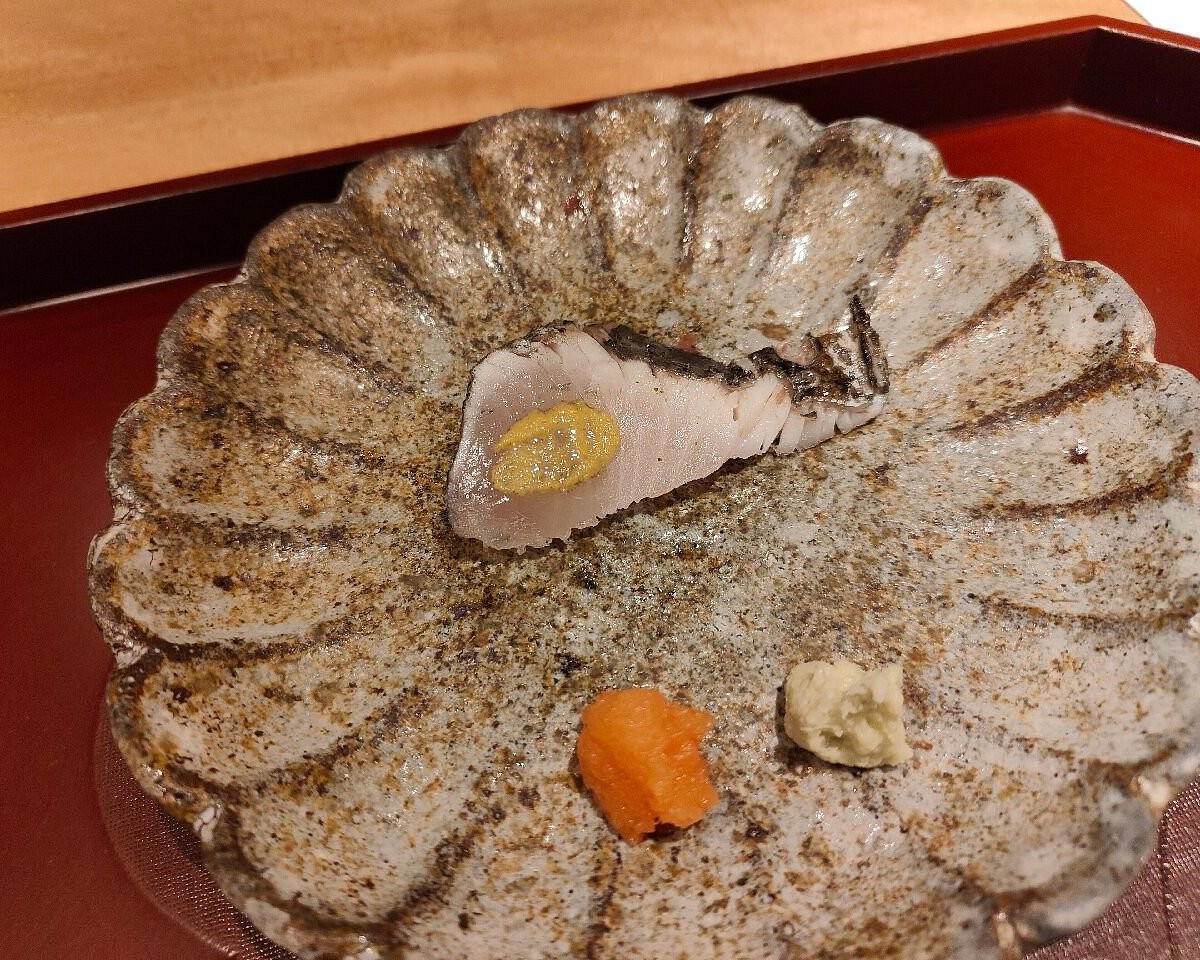
Bars in Hiroshima
Browse all →
Details
- Cozy
- Intimate
- Elegant
- Solo
- Date Night
- Special Occasion
- Sake Program
- Local Sourcing
- Omakase
- Counter Dining
- Sake
- Vegetarian Friendly
Current opening hours
- Monday
- 6 PM–12 AM
- Tuesday
- 6 PM–12 AM
- Wednesday
- 6 PM–12 AM
- Thursday
- 6 PM–12 AM
- Friday
- 6 PM–12 AM
- Saturday
- 6 PM–12 AM
- Sunday
- Closed
Hours can change for holidays and private events. Last verified .
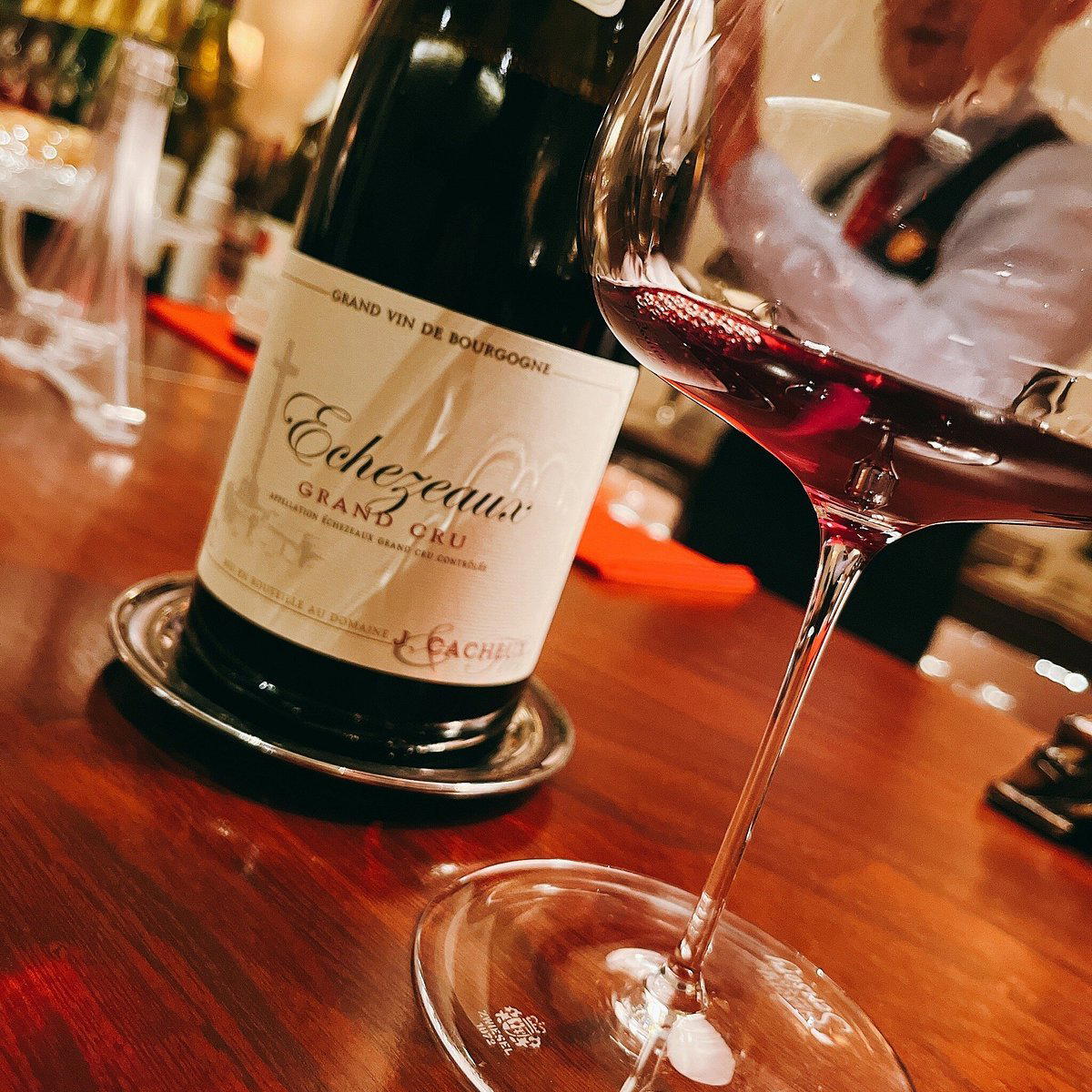
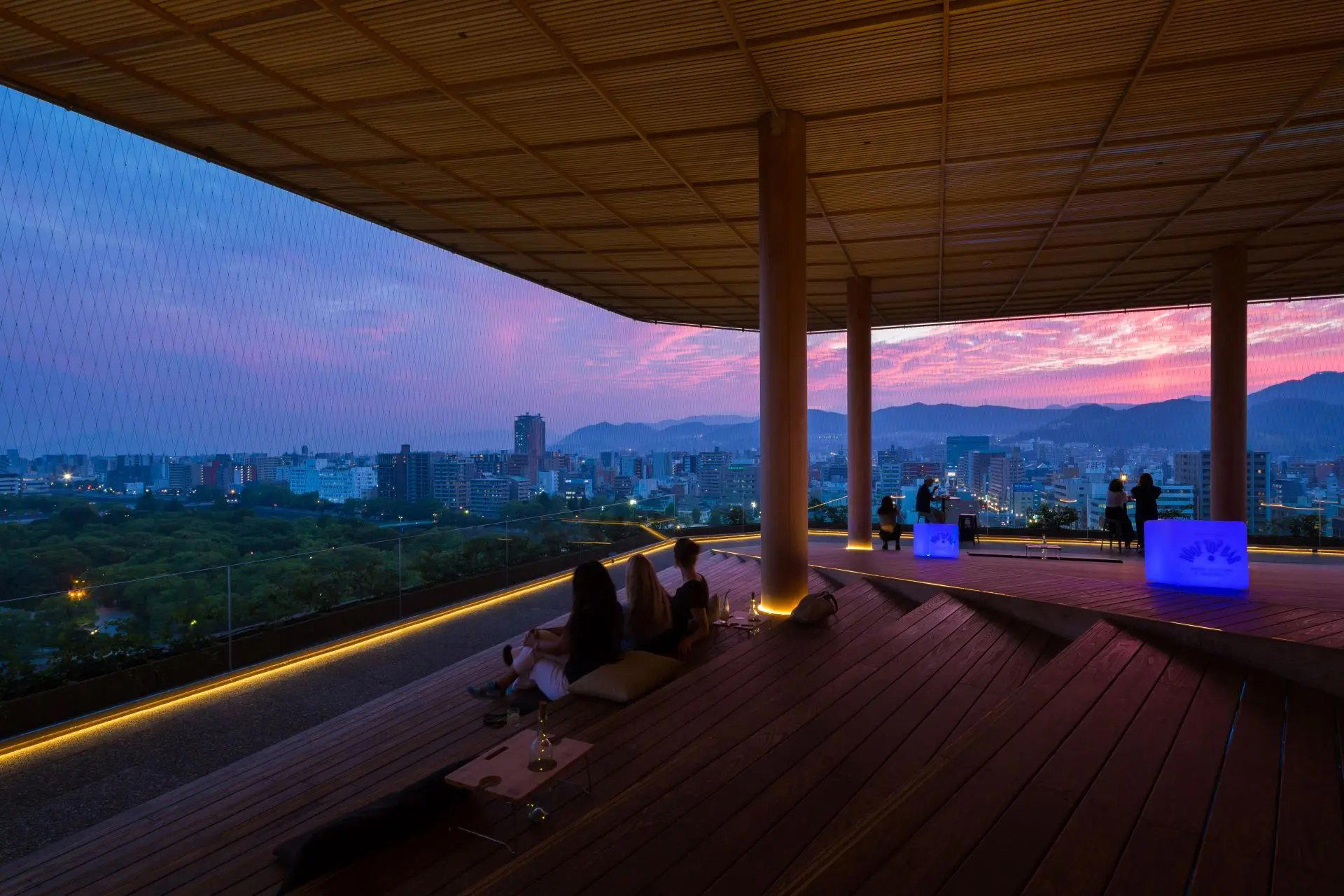
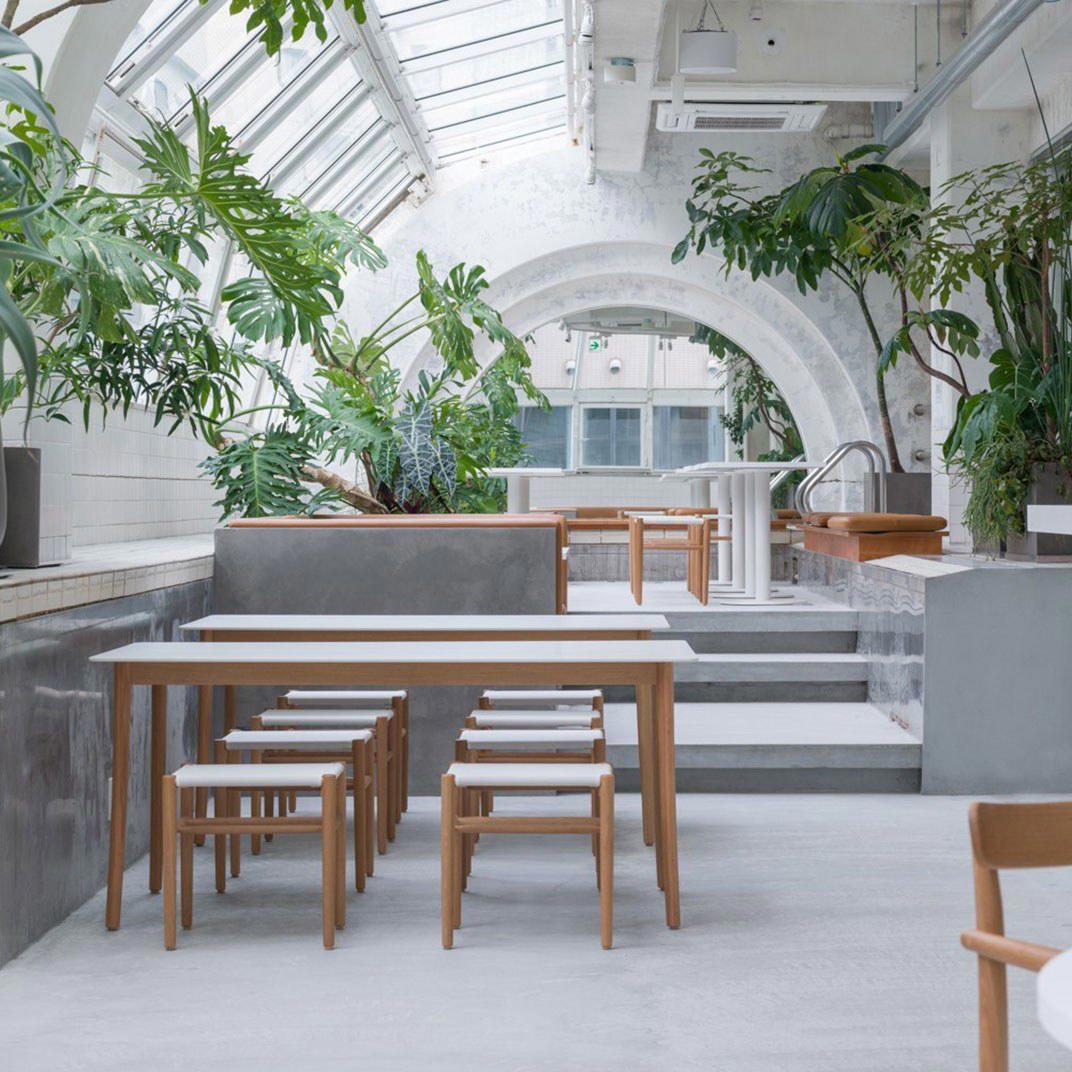
Calm atmosphere with light brown decor, traditional Japanese aesthetics, and a peaceful environment.