Douze Miyajima
Our verdict
On the second floor of a building in Miyajimaguchi, Douze occupies a small, quietly positioned space that sits between the ferry terminal and the broader Hiroshima dining scene. The restaurant draws on the ingredient traditions of the Seto Inland Sea, a region where proximity to the water shapes what ends up on the plate. For visitors making the crossing to Miyajima, it functions as a considered stop rather than an afterthought.

Pearl is the En Primeur Club membership app — saves, bookings, and concierge access live there. Same editors, same standards.
- Address
- Japan, 〒739-0411 Hiroshima, Hatsukaichi, Miyajimaguchi, 1 Chome−3−31 2nd floor 2階
- Phone
- +817091981202
- Hours
- Mon–Sat 5–10:30 PMSun Closed
- Website
- douze-miyajima.com
- Directions
- Get directions
- Booking
- Book on TableCheck
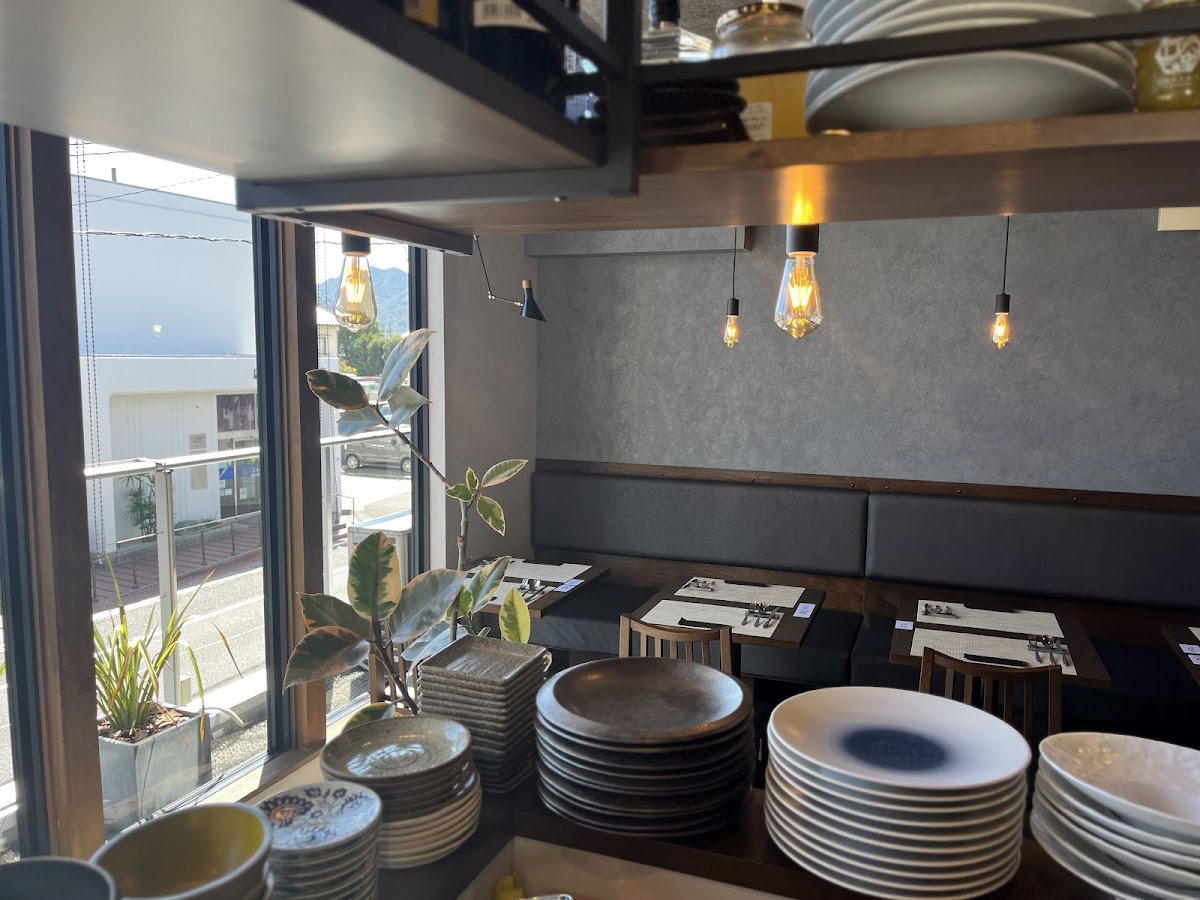
Arriving at the Water's Edge
Miyajimaguchi is the kind of place most visitors pass through rather than pause in. The ferry terminal anchors the town, and the rhythm of the area is set by the crossings to Itsukushima Island rather than by the dining rooms that line the approach. Douze Miyajima sits on the second floor of a building at 1 Chome-3-31 in Miyajimaguchi, Hatsukaichi, positioned just off the main route that funnels visitors toward the water. Arriving here involves a deliberate choice: this is not a restaurant you stumble into. That positioning, slightly removed from the pedestrian flow, already signals something about the kind of experience being offered.
The Seto Inland Sea corridor, which stretches between Honshu and Shikoku and Kyushu, has one of Japan's most consequential ingredient geographies. The sea's sheltered, tidal character produces oysters, sea bream, octopus, and a range of shellfish that chefs across Hiroshima Prefecture have built seasonal menus around for generations. A restaurant in Miyajimaguchi is, by virtue of its location alone, operating within one of Japan's most ingredient-rich coastal corridors. How a kitchen chooses to engage with that proximity is the question that separates one table from the next in this part of the country.
Ingredient Geography in the Hiroshima Coastal Corridor
Hiroshima's food identity is most internationally associated with its oyster production, which accounts for a significant share of Japan's national output. But the broader Seto Inland Sea larder extends well beyond that single product. Sea bream cultured and wild-caught in the sheltered channels, small-boat fisheries supplying restaurants directly, and the vegetable farming of the Hiroshima hinterland all contribute to what regional kitchens have access to. This is not a food region built on import logistics or prestige suppliers from distant prefectures. The sourcing argument here is geographic: what the sea delivers, the kitchen uses.
In Japan, this kind of hyper-local ingredient framing has become a deliberate identity marker at the serious end of the dining spectrum. Restaurants from Gion Sasaki in Kyoto to Goh in Fukuoka have built reputations in part by treating regional sourcing as a curatorial act rather than a default. The same logic applies in Hiroshima Prefecture, where proximity to the Seto Inland Sea is an asset that rewards kitchens willing to build a menu around what the season and the water actually produce, rather than what's available year-round through distribution networks.
Douze Miyajima operates within this broader regional context. While specific menu details and sourcing partnerships are not available for confirmation here, the restaurant's address alone places it in a zone where the argument for local, coastal-forward cooking is both geographically obvious and competitively expected. Diners arriving from the ferry at Miyajimaguchi, or positioning the restaurant as a meal before or after the island crossing, are already in a frame of mind shaped by the range of the sea.
The Hatsukaichi Dining Context
Hatsukaichi, the city that encompasses Miyajimaguchi, is not a dining destination in the way that Hiroshima city proper is. It functions more as a gateway municipality, with much of its visitor traffic oriented toward Miyajima rather than toward the city itself. That creates a specific kind of dining environment: the audience is often transient, drawn from a mix of domestic and international visitors with Itsukushima as their primary focus. Restaurants that operate here are either positioned to capture that passing traffic or to serve a local clientele that has its own, less touristic relationship with the area.
Within Hatsukaichi's smaller dining scene, a handful of restaurants offer different points of entry. Miyajima Sushi Tensen and Sekitei represent the sushi and traditional Japanese end of the local offer, while TP dining & cafe tino and アカイ occupy different registers of the casual dining range. For a broader map of the city's options, the full Hatsukaichi restaurants guide covers these in more depth. Douze, positioned on the second floor with the name suggesting a French inflection (douze being the French word for twelve), sits in a less immediately categorizable space within this local mix.
A French Number in a Japanese Port Town
The name Douze carries a register that aligns with the wave of Japan's French-influenced dining rooms that established themselves across the country from the 1980s onward and have since evolved into something more hybrid. At the formal end, restaurants like HAJIME in Osaka have taken French technique into highly decorated territory. Elsewhere, places like akordu in Nara demonstrate how European frameworks can be adapted to Japanese regional ingredient traditions. The French-Japanese kitchen, in other words, is not a novelty in Japan; it is an established category with its own internal hierarchy and regional variations.
A restaurant named Douze in a coastal prefecture with access to the Seto Inland Sea's seafood output has an obvious editorial argument available to it: French technique applied to local coastal ingredients. But it is worth noting that this kind of positioning, French-inflected with local sourcing logic, has proven durable at kitchens from Abon in Ashiya to affetto akita in Akita and across Japan's regional cities. It is a format that travels well when the ingredient sourcing is credible, and credibility in Miyajimaguchi is largely a matter of what the sea provides.
For comparison, the ambition-to-formality ratio at restaurants like Le Bernardin in New York City or the communal-dining model at Lazy Bear in San Francisco show how different kitchen cultures frame their sourcing narratives for different audiences. In Japan's coastal corridor, the frame is almost always quieter and more restrained. The argument is made through the plate, not the marketing.
Planning a Visit
Douze Miyajima is located on the second floor at 1 Chome-3-31, Miyajimaguchi, Hatsukaichi, Hiroshima Prefecture. The address places it within walking distance of the ferry terminal that serves Miyajima Island, making it a practical option for those sequencing a meal around the island visit. Other confirmed dining options in Hatsukaichi worth considering in parallel include Miyajima Sushi Tensen and Sekitei, both of which serve the coastal ingredient traditions of the region from different angles. Further afield, Aji Arai in Oita, Ajidocoro in Yubari District, and aki nagao in Sapporo and Akakichi in Imabari and Harutaka in Tokyo illustrate the range of what regional Japanese kitchens are doing with local sourcing at different price points.
Frequently asked questions
Is Douze Miyajima good for families?
Douze Miyajima's French-influenced format and second-floor location in Miyajimaguchi suggest a sit-down, quieter dining environment rather than a casual family drop-in. Families with older children who are comfortable with a more considered dining pace would likely find it workable. Those travelling with young children should factor in the upstairs address and the restaurant's apparent positioning away from quick-service formats. Contacting the venue directly before visiting is advisable given the limited public information on seating arrangements.
What's the vibe at Douze Miyajima?
The setting is a second-floor room above Miyajimaguchi, the departure point for ferries to Itsukushima — a town most travellers move through rather than linger in. That context shapes the atmosphere: it is a deliberate detour rather than a destination that announces itself. The French-influenced name and address place it within Japan's tradition of European-inflected dining rooms that operate quietly outside major city circuits, favouring a composed, unhurried register over anything approaching a buzzy dining room.
Is Douze Miyajima worth visiting if I'm only stopping at Miyajimaguchi to catch the Itsukushima ferry?
Douze Miyajima's second-floor address at 1 Chome-3-31 Miyajimaguchi places it within walking distance of the ferry terminal, which makes it a logical stop for travellers with time between connections. The French-influenced dining format suggests a sit-down meal rather than a quick bite, so arriving with at least an hour to spare is sensible. Hatsukaichi as a whole is not a dining destination travellers typically plan around, which makes Douze one of the few reasons to treat Miyajimaguchi as a pause rather than a transit point.
What dish is Douze Miyajima famous for?
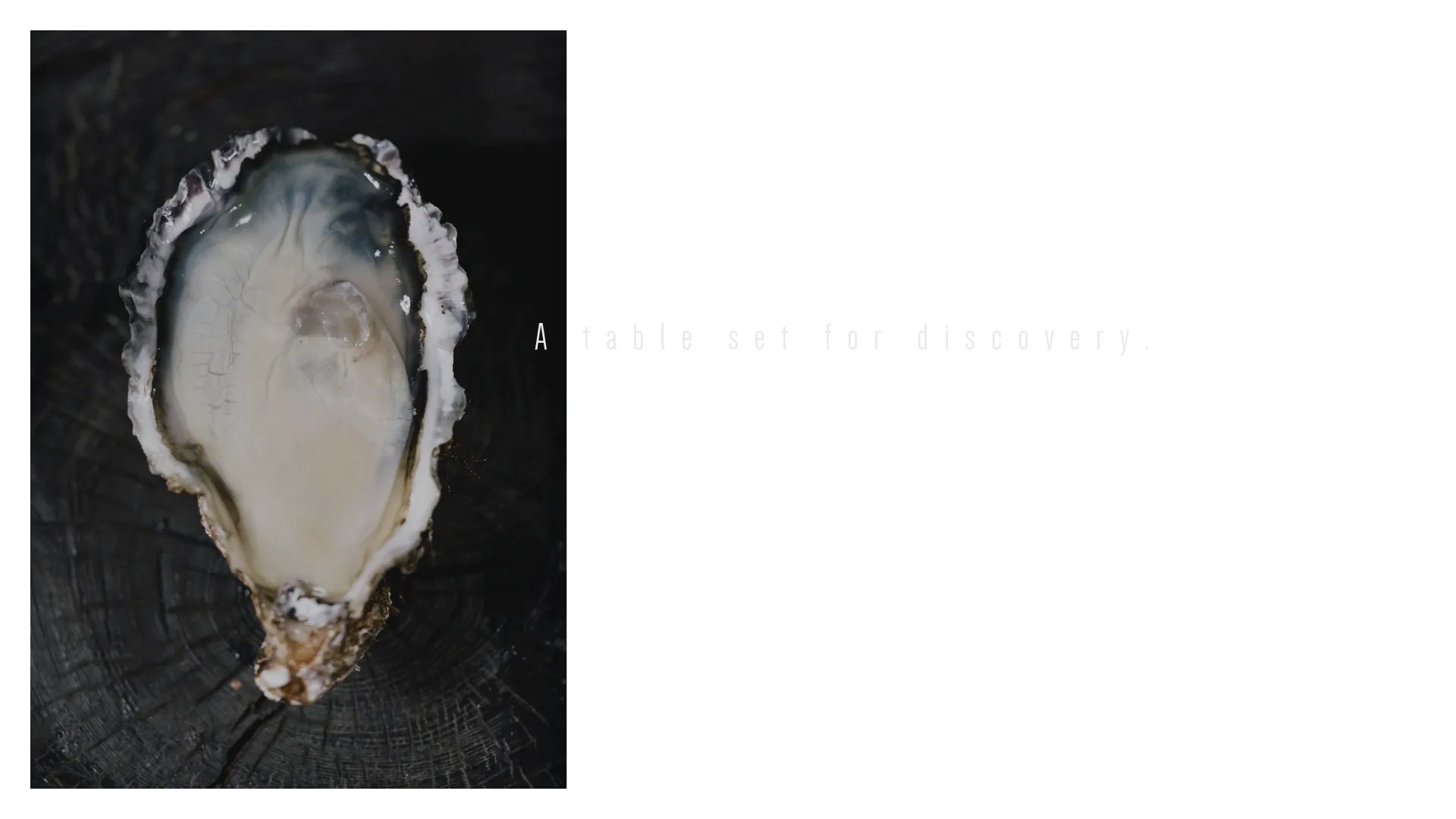
What the location does make clear is that Hiroshima's coastal corridor — centred on Miyajimaguchi and the Seto Inland Sea — is one of Japan's leading oyster-producing zones, accounting for a substantial share of national output. A French-influenced kitchen at this address would have direct access to that supply, though the restaurant's actual repertoire and signature dishes would need to be confirmed at the time of booking.
A Quick Peer Check
Comparable venues nearby, for context on price, style, and recognition.
| Venue | Cuisine | Price | Awards | Notes |
|---|---|---|---|---|
| Douze MiyajimaThis venue — the venue you are viewing | French-Japanese Fusion Bistro | $50–100 | Not listed | Not listed |
| アカイ | Modern Japanese-French Fusion Kappo | Not listed | Not listed | Miyajimaguchi |
| CHILAN | Modern Vietnamese | Not listed | Star Wine List · Tabelog 100 #40 | Ajina |
| Sekitei | Kaiseki Ryokan Dining | Not listed | Not listed | Miyahama Onsen |
| Momiji Do Honten | Traditional Japanese sweets (momiji manju) | $1–10 | Tabelog 100 #94 | Miyajima-cho |
| Ueno (うえの) | Traditional Japanese Anagomeshi | $20–30 | Not listed | Miyajimaguchi |
Continue exploring
More in Hatsukaichi
Restaurants in Hatsukaichi
Browse all →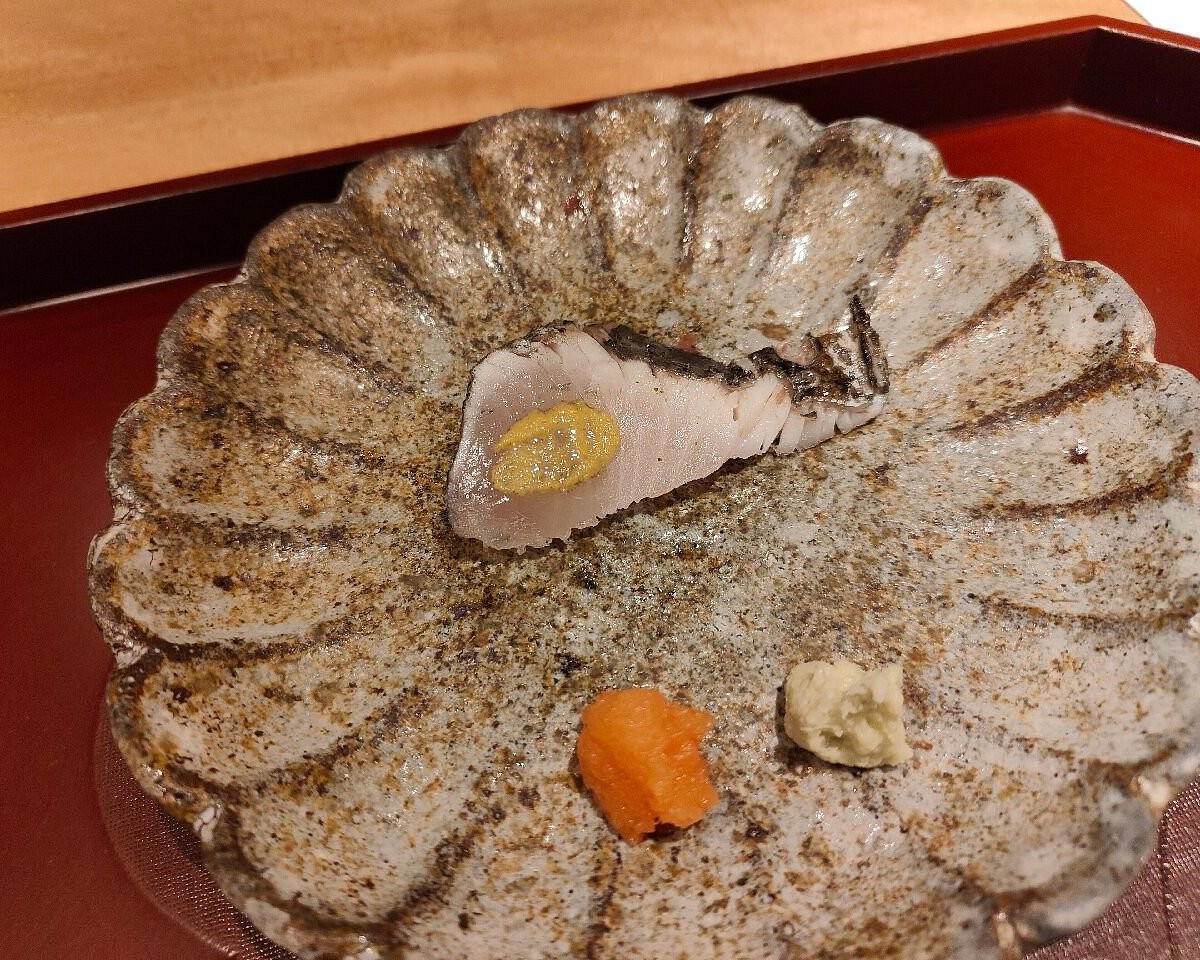
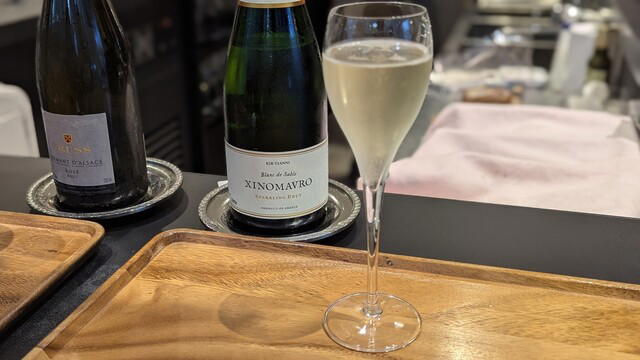
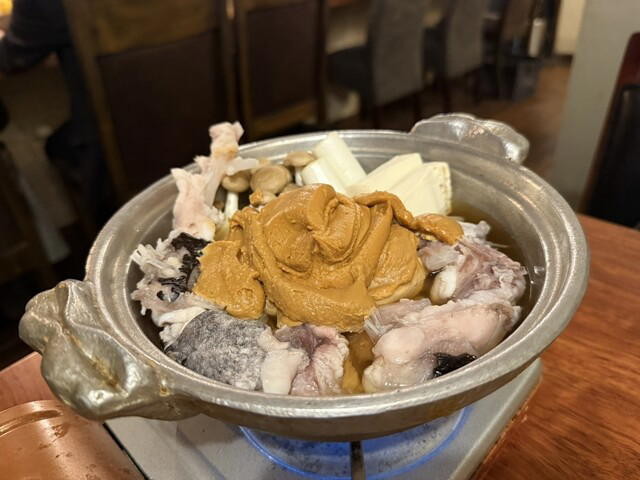
Bars in Hatsukaichi
Browse all →
Details
- Elegant
- Sophisticated
- Modern
- Date Night
- Business Dinner
- Special Occasion
- Open Kitchen
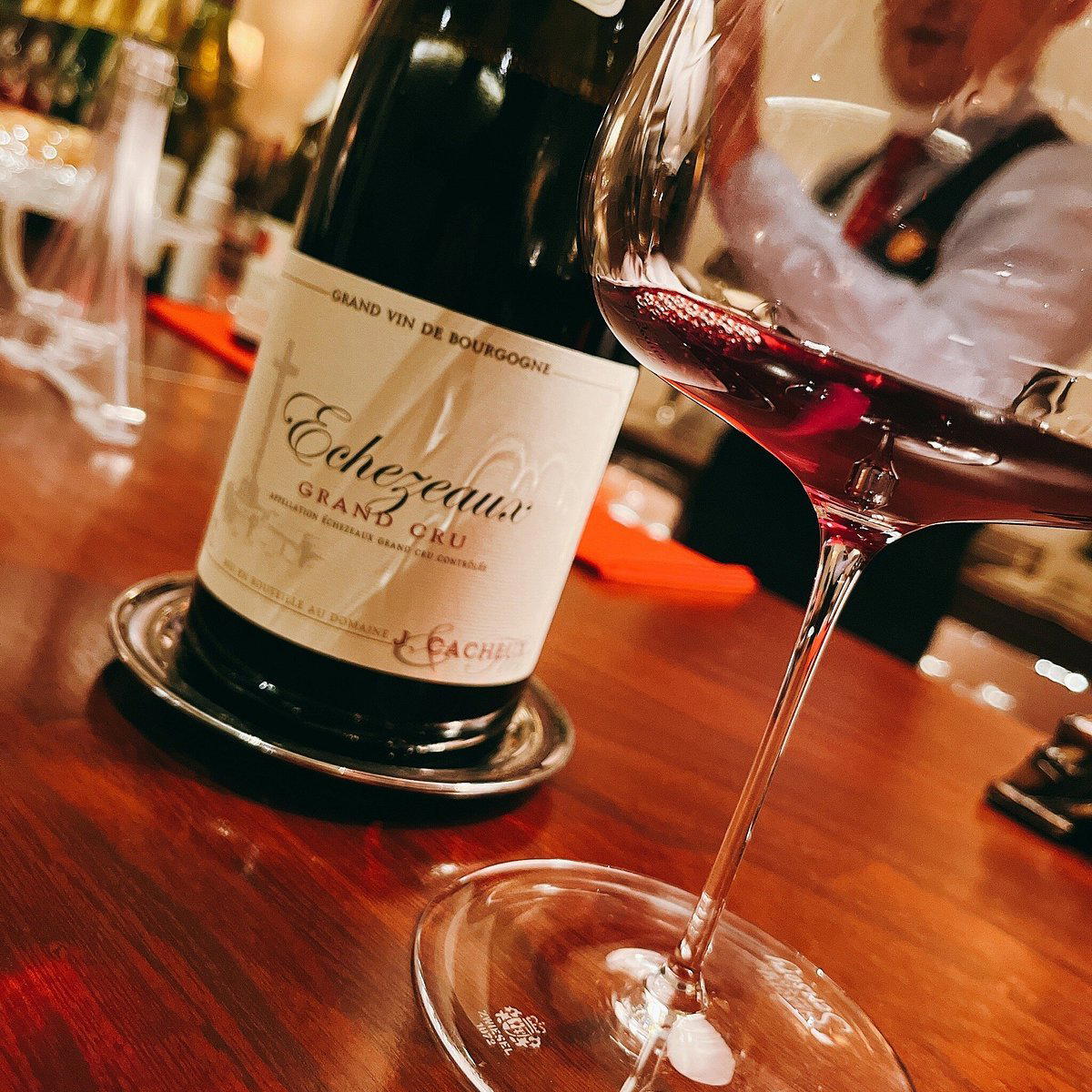
- Extensive Wine List
- Sake Program
- Beer Program
- Local Sourcing
- Sustainable Seafood
- A La Carte
- Set Menu
- Wine
- Sake
- Craft Beer
- Vegetarian Friendly
- Vegan Options
Current opening hours
- Monday
- 5–10:30 PM
- Tuesday
- 5–10:30 PM
- Wednesday
- 5–10:30 PM
- Thursday
- 5–10:30 PM
- Friday
- 5–10:30 PM
- Saturday
- 5–10:30 PM
- Sunday
- Closed
Hours can change for holidays and private events. Last verified .
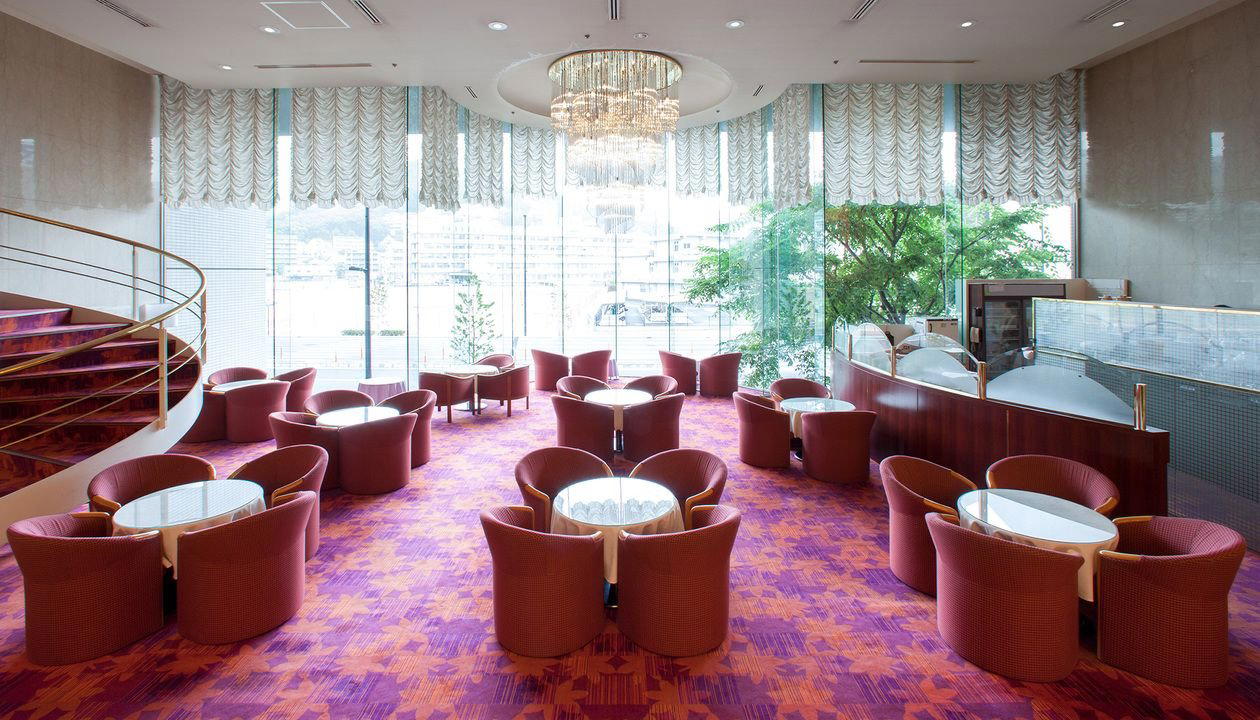
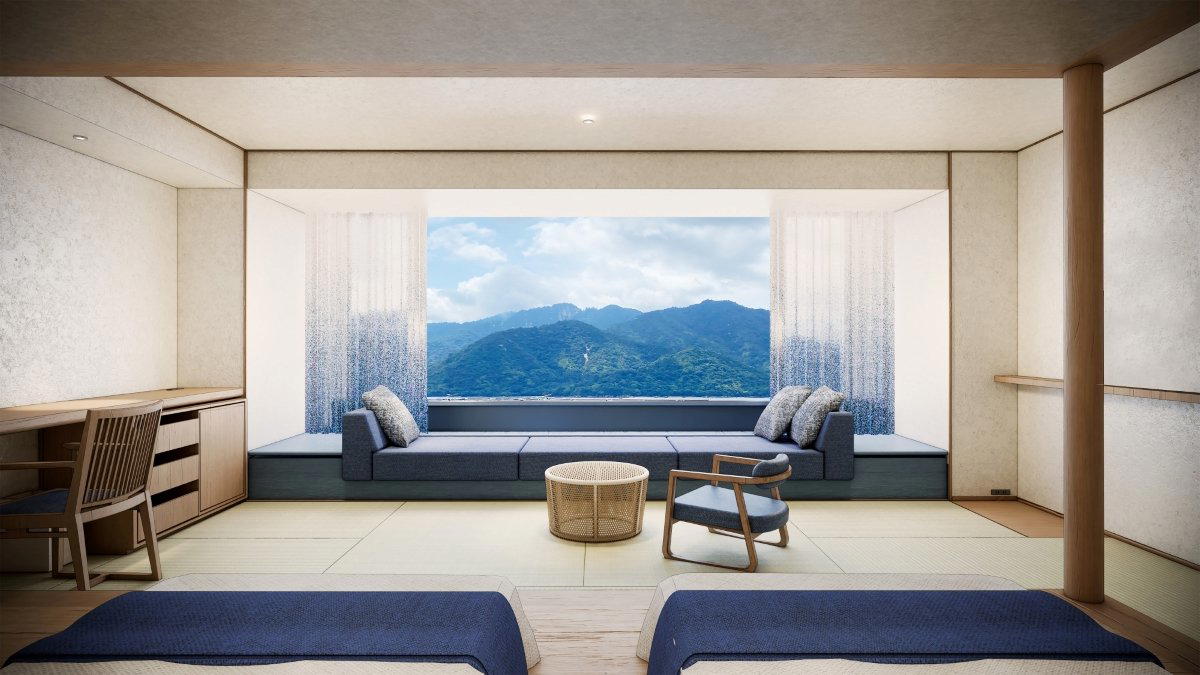
Contemporary bistro setting with refined, upscale casual atmosphere blending European and Japanese design elements.