Momiji Do Niban Ya

Momiji Do Niban Ya is a Miyajima sweets stop built around age momiji, the fried maple-leaf manju that turns a local souvenir into a hot, skewer-in-hand snack. Its Tabelog 100 selection for Japanese traditional sweets and sweets cafes in WEST 2023 gives it a firmer editorial footing than the average shopping-street pause.
Pearl is the En Primeur Club membership app — saves, bookings, and concierge access live there. Same editors, same standards.
- Address
- 広島県廿日市市宮島町512-2
- Phone
- +81829441623
- Website
- momijido.com
- Directions
- Get directions
 Saves & bookings on Pearl
Omotesando Shopping Street on Miyajima is not a quiet approach to shrine country. It works by procession: ferry passengers, souvenir boxes, deer moving through the edges of the crowd, and the steady pull toward Itsukushima Shrine. In that setting, Japanese sweets are not an afterthought to sightseeing. They are part of the island’s operating rhythm, designed to be eaten between tide, torii, and train schedules.
The local grammar is momiji manju, the maple-leaf cake associated with Miyajima and Hiroshima. The interesting shift here is temperature and texture. Instead of treating the cake only as a packaged gift, the age momiji format turns it into street food: fried, served on a skewer, and eaten before the wrapper-and-box logic of omiyage takes over. Momiji Do Niban Ya sits inside that change, less as a cafe destination than as evidence of how regional sweets adapt when a pilgrimage route becomes a high-volume day-trip corridor.
Fried momiji manju and the modern Miyajima sweet
Wagashi culture in Japan often rewards restraint: seasonality, bean paste, shaped symbolism, and a quiet tea-room tempo. Miyajima asks for a different register. Visitors are walking, queuing, ferry-timing, and comparing edible souvenirs in real time. The fried momiji manju answers that pace without abandoning the local shape that gives the sweet its identity.
The defining idea is age momiji, a registered trademark of Momijido, sold individually and made for immediate eating rather than suitcase travel. The price point belongs to the casual-snack tier, but the recognition is not casual: the shop was selected for Tabelog 100 Japanese traditional sweets and Japanese sweets cafe WEST 2023, with a Tabelog score of 3.61. In Japan’s crowded sweets category, that kind of selection matters because it separates a tourist-street purchase from a shop with enough local and regional standing to be measured against serious wagashi and kanmiya addresses across western Japan.
Ingredient sourcing, in this case, is as much cultural as agricultural. The maple-leaf form links the sweet to Miyajima’s autumn identity, while the manju format ties it to Hiroshima’s long-running gift-sweet economy. Frying changes the use-case: it moves the product from boxed souvenir to short-break food, the sort of thing that belongs to a walk rather than a dining room. That distinction is why the shop makes more sense before or after shrine time than as a conventional dessert course.
Food-court pragmatism on a shrine-island route
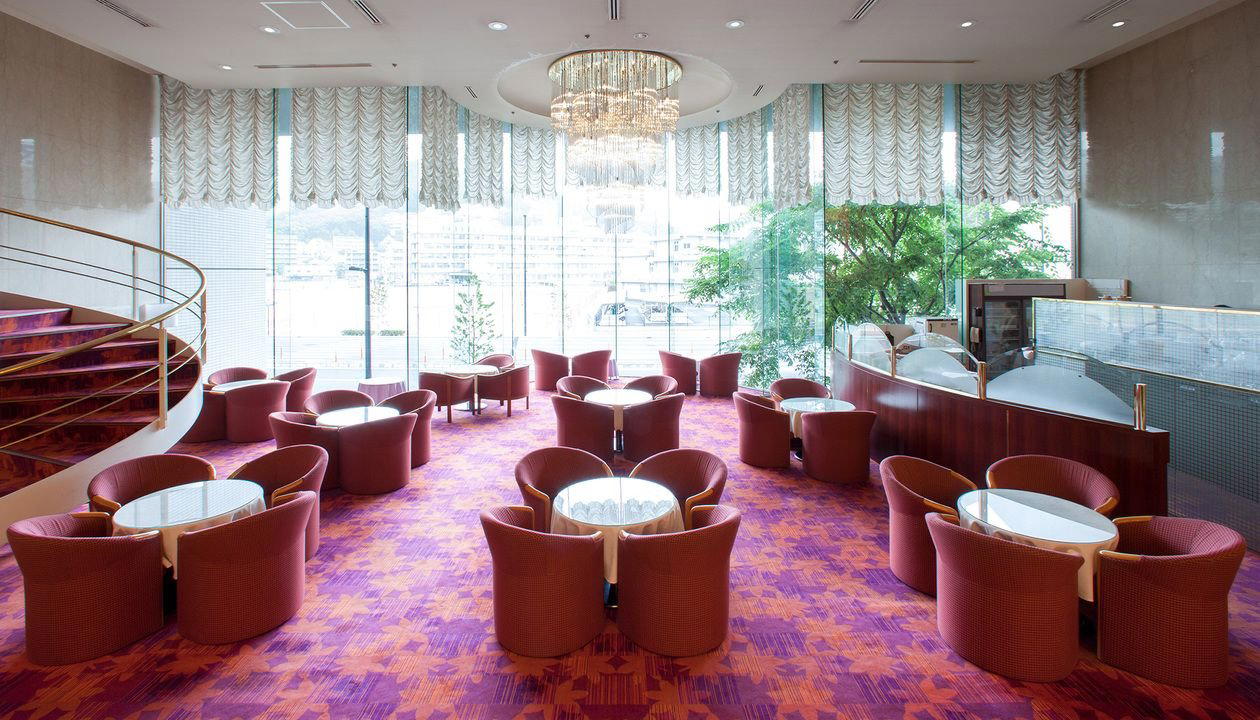
The format is deliberately unfussy: take-out service, food-court-style seating, and a mix of indoor and outdoor places to pause. That matters on Miyajima, where the visitor flow spikes during New Year, Golden Week, fireworks events, and autumn-leaf weekends. A formal cafe would buckle under that rhythm; a counter-and-skewer model absorbs it more naturally, even if popular items can tighten during heavy crowds.
Compared with the island’s broader dining range, the shop occupies a precise lane. Momiji Do Honten keeps the same sweets family close by, while Miyajima Sushi Tensen and Douze Miyajima point toward sit-down dining. CHILAN, with a much higher spend bracket, belongs to another decision entirely. The useful comparison is not which address is superior; it is what kind of Miyajima hour the traveler is trying to fill.
For a shrine-island day, this is the smart placement: use the sweets stop as a hinge between the ferry-side commercial strip and the cultural weight of Itsukushima. The shop’s 50-seat food-court layout, family-friendly posture, stroller tolerance, self-service tea and water, and skewer-collection ritual all point to a place designed for volume without pretending to be fine dining. That lack of ceremony is the point.
How to frame it within Hatsukaichi
Hatsukaichi’s culinary map splits between island immediacy and slower, higher-spend meals. Miyajima’s sweets counters deal in speed, symbolism, and edible souvenirs; the area’s restaurants and ryokan dining rooms ask for more time and planning. Travelers building a fuller itinerary can pair the sweets circuit with the wider restaurant scene in our full Hatsukaichi restaurants guide, or look at overnight strategy through our full Hatsukaichi hotels guide. Drinking, winery, and activity planning sit separately in our full Hatsukaichi bars guide, our full Hatsukaichi wineries guide, and our full Hatsukaichi experiences guide.
鮪と炭火焼き うお炭 秋葉原店 in Tokyo, cafe culture at.cafe in Osaka, contemporary dining at.know in Kumamoto, Vietnamese cooking at (Shoku) Vietnam in Kawasaki, curry specialization at [Curry Senmon Ten] Maruyama Kyoju. in Sapporo, sake-bar context at Jōdo Saké Bar in Los Angeles, and rice-ball specificity at Onigiri Time in Pasadena. Back in Hatsukaichi, Sekitei shows the slower hospitality end of the same regional travel pattern.
The editorial read is simple: this is not where Miyajima becomes grand. It is where the island’s snack culture becomes legible. The value lies in the compression of place, shape, crowd-flow, and price into one quick sweet that belongs exactly where it is.
Comparison Snapshot
Comparable venues by cuisine and price in the same metro.
| Venue | Cuisine | Price | Notes |
|---|---|---|---|
| Momiji Do Niban Ya | Traditional Japanese wagashi & fried momiji manju | $ | Miyajima Omotesando shopping street |
| Momiji Do Honten | Traditional Japanese sweets (momiji manju) | $ | Miyajima-cho |
| Miyajima Sushi Tensen | Seasonal Seto Inland Sea Omakase | $$$$ | Miyajima |
| Ueno (うえの) | Traditional Japanese Anagomeshi | $$$ | Miyajimaguchi |
| アカイ | Modern Japanese-French Fusion Kappo | $$$ | Miyajimaguchi |
| CHILAN | Modern Vietnamese & Natural Wine | $$$ | Ajina |
Recognition history
Dated appearances from independent guides and award organizations, with the underlying list record or original source where available.
Tabelog 100 #17 · No. 17
Tabelog · Tabelog 100 - Japanese traditional sweets / Japanese sweets cafe - WEST - 2023
Continue exploring
More in Hatsukaichi
Restaurants in Hatsukaichi
Browse all →
Bars in Hatsukaichi
Browse all →



At a Glance
- Lively
- Classic
- Well Known
- Casual Hangout
- Family
- Solo
- After Work
- Waterfront
- Historic Building
- Standalone
- Local Sourcing
- Street Scene
Casual wagashi and coffee shop atmosphere geared to tourists on the shopping street, with a bright, bustling feel and quick counter-style service for takeout snacks rather than lingering meals.